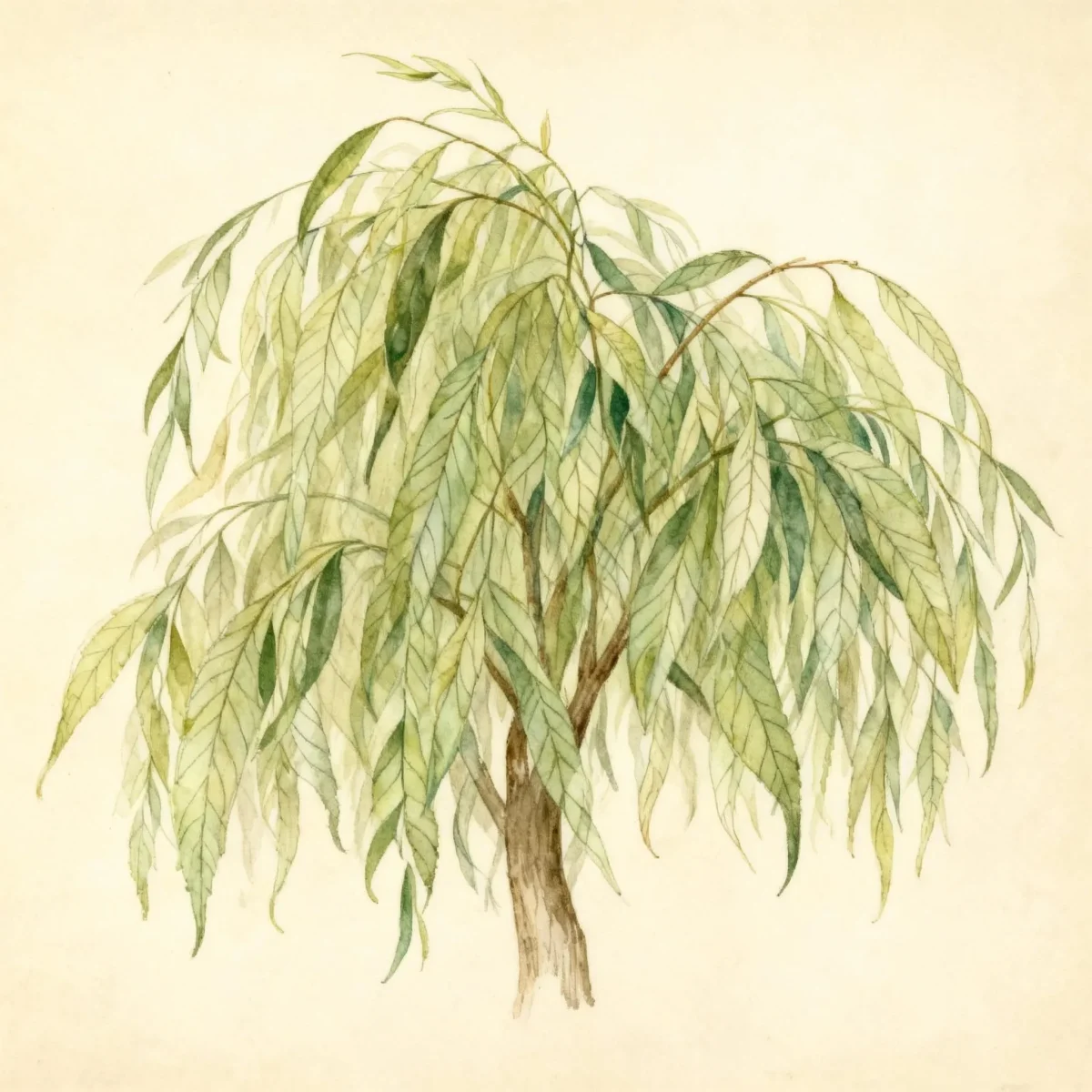
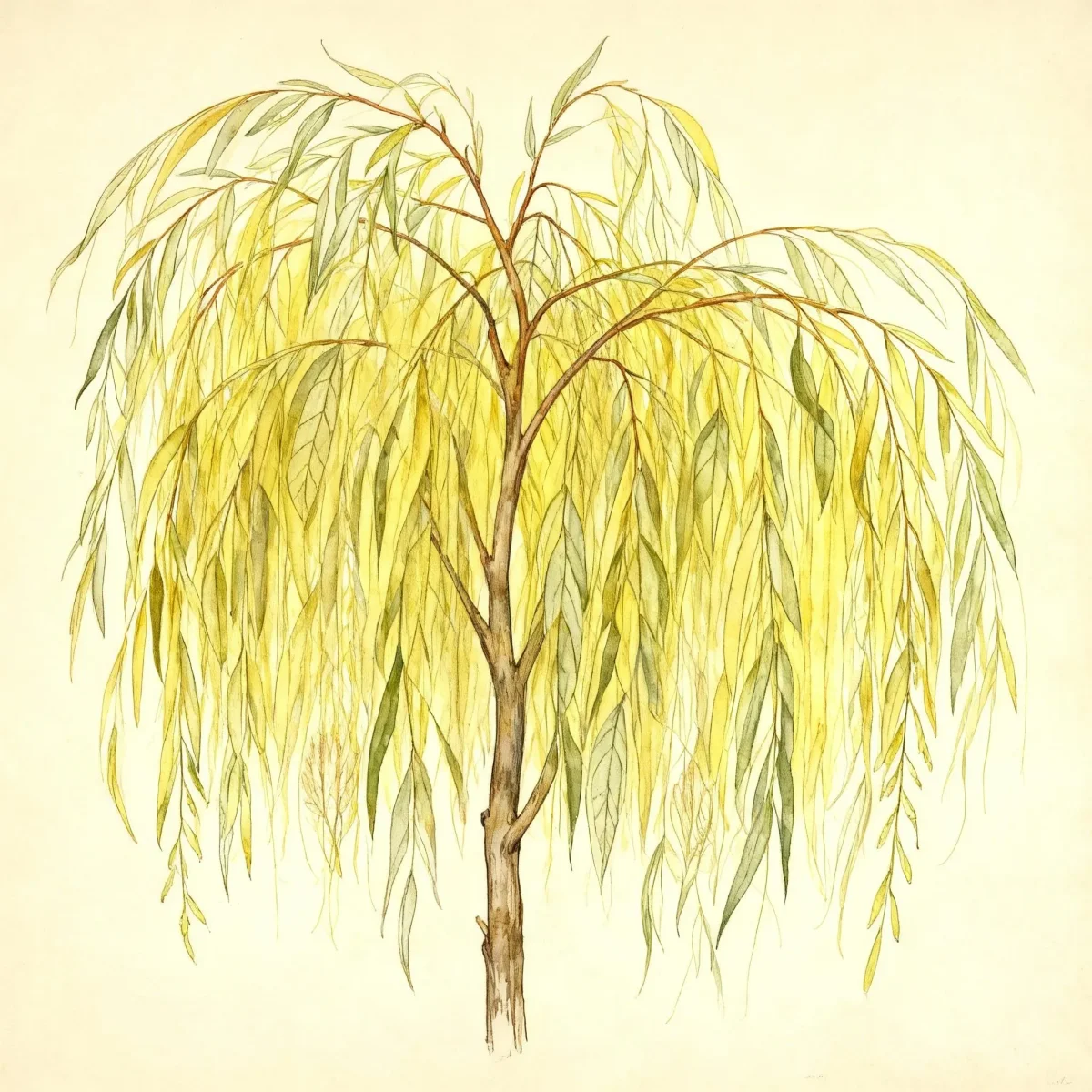
Silver willow (Salix alba var. sericea)
Salix alba var. sericea, the Silver willow, is a fast-growing deciduous tree valued for its distinct silver foliage. Zones 2-8. Moderate to high maintenance.
Scroll down to discover growing tips, care requirements, companion plants, and more
Complete Plant Information
Overview
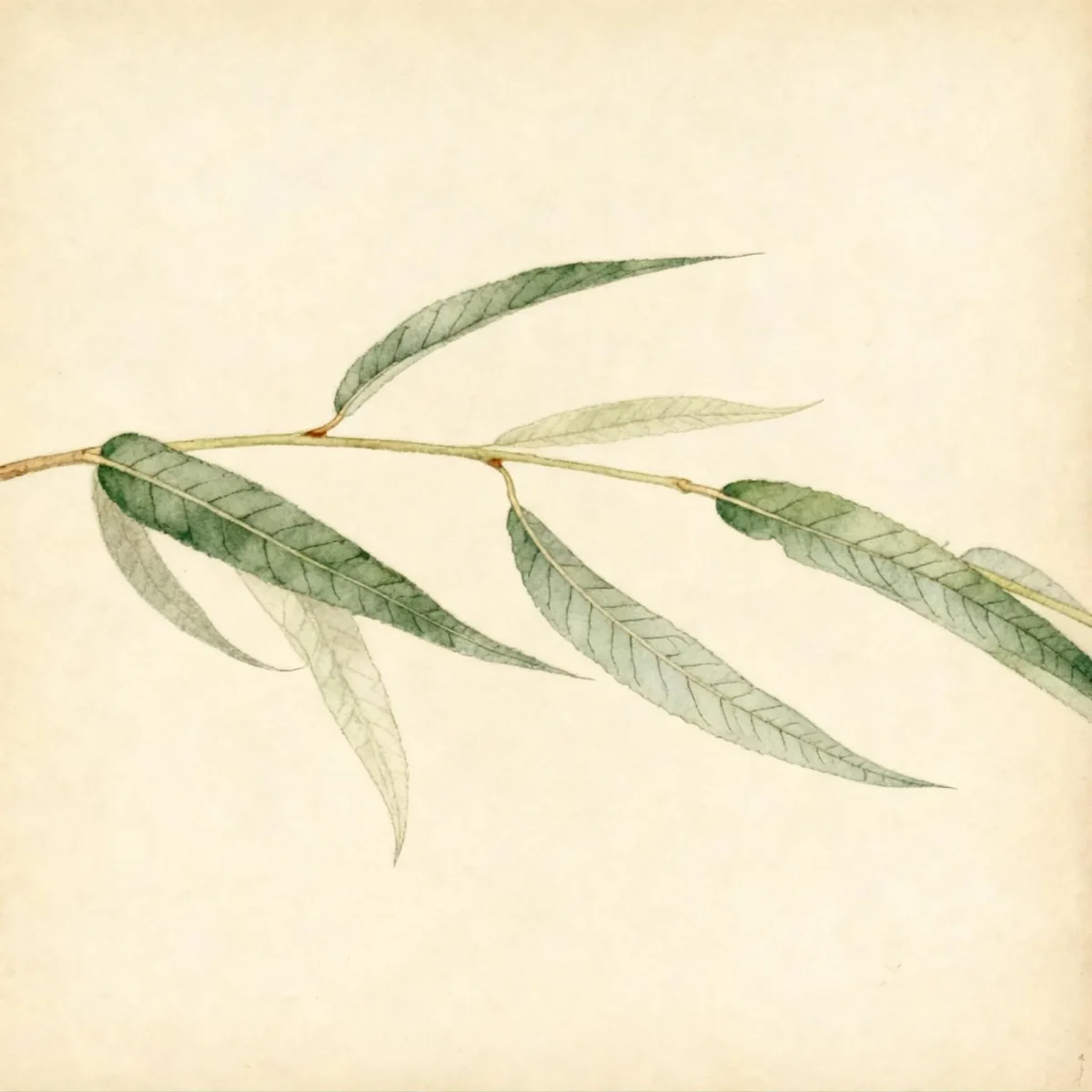
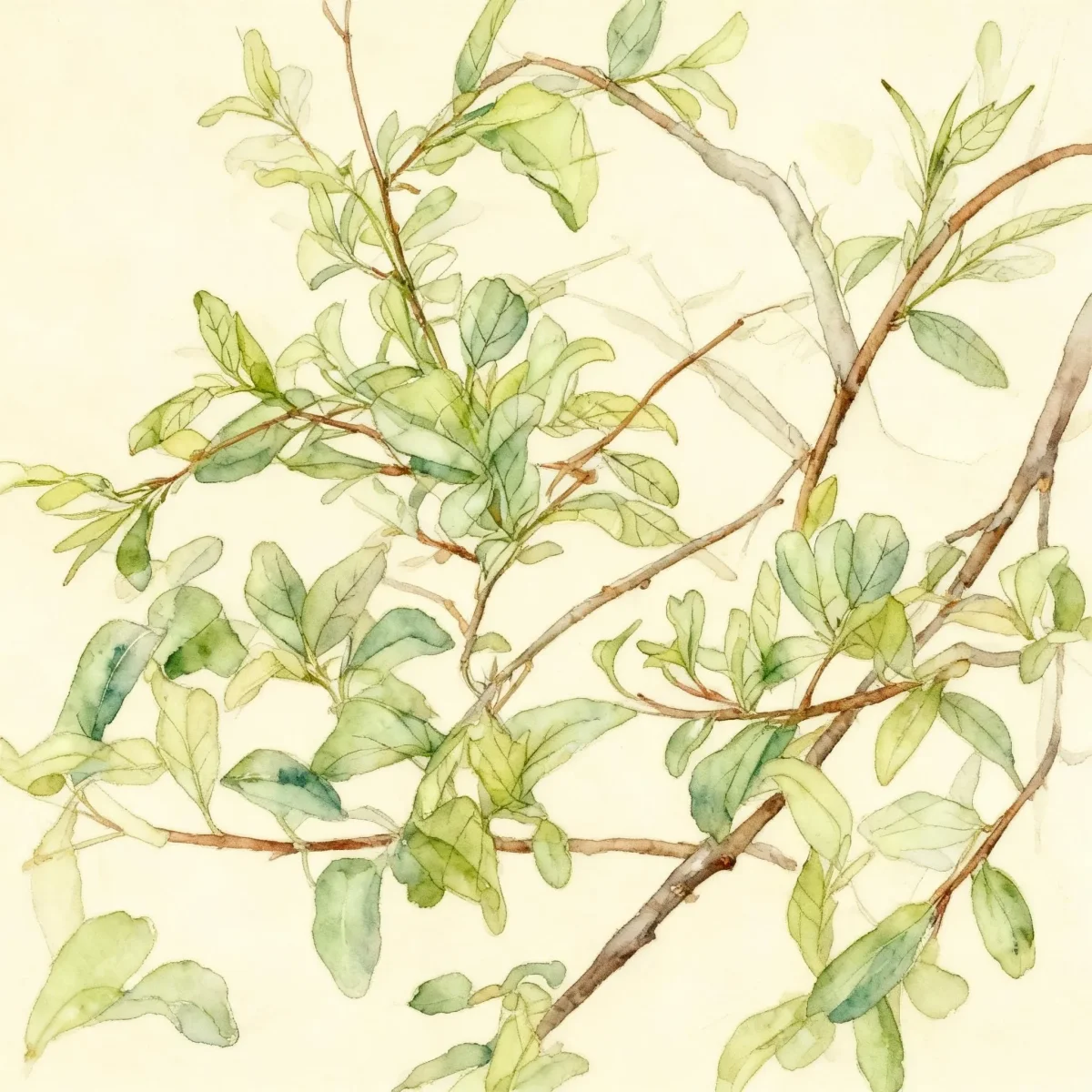
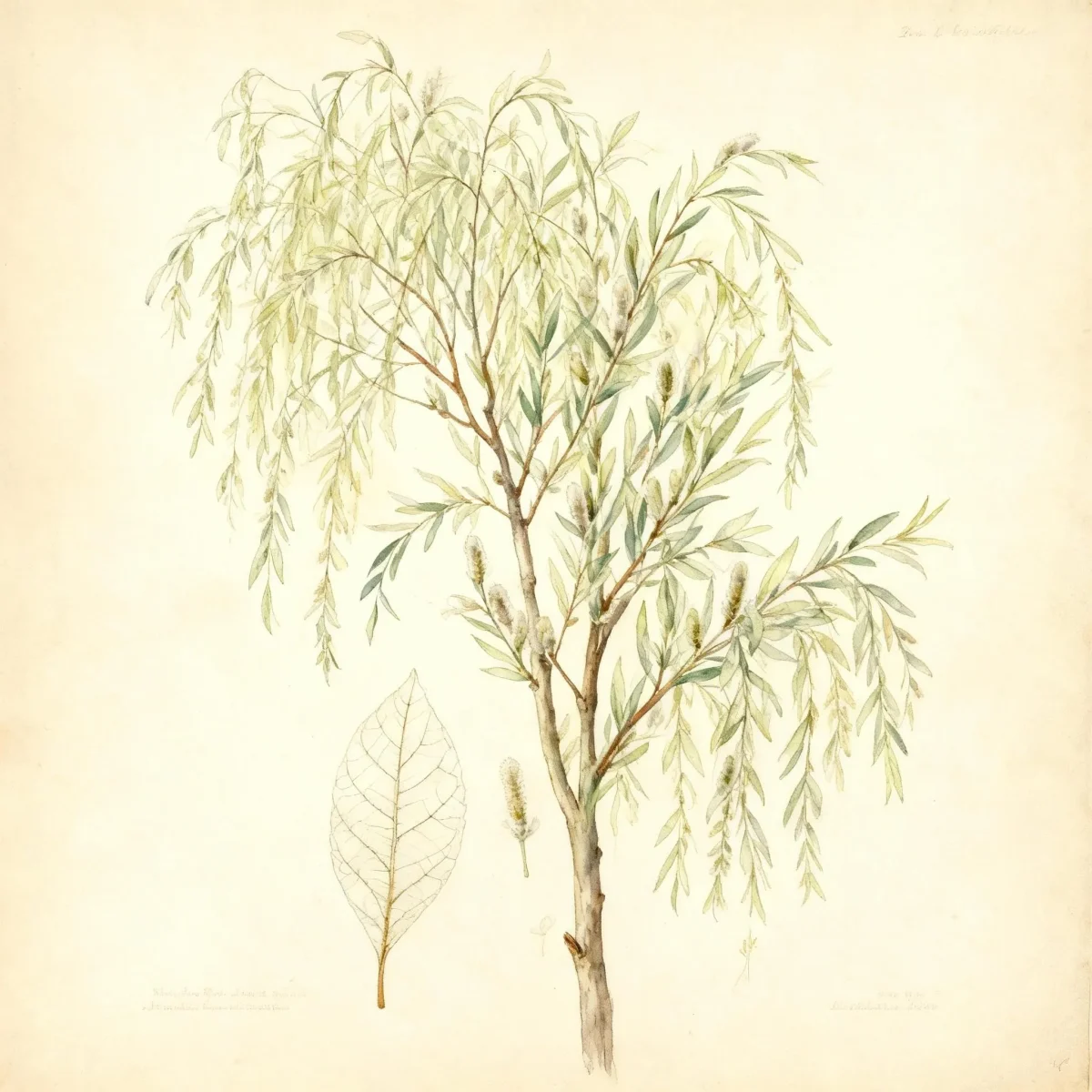
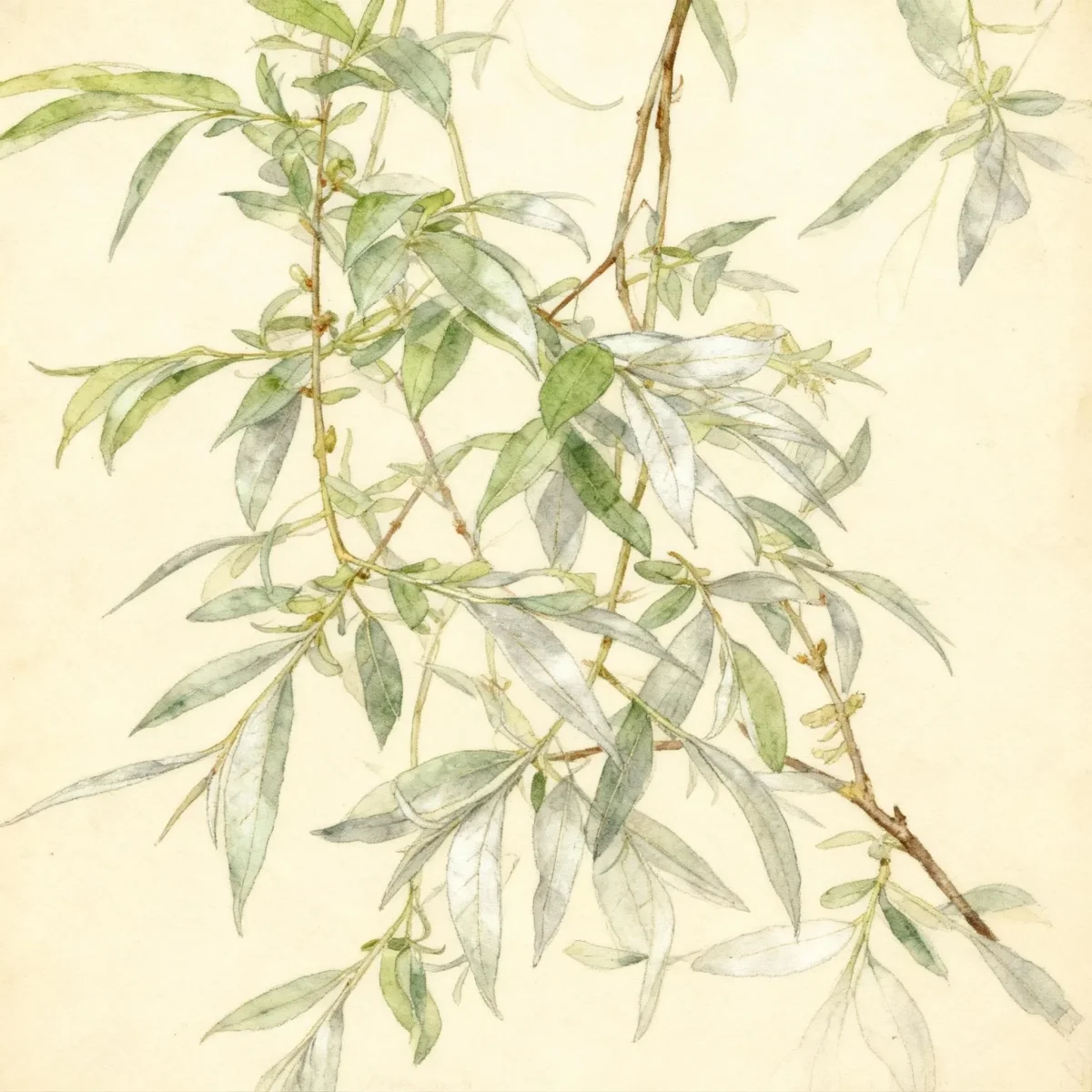
The Salix alba var. sericea, commonly known as Silver willow, is a striking, upright deciduous tree recognized for its distinctly beautiful foliage. The specific epithet Sericea refers to the soft, silky hairs covering the leaf undersides, creating the characteristic silver sheen that distinguishes this variety from the typical white willow. This fast-growing species provides significant height and breadth, making it a dramatic structural element in large landscapes where its moisture needs can be met.
While it is a robust grower, gardeners should note that Salix alba var. Sericea possesses weak wood and requires regular attention, leading to its classification as a high-maintenance subject. Its presence is best suited for less formal settings or areas where substantial moisture management is already necessary. The Silver willow certainly offers exceptional aesthetic value through its foliage and rapid growth rate, provided its structural weaknesses are managed proactively.
Fast Facts
- Plant Family: Salicaceae
- Plant Type: Tree
- Native Range: Europe, northern Africa to central Asia
- Hardiness Zones: USDA Zones 2-8
- Size at Maturity:
- Height: 50-80 ft
- Spread: 40-70 ft
- Bloom Time: April to May
- Bloom Description: Greenish-yellow
- Sun Exposure: Full sun to part shade
- Water Needs: Medium to wet
- Maintenance Level: High
How to Grow
Planting the Salix alba var. sericea should ideally occur in early spring or fall when the tree is dormant, especially if planting bare-root stock. Successful establishment requires a location that offers full sun, though it can tolerate part shade. This tree thrives best in average soils, provided they are consistently medium to wet and well-drained; avoid overly dry sites above all else.
Watering requirements are substantial, so place your Silver willow where its shallow, moisture-seeking roots will have constant access to water, such as near ponds or streams. Since the maintenance level is considered high, routine structural pruning is critical. Perform necessary pruning during late winter or early spring before new growth begins to manage weak branches and maintain a safe structure.
Due to its rapid growth and tendency toward litter (leaves, twigs, branches), site selection is paramount. While it handles clay soil well, avoid planting near structures, septic systems, or in residential areas where leaf drop or limb failure could cause maintenance headaches.
Landscape Uses
White willow, in general, is usually not the top recommendation for standard residential landscapes due to its susceptibility to pests, weak wood, and moisture-demanding roots. However, Salix alba var. sericea finds its niche where these characteristics become assets rather than liabilities. It is an acceptable selection for stabilizing banks near streams, ponds, or in naturally low-lying areas where the soil remains consistently moist throughout the season.
When placed appropriately, the dramatic silvery foliage of the Silver willow contrasts beautifully with dark green evergreens or plants that feature deep red or burgundy summer foliage. Because of its size potential (up to 80 feet tall), massings are typically inappropriate unless you possess substantial acreage suitable for a specimen grove. Focus planting efforts on utilitarian roles, such as creating habitat near water features, rather than ornamental focal points near the home.
Standout Features
Flower Qualities
- Showy
Noteworthy Characteristics
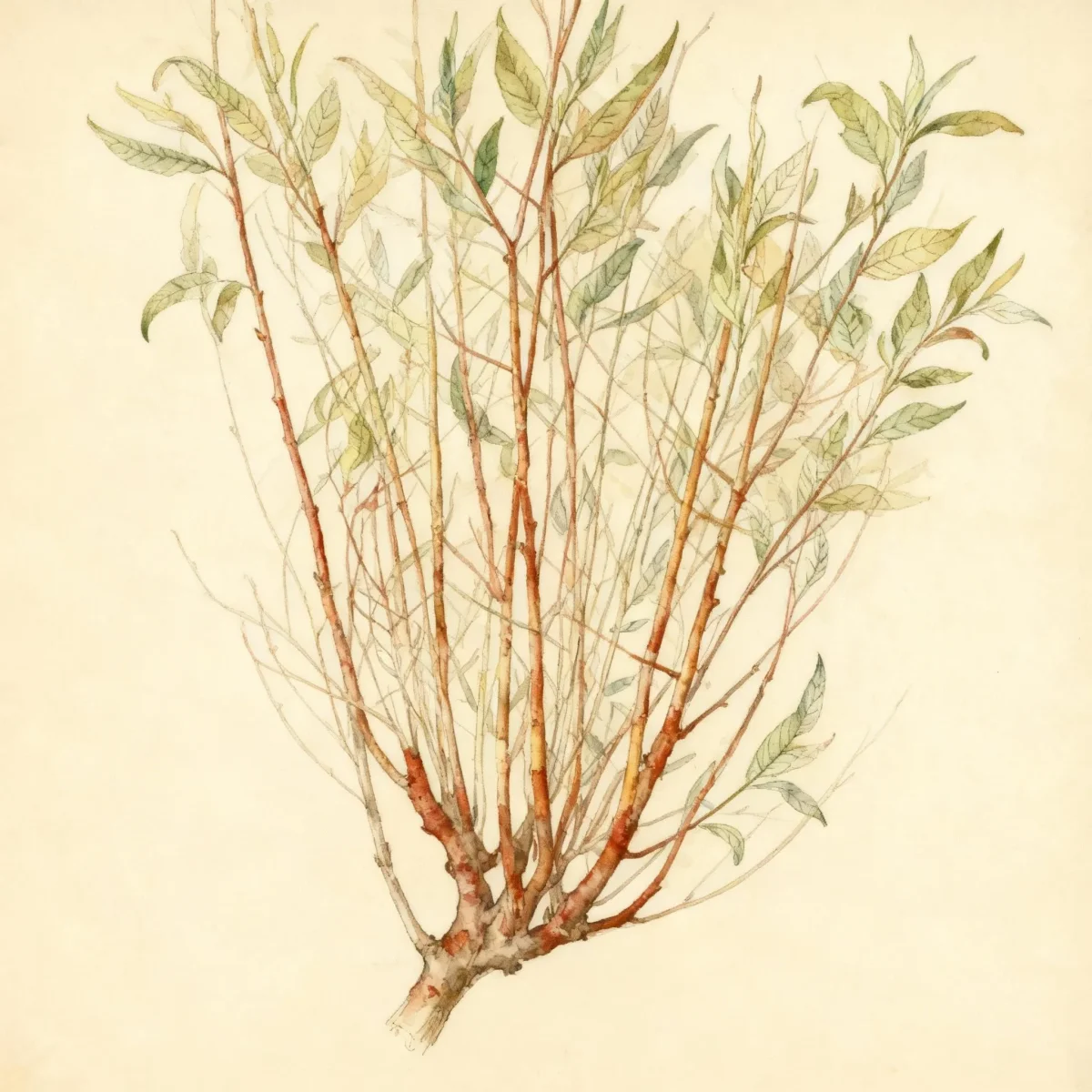
The species, Salix alba, is historically important, having been introduced to the U.S. in the 1700s. This upright, fast-growing tree forms a broad, loose crown with yellowish-brown bark. Var. Sericea, the Silver willow, is particularly desirable for its intensely silver foliage, derived from silky hairs on the leaf undersides. It is a dioecious species, meaning male and female flowers appear on separate trees, with the male catkins being somewhat showy in the spring.
Tolerances
- Deer
- Erosion
- Clay Soil
- Black Walnut
Potential Problems
The Salix alba var. Sericea is unfortunately susceptible to numerous physiological and pest issues, demanding high maintenance. Gardeners must be vigilant regarding diseases such as blights, cankers, and powdery mildew. Insect pests are also frequent visitors, including scale, borers, lacebugs, and various caterpillars.
Structural integrity is a major concern; the wood is inherently weak and prone to cracking or breakage during ice or snow loading. Furthermore, management of shallow roots is necessary, as these roots aggressively seek moisture and can clog underground sewers or drains, or severely impact groundcovers planted beneath the canopy.
To mitigate problems, ensure excellent air circulation, avoid overhead watering to limit fungal spread, and apply dormant oils or targeted sprays for emerging pests. Regular, selective pruning in late winter minimizes weak limb development, reducing the risk of storm damage from this otherwise magnificent tree.
Frequently Asked Questions
What hardiness zones is Silver willow suitable for?
The Salix alba var. sericea is highly adaptable across a wide temperature range, thriving well within USDA Zones 2 through 8.
How large does Silver willow grow?
This variety is a substantial tree, typically reaching heights between 50 and 80 feet tall, with a broad spread ranging from 40 to 70 feet wide.
What sun exposure does Salix alba var. sericea need?
For best health and vigor, the Silver willow requires full sun, although it can persist adequately in locations that receive part shade.
When does Silver willow bloom?
The greenish-yellow flowers appear relatively early in the growing season, typically blooming from April to May.
Companion Planting
When siting a Salix alba var. sericea, companion plants must be able to tolerate or even prefer the same consistently moist to wet soil conditions. Avoid placing shallow-rooted perennials directly underneath, as the willow’s roots will aggressively compete for water and nutrients. Good companions are often bog or waterside margin plants.
Consider using moisture-loving shrubs and small trees that do not require deep, dry soil, such as certain dogwoods (Cornus species with red stems for winter color) or moisture-tolerant maples (Acer species). These can help buffer the transition zone between the wet area supporting the willow and drier landscape elements.
For understory texture, focus on moisture-loving grasses or wetland perennials that can handle occasional flooding or saturated soil. Plants like Astilbe, although they prefer shade, can sometimes tolerate dappled light near the edge of the willow’s canopy if the soil remains sufficiently wet.
Seasonal Care Calendar
Spring care for the Salix alba var. sericea centers around structural maintenance and pest prevention. As soon as late winter transitions into early spring, perform any necessary corrective pruning while the tree is still dormant to remove crossing or damaged wood. This is also the crucial time to apply any horticultural oils to combat overwintering pests before bud break.
During the summer growing season, monitor water availability closely. Although soil should be moist, prolonged stagnation combined with high heat could exacerbate disease issues. Ensure good air flow around the canopy to help prevent the development of powdery mildew that can affect this species.
Fall is primarily a cleanup period for the Silver willow. The leaves produce a variable pale yellow color before dropping. Be prepared for significant leaf litter accumulation, especially given the tree’s tendency to shed twigs and branches throughout the year. Rake debris promptly to keep surrounding turf healthy and reduce hiding spots for overwintering insects.
Conclusion
The Salix alba var. sericea offers remarkable visual appeal, primarily due to its distinctive, silvery foliage that brightens large, wet spaces in the landscape. Gardeners must respect the high maintenance required because of its weak wood and pest susceptibility, opting only for sites where its moisture needs are naturally met. Before planting this impressive Silver willow, carefully assess your site accessibility for necessary pruning and commitment to management.