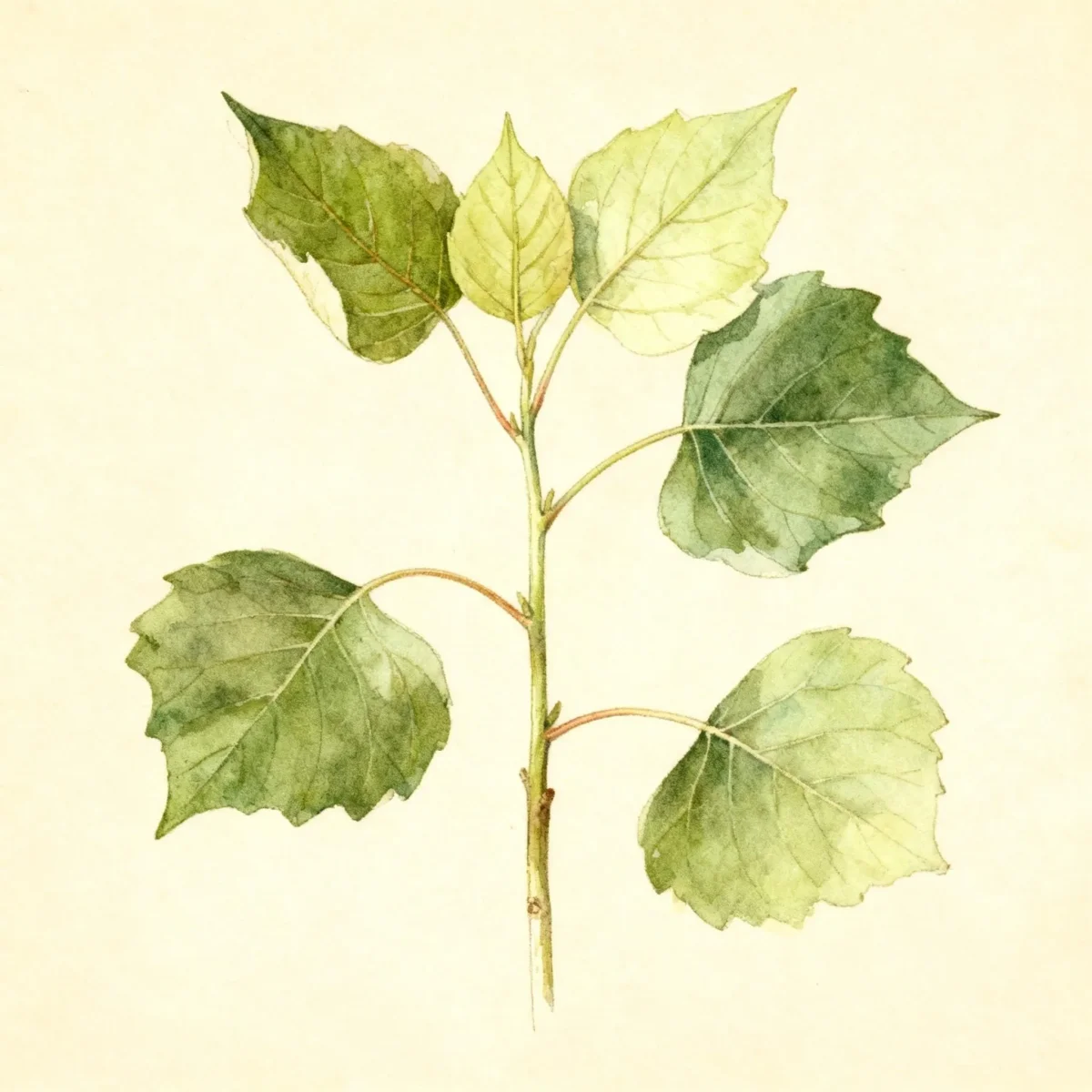
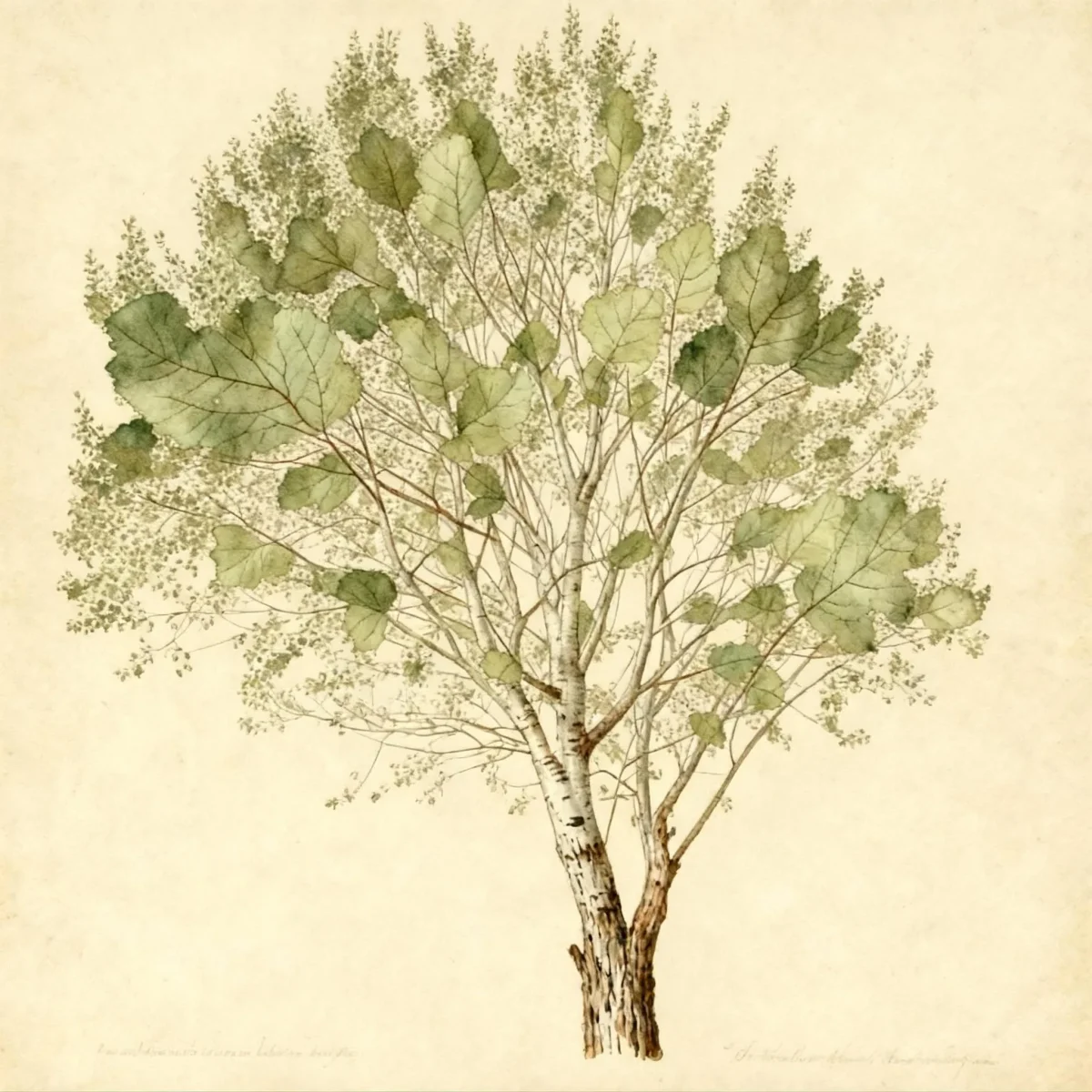
Purple willow (Salix purpurea 'Nana')
Compact Salix purpurea 'Nana' (Purple willow) is a tough, medium shrub perfect for wet areas, offering ornamental purple stems and dense foliage.
Scroll down to discover growing tips, care requirements, companion plants, and more
Complete Plant Information
Overview
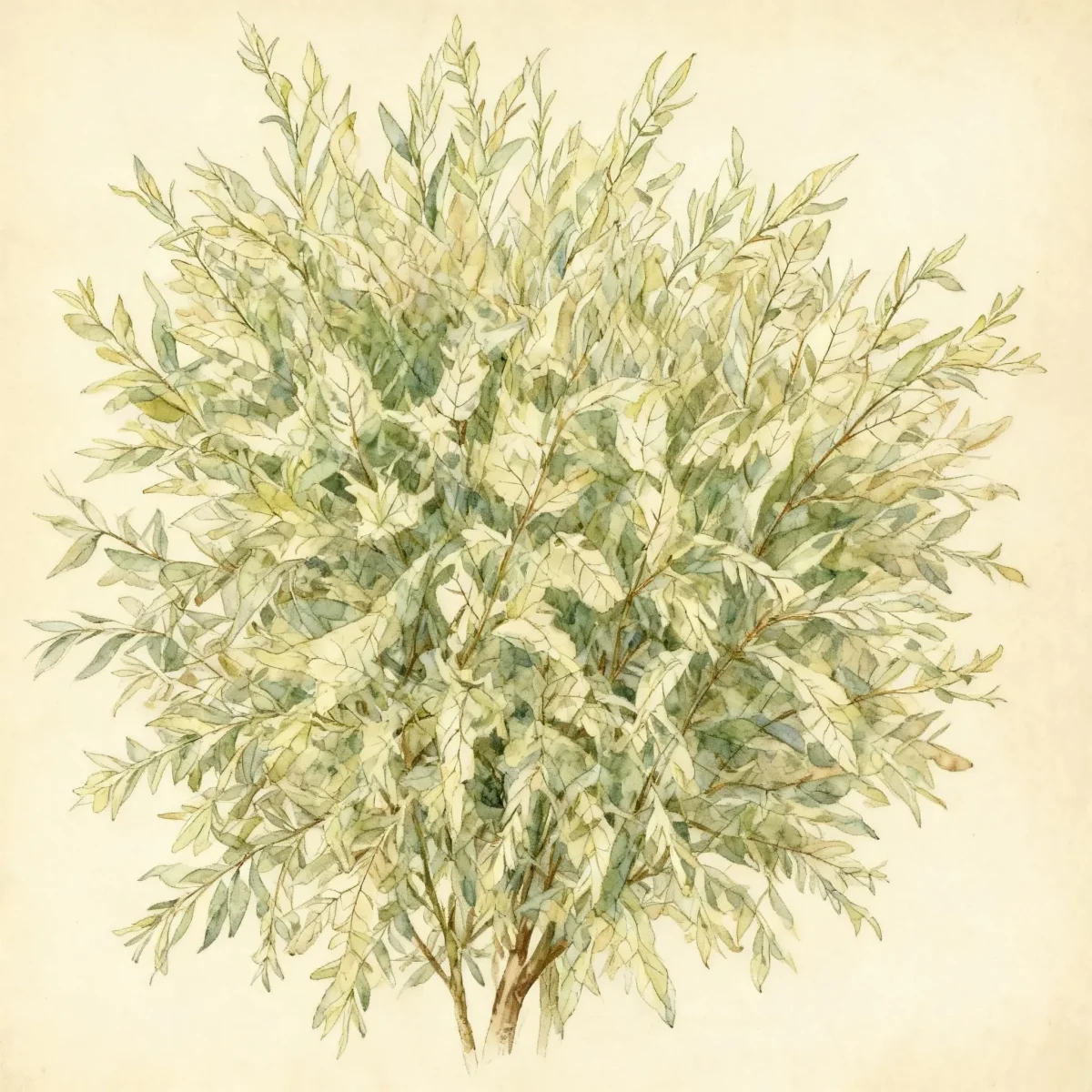
The Purple willow, specifically the compact cultivar Salix purpurea ‘Nana’, provides excellent texture and color in landscapes challenged by moisture. This deciduous shrub is highly valued for its dense habit and the subtle ornamental color provided by its young, purplish stems. Growers appreciate Salix purpurea ‘Nana’ for its adaptability, thriving where many other woody plants struggle.
This cultivar matures reliably between 3 to 5 feet high and wide, making it an ideal candidate for low hedges or foundation plantings where space is limited. It produces early spring catkins before the leaves emerge, offering an initial patriotic display of bloom color. While it handles various conditions, the Purple willow demands consistent moisture to perform optimally.
A key functional benefit of planting Salix purpurea ‘Nana’ is its suitability for riparian zones or rain gardens, effectively managing water runoff. Its resilience to tough soils, including clay, combined with its deer resistance, makes the Purple willow a reliable, low-hassle addition to mixed borders or mass plantings along water features.
Fast Facts
- Plant Family: Salicaceae
- Plant Type: Deciduous shrub
- Hardiness Zones: USDA Zones 4-8
- Size at Maturity:
- Height: 3-5 ft
- Spread: 3-5 ft
- Bloom Time: April to May
- Bloom Description: Grayish-white
- Sun Exposure: Full sun
- Water Needs: Medium to wet
- Maintenance Level: Medium
How to Grow
Planting the Purple willow should ideally occur in spring or fall when temperatures are mild, allowing the roots to establish before summer heat arrives. Choose a location that supplies full sun to achieve the densest habit, although light afternoon shade is tolerated. The soil should be medium to wet, and this shrub demonstrates a remarkable tolerance for heavy clay and poor soil conditions, preferring neutral to slightly alkaline pH.
Watering immediately after planting is crucial; thereafter, maintain consistent moisture, especially through dry periods, as Salix purpurea ‘Nana’ is intolerant of prolonged drought. While it thrives in moist soils, including intermittently flooded areas, it manages drier soils better than some other willow varieties. Fertilization is generally unnecessary unless the soil is severely depleted, as it thrives even in poor soils.
Pruning the Salix purpurea ‘Nana’ is key to maintaining its ornamental appeal and compact size. Perform routine shaping cuts in late winter or early spring before new growth begins. For a radical rejuvenation or to maximize twig color, you may cut the entire plant back close to the ground every 3 to 5 years. Be aware that this species struggles in environments characterized by high summer heat and humidity.
Landscape Uses
The inherent strength of the Purple willow lies in its versatility near water. It excels when planted along the edges of streams, ponds, or in low landscape depressions where consistent moisture collects. Salix purpurea ‘Nana’ serves excellently as an informal hedge, providing a manageable height of 3 to 5 feet, or as an effective component in mass plantings for erosion control.
Beyond wet areas, the main ornamental features of this shrub—the fine foliage and the reddish-purple catkins—make it a welcome specimen plant. For designers seeking functional beauty, the flexible twigs of the basket willow heritage are still useful in traditional crafts. Consider pairing the Purple willow with moisture-loving perennials that can handle similar sun exposure for cohesive underplanting.
Its tolerance for clay soil and wet feet allows it to stabilize challenging banks where turfgrass fails. Whether used for screening, massing, or as a structural element in a rain garden design, the compact Salix purpurea ‘Nana’ offers year-round interest if pruned correctly to encourage fresh colored growth.
Standout Features
Flower Qualities
- Showy
Noteworthy Characteristics
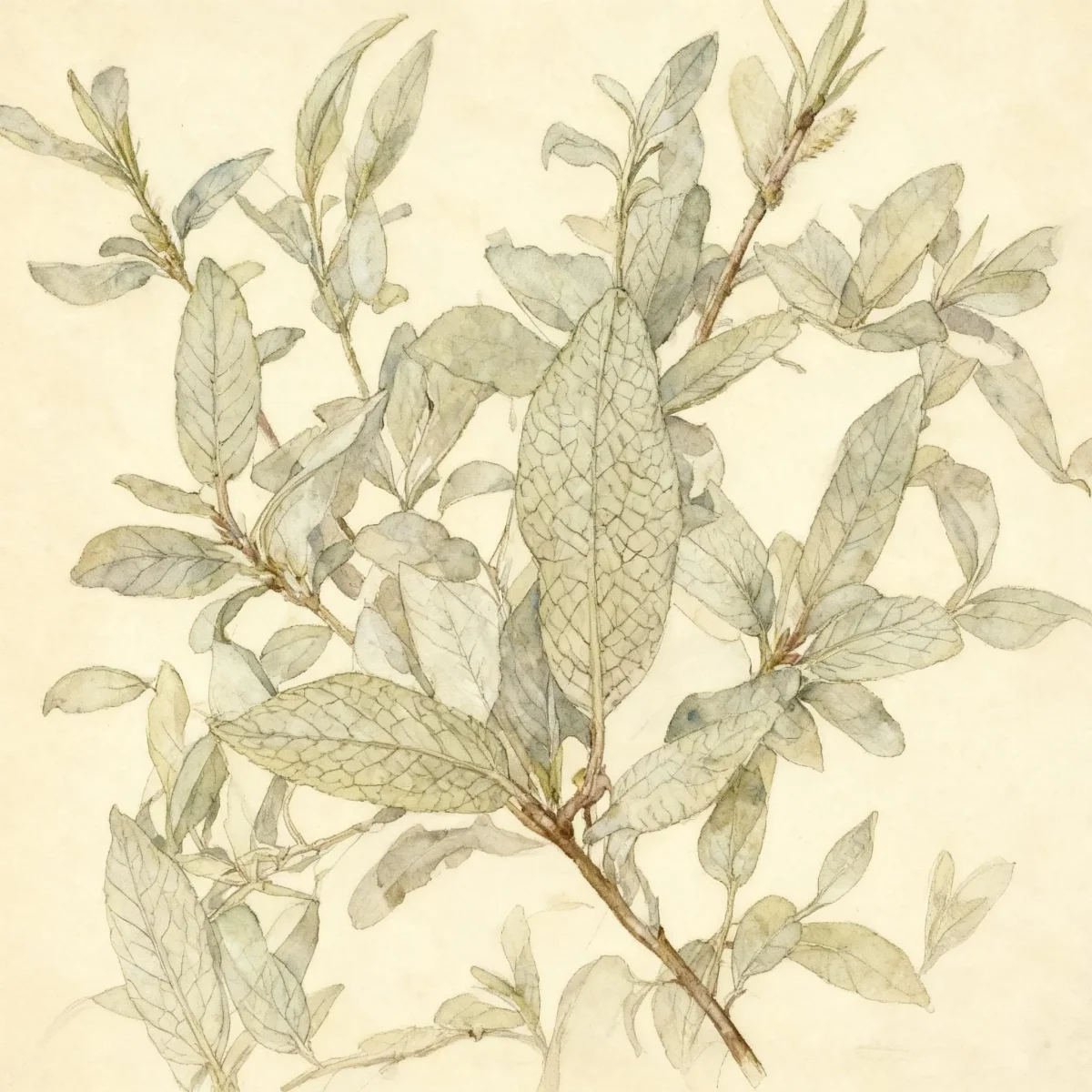
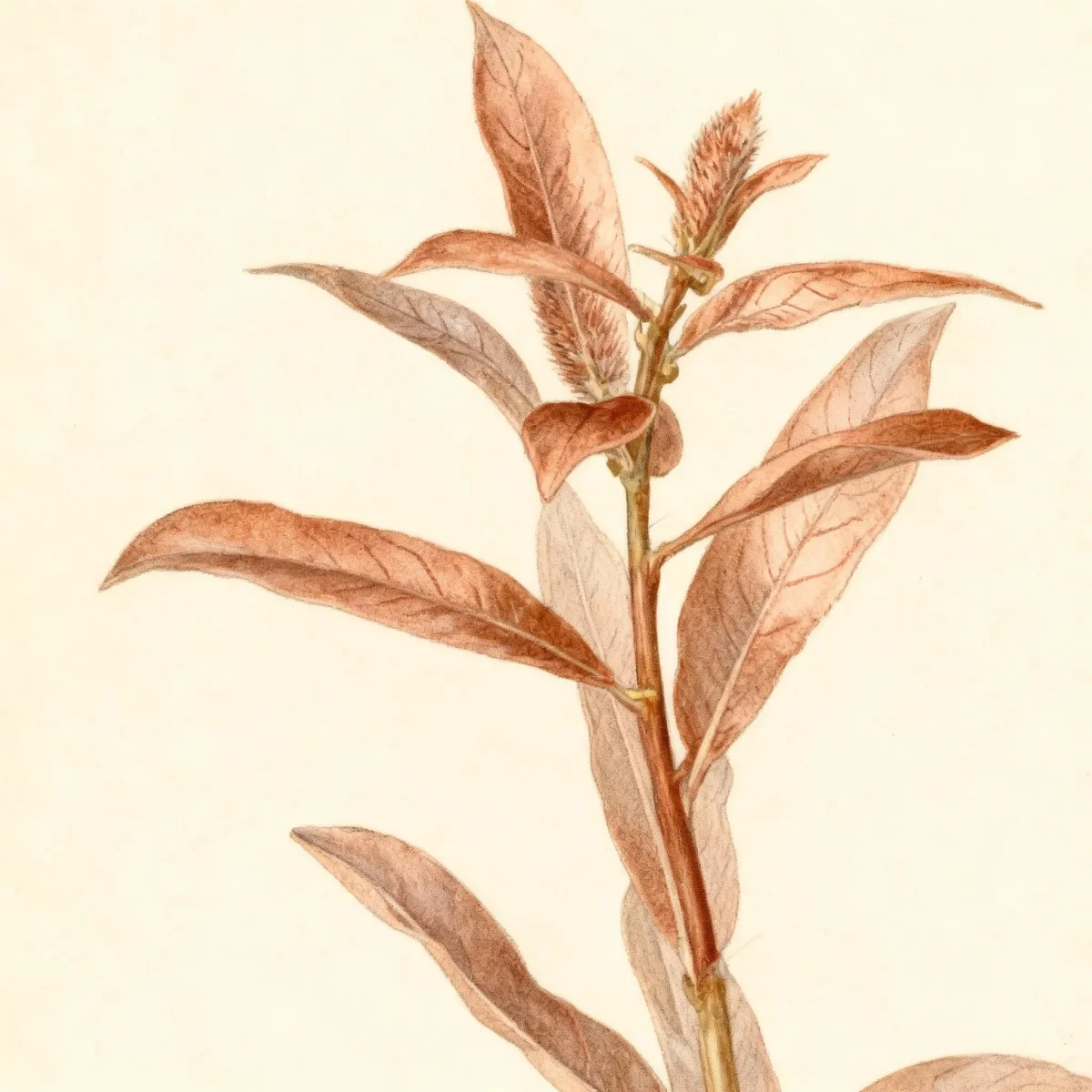
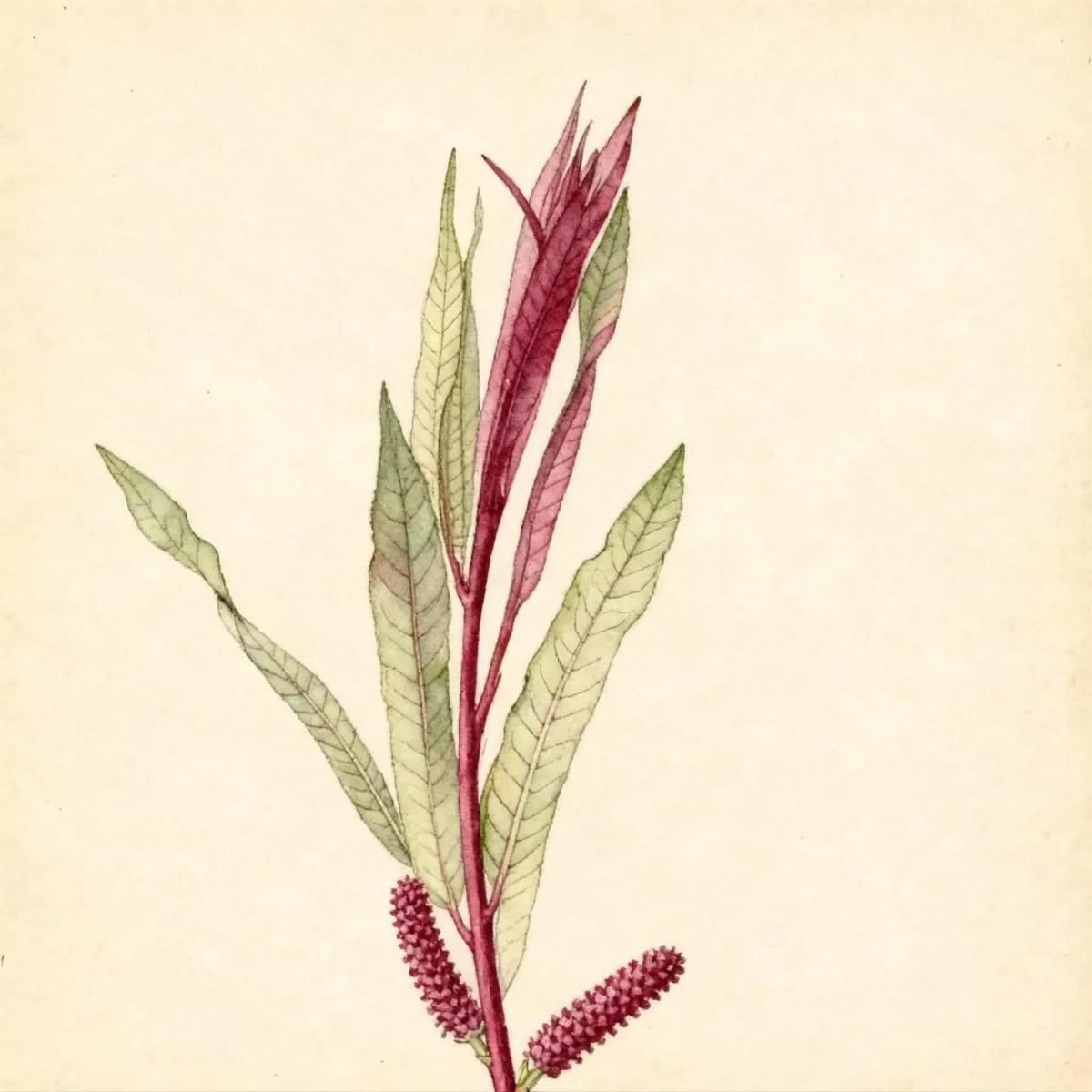
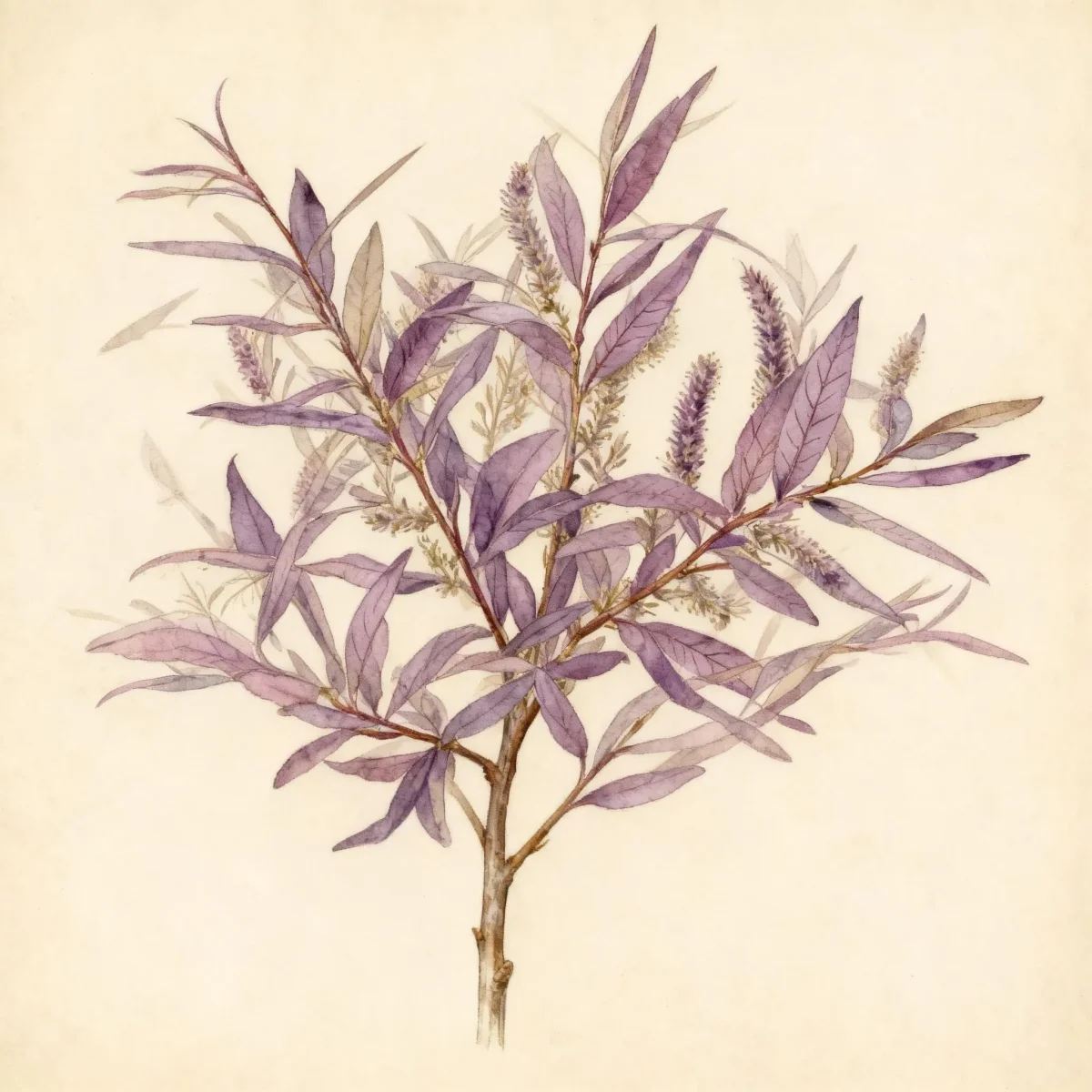
The species, Salix purpurea, known as purple osier, is naturally an upright, rounded shrub native to Europe and Asia, initially valued in North America for erosion control. The ‘Nana’ cultivar is specifically bred to be dwarf, typically staying between 3 to 5 feet tall, featuring narrower leaves and purplish stems that enhance its landscape appeal. Its catkins emerge reddish-purple in early spring before the leaves, adding fleeting color interest before the dense blue-green foliage appears.
Tolerances
- Deer
- Clay Soil
- Wet Soil
- Black Walnut
Potential Problems
The Purple willow is susceptible to several fungal and pest issues common to the willow family. Gardeners should monitor for blights, powdery mildew, and various leaf spots. Insect pests such as aphids, scale, and lacebugs can also be present, requiring diligent inspection.
Managing disease often involves ensuring good air circulation through the aforementioned pruning schedule. Weak wood and shallow roots can also present challenges; branches are prone to damage from heavy ice or snow loads. Furthermore, be cautious near buried pipes, as its shallow roots seek out and may clog sewers or drains over time.
Frequently Asked Questions
What hardiness zones is Purple willow suitable for?
The Salix purpurea ‘Nana’ is reliably hardy across USDA Zones 4 through 8.
How large does Salix purpurea ‘Nana’ grow?
This dwarf cultivar typically reaches a mature height and spread between 3 to 5 feet.
What sun exposure does Purple willow need?
Salix purpurea ‘Nana’ prefers full sun exposure for best growth and coloration, though it can tolerate partially shaded conditions.
When does Purple willow bloom?
The blooming period for the Purple willow is generally from April to May, presenting grayish-white catkins.
Conclusion
The Salix purpurea ‘Nana’ stands out as a rugged, compact shrub perfectly suited for areas demanding moisture tolerance and excellent soil adaptability, including clay. Its manageable size and ornamental purple stems ensure that this Purple willow variety remains a valuable resource for rain gardens, hedges, and low borders. Always confirm your local hardiness zone compatibility before planting this superb landscape performer.
Companion Planting
When selecting companions for Salix purpurea ‘Nana’, focus on other plants that thrive in moist, sunny to partly shaded conditions. Utilizing plants that complement its wet soil tolerance helps create a cohesive, thriving rain garden ecosystem. Good companions often include moisture-loving perennials like certain varieties of Iris, Bog Rosemary (Andromeda polifolia), or astilbes, provided they are positioned where they receive adequate light.
Consider companion selection based on texture and seasonal interest divergence. Since the Purple willow offers early spring catkins and summer foliage, incorporating late-blooming perennials helps extend the visual appeal throughout the season. Avoid planting shallow-rooted annuals directly beneath the shrub, given the competitive, shallow root structure of the willow itself.
Design Ideas for Wetland Margins
For landscapes bordering natural water bodies or constructed retention ponds, the Purple willow excels as a transitional planting or buffer. Mass planting Salix purpurea ‘Nana’ creates a highly effective, short, informal screen while providing excellent bank stabilization due to its fibrous root system. This massing technique is excellent for visually softening hard edges where soil stays consistently damp.
In smaller yards, integrate this compact shrub into mixed borders intended for damp pockets. Use it as a structural anchor in the middle ground, grouping it with taller rushes or grasses that share its love for wet feet. The vertical lines of companion grasses contrast nicely with the rounded form of the shrub, while the purple stems of the willow add winter structure.
When using Salix purpurea ‘Nana’ as a low hedge, remember its willingness to be coppiced or cut hard. This allows gardeners to heavily prune it every few years to encourage a flush of intensely colored new growth, ensuring consistent ornamental value where other hedging materials might fail due to water saturation.