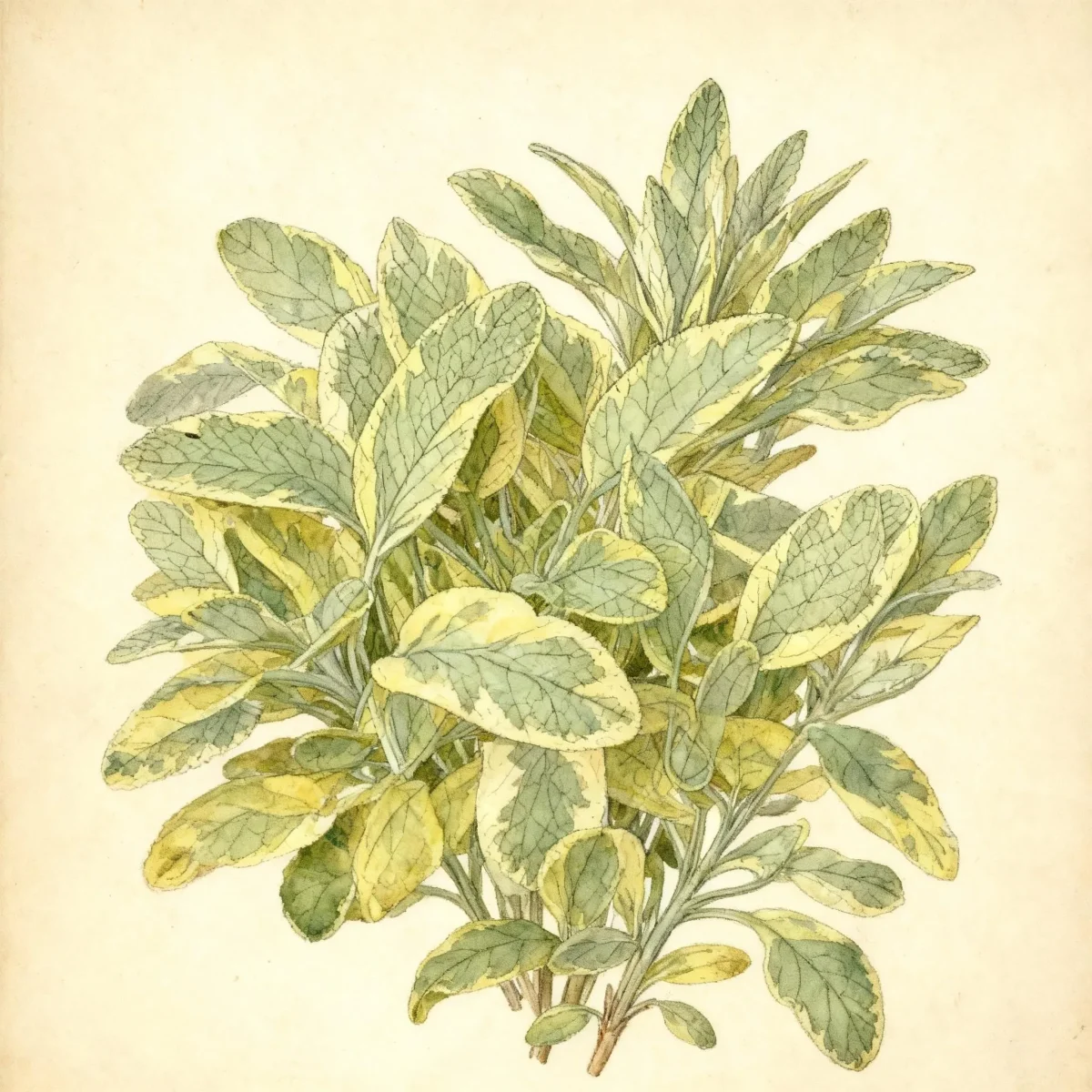
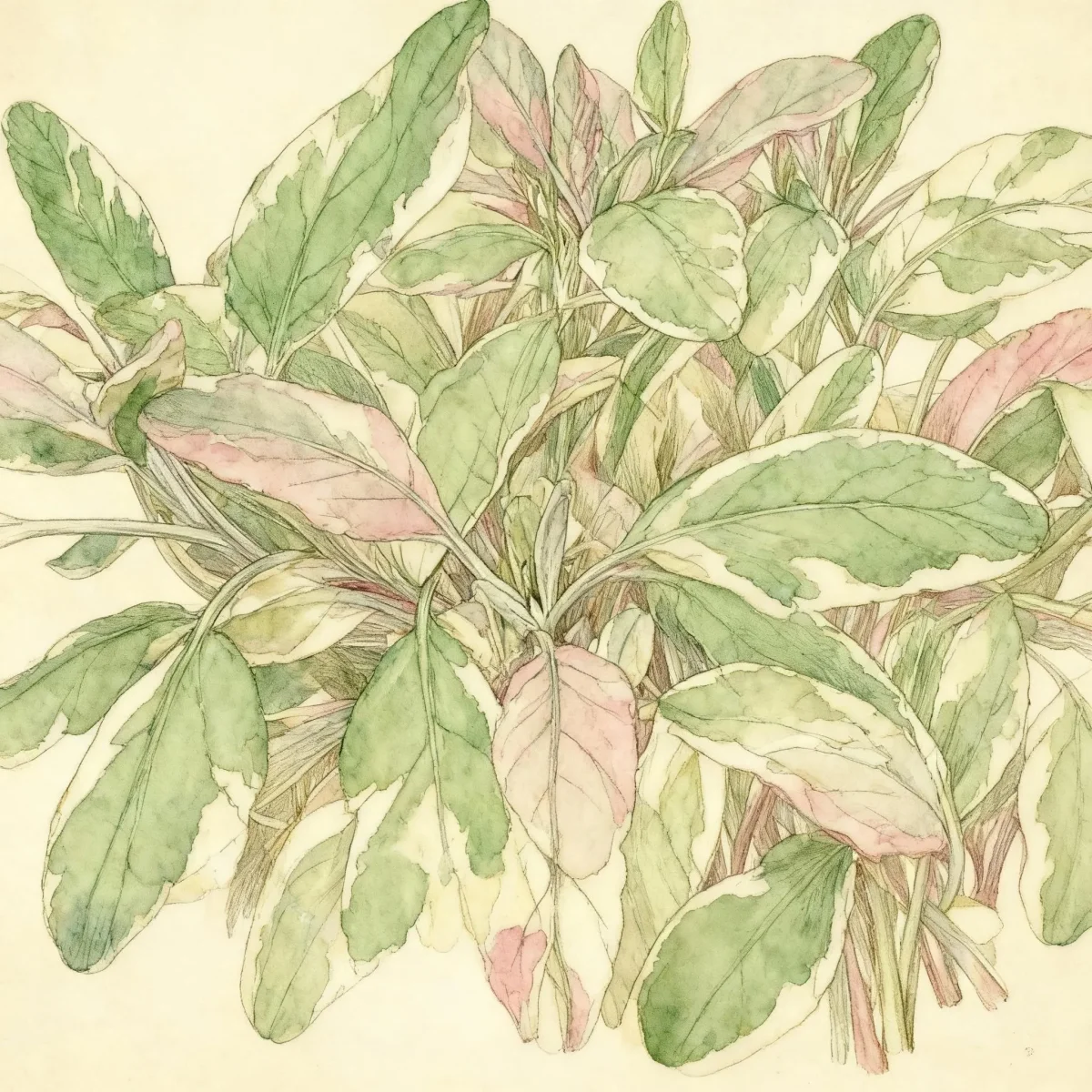
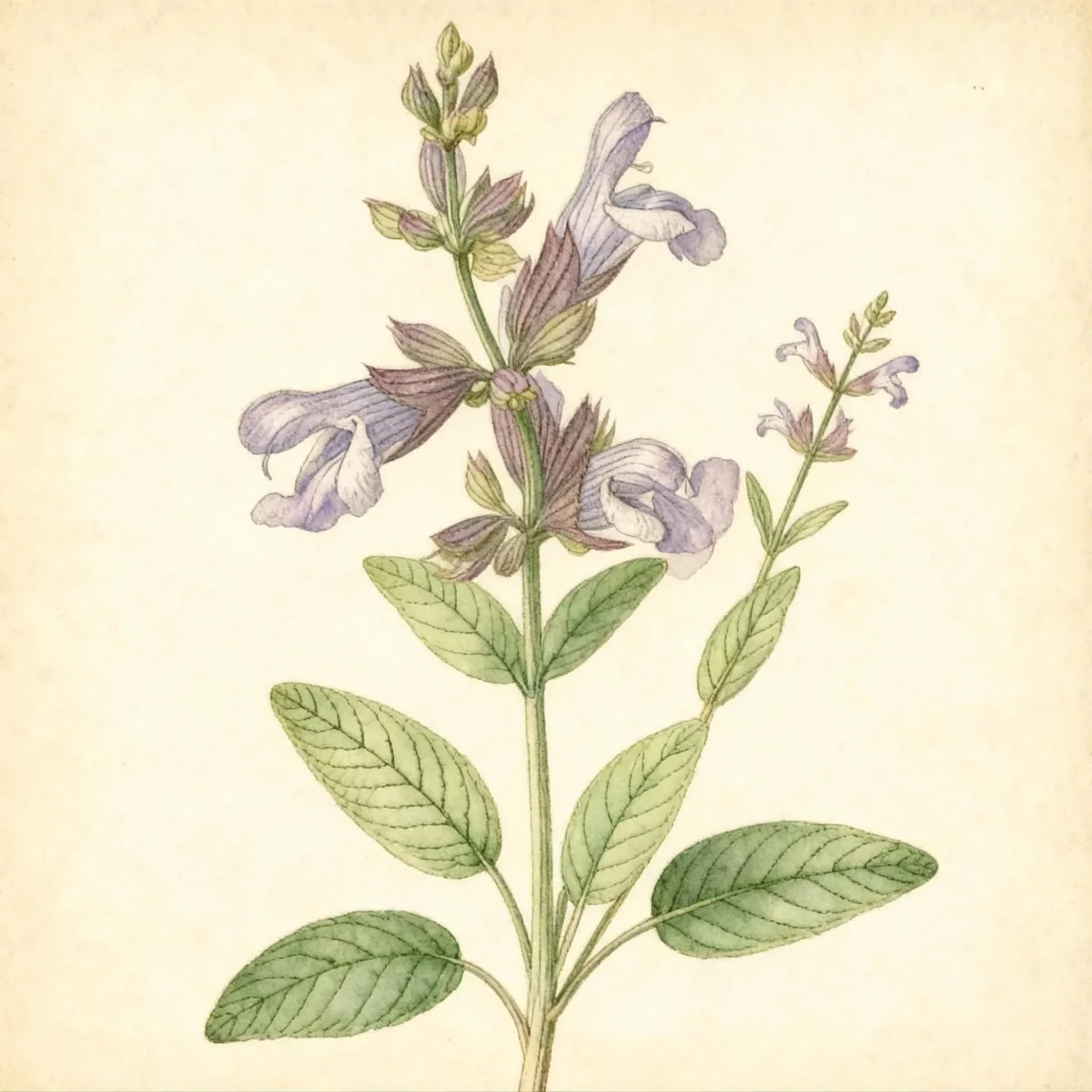
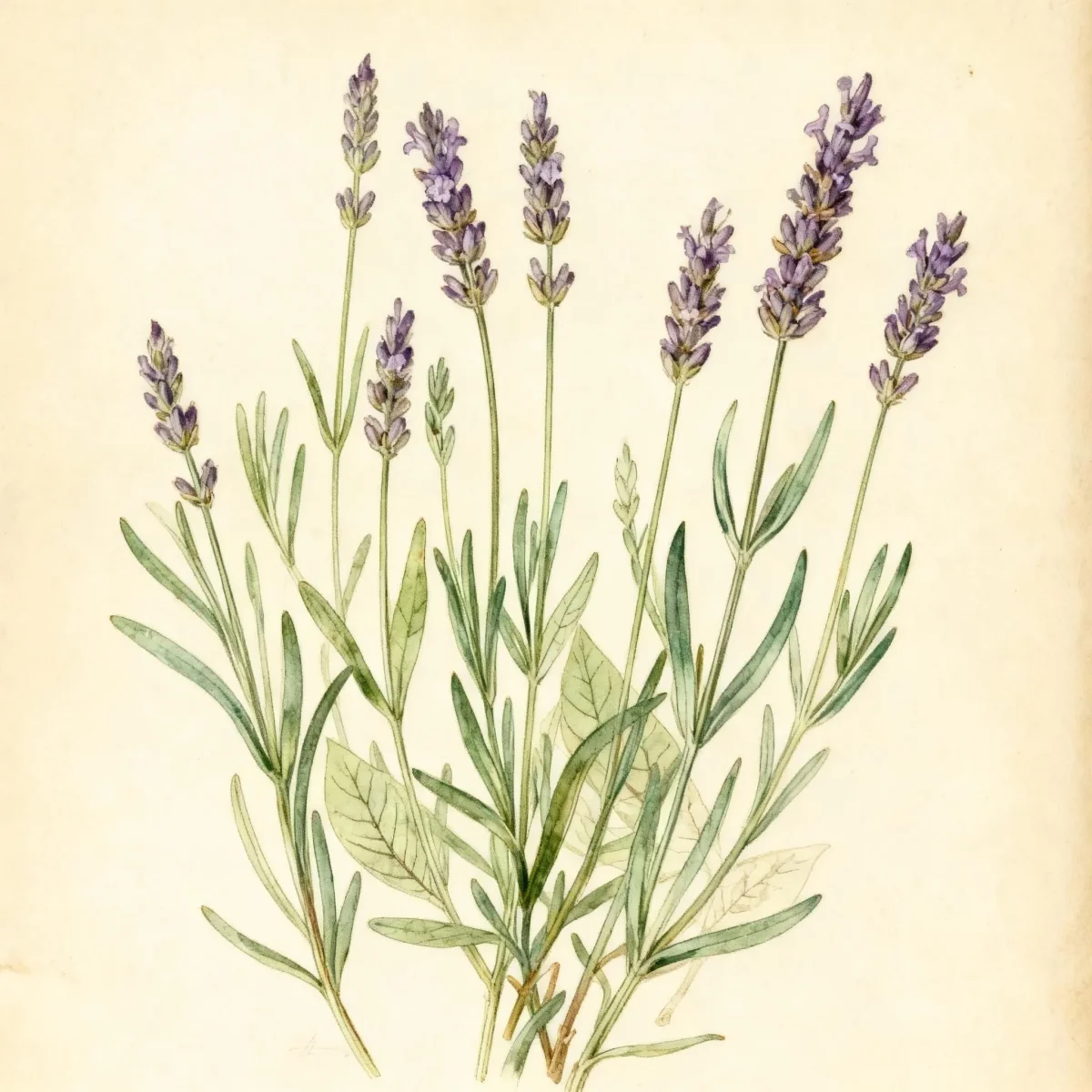
Common sage (Salvia officinalis 'Berggarten')
Salvia officinalis 'Berggarten' offers aromatic, gray-green leaves and blue-purple blooms, ideal for culinary and ornamental use.
Scroll down to discover growing tips, care requirements, companion plants, and more
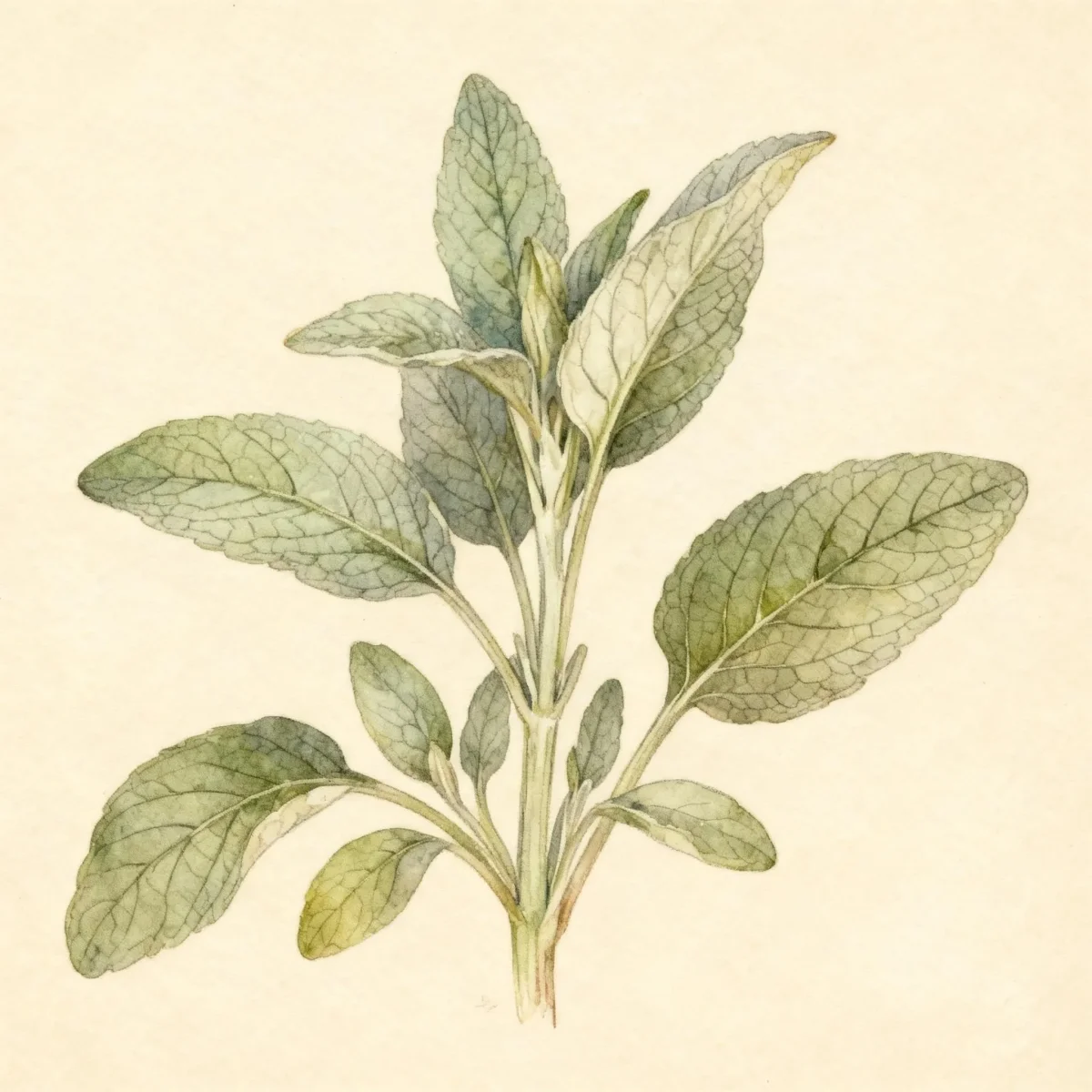
Complete Plant Information
Overview
Salvia officinalis ‘Berggarten’, commonly known as Common sage, is a highly valued semi-shrubby perennial known for its strongly aromatic, gray-green foliage that is indispensable in the kitchen. This cultivar offers excellent ornamental value alongside its culinary benefits, acting as a durable, low-maintenance addition to many garden settings.
As a member of the mint family, this woody-stemmed plant typically matures to a manageable height of 1.5 to 2 feet. It produces attractive whorls of lavender-blue flowers mid-summer, drawing the interest of beneficial insects like bees and butterflies. Gardeners prize Common sage not only for its flavor but for its textural contrast against brighter green plants.
The genus name Salvia derives from the Latin word salveo meaning “to save or heal,” referencing the historical medicinal uses attributed to many sage species. For reliable growth, ensure your Salvia officinalis ‘Berggarten’ receives ample sun, as excessive shade can cause the plants to sprawl unattractively.
Fast Facts
- Plant Family: Lamiaceae
- Plant Type: Herbaceous perennial
- Hardiness Zones: USDA Zones 5-8
- Size at Maturity:
- Height: 1.5-2 ft
- Spread: 1.5-2 ft
- Bloom Time: June to July
- Bloom Description: Blue/purple
- Sun Exposure: Full sun
- Water Needs: Dry to medium
- Maintenance Level: Medium
How to Grow
Planting Common sage is easily accomplished in spring or early fall once the danger of hard frost has passed, providing it thrives in average, well-drained soil. Salvia officinalis ‘Berggarten’ requires full sun for the most compact growth habit, although it tolerates very light shade. Proper soil drainage is crucial; wet or consistently moist soils are often fatal to this drought-tolerant herb.
Once established, watering needs are low, requiring only dry to medium moisture levels. Avoid overwatering; this plant is much happier on the drier side, especially once its roots are set. Fertilization is generally unnecessary, as rich soil can encourage weak, leggy growth.
Pruning is beneficial to maintain the desired compact shape and prevent sprawling. Lightly prune new growth throughout the season to encourage bushier development. In early spring, cut back woody stems to remove winter dieback and stimulate fresh, aromatic foliage growth for your Salvia officinalis ‘Berggarten’.
Landscape Uses
Common sage, including the ‘Berggarten’ cultivar, is highly versatile, fitting perfectly into herb gardens, vegetable plots, and mixed perennial borders. Its silvery-gray foliage provides excellent textural contrast when integrated with traditional green or colorful flowering perennials in a rock garden setting.
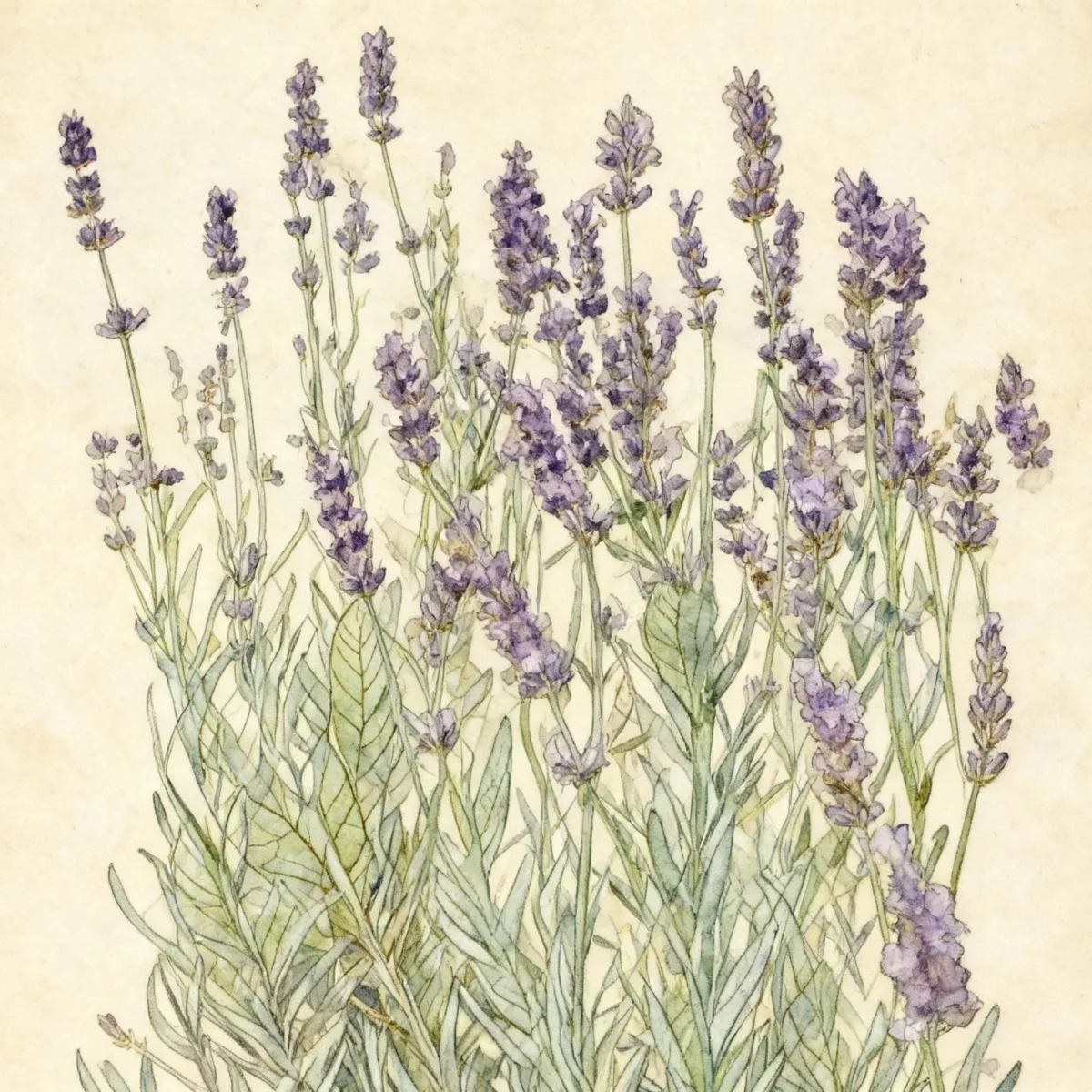
Consider planting Salvia officinalis ‘Berggarten’ where its aromatic qualities can be easily accessed, perhaps near a walkway or kitchen door. It pairs well visually and culturally with other Mediterranean herbs that prefer full sun and dry conditions, such as Thyme and Lavender, creating a unified planting scheme. Using it as a low, informal edging provides structure without becoming overly formal.
Standout Features
Flower Qualities
- Showy
Noteworthy Characteristics
Salvia officinalis commonly called sage, is the culinary sage familiar to most cooks. It also has excellent ornamental qualities, however. Variably called culinary sage, common sage or garden sage, this woody-stemmed, semi-shrubby perennial typically grows 1.5-2.5’ tall. The cultivar ‘Berggarten’ is notable for its compact habit and wider, strongly aromatic gray-green leaves.
Tolerances
- Deer
- Drought
- Dry Soil
- Shallow-Rocky Soil
Potential Problems
Salvia officinalis ‘Berggarten’ generally resists serious insect or disease issues when cultural requirements are met. The most significant threat comes from excessive moisture, as the plant is highly susceptible to root rot if soils remain consistently wet. To mitigate this, always ensure superior drainage and avoid overhead watering near the base. Taller specimens may occasionally sprawl and benefit from being tucked among other perennials or receiving light structural support if grown primarily for ornamental display rather than culinary harvesting.
Frequently Asked Questions
What hardiness zones is Common sage suitable for?
Salvia officinalis ‘Berggarten’ is best grown in USDA Hardiness Zones 5 through 8.
How large does Common sage grow?
This cultivar typically reaches a height between 1.5 and 2 feet, with a similar spread ranging from 1.5 to 2 feet.
What sun exposure does Salvia officinalis ‘Berggarten’ need?
This plant thrives best when situated in full sun to maintain a compact, non-sprawling shape.
When does Common sage bloom?
Flowering typically occurs in early summer, specifically from June to July, displaying attractive blue/purple flowers.
Conclusion
Salvia officinalis ‘Berggarten’ provides gardeners with an aromatic, textured perennial perfect for both culinary use and aesthetic appeal in dry, sunny spots. The drought tolerance and deer resistance of this Common sage make it a reliable cornerstone for Mediterranean-style plantings. Before planting, confirm your location falls within USDA Zones 5-8 and ensure your soil drains exceptionally well.
Companion Planting
Selecting appropriate neighbors enhances the performance and visual appeal of your sage planting by meeting shared cultural needs. Because this type of Common sage prefers dry to medium moisture and full sun, pair it with other drought-tolerant herbs like Lavender (Lavandula spp.), Rosemary (Salvia rosmarinus), and Thyme (Thymus spp.). These companions appreciate similar lean soil conditions and will not hold excess moisture near the base of the sage.
In mixed borders, consider using plants with finer textures or contrasting foliage colors, such as ornamental grasses or silver-leaved perennials like Lamb’s Ears (Stachys byzantina). This contrast allows the broader, gray-green leaves of Salvia officinalis ‘Berggarten’ to stand out, creating depth and visual interest throughout the growing season.
Wildlife Benefits
Salvia officinalis cultivars, including Salvia officinalis ‘Berggarten’, are excellent additions for supporting local pollinator populations. The blooming period in June and July naturally coincides with peak foraging times for several beneficial insects. The tubular blue/purple flowers are highly attractive to bees seeking nectar.
Furthermore, the strong aromatic oils present in the foliage act as a natural repellent to browsing animals, which is why this plant is highly valued for its deer resistance. This characteristic allows gardeners to safely blend edible herbs into decorative landscape settings without fear of nightly herbivore visits.