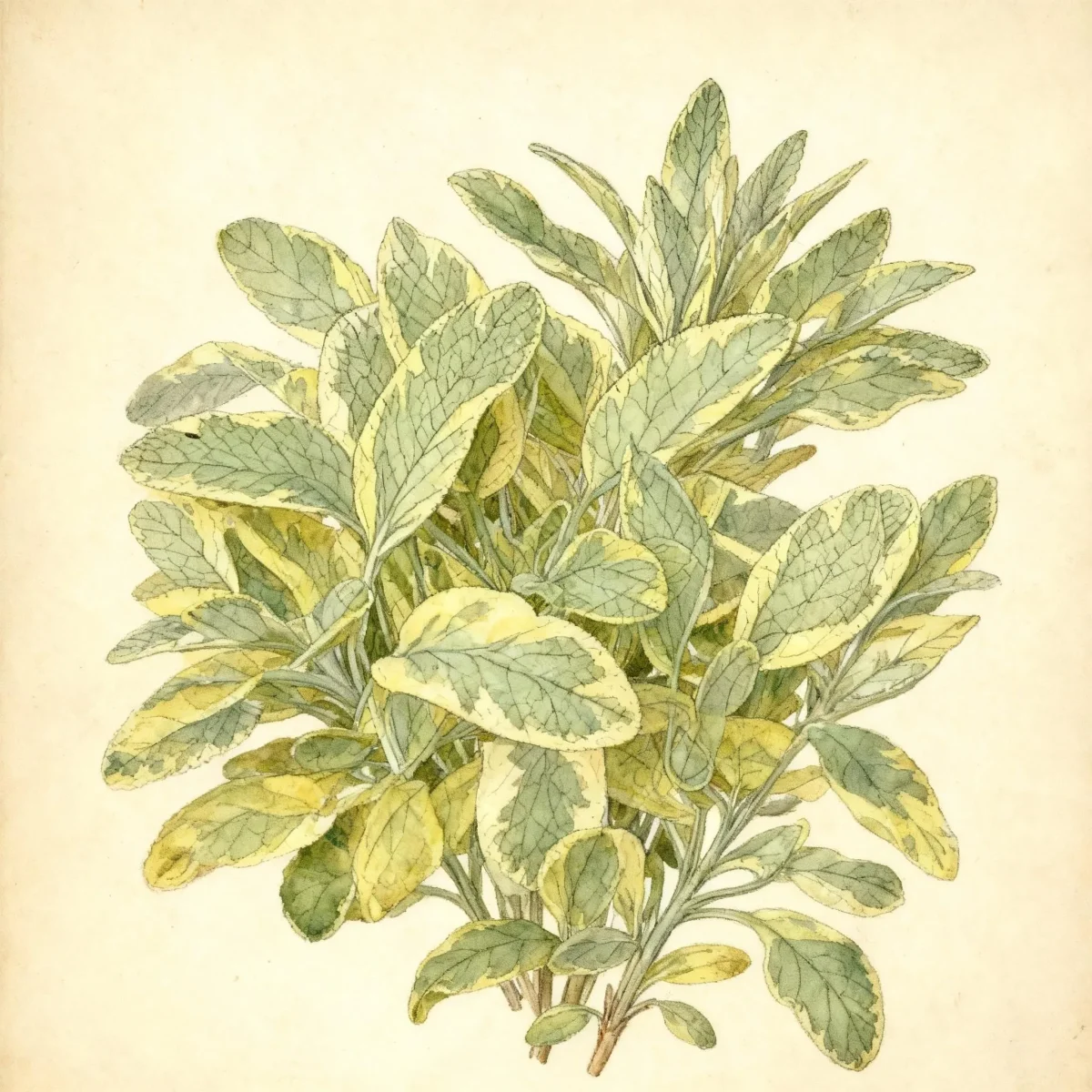
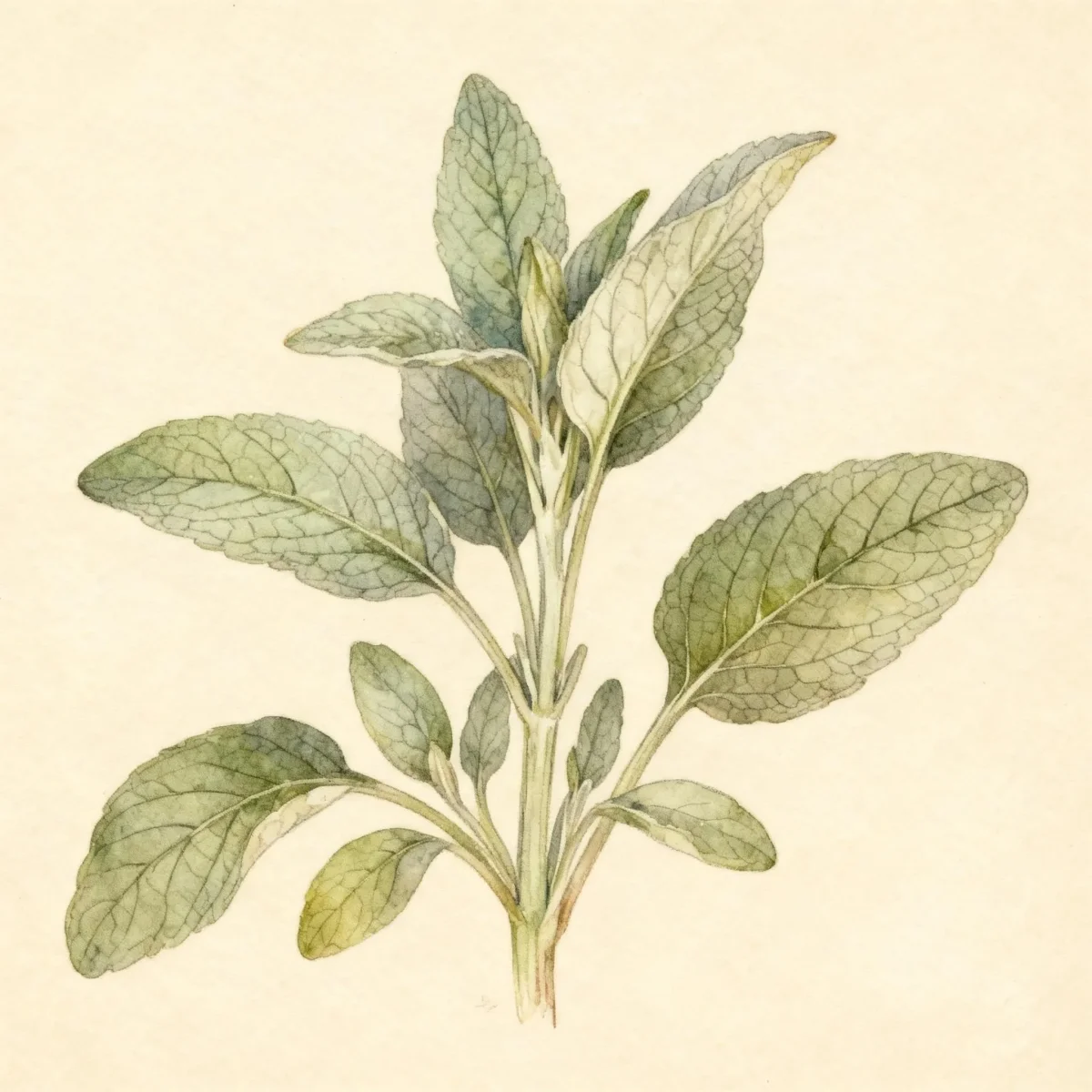
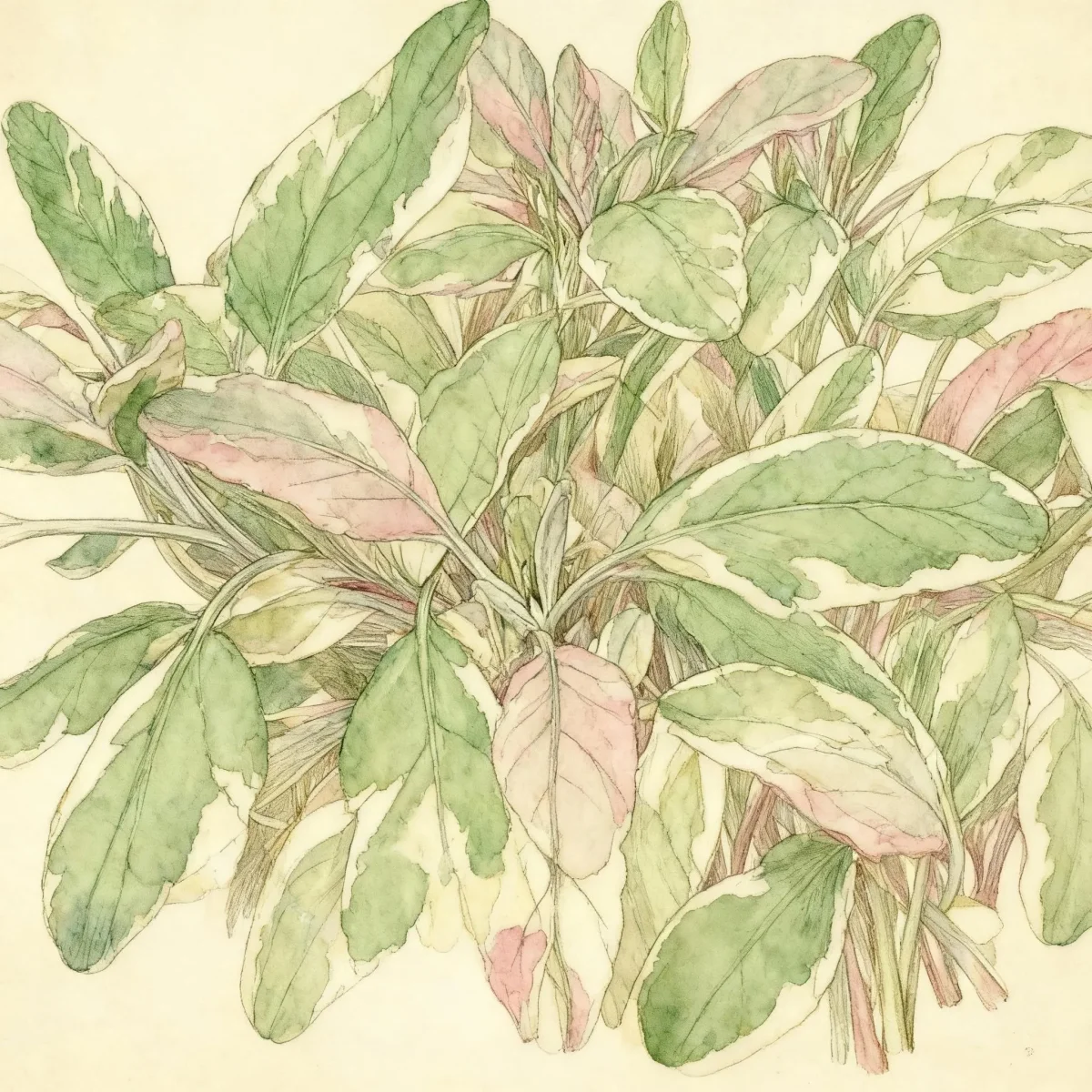
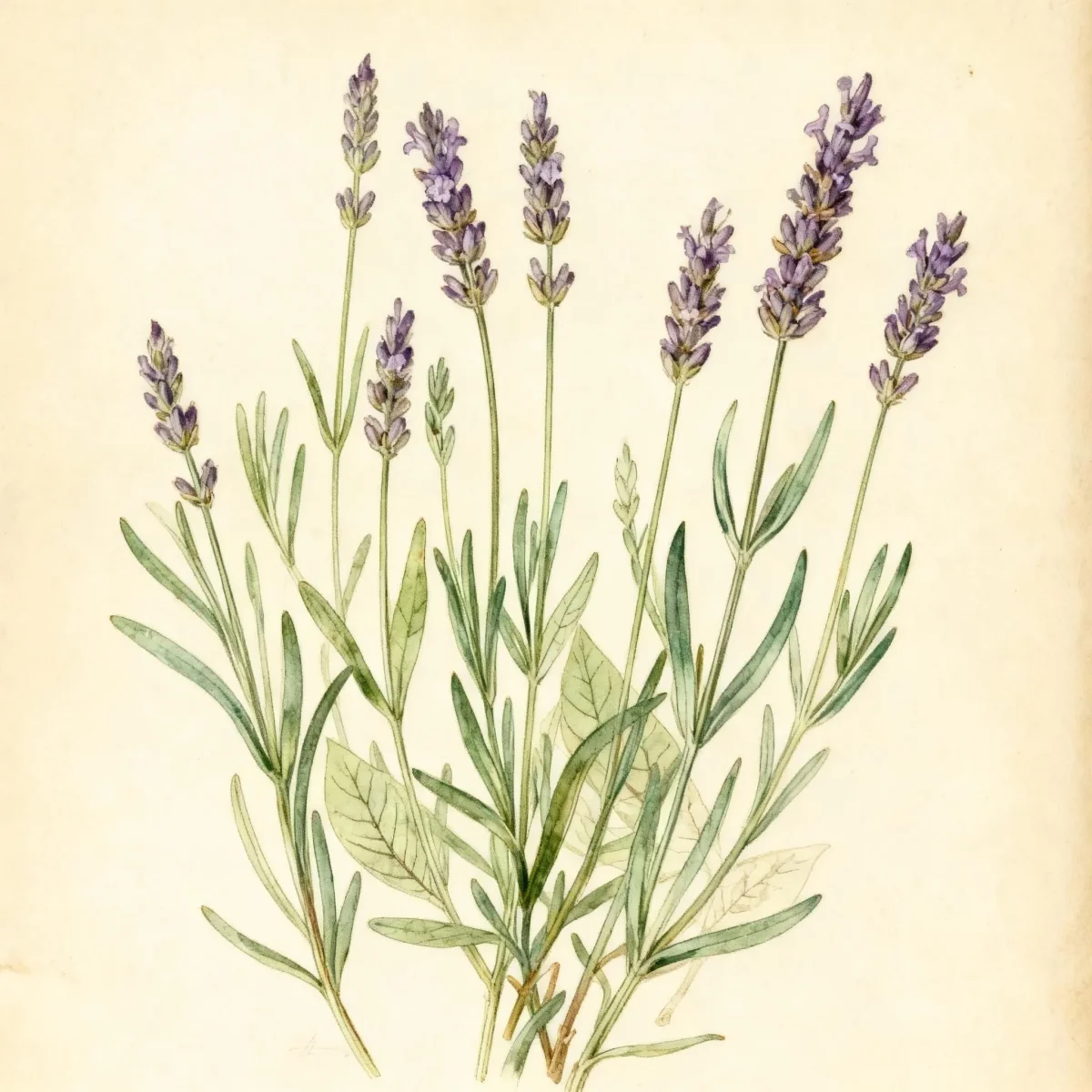
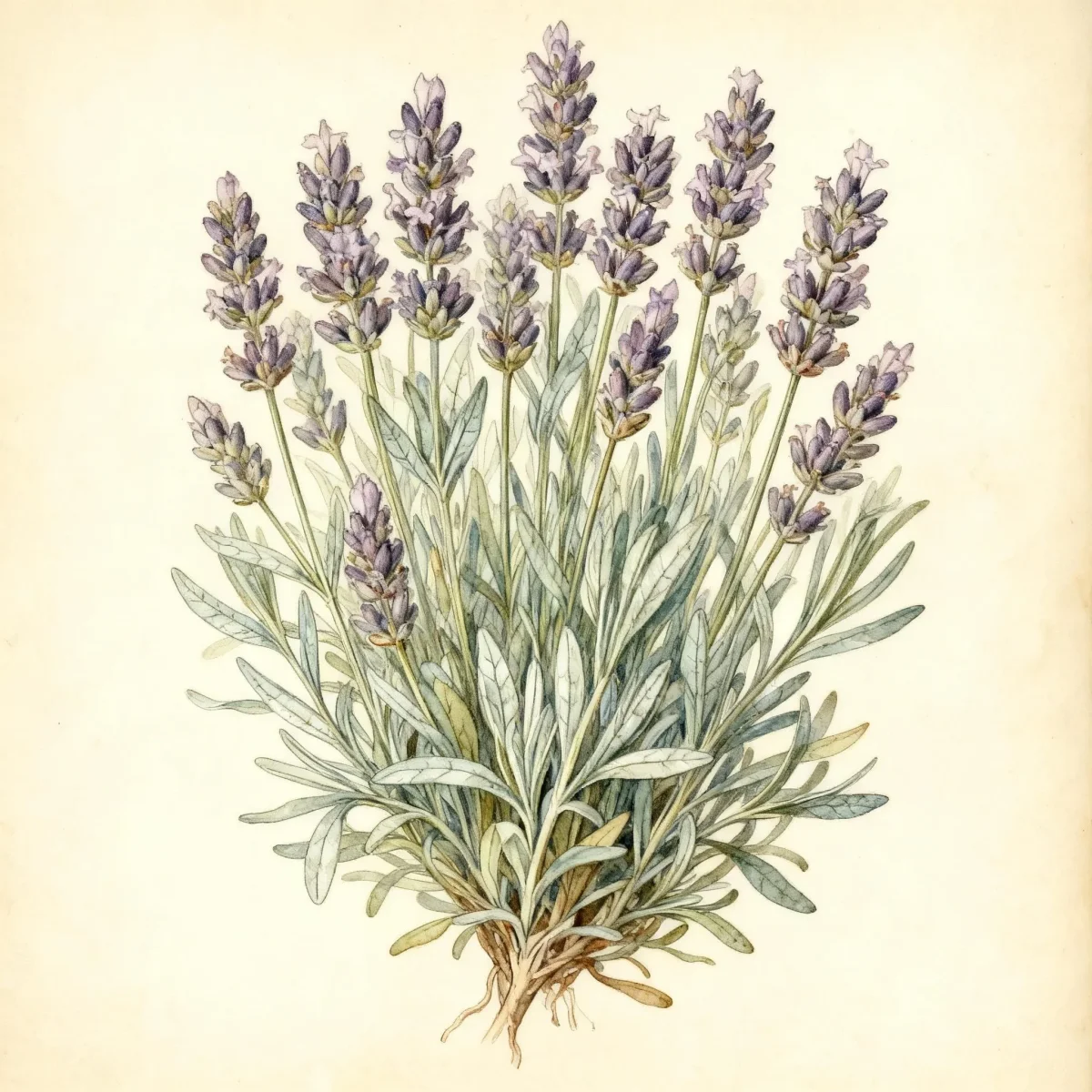
Common sage (Salvia officinalis 'Purpurascens')
Salvia officinalis 'Purpurascens', or Common sage, offers attractive purplish foliage and fragrant culinary leaves, thriving in full sun.
Scroll down to discover growing tips, care requirements, companion plants, and more

Complete Plant Information
Overview
The ornamental value of Salvia officinalis ‘Purpurascens’ sets it apart, offering gardeners more than just culinary utility. This variety, commonly known as Common sage, is prized for its attractive, wrinkled, and aromatic purplish foliage throughout the growing season. As a semi-shrubby perennial, it provides reliable structure in the garden while pleasing the senses.
Salvia officinalis ‘Purpurascens’ requires consistently bright light to maintain its compact form and vibrant coloring. It adapts well to moderate growth conditions, provided its needs for excellent drainage are met. Gardeners appreciate this plant for its dual function in the kitchen and landscape.
Attracting beneficial insects like bees and butterflies, this herb also contributes to garden ecology. Utilizing Common sage in your garden ensures you have fragrant, edible leaves readily available, provided the plant is situated correctly within its preferred hardiness zones.
Fast Facts
- Plant Family: Lamiaceae
- Plant Type: Herbaceous perennial
- Hardiness Zones: USDA Zones 6-9
- Size at Maturity:
- Height: 1-2 ft
- Spread: 1-1.5 ft
- Bloom Time: May to June
- Bloom Description: Lavender-blue
- Sun Exposure: Full sun
- Water Needs: Dry to medium
- Maintenance Level: Medium
How to Grow
For best results, plant Salvia officinalis ‘Purpurascens’ when the danger of frost has passed, ensuring the soil drains exceptionally well. This perennial thrives in average soil conditions, but excess moisture is detrimental; wet soils can prove fatal to Common sage. Locating it in full sun guarantees the deepest foliage color and the most robust growth habit.
Watering for this variety should be kept to a dry to medium schedule. Once established, it exhibits good drought tolerance, making it suitable for xeriscaping or lower-water garden areas. Avoid frequent, shallow watering, which encourages weak root systems. Minimal fertilization is usually required; overly rich soil can encourage sprawling.
Pruning is generally light, focused mainly on harvesting the aromatic leaves as needed, which helps maintain shape. Be aware that plants grown in shade tend to sprawl significantly more than those receiving complete sun exposure. In cooler regions approaching the lower limits of its hardiness (Zone 6), provide winter protection for your Salvia officinalis ‘Purpurascens’ to ensure survival until spring.
Landscape Uses
Common sage is highly versatile, fitting seamlessly into several landscape designs. Its compact, shrubby nature makes it excellent for mixing with other perennials in borders or tucking into rock gardens where drainage is naturally enhanced. Because of its culinary value, an immediate planting location is often the herb or vegetable garden itself.
Consider planting Salvia officinalis ‘Purpurascens’ near pathways where brushing against the aromatic foliage releases its scent. It pairs beautifully with contrasting textures, such as fine-leaved ornamental grasses or the broader, non-aromatic leaves of companion vegetables. Its lavender-blue flowers provide subtle vertical interest mid-season.
This variety excels when used as a low, informal edging plant where its purplish leaves can anchor a planting scheme. Ensure that any plant companions share similar sun and water requirements for a cohesive, low-maintenance display.
Standout Features
Flower Qualities
- Showy
Noteworthy Characteristics
The genus name Salvia comes from the Latin word salveo meaning “to save or heal,” referencing the plant’s historical medicinal use. Salvia officinalis ‘Purpurascens’, often called purple sage, is valued ornamentally for its distinctively wrinkled, purplish leaves, though it retains culinary utility. This compact, shrubby perennial typically reaches 1–2 feet tall and features strongly aromatic leaves that can be harvested fresh or dried for seasoning.
Tolerances
- Deer
- Drought
- Dry Soil
- Shallow-Rocky Soil
Potential Problems
Salvia officinalis ‘Purpurascens’ is generally resistant to serious insect or disease issues under ideal conditions. The primary cultural problem is root rot, directly resulting from consistently moist or wet soil environments. To prevent this, ensure impeccable soil drainage during planting and adhere strictly to the dry-to-medium watering guidelines.
Taller specimens of Common sage may become leggy or sprawl, especially if sunlight exposure is insufficient. If this occurs, the plant may benefit from being cut back by about one-third immediately after flowering to encourage denser new growth and upright structure for the following season. Supporting sprawling ornamental plants with stakes may be necessary in exposed locations.
Frequently Asked Questions
What hardiness zones is Common sage suitable for?
Salvia officinalis ‘Purpurascens’ is robust in USDA Hardiness Zones 6 through 9.
How large does Common sage grow?
This perennial typically matures to a height between 1 and 2 feet, with a spread ranging from 1 to 1.5 feet.
When does Common sage bloom?
The plant produces its lavender-blue flowers intermittently from May through June.
What sun exposure does Salvia officinalis ‘Purpurascens’ need?
Full sun exposure is strongly recommended for optimal health and coloration of Salvia officinalis ‘Purpurascens’.
Conclusion
The purple-foliaged beauty of Salvia officinalis ‘Purpurascens’ makes it an indispensable inclusion for gardeners seeking both aromatic utility and textural color interest. By respecting its need for sharp drainage and maximum sunlight, you can successfully cultivate this durable Common sage variety. Check your local hardiness zone compatibility before planting this season to ensure long-term success.
Companion Planting
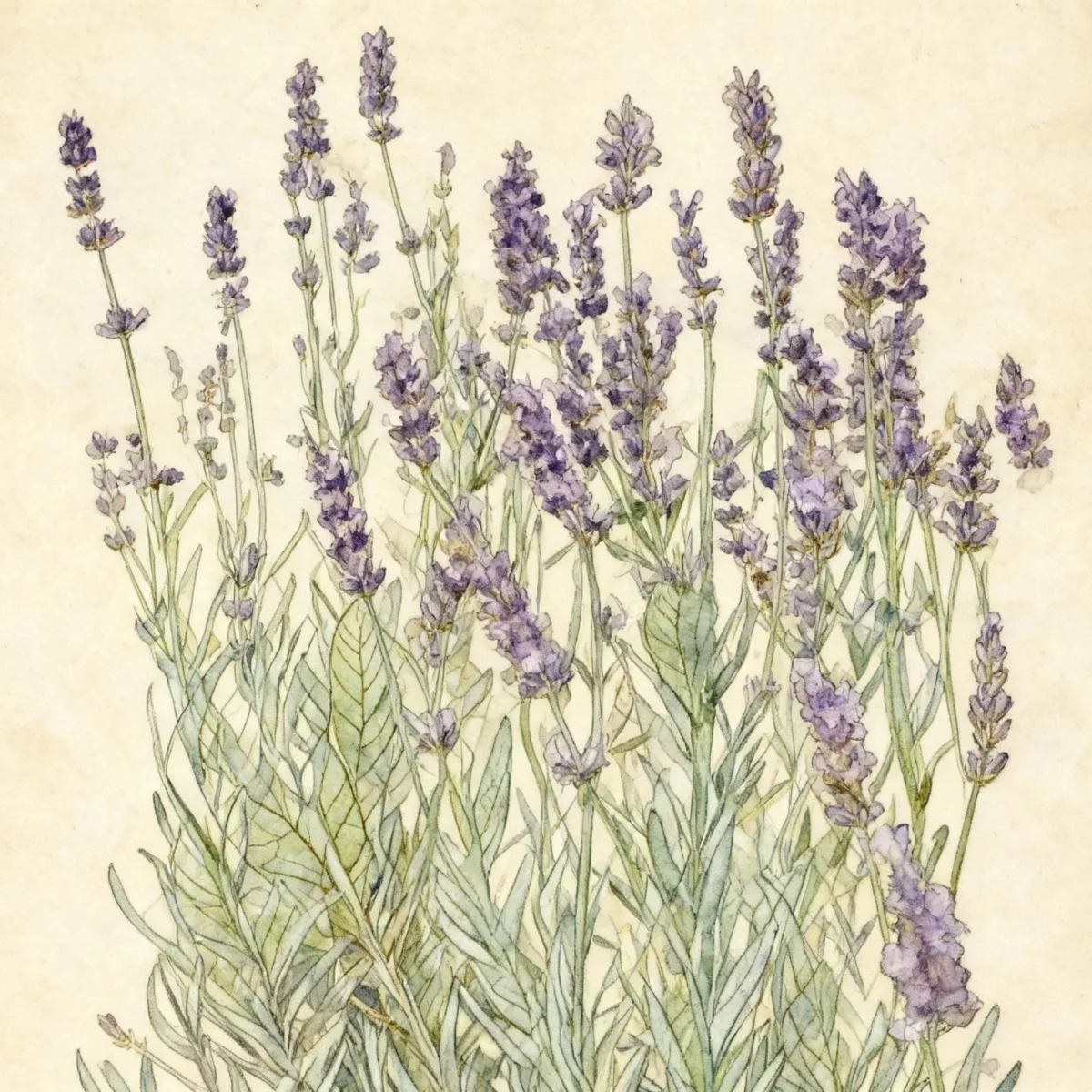
When selecting neighbors for Salvia officinalis ‘Purpurascens’, prioritize plants that share its need for dryness and full sun exposure. Grouping it with other Mediterranean herbs like Thyme or Lavender creates a harmonious, low-water garden section that benefits from similar soil needs. In mixed borders, consider pairing it near structural plants like ornamental grasses or drought-tolerant flowering perennials such as Coreopsis or Sedum.
Avoid planting Common sage directly adjacent to moisture-loving plants like Hostas or Astilbes, as this can complicate watering decisions and potentially lead to rot if runoff encourages overly wet soil around the base of the sage. Successful companion planting relies on matching ambient environmental requirements, which for this sage means sun, sharp drainage, and infrequent deep watering.
Wildlife Benefits
As a member of the mint family, Salvia officinalis ‘Purpurascens’ is a magnet for beneficial insects. Its spikes of lavender-blue flowers offer accessible nectar sources, making it highly attractive to bees essential for pollination services garden-wide. Including this sage provides a reliable, long-flowering food source during the late spring and early summer period.
While the foliage is aromatic and often avoided by pests like deer—which is noted in its tolerances—the flowers themselves are a key benefit for pollinators. Plant Common sage near vegetable patches to encourage necessary insect activity, or place it in key focal points to observe pollinator activity up close.