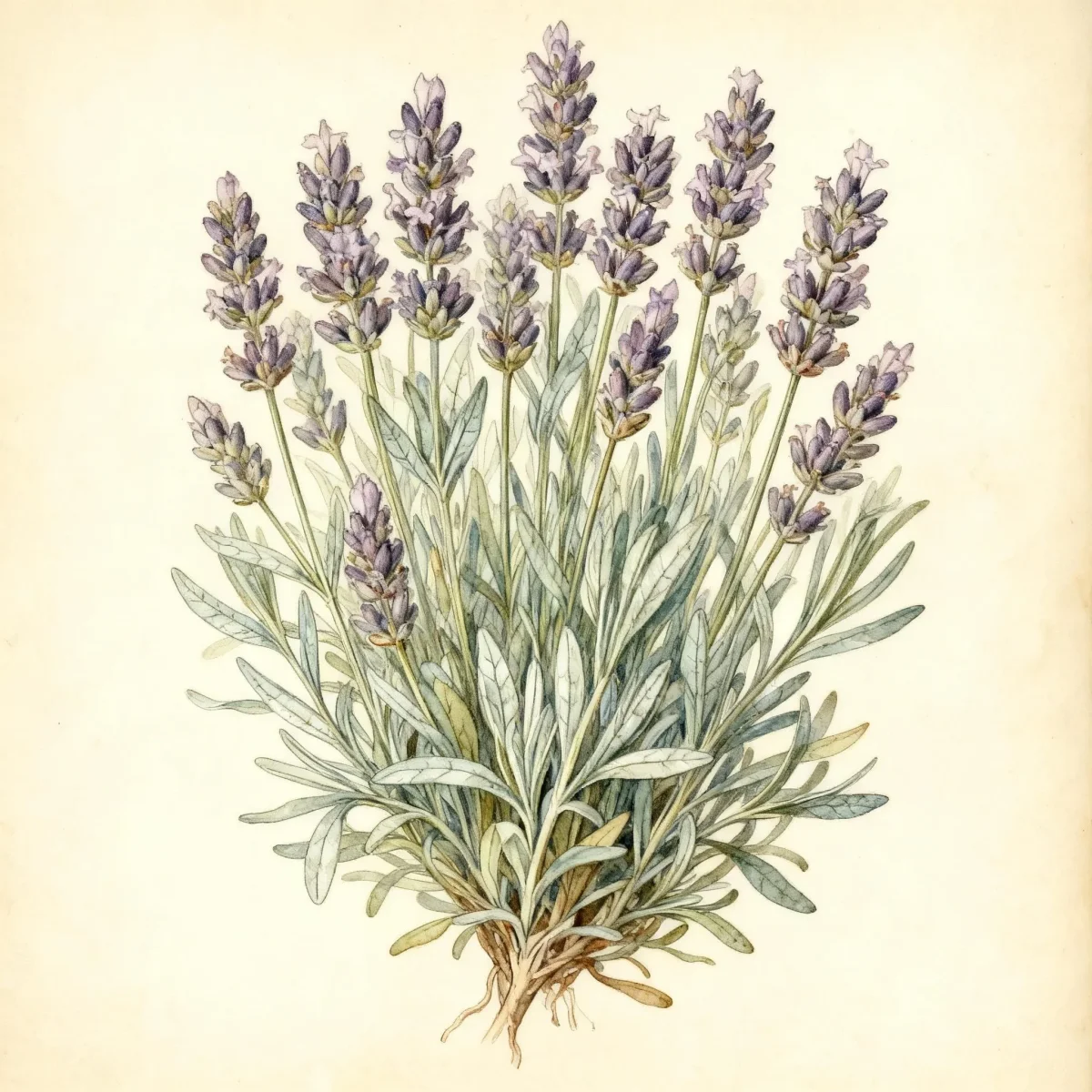
Common sage (Salvia officinalis 'Tricolor')
Salvia officinalis 'Tricolor', or Common sage, offers marbled, aromatic foliage perfect for culinary and ornamental use in zones 6-9.
Scroll down to discover growing tips, care requirements, companion plants, and more
Complete Plant Information
Overview
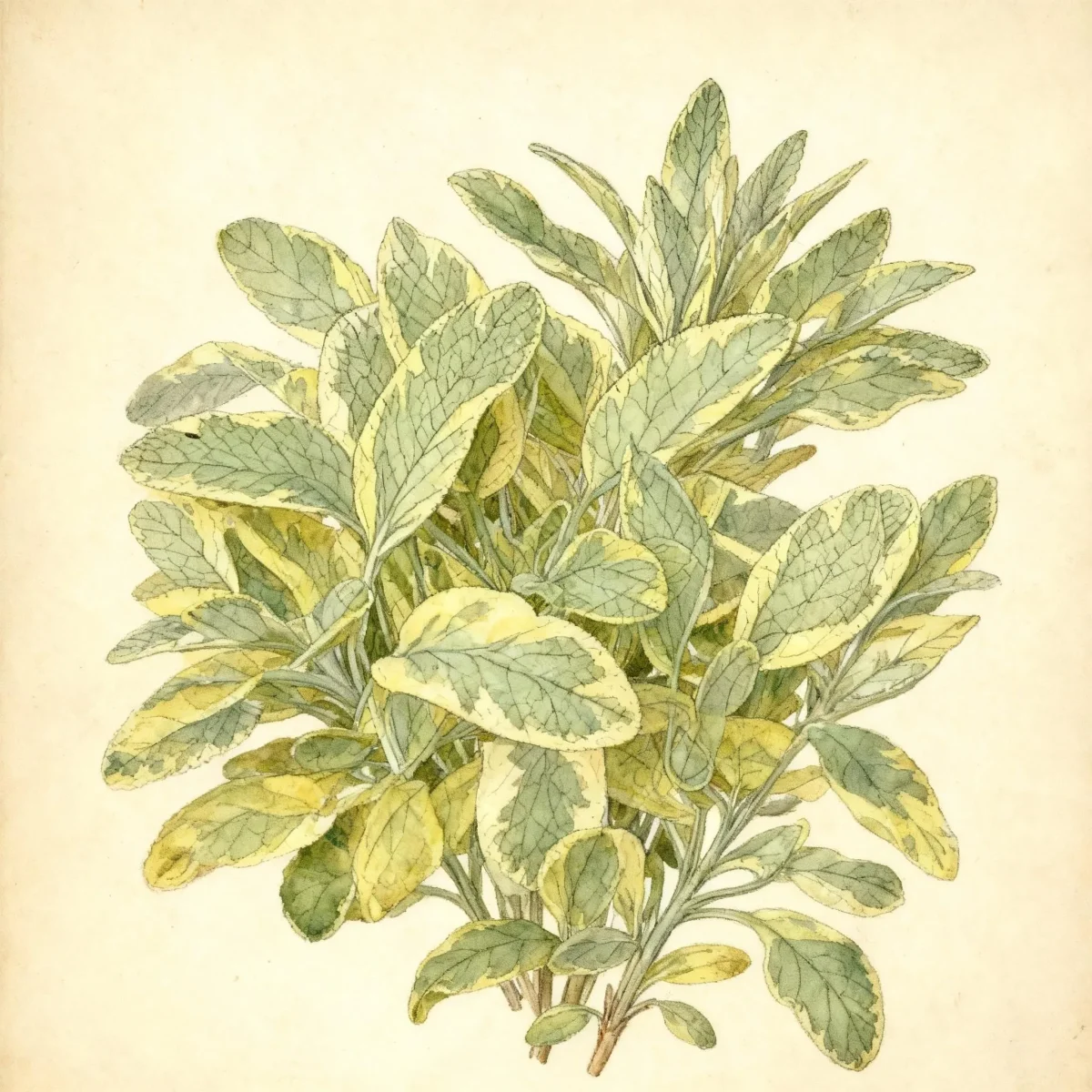
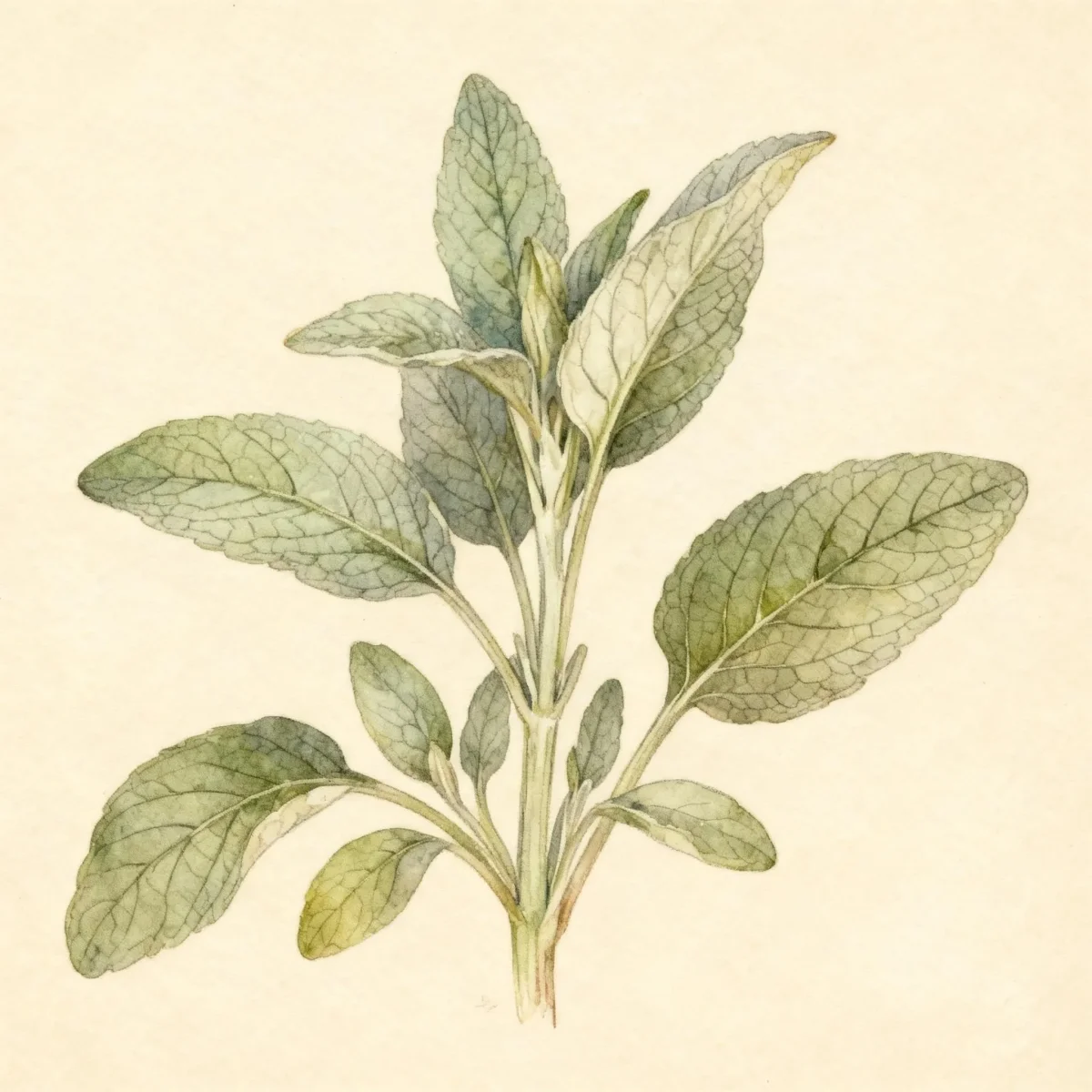
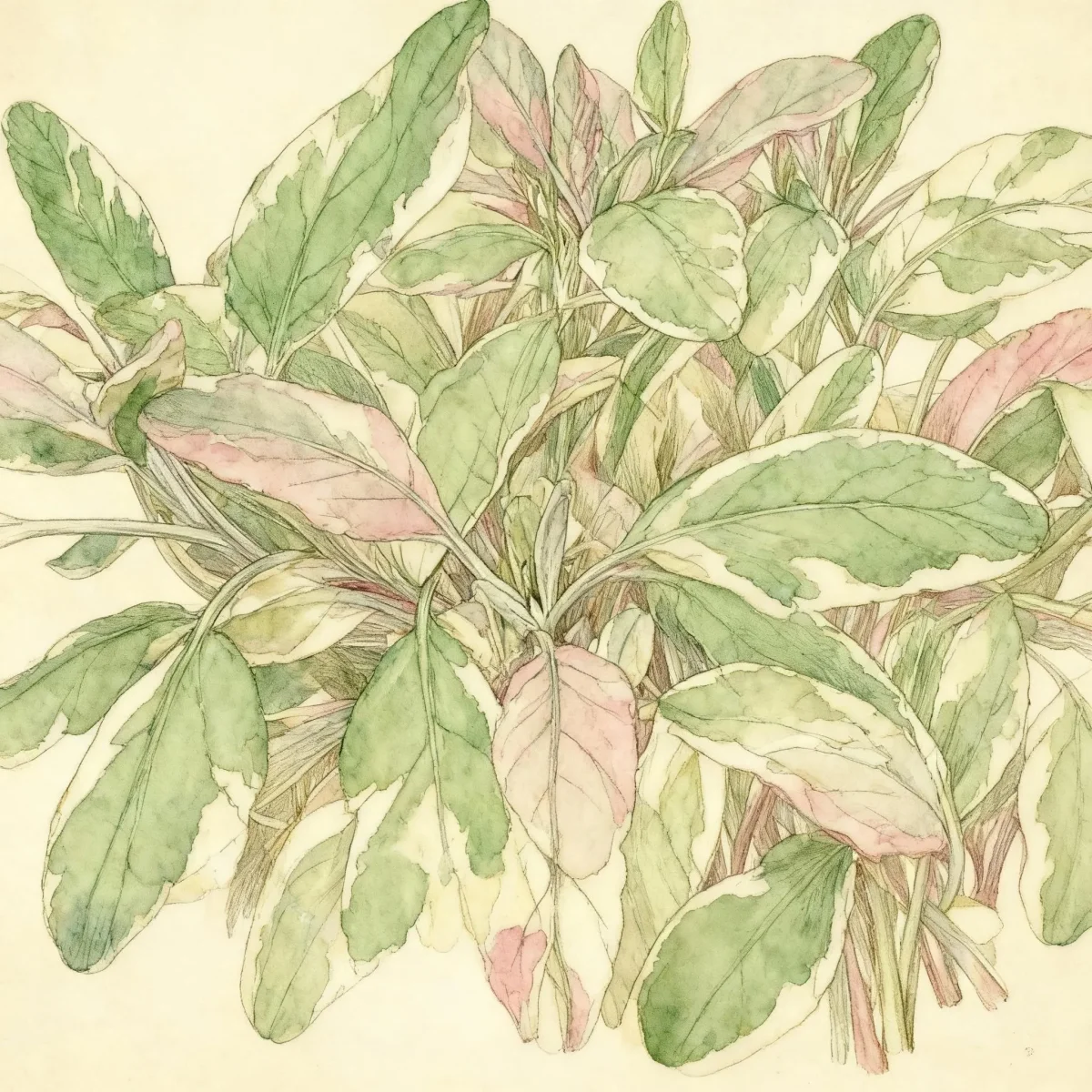
Salvia officinalis ‘Tricolor’ is a highly valued selection of Common sage, prized not only for its strongly aromatic culinary leaves but also for its exceptional ornamental appeal. This compact, shrubby perennial features stunning, wrinkled leaves variegated with grayish-green, white, purple, and pink edges, making it a standout in any garden setting. While it shares the classic sage fragrance, the ‘Tricolor’ cultivar offers enhanced aesthetic texture and color throughout the season.
Growing to a modest size, this variety brings reliable perennial performance to Herbaceous perennial gardens in suitable climates. Beyond its uses in the kitchen, Common sage provides attractive spikes of lavender-blue flowers, drawing in essential pollinators like bees and butterflies during late spring. Gardeners seek out Salvia officinalis ‘Tricolor’ as a resilient, multi-purpose addition that bridges the gap between functional herb and decorative foliage plant.
Fast Facts
- Plant Family: Lamiaceae
- Plant Type: Herbaceous perennial
- Hardiness Zones: USDA Zones 6-9
- Size at Maturity:
- Height: 1-1.5 ft
- Spread: 1-1.5 ft
- Bloom Time: May to June
- Bloom Description: Lavender-blue
- Sun Exposure: Full sun
- Water Needs: Dry to medium
- Maintenance Level: Medium
How to Grow
For optimal health and vibrant foliage, plant Salvia officinalis ‘Tricolor’ in early spring after the last frost or in early fall. This plant thrives in average, well-drained soil, which is crucial as wet soils are fatal to the roots. Ensure a location receiving full sun, though it tolerates very light shade; less sun will encourage sprawling growth, diminishing its ornamental appeal.
Watering should be kept on the drier side, aiming for dry to medium moisture levels once established. Like many true sages, this herb handles drought conditions well once its root system develops. Avoid consistently moist or wet conditions to prevent susceptibility to root rot. Fertilizer is generally unnecessary; excessive richness often promotes weak, floppy growth, especially if you are growing Salvia officinalis ‘Tricolor’ for its compact form.
Pruning is simple; regular light pinching, particularly early in the season, will encourage a bushier habit. In colder zones where winter hardiness is borderline, or if you observe that plants tend to sprawl, consider planting Salvia officinalis ‘Tricolor’ in a sheltered spot and providing winter protection. This perennial can benefit from moderate trimming after bloom to maintain shape.
Landscape Uses
The suggested uses for Salvia officinalis ‘Tricolor’ make it incredibly versatile. It excels when mixed with other perennials in borders, adding textural contrast and year-round interest, even when not actively blooming. As a member of the culinary herb garden, it pairs beautifully with thyme, rosemary, and lavender, complementing their forms and cultural needs.
In rock gardens, the compact, shrubby nature of this Common sage variety works perfectly among gritty, well-drained plantings. Due to its handsome foliage, it is frequently incorporated into mixed containers where its tricolor marbling can be enjoyed up close. Incorporating Salvia officinalis ‘Tricolor’ into vegetable patches or formal knot gardens ensures that its aesthetic and culinary benefits are fully utilized.
Standout Features
Flower Qualities
- Showy
Noteworthy Characteristics
Salvia officinalis commonly called sage, is the culinary sage familiar to most cooks, but this variety offers excellent ornamental qualities too. The ‘Tricolor’ cultivar is compact, typically growing only 1-1.5’ tall, featuring wrinkled, oblong leaves marbled with grayish-green, white and purple, and attractively edged with pink. These strongly aromatic leaves are beneficial for cooking, making Salvia officinalis ‘Tricolor’ a practical and beautiful addition to any perennial or herb garden.
Tolerances
- Deer
- Drought
- Dry Soil
- Shallow-Rocky Soil
Potential Problems
This plant generally experiences few serious insect or disease issues, provided cultural needs are met. The primary concern for Common sage is root rot, which occurs if the soil remains consistently moist or wet, emphasizing the need for excellent drainage. Taller plants, especially if not properly pinched back, may sprawl and require some support if they are being used prominently as an ornamental feature in the border. Managing moisture is key to long-term success with Salvia officinalis ‘Tricolor’.
Frequently Asked Questions
What hardiness zones is Common sage suitable for?
Salvia officinalis ‘Tricolor’ is suitable for USDA Zones 6 through 9, offering reliable perennial status in these warmer regions.
How large does Salvia officinalis ‘Tricolor’ grow?
This compact variety typically reaches a height between 1 and 1.5 feet and spreads to a similar width of 1 to 1.5 feet at maturity.
When does Common sage bloom?
Salvia officinalis ‘Tricolor’ generally blooms between May and June, presenting attractive clusters of lavender-blue flowers.
What sun exposure does Salvia officinalis ‘Tricolor’ need?
For the best growth habit and most vivid foliage color, Salvia officinalis ‘Tricolor’ requires full sun exposure.
Conclusion
The combination of fragrant, edible leaves and stunning, colorful foliage solidifies Salvia officinalis ‘Tricolor’ as a must-have garden staple. This compact Common sage variety offers low maintenance once established in proper, well-drained conditions. Before planting, ensure your garden site offers the required full sun exposure and excellent drainage to enjoy the best of this resilient perennial.
Companion Planting
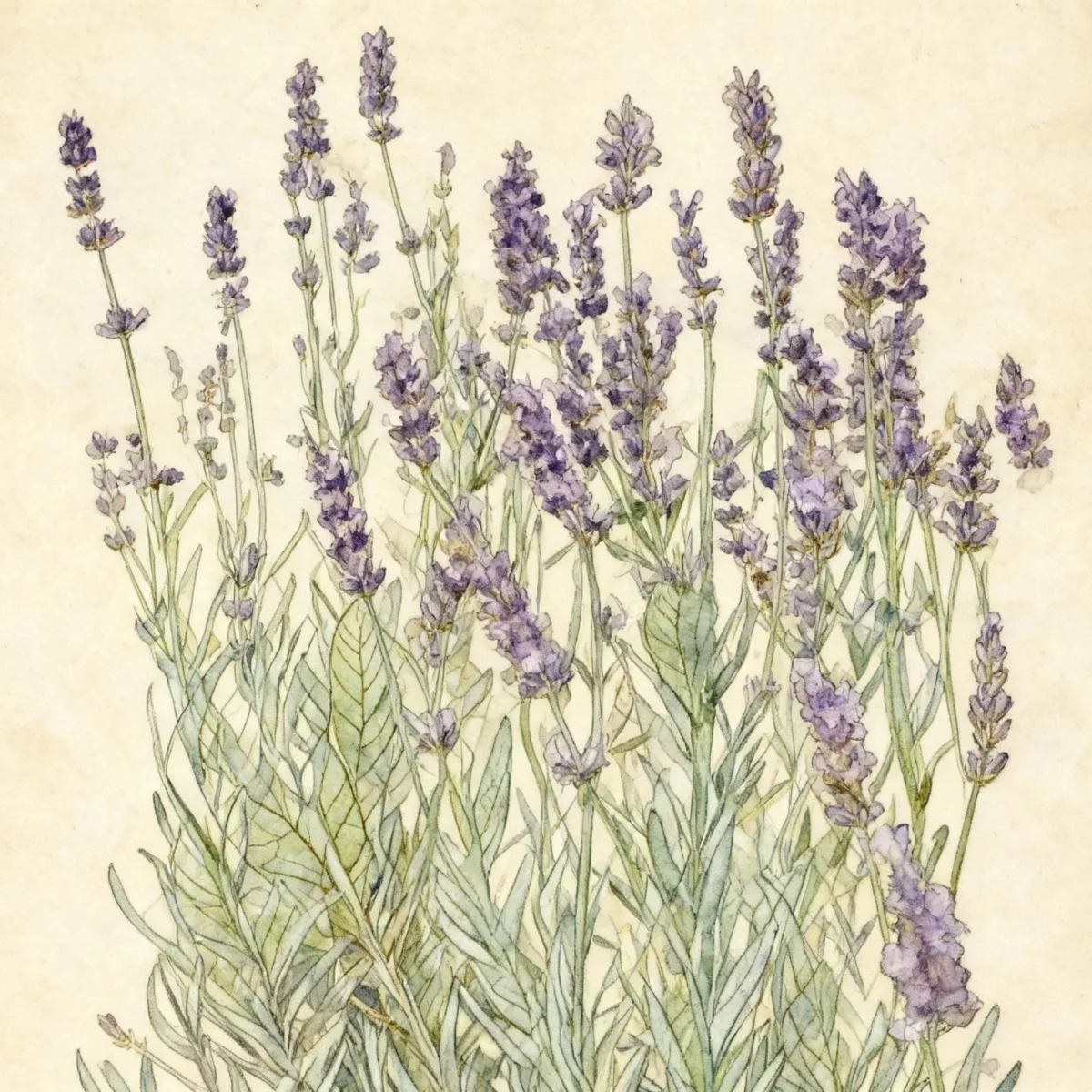
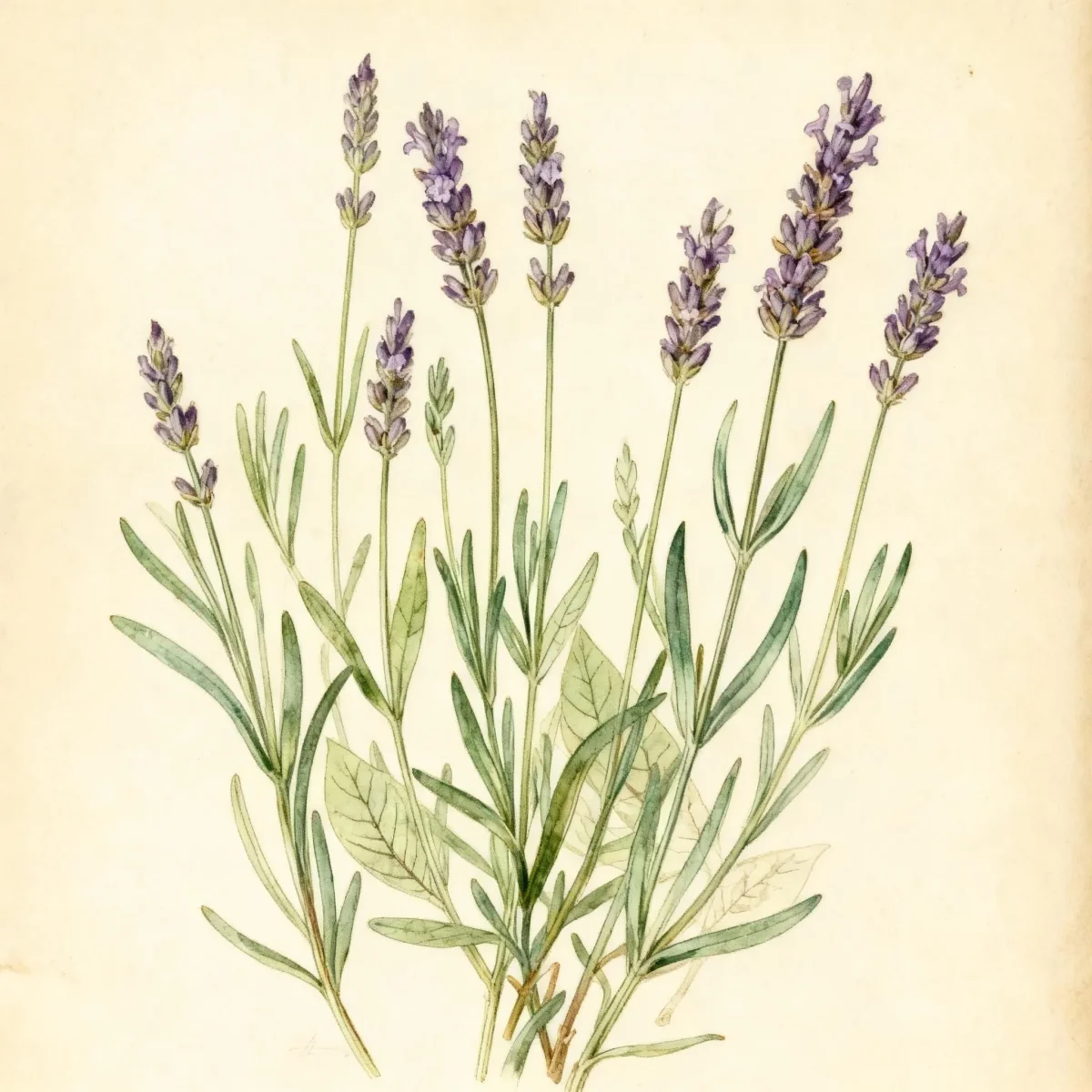
When integrating Salvia officinalis ‘Tricolor’ into your landscape, consider its Mediterranean origins and its need for excellent drainage. Good companions include other drought-tolerant herbs like Lavender (Lavandula species) and Thyme (Thymus species), as they share similar preferences for sun and dry soil. Planting it near fuzzy Lamb’s Ears (Stachys byzantina) contrasts nicely with the smooth edges of the sage foliage, adding textural complexity to perennial borders.
Wildlife Benefits
As a member of the mint family, Salvia officinalis ‘Tricolor’ is highly attractive to pollinators. The upright spikes of lavender-blue blooms produced in late spring and early summer provide a valuable nectar source during this period. Planting Salvia officinalis ‘Tricolor’ near your kitchen garden or patio ensures plenty of activity from beneficial bees and butterflies, enhancing garden biodiversity.