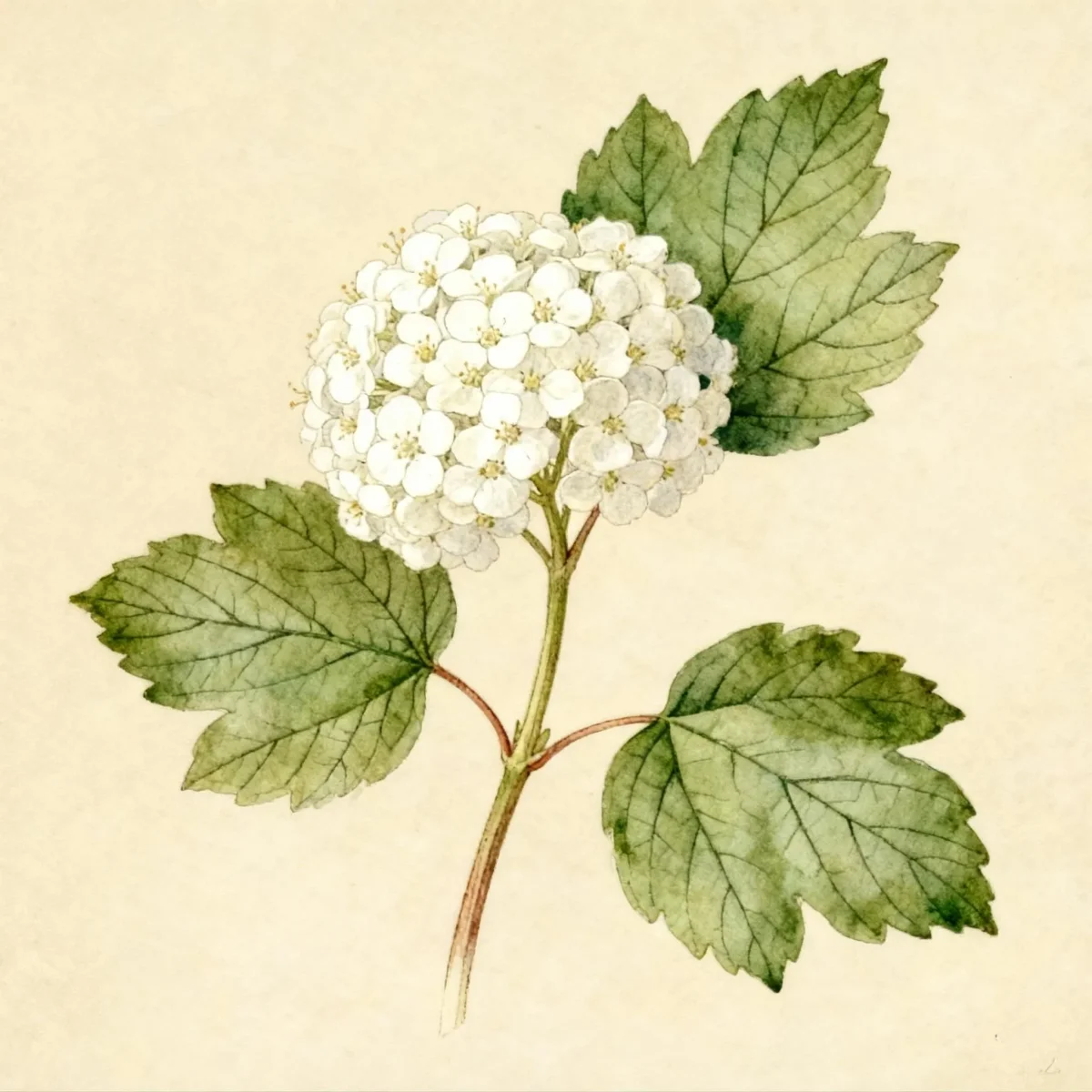
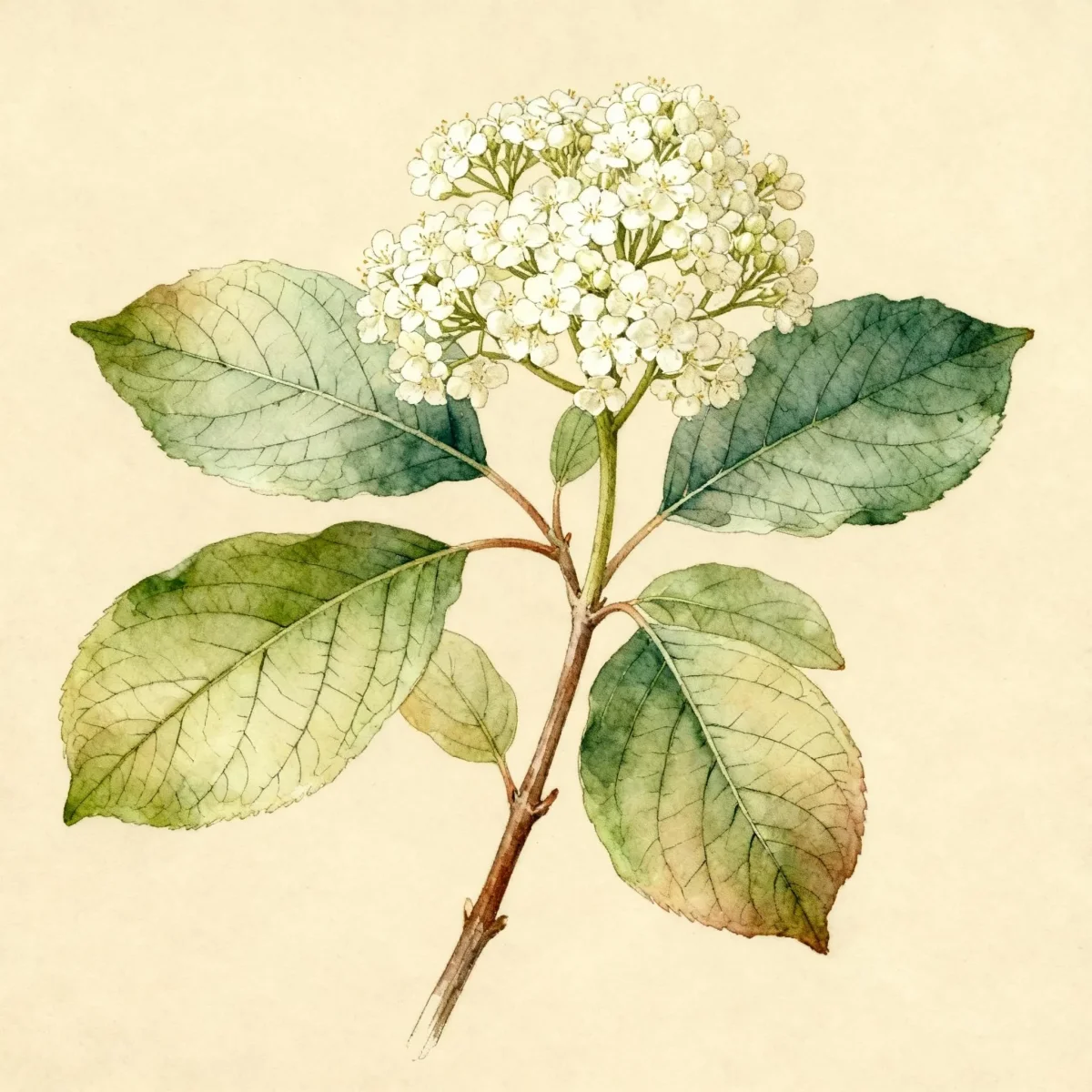
American elder (Sambucus canadensis 'Aurea')
Sambucus canadensis 'Aurea', the American elder, offers striking yellow foliage, showy white flowers, and edible fruit. High maintenance but rewarding in moist settings.
Scroll down to discover growing tips, care requirements, companion plants, and more
Complete Plant Information
Overview
Sambucus canadensis ‘Aurea’, commonly known as the American elder cultivar ‘Aurea’, brings vibrant color contrast to the landscape with its distinct yellow to yellowish-green leaves. This deciduous shrub is highly valued for its brightness, which is best expressed when sited in full sun. While it requires high maintenance, the payoff includes showy, fragrant white flowers followed by edible black elderberry fruits.
This species of American elder is native to eastern North America and is known for its vigorous, somewhat sprawling, and suckering habit. It naturally colonizes moist areas like streambanks and thickets, making it an excellent choice for specialized landscape niches where moisture is abundant. Gardeners must be prepared for its tendency to spread unless actively managed.
The cultural appeal of Sambucus canadensis ‘Aurea’ extends beyond foliage; its large, flat-topped flower clusters give way to fruits attractive to wildlife, adding seasonal interest. Successful cultivation hinges on providing consistent moisture and understanding its aggressive spreading nature, which demands thoughtful placement or diligent pruning.
Fast Facts
- Plant Family: Adoxaceae
- Plant Type: Deciduous shrub
- Hardiness Zones: USDA Zones 3-9
- Size at Maturity:
- Height: 5-12 ft
- Spread: 3-10 ft
- Bloom Time: June to July
- Bloom Description: White
- Sun Exposure: Full sun to part shade
- Water Needs: Medium to wet
- Maintenance Level: High
How to Grow
For optimal establishment, plant Sambucus canadensis ‘Aurea’ during the dormant season, either early spring or fall. Select a site that provides full sun to maximize the brilliant golden color of the foliage, although acceptable growth occurs in partial shade. This shrub thrives best in medium to wet, well-drained soils, though it demonstrates remarkable adaptability by tolerating a wide range of soil conditions, including clay.
Consistent moisture is key to managing this plant; ensure regular watering, particularly during dry spells, as it prefers moist, humusy environments. Fertilization is usually unnecessary if the soil is reasonably rich. The high maintenance level stems primarily from pruning management, as the American elder spreads readily via root suckers.
Manage the suckering spread by actively pruning them out as soon as they appear if a contained mass is desired. Every late winter or early spring, substantial pruning can be performed: remove dead or weakened stems, cut back one-year-old stems for rejuvenation, or even cut the entire plant back to the ground for a complete reset. Consistent spring pruning is often recommended to maintain the best shrub habit and foliage color for the season.
Landscape Uses
The vigorous habit and unique coloration of Sambucus canadensis ‘Aurea’ make it an excellent feature for naturalized areas where its suckering spread can be allowed to create colonies or drift. Use it effectively along stream or pond peripheries where the medium to wet soil requirements are naturally met. It also excels when massed in low spots or as a background screen due to its substantial height potential.
When formal shaping is required, this American elder cultivar can perform as a sprawling hedge, though it will require consistent maintenance to keep boundaries defined. For more controlled settings, consider using it as an occasional landscape specimen where its bright leaves can contrast sharply with dark green or purplish foliage plants.
Companion planting should favor species that also tolerate moist conditions, such as certain dogwoods, irises, or moisture-loving ferns. Avoid placing Sambucus canadensis ‘Aurea’ near very manicured beds where stray suckers would be unwanted, respecting its love for spreading.
Standout Features
Flower Qualities
- Showy
- Fragrant
Fruit Qualities
- Showy
- Edible
Noteworthy Characteristics
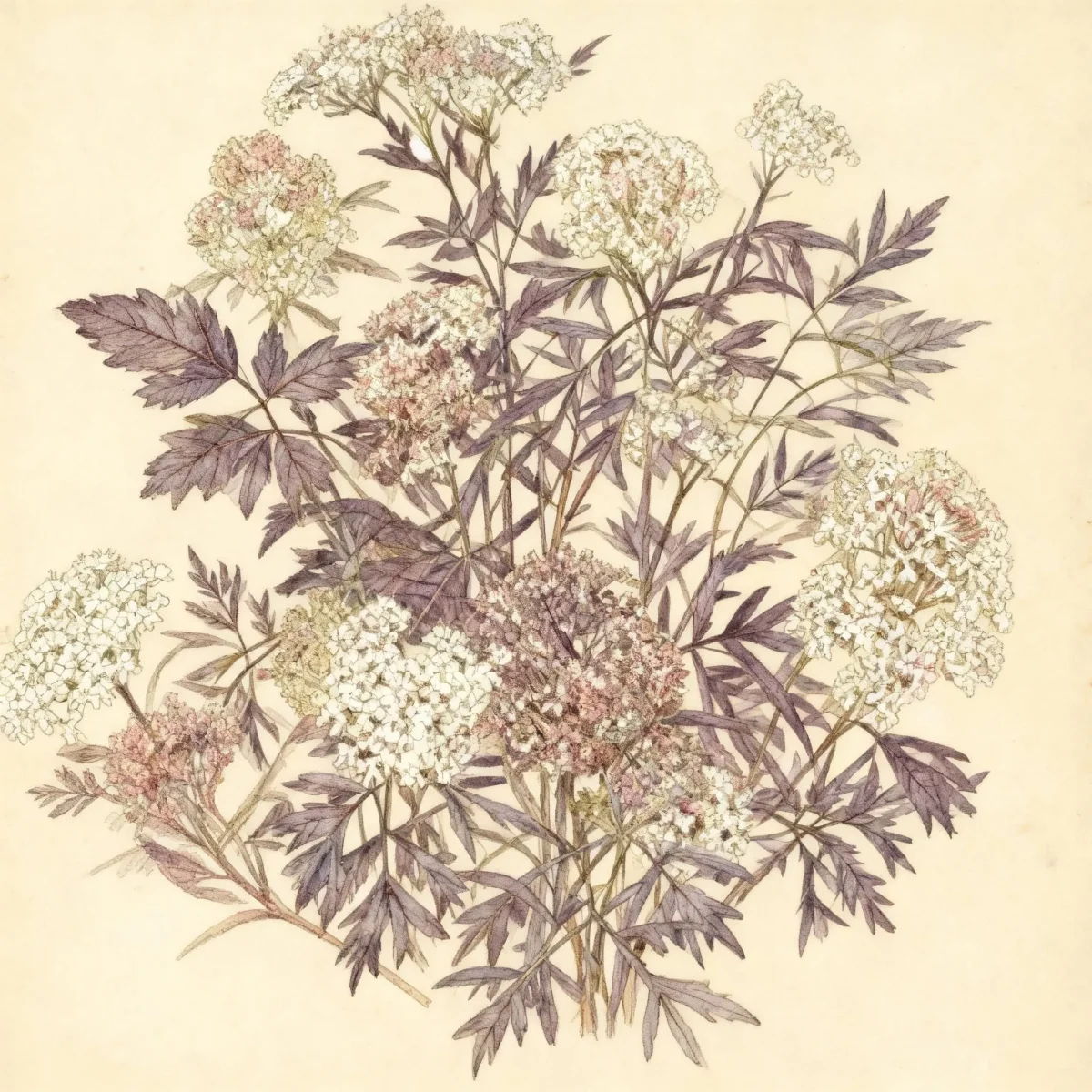
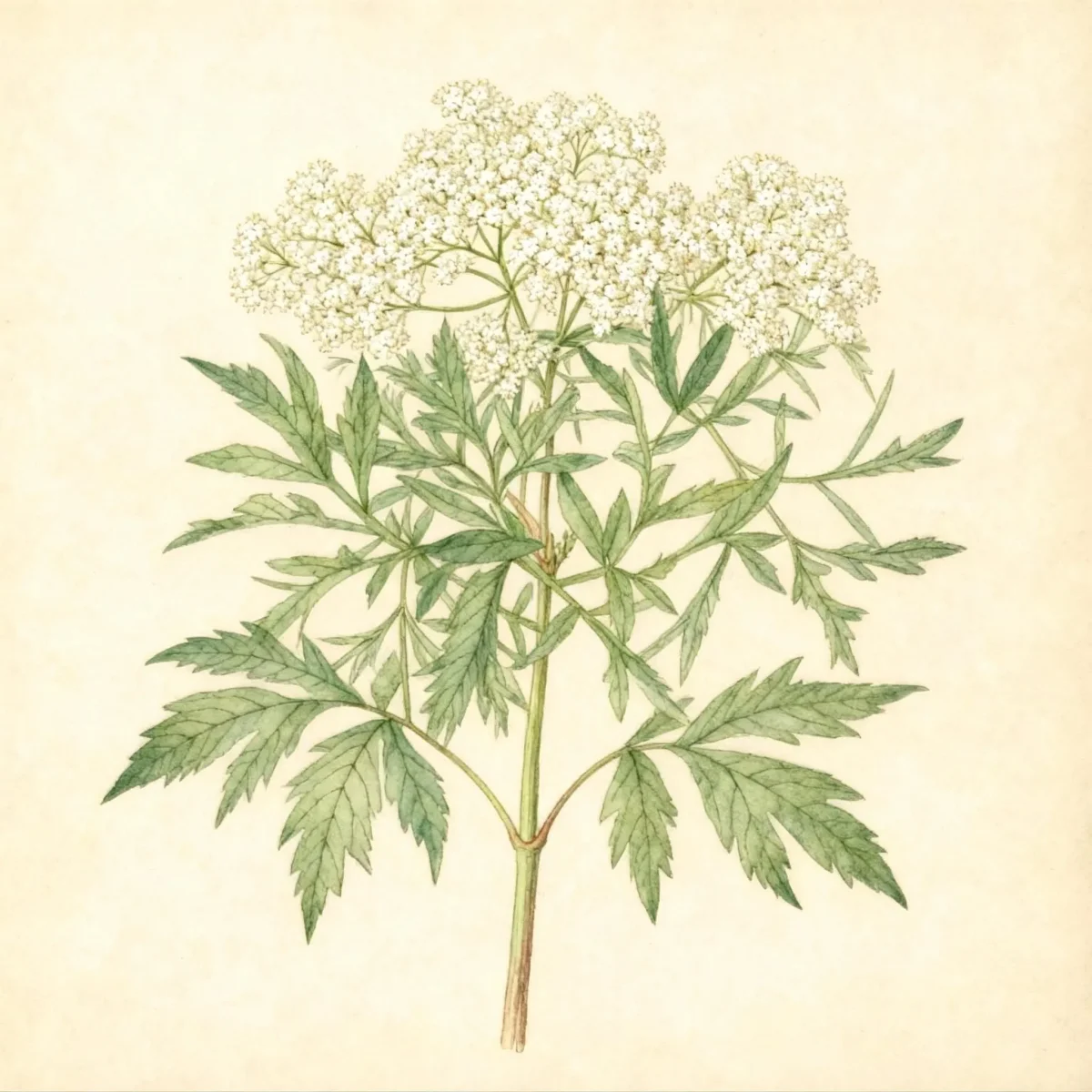
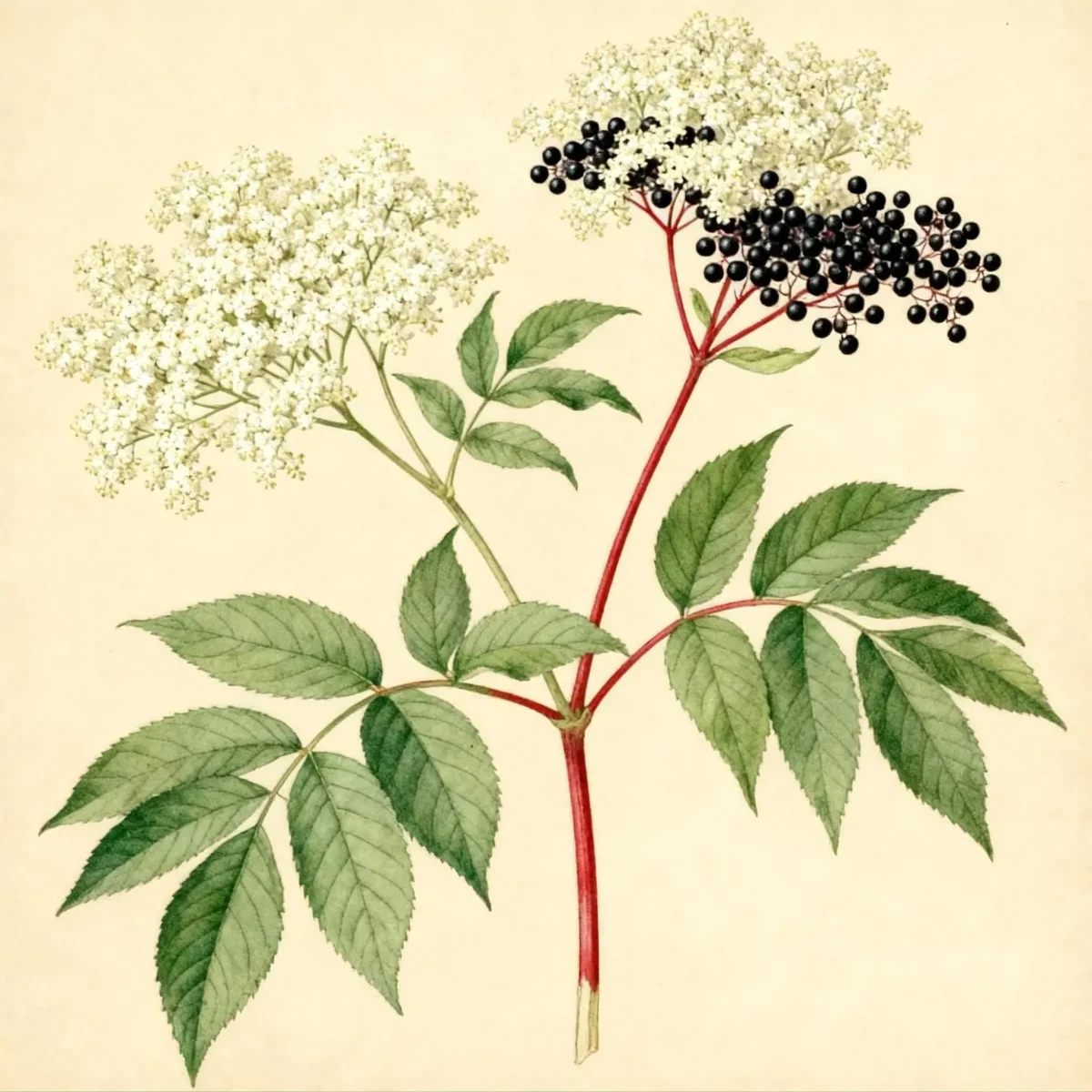
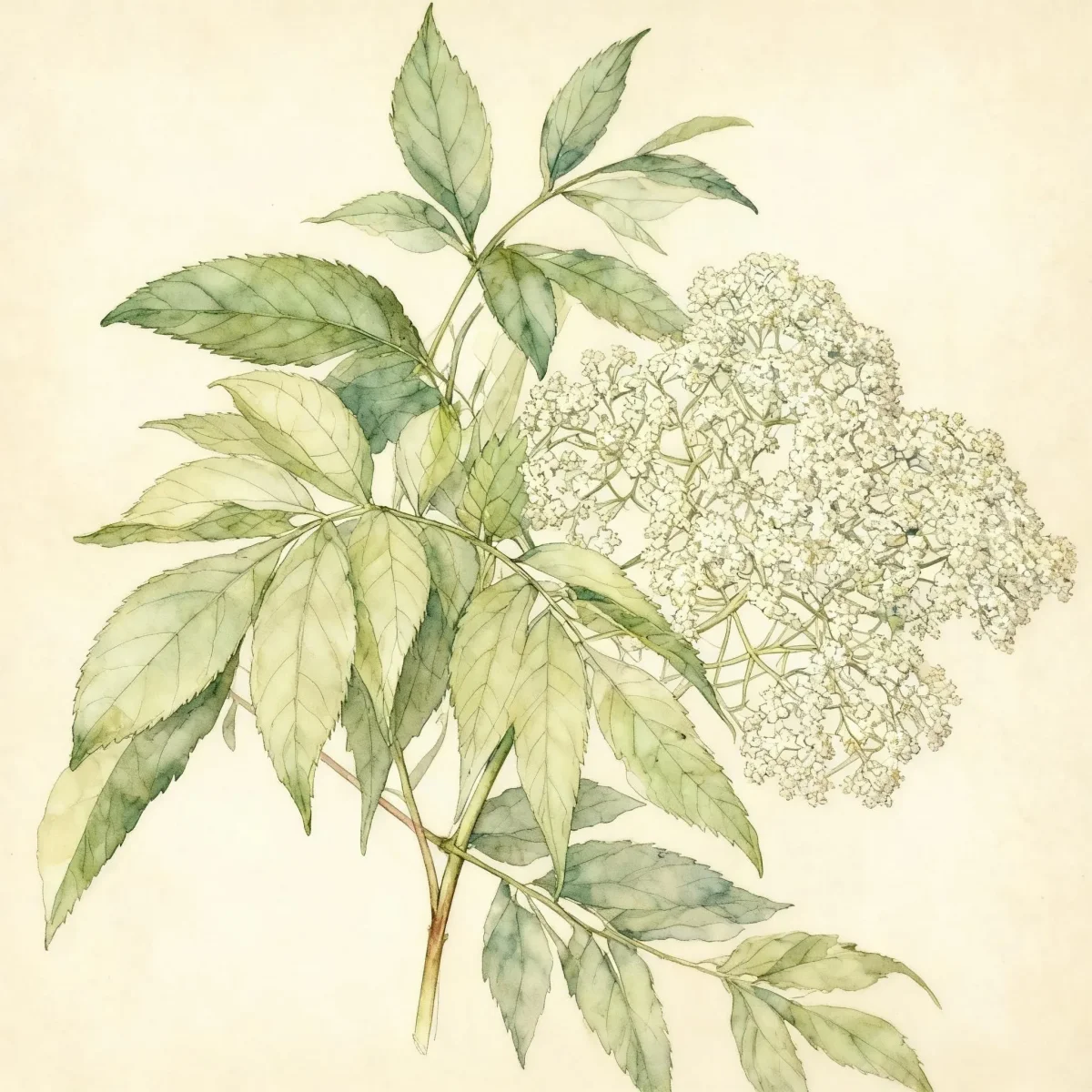
Sambucus canadensis, commonly called American elder, is native to eastern North America and presents as a deciduous, somewhat sprawling, suckering shrub typically reaching 5-12’ tall. It is frequently found along streambanks and thickets throughout the eastern US. In June, it bears tiny, lemon-scented white flowers in large flat-topped clusters, which mature into black elderberry fruits attractive to wildlife. The ‘Aurea’ cultivar specifically distinguishes itself as its leaves boast a desirable yellow to yellowish-green hue throughout the growing season.
Tolerances
- Erosion
- Clay Soil
- Wet Soil
Potential Problems
While generally recognized as having no serious insect or disease issues, Sambucus canadensis ‘Aurea’ remains susceptible to certain minor issues. Watch for occasional canker, powdery mildew, or leaf spot, which often indicate poor air circulation or overly damp conditions. Pests like borers, spider mites, and aphids may occasionally appear but seldom cause major harm to a healthy specimen. Structural concerns include branches that are vulnerable to damage from high winds or the heavy accumulation of winter snow or ice.
The primary management challenge is containing its vigorous nature; the plants spread aggressively by root suckers, requiring gardeners to be vigilant if a restricted space is intended for the American elder.
Frequently Asked Questions
What hardiness zones is American elder suitable for?
Sambucus canadensis ‘Aurea’ is well-suited for cultivation across USDA Hardiness Zones 3 through 9.
How large does American elder grow?
This deciduous shrub typically matures to a height between 5 and 12 feet, with a spread ranging from 3 to 10 feet wide.
What sun exposure does Sambucus canadensis ‘Aurea’ need?
For the best display of its golden foliage, this plant should receive full sun, though it will tolerate conditions ranging from full sun to part shade.
When does American elder bloom?
The flowering period for Sambucus canadensis ‘Aurea’ generally occurs from June into July, producing showy white flowers.
Conclusion
The unique golden foliage of Sambucus canadensis ‘Aurea’ provides essential, bright structure for damp areas of the garden, complementing its fragrant blooms and potential for edible harvest. While the high maintenance requirement necessitates active pruning to manage its suckering habit, the visual impact of this American elder cultivar is undeniable. Before planting, confirm your location falls within USDA Zones 3-9 and ensure consistent moisture is available for this stunning shrub.
Companion Planting
Choosing companions for Sambucus canadensis ‘Aurea’ should focus on moisture-loving plants that can handle the bright, dappled light it might cast if planted near taller structures. Consider planting moisture-loving perennials near the edges of its root zone where suckers are less likely to emerge aggressively. Good choices include tall ornamental grasses that thrive in wet soil, such as Miscanthus varieties that can tolerate consistent moisture.
Alternatively, use moisture-tolerant woodland edge plants as groundcovers beneath its canopy, such as moisture-loving ferns like Ostrich Fern (Matteuccia struthiopteris) or certain robust hostas that benefit from partial shade protection from the hottest afternoon sun. These selections thrive in similar, humus-rich, moist conditions required by the American elder.
Wildlife Benefits
The flowering period of Sambucus canadensis ‘Aurea’ provides a significant draw for local pollinators due to the fragrance and showy nature of the white flower clusters. This makes it an excellent addition to pollinator gardens, providing necessary nectar sources during the early summer months. Furthermore, after flowering, the plant produces clusters of black elderberry fruits.
These fruits are readily consumed by numerous bird species, providing a vital late-season food source as they prepare for migration or winter seclusion. By planting this American elder, you create a functional habitat element that supports both insect and avian populations throughout the growing season.