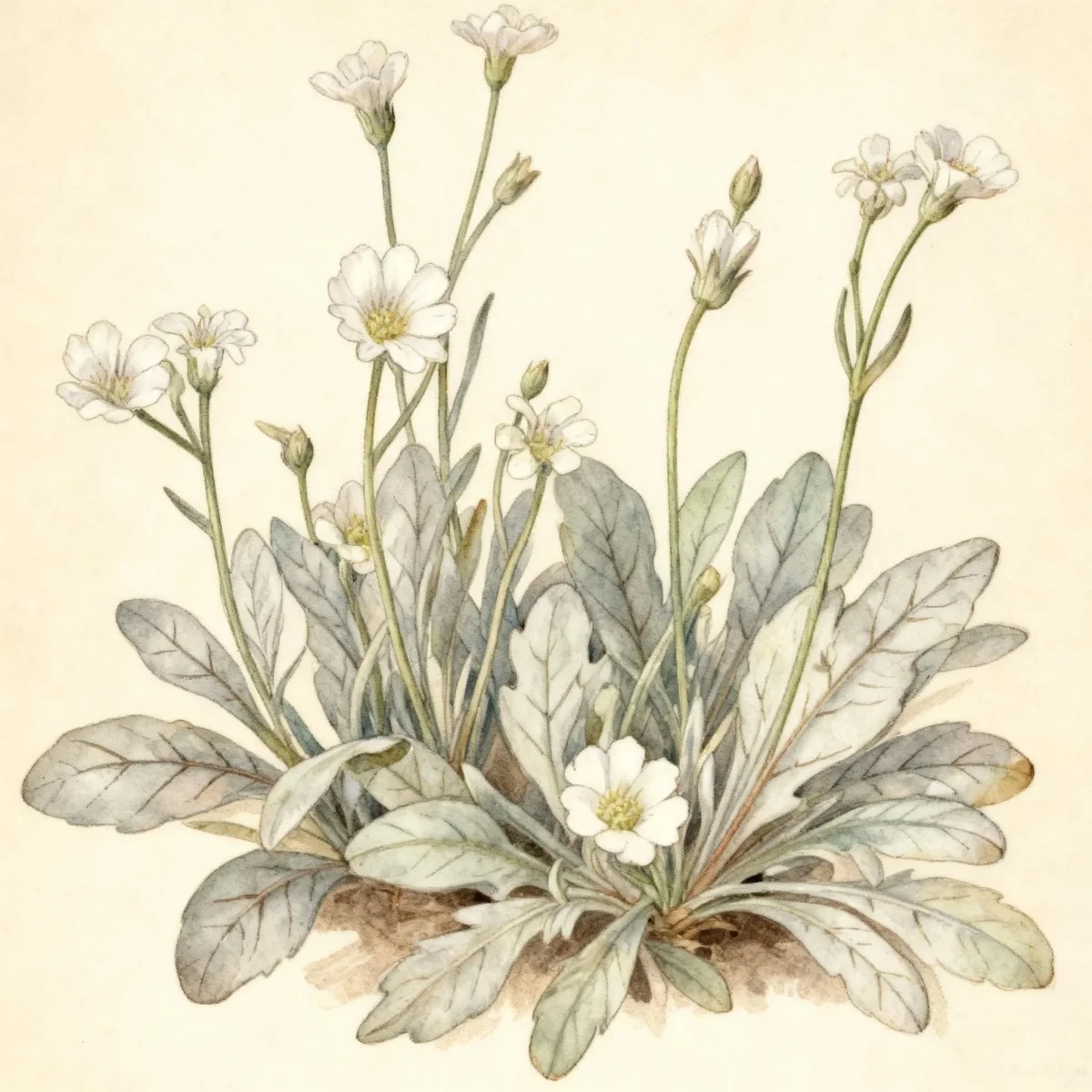
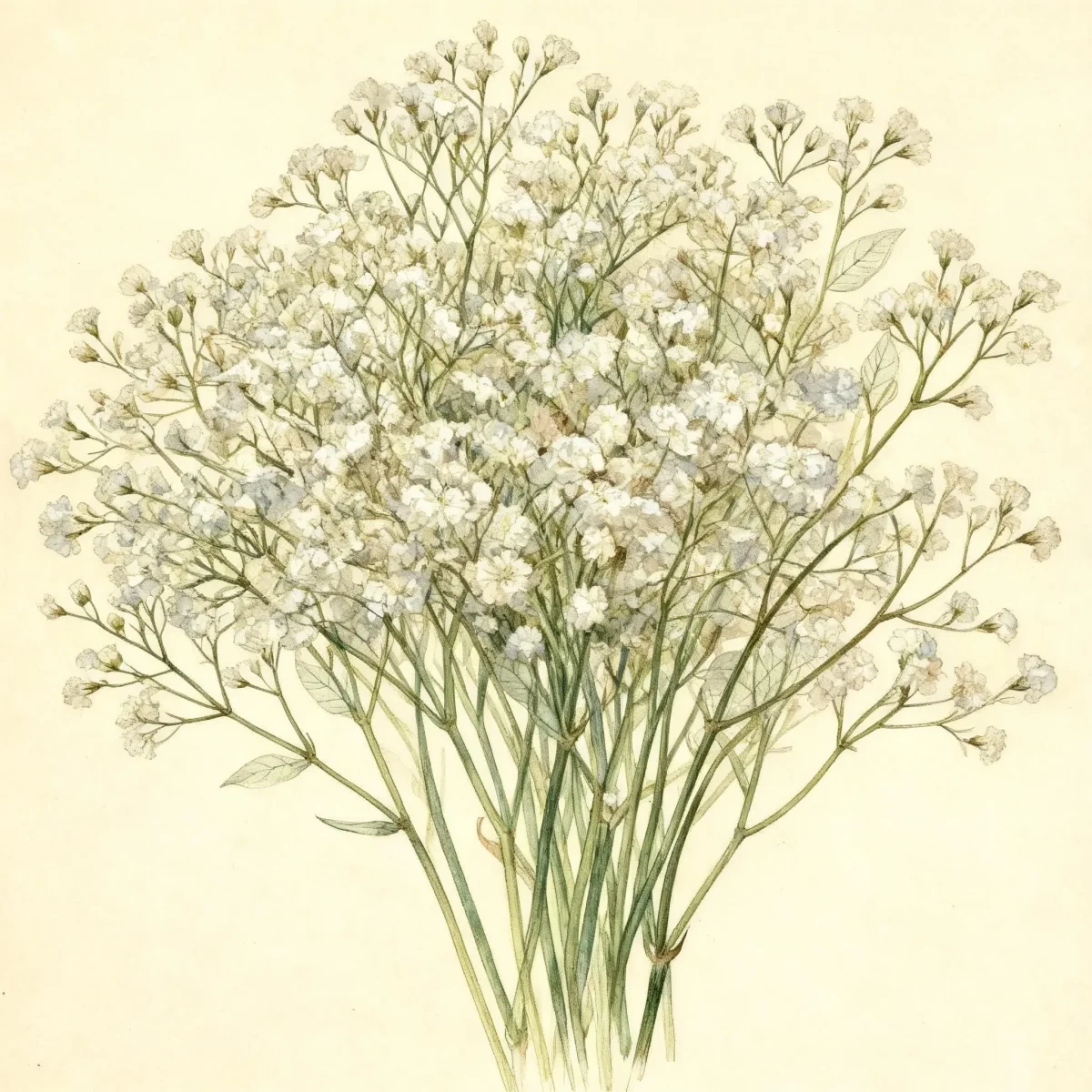
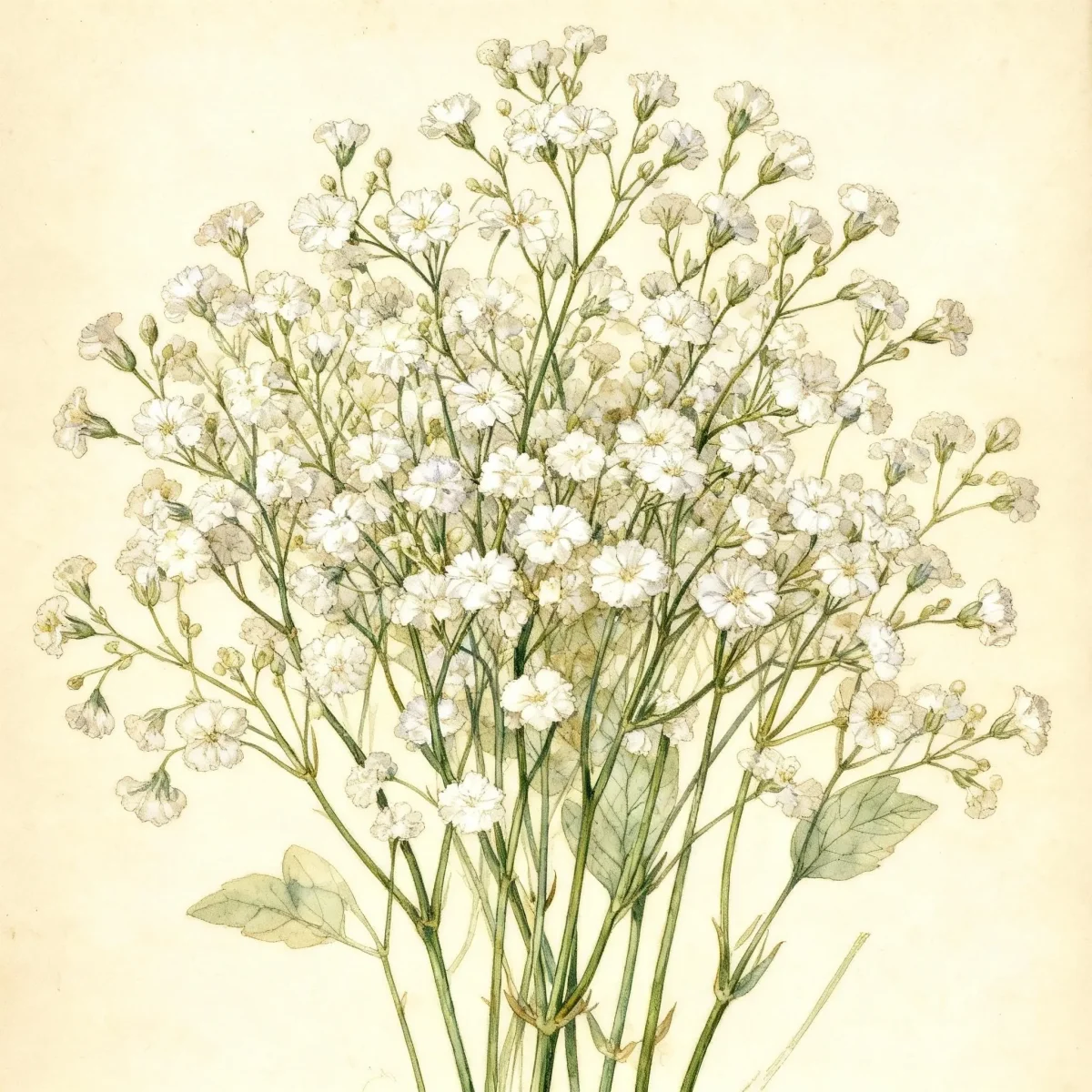
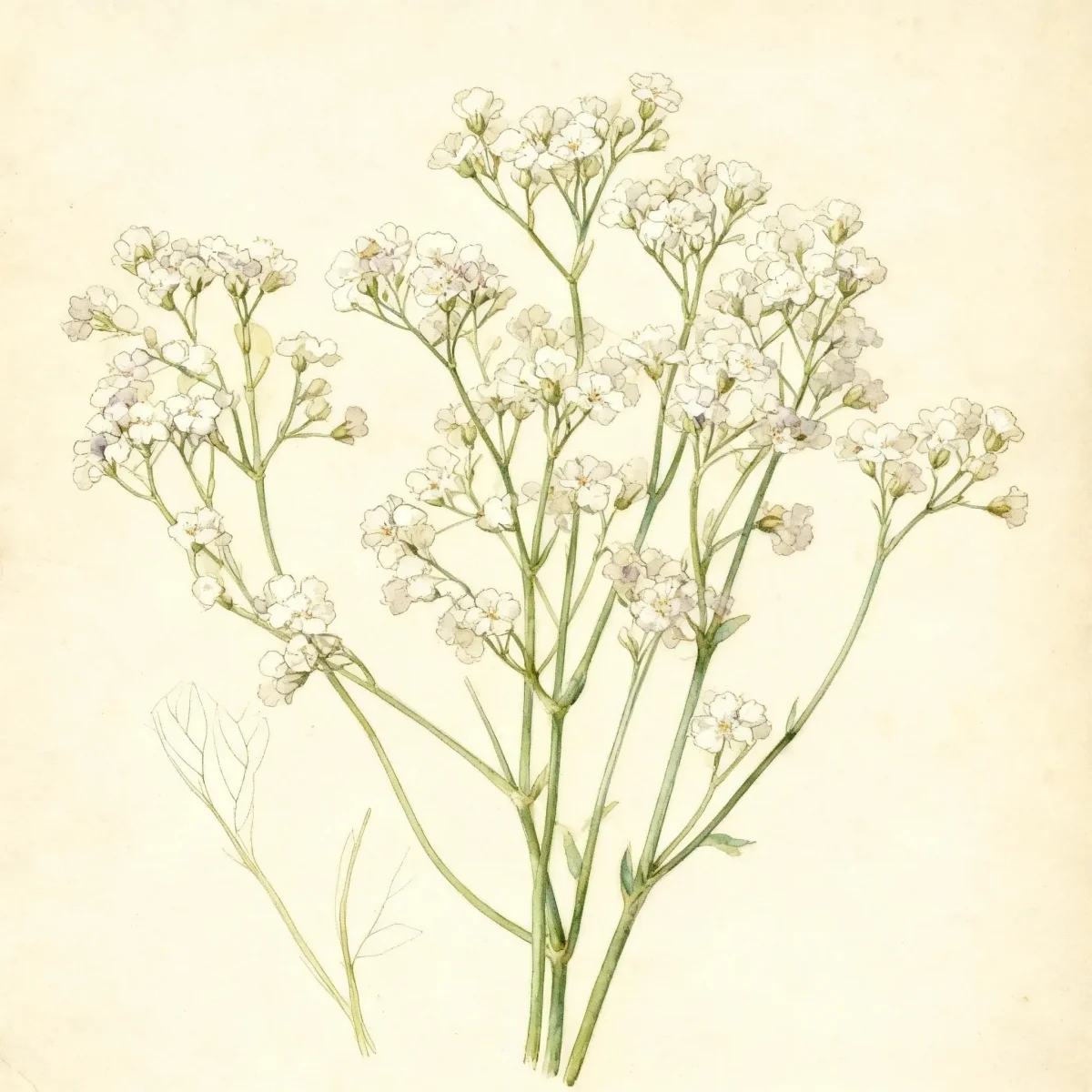
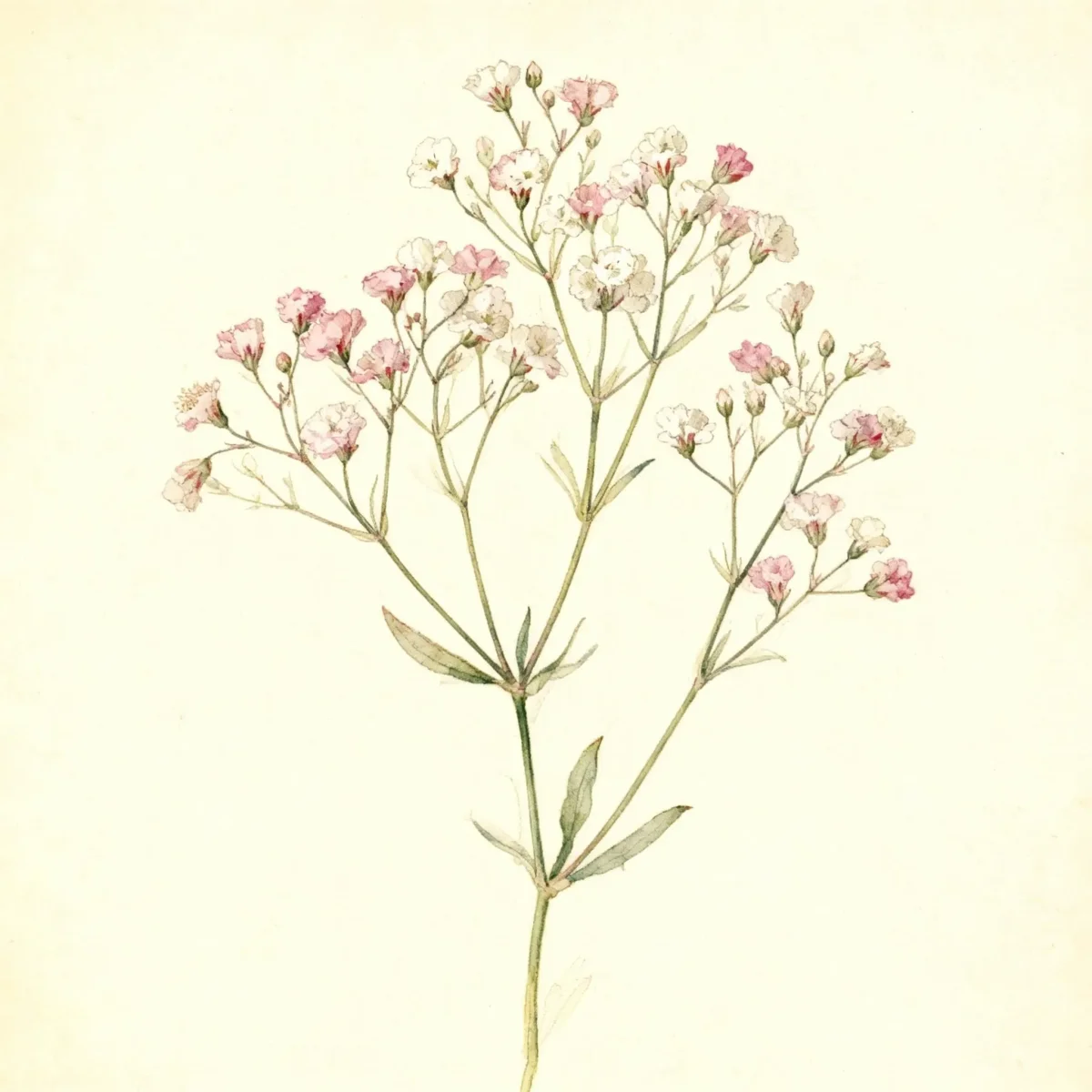
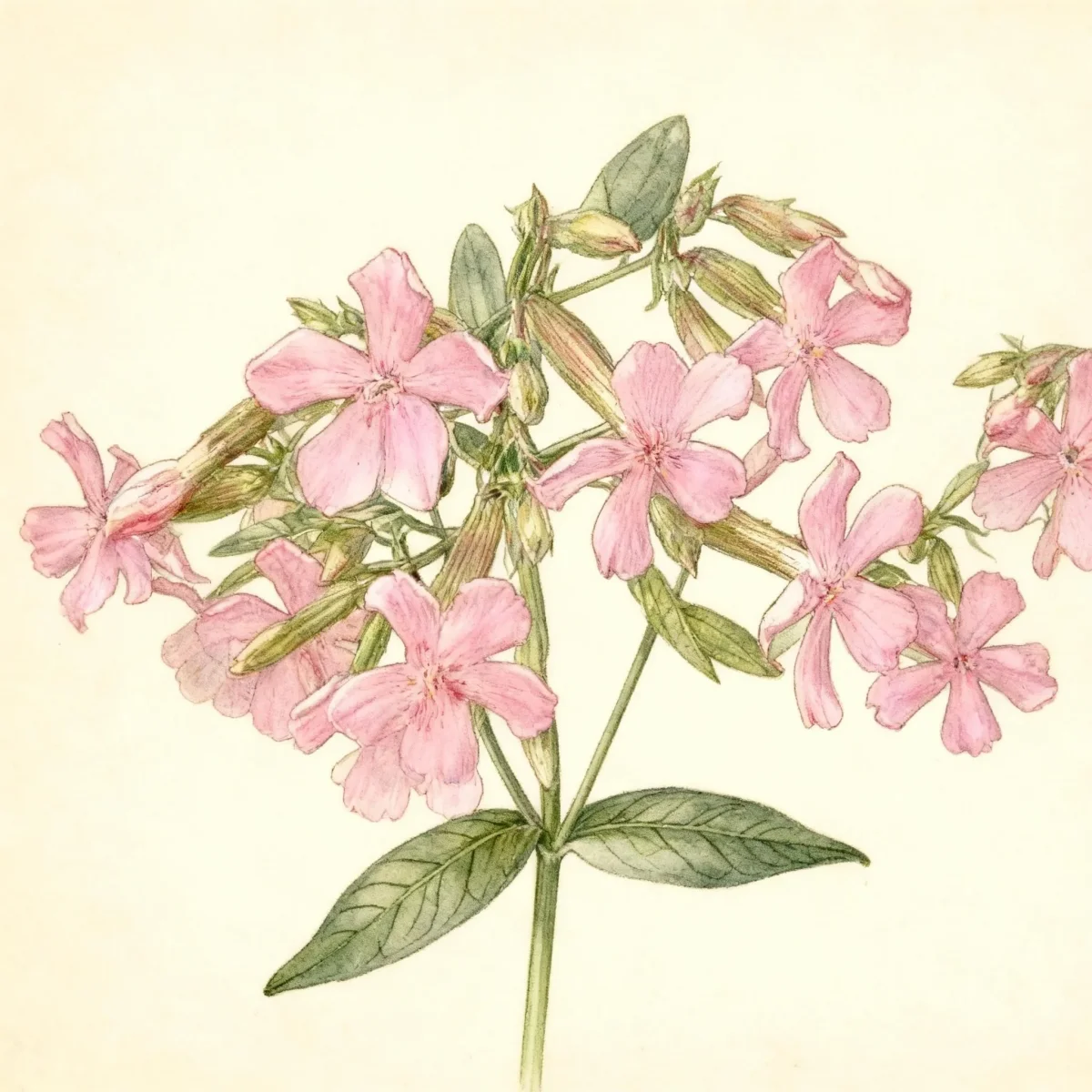
Soapwort (Saponaria × lempergii 'Max Frei')
Saponaria × lempergii 'Max Frei' (Soapwort) offers exceptional prolonged pink blooms from June to October. Ideal for dry soils, Zones 3-7.
Scroll down to discover growing tips, care requirements, companion plants, and more
Complete Plant Information
Overview
Saponaria × lempergii ‘Max Frei’, commonly known as Soapwort, is a valuable herbaceous perennial prized for its remarkable longevity in bloom. This hybrid variety delivers masses of attractive, light pink flowers continuously from early summer well into autumn, significantly extending the seasonal color display in the garden. Saponaria × lempergii ‘Max Frei’ forms a neat, spreading mound of dark green foliage, offering reliable coverage near the ground.
This resilient Soapwort thrives best in hot, dry conditions once established, mirroring the preferences of its Mediterranean parents. Gardeners seeking a tough plant for sunny, well-drained locations appreciate the robustness of this cultivar. Its extended flowering window ensures color presence when many other perennials have faded, making Saponaria × lempergii ‘Max Frei’ an excellent structural element.
Beyond aesthetics, the genus Saponaria has historical utility, as its foliage and roots contain saponin, historically used to create a mild, lathering soap. Planting this Soapwort contributes both long-lasting beauty and a nod to botanical tradition.
Fast Facts
- Plant Family: Caryophyllaceae
- Plant Type: Herbaceous perennial
- Hardiness Zones: USDA Zones 3-7
- Size at Maturity:
- Height: 0.75-1.5 ft
- Spread: 1-1.5 ft
- Bloom Time: June to October
- Bloom Description: Pink
- Sun Exposure: Full sun
- Water Needs: Dry
- Maintenance Level: Medium
How to Grow
Plant Saponaria × lempergii ‘Max Frei’ in the spring or fall, ensuring you choose a location that receives full sun exposure throughout the day for the best flowering. This Soapwort requires moderately fertile soil that is neutral to slightly alkaline and, crucially, very well drained. Avoid heavy clay or spots where water tends to pool, as this specific hybrid does not tolerate poorly-drained conditions well.
Once established, this plant is highly drought-tolerant, requiring minimal supplemental water. Water deeply but infrequently, allowing the soil to dry out between irrigation sessions, reflecting its low “Dry” water needs. Fertilization is generally unnecessary; excessive feeding encourages lush foliage growth at the expense of abundant bloom.
Maintenance for this variety is relatively low. Deadheading spent flower clusters is generally not required, though light trimming after the main flush of bloom can encourage a fresh wave of flowers. Be aware that Saponaria × lempergii ‘Max Frei’ may struggle in regions experiencing extreme summer heat coupled with high humidity, potentially making it challenging south of Zone 7 unless drainage is impeccable. Prepare for winter by nothing more than a routine cleanup of old foliage in very early spring before new growth begins.
Landscape Uses
The prolonged bloom period of Saponaria × lempergii ‘Max Frei’ makes it invaluable for borders where late-season interest is desired. Its spreading habit functions excellently as a small area ground cover, helping to suppress weeds while providing vibrant color low to the ground. This Soapwort thrives in the sharp drainage provided by rock gardens and raised beds, pairing well with other sun-loving, xeriscaping-appropriate perennials.
Consider integrating this flowering perennial within cottage gardens, where its informal, yet profuse, pink clusters harmonize with traditional plantings. It also shines in the transition areas between manicured landscapes and wilder garden spaces due to its naturalized look. Companion planting works well alongside Mediterranean herbs or drought-tolerant salvias that share its preference for sun and excellent drainage.
Standout Features
Flower Qualities
- Showy
Noteworthy Characteristics
The genus Saponaria contains pink family herbs, with plants commonly called soapwort due to the lathering properties of the leaves and roots. Saponaria x lempergii, the procumbent hybrid Soapwort, features lance-shaped, soft hairy leaves and axillary pink flowers that bloom from mid-summer well into fall. The cultivar ‘Max Frei’ is specifically recognized for its exceptionally long flowering window, often extending from June through October.
Tolerances
- Deer
- Drought
- Dry Soil
- Shallow-Rocky Soil
Potential Problems
This Soapwort is generally robust, exhibiting no serious insect or disease problems when sited correctly. The primary pests to watch for, particularly as the plant matures into a dense mat, are slugs and snails, which may feed on the foliage. Management should involve standard cultural controls like thorough cleanup of debris or application of safe molluscicides if populations become problematic.
Frequently Asked Questions
What hardiness zones is Soapwort suitable for?
Saponaria × lempergii ‘Max Frei’ is winter hardy and performs best across USDA Zones 3 through 7.
How large does Saponaria × lempergii ‘Max Frei’ grow?
It typically reaches a height between 0.75 and 1.5 feet tall, with a corresponding spread between 1 and 1.5 feet wide.
What sun exposure does Soapwort need?
For optimal, sustained flowering, this plant requires full sun exposure.
When does Saponaria × lempergii ‘Max Frei’ bloom?
This popular cultivar is noted for its extended bloom time, generally flowering profusely from June through October with pink blossoms.
Conclusion
The extended, vibrant pink bloom display offered by Saponaria × lempergii ‘Max Frei’ makes it an essential choice for late-season color in challenging sunny spots. As a drought-tolerant Soapwort that happily settles into dry, rocky soils, it offers substantial aesthetic value with manageable medium maintenance. Before planting, confirm that your garden falls within USDA Zones 3–7 and that you can provide the necessary full sun and sharp drainage for this long-blooming perennial.
Companion Planting
When designing beds for Saponaria × lempergii ‘Max Frei’, focus on companions that similarly enjoy hot, dry conditions and full sun exposure. Plants like Sedum (Stonecrop) varieties, hardy Alliums that have finished blooming, or silvery foliage like Lamb’s Ears create beautiful textural contrast without competing for moisture. Placing it near plants that prefer neutral to alkaline soil will also help maintain ideal cultural conditions around the base of the Soapwort.
Design Ideas
For striking visual impact throughout late summer, mass plantings of Saponaria × lempergii ‘Max Frei’ work wonderfully contrasted against gravel or light-colored mulch. This technique emphasizes its low, spreading form and highlights the continuous pink carpet effect it achieves. In the mid-border, use it as a colorful spiller cascading over the edge of a retaining wall or path, ensuring visibility of its excellent stature (up to 1.5 feet tall).