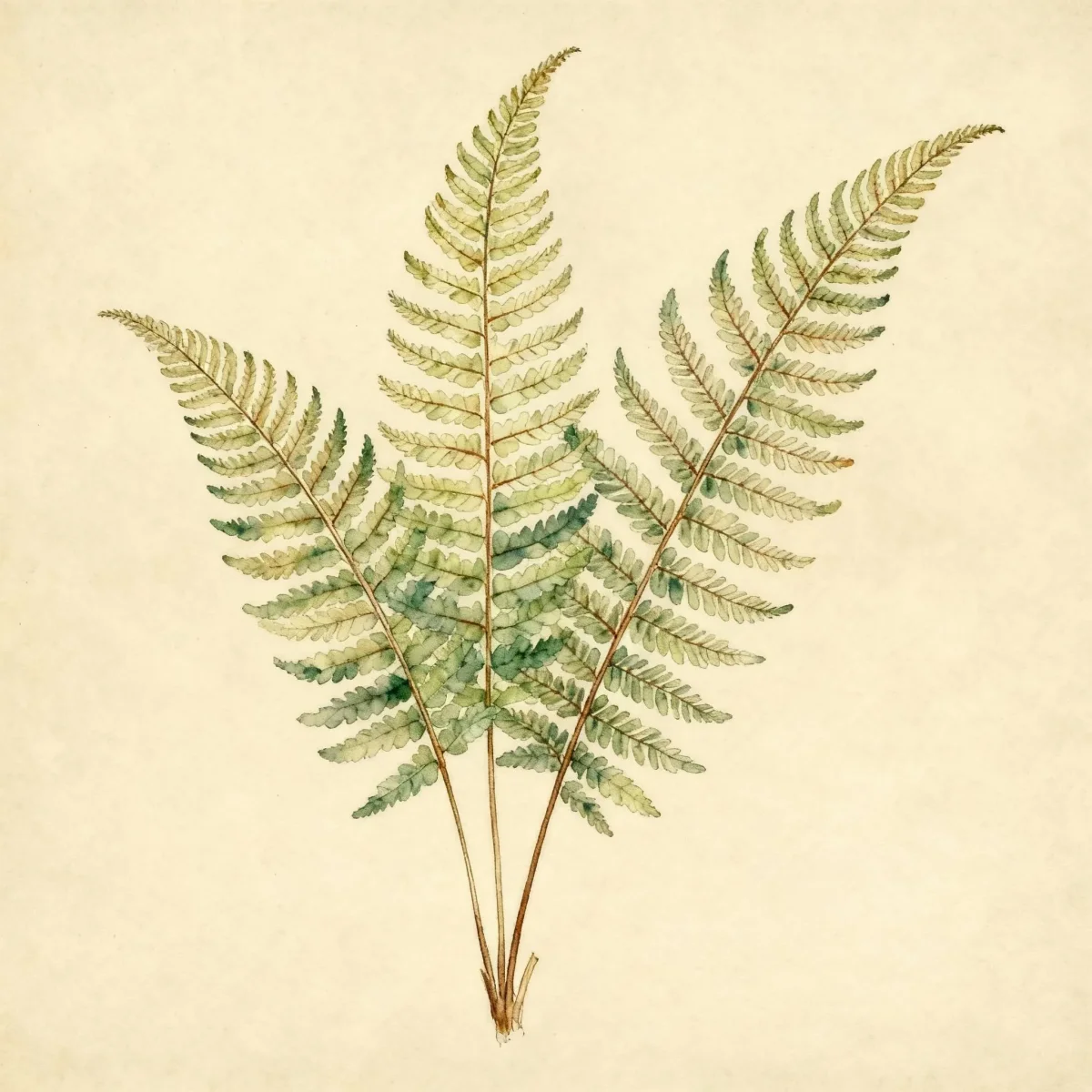
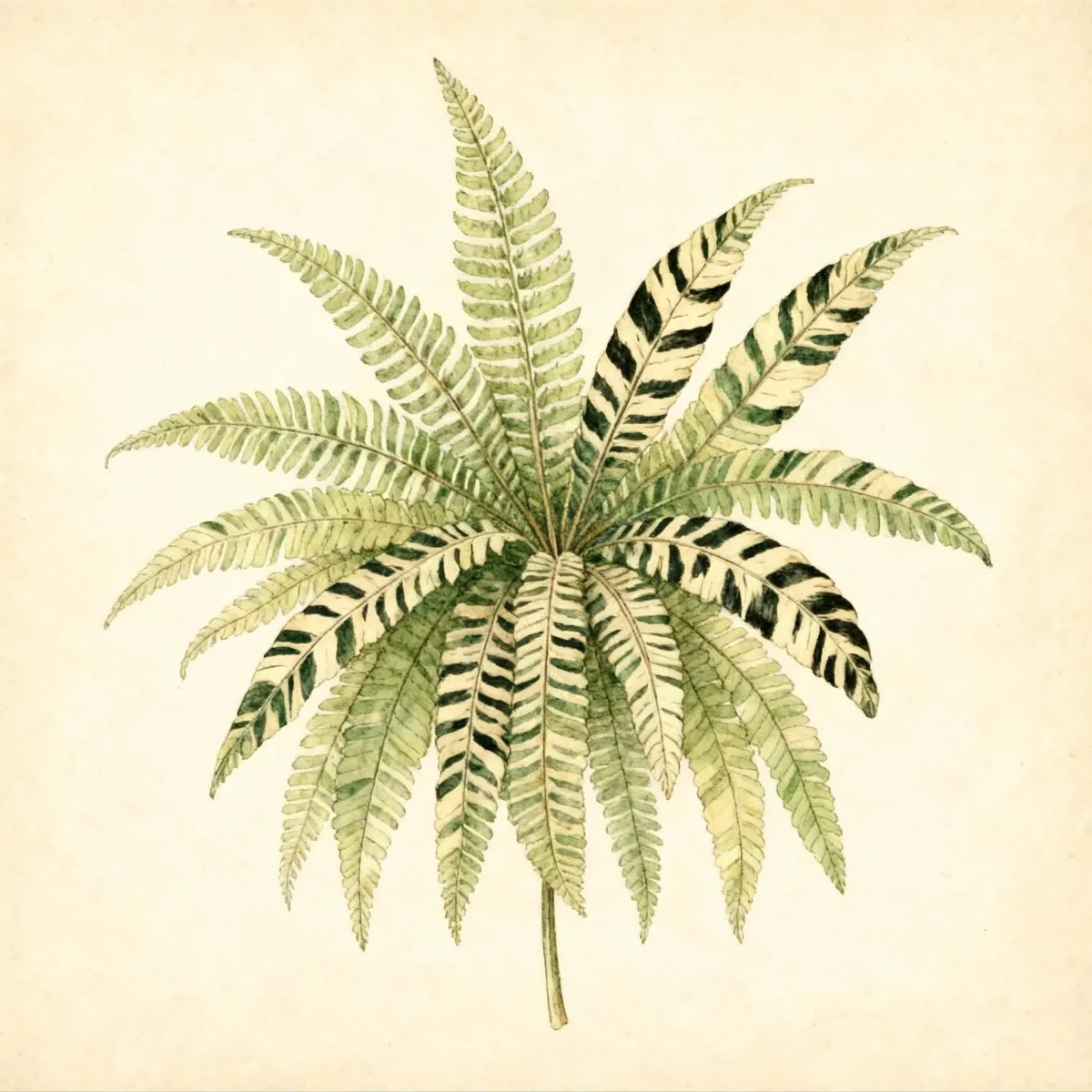
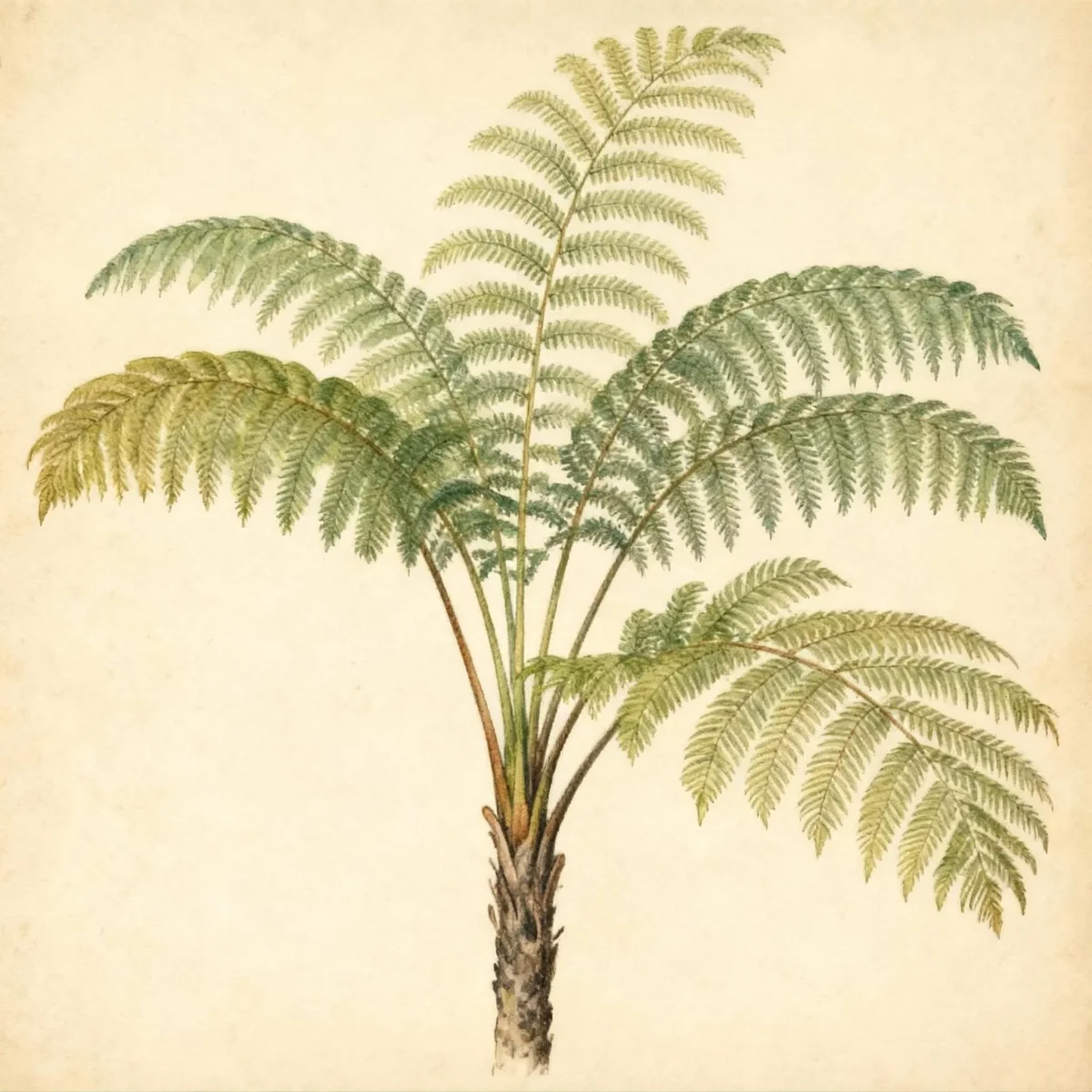
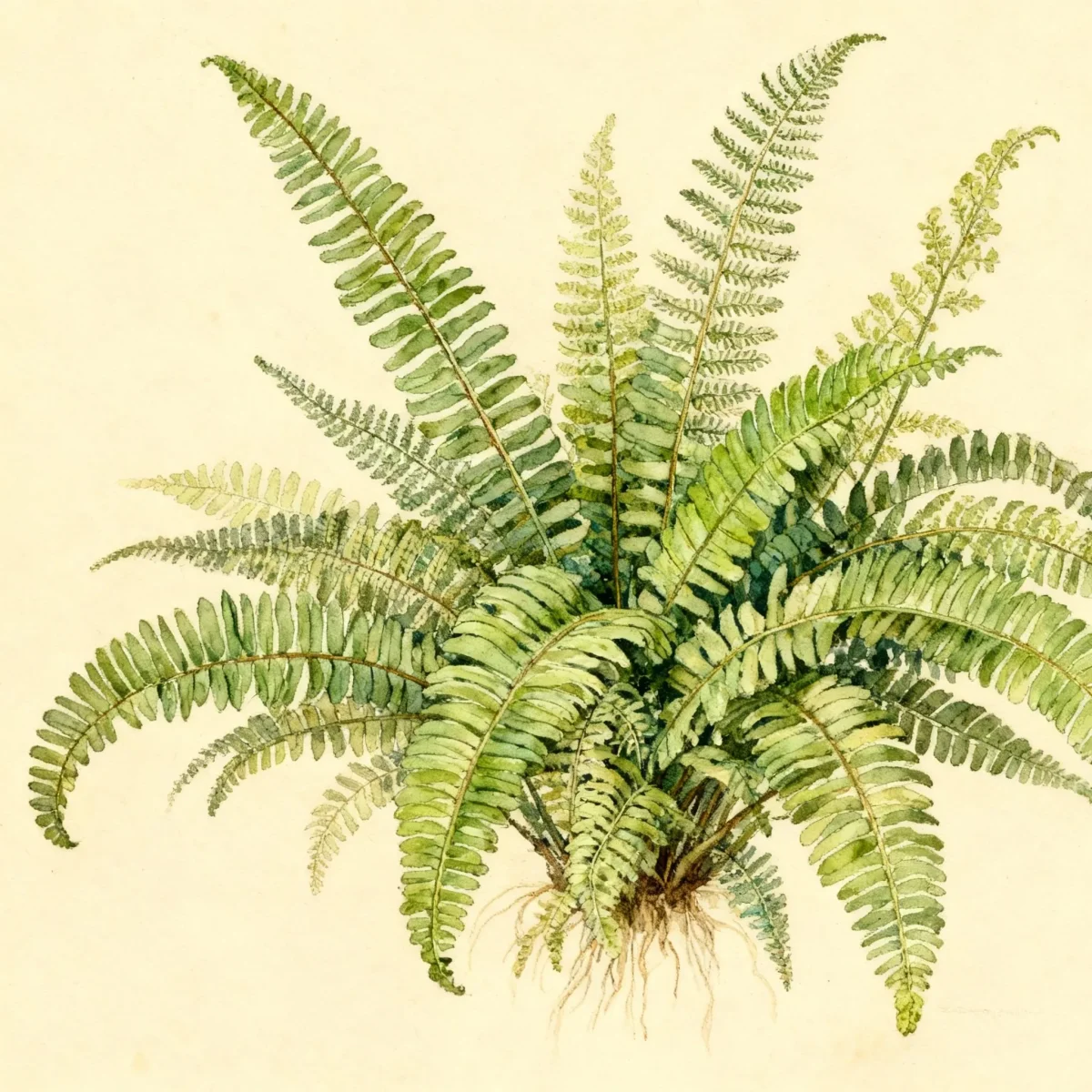
Boston fern (Nephrolepis exaltata 'Bostoniensis')
The classic Boston fern, Nephrolepis exaltata 'Bostoniensis', offers gracefully arching, evergreen texture perfect for hanging baskets indoors. It thrives in part shade and prefers consistent moisture.
Scroll down to discover growing tips, care requirements, companion plants, and more
Complete Plant Information
Overview
The Nephrolepis exaltata ‘Bostoniensis’, universally recognized as the Boston fern, remains a definitive choice for adding lush, vibrant green texture to shaded areas or indoor settings. This evergreen fern is prized for its gracefully arching fronds that offer an excellent contrast to many other foliage plants. Its popularity stems from its elegant habit and its reputation as one of the easier ferns available.
As an evergreen, the Boston fern provides consistent visual interest year-round, whether growing outdoors in tropical climates or thriving as a cherished houseplant elsewhere. It naturally presents an upright yet spreading form, achieving moderate size, making it versatile for various placements. Gardeners appreciate the low maintenance associated with this classic specimen.
While it originates in tropical regions, the Nephrolepis exaltata ‘Bostoniensis’ has earned its place globally as the quintessential parlor fern. It brings a soft, humidity-loving ambiance to interior design schemes and provides rich texture in deeply shaded outdoor garden pockets where light lovers fail to thrive.
Fast Facts
- Plant Family: Nephrolepidaceae
- Plant Type: Fern
- Hardiness Zones: USDA Zones 10-12
- Size at Maturity:
- Height: 2-3 ft
- Spread: 2-3 ft
- Bloom Time: Non-flowering
- Sun Exposure: Part shade
- Water Needs: Medium
- Maintenance Level: Low
How to Grow
When planting the Boston fern outdoors in its suitable range (USDA Zones 10-12), choose a location with moist, humus-rich, and well-drained soil. This plant thrives in part shade; avoid all direct, harsh sunlight, which can scorch the delicate fronds. For indoor cultivation, use a peaty, soil-based potting mix and situate the Nephrolepis exaltata ‘Bostoniensis’ where it receives bright, indirect light.
Consistent moisture is key to keeping the Boston fern happy. The soil should be kept consistently moist, though you can slightly reduce watering from fall through late winter. High humidity is strongly preferred; placing containers on a tray of wet pebbles is an excellent strategy to increase ambient moisture, especially indoors where dry winter air is common.
Fertilization is light; apply weak fertilizer solutions monthly, beginning in spring and continuing until early fall. Pruning is straightforward: if the plant suffers from drying out—indicated by shedding fronds—you can cut all fronds back severely to about 2 inches above the soil line to encourage fresh, healthy regeneration. Low humidity environments, particularly in winter, often lead to browning frond tips.
Landscape Uses
For gardeners in tropical and sub-tropical regions, the Boston fern excels when massed together in shady borders or used as an underplanting element beneath larger shrubs and trees. Its cascading habit makes it an excellent choice for softening hardscaping edges or massing in rich woodland garden designs.
Indoors, the Nephrolepis exaltata ‘Bostoniensis’ truly shines. It is perhaps best suited for display on pedestals where its fronds can drape elegantly, or in hanging baskets allowing the full arching spread to be appreciated. Bathrooms or kitchens often provide the necessary humidity levels needed by this moisture-loving fern.
Standout Features
Noteworthy Characteristics
The broader Nephrolepis exaltata, often known as the sword fern or simply Boston fern, is native across warm locales including Florida, the West Indies, and Central America. This evergreen fern grows with an upright, spreading habit, typically reaching about 3 feet tall and wide, though it can achieve significant height in its native habitat. The popular cultivar ‘Bostoniensis’ is celebrated for its broader, gracefully drooping fronds, reinforcing its status as a classic, easy-to-grow indoor specimen.
Tolerances
- Rabbit
Potential Problems
Pests such as scale, mealybugs, slugs, and whiteflies may occasionally target the Boston fern. Indoor growers should be vigilant for these common houseplant pests, inspecting the undersides of the fronds regularly. A significant issue indoors is general leaf drop, which can be bothersome; this is often a sign of inconsistent moisture or insufficient humidity rather than disease.
Frequently Asked Questions
What hardiness zones is Boston fern suitable for?
The Boston fern (Nephrolepis exaltata ‘Bostoniensis’) is winter hardy outdoors in USDA Zones 10 through 12.
How large does Nephrolepis exaltata ‘Bostoniensis’ grow?
This fern typically matures to a size of 2 to 3 feet in height and spreads between 2 and 3 feet wide.
What sun exposure does Boston fern need?
This plant requires part shade; it needs bright, indirect light indoors and protection from all direct sun outdoors to prevent scorching.
When does Nephrolepis exaltata ‘Bostoniensis’ bloom?
The Nephrolepis exaltata ‘Bostoniensis’ is a non-flowering plant, as is characteristic of ferns.
Conclusion
The enduring appeal of the Boston fern lies in its robust texture and graceful, cascading form, making Nephrolepis exaltata ‘Bostoniensis’ a low-maintenance star for shaded gardens and humid interiors. Confirm your local USDA zone compatibility if growing outdoors, or ensure high humidity for optimal indoor health.
Companion Planting
When positioning the Boston fern in a landscape, pair it with other plants sharing similar cultural needs for shade and moisture. Think of broad-leaf perennials or hostas (in suitable climates) that thrive in dappled light. The vertical accent of trees that provide high, filtered shade also makes for excellent companions, as they offer the diffused light the fern prefers.
Container Growing
The Nephrolepis exaltata ‘Bostoniensis’ is ideally suited for container gardening due to its cultural needs and aesthetic drape. Choose containers with ample drainage to prevent root saturation, which this fern dislikes despite its need for moisture. Regularly check the soil moisture, especially in terracotta or smaller pots, as they dry out quickly and inconsistent watering is the fastest way to stress this beautiful plant.