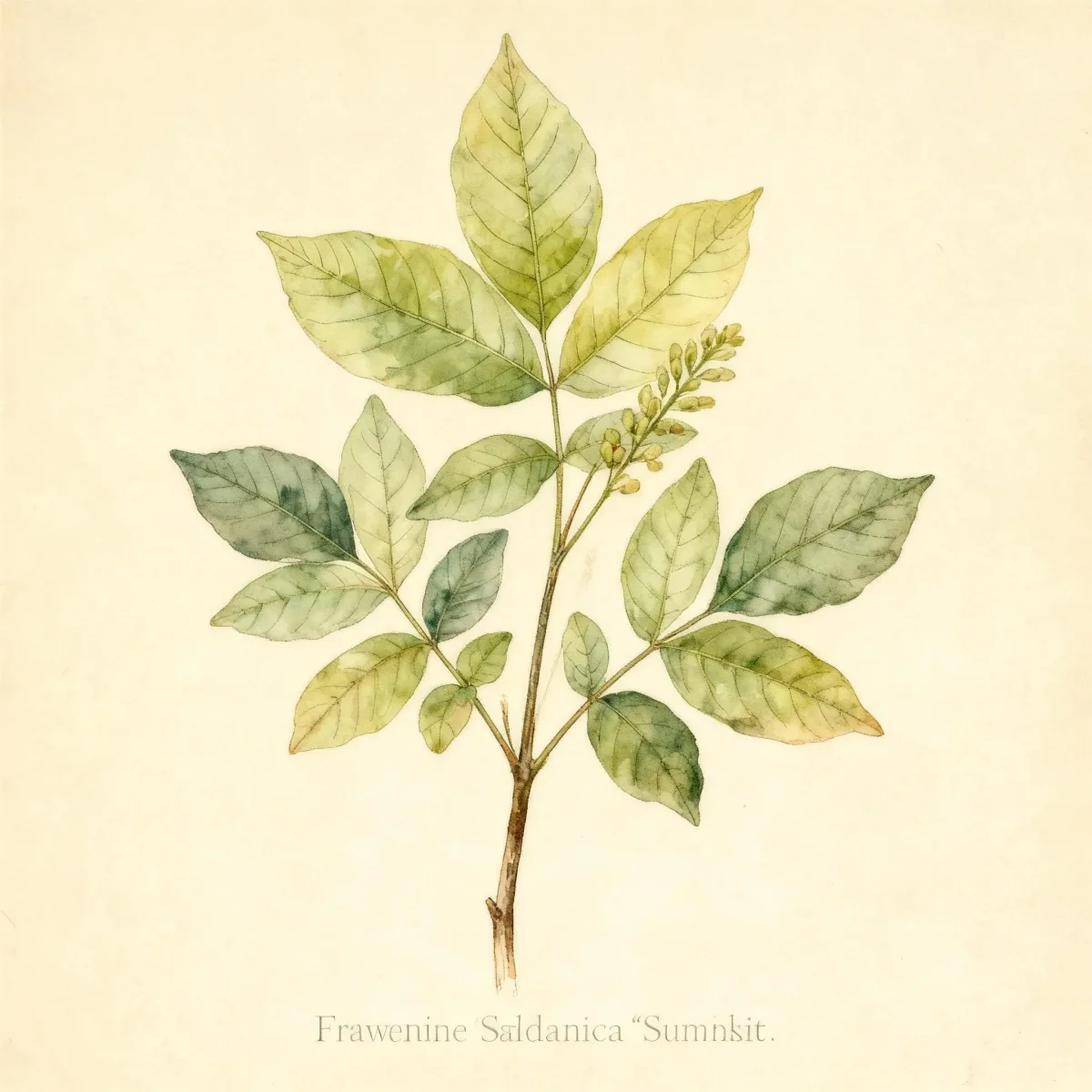
Olive (Olea europaea 'Sevillano')
Olea europaea 'Sevillano' is an evergreen Olive tree producing edible fruit, thriving in Zones 8-10 with full sun.
Scroll down to discover growing tips, care requirements, companion plants, and more
Complete Plant Information
Overview
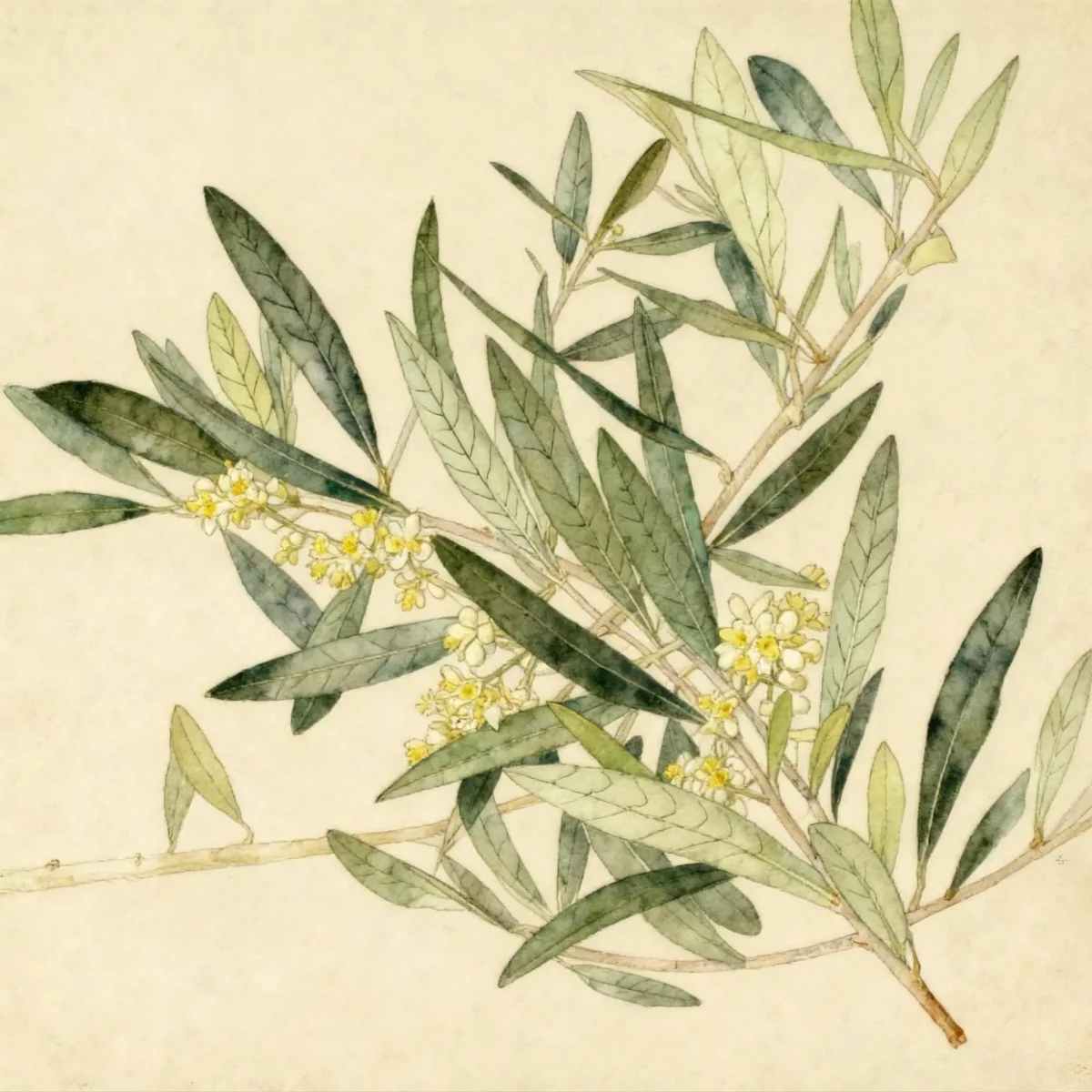
The Olea europaea ‘Sevillano’ is a highly valued cultivar of the common Olive, prized both for its ornamental evergreen structure and its substantial fruit yield. This Mediterranean native brings classic, silver-green foliage and an ancient, gnarled appearance to landscapes where conditions permit. Gardeners appreciate the distinctive foliage contrast and the potential for harvesting large, edible olives from this relatively slow-growing tree.
Olea europaea ‘Sevillano’ performs best in Mediterranean climates, requiring hot, dry summers and mild winters to truly flourish. While it possesses drought tolerance once established, its cultural requirements dictate meticulous attention to winter protection outside of the warmest zones. Proper siting is crucial for maximizing both the visual appeal and the fruit production of this classic Olive.
Esteemed historically as a symbol of peace, the ‘Sevillano’ Olive offers year-round visual interest with its dense, fine, dark gray-green canopy. Understanding its specific zone requirements and maintenance needs will ensure success when integrating this timeless specimen into your garden design.
Fast Facts
- Plant Family: Oleaceae
- Plant Type: Fruit
- Hardiness Zones: USDA Zones 8-10
- Size at Maturity:
- Height: 15-30 ft
- Spread: 12-25 ft
- Bloom Time: June to July
- Bloom Description: White
- Sun Exposure: Full sun
- Water Needs: Medium
- Maintenance Level: Medium
How to Grow
Planting Olea europaea ‘Sevillano’ should ideally occur in spring after the danger of frost has passed, although fall planting is acceptable in mild climates. It thrives in fertile, medium moisture, well-drained soils in full sun. Achieving the best performance, especially fruit set, relies on replicating its native Mediterranean climate—hot, dry summers paired with mild, wet winters.
Water needs are medium; common Olive trees are quite drought tolerant once mature, but irrigation during dry spells ensures better growth and fruit quality. Fertilization should be light, usually only necessary when growth appears stunted or soil tests show deficiencies, as excessive feeding can reduce fruiting tendency. Pruning in late winter or early spring helps maintain shape and manage height, removing dead or crossing wood.
Seasonal care emphasizes winter preparedness. Olea europaea ‘Sevillano’ is moderately sensitive to cold, being hardy only down to Zone 8. Trees grown in containers must be brought indoors during winter and kept in cool locations between 40-50 degrees F. Crucially, the tree requires at least two months of temperatures below 50 degrees F to successfully move into flowering dormancy and ultimately produce fruit.
Landscape Uses
Where winter hardiness is assured (Zones 8–10), the ‘Sevillano’ Olive excels as a striking specimen tree or planted along borders for its sculptural trunk and silvery foliage. Its Mediterranean character blends beautifully with drought-tolerant plantings like Lavender, Rosemary, and ornamental grasses, creating an attractive, low-water landscape centerpiece. Climate suitability is paramount; if your winters frequently dip below required thresholds, fruit production will be unreliable or impossible outdoors.
For gardeners outside the ideal zones, Olea europaea ‘Sevillano’ adapts well to container culture. Growing in large pots allows the tree to be moved into conservatories or cool greenhouses during freezing weather. Using these trees near patios accentuates their fragrant summer flowers and provides a unique focal point for outdoor living areas when weather permits.
Standout Features
Flower Qualities
- Showy
- Fragrant
Fruit Qualities
- Showy
- Edible
Noteworthy Characteristics
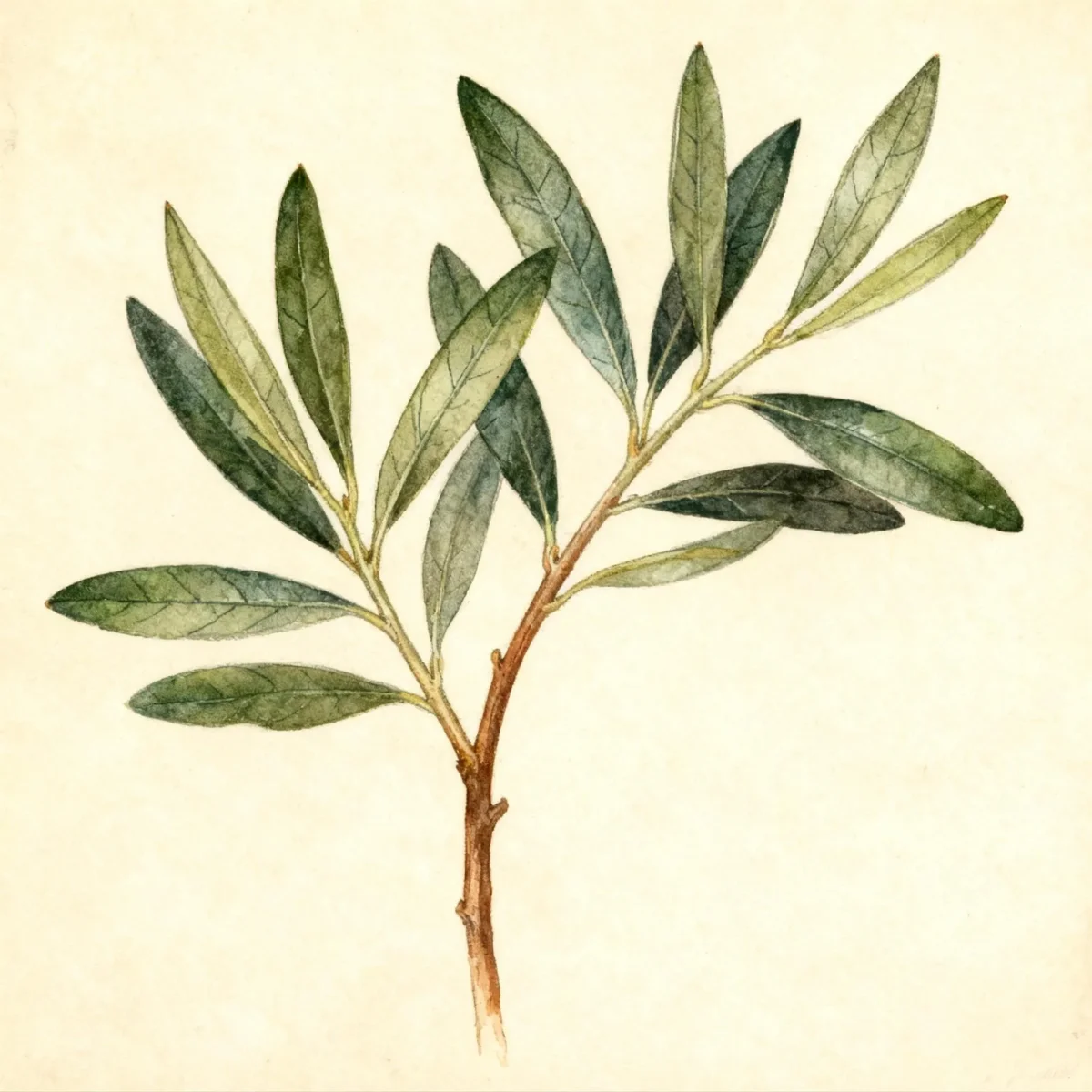
Olea europaea, commonly called common olive, is an evergreen tree that is native to the Mediterranean region, reaching 15 to 30 ft. tall with a rounded crown and trunks that gnarl picturesquely with age. The leaves are gray-green above and silver-green beneath, contrasting nicely with the very small white flowers that give way to substantial green drupes ripening to black, which are commercially harvested. The ‘Sevillano’ cultivar is specifically valued for its large, blue-black fruits, often called Spanish Queen when pickled, and while self-fertile, it benefits from nearby cultivars for increased yield.
Tolerances
- Drought
Potential Problems
Olea europaea ‘Sevillano’ generally avoids serious insect or major disease issues in ideal climates, though vigilance is required. Watch for common pests such as scale insects, which can be managed with horticultural oil. More significant concerns include soil-borne issues like root rot if drainage is poor, and diseases such as olive knot or verticillium wilt. Ensure excellent drainage and avoid overly wet soil, particularly in winter, to mitigate fungal risks.
Frequently Asked Questions
What hardiness zones is Olive (Olea europaea ‘Sevillano’) suitable for?
The Olea europaea ‘Sevillano’ is suitable for USDA Hardiness Zones 8 through 10.
How large does Olive grow?
This tree typically reaches a height between 15 and 30 feet, with a spread ranging from 12 to 25 feet.
What sun exposure does Olive need?
The Olea europaea ‘Sevillano’ requires full sun exposure to thrive and produce the best fruit.
When does Olive bloom?
Bloom time occurs from June into July, producing small, fragrant white flowers.
Conclusion
The Olea europaea ‘Sevillano’ offers gardeners a superb combination of historical significance, beautiful evergreen structure, and the promise of edible harvests when grown in the right environment. Successfully cultivating this magnificent Olive requires providing the full sun and excellent drainage it demands, alongside critical winter protection outside of Zones 8-10. Before planting, always confirm your local climate aligns with the reported hardiness of this specialty cultivar.
Companion Planting
When designing a Mediterranean garden around your Olea europaea ‘Sevillano’, select companions that share similar low-water needs and a preference for bright sunlight. Aromatic herbs like Lavender (Lavandula) and Santolina thrive in similar soil conditions and add complementary textures and colors beneath the silvery canopy of the Olive. Consider planting low-growing Thyme or creeping Rosemary varieties as groundcovers to suppress weeds while maintaining excellent soil aeration around the tree’s base.
These drought-tolerant pairings not only create visual harmony but also reduce competition for water, supporting the general resilience of the overall planting scheme. Avoid plants that require heavy summer irrigation right next to the established Olive, as saturated soils can sometimes contribute to root rot issues, even in well-drained ground.
Container Growing
Growing Olea europaea ‘Sevillano’ in containers is an excellent solution for gardeners in marginal zones or for those who wish to showcase the tree’s architectural form on a patio. Use a very large, sturdy container (terracotta or heavy plastic) with significant drainage holes, filled with a fast-draining potting mix amended heavily with grit or coarse sand. Root circling can become an issue; plan to repot the Olive every few years, potentially moving up only one pot size at a time, focusing on refreshing the rootball rather than massive transplantation.
The most critical aspect of container culture is winter management. While the roots are somewhat protected compared to in-ground specimens, the entire root mass is vulnerable to hard freezes. During the cooler months, move the container into an unheated garage, basement, or cool conservatory where temperatures remain above freezing but ideally between 40°F and 50°F, mimicking the cool dormancy required for future flowering.