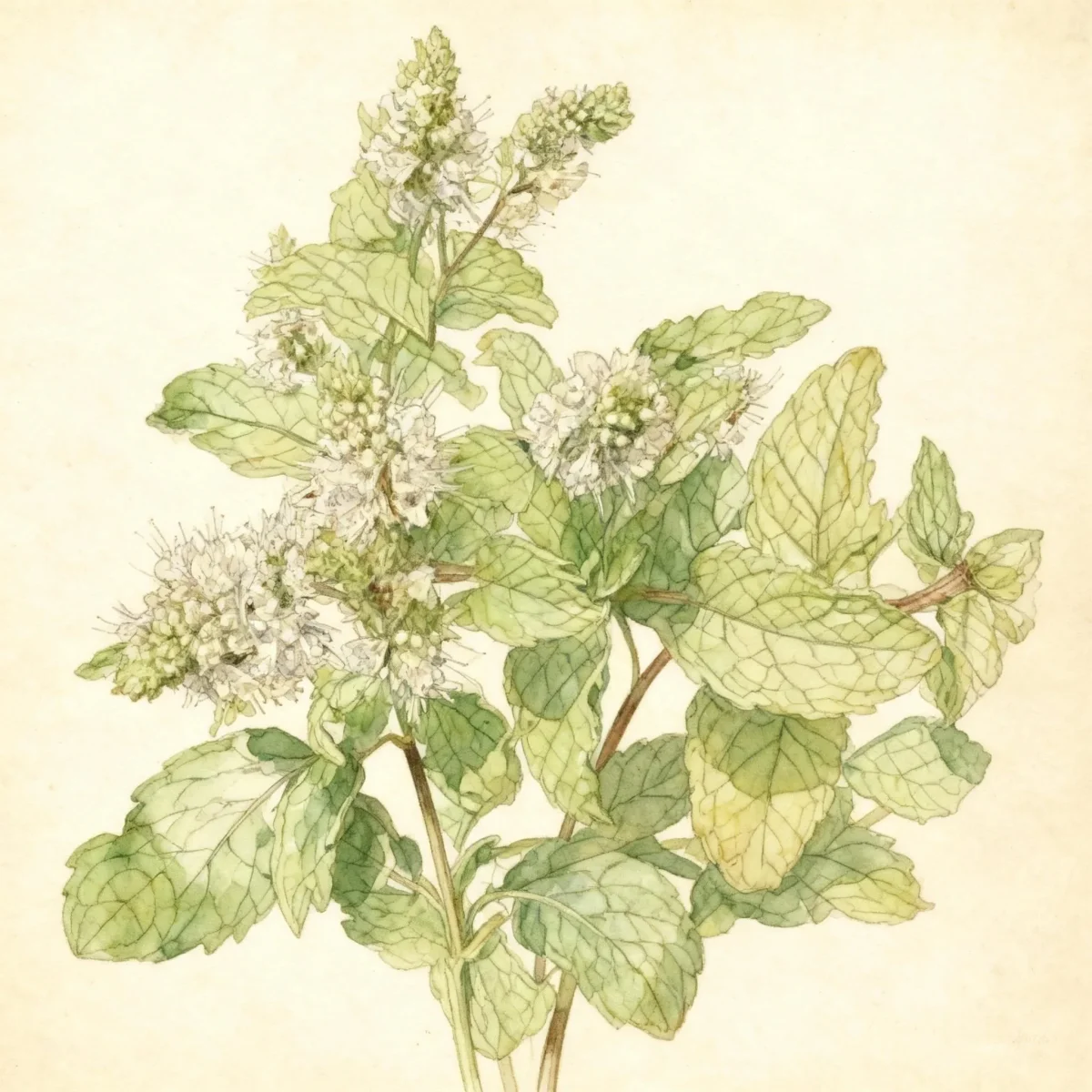
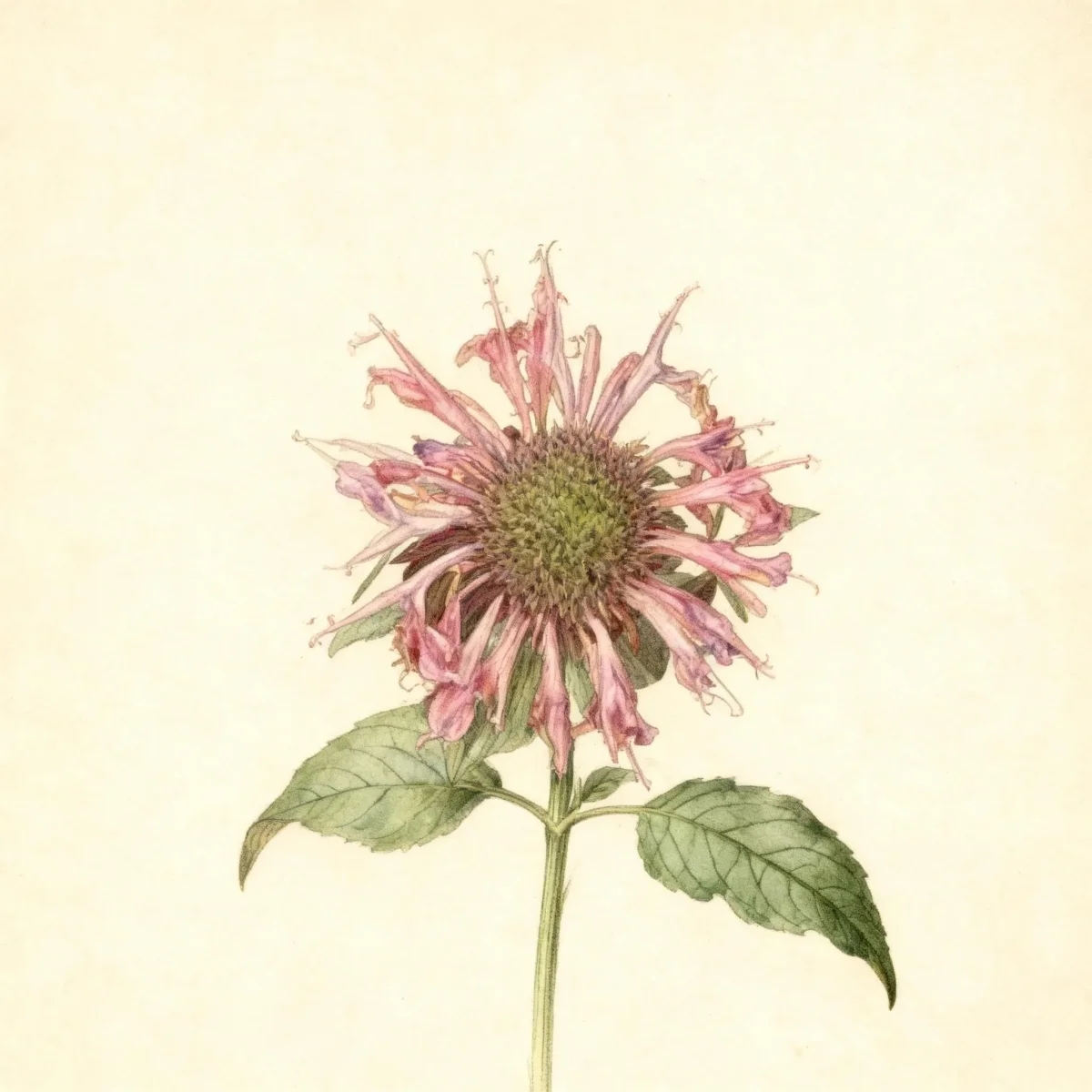
Lemon mint (Mentha × piperita f. Citrata)
Grow citrus-scented lemon mint without letting it take over. Get practical advice on containers, moisture, harvesting, pruning, and controlling spread.
Complete Plant Information
Interactive Detour
Keep exploring with a quick garden quiz
Lemon mint is easier to remember when you mix reading with a quick challenge. Try a related quiz, then jump back into the care guide.
Can You Identify These Common Garden Plants? Test Your Plant Knowledge
Think you know your roses from your peonies? Test your plant identification skills with our comprehensive garden plant quiz featuring 10 challenging questions.
Start quiz
USDA Garden Zone Map Quiz
Use this USDA garden zone map quiz to check whether you can read hardiness zones and choose plants with more confidence.
Start quizBrowse the full quizzes section
Explore plant identification, zone strategy, and seasonal gardening challenges.
View all quizzesField Guide Continues
Ready for care notes, companion picks, and planting tips?
The map is just the start. The full guide below covers growth habits, seasonal performance, and landscape uses.
Citrus-Scented Mint—Best Grown with Boundaries
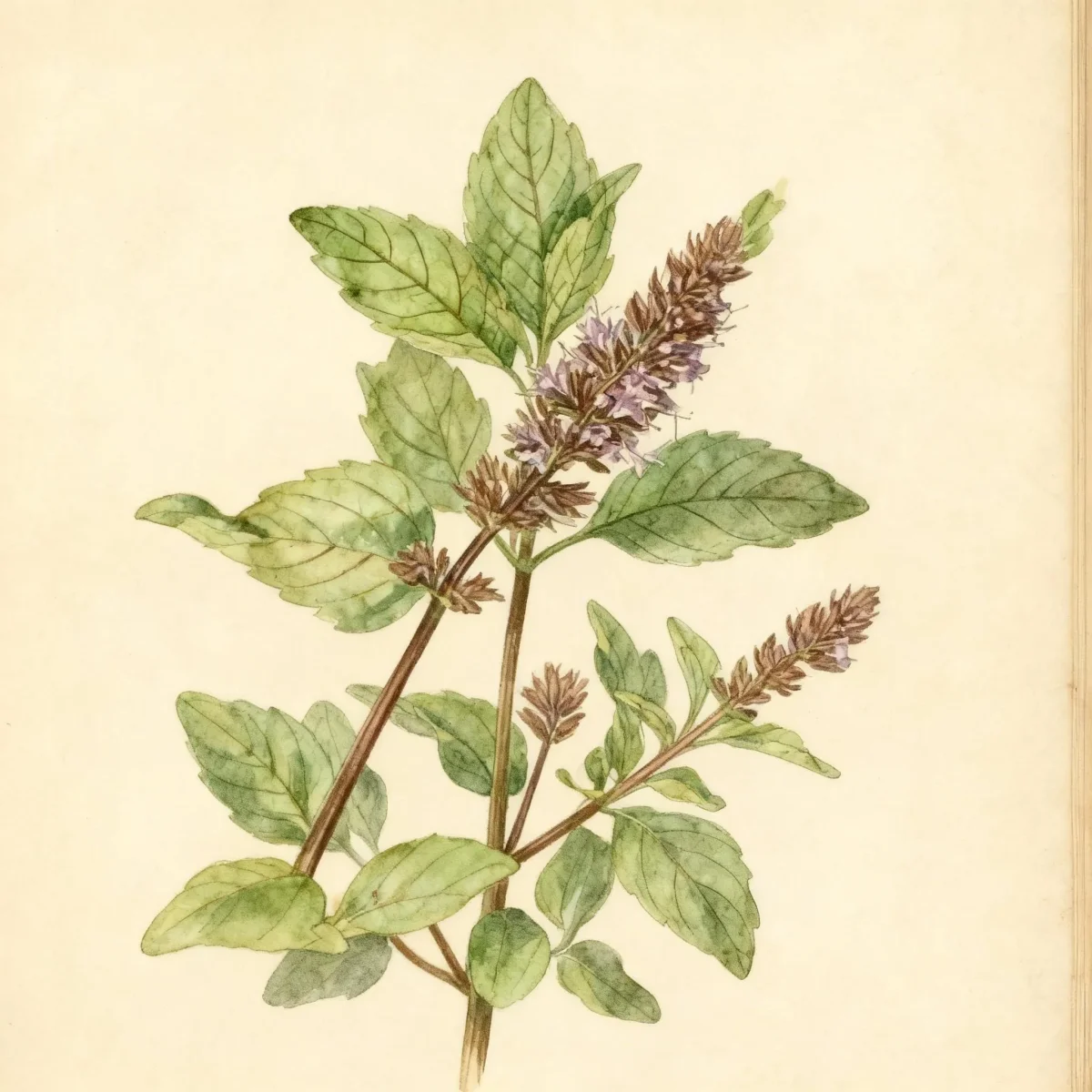
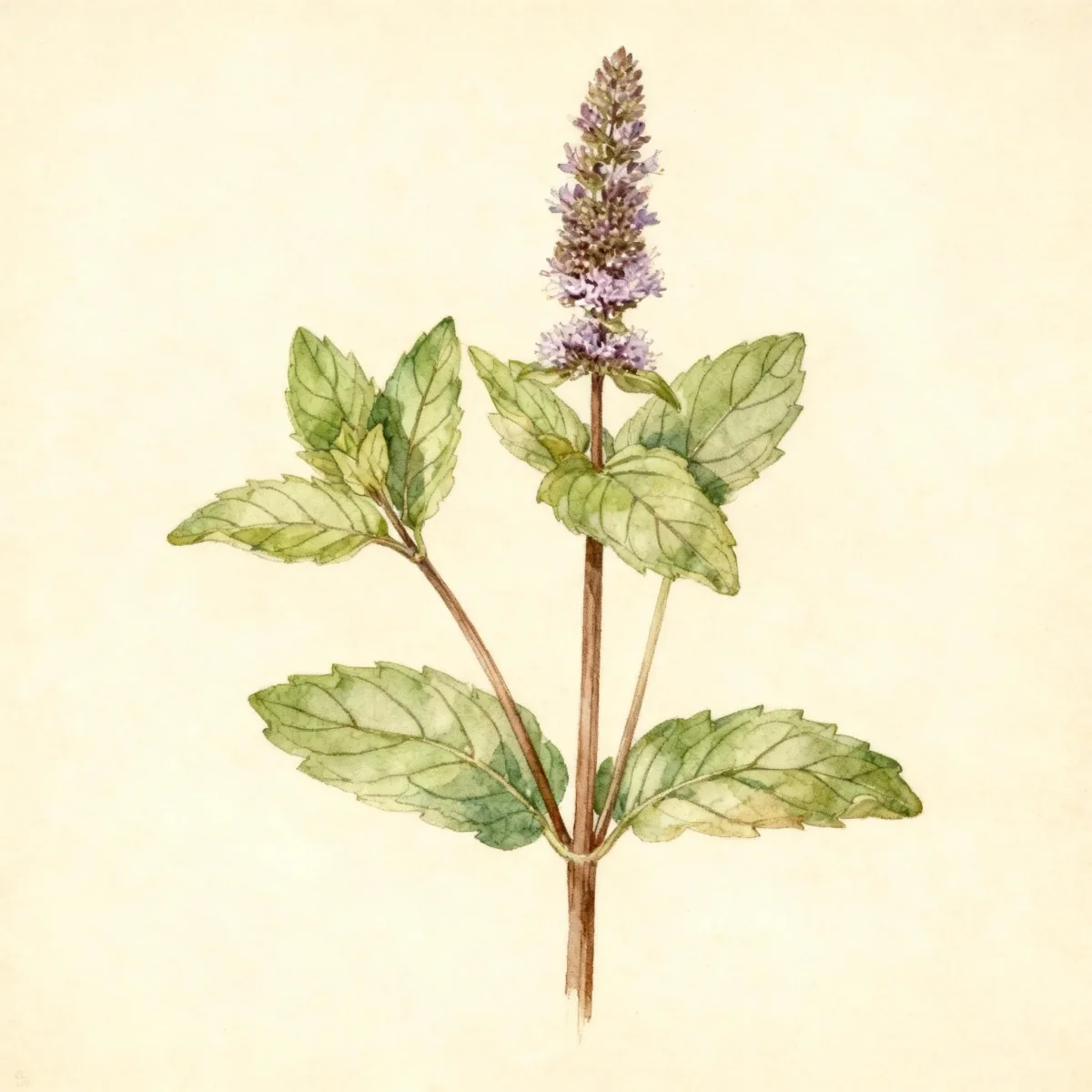
Lemon mint (Mentha × piperita f. citrata) has fragrant leaves with a citrus note over the familiar cool scent of mint. It grows 1 to 2 feet tall, produces small lavender flowers in midsummer, and spreads by underground stems. That last trait matters: this is an easy herb to grow and a difficult one to persuade to stay in a neat corner.
It is hardy in USDA Zones 5–9. Check your garden with the hardiness zone map if you plan to overwinter it outdoors.
The Safest Way to Plant It
A roomy container is the simplest choice. Use a pot with drainage holes and a moisture-retentive potting mix, then set it in full sun or part shade. In very hot climates, afternoon shade can reduce stress and slow drying.
If you plant lemon mint in the ground, choose a place where spreading is welcome or install a sturdy root barrier. Raised beds do not automatically contain mint if stems can cross the edge or roots escape through drainage gaps. Keep it away from natural areas and neighboring beds.
Water when the soil surface begins to dry. Lemon mint prefers consistent moisture and can grow beside a rain garden, but the crown should not remain submerged. Container plants need more frequent watering than plants in the ground.
Gardeners in cool climates can find compatible herbs and perennials in the Zone 5 plant guide. For hot-winter areas, compare plants listed for Zone 9.
Harvesting and Kitchen Use
Harvest clean, healthy leaves before flowering for the strongest aroma. Snip individual stems just above a pair of leaves; regular cutting encourages branching and keeps the plant compact. Rinse leaves shortly before use rather than storing them wet.
The citrus-mint flavor can be used in tea, cold drinks, fruit dishes, and herb mixtures. Flavor intensity varies by plant and growing conditions, so taste a leaf before adding a large handful. Only use a plant as an herb when its identity is certain and it has not been treated with products unsuitable for edible crops.
Browse the plant collection if you are planning a larger herb or moisture-loving garden.
Flowers, Pollinators, and Pruning
Lavender flowers appear in July and August and attract small visiting insects. If leaf production is your priority, cut stems before the flowers open. If you want the blooms, allow some stems to flower and trim them afterward.
Cut the whole plant back when it becomes lanky. Divide or repot container plants when roots fill the pot, refreshing some of the mix at the same time. In cold climates, an above-ground container may need protection because its roots are less insulated than roots in garden soil.
Keeping Mint Under Control
Check around the pot or planting area several times during the growing season. Pull wandering shoots while they are young and never discard live roots or stems in natural areas. A pot placed directly on soil can root through its drainage holes, so set it on a hard surface or inspect underneath it regularly.
Common Questions
Is lemon mint the same as lemon balm?
No. Lemon balm (Melissa officinalis) is a different plant. Lemon mint is a form of peppermint with a citrus fragrance.
Can it grow in shade?
Part shade is suitable. Deep shade produces weaker, less aromatic growth.
Will it spread?
Yes. Like other mints, it spreads by underground stems and can travel beyond its intended space.
Can I grow it indoors?
It can grow on a very bright windowsill, though outdoor light and airflow usually produce stronger growth. Keep indoor pots away from hot, dry vents.