Microsorum (Microsorum musifolium)
Discover Microsorum musifolium, the textured Crocodile Fern. Tough, low-maintenance, and perfect for shade.
Scroll down to discover growing tips, care requirements, companion plants, and more
Complete Plant Information
Overview
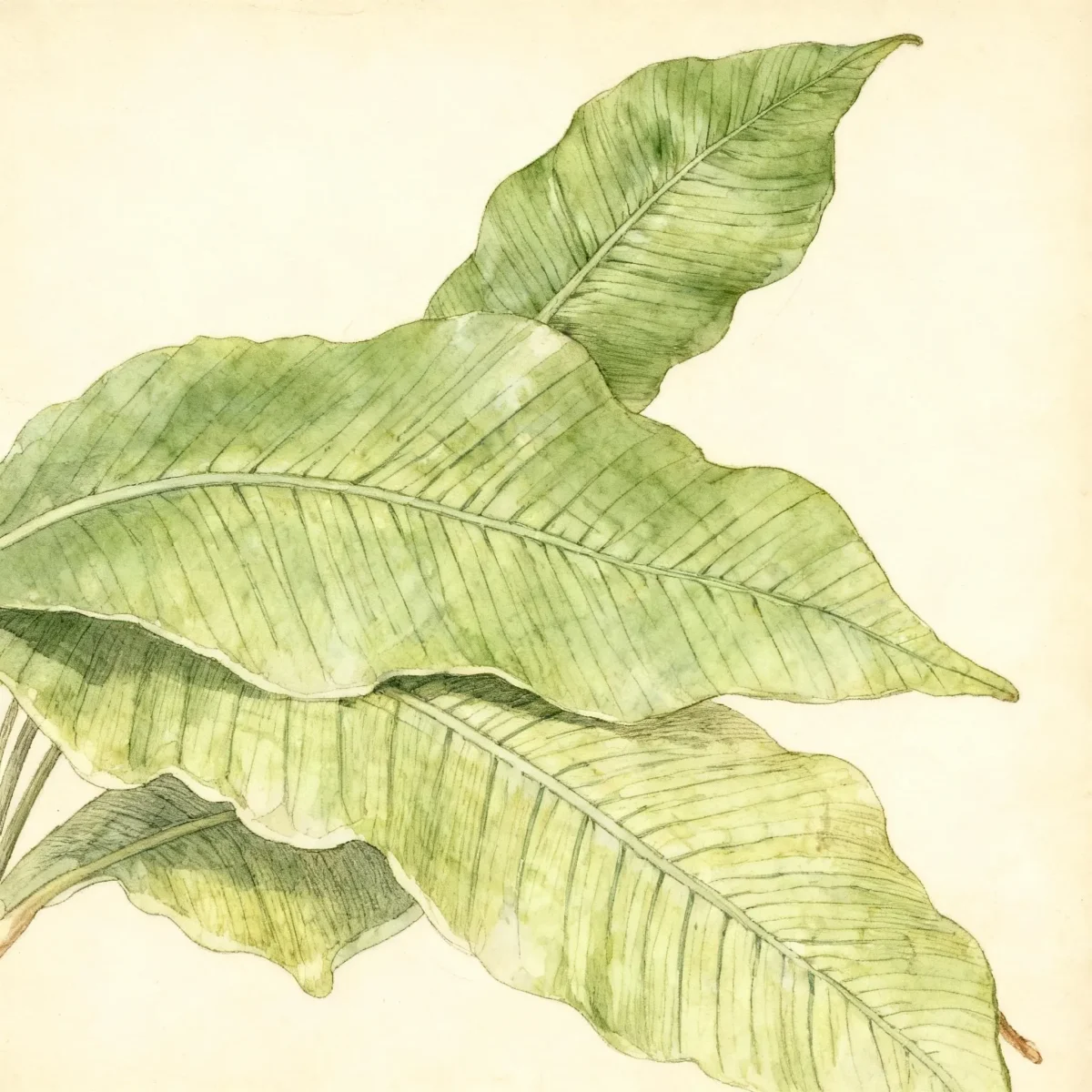
The Microsorum musifolium, commonly recognized as the Crocodile Fern, brings distinct texture and deep green color to shady environments. Its elongated, strap-like fronds possess a unique, scaled surface reminiscent of reptile skin, making this Microsorum cultivar a highly valuable foliage plant. This tropical epiphyte thrives where many other plants struggle, preferring consistent moisture and protection from harsh conditions.
As an easy-care perennial in warm climates, Microsorum musifolium functions beautifully as a groundcover or accent plant in shaded landscapes. Even outside its tropical native range, its resilience as a houseplant or greenhouse specimen ensures its popularity year-round. Gardeners appreciate the low maintenance level associated with this robust fern.
Native to regions spanning from Malaysia through Polynesia, the success of this Microsorum hinges on mimicking its humid, dappled rainforest canopy environment. Its architectural structure and unique leaf pattern make the Crocodile Fern a reliable choice for adding exotic depth to shaded borders or container arrangements.
Fast Facts
- Plant Family: Polypodiaceae
- Plant Type: Fern
- Native Range: Malaysia, Indonesia, Philippines to New Guinea, Polynesia
- Hardiness Zones: USDA Zones 10-11
- Size at Maturity:
- Height: 1-2 ft
- Spread: 1-2 ft
- Bloom Time: Non-flowering
- Bloom Description: Non-flowering
- Sun Exposure: Part shade to full shade
- Water Needs: Medium
- Maintenance Level: Low
How to Grow
Planting the Crocodile Fern should occur when temperatures are consistently warm, ideally aligning with USDA Zones 10-11 for outdoor establishment. The most crucial aspect of culture is soil structure; use a coarse, rich potting mix that retains moisture effectively while guaranteeing excellent drainage to prevent root saturation. Always position this Microsorum in areas receiving bright, indirect light—avoid direct afternoon sun, which scorches the delicate foliage.
Consistent care focuses primarily on humidity and moisture management. Maintain medium water needs by keeping the soil evenly moist but never soggy, bearing in mind that gardeners must avoid applying excess water directly to the roots. Furthermore, plants benefit greatly from high ambient humidity, so misting or grouping plants together is highly recommended, especially when grown indoors.
Fertilization should be performed monthly during the growing season, utilizing a balanced liquid feed or applying a slow-release granular formula according to package directions. Temperature is a key factor; Microsorum musifolium strongly dislikes conditions where temperatures dip below 50 degrees Fahrenheit. If growing outside its hardy zones, plan for overwintering indoors to protect this tropical beauty. Propagation is straightforward via either spores or careful root division.
Landscape Uses
Where winter hardy (Zones 10-11), Microsorum musifolium excels as a perennial landscape fern in deep or bright shade. Its low, spreading habit makes it ideal for underplanting beneath mature trees or in shaded foundation beds where its unique texture can be fully appreciated. The common name, Crocodile Fern, reflects its architectural appeal, allowing it to contrast nicely with fine-textured groundcovers.
For gardeners outside these mild zones, the plant thrives indoors or within heated greenhouses, often utilizing hanging baskets or elevated containers to allow its fronds to cascade slightly. Consider pairing Microsorum specimens with other shade-loving tropicals that share similar moisture and light requirements, such as Hostas, low-growing Calatheas, or deep-green Aspidistra for rich, layered designs.
Standout Features
Noteworthy Characteristics
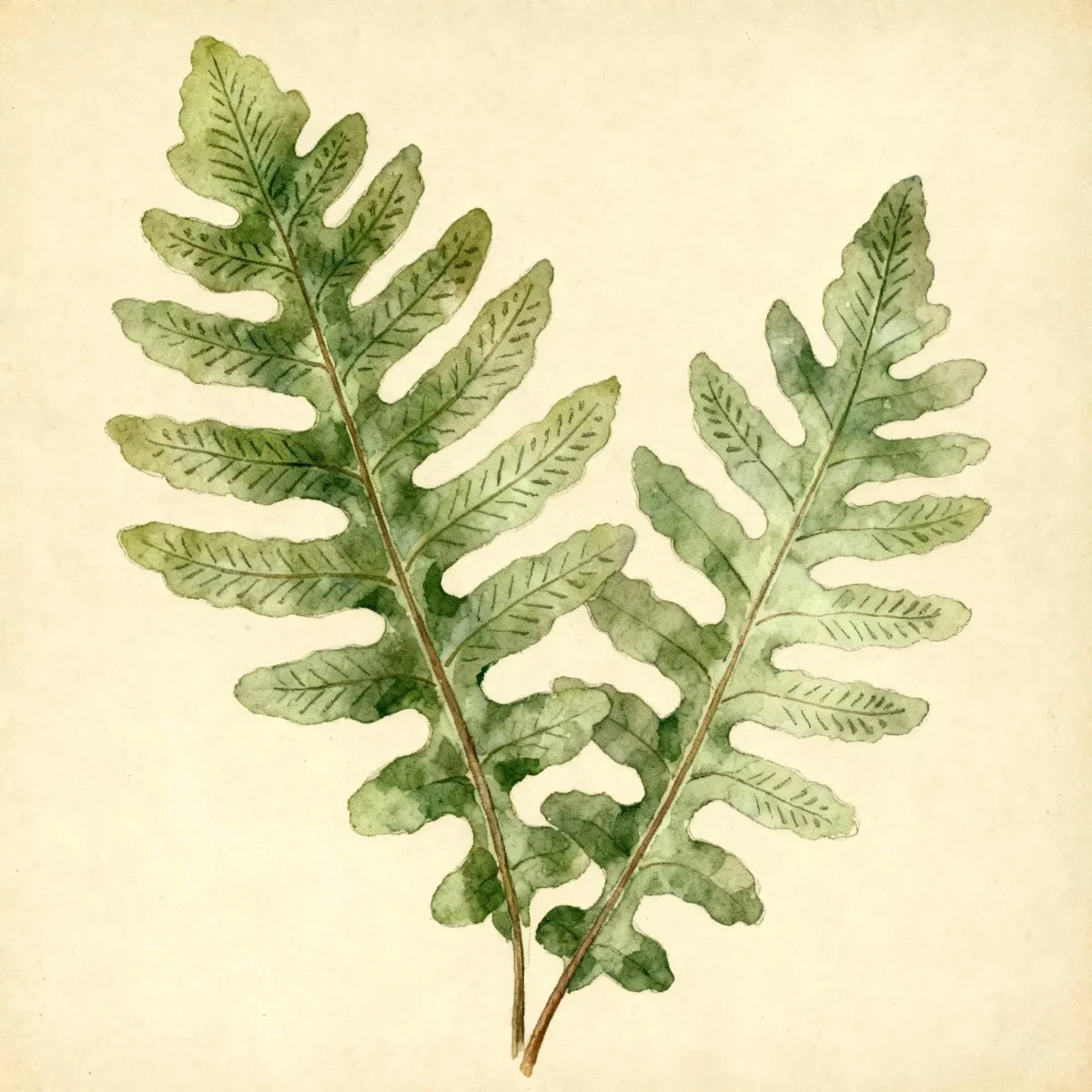
Mirosorum musifolium, synonymous with and also known as Polypodium musifolium, is an epiphytic fern that is native to the Malaysian Archipelago. It features elongated, entire, strap-like blades which grow to 2’ long in pots, but can reach 4’ long in its native tropical habitat. The frond texture, due to clathrate scales, somewhat resembles the scaled surface of crocodile skin, which lends it the common name Crocodile Fern.
Tolerances
- Heavy Shade
Potential Problems
Microsorum musifolium generally encounters no serious insect or disease problems when grown in appropriate conditions. The most common pests encountered are occasional outbreaks of mealybugs or scale insects, particularly when the plant is grown indoors with lower humidity. Inspect the plant regularly, focusing on the undersides of the fronds and stem joints. If pests are observed, treat immediately with insecticidal soap or horticultural oil, ensuring complete coverage, and improve air circulation around the plant to discourage recurrence.
Frequently Asked Questions
What hardiness zones is Microsorum suitable for?
The Crocodile Fern is winter hardy in USDA Zones 10 through 11.
How large does Microsorum grow?
This fern typically reaches a height and spread between 1 and 2 feet in cultivation.
What sun exposure does Microsorum need?
Microsorum musifolium requires part shade to full shade conditions for optimal growth, needing protection from direct, intense sunlight.
When does Microsorum bloom?
This species is a non-flowering fern, as is typical of most ferns.
Conclusion
The Microsorum fern offers unparalleled textural interest and robust performance in challenging shady spots, making the Microsorum musifolium a top choice for tropicalizing landscapes or brightening shaded interiors. Its low maintenance requirements and striking foliage texture ensure it remains a garden favorite. Before planting, always confirm that your local conditions align with USDA Zones 10-11, or plan to provide necessary protection if growing in cooler climates.
Companion Planting
When selecting companions for Microsorum musifolium, focus on plants that thrive in similar low-light, high-humidity conditions. Grouping the Crocodile Fern with plants that offer contrasting leaf shapes emphasizes its unique scale-like texture. Consider pairing it with ferns that have finer, more lacy fronds, such as certain varieties of Maidenhair fern (Adiantum), or with broad-leafed, low-growing Caladiums for a dramatic tropical layering effect. Always select companions that prefer medium water levels to simplify your irrigation schedule.
Propagation Tips
The primary methods for increasing your supply of Microsorum musifolium involve either spores or division, as this plant is categorized genetically as a non-flowering specimen. Spore propagation requires patience and sterile conditions, often necessitating a specialized humidity dome to encourage germination on a fine, nutrient-rich seed starting medium. Division is generally simpler for the home gardener; wait until the plant is actively growing, gently tease apart clumps, ensuring that each new section has healthy root material attached, and replant immediately into fresh, well-draining potting mix.