Eulalia (Miscanthus sinensis 'Little Kitten')
Miscanthus sinensis 'Little Kitten' (Eulalia) is a dwarf ornamental grass delivering creamy white plumes from late summer through winter.
Scroll down to discover growing tips, care requirements, companion plants, and more

Complete Plant Information
Overview
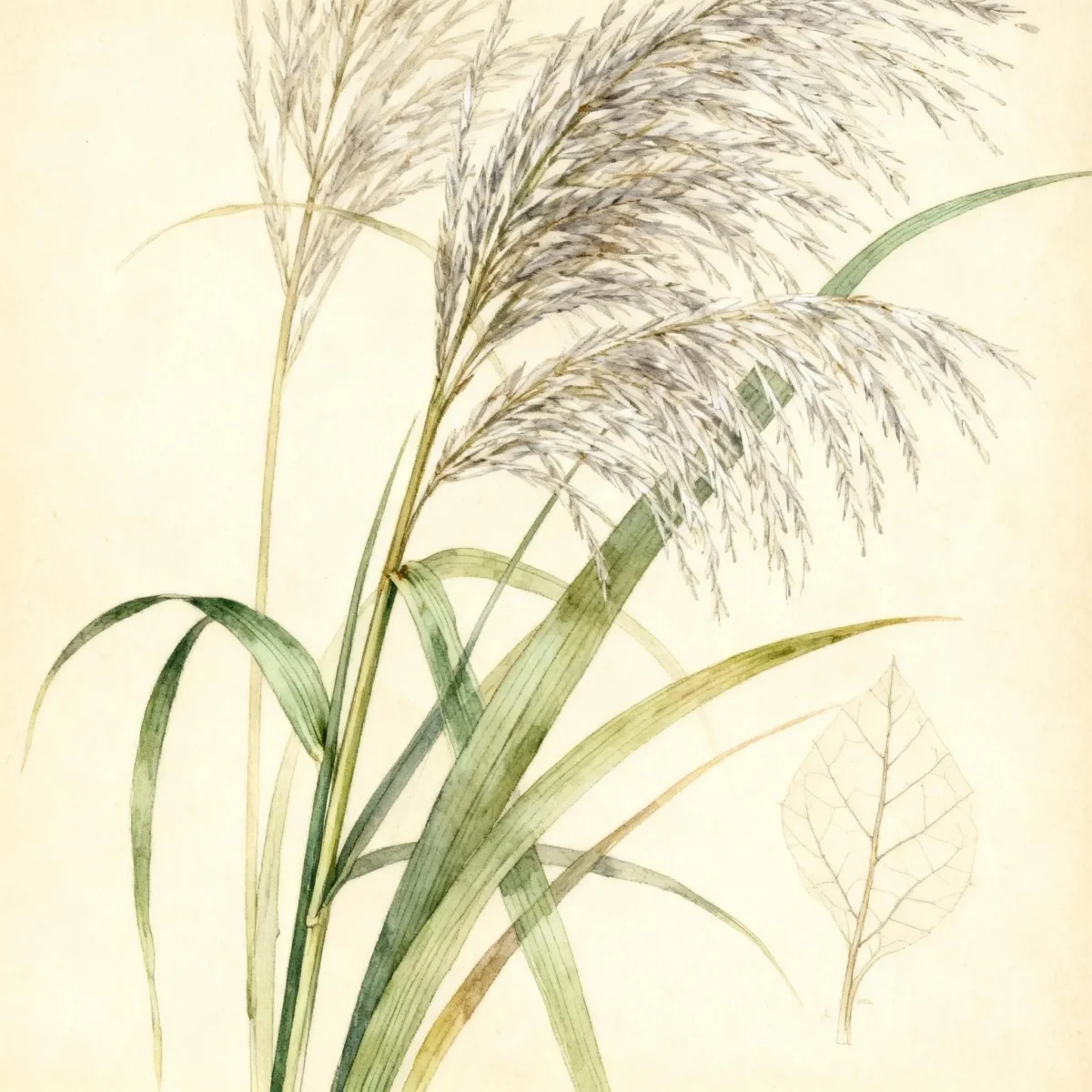
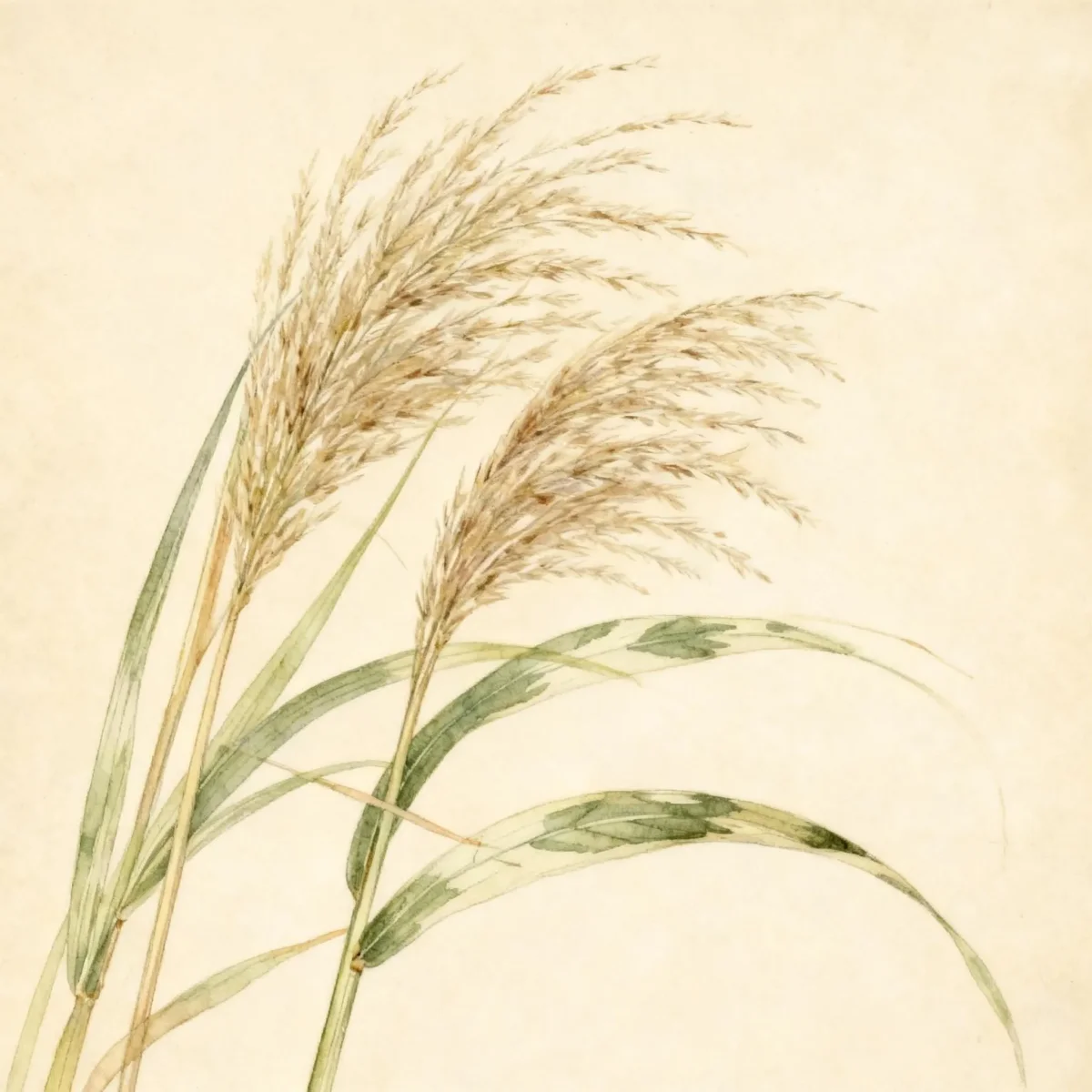
Miscanthus sinensis ‘Little Kitten,’ often called Eulalia, is a highly valued dwarf cultivar prized for its neat, compact habit and reliable late-season interest. Unlike its larger relatives, this Chinese silver grass remains manageable, typically topping out around 3 feet, making it perfect for smaller gardens or borders where vertical structure is needed without overwhelming the space. The foliage forms a dense clump of arching green leaves, which eventually give way to showy, creamy white flower plumes starting in August.
This warm-season grass provides substantial ornamental value across multiple seasons; the flowers last well into winter, often accentuated by frost or snow. Miscanthus sinensis ‘Little Kitten’ is noted for being relatively low-maintenance once established, requiring little attention beyond an annual trim. Its tolerance for varied conditions makes the Eulalia a dependable performer in many landscape settings throughout USDA zones 5 through 9.
Gardeners appreciate the year-round structure provided by this cultivar. Whether used as a specimen or integrated into mixed plantings, the graceful fountain-like shape of the Miscanthus sinensis ‘Little Kitten’ ensures movement and texture are present even when traditional perennials are dormant.
Fast Facts
- Plant Family: Poaceae
- Plant Type: Ornamental grass
- Hardiness Zones: USDA Zones 5-9
- Size at Maturity:
- Height: 1-3 ft
- Spread: 1-1.5 ft
- Bloom Time: August to February
- Bloom Description: Creamy white
- Sun Exposure: Full sun to part shade
- Water Needs: Medium
- Maintenance Level: Low
How to Grow
The best time to plant Miscanthus sinensis ‘Little Kitten’ is when the soil begins to warm, ideally in spring or early summer. This Eulalia thrives when sited in full sun, which maximizes flowering, although it will tolerate light afternoon shade. While it prefers consistently moist, well-drained soil, this cultivar is notably adaptive, handling everything from dry, sandy mixes to the heavier clays often found in challenging garden spots.
Once established, watering requirements for Miscanthus sinensis ‘Little Kitten’ are medium; ensure deep watering during extended dry spells, especially in its first year. This is a low-maintenance ornamental grass; feeding is rarely necessary unless the soil is extremely poor. Be aware that less sun generally leads to less vigorous growth and a greater tendency for the clump to flop.
Foliage should be left standing throughout the winter to maintain structure and provide frost protection to the crown. Pruning should occur in late winter or very early spring, just as new shoots begin to emerge. Cut the entire clump back aggressively to about 4 to 6 inches above the ground. Clumps expand slowly via short rhizomes, but division is occasionally necessary for rejuvenation.
Landscape Uses
Miscanthus sinensis ‘Little Kitten’ is an incredibly versatile ornamental grass that excels as an accent plant due to its manageable size. It works wonderfully at the front or middle of perennial borders, providing a soft, textural contrast to broad-leaved shrubs or flowering perennials. For a more naturalized look, plant it in small groupings within meadows or cottage gardens where its movement catches the breeze.
Because the creamy white plumes are rated as long-lasting, this Eulalia is also an excellent choice for providing winter interest in Japanese-influenced gardens or near water features where reflections can highlight its form. Dried flower heads from Miscanthus sinensis ‘Little Kitten’ retain their shape and color well, making them perfect for cutting and using in dried floral arrangements.
Consider pairing this dwarf Miscanthus with plants that share similar sun and water needs, such as Coreopsis, Sedum, or dwarf Russian Sage, to create a cohesive, drought-tolerant, low-maintenance display that lasts throughout the growing season and beyond.
Standout Features
Flower Qualities
- Showy
- Good Cut
- Good Dried
Noteworthy Characteristics
Miscanthus sinensis, commonly known as Chinese silver grass, Japanese silver grass or eulalia grass, is a clump-forming warm season grass that typically grows to 3-7’ tall. This dwarf cultivar, ‘Little Kitten,’ typically forms a foliage clump to only 15” tall of pointed, arching, narrow, green leaves. Showy, cascading flower plumes, silvery-white with pink or reddish tinges, appear in August on stalks rising well above the foliage to a height of about 30 inches, providing excellent visual interest well into the winter months.
Tolerances
- Drought
- Erosion
- Dry Soil
- Black Walnut
- Air Pollution
Potential Problems
Generally, Miscanthus sinensis cultivars are rarely plagued by significant insect or disease issues, though leaf rust may occasionally appear. The primary concerns for Miscanthus sinensis ‘Little Kitten’ involve specific localized pests or diseases like miscanthus mealybug, which stunts growth from inside the stems, or miscanthus blight, a fungal issue attacking the leaf blades. Vigilant inspection during the growing season can help catch these issues early.
Invasive spread is another potential problem in milder climates, as this grass can reseed effectively. To prevent unwanted colonization, applying a mulch layer around the base of the plant helps suppress seed germination. Should the grass spread beyond its intended area, management is straightforward: cut foliage close to the ground in late winter before new shoots emerge.
Frequently Asked Questions
What hardiness zones is Eulalia suitable for?
Miscanthus sinensis ‘Little Kitten’ is robustly cold-hardy and is suitable for USDA Zones 5 through 9.
How large does Miscanthus sinensis ‘Little Kitten’ grow?
This dwarf Eulalia typically reaches a mature height between 1 and 3 feet, with a spread of 1 to 1.5 feet, making it a compact addition to the garden.
What sun exposure does Eulalia need?
For optimal performance, especially abundant flowering, Miscanthus sinensis ‘Little Kitten’ should receive full sun, though it tolerates partial shade.
When does Eulalia bloom?
This ornamental grass produces its signature creamy white plumes beginning in August and these attractive flowers often persist well into February.
Conclusion
The Miscanthus sinensis ‘Little Kitten’ provides exceptional, low-maintenance texture and enduring winter appeal, distinguishing itself with its manageable dwarf stature. This Eulalia is a dependable choice for softening borders and adding year-round architectural interest to the landscape. Before planting, confirm that your location falls within USDA Zones 5-9 and ensure it receives sufficient sunlight to guarantee those beautiful, long-lasting flower plumes.
Companion Planting
Choosing companions for Miscanthus sinensis ‘Little Kitten’ thrives best when focusing on textural contrast and similar cultural needs. Since this Eulalia prefers well-drained soil and full to partial sun, it pairs beautifully with sun-loving perennials that offer solid, non-weedy structure. Consider planting it alongside sturdier perennials like Coneflowers (Echinacea) or Black-Eyed Susans (Rudbeckia). These create a mid-height layer that contrasts nicely with the airy texture of the grass plumes.
For properties where drought tolerance is key, group the Miscanthus sinensis ‘Little Kitten’ with other resilient selections such as Russian Sage (Perovskia atriplicifolia) or ornamental alliums. These combinations create a visually dynamic border that requires minimal supplemental watering once the plants are established and thriving in their medium moisture requirements.
Design Ideas for Dwarf Grasses
Integrating dwarf ornamental grasses like Miscanthus sinensis ‘Little Kitten’ into contemporary landscape designs offers essential softness and motion. Place individual specimens strategically near hardscaping elements, such as stone walls or concrete patios, to break up rigid lines. The fountain-like cascade of the foliage softens the edges of architectural features beautifully throughout the growing season.
When designing mixed borders, employ the “rule of three” by planting groupings of three or five of these Eulalias along the edge. This repetition establishes rhythm and draws the eye along the border, linking disparate plant masses together. Because the foliage is neat and the height is low (1-3 ft), it serves as an excellent visual screen for the base of taller shrubs without obscuring their structure entirely.