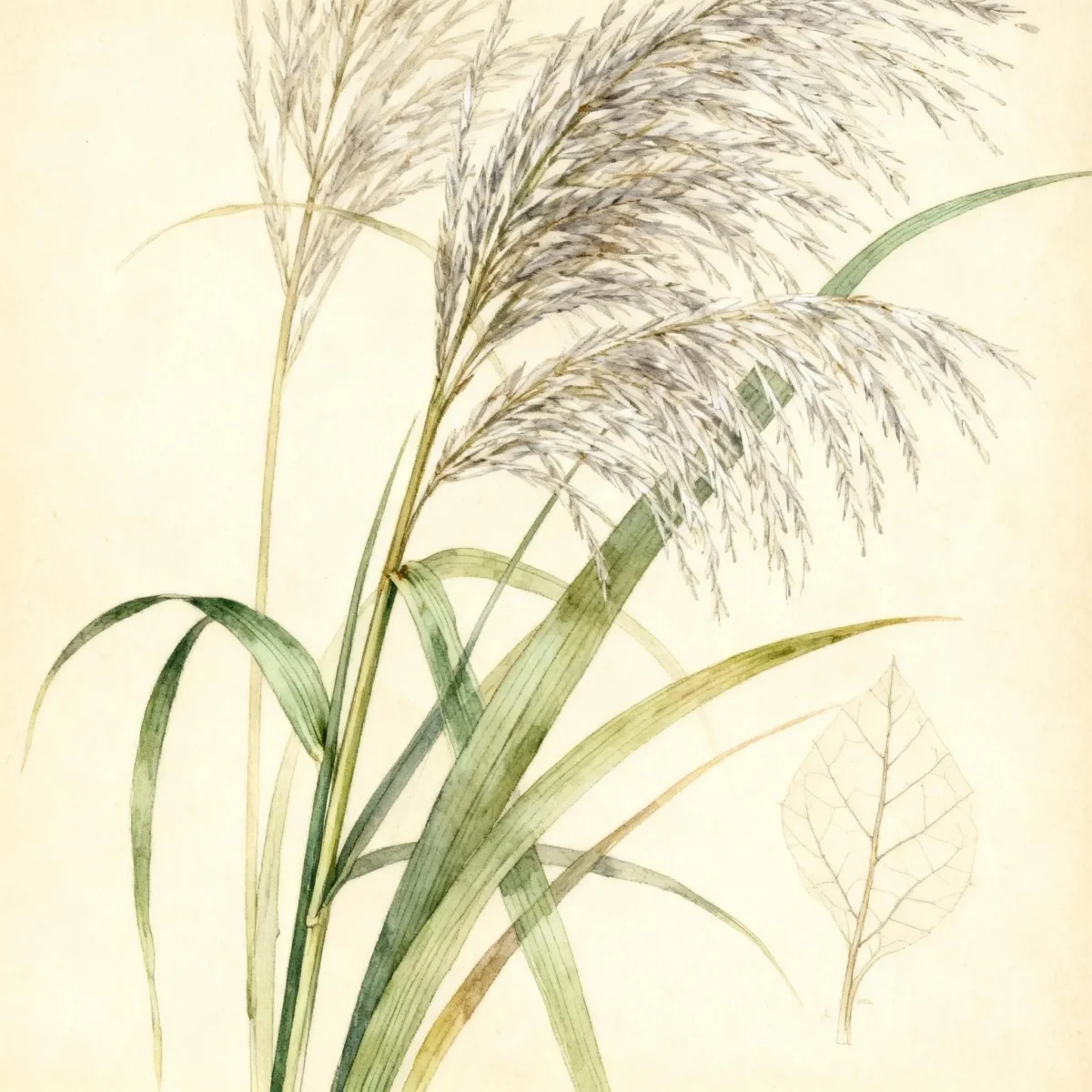
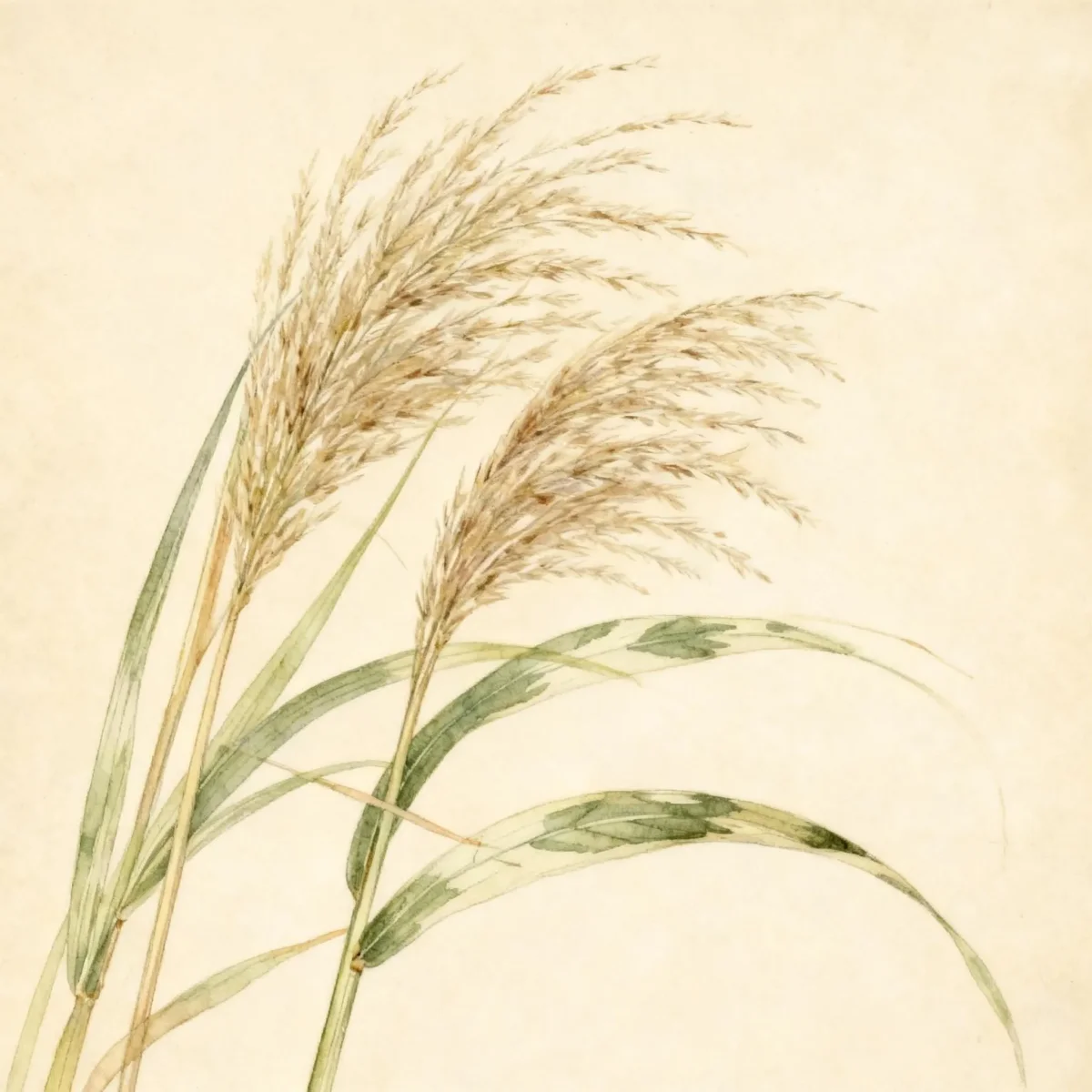
Eulalia (Miscanthus sinensis 'Sarabande')
Miscanthus sinensis 'Sarabande' (Eulalia) is a fine-textured, low-maintenance ornamental grass perfect for year-round structure.
Scroll down to discover growing tips, care requirements, companion plants, and more
Complete Plant Information
Overview
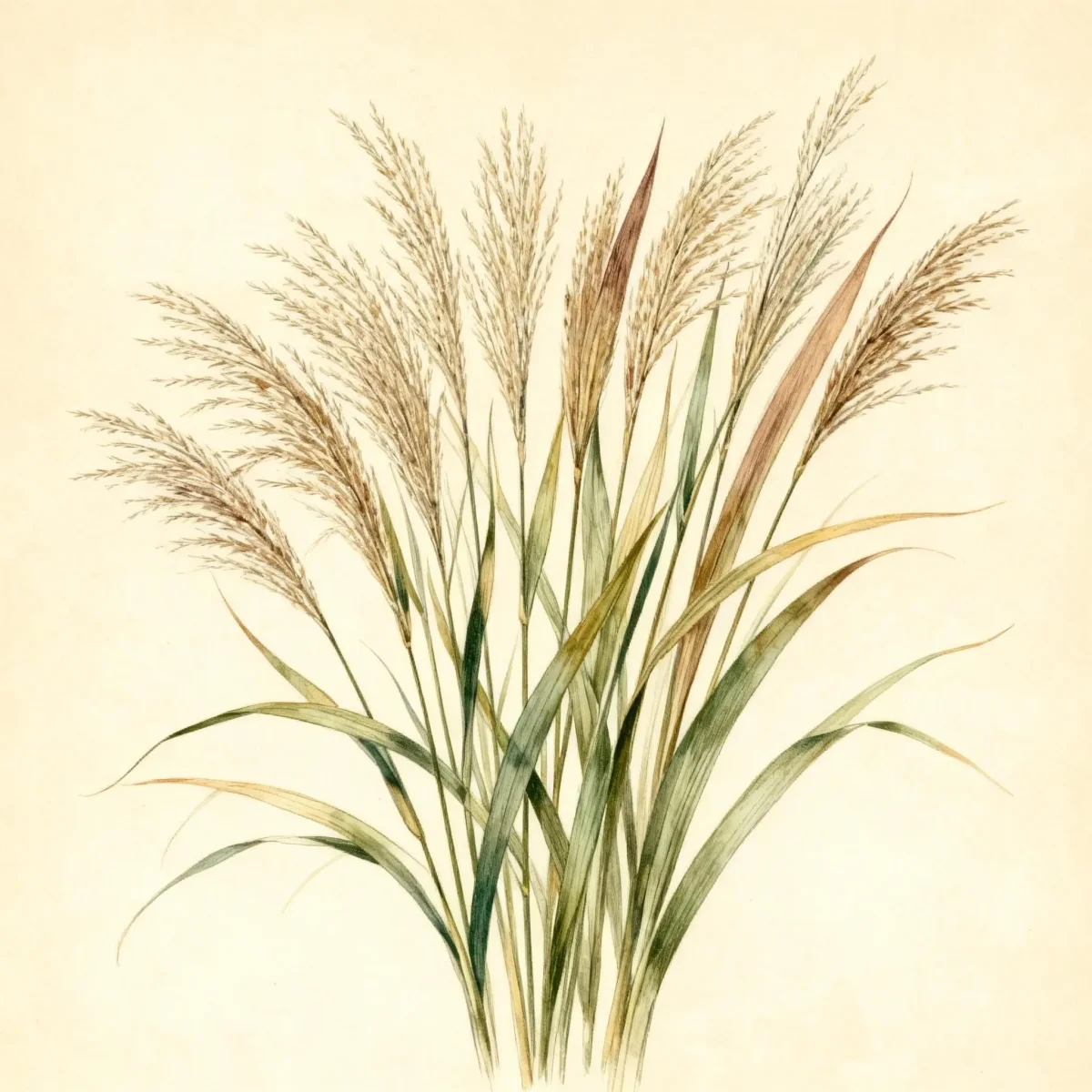
Miscanthus sinensis ‘Sarabande’, commonly known as Eulalia grass, provides excellent structure and movement in the landscape. This cultivar is valued for its dense, upright clump that maintains a fountain-like silhouette throughout the growing season. It offers gardeners a reliable, low-maintenance focal point capable of thriving in diverse soil conditions.
‘Sarabande’ distinguishes itself from similar Miscanthus cultivars by featuring noticeably narrower leaf blades, lending it a finer texture. While the foliage turns tan after the first hard frost, the upright habit of the plant and its persistent flower plumes ensure aesthetic appeal deep into winter. It is celebrated as a warm-season grass that slowly expands its tight clump over time.
Planting Eulalia grants visual interest from late summer through winter, requiring minimal input once established. Its hardiness across multiple zones and tolerance for challenging conditions make Miscanthus sinensis ‘Sarabande’ a versatile choice for modern landscape designs needing reliable, year-round screening or texture.
Fast Facts
- Plant Family: Poaceae
- Plant Type: Ornamental grass
- Hardiness Zones: USDA Zones 4-9
- Size at Maturity:
- Height: 4-5 ft
- Spread: 4-5 ft
- Bloom Time: September to February
- Bloom Description: Reddish-brown
- Sun Exposure: Full sun to part shade
- Water Needs: Medium
- Maintenance Level: Low
How to Grow
Plant Miscanthus sinensis ‘Sarabande’ in the spring or early summer when soil temperatures are suitably warm. This Eulalia thrives best when positioned in full sun, although it tolerates light afternoon shade; less sun often results in reduced flowering and a greater tendency for the plant to flop open. It adapts easily to many soil types, performing well in average, medium moisture, well-drained conditions, ranging from sandy soils to heavy clays.
Once established, Miscanthus sinensis ‘Sarabande’ requires only medium water, proving quite drought-tolerant. Due to its slow, clumping spread by short rhizomes, aggressive root control is usually unnecessary, though mulch can help suppress light reseeding in milder climates. Fertilizing is rarely needed; excessive richness can provoke floppy growth.
The primary maintenance task for this ornamental grass occurs in late winter. Allow the foliage to remain standing throughout winter for crucial crown protection and visual interest, especially when dusted with snow or frost. Cut all foliage back hard, close to the ground, just before new green shoots begin emerging in early spring. Propagation of this Eulalia is achieved through division of the crown during the growing season.
Landscape Uses
Miscanthus sinensis ‘Sarabande’ excels as a versatile screen, specimen plant, or massed grouping due to its defined, upright fountain shape. Its medium height (4 to 5 feet) makes it appropriate for softening the background of planting beds or borders where movement and vertical interest are desired. Planting in small groupings helps accentuate the fine texture and silvery margins of the leaves.
This graceful Eulalia works beautifully integrated into wild gardens, meadows, or cottage garden schemes where a natural, sweeping look is desired. It is also an excellent choice for providing texture contrast against solid evergreens or broadleaf perennials. Furthermore, the flower plumes from Miscanthus sinensis ‘Sarabande’ are long-lasting, making them invaluable additions to dried floral arrangements.
Consider using this upright grass along pond peripheries or in naturalized areas where its moisture tolerance—leaning toward moist but tolerating dry spells—can be beneficial. The visual interest provided by the foliage persisting well into winter means it always contributes texture, even when not actively blooming.
Standout Features
Flower Qualities
- Showy
- Good Dried
Noteworthy Characteristics
Miscanthus sinensis, commonly known as Chinese silver grass, Japanese silver grass or eulalia grass, is a clump-forming warm season grass that typically grows to 3-7’ tall. This grass features a dense clump of upward-arching stems and leaves which give it a rounded, fountain-like appearance. ‘Sarabande’ is a eulalia grass cultivar which features narrow (3/16” wide), arching, dark green leaves with silvery margins, growing slightly shorter than some relatives, reaching 4-5’ tall. The flower plumes persist well into winter providing good winter interest.
Tolerances
- Drought
- Erosion
- Dry Soil
- Black Walnut
- Air Pollution
Potential Problems
This Eulalia generally avoids serious insect or disease issues, contributing to its low maintenance rating. However, in certain regions, gardeners must watch for the miscanthus mealybug, which tunnels inside the stems causing stunted growth and being difficult to eliminate. Miscanthus blight, a fungal disease, targets the leaf blades and sheaths, while leaf rust is also possible. Be mindful that this grass can spread somewhat invasively in exceedingly mild areas, so strategic placement or mulching is advised to manage its colonization rate.
Frequently Asked Questions
What hardiness zones is Eulalia suitable for?
Miscanthus sinensis ‘Sarabande’ is reliably hardy in USDA Zones 4 through 9.
How large does Eulalia grow?
This ornamental grass typically reaches a mature height between 4 and 5 feet and spreads about 4 to 5 feet in an upright clump.
What sun exposure does Miscanthus sinensis ‘Sarabande’ need?
For best performance, aim for full sun exposure, though the plant will successfully grow in areas receiving part shade.
When does Eulalia bloom?
The reddish-brown, tassel-like inflorescences of this Eulalia appear from September and continue providing ornamental value into February.
Conclusion
Miscanthus sinensis ‘Sarabande’ offers exceptional structural beauty and low long-term effort, making it a cornerstone for texture in any garden setting. The fine texture of this Eulalia, combined with its winter persistence, guarantees year-round garden structure. Always confirm that your planting site falls within USDA Zones 4-9 and ensure it receives sufficient sunlight for optimally dense growth.
Companion Planting
When selecting companions for Miscanthus sinensis ‘Sarabande’, focus on plants that contrast well with its fine, upright texture, especially those with broad leaves or bright colors. Consider pairing the Eulalia with sturdy perennials like Coneflower (Echinacea) or Daylilies (Hemerocallis) which provide summer color underneath the grass canopy. For winter interest contrast, place it near evergreen shrubs, such as dwarf Mugo Pine or slow-growing Boxwood, whose dark structure highlights the beige plumes of the Miscanthus.
Seasonal Care Calendar
Spring cleanup is the most essential task for your Eulalia; cut the entire clump back to 3-6 inches above the ground just as new growth begins to emerge. During the summer growing season, focus primarily on watering, especially if the grass is newly planted or experiencing prolonged drought, as medium moisture is ideal. In autumn, the foliage will transition to tan, and the plumes will mature; resist the urge to cut them back as they provide critical winter interest until late winter pruning.