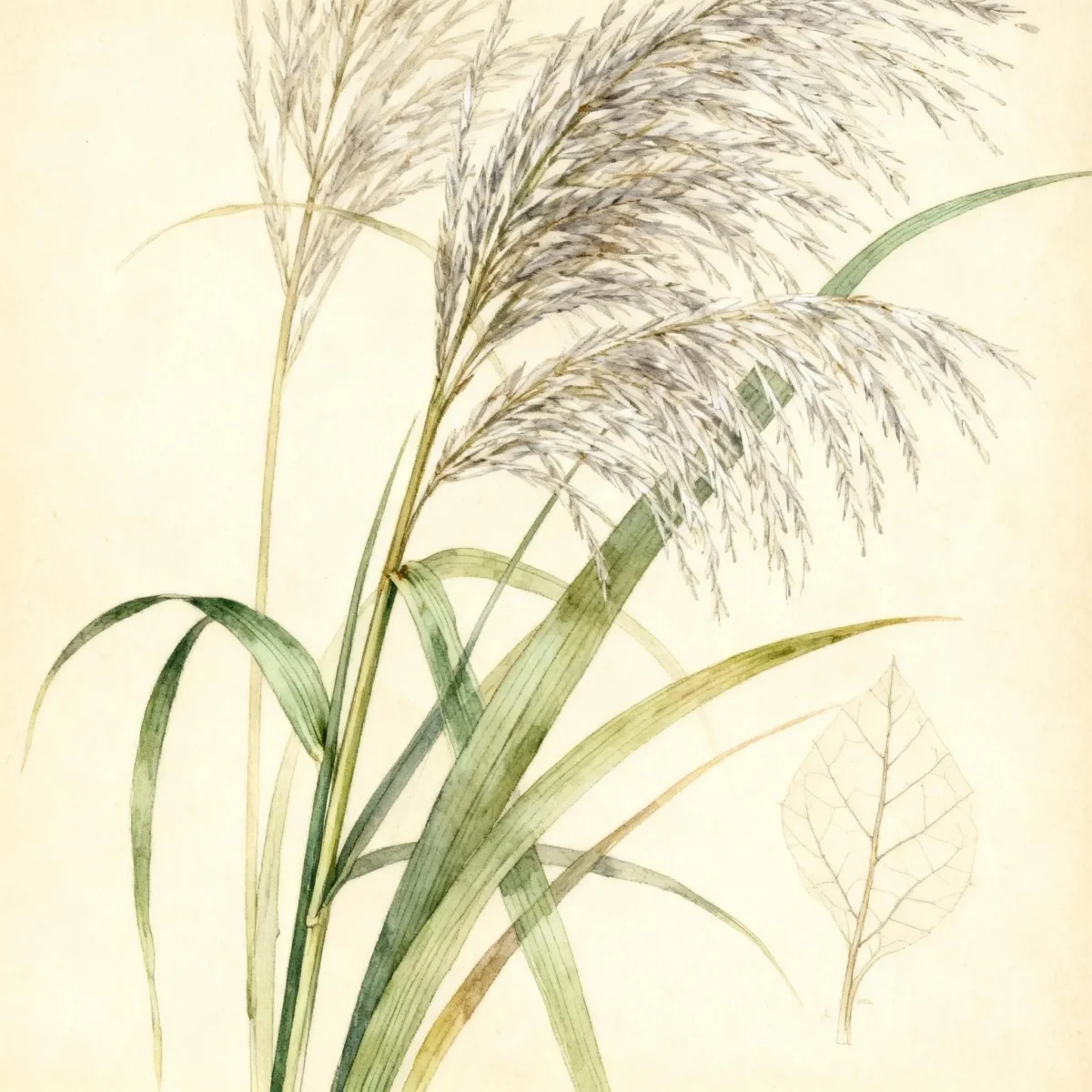
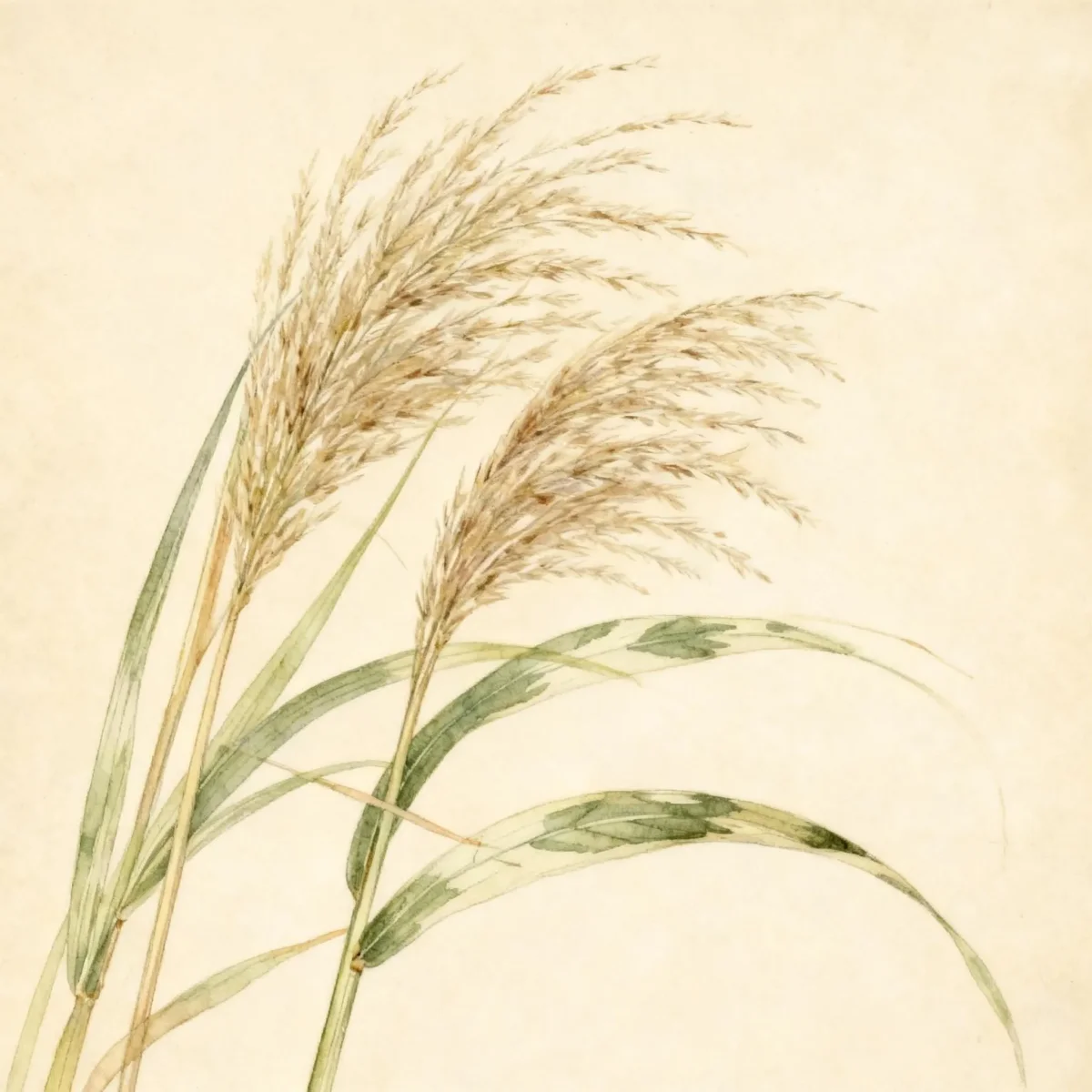
Eulalia (Miscanthus sinensis 'Yaku Jima')
Miscanthus sinensis 'Yaku Jima' (Eulalia) is a low-maintenance, clump-forming grass offering fine texture and winter interest in zones 5-9.
Scroll down to discover growing tips, care requirements, companion plants, and more
Complete Plant Information
Overview
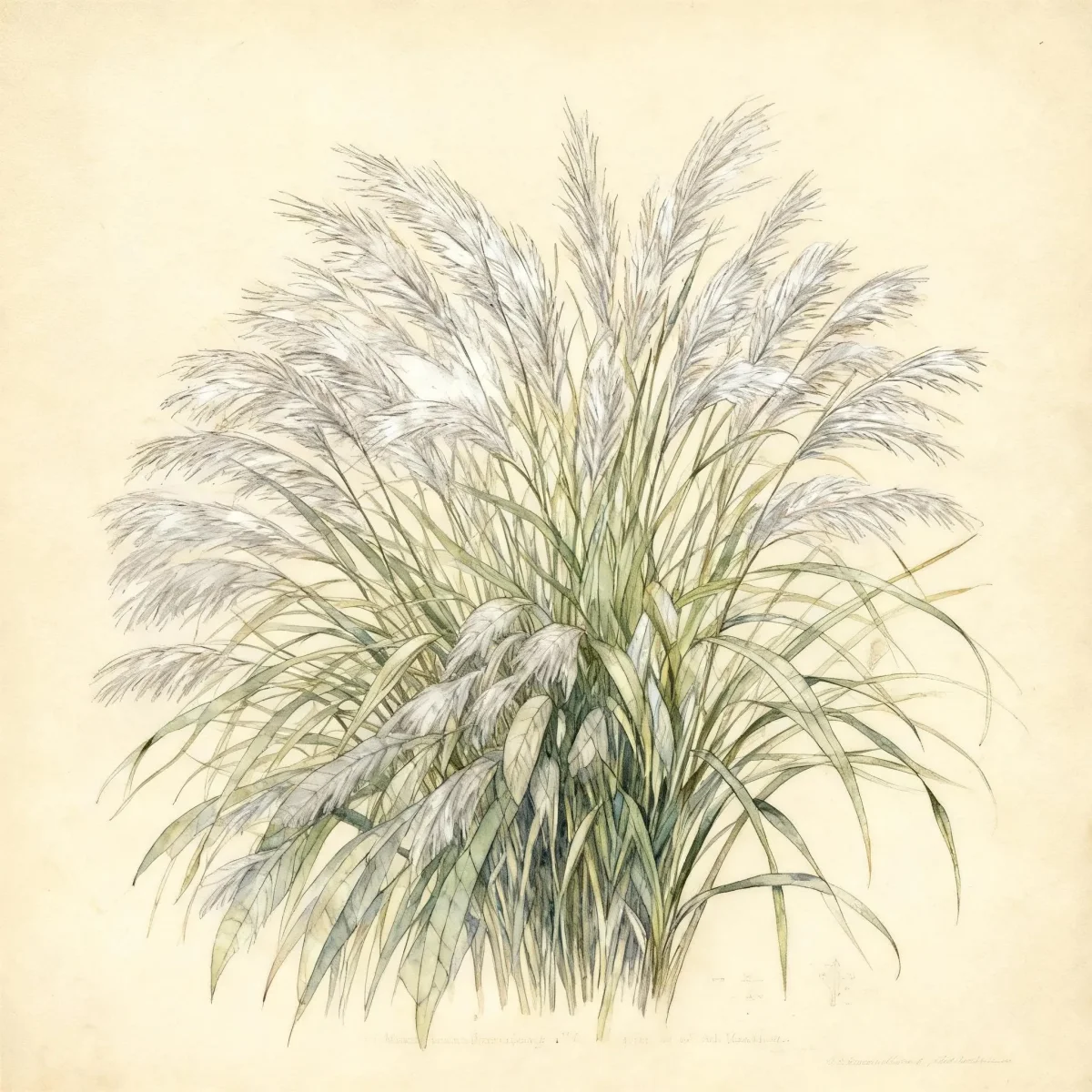
Miscanthus sinensis ‘Yaku Jima’, commonly known as Eulalia grass, is a highly valued, compact ornamental grass celebrated for its fountain-like structure and fine-textured foliage. This cultivar of Chinese silver grass provides excellent visual structure, maintaining its form throughout the growing season and offering crucial winter interest long after flowering has ceased. Gardeners appreciate Miscanthus sinensis ‘Yaku Jima’ for its relatively low-maintenance needs and its ability to bring movement and sound to the garden space.
This variety typically matures to a manageable 3 to 4 feet in height and spread, making it more versatile than some of its towering relatives. Its graceful, arching stems and leaves offer year-round appeal, turning attractive shades of yellow or orange in the fall before settling into beige tan for winter. The late-season flowers of Eulalia emerge buff with hints of red, adding subtle color before maturing into silvery plumes.
As a clump-forming warm-season grass, Miscanthus sinensis ‘Yaku Jima’ slowly expands via short rhizomes while generally retaining a neat mound shape, reducing the risk of aggressive spreading common in some other Miscanthus species. It excels in providing mass texture in mixed borders or as a striking specimen plant within contemporary or naturalized landscapes.
Fast Facts
- Plant Family: Poaceae
- Plant Type: Ornamental grass
- Hardiness Zones: USDA Zones 5-9
- Size at Maturity:
- Height: 3-4 ft
- Spread: 3-4 ft
- Bloom Time: August to February
- Bloom Description: Buff with red tinges
- Sun Exposure: Full sun to part shade
- Water Needs: Medium
- Maintenance Level: Low
How to Grow
Plant Miscanthus sinensis ‘Yaku Jima’ in the spring after the danger of frost has passed, choosing a location that receives full sun for the most robust growth and flowering potential. While it tolerates part shade, excessive shade will reduce vigor and likely cause the clump to flop open. This Eulalia adapts well to average, medium moisture, well-drained soils, but it is notably tolerant of diverse conditions, ranging from somewhat poor, well-drained sands to heavier clay soils.
Once established, watering needs are moderate; ensure consistency during hot, dry periods initially, although established clumps show good drought tolerance. Maintenance is refreshingly simple. Avoid fertilizing heavily, as this can encourage weak, floppy growth. The structural integrity of the plant is best maintained by leaving the foliage standing throughout the winter months for crown protection and visual appeal.
The essential annual pruning task involves cutting the entire foliage mass down close to the ground in late winter or very early spring, just as new shoots begin to emerge. This specific timing ensures the plant is protected over winter and allows the new growth of the Eulalia to emerge cleanly. Propagation is best achieved through division of the crown when the clump becomes overcrowded. Control reseeding by applying mulch around the base, especially if you are concerned about prolific spread in milder climates.
Landscape Uses
The moderate size and appealing texture make Miscanthus sinensis ‘Yaku Jima’ a versatile player in landscape design. It functions beautifully as a specimen accent, allowing its fountain-like form to stand out against solid masses of evergreens or perennial borders. Grouping several Eulalia plants creates soft, flowing screens or textural anchors within perennial beds or meadows.
It is an excellent choice for defining the edges of naturalized areas or water gardens, where its movement complements the surrounding environment. Furthermore, the dried flowers and winter foliage are long-lasting components, making this grass valuable for winter structure, as well as for use in dried arrangements gathered in the autumn.
Standout Features
Flower Qualities
- Showy
Noteworthy Characteristics
Miscanthus sinensis, commonly known as Chinese silver grass, Japanese silver grass or eulalia grass, is a clump-forming warm season grass that typically grows to 3-7’ tall. This grass features a dense clump of upward-arching stems and leaves which give it a rounded, fountain-like appearance. Foliage often turns attractive shades of yellow to orange by mid-fall before gradually fading to beige-tan for winter. The cultivar ‘Yaku Jima’ is specifically noted for its diminutive size and narrow leaves, typically forming a 3-4’ clump with graceful, arching blades.
Tolerances
- Drought
- Erosion
- Dry Soil
- Black Walnut
- Air Pollution
Potential Problems
Miscanthus sinensis ‘Yaku Jima’ generally suffers from few frequently occurring insect or disease issues, contributing to its low-maintenance reputation. However, gardeners should be vigilant against miscanthus mealybug, which causes stunted growth and resides deep within the stems, making eradication difficult. Miscanthus blight, a fungal disease, can attack the leaf blades and sheaths, and leaf rust is occasionally noted. Additionally, while ‘Yaku Jima’ is compact, the potential for invasive spread via reseeding remains a concern in the milder parts of its growing range, warranting mulch application.
Frequently Asked Questions
What hardiness zones is Eulalia suitable for?
Miscanthus sinensis ‘Yaku Jima’ is suitable for USDA Hardiness Zones 5 through 9.
How large does Eulalia grow?
This cultivar typically reaches a height between 3 and 4 feet, with a spread of 3 to 4 feet at maturity.
What sun exposure does Miscanthus sinensis ‘Yaku Jima’ need?
For the best results, this ornamental grass prefers Full sun to part shade; reduced sun leads to less vigorous growth.
When does Eulalia bloom?
The blooms occur late in the season, starting in August and persisting through February, presenting as buff-colored flowers with red tinges.
Conclusion
Miscanthus sinensis ‘Yaku Jima’ offers exceptional aesthetic value through its fine texture, graceful habit, and reliability across various soil types. This compact Eulalia is a dependable choice for adding movement and structure, especially important during the dormant winter months. Ensure proper siting in full sun and plan your late-winter cleanup promptly to maximize the success of your Miscanthus sinensis ‘Yaku Jima’.
Companion Planting
Selecting appropriate neighbors enhances the structure provided by Eulalia grass. Pair the airy mass of Miscanthus sinensis ‘Yaku Jima’ with robust, broad-leaved perennials that contrast in texture, such as Hostas or Ligularia, particularly in areas receiving afternoon shade. For sunny borders, complement the warm-season grass with summer-flowering perennials like Coneflowers (Echinacea) or Black-Eyed Susans (Rudbeckia), whose upright stems mirror the grass’s vertical habit. Since this grass prefers well-drained soil, choose companions that also dislike consistently wet feet to ensure uniform health across the planting bed.
Propagation Tips
The primary and most practical method for reproducing Miscanthus sinensis ‘Yaku Jima’ is by dividing the crown. This process is best performed in the early spring just before active growth begins, or potentially in the early fall, depending on your climate zone. Dig up the entire clump using a sharp spade, remove the loosened soil, and use the spade or a sharp knife to cut the crown into smaller sections, ensuring each division has a healthy section of roots and emerging shoot growth. Replant these sections immediately at the same depth as the parent plant, watering them in well to encourage establishment.