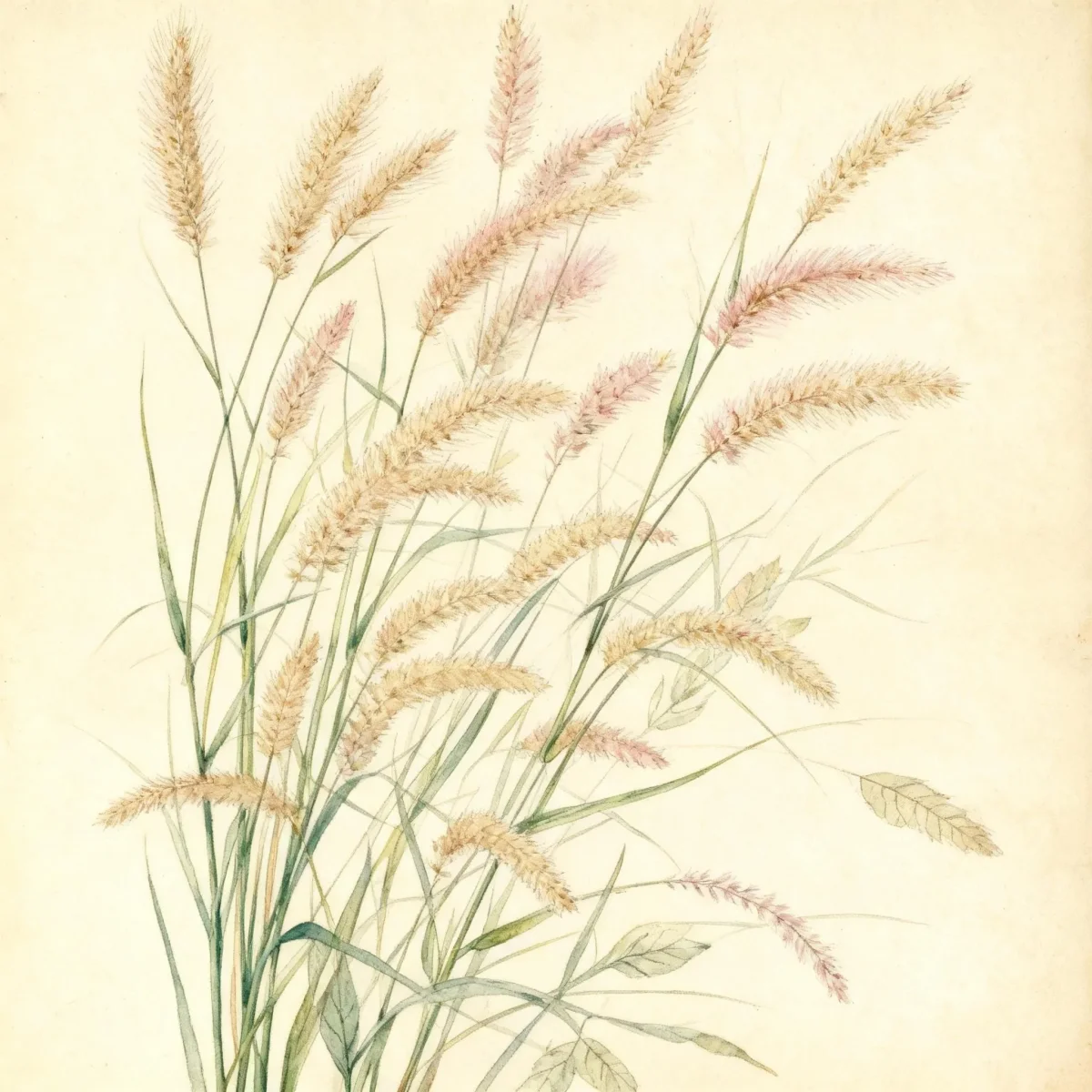
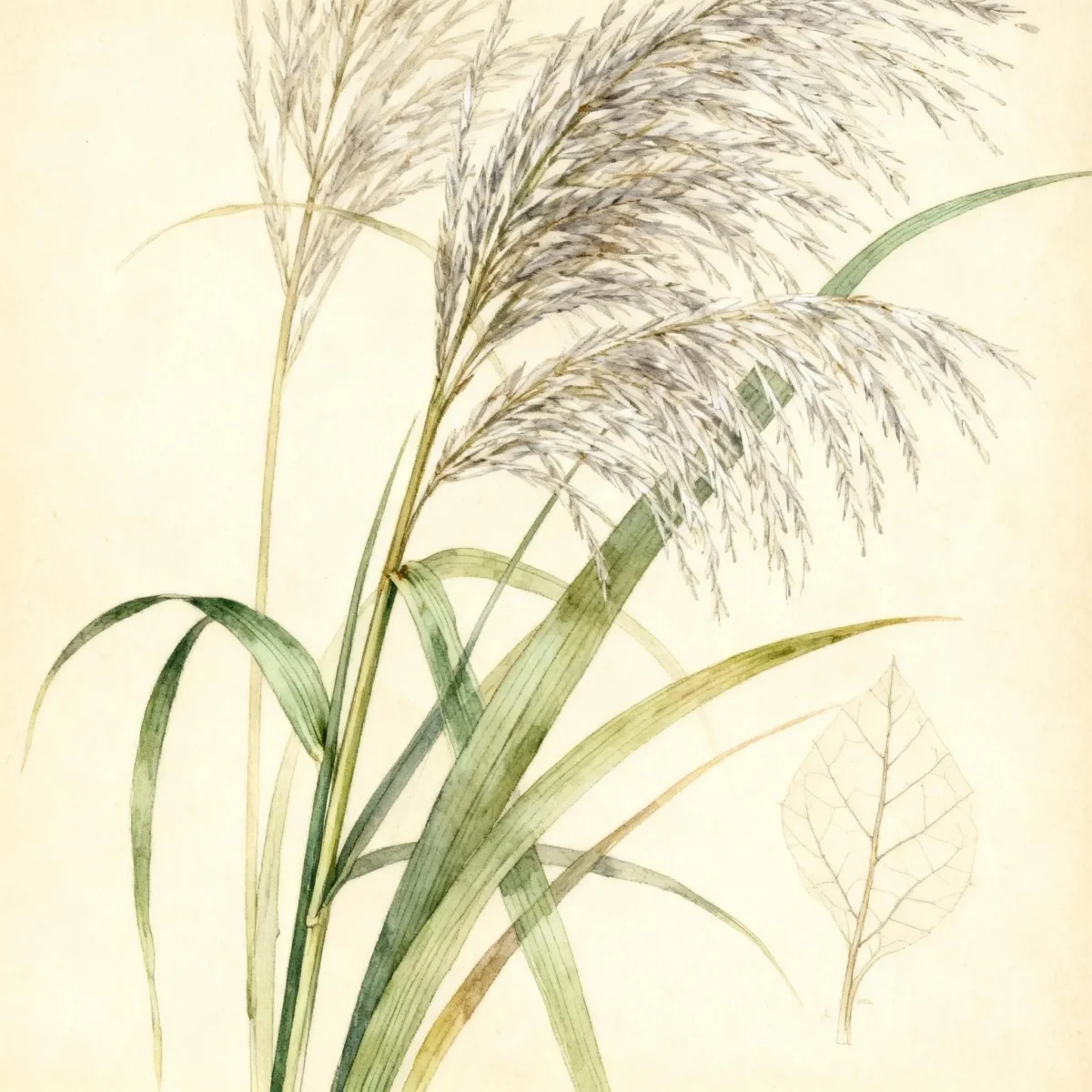
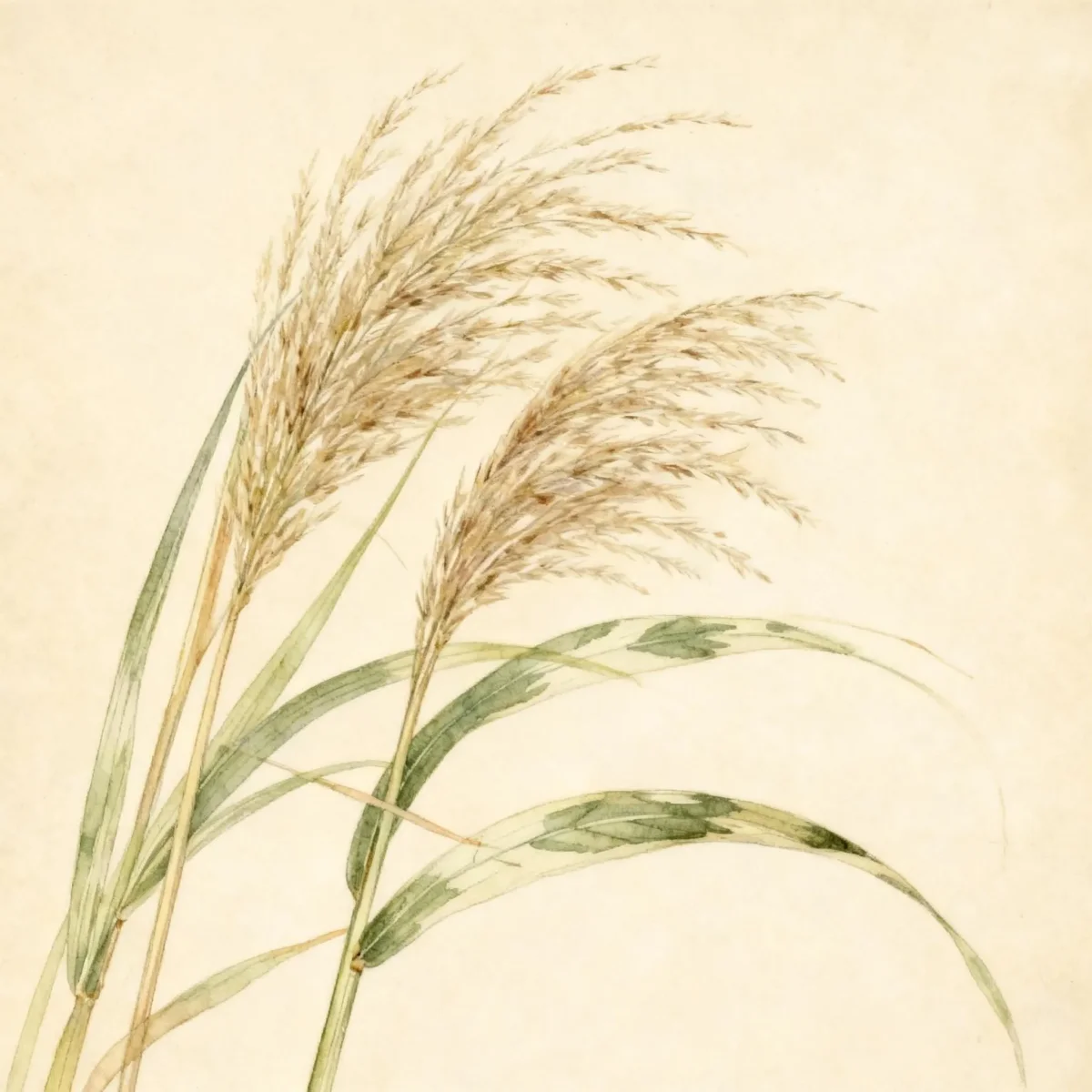
Zebra grass (Miscanthus sinensis 'Zebrinus')
Discover Miscanthus sinensis 'Zebrinus', commonly called Zebra grass. This striking ornamental grass features horizontally banded foliage, thriving in zones 5-9.
Scroll down to discover growing tips, care requirements, companion plants, and more
Complete Plant Information
Overview
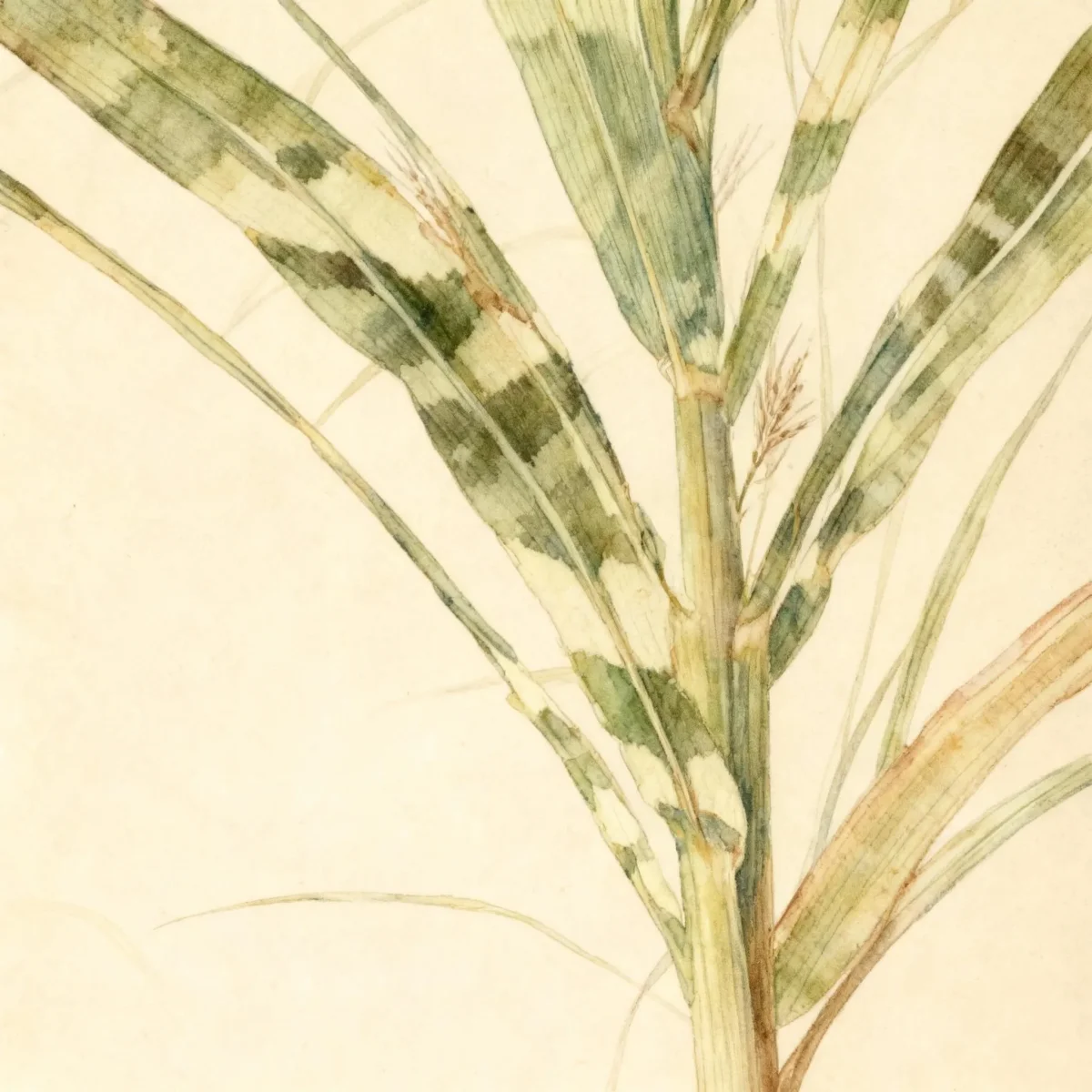
Miscanthus sinensis ‘Zebrinus’, or Zebra grass, is celebrated in the landscape for its highly distinctive, horizontally banded foliage. This upright, clump-forming grass features dark green leaves transversely striped with irregular golden yellow bands, creating a striking visual effect reminiscent of stripes. As a warm-season grass, it provides essential vertical structure and texture, maturing into a rounded, fountain-like silhouette.
This cultivar is valued not only for its bold summer foliage but also for its excellent winter presence; the plumes and dried stems often persist well into the next season. Zebra grass typically reaches heights between 5 to 8 feet when fully flowering, establishing itself as a significant architectural element in garden design. Its slow expansion via rhizomes keeps it reasonably contained, though vigilance against reseeding is sometimes required.
Planting Miscanthus sinensis ‘Zebrinus’ provides low-maintenance screening and year-round interest, shifting from green stripes in summer to attractive tan tones by winter. Its tolerance for various soil types and humidity makes it a versatile and rewarding choice for gardeners seeking dramatic texture.
Fast Facts
- Plant Family: Poaceae
- Plant Type: Ornamental grass
- Hardiness Zones: USDA Zones 5-9
- Size at Maturity:
- Height: 5-8 ft
- Spread: 4-6 ft
- Bloom Time: August to February
- Bloom Description: Pinkish white
- Sun Exposure: Full sun to part shade
- Water Needs: Medium
- Maintenance Level: Low
How to Grow
The ideal time to install your new Zebra grass (Miscanthus sinensis ‘Zebrinus’) is when the soil has warmed sufficiently in spring. Plant in a location receiving full sun for the best color saturation and strongest vertical habit, though part shade is tolerated. Miscanthus sinensis ‘Zebrinus’ adapts well to average, medium moisture, well-drained soil, showing tolerance for everything from sandy substrates to heavy clays.
Once established, this grass requires medium water; ensure consistent moisture during establishment, but established clumps are relatively drought tolerant. Fertilization is rarely required; excessive nitrogen can promote floppy growth, which is particularly undesirable given this cultivar’s tendency to arch outward. Be aware that in areas receiving too much shade, the clumps often become less vigorous and are more susceptible to flopping over.
Pruning is a yearly, low-maintenance task. Foliage should be left standing throughout the winter months to provide structure and protection to the crown. Cut the entire clump back hard, close to the ground, in late winter or very early spring, just before new growth begins to emerge. Mulching around the base can help conserve moisture and suppress any potential reseeding in milder climates.
Landscape Uses
Miscanthus sinensis ‘Zebrinus’ is incredibly versatile, lending itself well to applications requiring vertical accents or screening. Use it as a bold specimen plant where its distinctive banding can be easily observed, or employ several for a seasonal screen. Its fountain-like habit integrates beautifully in borders, cottage gardens, or naturalized settings where movement is desired.
This grass serves as an excellent structural partner for perennials that offer summer color, such as coneflowers or phlox, providing a foil against their mounding forms. The dried flower plumes, which are long-lasting, also lend themselves perfectly to dried arrangements used indoors during the cooler months. Consider planting Zebra grass near water features or along pond peripheries where its growth habit can be reflected.
For a more formal look, plant Zebra grass in small groupings, ensuring adequate spacing so that each clump can develop its full, rounded shape without crowding nearby specimens.
Standout Features
Flower Qualities
- Showy
Noteworthy Characteristics
‘Zebrinus’, known as zebra grass, is a clump-forming grass noted for its horizontally banded foliage. It typically forms a substantial foliage clump 4-6’ tall, sending up flower stalks that bring the total height to 6-8’ when in flower. Features dark green leaves with zebra-striped, golden yellow bands extending horizontally across the leaves at irregular intervals, with plumes persisting well into winter.
Tolerances
- Drought
- Erosion
- Dry Soil
- Black Walnut
- Air Pollution
Potential Problems
Miscanthus sinensis ‘Zebrinus’ is generally free from serious insect or disease issues, contributing to its low maintenance profile. However, gardeners in certain regions should watch for miscanthus mealybug, which lives inside the stems and causes stunted growth, and miscanthus blight, a fungal issue attacking blades and sheaths. Leaf rust can also infrequently appear. A primary management concern is physical stability; the rounded ‘Zebrinus’ clumps may need staking to prevent flopping, especially after heavy summer rains or significant winter snow loads. Invasive spread via reseeding is possible in milder parts of the growing range, so mulch can help mitigate this.
Frequently Asked Questions
What hardiness zones is Zebra grass suitable for?
Miscanthus sinensis ‘Zebrinus’ is reliably hardy in USDA Zones 5 through 9.
How large does Zebra grass grow?
This ornamental grass typically reaches a height of 5 to 8 feet and spreads between 4 to 6 feet wide at maturity.
What sun exposure does Miscanthus sinensis ‘Zebrinus’ need?
For optimal performance, Zebra grass requires full sun, though it will still grow reasonably well in part shade conditions.
When does Zebra grass bloom?
The feathery, pinkish white flowers appear relatively late, blooming from August and often persisting into February.
Conclusion
Zebra grass remains a premier choice for gardeners seeking bold vertical structure and distinctive foliage patterns throughout the growing season. The unique horizontal banding of Miscanthus sinensis ‘Zebrinus’ provides unparalleled visual interest, complemented by its low maintenance requirements. Before planting, confirm that your location falls within USDA Zones 5-9 and ensure it receives ample sunlight to support those iconic stripes.
Companion Planting
Selecting effective companions for Zebra grass focuses on contrasting textures and colors that thrive in similar full sun to partial shade conditions. Because Miscanthus sinensis ‘Zebrinus’ provides immense verticality, pair it with low-growing, broad-leaf perennials for ground cover effect, such as Sedum ‘Autumn Joy’ or colorful Helenium cultivars.
Grasses with upright habits, like Panicum virgatum varieties, can create a screen, but ensure you intersperse them with plants that offer strong, non-grass texture, like large hostas (in shadier spots) or Coneflowers (Echinacea) for robust summer color contrast. The feathery plumes of Zebra grass also complement plants with stiff, dark foliage, such as evergreen shrubs used for background structure.
Seasonal Care Calendar
Spring cleanup is essential for maximizing the impact of your Miscanthus sinensis ‘Zebrinus’. In late winter or very early spring, don your heavy gloves and cut the entire tan foliage mass back severely, right down to a few inches above the soil level. This action encourages fresh, brightly striped new growth to emerge vigorously.
Summer is the time to monitor moisture levels, especially if planted in full sun in average soil. While drought tolerant once established, supplemental water during extreme hot spells ensures vigorous upright growth and minimizes flopping. If staking is necessary due to overcrowding or extremely heavy rain, install supports early in the season before the clump becomes too large to handle comfortably.
As fall arrives, allow the foliage to transition naturally, enjoying the deepening yellow base tones and the appearance of the wispy, pinkish-white flower plumes from late August through winter. Do not cut back the plumes; they provide essential late-season interest.