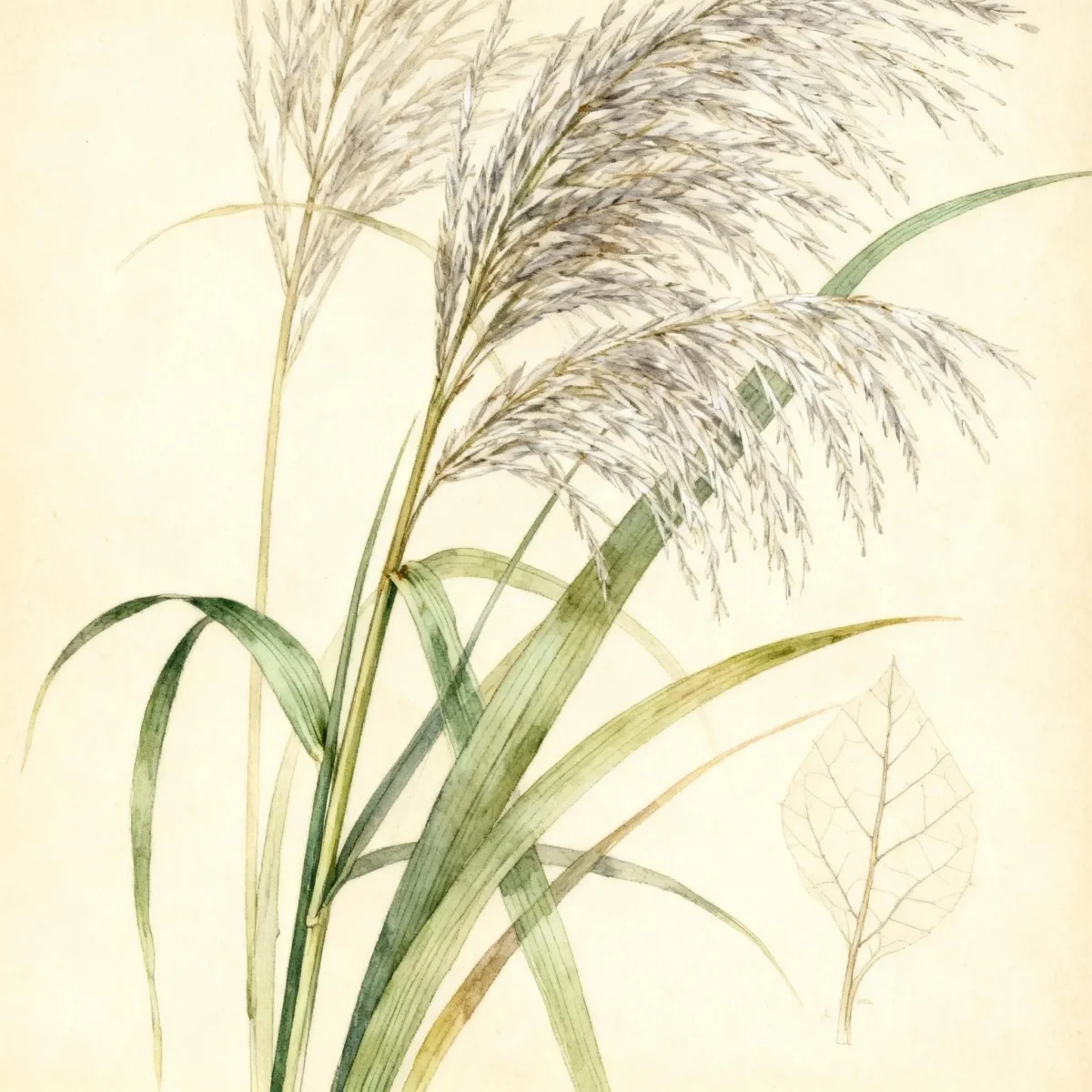
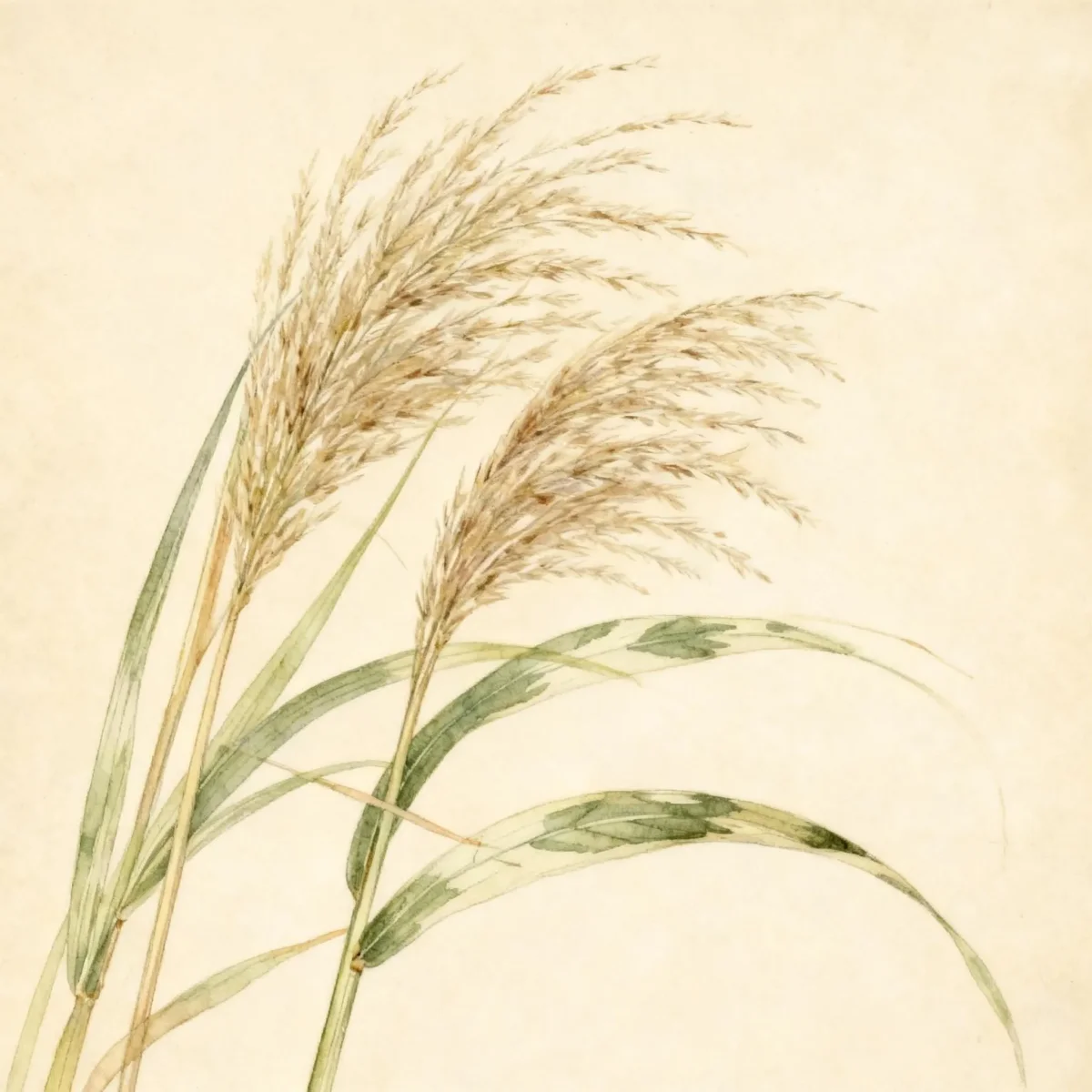
Eulalia (Miscanthus sinensis 'November Sunset')
Miscanthus sinensis 'November Sunset' (Eulalia) is a striking, low-maintenance ornamental grass providing late-season color.
Scroll down to discover growing tips, care requirements, companion plants, and more
Complete Plant Information
Overview
Miscanthus sinensis ‘November Sunset’, commonly known as Eulalia, is a magnificent, late-blooming ornamental grass prized for its imposing height and superb winter structure. This cultivar builds a dense, upright clump of foliage that transitions into attractive gold and orange hues as the temperatures drop, living up to its ‘November Sunset’ name. Gardeners rely on this Miscanthus species for dramatic vertical interest, reliable texture, and enduring color that lasts well into the colder months.
Growing between 6 to 8 feet tall, this Eulalia grass demands minimal attention once established, thriving in average to moist, well-drained soils. It offers significant aesthetic payoff with its feathery, reddish-brown plumes appearing from October through February, which mature into silvery-white displays contrasting beautifully against the winter landscape. Its slow but steady clump expansion ensures containment, though vigilance against reseeding is advised in milder zones.
This sturdy specimen provides excellent screening, accent planting, or structural backbone in the perennial border, rewarding gardeners with texture and form when many other plants have faded. The low maintenance required for Miscanthus sinensis ‘November Sunset’ makes it an increasingly popular choice for both large landscapes and mixed borders seeking year-round architectural impact.
Fast Facts
- Plant Family: Poaceae
- Plant Type: Ornamental grass
- Hardiness Zones: USDA Zones 5-9
- Size at Maturity:
- Height: 6-8 ft
- Spread: 5-7 ft
- Bloom Time: October to February
- Bloom Description: Reddish-brown
- Sun Exposure: Full sun to part shade
- Water Needs: Medium
- Maintenance Level: Low
How to Grow
For best vigor and maximum flower production, plant Miscanthus sinensis ‘November Sunset’ in full sun. While it tolerates part shade, reduced light results in less vigorous growth and an increased tendency for the clump to flop open. This Eulalia grass adapts well to a wide soil spectrum, tolerating dry soil, erosion, and heavy clays, though it prefers average, medium moisture, well-drained conditions. Planting during the spring provides the entire growing season for establishment.
Water requirements are medium; ensure regular moisture, especially during the first year, though established clumps demonstrate good drought tolerance. Maintenance is wonderfully low; avoid heavy fertilization, which can encourage weak, floppy growth. The essential annual task involves cutting the entire foliage mass down close to the ground in late winter, just before new shoots emerge.
Leaving the foliage standing throughout winter is highly recommended, as the dried plumes and tan leaves retain significant ornamental value, especially when dusted with snow. When dividing the clump via crown division, perform this task in early spring. Be aware that in milder regions, natural reseeding can occur, so mulch application can help suppress unwanted seedlings.
Landscape Uses
Miscanthus sinensis ‘November Sunset’ functions beautifully as a versatile ornamental grass, offering height and movement in landscape design. Use it as a bold accent or specimen plant where its fountain-like silhouette can be truly appreciated, or plant in small groupings for mass effect. It works excellently for defining structure in mixed borders, lending a vertical element to cottage gardens, or softening the edges of naturalized areas.
The arching stems and plumes, which persist through winter, make this Eulalia ideal for year-round screening projects or as a backdrop plant that frames lower-growing perennials. Because its dried flowers are long-lasting, consider incorporating ‘November Sunset’ near structures or paths where you can enjoy their texture up close. It pairs well with structural evergreens or late-blooming perennials that offer contrasting color late in the season.
Standout Features
Flower Qualities
- Showy
- Good Dried
Noteworthy Characteristics
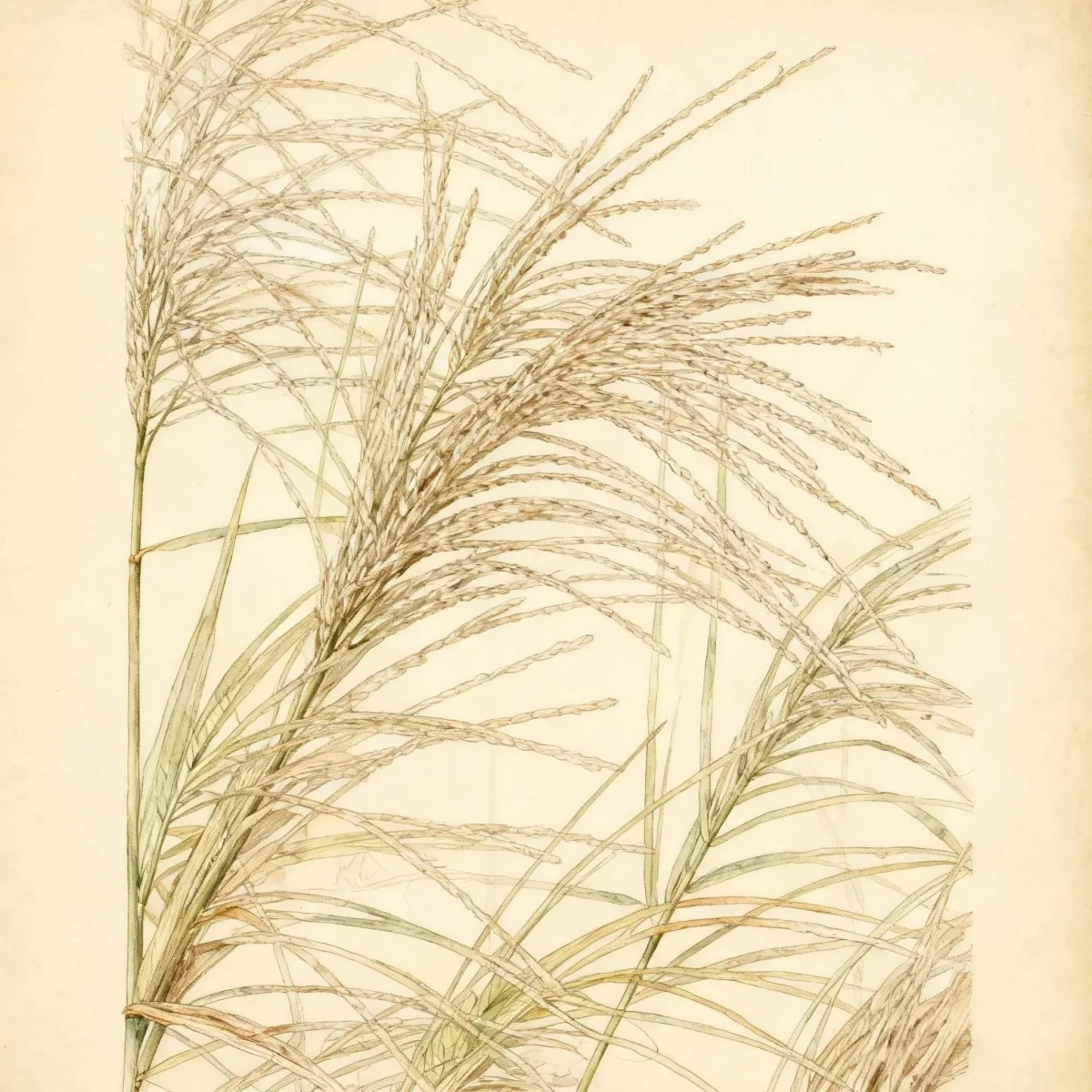
Miscanthus sinensis, known as Chinese silver grass or eulalia grass, is a robust, clump-forming warm season grass native to parts of East Asia. It forms a dense clump of upward-arching stems, creating a rounded, fountain-like shape that features linear leaves with silvery midribs. The cultivar ‘November Sunset’ specifically provides foliage that turns gold/orange after frost, complemented by summer flowers that mature into large, persistent silvery-white plumes offering excellent winter interest.
Tolerances
- Drought
- Erosion
- Dry Soil
- Black Walnut
- Air Pollution
Potential Problems
Generally, this ornamental grass resists common insect and disease issues. However, gardeners should monitor for potential problems like the miscanthus mealybug, which hides inside stems causing stunted growth, or miscanthus blight, a fungal issue affecting the leaf blades. Leaf rust is also possible in humid conditions.
To manage these potential threats, ensure good air circulation by not overcrowding plants, which helps mitigate fungal spread. Invasive spreading via reseeding is a concern in milder parts of the growing range; mature clumps of Miscanthus sinensis ‘November Sunset’ can produce considerable seed heads. Applying mulch immediately after the blooms fade can effectively suppress germination of new seedlings.
Frequently Asked Questions
What hardiness zones is Eulalia suitable for?
Miscanthus sinensis ‘November Sunset’ is reliably hardy in USDA Zones 5 through 9.
How large does Eulalia grow?
This variety typically reaches a mature height of 6 to 8 feet, with a spread ranging from 5 to 7 feet wide, forming a substantial clump.
What sun exposure does Miscanthus sinensis ‘November Sunset’ need?
For the best growth habit and flowering density, this grass requires full sun, though it can tolerate light afternoon shade.
When does Eulalia bloom?
The reddish-brown flower plumes appear late in the season, typically blooming from October and persisting well into February.
Conclusion
The Miscanthus sinensis ‘November Sunset’ cultivar stands out as a premier architectural plant, providing structure, low maintenance, and brilliant late-season warmth through its autumn foliage and winter plumes. This Eulalia grass is one of the most reliable structural elements for adding sophisticated, year-round texture to the garden space. Confirm that your garden falls within USDA Zones 5-9, select a sunny location, and plan for a late winter pruning to fully enjoy this magnificent specimen.
Companion Planting Ideas
When designing a border featuring Miscanthus sinensis ‘November Sunset’, consider companions that contrast its fine texture and late bloom time. Sturdy, broadleaf perennials like Sedum ‘Autumn Joy’ or Russian Sage (Perovskia atriplicifolia) offer solid forms that stand up well against the airy plumes of the Eulalia. Planting shorter, mounding purple or blue blooms early in the season will provide foreground interest before the Miscanthus attains its full height.
The grass’s tolerance for dry soil and Black Walnut presence suggests pairing it with other hardy, drought-tolerant perennials once established. Consider coneflowers (Echinacea) or ornamental sages (Salvia species) that thrive in similar sun exposure and don’t mind drier conditions once mature. This combination creates a dynamic garden tapestry that evolves beautifully throughout the entire growing cycle.
Design Ideas for Year-Round Interest
Utilize the height of Miscanthus sinensis ‘November Sunset’ to create winter focal points. Planted near windows or outdoor seating areas, the tall, standing foliage and persistent flower plumes become living sculptures when backlit by low winter sun or covered in frost. The vertical lines of this grass break up the horizontal lines of retaining walls or fences effectively.
For a naturalized or meadow planting scheme, allow the Eulalia to intermingle with native prairie species. Its impressive stature helps anchor softer groupings of switchgrass or asters. The visual effect in late fall, as the foliage shifts to gold and orange, provides the ‘sunset’ effect directly contrasted against the steely blues of Blue Star (Amsonia hubrichtii) if used nearby.