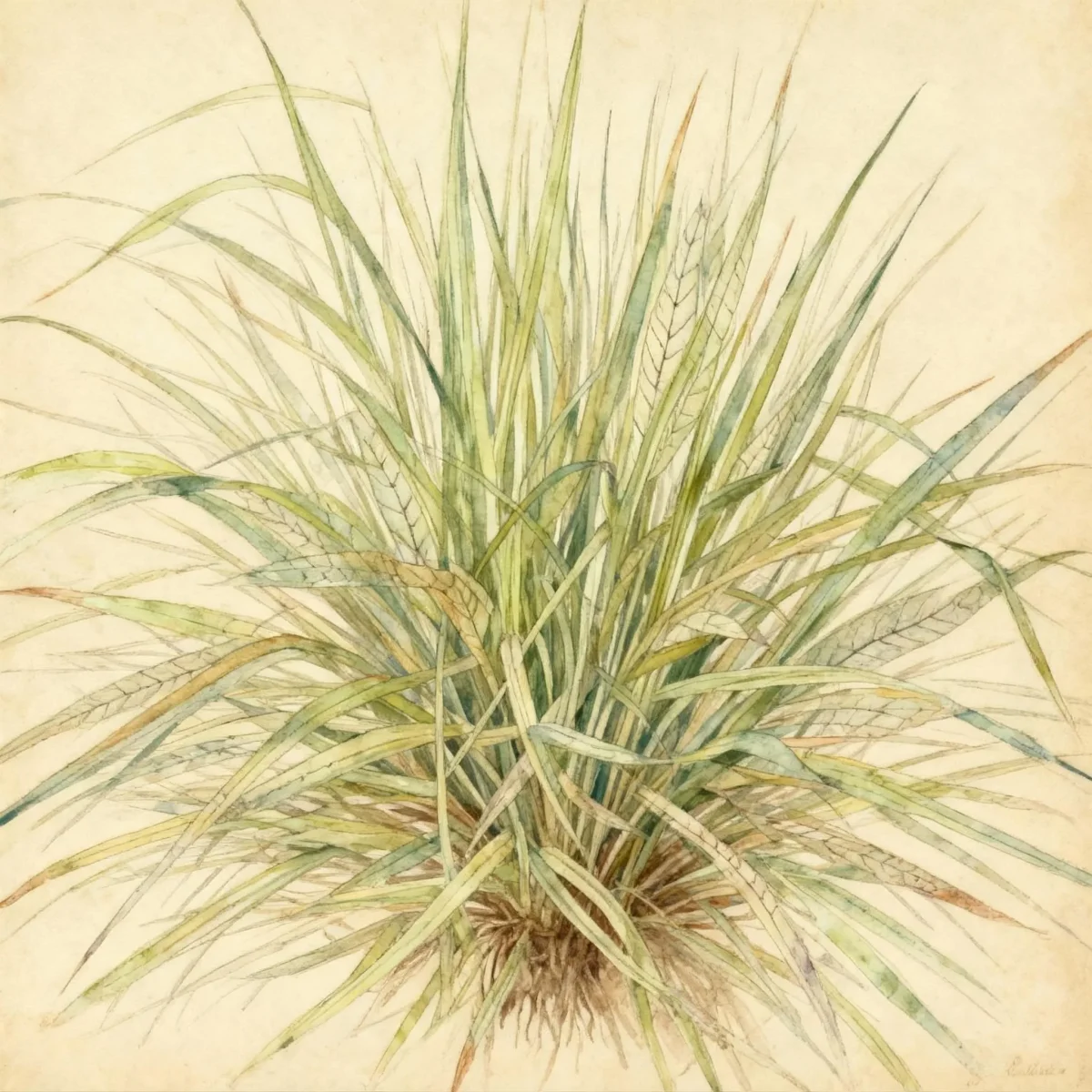
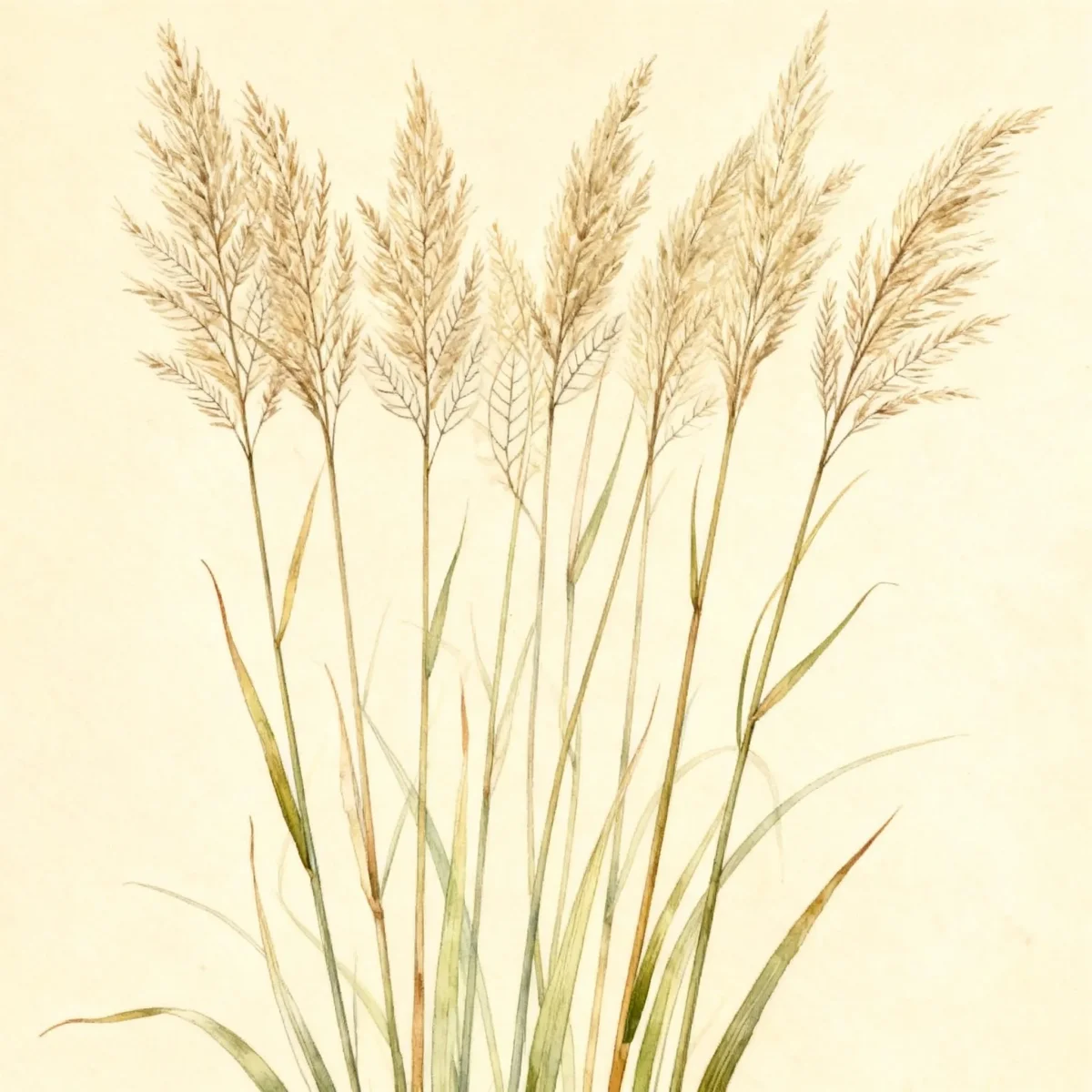
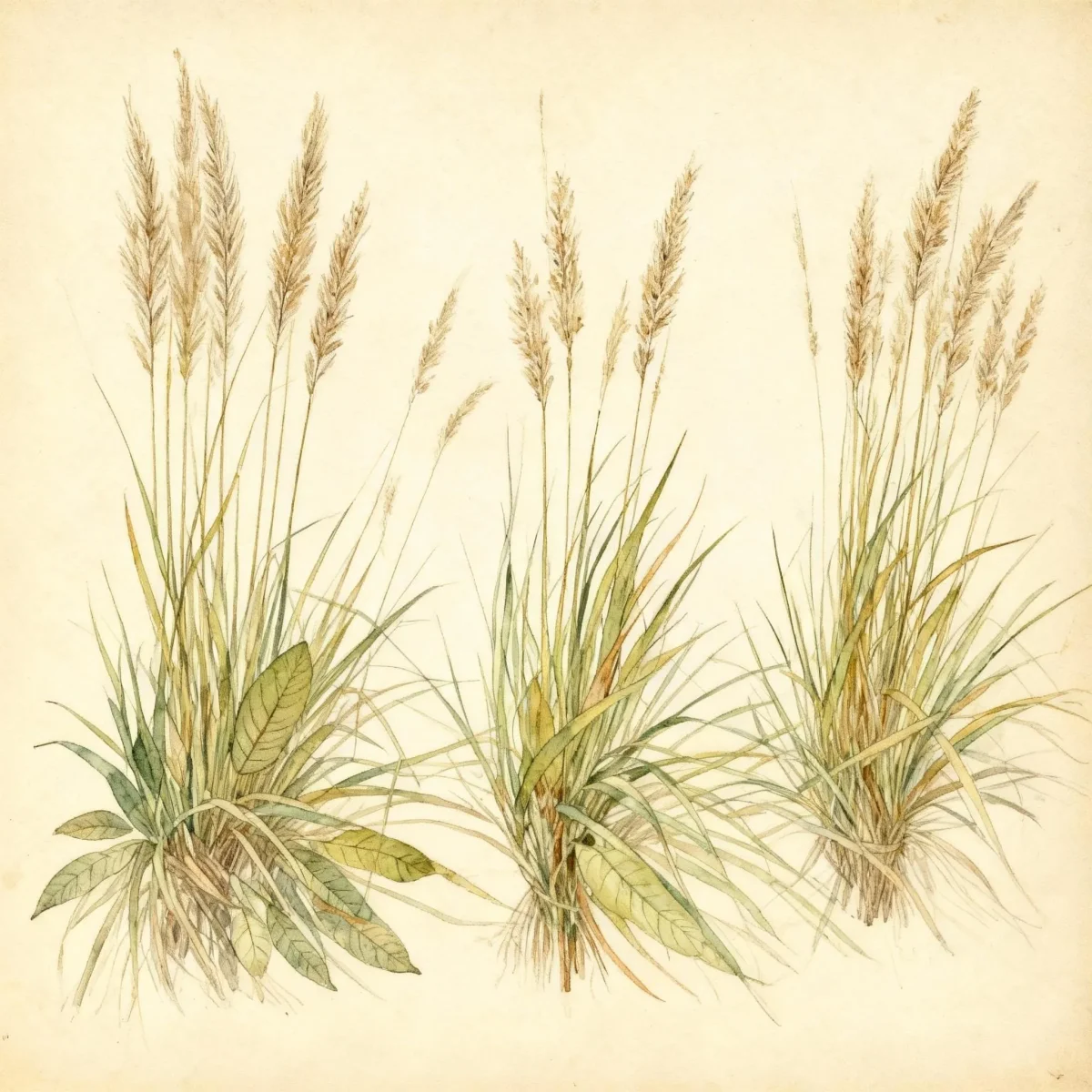
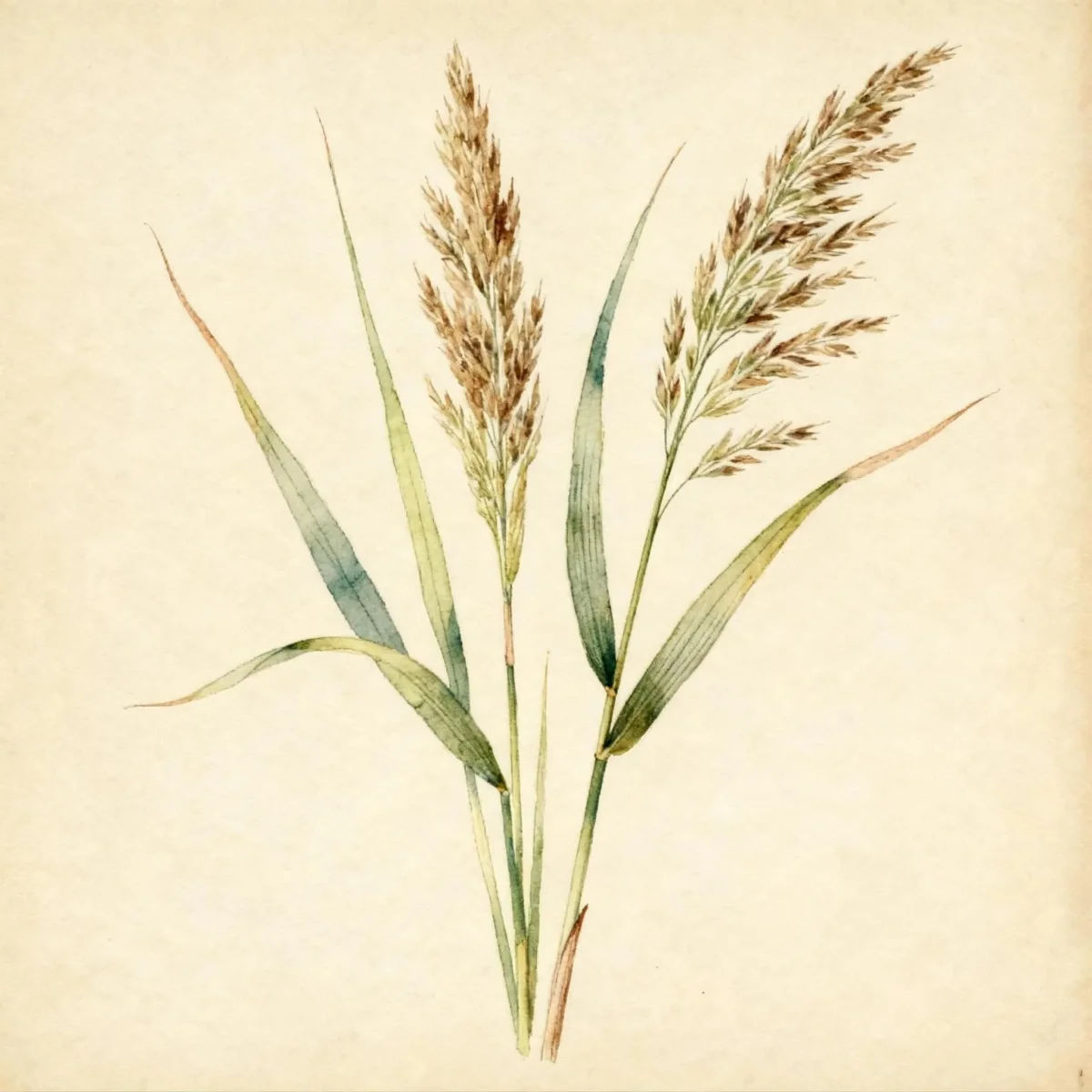
Purple moor grass (Molinia caerulea subsp. arundinacea 'Skyracer')
Striking Molinia caerulea subsp. arundinacea 'Skyracer' offers dramatic vertical form, reaching 8ft with attractive golden fall color. Low maintenance Purple moor grass.
Scroll down to discover growing tips, care requirements, companion plants, and more
Complete Plant Information
Overview
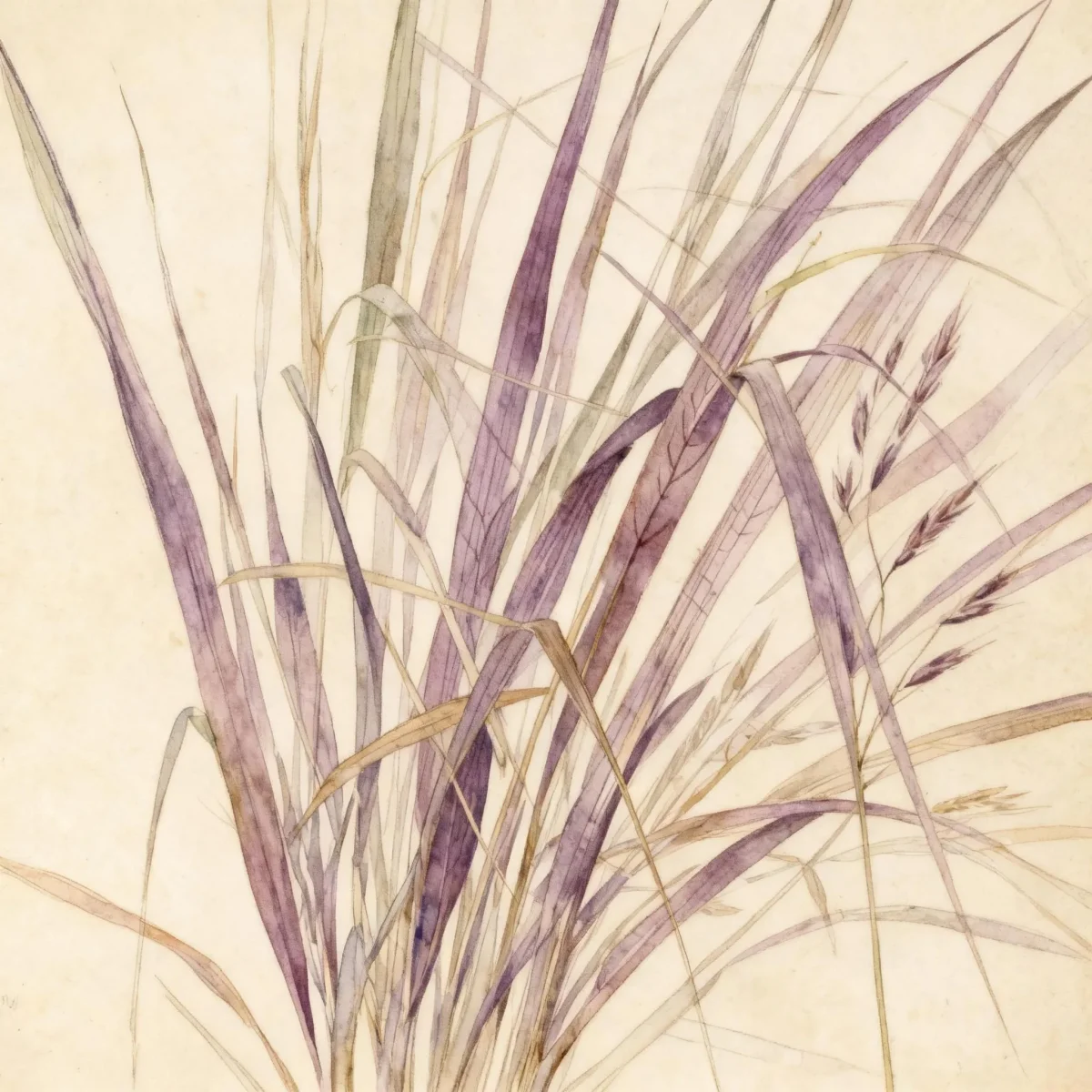
Molinia caerulea subsp. arundinacea ‘Skyracer’ is a premier choice for gardeners seeking dramatic vertical emphasis in the landscape. This cultivar of purple moor grass distinguishes itself with incredibly tall, narrow flower stalks that soar up to 8 feet, creating an airy, architectural presence. Its dense clump of foliage provides structure throughout the warm season before transitioning into brilliant golden hues.
This variety offers excellent performance as a specimen, accent, or in naturalized drifts, thriving where consistent moisture is present. While it is generally low maintenance, recognizing its preference for cool summers ensures the best flowering display. The species, often known as purple moor grass, is native to moist areas in Europe and Asia, lending it resilience in wetter garden conditions.
The structural height of Molinia caerulea subsp. arundinacea ‘Skyracer’ makes it unparalleled for adding “see-through” texture to borders, allowing views to structures or other plantings beyond the grass clump. Embrace its slow growth initially to enjoy this spectacular warm-season highlight.
Fast Facts
- Plant Family: Poaceae
- Plant Type: Ornamental grass
- Hardiness Zones: USDA Zones 5-8
- Size at Maturity:
- Height: 6-8 ft
- Spread: 2-4 ft
- Bloom Time: July to September
- Bloom Description: Purple
- Sun Exposure: Full sun
- Water Needs: Medium to wet
- Maintenance Level: Low
How to Grow
Planting Molinia caerulea subsp. arundinacea ‘Skyracer’ is best done in the spring after the threat of frost has passed, allowing time for establishment before the heat of summer. This grass performs best in average, medium to wet, well-drained soil and demands full sun for optimal vigor and flowering, especially when aiming for the maximum 8-foot height. While it tolerates light shade, expect reduced stature and less prolific blooming if placed in too deep of shade.
Water consistently, ensuring the soil remains moist, particularly during dry spells, as purple moor grass prefers consistently moist conditions. Fertilization is rarely necessary; overly rich soil can sometimes lead to floppy growth. While its performance shines in cool summer climates, deep watering during hot spells can mitigate stress in warmer regions, though flowering might still decrease.
The maintenance level for Molinia caerulea subsp. Arundinacea ‘Skyracer’ is blessedly low. Unlike some ornamental grasses, the foliage and stalks of this purple moor grass tend to break down and collapse by late fall, offering minimal persistent winter interest. Therefore, prune aggressively by cutting all surviving foliage back to the ground in early spring, ideally in late February or March, just before new growth emerges. Be patient, as this is a slow-growing grass; avoid dividing small starters unless you are prepared to wait several seasons for a substantial specimen to develop.
Landscape Uses
The versatile nature of purple moor grass makes it an excellent vertical accent. Molinia caerulea subsp. arundinacea ‘Skyracer’ is highly recommended for incorporating strong sculptural forms in borders, where its height provides necessary background structure without being overly dense due to its fine texture. Use it as a specimen plant to draw the eye upward or mass it for a meadow-like effect.
Due to its cultural affinity for moisture, this grass excels in rain gardens or alongside ponds and water features where other border subjects might struggle. Furthermore, its tendency to turn an excellent golden yellow in the fall, as noted in its general description, provides superb seasonal interest when combined with late-blooming perennials.
For a sophisticated layered look in borders, place shorter blooming perennials that appreciate similar moisture levels in front. Remember its see-through quality, which allows you to position slightly taller perennials near the front of the border without completely obscuring them once the flower stalks of the purple moor grass rise above.
Standout Features
Flower Qualities
- Showy
Noteworthy Characteristics
Molina caerulea, commonly known as purple moor grass, is a dense, upright, warm season perennial grass featuring flat narrow leaf blades (to 18” long by 1/4” wide) which grow in a dense clump from 1-2’ tall. Erect to arching slender flower stalks topped by narrow flower panicles rise above the foliage clump to 3’ tall in mid-summer. Slender flowers are green and white with purplish tones, but somewhat rapidly fade to beige and brown. Leaf blades emerge green in spring. As the seed sets after flowering, the inflorescences, flower stalks and foliage turn an attractive golden yellow to orange yellow, eventually fading to a light tan. Species plants are native to moist places, including moors, fens, heaths, bogs and lake shores, in Europe and Asia. Plants have escaped gardens and naturalized in fields and along roadsides in parts of Quebec, Ontario, New England, New York, Pennsylvania and Oregon. Molina caerulea is separated into two subspecies, namely, subsp. Caerulea (moor grass with grass clump to 18” and flower stalks to 2-3’ tall) and subsp. Arundinacea (tall moor grass with mounded basal grass clump to 3’ tall but with flower stalks exploding upward to 6-8’ tall).Genus name honors Juan Ignacio Molina (1740-1829), Jesuit historian, writer on the civil and natural history of Chile.Specific epithet from Latin means dark blue.Common name of purple moor grass is in reference to the relatively small tinges of purple coloring seen on plant flowers.‘Skyracer’ is a narrow upright cultivar that produces a foliage clump to 2 1/2’ tall from which rise tall flower stalks in mid-summer to 7-8’ tall. Flower stalks quiver in the slightest breeze. Flower panicles and foliage turn a rich buttery yellow (some say golden orange) in fall.
Tolerances
- Erosion
- Wet Soil
- Black Walnut
- Air Pollution
Potential Problems
This grass is highly favored by gardeners because it generally presents no serious insect or disease problems, making it reliably tough in the garden. The primary challenge is patience; Molinia caerulea subsp. arundinacea ‘Skyracer’ is a slow-growing grass, meaning new divisions will require several years to achieve their magnificent mature height and presence.
To ensure successful establishment, avoid planting very small starter divisions unless you have the patience for a long wait. Once established, its cultural needs are straightforward; providing consistent moisture and full sun prevents stress which could otherwise hinder its slow accumulation of size and bloom density.
Frequently Asked Questions
What hardiness zones is Purple moor grass suitable for?
Molinia caerulea subsp. arundinacea ‘Skyracer’ is reliably hardy in USDA Zones 5 through 8.
How large does Molinia caerulea subsp. Arundinacea ‘Skyracer’ grow?
This cultivar typically reaches a mature height between 6 to 8 feet tall, with a relatively narrow spread of 2 to 4 feet.
What sun exposure does Molinia caerulea subsp. arundinacea ‘Skyracer’ need?
For the best height and most prolific flowering, this purple moor grass requires full sun exposure.
When does Purple moor grass bloom?
The bloom time for this ornamental grass is generally from July through September, producing distinctive purple-tinged flowers that fade to beige.
Conclusion
Molinia caerulea subsp. arundinacea ‘Skyracer’ stands out as a low-maintenance, high-impact ornamental grass, celebrated for its powerful vertical structure and superb golden fall color. Incorporating this spectacular purple moor grass into your design provides crucial structural height and texture throughout the growing season. Before purchasing, confirm that your planting site falls within USDA Zones 5-8 and offers the required full sun and medium to wet soil consistency.
Companion Planting
When selecting companions for Molinia caerulea subsp. arundinacea ‘Skyracer’, prioritize plants that share its preference for medium to wet soil and sunny conditions. Astilbe, Joe Pye Weed (Eutrochium species), and large ornamental rushes thrive in similar moist environments and offer contrasting textures. Consider utilizing plants with denser habits at the base, such as hostas (in partial shade areas) or Siberian Iris, to complement the airy, see-through lower structure of the purple moor grass.
For a striking contrast in the fall, pair this grass with plants that hold dark berry structures or deep, rich foliage colors that oppose the grass’s buttery yellow transformation. This synergy enhances the overall drama of the garden border throughout late summer and into autumn.
Seasonal Care Calendar
Spring cleanup is the most critical task for this grass. As noted in its culture section, wait until late February or March, just before new growth begins, to use shears or a string trimmer to cut all old foliage down to the ground. This tidiness promotes a clean start for the developing green blades. During the summer, monitor water needs, especially in hot areas; ensure consistent moisture to support the extreme vertical growth of the flower stalks.
In the fall, resist the urge to prune. Although the stalks fall over, allow them to remain standing to enjoy the attractive golden yellow foliage color and the lingering winter texture they provide. Winter protection is generally unnecessary as the grass is quite hardy, relying on its late spring pruning routine to prepare it for the next season.