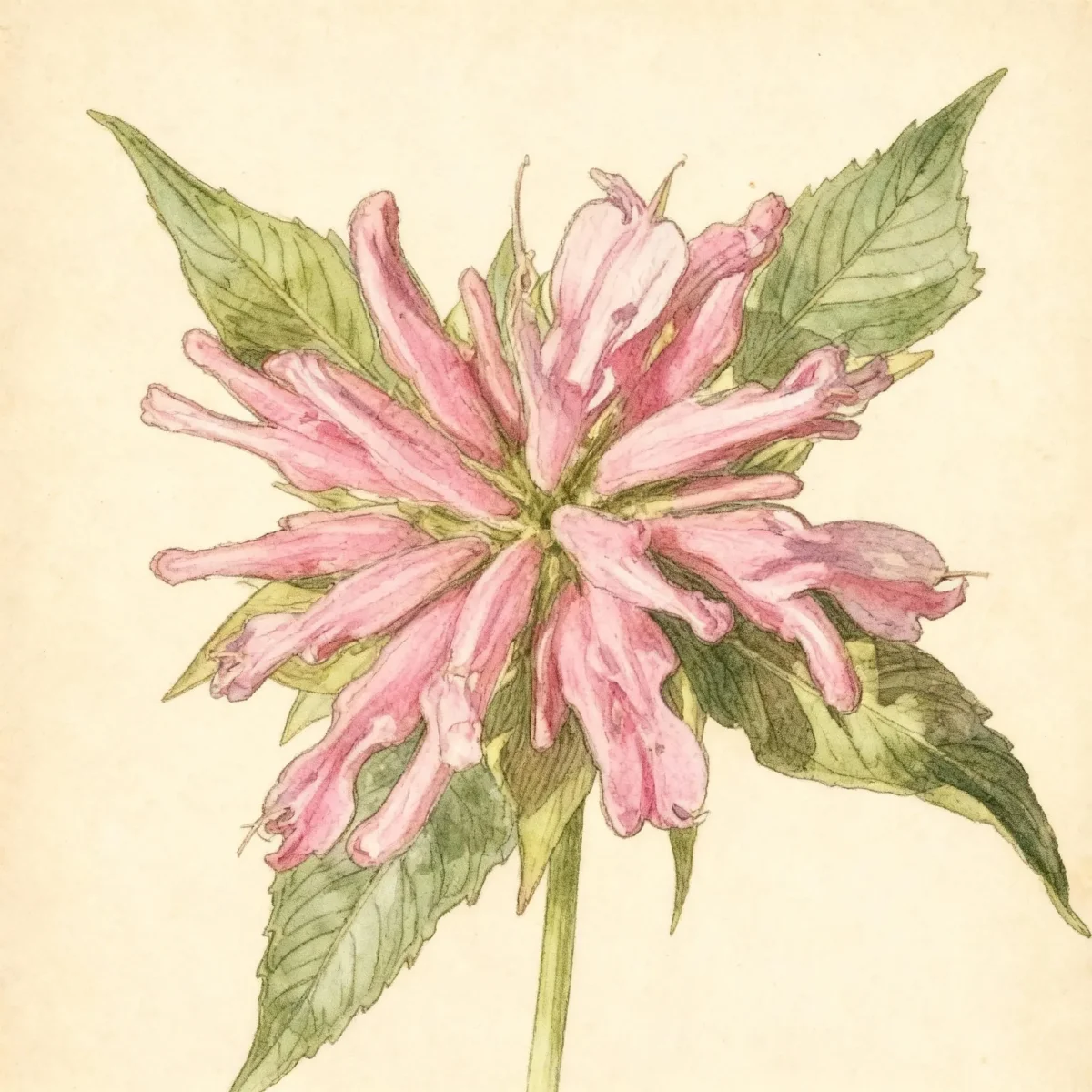
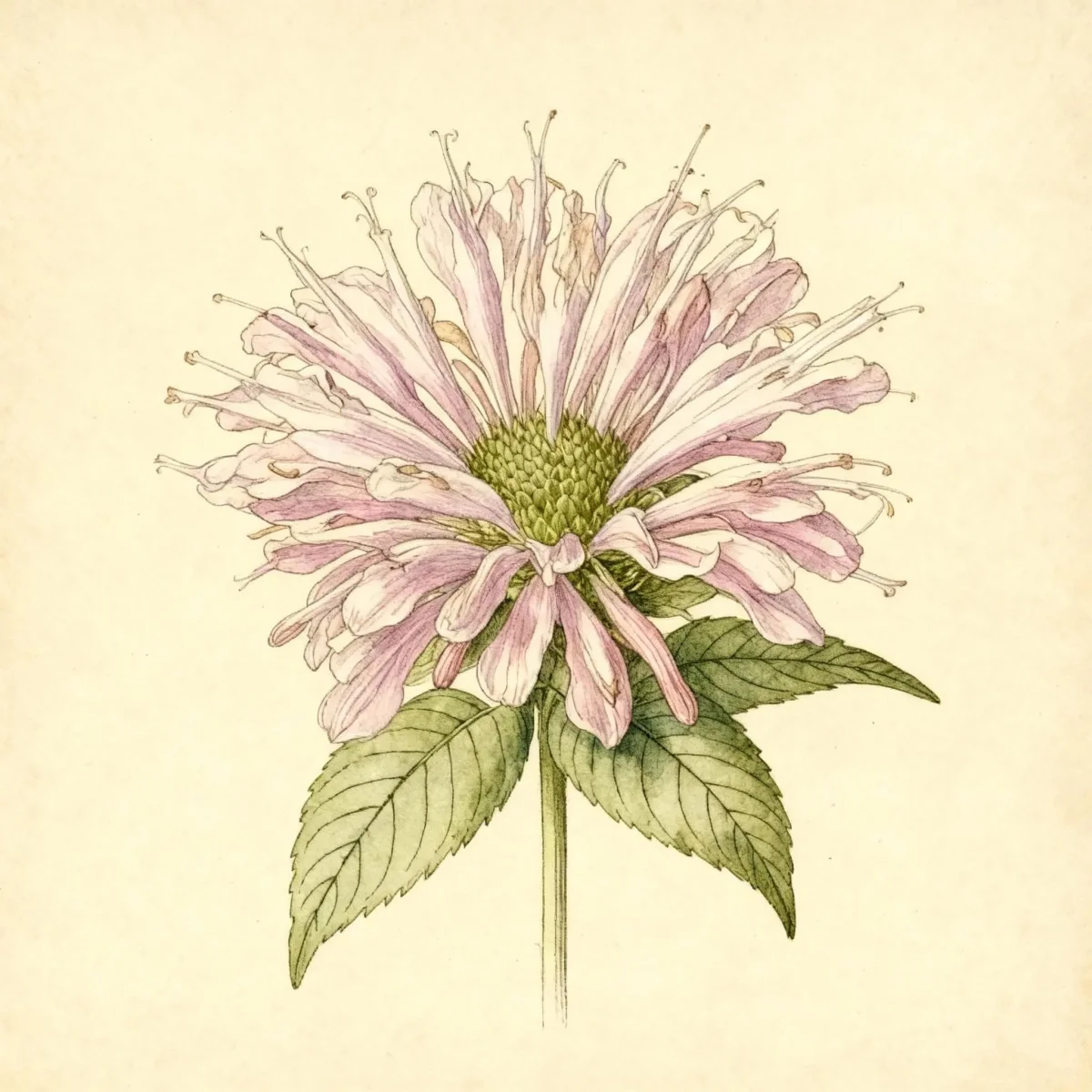
Bee balm (Monarda 'Mahogany')
Monarda 'Mahogany' Bee balm offers deep wine red blooms June-August, thriving in moist soils, perfect for attracting hummingbirds.
Scroll down to discover growing tips, care requirements, companion plants, and more
Complete Plant Information
Overview
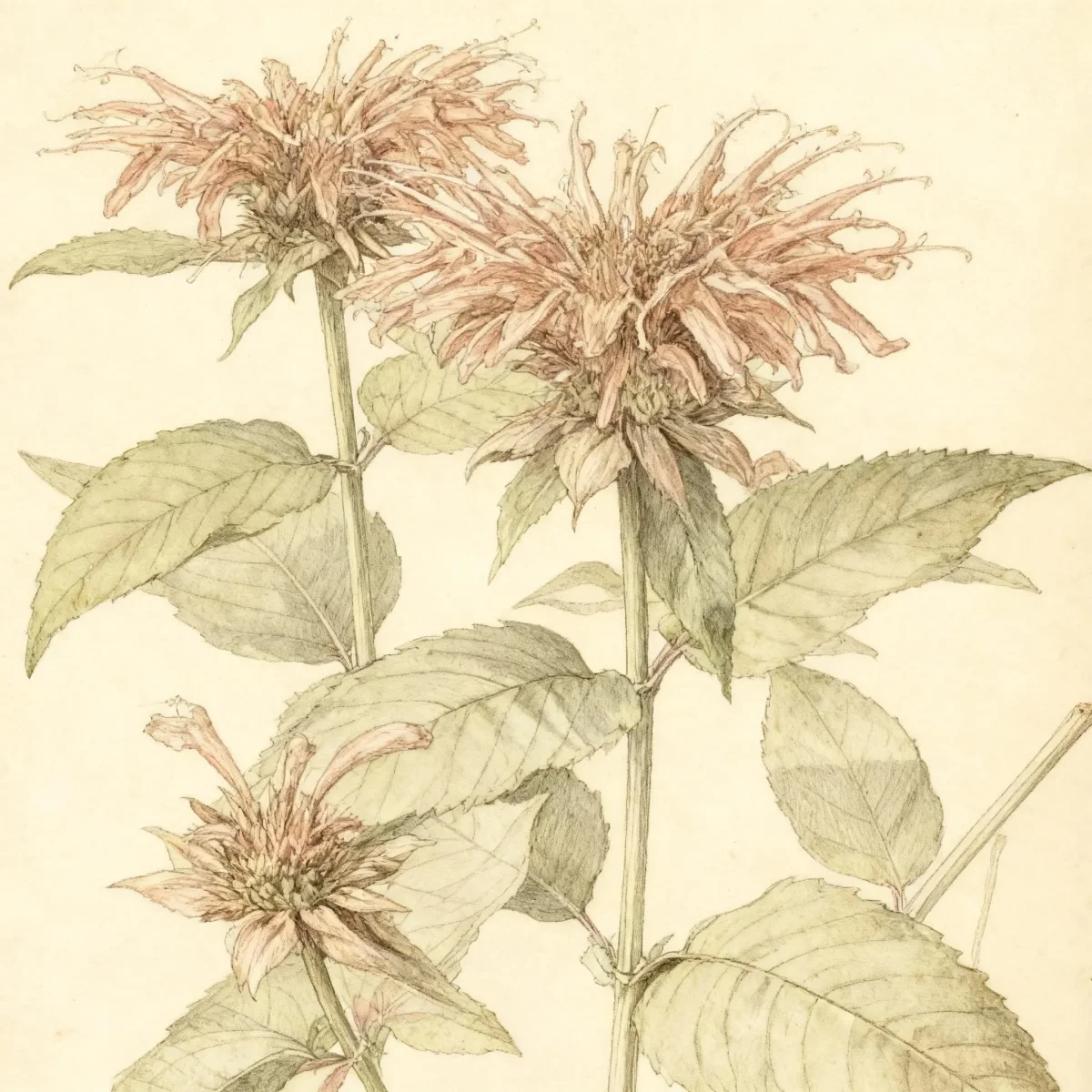
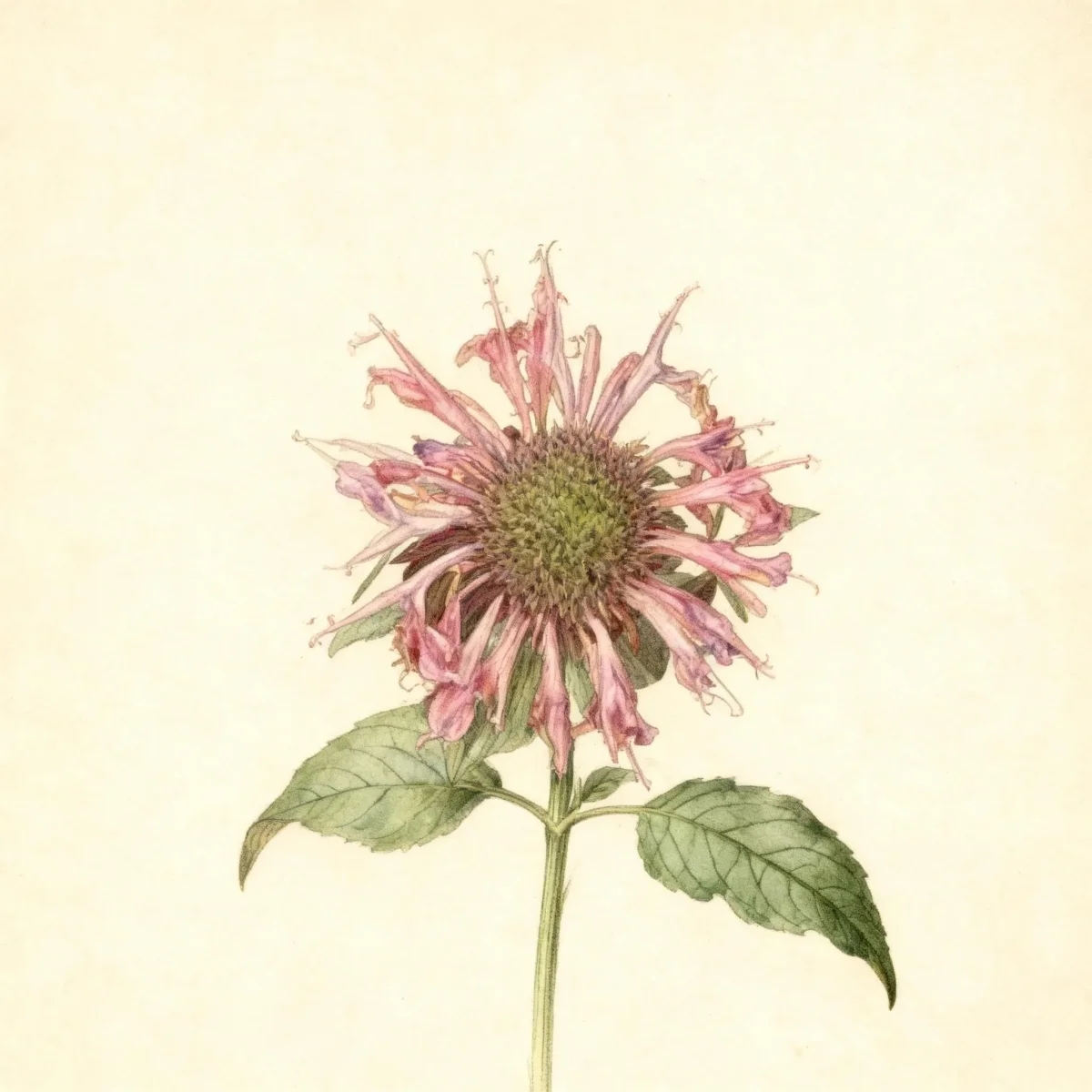
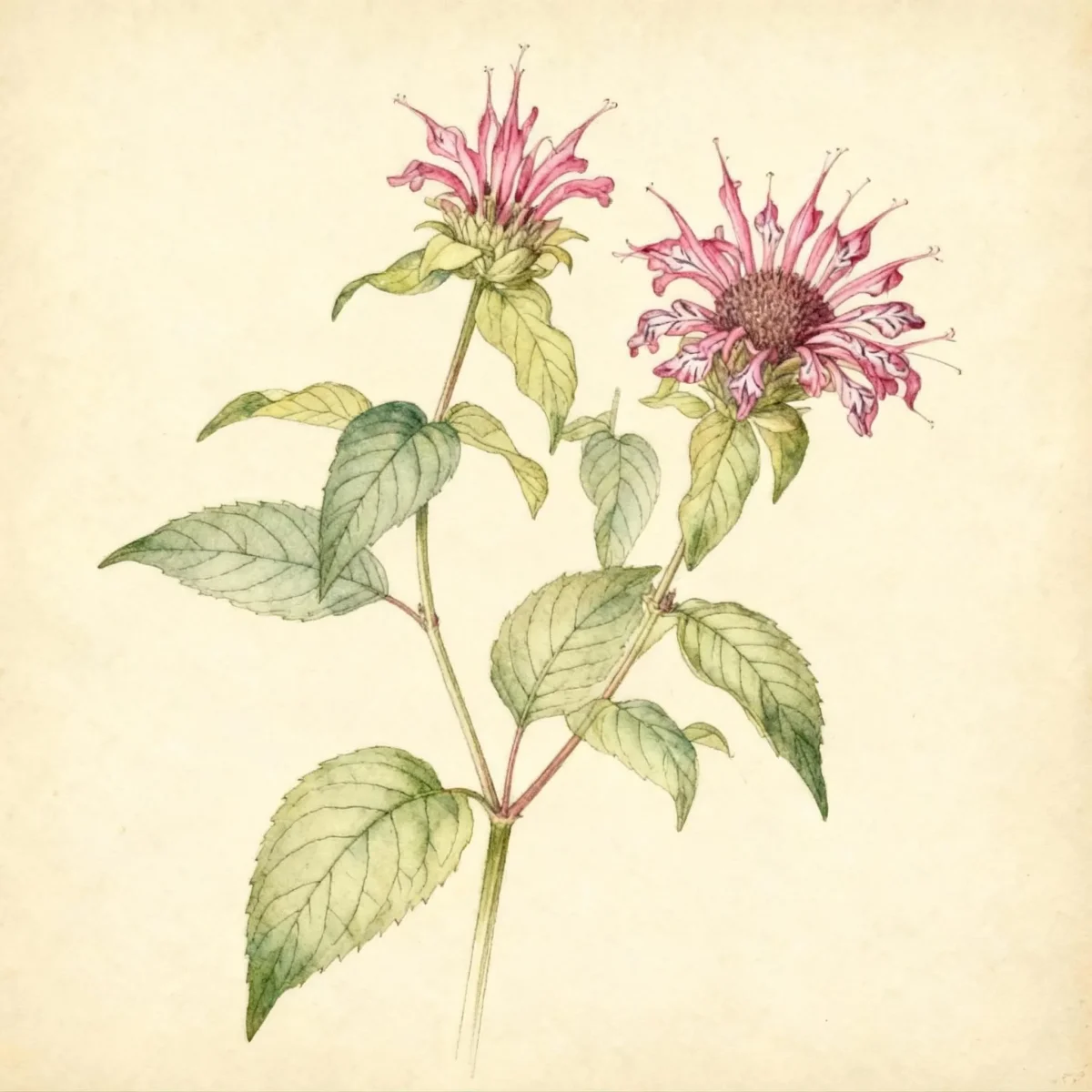
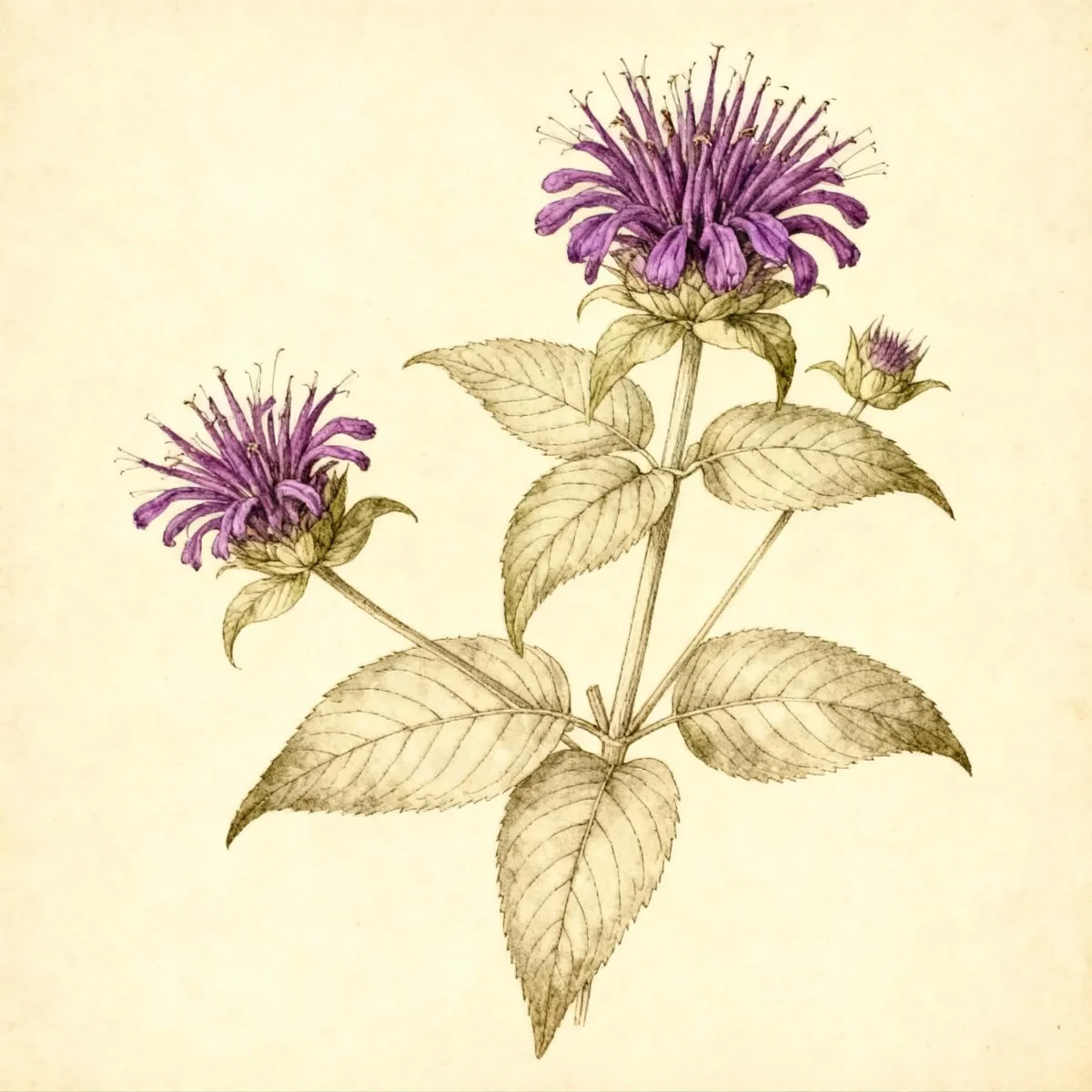
Monarda ‘Mahogany’, commonly known as Bee balm, is a highly valued herbaceous perennial cherished for its dramatic summer color and significant wildlife appeal. This cultivar produces dense, globular terminal heads of deep wine red flowers, creating a striking focal point in the garden from June into August. As a member of the Lamiaceae family, Monarda ‘Mahogany’ offers strongly aromatic foliage and is indispensable for attracting hummingbirds, butterflies, and bees throughout the season.
This easy-to-grow perennial generally reaches 2 to 3 feet high, making it a substantial addition to borders or naturalized areas. While most Monarda hybrids prefer consistently moist to wet, rich soils, the reliable performance and rich coloring of Monarda ‘Mahogany’ compensate for its moderate maintenance needs. Gardeners should ensure good air circulation to maximize plant health while enjoying its ability to transform a perennial border into a buzzing ecosystem.
The genus name honors the botanist Nicholas Monardes, though many gardeners recognize it simply as Bee balm due to the traditional use of its leaves for soothing bee stings. Planting Monarda ‘Mahogany’ ensures a long-lasting display of color and provides essential nectar sources for local pollinators, making it a cornerstone of wildlife-friendly landscaping.
Fast Facts
- Plant Family: Lamiaceae
- Plant Type: Herbaceous perennial
- Hardiness Zones: USDA Zones 4-9
- Size at Maturity:
- Height: 2-3 ft
- Spread: 1-2 ft
- Bloom Time: June to August
- Bloom Description: Wine red
- Sun Exposure: Full sun to part shade
- Water Needs: Medium to wet
- Maintenance Level: Medium
How to Grow
Planting Monarda ‘Mahogany’ is best achieved in spring or early fall, ensuring the soil is deeply rich and well-amended with humus. This variety thrives in average conditions but prefers moisture retention, making it suitable for rain gardens or areas near ponds where soil never wholly dries out. While most hybrids flourish in full sun, providing afternoon shade in very hot summer climates helps prevent scorching and reduces stress on the plant.
Routine care centers around consistent moisture management; never allow the soil to dry out completely, as this increases susceptibility to common fungal issues. Maintenance is rated as medium primarily because spent flower heads should be deadheaded to maintain neatness and potentially encourage a longer blooming cycle. Furthermore, every few years, clumps benefit from division to prevent overcrowding, which also helps manage the slow, rhizomatous spreading habits of Bee balm.
To promote vigorous growth and maximize disease resistance, ensure the planting location has excellent air circulation. This vital step helps mitigate the risk of powdery mildew, which can plague some Monarda varieties. While Monarda ‘Mahogany’ shows good resilience, maintaining vigilance regarding foliage health through proper spacing and adequate moisture is key.
Landscape Uses
The vertical structure and vibrant color palette of Monarda ‘Mahogany’ make it exceptionally versatile in landscape design. Its suggested uses include planting within perennial borders, lending dramatic height and texture alongside shorter summer bloomers. It integrates seamlessly into cottage gardens, where its slightly wild appearance complements traditional plantings, or it can be intentionally used in herb gardens, as the aromatic leaves are suitable for teas and salads.
For ecologically focused designs, Monarda ‘Mahogany’ is excellent for naturalizing when planted in larger drifts, creating drifts of color that lure pollinators. Furthermore, due to its requirement for medium to wet soil moisture, it is highly effective when strategically placed along the edges of streams, ponds, or in designated rain garden locations. The sturdy stems and unique flower heads also make this Bee balm a good option for cutting gardens, providing long-lasting material for summer arrangements.
Standout Features
Flower Qualities
- Showy
- Good Cut
Noteworthy Characteristics
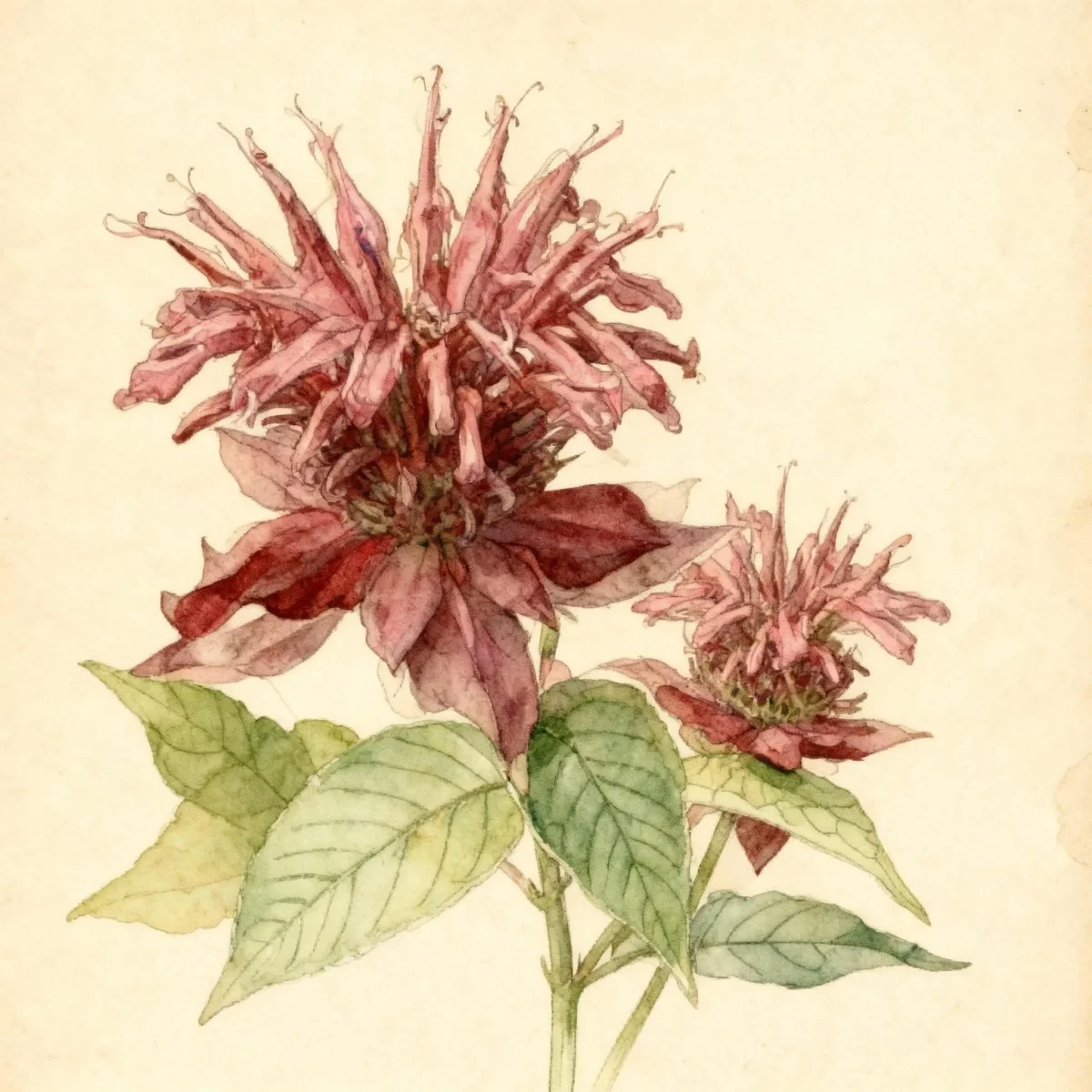
Monarda is a genus widely recognized for flowering from mid-summer to early fall, serving as a critical nectar source for bees and hummingbirds across North American prairies and woodlands. The ‘Mahogany’ cultivar stands out with its signature deep wine red, two-lipped flowers arranged in dense, globular heads atop tall, square stems, further accented by showy, red-tinged bracts. Beyond its aesthetic appeal, the toothed, aromatic leaves of this Bee balm can be harvested for use in teas and salads, adding a functional layer to this garden favorite.
Tolerances
- Deer
- Wet Soil
Potential Problems
While many Monardas struggle with powdery mildew and occasional rust, Monarda ‘Mahogany’ is reported to exhibit resistance to powdery mildew, which is a significant advantage. Susceptibility to any foliar disease increases when plants are stressed, especially if they are grown in dry soils or allowed to dry out between waterings. To prevent potential issues, ensure plants are spaced adequately to promote good air circulation around the foliage, and maintain consistent moisture levels as dictated by their medium to wet needs.
Frequently Asked Questions
What hardiness zones is Bee balm suitable for?
Monarda ‘Mahogany’ is robust and well-suited for gardeners in USDA Hardiness Zones 4 through 9.
How large does Monarda ‘Mahogany’ grow?
This herbaceous perennial typically matures to a height between 2 and 3 feet, achieving a spread of 1 to 2 feet wide.
What sun exposure does this Bee balm need?
For best flowering and health, Monarda ‘Mahogany’ should receive full sun, though it tolerates partial shade, especially during the hottest parts of the afternoon.
When does Monarda ‘Mahogany’ bloom?
This beautiful plant produces its wine red flowers during the peak of summer, specifically from June through August.
Conclusion
Monarda ‘Mahogany’ is an essential summer bloomer, delivering rich, wine red color and attracting a host of beneficial wildlife, including hummingbirds and bees. Its deer resistance and tolerance for wet soil make this Bee balm a forgiving and valuable structural element in the garden. Before planting, confirm that your chosen location offers the necessary medium to wet moisture levels to ensure your Monarda ‘Mahogany’ thrives through the season.
Companion Planting
When integrating Monarda ‘Mahogany’ into your garden scheme, selecting companions that share similar sun and moisture requirements will ensure optimal health across the planting. Excellent partners for this Bee balm include plants that appreciate moist conditions, such as Siberian Iris, Astilbe, or various ornamental grasses that tolerate wet feet. Because Monarda attracts hummingbirds vigorously, consider pairing it with late-season bloomers like Sedum ‘Autumn Joy’ or tall Rudbeckia varieties to create a succession of nectar sources throughout summer and into fall.
Wildlife Benefits
The structure of the tubular, deep wine red flowers on Monarda ‘Mahogany’ is perfectly engineered for long-tongued pollinators, making it a magnet for hummingbirds eager to sample the nectar. Butterflies utilize the dense flower heads as landing pads while feeding, providing fantastic viewing opportunities for gardeners. Beyond direct feeding, the foliage and structure offer incidental cover and habitat for smaller garden creatures, reinforcing the role of this Bee balm as a cornerstone plant in any wildlife or pollinator garden design.