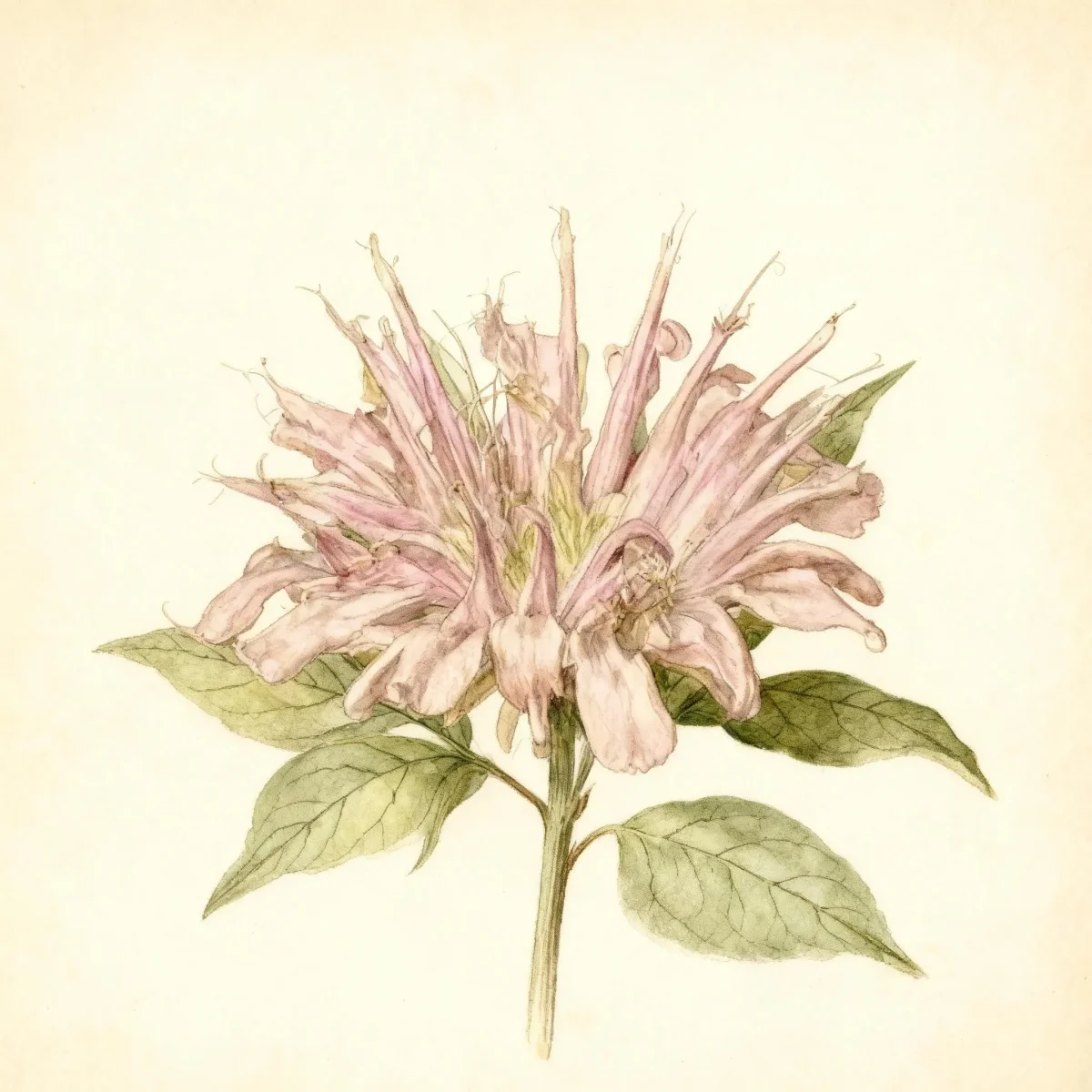
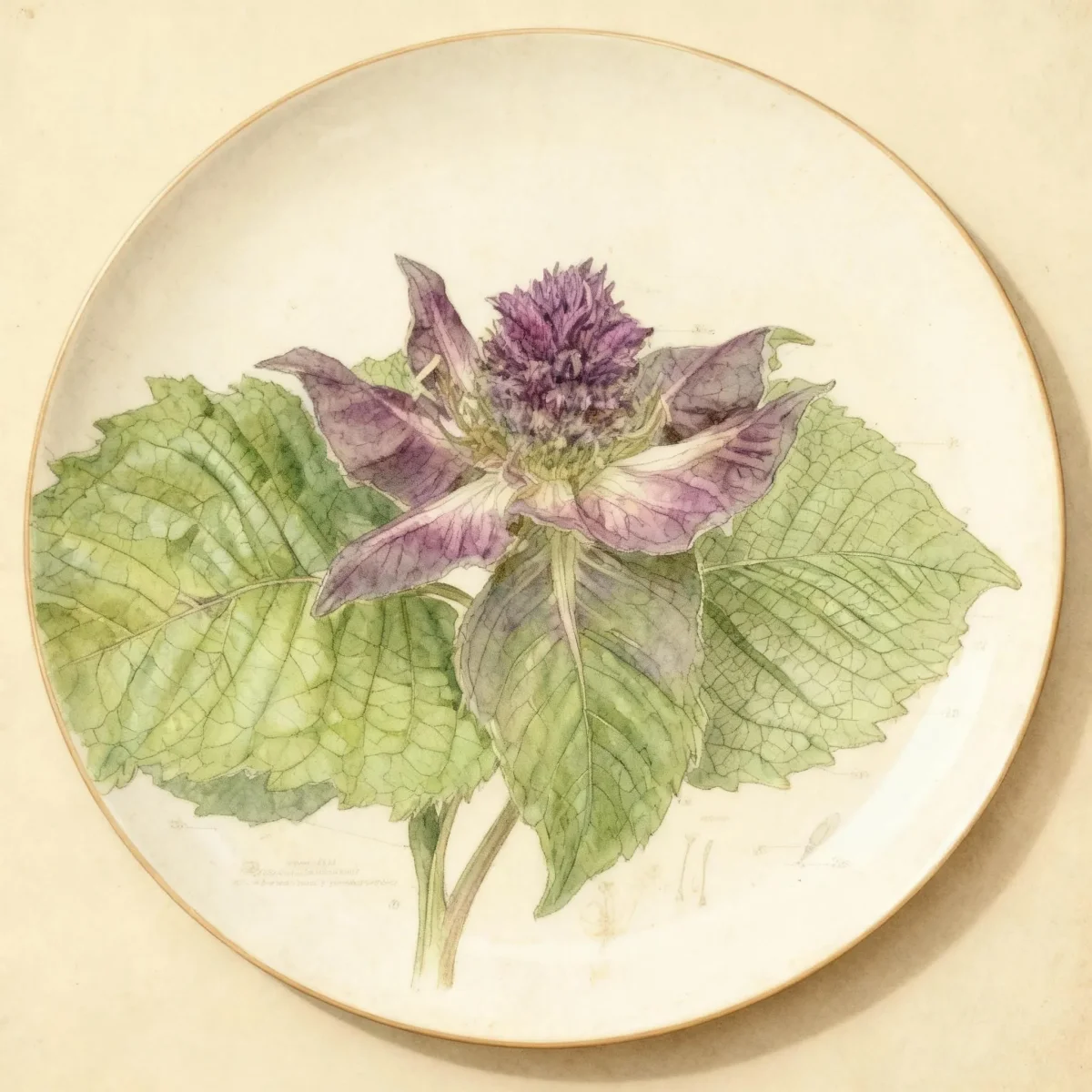
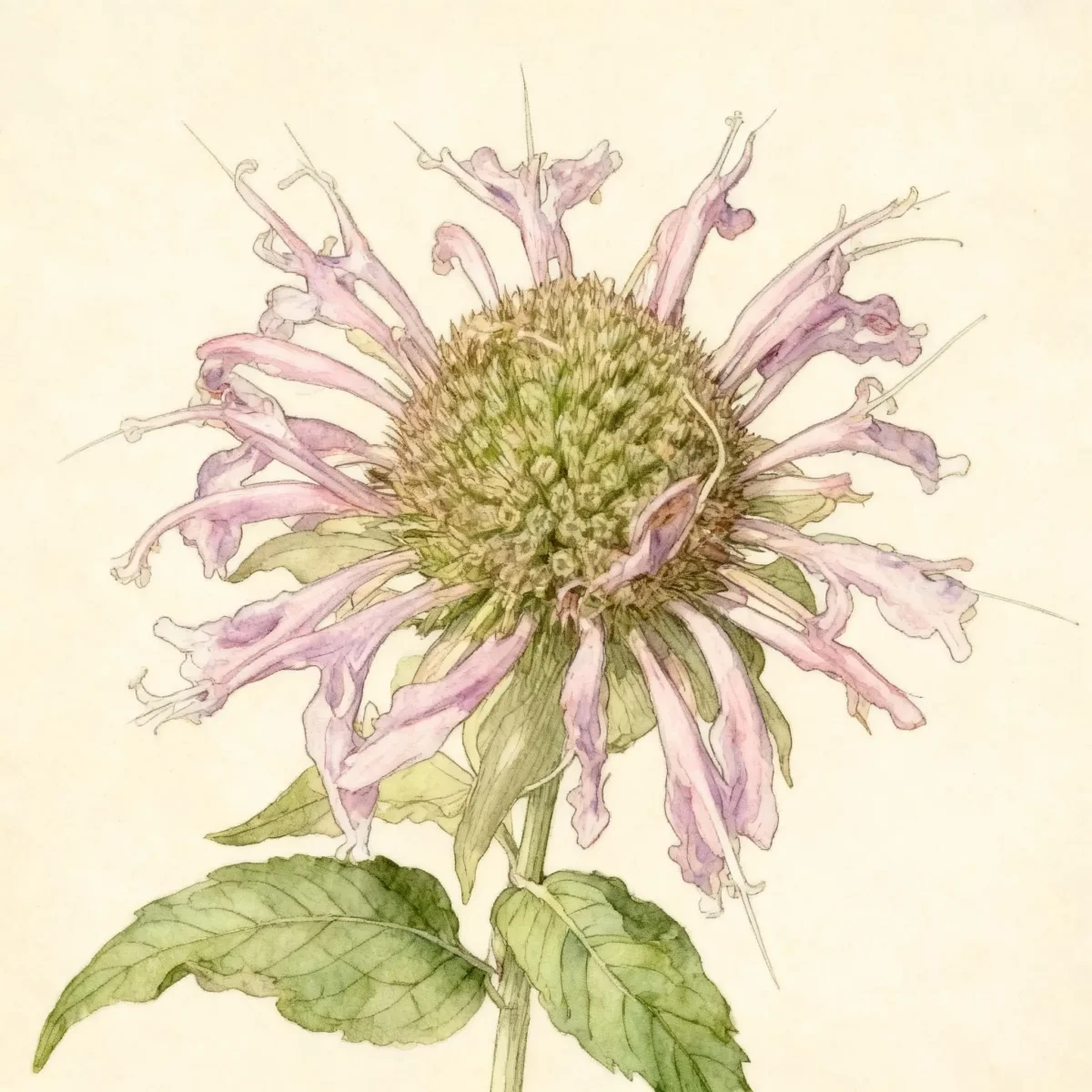
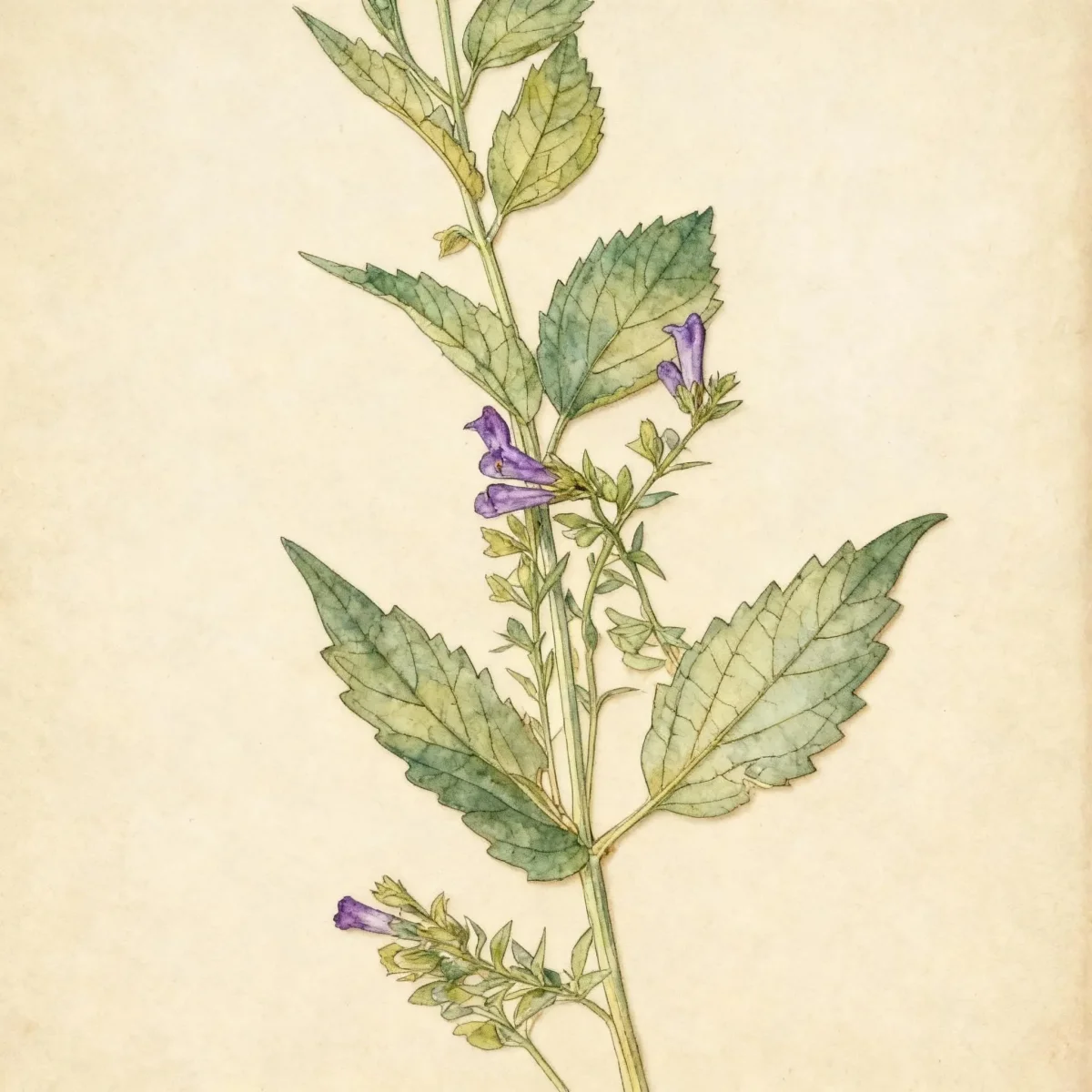
Wild bergamot (Monarda 'Petite Delight')
Discover Monarda 'Petite Delight', a compact Wild bergamot known for lavender-rose blooms and low care. Perfect for moist areas.
Scroll down to discover growing tips, care requirements, companion plants, and more
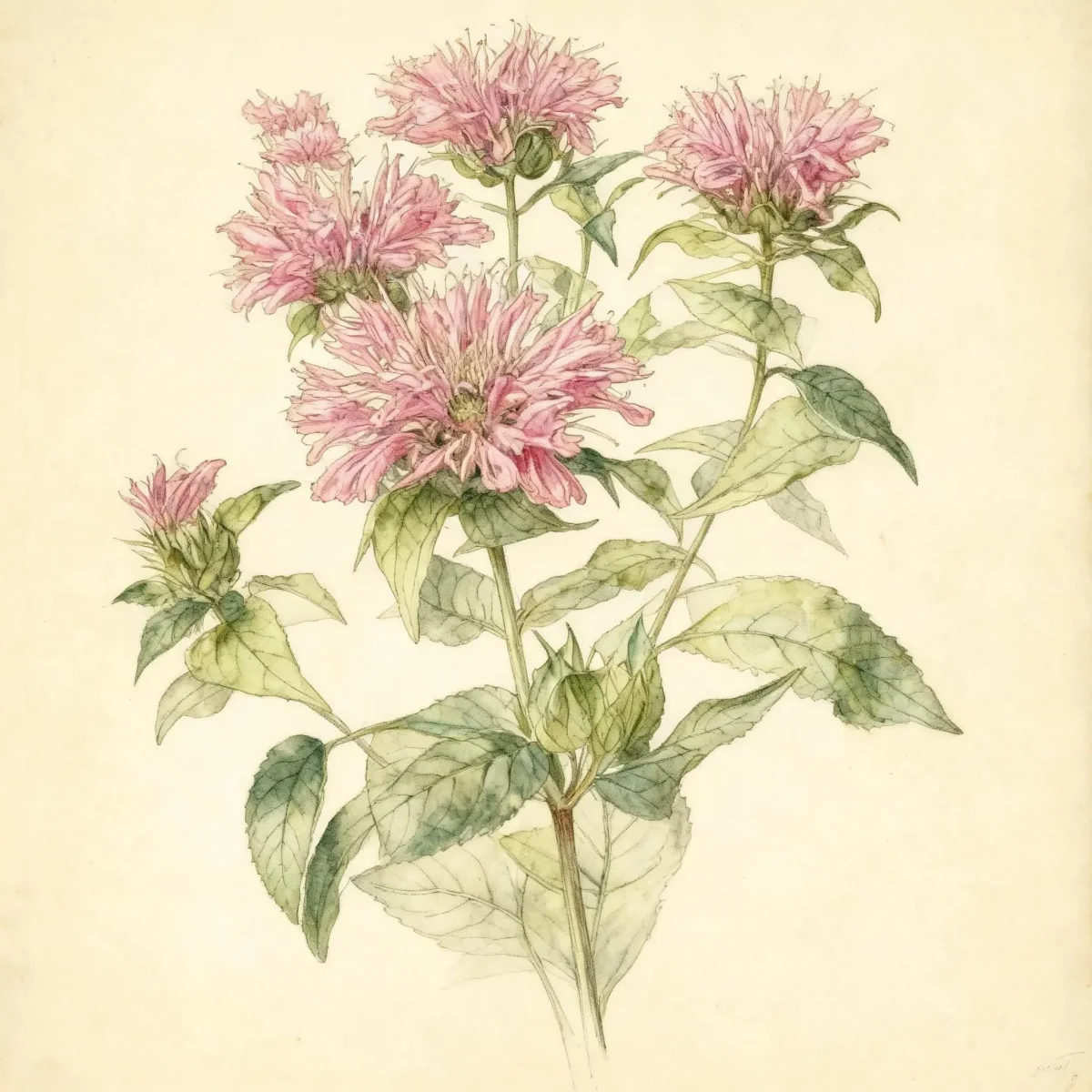
Complete Plant Information
Overview
Monarda ‘Petite Delight’ is a celebrated herbaceous perennial, offering vibrant color and significant appeal to pollinators in the summer garden. This specific cultivar of Wild bergamot provides a compact stature, making it far more manageable than some of its larger relatives while retaining the genus’s famous aromatic foliage. Gardeners prize this plant for its reliability, its attraction to bees and hummingbirds, and its tolerance for moist conditions.
As a low-maintenance choice, Monarda ‘Petite Delight’ thrives in average, moisture-retentive soils, requiring full sun to partial shade to produce its best display. It bridges the gap between utility and beauty, providing flowers perfect for cottage gardens while supporting local ecosystems. Its lush, dark green foliage offers sensory appeal long after the prolific lavender-rose blooms fade.
This reliable perennial slowly spreads by rhizomes, creating pleasing clumps ideal for massing, naturalizing, or defining the edges of a rain garden. For gardeners looking for summer-long performance without demanding constant attention, Monarda ‘Petite Delight’ is an outstanding selection within the Wild bergamot lineup.
Fast Facts
- Plant Family: Lamiaceae
- Plant Type: Herbaceous perennial
- Hardiness Zones: USDA Zones 4-8
- Size at Maturity:
- Height: 1-1.5 ft
- Spread: 1-2 ft
- Bloom Time: July to August
- Bloom Description: Lavender-rose
- Sun Exposure: Full sun to part shade
- Water Needs: Medium to wet
- Maintenance Level: Low
How to Grow
Plant Monarda ‘Petite Delight’ in the spring or early fall, ideally after the risk of hard frost has passed. This Wild bergamot hybrid performs best in rich, humusy soils that retain moisture; ensure planting locations are not allowed to dry out, especially during hot weather. While it prefers consistent wetness, good air circulation is critical to preventing common fungal issues associated with the genus.
Watering requirements are medium to wet; supplemental irrigation is often necessary if planted in areas that dry quickly during drought periods. Fertilization is rarely needed if the soil structure is rich. To encourage a neat appearance and potentially prolong blooming into late summer, routinely remove spent flower heads (deadheading).
To maintain vigor and prevent overcrowding, plan to divide the clumps of Monarda ‘Petite Delight’ every three to four years, particularly as its mildly spreading rhizomes begin to crowd neighboring plants. Amending the soil or using a rich mulch can minimize the need for extensive feeding or watering adjustments throughout the season.
Landscape Uses
The compact nature of Monarda ‘Petite Delight’ makes it versatile across many landscape designs. It excels when used in perennial borders, offering vertical texture and late-season color that complements later-blooming perennials. Its preference for moisture makes it an excellent, drought-tolerant addition to rain gardens situated in sunny to partially shaded slopes or low spots where water naturally collects.
Furthermore, these plants are highly effective when planted near streams or pond edges in moist, sunny areas, creating a naturalized, meadow-like effect. For smaller spaces, the manageable size allows this Wild bergamot to thrive beautifully even in containers, provided the potting mix is kept consistently moist. Mass plantings of Monarda ‘Petite Delight’ create significant impact for pollinators.
Standout Features
Flower Qualities
- Showy
Noteworthy Characteristics
Monarda is a genus of about 15 species of annuals and herbaceous perennials from prairies and woodlands in North America. They flower from mid-summer to early fall and are loved by bees, hummingbirds and other pollinators. Genus name honors Nicholas Monardes (1493-1588), physician and botanist of Seville. ‘Petite Delight’ is a compact beebalm cultivar that typically grows to only 12-15” tall with an oval to rounded habit, featuring tubular, lavender-rose flowers borne in dense heads atop stiff square stems. This cultivar is highly attractive to bees, butterflies, and hummingbirds, boasting aromatic flowers, stems, and leaves.
Tolerances
- Deer
- Wet Soil
Potential Problems
The primary concern when growing Monarda species is susceptibility to fungal diseases, especially powdery mildew, which can become serious if plants are stressed. Rust is another occasional issue gardeners should monitor. Susceptibility to these foliar diseases increases significantly if plants are grown in dry soils or allowed to experience prolonged dry periods. Ensure Monarda ‘Petite Delight’ benefits from good air circulation by providing adequate space between plants when planting to help mitigate these risks. Fortunately, this specific cultivar reportedly exhibits good mildew resistance.
Frequently Asked Questions
What hardiness zones is Wild bergamot suitable for?
Monarda ‘Petite Delight’ is hardy and reliably perennial in USDA Zones 4 through 8.
How large does Monarda ‘Petite Delight’ grow?
This compact cultivar generally reaches a mature height between 1 and 1.5 feet tall, spreading to a width of 1 to 2 feet.
What sun exposure does Wild bergamot need?
For optimal flowering and health, Monarda ‘Petite Delight’ prefers full sun but will tolerate light or partial shade, especially in the hottest climates.
When does Monarda ‘Petite Delight’ bloom?
This variety displays its attractive lavender-rose blooms primarily during the peak summer months, typically from July through August.
Conclusion
The Monarda ‘Petite Delight’ cultivar successfully marries the incredible ecological value of Wild bergamot with a more restrained, manageable size perfect for modern gardens. Its low maintenance needs and proven resistance to deer make it a garden staple that actively supports hummingbirds and butterflies. Before planting, verify that your chosen location offers the consistent moisture that Monarda ‘Petite Delight’ requires throughout the growing season.
Wildlife Benefits
As a member of the Monarda genus—commonly known as beebalm—this plant is a genuine magnet for nectar feeders. Its tubular flowers are perfectly shaped for quick access by long-tongued pollinators. Planting Monarda ‘Petite Delight’ guarantees a reliable mid-summer buffet for native bees, honeybees, and hummingbirds, making it a cornerstone species for any pollinator corridor.
Propagation Tips
While Monarda ‘Petite Delight’ slowly spreads via rhizomes, allowing natural division to occur over time, propagation by division is the easiest way to increase your stock or rejuvenate old clumps. Every 3-4 years, dig up sections of established plants in early spring or fall. Cut back woody or unhealthy outer sections and replant the healthy, vigorous outsides immediately into prepared soil pockets. This process helps control its mildly spreading nature while ensuring healthy new plants without waiting for seed maturity.