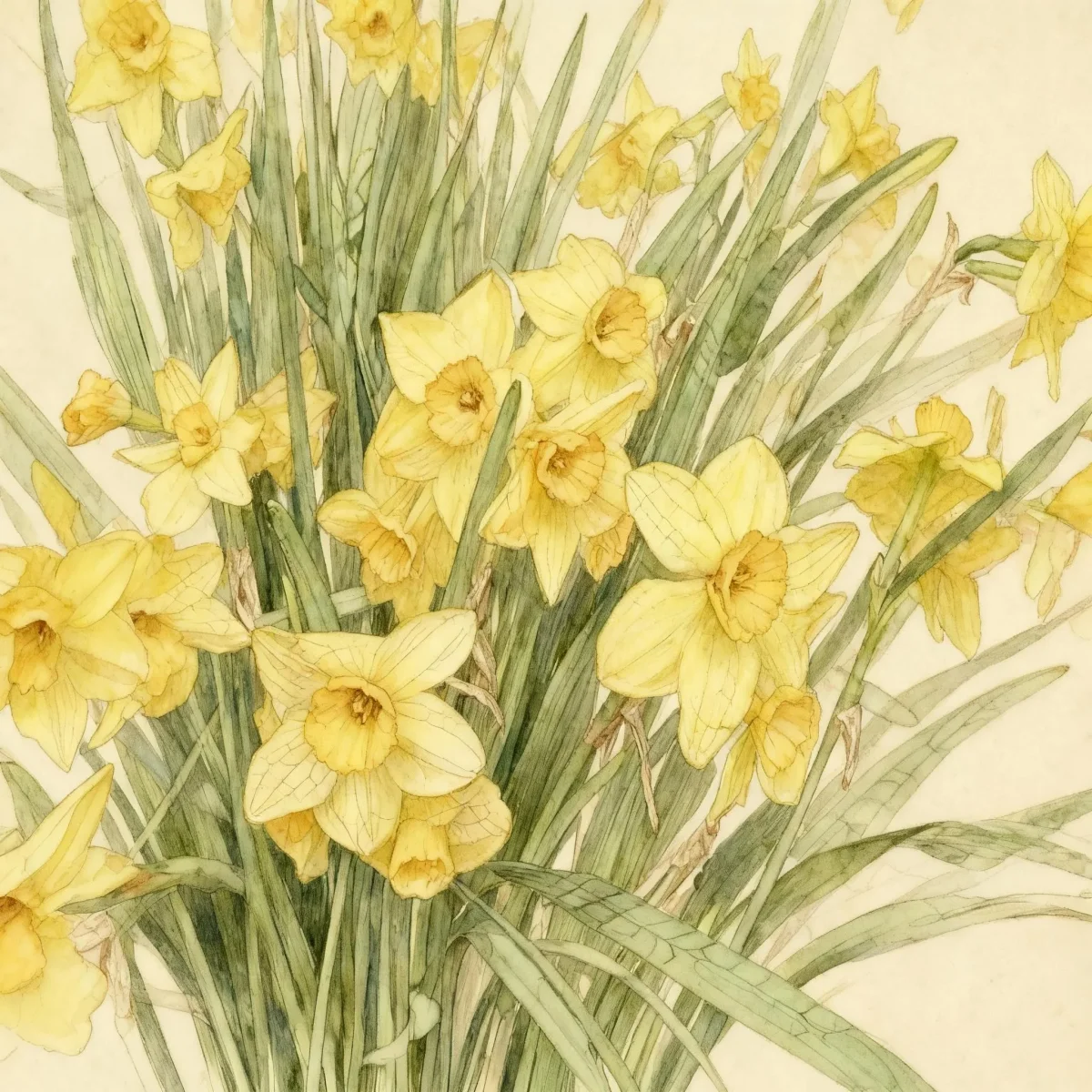
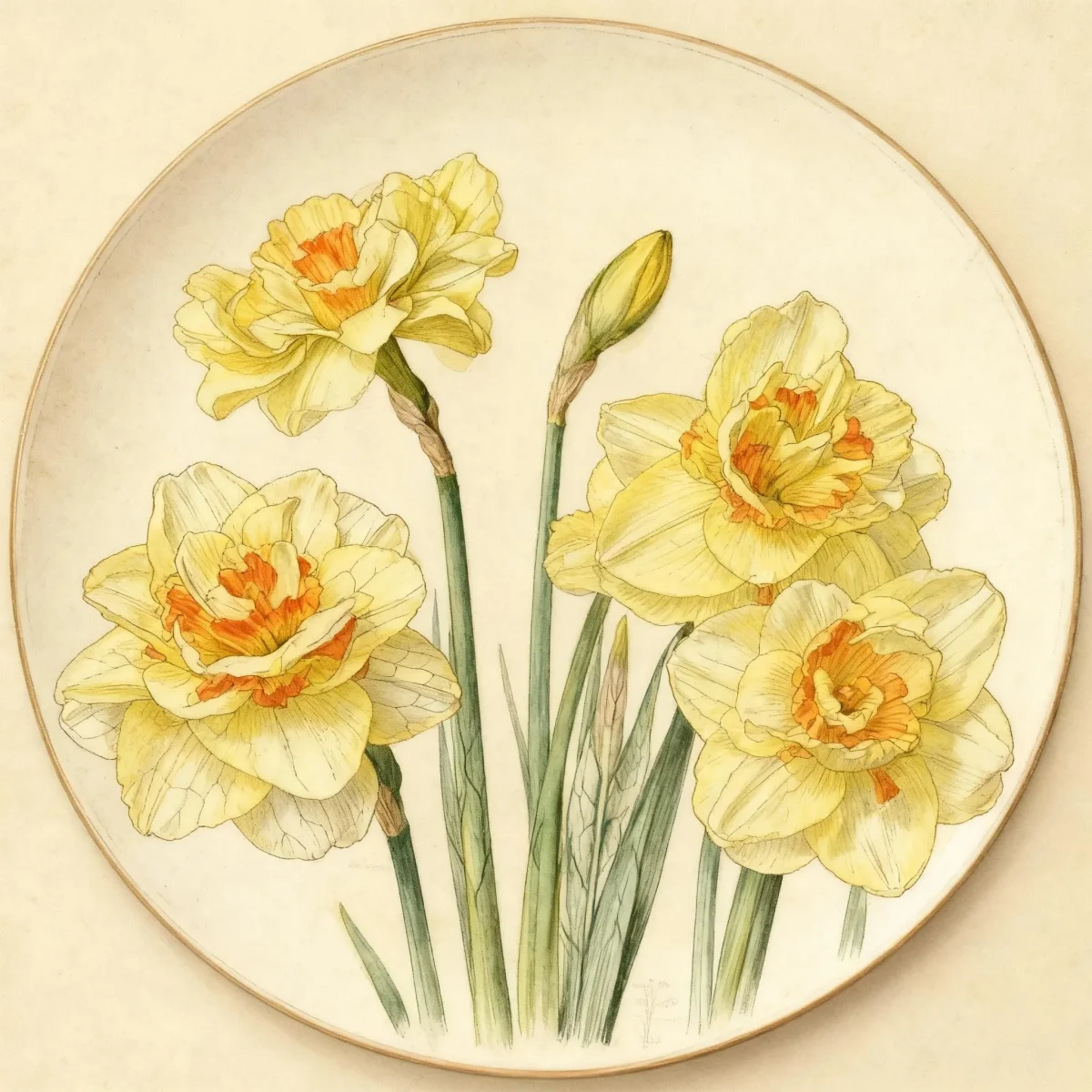
Poeticus daffodil (Narcissus 'Actaea')
Narcissus 'Actaea' (Poeticus daffodil) offers showy, fragrant white flowers with red-rimmed cups; low maintenance bulb for Zones 4-8.
Scroll down to discover growing tips, care requirements, companion plants, and more
Complete Plant Information
Overview
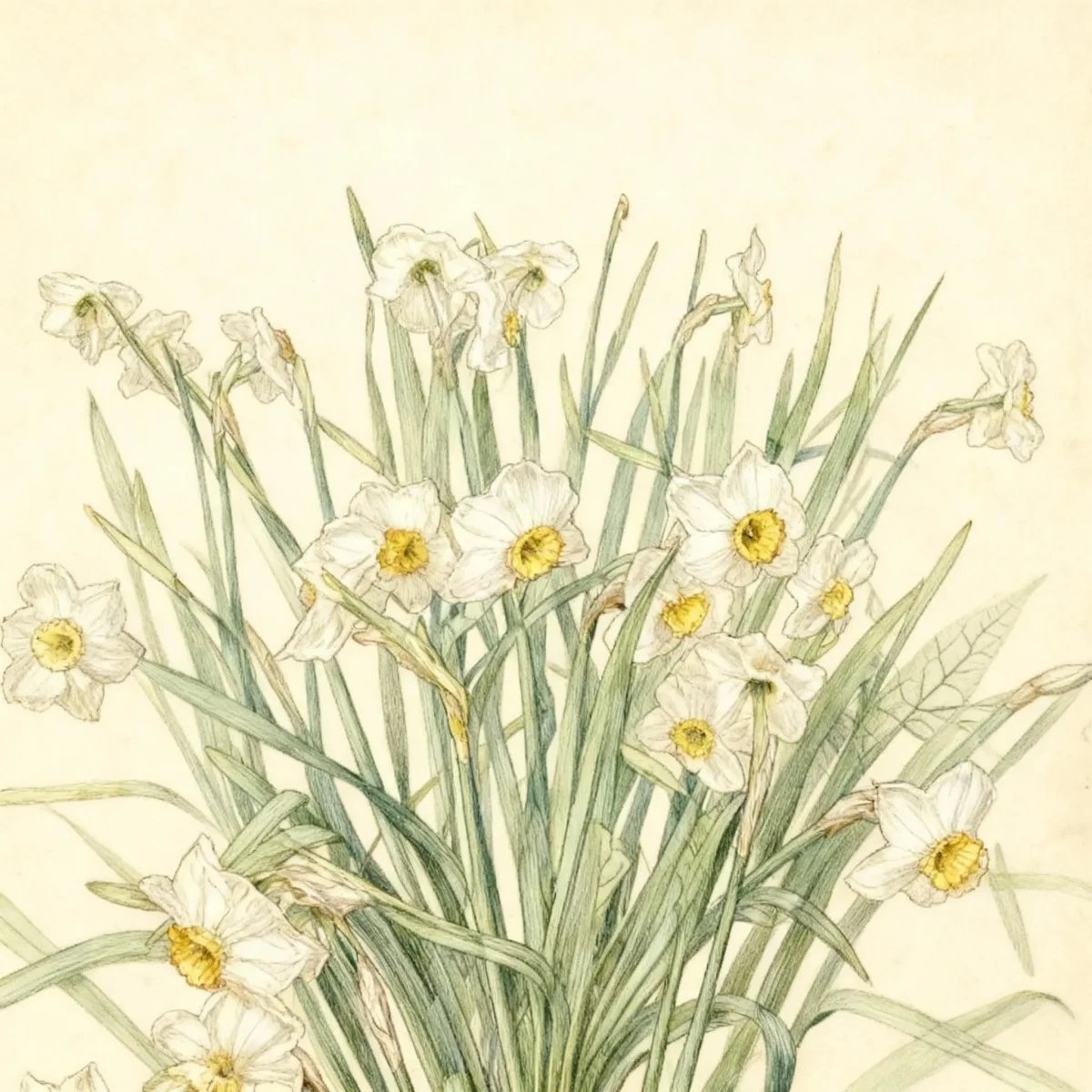
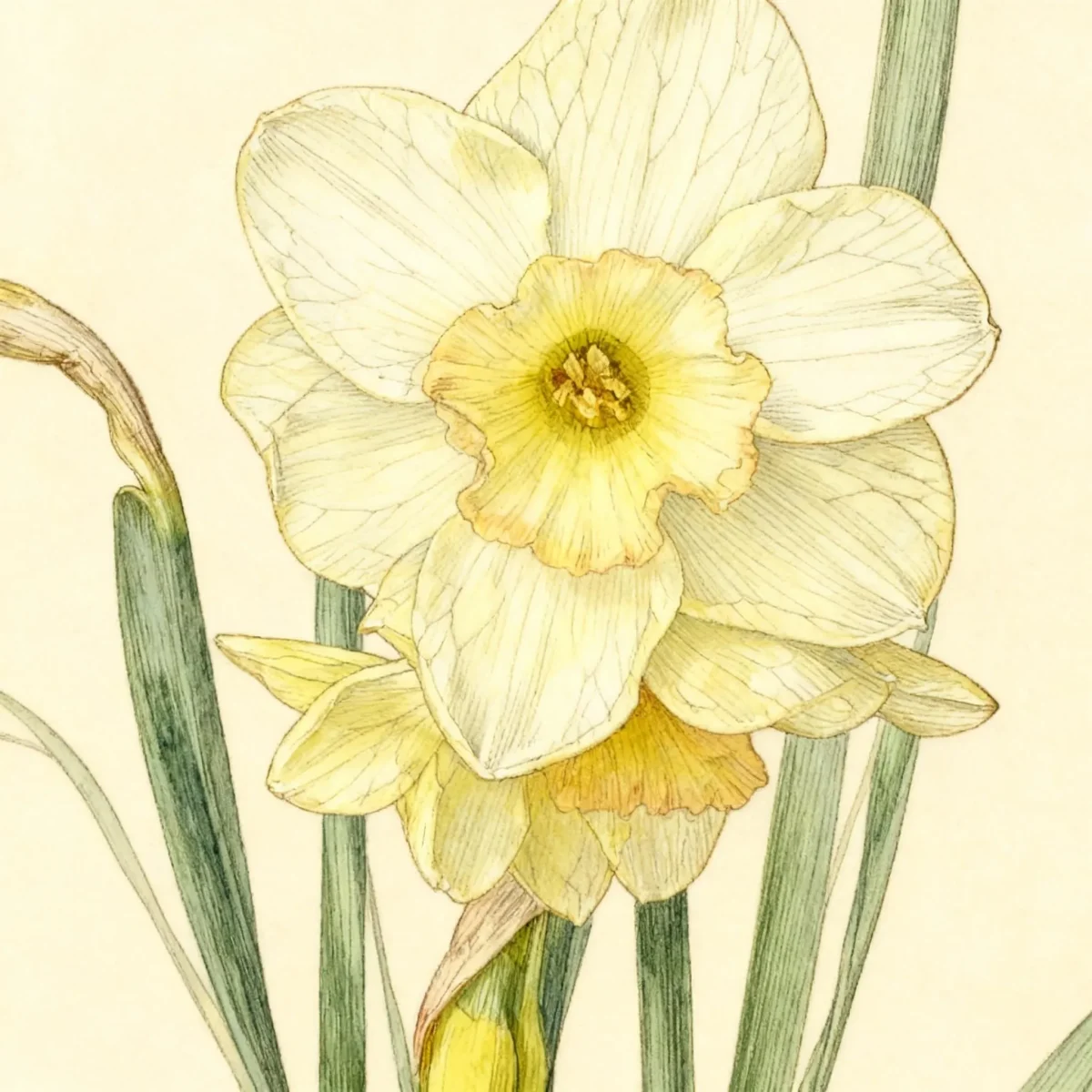
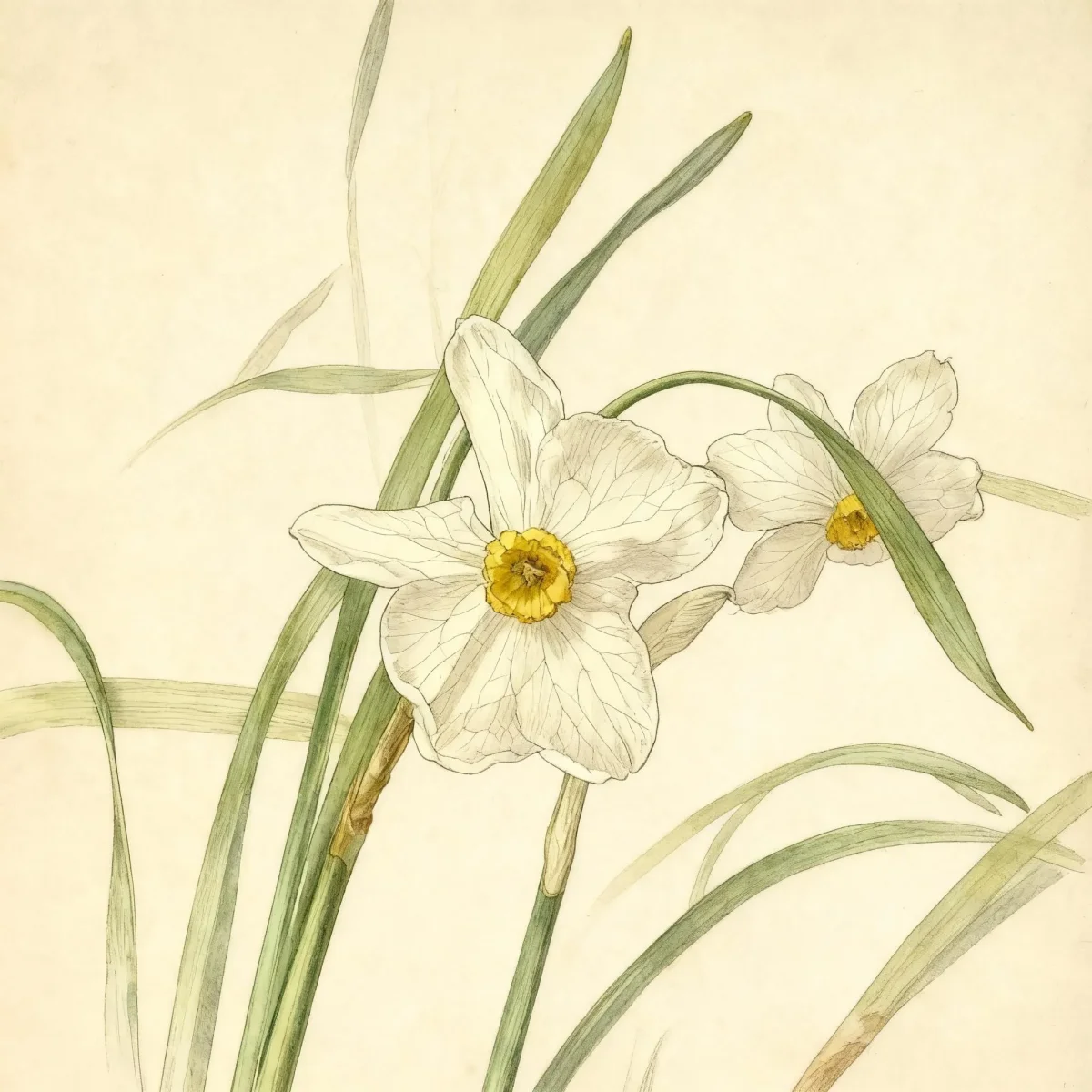
Narcissus ‘Actaea’ is a highly valued member of the Poeticus daffodil group, renowned for its classic, elegant spring display. This perennial bulb provides a striking contrast with its pure white petals framing a small, golden-yellow cup sharply edged in crimson red. Gardeners appreciate the spicy fragrance and relatively late bloom time of the Poeticus daffodil, which helps extend the daffodil season.
As a low-maintenance introduction to spring color, Narcissus ‘Actaea’ thrives easily when given proper drainage. Bulbs multiply reliably over time, creating naturalized drifts perfect for large-scale spring garden impact. Its ability to return year after year makes Narcissus ‘Actaea’ a fundamental building block for perennial borders and woodland plantings.
Beyond aesthetics, this variety offers practical benefits, including high deer and rabbit resistance, ensuring your spring display remains intact. Ensure a spot with full sun to part shade is chosen, allowing the foliage to remain until it yellows naturally, which is vital for nourishing the bulb for next year’s flowering.
Fast Facts
- Plant Family: Amaryllidaceae
- Plant Type: Bulb
- Hardiness Zones: USDA Zones 4-8
- Size at Maturity:
- Height: 1-1.5 ft
- Spread: 0.25-0.5 ft
- Bloom Time: April
- Bloom Description: White petals with yellow cups edged in red
- Sun Exposure: Full sun to part shade
- Water Needs: Medium
- Maintenance Level: Low
How to Grow
Planting $Narcissus$ ‘Actaea’ bulbs should occur in the early to mid-fall before the ground freezes hard. They require well-drained, organically rich, average medium moisture soil. Good drainage is paramount; bulb rot frequently occurs in soggy conditions. Plant bulbs 2 to 3 times as deep as the bulb is tall, generally translating to 3-6 inches deep, and space them 4 to 8 inches apart.
During the active growing season, keep the soil uniformly moist. While established bulbs tolerate drought when dormant, consistent moisture encourages robust flowering. After the Poeticus daffodil flowers fade in April, prune off the spent flower stem above the remaining foliage to prevent seed formation. Crucially, leave the green foliage intact until it yellows naturally—typically six weeks following bloom—to allow the bulb to recharge energy reserves.
This Narcissus variety is known for requiring less frequent division than some other hybrids. If you notice a decline in the quality or quantity of blooms after several years, lift and divide the clumps immediately after the foliage dies back. A unique asset of $Narcissus$ ‘Actaea’ is its improved tolerance for wetter soils compared to many other narcissus types, making it suitable for slightly damp locations.
Landscape Uses
Daffodils are indispensable components of the early spring landscape, and the Poeticus daffodil varieties like ‘Actaea’ excel when massed. Plant them in quantities of at least six bulbs to create significant visual impact, encouraging them to naturalize gradually over the years. They are perfectly suited for naturalistic settings, blooming beautifully beneath deciduous trees or in open woodland areas where they receive sun before the canopy fills in.
Use $Narcissus$ ‘Actaea’ in the front of mixed perennial borders among emerging summer perennials, ensuring the fading foliage is masked by taller growth later in the season. Their upright structure also works well when planted directly in front of shrubs, providing an initial burst of color. Their unique tolerance for wetter ground allows them to be incorporated into rain gardens or near pond edges where other bulbs might fail.
These bulbs mix seamlessly with other spring bloomers, such as Siberian Iris or early tulips, offering structural complexity to the early season garden design. Planning planting locations so that afternoon shade falls behind the flowers will ensure the sun-seeking blooms are displayed optimally for viewing.
Standout Features
Flower Qualities
- Showy
- Fragrant
- Good Cut
Noteworthy Characteristics
Narcissus is a genus providing essential garden structure, featuring blooms typically displaying a central cup (corona) surrounded by six petals. The $Narcissus$ ‘Actaea’ classification falls under Division IX, the poeticus narcissus group. It matures to about 15-17 inches tall, showcasing flowers with white perianth segments and small, intensely colorful cups that are golden yellow rimmed in red, accompanied by a spicy fragrance.
Tolerances
- Rabbit
- Deer
- Drought
Potential Problems
Daffodils, including Narcissus ‘Actaea’, are generally resistant to serious insect or disease issues when planted in conditions matching their needs. The most common failure point is bulb rot, which stems directly from poorly drained or overly wet soils during dormancy. Always amend the soil heavily with organic matter to ensure sharp drainage before planting.
Infrequent pests may include slugs and snails, which target new spring growth, so monitoring young shoots is advisable. While birds and browsing animals typically avoid the bulbs and foliage due to natural toxins, vigilance against early feeding damage may sometimes be required. If required, address slugs and snails with appropriate baits or barriers applied early in the season.
Frequently Asked Questions
What hardiness zones is Poeticus daffodil suitable for?
Narcissus ‘Actaea’ is suitable for USDA Zones 4 through 8, offering reliable perennial spring performance across these ranges.
How large does Narcissus ‘Actaea’ grow?
This variety typically reaches a height between 1 and 1.5 feet, with a narrow spread of about 0.25 to 0.5 feet per bulb cluster.
When does Poeticus daffodil bloom?
The bloom time for $Narcissus$ ‘Actaea’ is April, showcasing its signature white petals with yellow cups edged in red.
What sun exposure does Narcissus ‘Actaea’ need?
This Poeticus daffodil performs best when situated in locations receiving full sun to light part shade.
Conclusion
Narcissus ‘Actaea’ stands out as a vital, elegant addition to any spring garden, celebrated for its spicy fragrance and unique red-rimmed cup coloration. As a low-maintenance bulb that naturalizes well and possesses good pest resistance, the Poeticus daffodil offers excellent long-term value. Before the first hard frost, ensure your bulbs are situated in well-drained soil within USDA Zones 4-8 for a spectacular display next April.
Companion Planting
Since $Narcissus$ ‘Actaea’ emerges very early and its foliage persists longer than some other mid-to-late bloomers, companion planting focuses on masking the yellowing leaves. Interplanting with later-blooming perennials or summer annuals helps redirect the eye. Consider pairing the Poeticus daffodil with plants that enjoy similar sun/moisture profiles but emerge later, such as peonies, Siberian Iris, or Geranium ‘Rozanne’. For a layered effect, plant low-growing annuals like sweet alyssum directly around the daffodil clumps to cover the ground until the bulb foliage senesces.
Design Ideas for Drifts
The success of the Poeticus daffodil often relies on planting in quantity rather than isolation. Instead of singular bulbs, aim for drifts of 15 or more plants spaced closely together. This creates an impactful sweep of white and red that reads well from a distance across lawns or borders. Utilize slopes or gently sloping areas to enhance the sense of movement as the blooms appear. For formal settings, line paths with Narcissus ‘Actaea’, utilizing its strong vertical shape, but avoid formal hedging, as this bulb looks best when allowed to naturalize slightly over time.