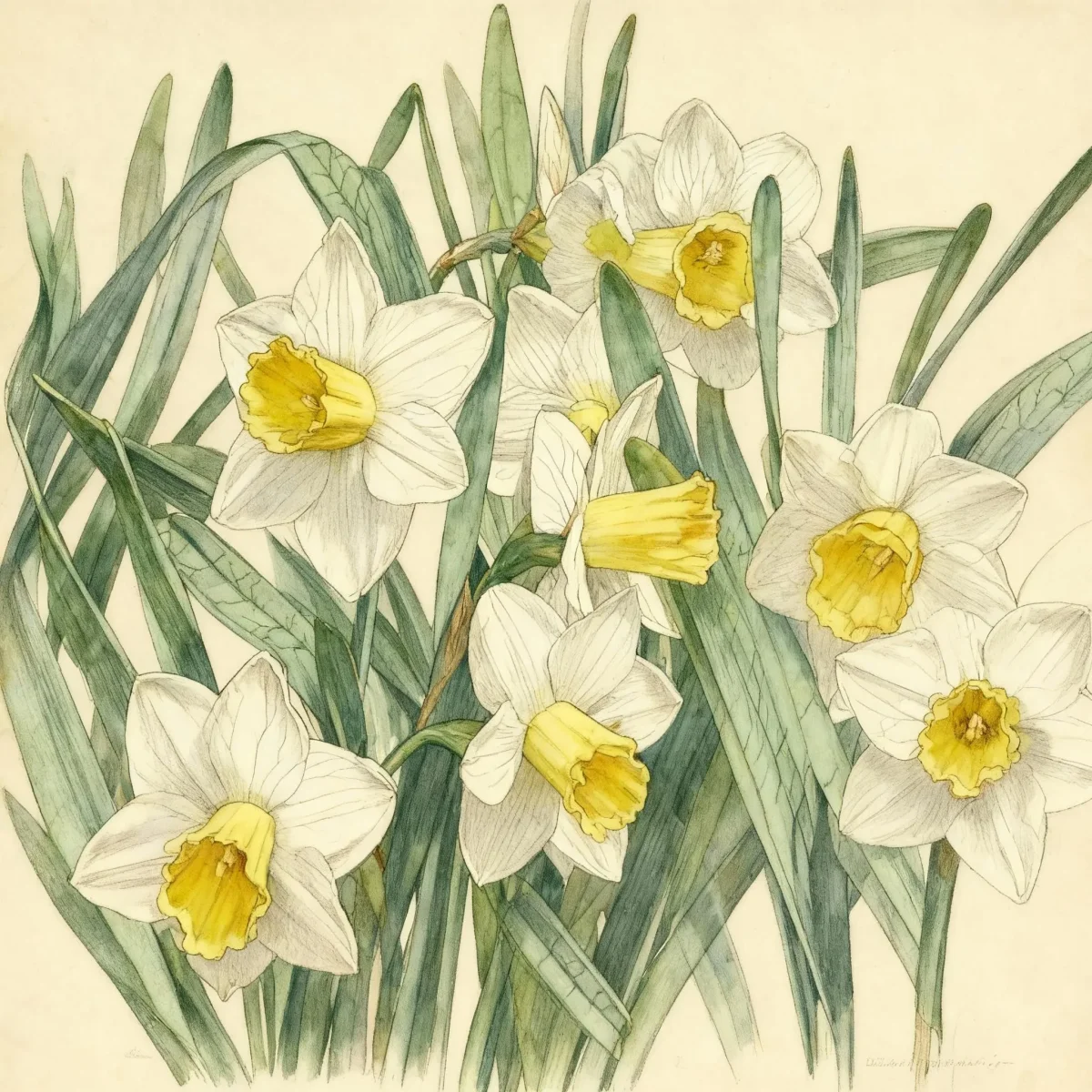
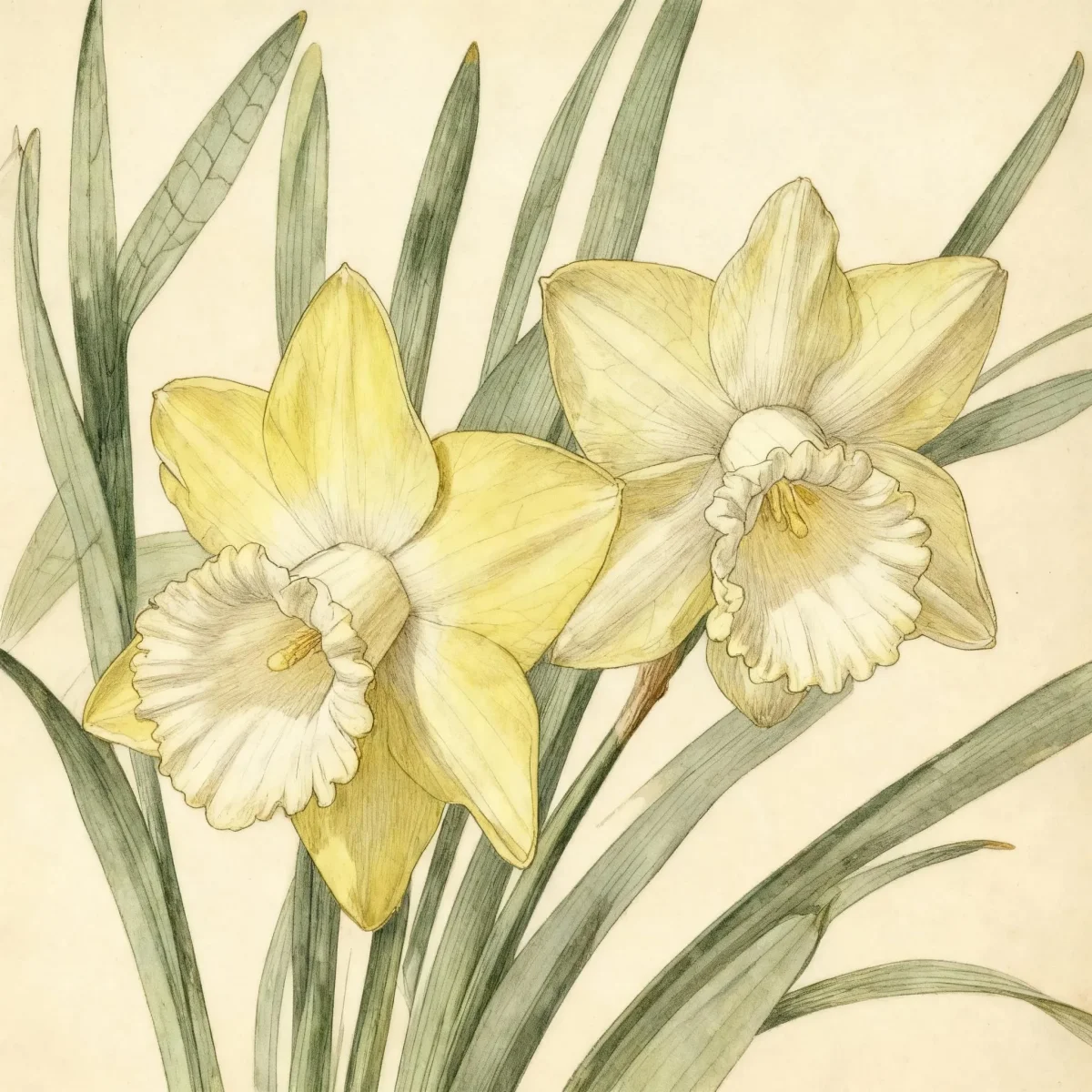
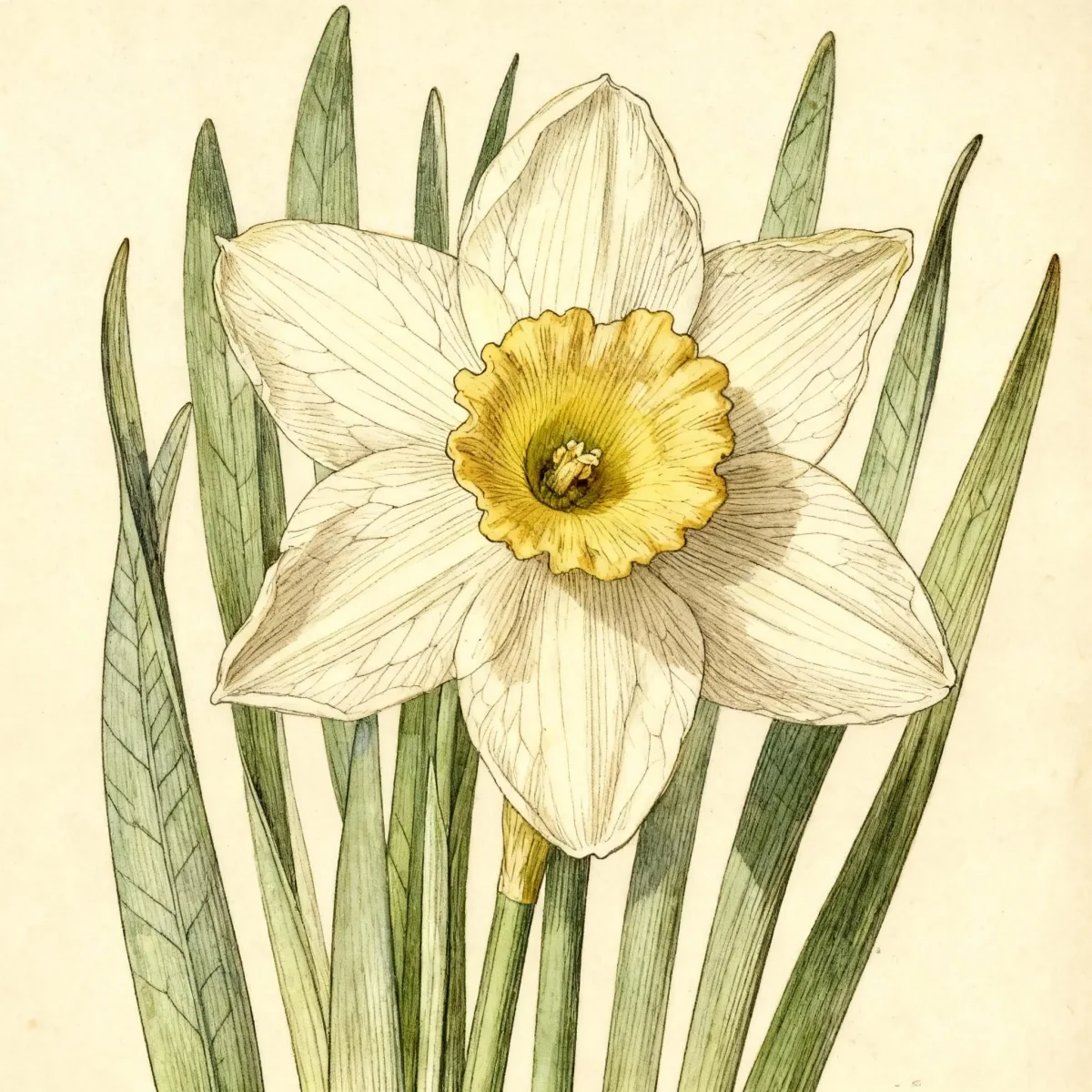
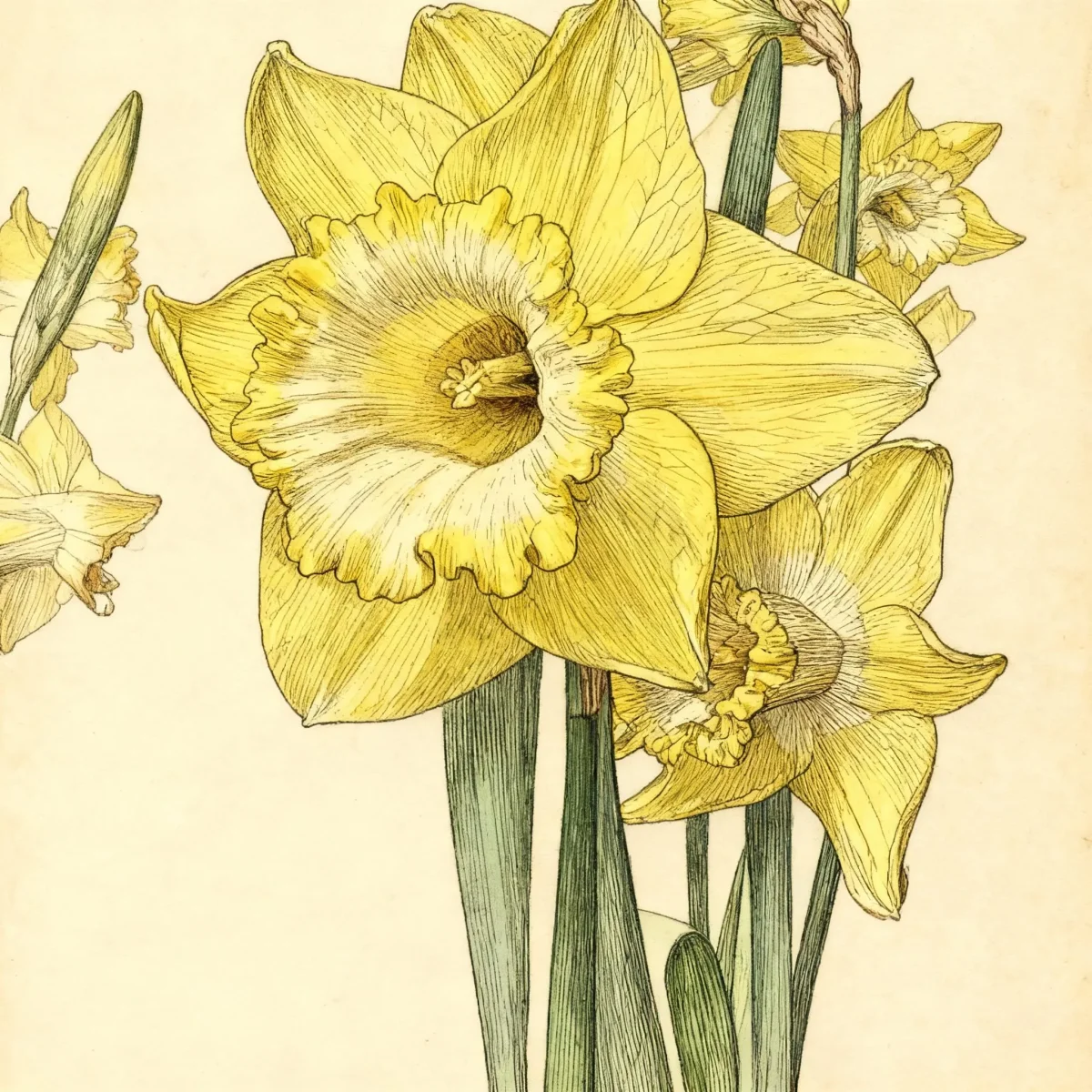
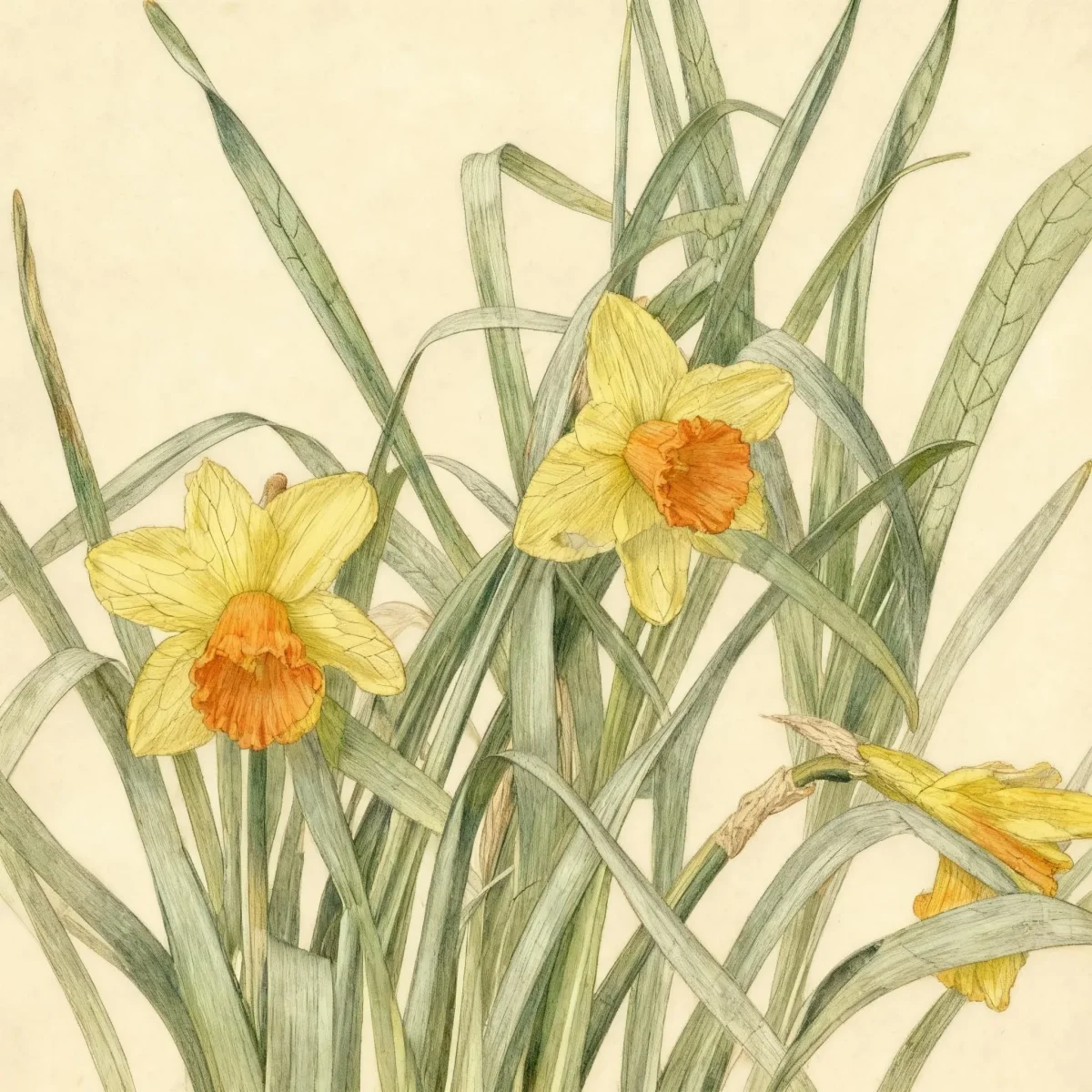
Trumpet daffodil (Narcissus 'Brer Fox')
Spectacular Narcissus 'Brer Fox' trumpet daffodil featuring yellow petals and an orange trumpet. Low maintenance, deer resistant, and blooms mid-spring.
Scroll down to discover growing tips, care requirements, companion plants, and more
Complete Plant Information
Overview
Narcissus ‘Brer Fox’ is a stunning variety categorized as a trumpet daffodil, instantly recognizable by its vibrant coloration. This cultivar delivers a potent dose of spring cheer with broad golden-yellow petals set against a contrasting, deeply funnel-shaped orange trumpet. As a durable bulb, it provides reliable, low-maintenance color year after year, establishing itself as a quintessential spring garden staple.
As a Division I daffodil, the trumpet (corona) of Narcissus ‘Brer Fox’ is long, making it an architectural focal point wherever it is planted. This robust hybrid is prized not only for its beauty but also for its reliable return, offering visual appeal as one of the first flowers to emerge after winter dormancy. Gardeners appreciate the low maintenance associated with healthy daffodil plantings, including good resistance to common wildlife pests.
Embrace the classic beauty of this Trumpet daffodil in your spring landscape design. Planting Narcissus ‘Brer Fox’ in drifts ensures maximum visual impact, creating sweeping bands of yellow and orange that signal the true arrival of spring. Its dependable nature allows gardeners to focus on enjoying the bloom rather than intensive upkeep.
Fast Facts
- Plant Family: Amaryllidaceae
- Plant Type: Bulb
- Hardiness Zones: USDA Zones 3-8
- Size at Maturity:
- Height: 1-1.5 ft
- Spread: 0.5-1 ft
- Bloom Time: April
- Bloom Description: Yellow petals and orange trumpet
- Sun Exposure: Full sun to part shade
- Water Needs: Medium
- Maintenance Level: Low
How to Grow
Planting should occur in the early to mid-fall before the ground freezes hard. Choose a location offering average, fertile, well-drained soil, as perfect drainage is essential to prevent bulb rot. Site the bulbs 2 to 3 times as deep as the bulb is tall, ensuring at least 3 inches of soil covers the top. Space the bulbs between 4 to 10 inches apart, depending on the desired mature look.
Once established, Narcissus ‘Brer Fox’ performs best with medium moisture during the active growing season. While drought is tolerated once the foliage yellows and the plant goes dormant, consistent moisture is beneficial in early spring. Avoid high-nitrogen fertilizers, which encourage too much foliage at the expense of flowering.
After the mid-season bloom of April concludes, remove the spent flower stems just above the foliage to prevent seed development. Crucially, allow all the strap-shaped green leaves to remain until they naturally yellow, as this is how the bulb gathers energy for the next season. Bulbs can be left undisturbed for many years; if flowering density decreases, divide the clumps immediately after the foliage dies back.
Landscape Uses
Trumpet daffodils like Narcissus ‘Brer Fox’ are superb for mass plantings, creating sweeping drifts that mimic naturalized meadows. Unlike tulips, these dependable bulbs return robustly year after year, making them perfect for setting along borders where persistent spring color is desired. They look wonderful massed underneath deciduous shrubs or trees, as the flowers emerge before the tree canopy fully leafs out.
For formal settings, plant Narcissus ‘Brer Fox’ in defined beds, ensuring you plant in groups of at least six bulbs for adequate visual presence. They also integrate seamlessly with other spring bloomers such as early-blooming hyacinths or late-flowering Darwin hybrid tulips, extending your spring display. Their bright yellow and orange tones provide excellent contrast when planted near white or deep purple companions.
Allowing these bulbs to naturalize is highly recommended for a relaxed, cottage-garden aesthetic. Once planted correctly in suitable conditions, the clumps will spread slowly over time, requiring intervention only when overcrowding occurs and bloom quality declines. Use the natural tendency of the flower heads to face the sun to orient your borders effectively.
Standout Features
Flower Qualities
- Showy
Noteworthy Characteristics
Narcissus ‘Brer Fox’ is specifically classified as a trumpet daffodil (Division I), meaning its central cup is as long as or longer than the surrounding six petals. This cultivar expresses broad, ovate, golden-yellow petals surrounding a striking, funnel-shaped, deep orange trumpet. Appearing mid-season, typically in April, this flower stands atop stems reaching 14 to 16 inches tall above clumps of narrow, strap-like green leaves.
Tolerances
- Rabbit
- Deer
- Drought
Potential Problems
Daffodils, including Narcissus ‘Brer Fox’, are generally pest-free provided culture is optimized. The primary cultural problem arises from poor soil conditions, specifically when drainage is inadequate, which can lead to bulb rot. Ensure planting sites are amended to be highly draining.
While generally avoided by deer and rabbits, pests like slugs and snails may occasionally bother emerging tender shoots. If infestations occur, standard slug control methods should be effective. Be vigilant against potential viral diseases, such as Narcissus yellow stripe virus, although this is infrequent when healthy, disease-free bulbs are planted consistently.
Frequently Asked Questions
What hardiness zones is Trumpet daffodil suitable for?
Narcissus ‘Brer Fox’ is suitable for planting in USDA hardiness zones 3 through 8.
How large does Trumpet daffodil grow?
This Trumpet daffodil typically reaches a mature height between 1 and 1.5 feet tall, with a spread generally between 0.5 and 1 foot wide.
What sun exposure does Narcissus ‘Brer Fox’ need?
This variety thrives best when exposed to full sun conditions, though it tolerates light partial shade conditions well.
When does Trumpet daffodil bloom?
Narcissus ‘Brer Fox’ blooms reliably in April, displaying magnificent yellow petals and an orange trumpet.
Conclusion
The Narcissus ‘Brer Fox’ offers substantial aesthetic reward for minimal effort, solidifying its status as a low-maintenance garden essential. Its bold, bicolored display—yellow petals complementing an orange trumpet—makes this Trumpet daffodil an unforgettable feature of the early spring border. Plan your fall planting now to ensure you enjoy the reliably cheerful blooms of Narcissus ‘Brer Fox’ next April.
Companion Planting
Selecting companions for Narcissus ‘Brer Fox’ requires considering plants that emerge later in the season, avoiding competition with vital foliage while the daffodil is photosynthesizing. Excellent partners include emerging perennials like Hostas, which will eventually shade the dying daffodil leaves. Early-summer bloomers such as Siberian Iris appreciate the same well-drained soil conditions the daffodils require.
Consider planting annuals among the bulbs for immediate seasonal color before the daffodil foliage fully matures. Bright blue Lobelia or alyssum tucked in between the bulb groupings can provide a delightful, low-growing color tapestry that complements the yellow and orange hues of the Trumpet daffodil when it flowers.
Since this variety naturalizes well, ensure your companion plants are not overly aggressive spreaders that might crowd out the slowly expanding daffodil clumps over several years. The goal is harmonious sequential blooming rather than immediate, overwhelming competition.
Design Ideas for Massing
Mass planting is the most effective way to utilize the visual power of Narcissus ‘Brer Fox’. Instead of placing single bulbs, create drifts of at least 15 to 20 bulbs per group; this density ensures the strong color of the orange trumpet is impactful across the expanse of the lawn or border edge. Aim for irregular, curving shapes rather than perfectly straight lines to mimic natural patterns.
Use the plant’s mature height of around 1.5 feet to anchor the middle ground in mixed spring borders. Place shorter spring bulbs, like certain small-cupped daffodils or Muscari, in the foreground, allowing the taller Narcissus ‘Brer Fox’ to stand proudly in front of early-blooming shrubs like flowering quince or Forsythia.
For a traditional cottage garden look, interplant these daffodils with early-flowering tulips or perennial Grape Hyacinths (Muscari). The combination of the iconic daffodil shape with contrasting textures creates an unparalleled explosion of early spring color, instantly brightening any garden space.