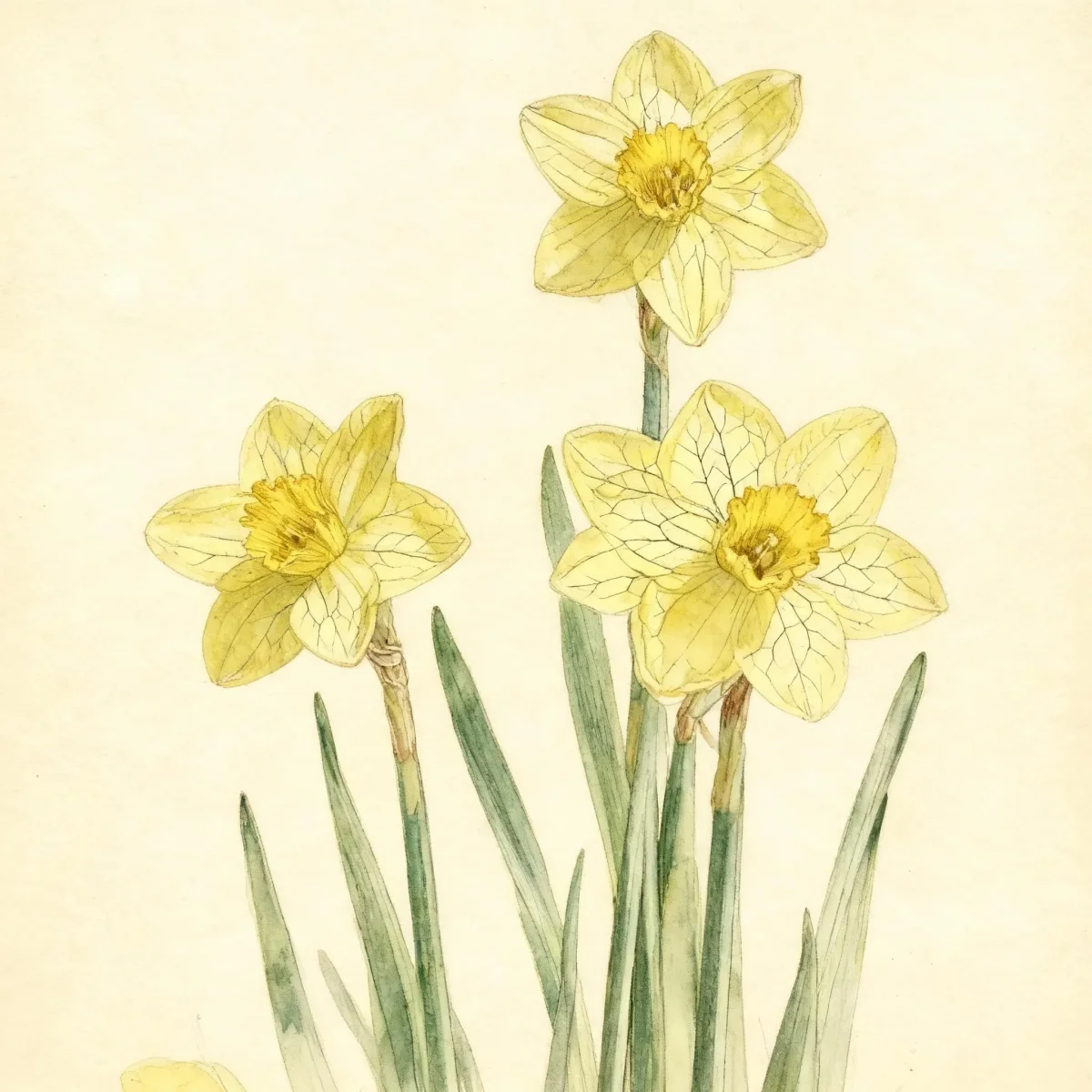
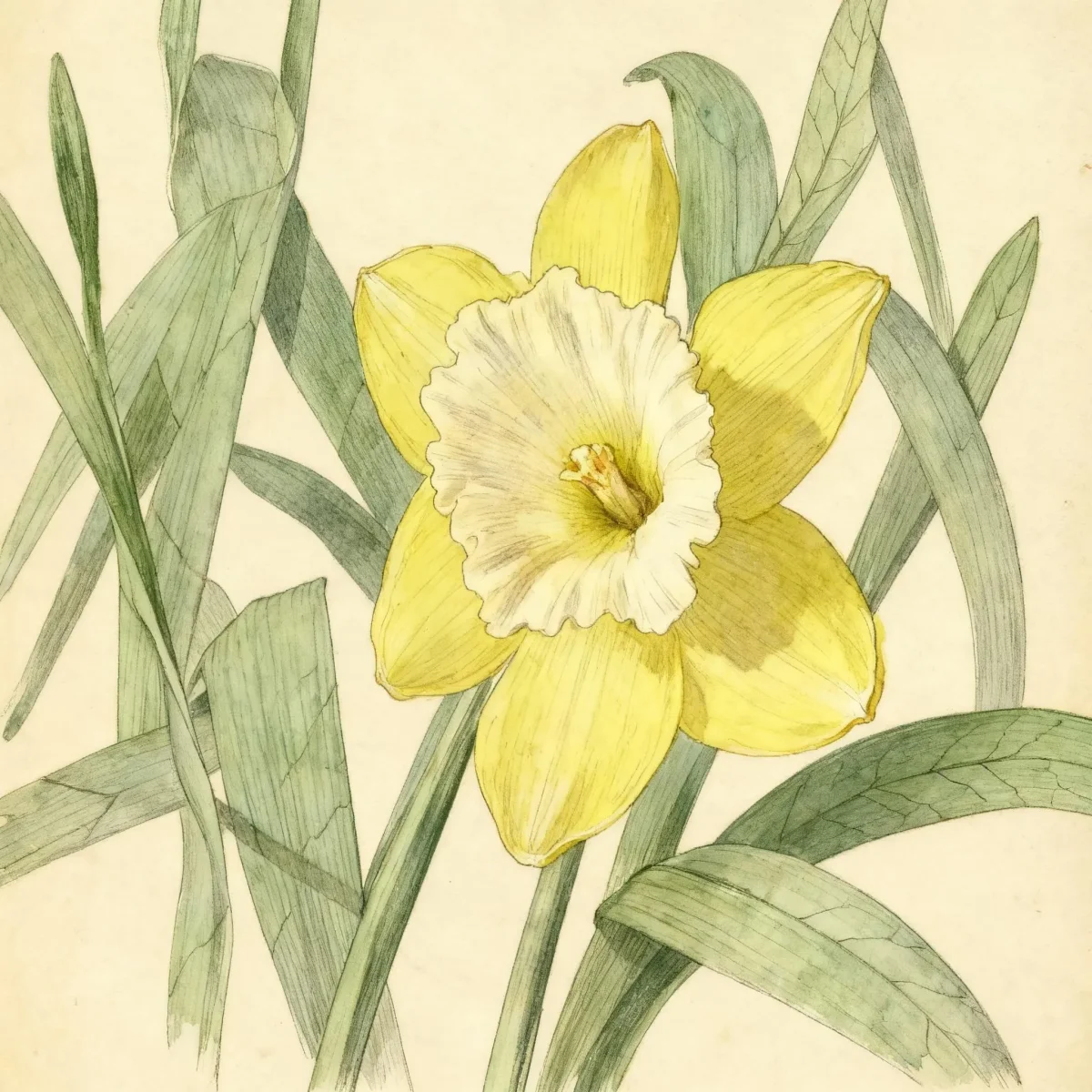
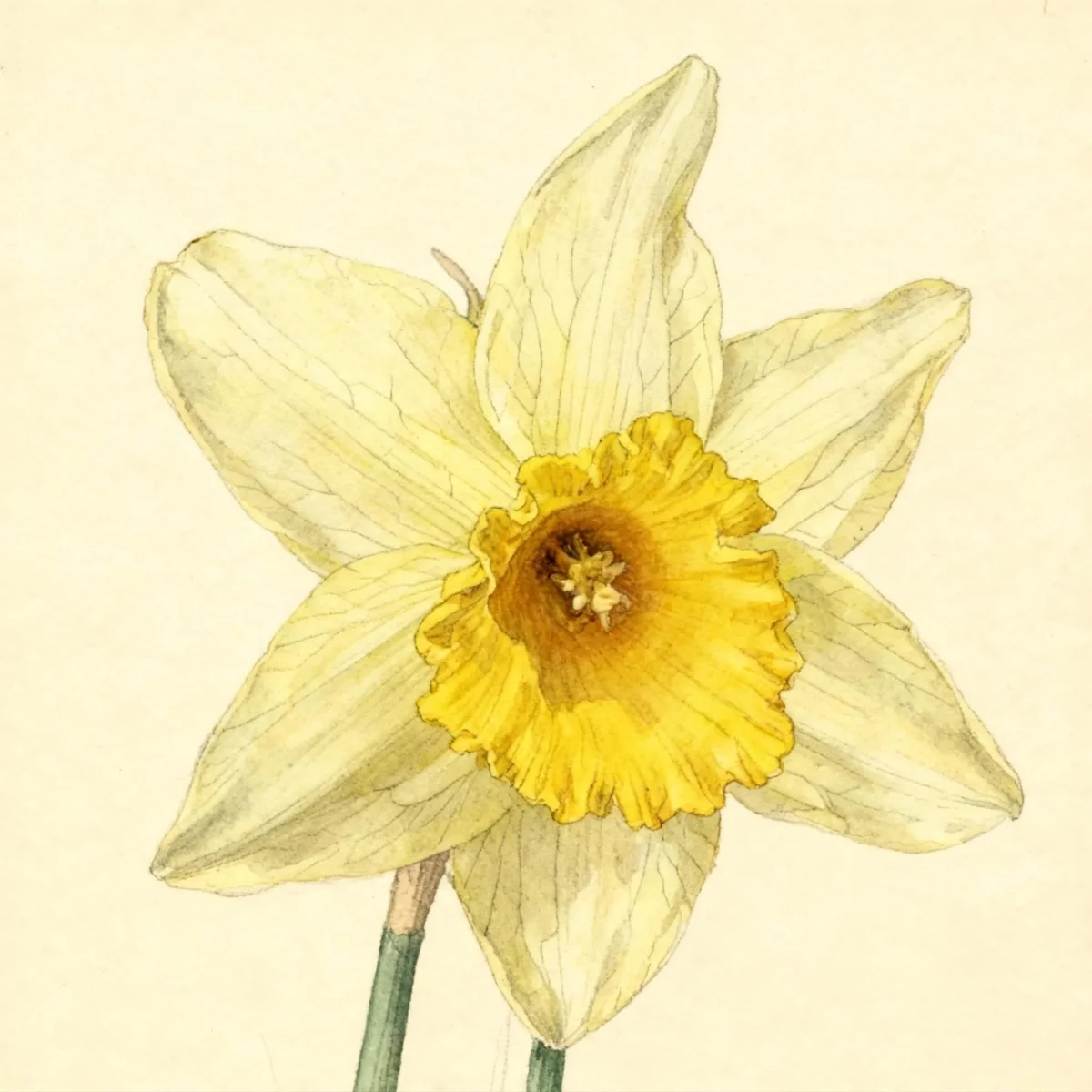
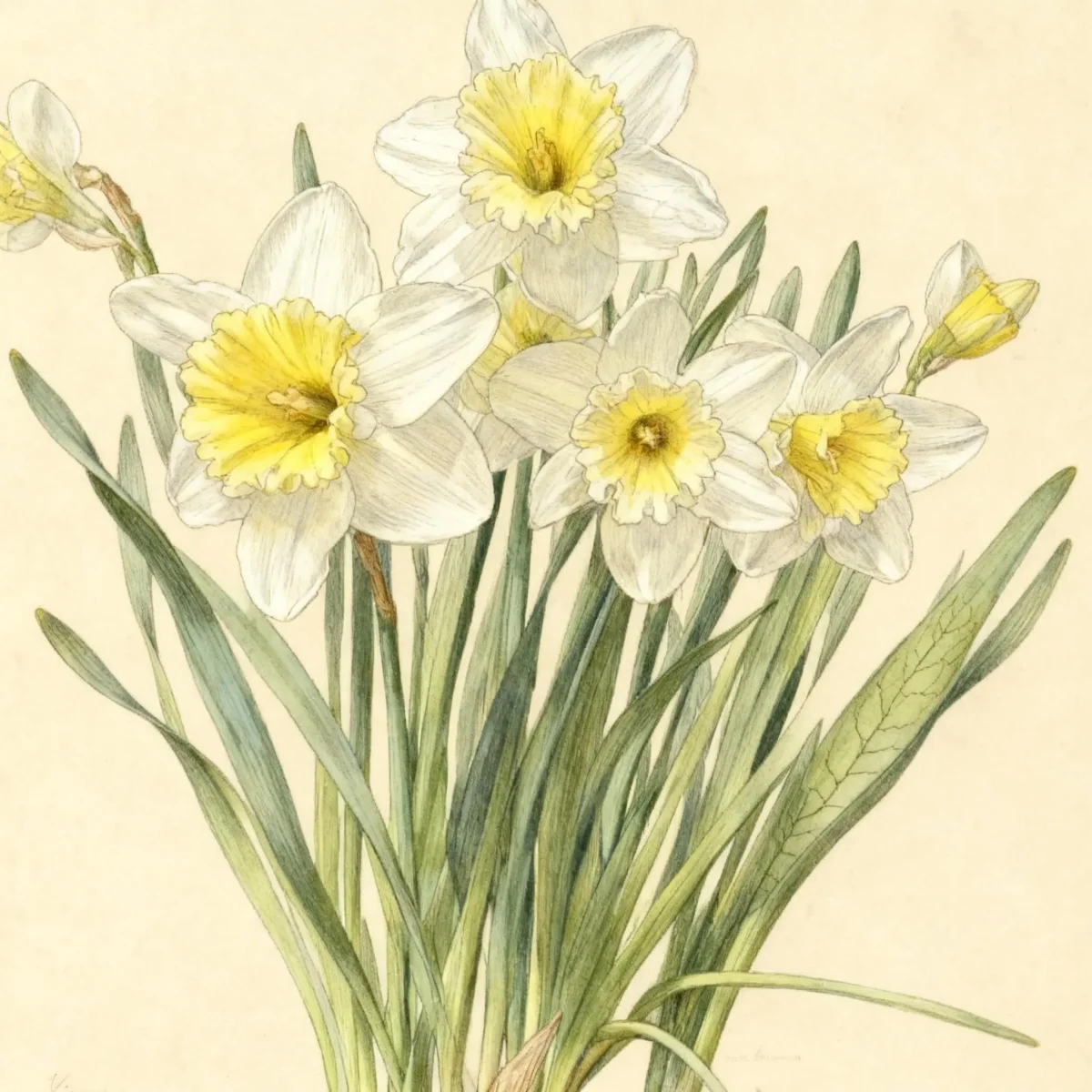
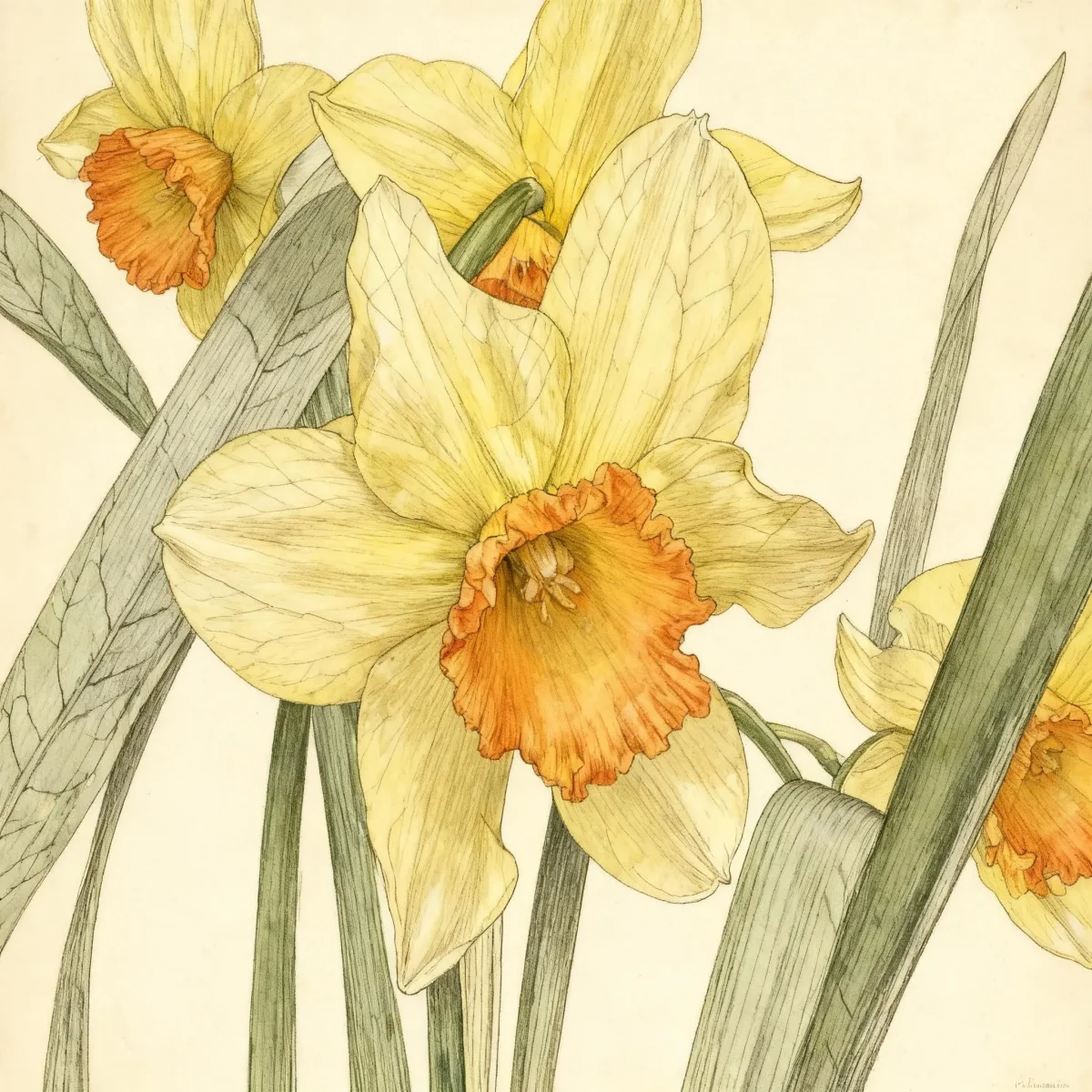
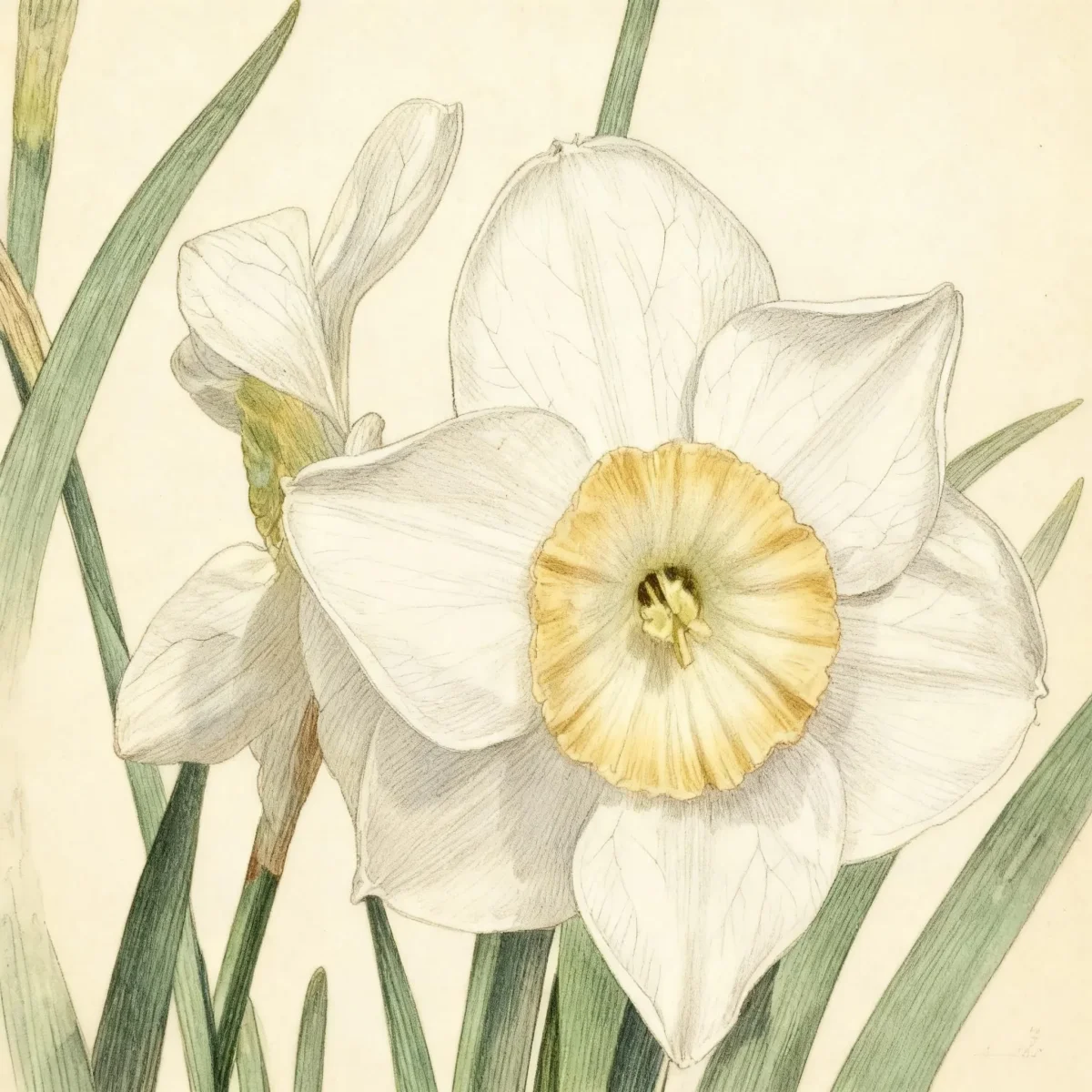
Large-cupped daffodil (Narcissus 'Carlton')
Narcissus 'Carlton' is a showy, fragrant Large-cupped daffodil blooming in April with bright yellow flowers. Low maintenance and deer resistant.
Scroll down to discover growing tips, care requirements, companion plants, and more
Complete Plant Information
Overview
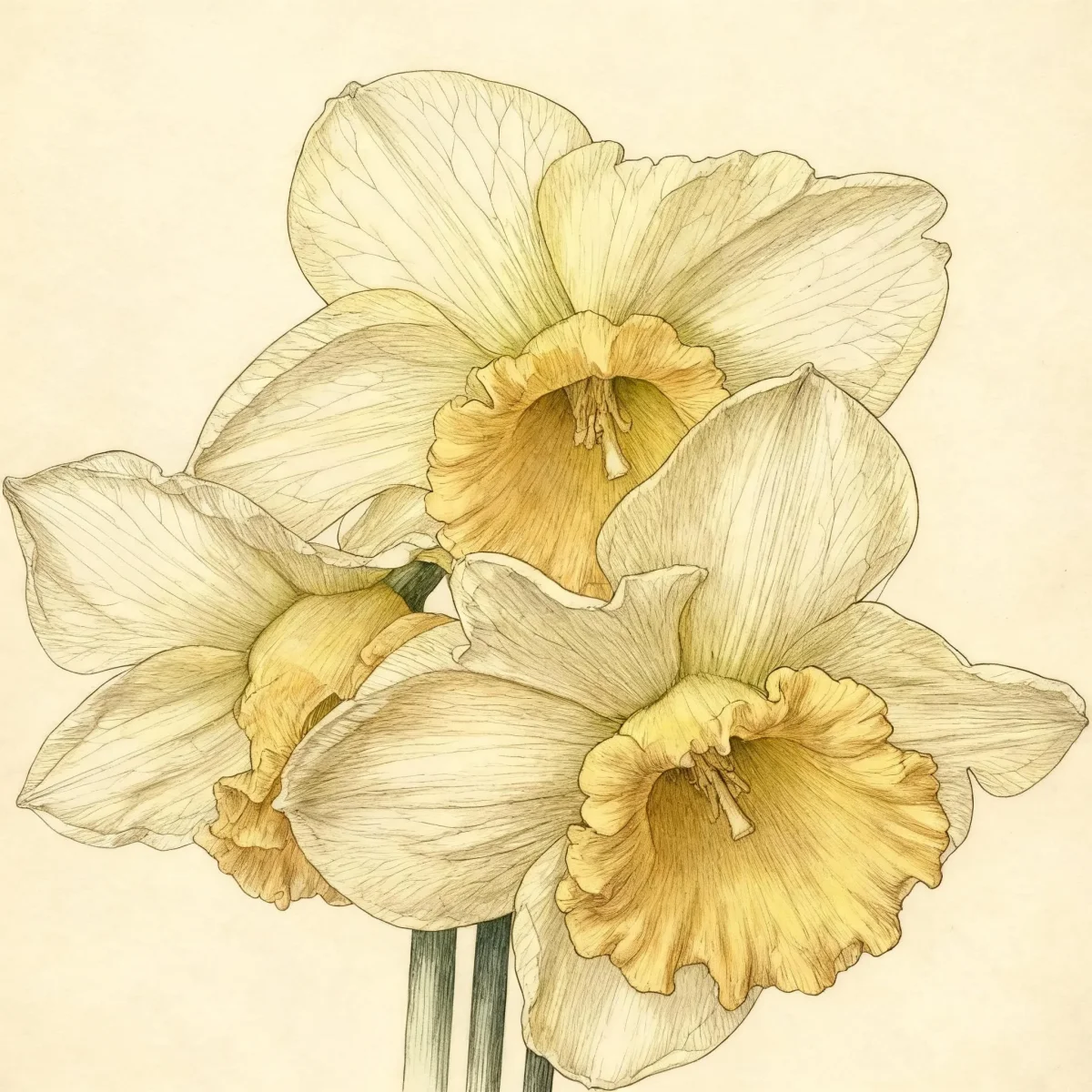
Narcissus ‘Carlton’ is a highly esteemed variety within the Large-cupped daffodil group, prized for its reliable performance and cheerful mid-spring color. This particular cultivar offers bold, all-yellow flowers that feature a distinct cup (corona) slightly shorter than its six perianth segments, fulfilling the characteristics of Division II daffodils. Gardeners value Narcissus ‘Carlton’ for its low maintenance needs and its ability to naturalize, returning reliably year after year to brighten borders.
As a classic bulb, this daffodil thrives across a broad range of climates in USDA Zones 3 through 8. It reaches a manageable height of 1.5 to 2 feet, making it an excellent choice for both structure in layered plantings and for massed displays. The plant exhibits excellent toughness, tolerating drought once established and resisting predation by common garden pests like deer and rabbits.
These bright, yellow blossoms typically appear in April, often carrying a mild vanilla fragrance that enhances their appeal. Planting Narcissus ‘Carlton’ in quantity creates the sweeping drifts of spring color that daffodils are most famous for, offering significant aesthetic returns for minimal yearly effort.
Fast Facts
- Plant Family: Amaryllidaceae
- Plant Type: Bulb
- Hardiness Zones: USDA Zones 3-8
- Size at Maturity:
- Height: 1.5-2 ft
- Spread: 1-1.5 ft
- Bloom Time: April
- Bloom Description: Yellow
- Sun Exposure: Full sun to part shade
- Water Needs: Medium
- Maintenance Level: Low
How to Grow
Planting Narcissus ‘Carlton’ bulbs must occur in the early to mid-fall season before the ground freezes. Successful establishment depends heavily on excellent drainage; these Large-cupped daffodils prefer organically rich, well-drained loams, succeeding even in average soils provided they do not hold water. For optimal growth, place the bulbs 2 to 3 times as deep as the bulb itself is tall, ensuring at least 3 inches of soil covers the top, spacing them between 4 and 10 inches apart depending on the bulb size.
During the active growing season, maintain uniformly moist soil conditions, though the plant tolerates dryness once foliage begins to yellow and the dormant period sets in. After the striking yellow flowers fade in spring, deadhead the spent flower stems (removing just the top portion) to discourage seed set, but critically, leave the foliage intact. The leaves must be allowed to completely yellow naturally; cutting them back prematurely starves the bulb for next year’s performance.
Narcissus ‘Carlton’ can be left undisturbed for many seasons. Over time, if clumps become overcrowded and bloom quality diminishes, division is necessary. Wait until the foliage has fully died back before digging up the clumps, separating them, and replanting them promptly. For the best visual impact, site groupings where the flowers will naturally face the sun, perhaps using taller shrubs behind them to screen out any undesirable shade toward the back of the planting area.
Landscape Uses
Daffodils, including the popular Narcissus ‘Carlton’, are staples in landscape design precisely because they are reliable perennial bloomers, unlike many spring annuals or even tulips. They are perfectly suited for naturalizing in large, sweeping drifts across lawns, open woodland areas, beneath deciduous trees, or massed in front of established shrubs where they provide a strong seasonal statement. Planting in smaller clusters of six bulbs or more is recommended to achieve the sweeping look necessary for success.
These Large-cupped daffodils mix beautifully with other spring ephemerals. Consider planting them alongside early-blooming grape hyacinths or late-blooming tulips to extend the spring color palette in beds and borders. Because Narcissus ‘Carlton’ foliage fades as summer approaches, they are excellent foil plants; pair them with summer-flowering perennials whose emerging foliage will mask the daffodil’s fading blades.
Mass plantings work exceptionally well on slopes where digging and dividing is difficult, allowing the bulbs to multiply and colonize over the years with minimal intervention. Their bright yellow display brings essential early-season cheer to borders meant to transition from the starkness of winter to the lushness of summer.
Standout Features
Flower Qualities
- Showy
- Fragrant
Noteworthy Characteristics
Narcissus is a genus of bulbous perennials known for being a mainstay of the spring garden, generally featuring a cup (corona) surrounded by six petals. Cultivated varieties populate 13 divisions; ‘Carlton’ is specifically classified as a large-cupped narcissus (Division II). This cultivar reaches about 18-20 inches tall in the spring, presenting all-yellow, two-toned flowers notable for their mild vanilla fragrance.
Tolerances
- Rabbit
- Deer
- Drought
Potential Problems
Daffodils are generally robust; with proper culture, Narcissus ‘Carlton’ experiences virtually no serious recurring insect or disease issues. The primary risk to bulb health is bulb rot, which stems directly from poor soil drainage; in soggy conditions, this can quickly become a problem. Infrequently, pests like slugs and snails may bother developing foliage, and minor issues such as narcissus bulb fly or narcissus nematode can occasionally occur. To prevent rot, always amend heavy soils before planting and ensure the site is not prone to standing water, as the plant prefers medium moisture but requires excellent drainage to survive long-term.
Frequently Asked Questions
What hardiness zones is Large-cupped daffodil suitable for?
Narcissus ‘Carlton’ is reliably hardy in USDA Zones 3 through 8.
How large does Narcissus ‘Carlton’ grow?
This Large-cupped daffodil typically reaches mature heights between 1.5 and 2 feet tall, with a spread ranging from 1 to 1.5 feet.
When does Large-cupped daffodil bloom?
Narcissus ‘Carlton’ blooms during April, producing distinctive yellow flowers.
What sun exposure does Narcissus ‘Carlton’ need?
This variety grows best when situated in locations receiving full sun to partial shade.
Conclusion
Narcissus ‘Carlton’ provides gardeners with a stalwart, low-maintenance burst of yellow color early in the season, standing out due to its strong structure and delightful fragrance. As a reliable Large-cupped daffodil, it performs beautifully when naturalized, offering years of enjoyment without demanding extensive upkeep. Before autumn arrives, be sure to check your local USDA zone hardiness rating and plan your planting of these classic bulbs.
Companion Planting
Choosing the right companions ensures your borders look tidy throughout the spring and early summer. Since the foliage of Narcissus ‘Carlton’ begins to fade mid-to-late spring, pairing them with emerging summer perennials helps mask the dying daffodil leaves. Excellent partners include early-season Geraniums (Cranesbill) or low-growing Hostas that are still small enough not to shade the sun-loving bulbs while they are blooming.
Another effective strategy for mixed borders is combining colors. While ‘Carlton’ is all yellow, pairing it with early-blooming blue or white bulbs, like Muscari (Grape Hyacinth) or species Iris that emerge around the same time, creates strong visual contrast that highlights the cup-and-saucer structure of the daffodil. Ensure that any companion plants share the same preference for well-drained soil, as this is crucial for daffodil survival.
Design Ideas
For formal settings, plant the 1.5-2 foot tall Narcissus ‘Carlton’ bulbs in straight lines or geometric patterns near walkways, capitalizing on their dependable height and symmetrical shape. In more informal, naturalized settings, scatter bulbs liberally near the edges of lawns or tree lines, allowing them to weave through groundcovers. The bright yellow hue provides excellent contrast against dark bark or the emerging green foliage of spring trees.
Consider planting white or shorter narcissus varieties in front of your Narcissus ‘Carlton’ grouping. This layering technique leverages the varying heights within the daffodil family itself to create depth in the border. Since they tolerate being left undisturbed, these groupings can anchor perennial beds for decades, providing the foundational structure for your spring display.