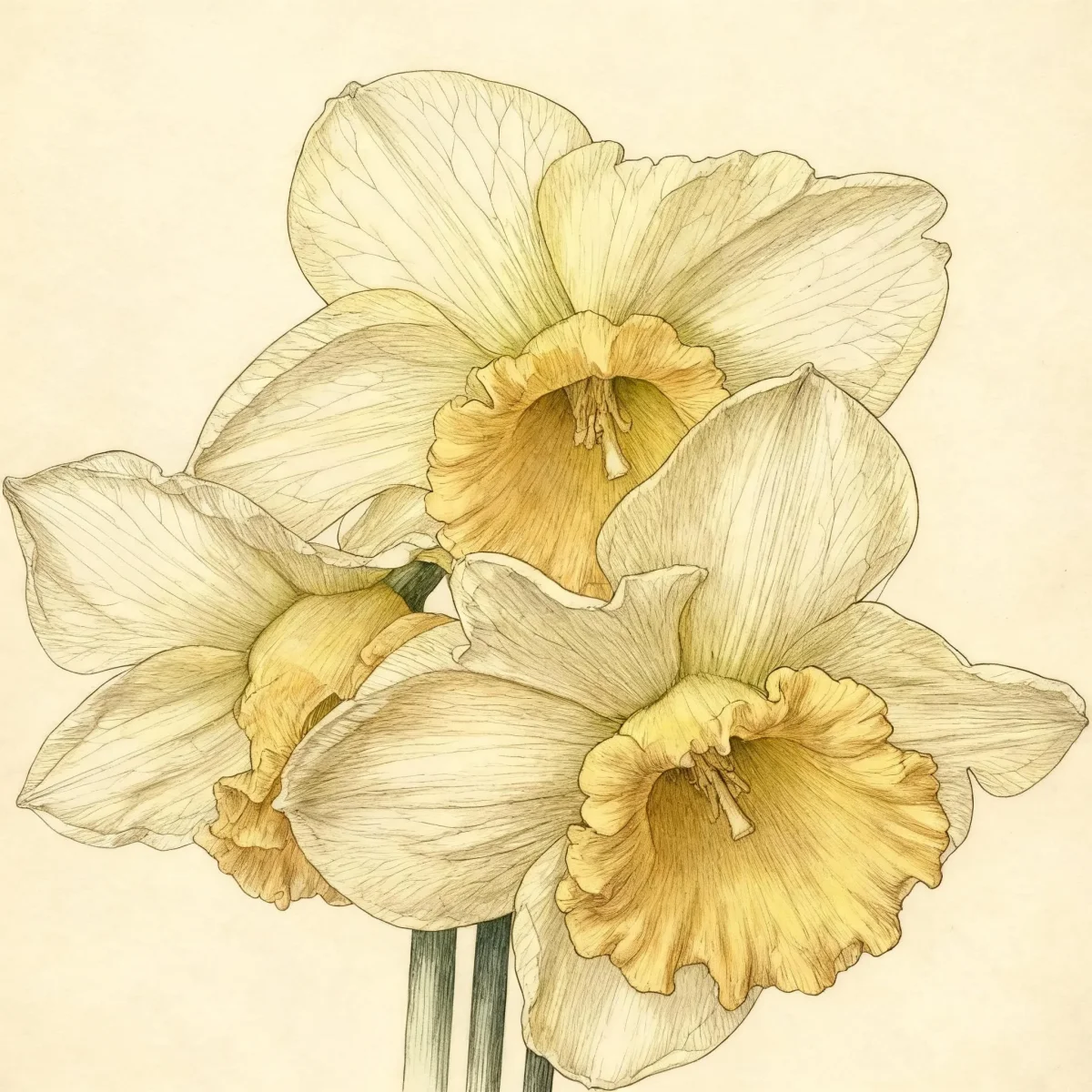
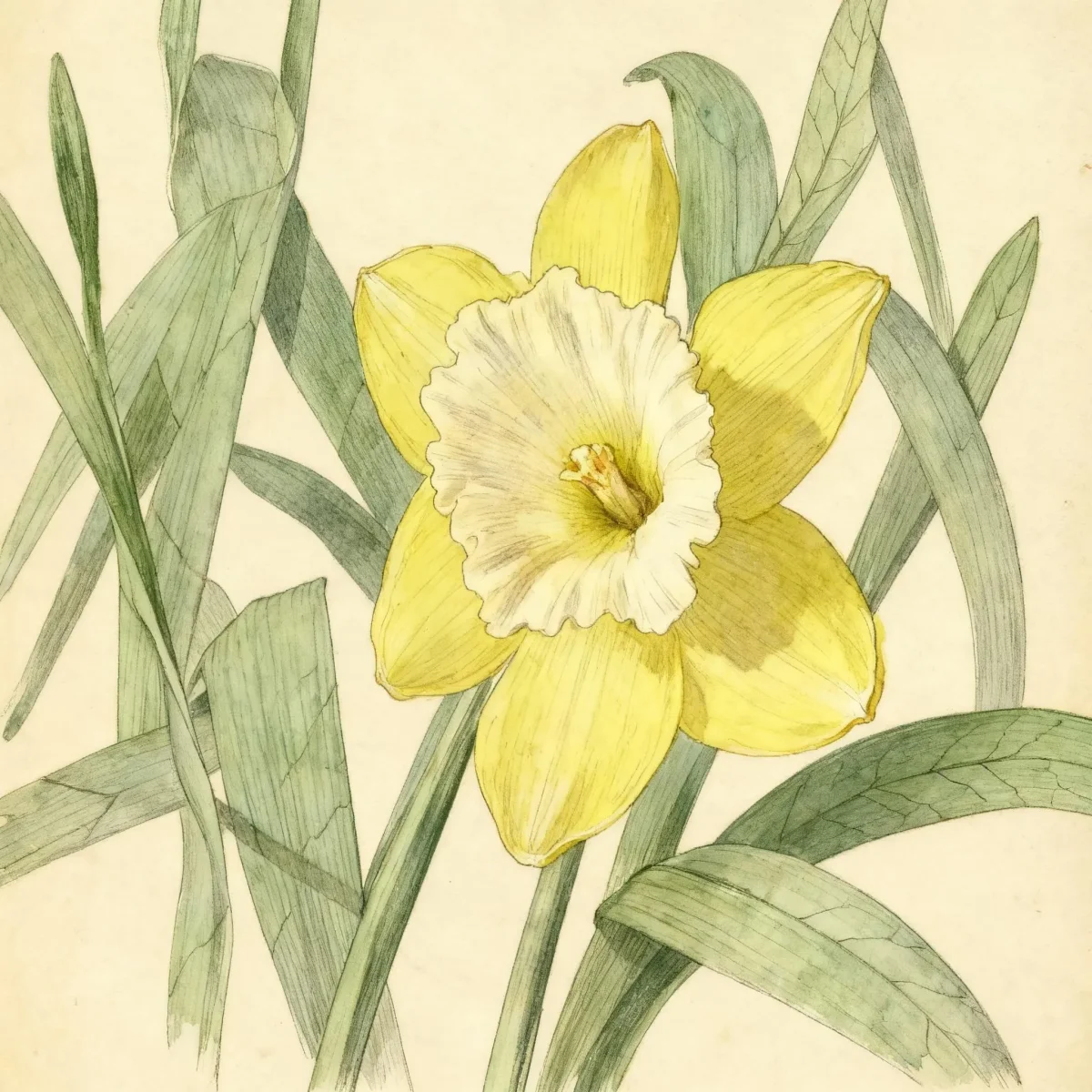
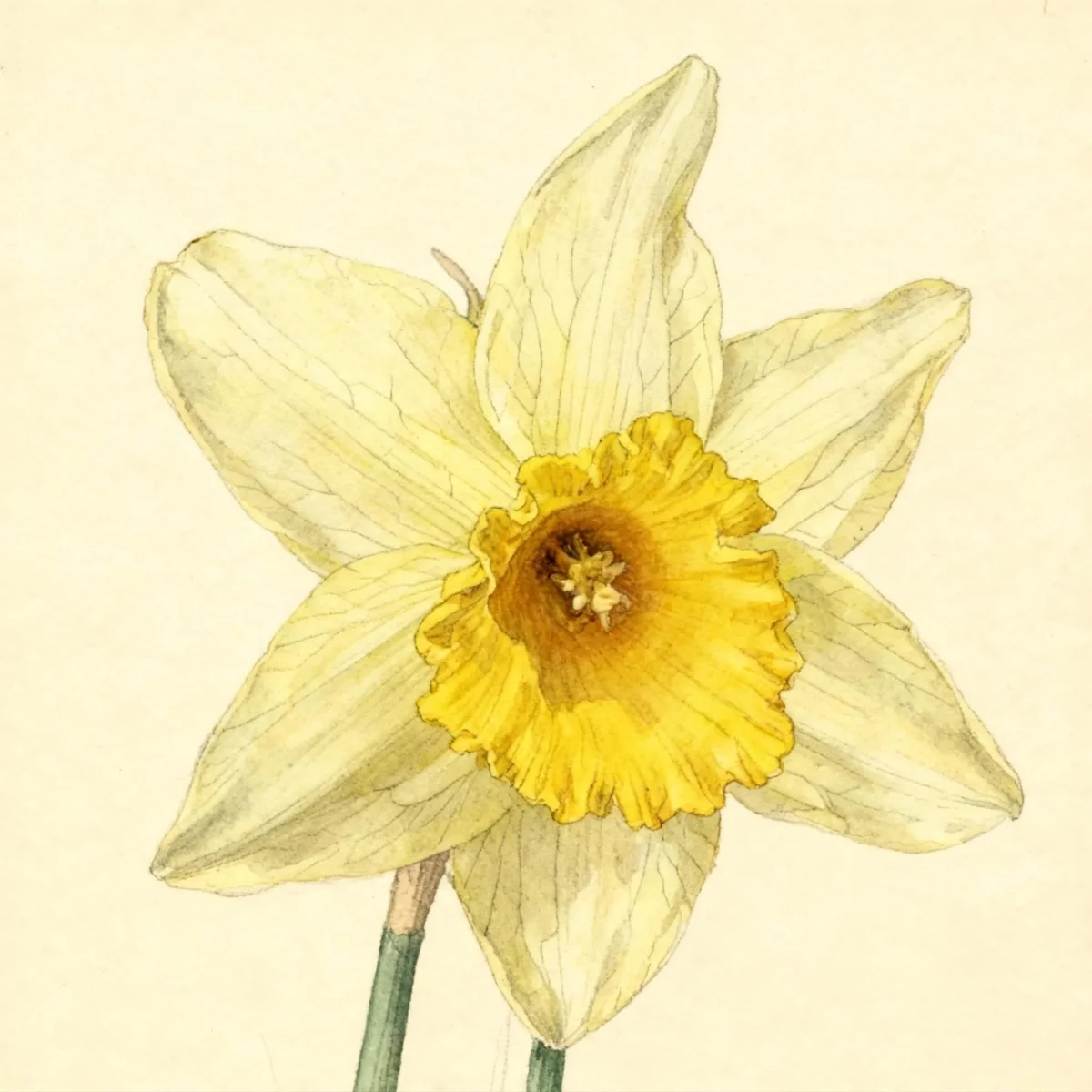
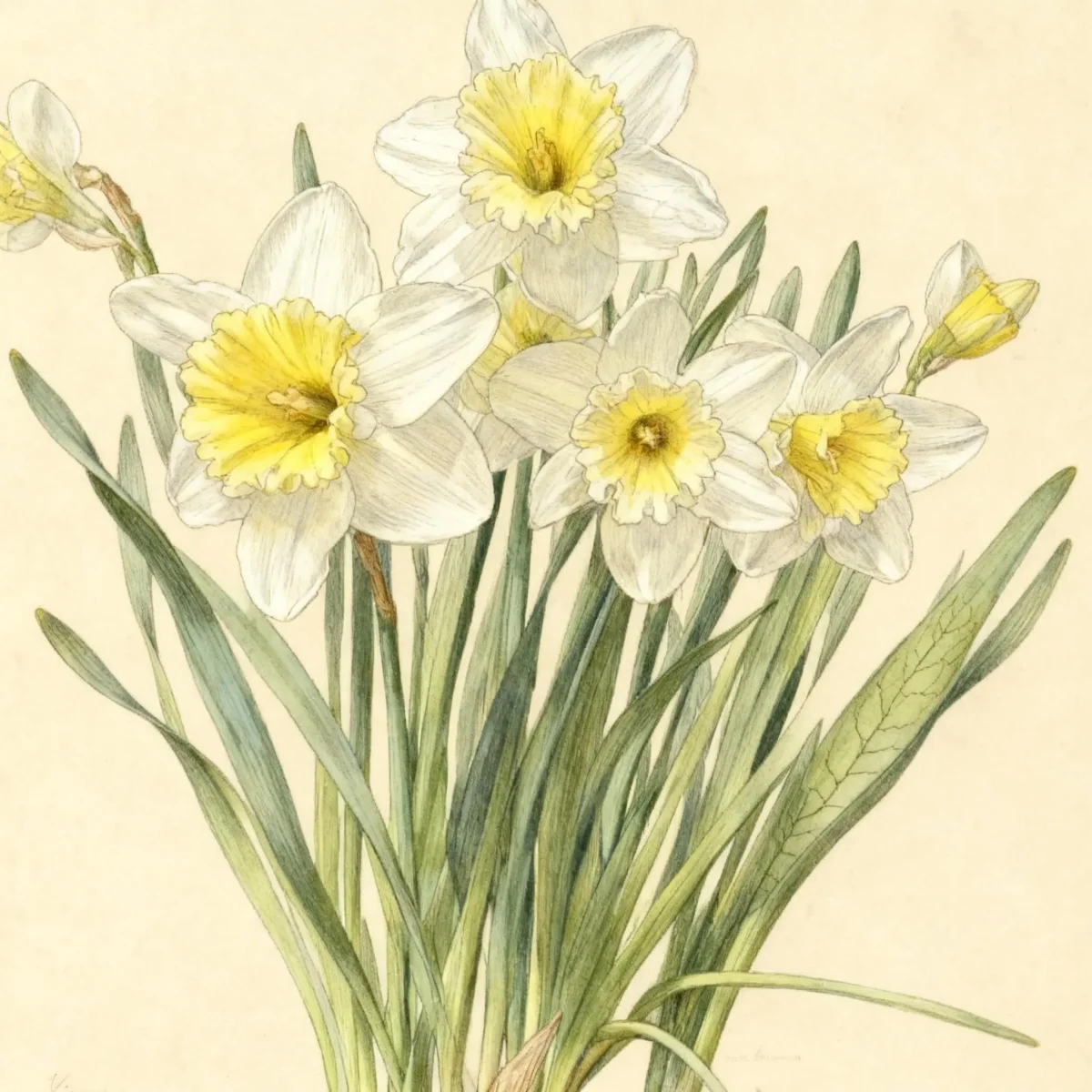
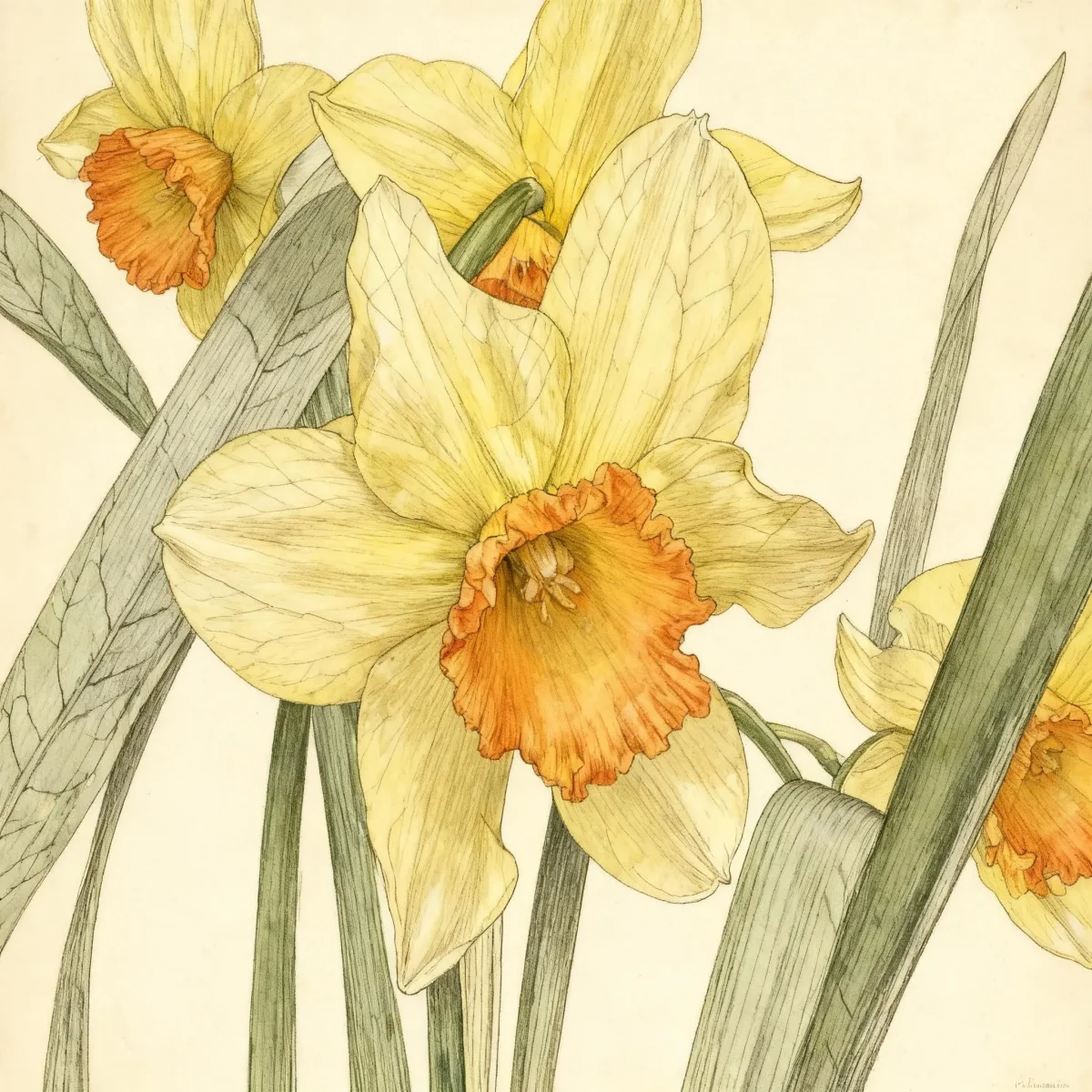
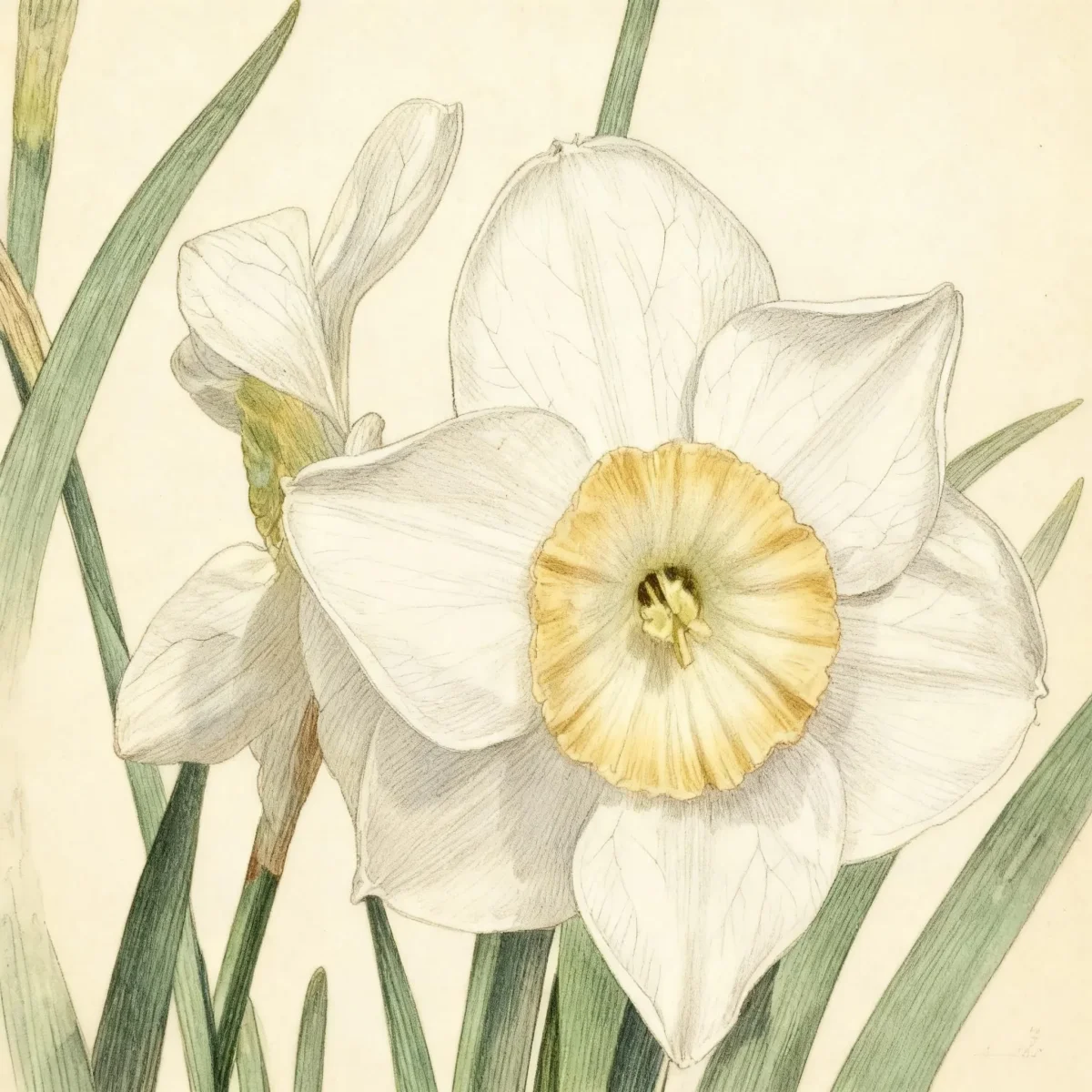
Large-cupped daffodil (Narcissus 'Ceylon')
Narcissus 'Ceylon' is a showy Large-cupped daffodil, blooming March-April with golden petals and an orange-red cup.
Scroll down to discover growing tips, care requirements, companion plants, and more
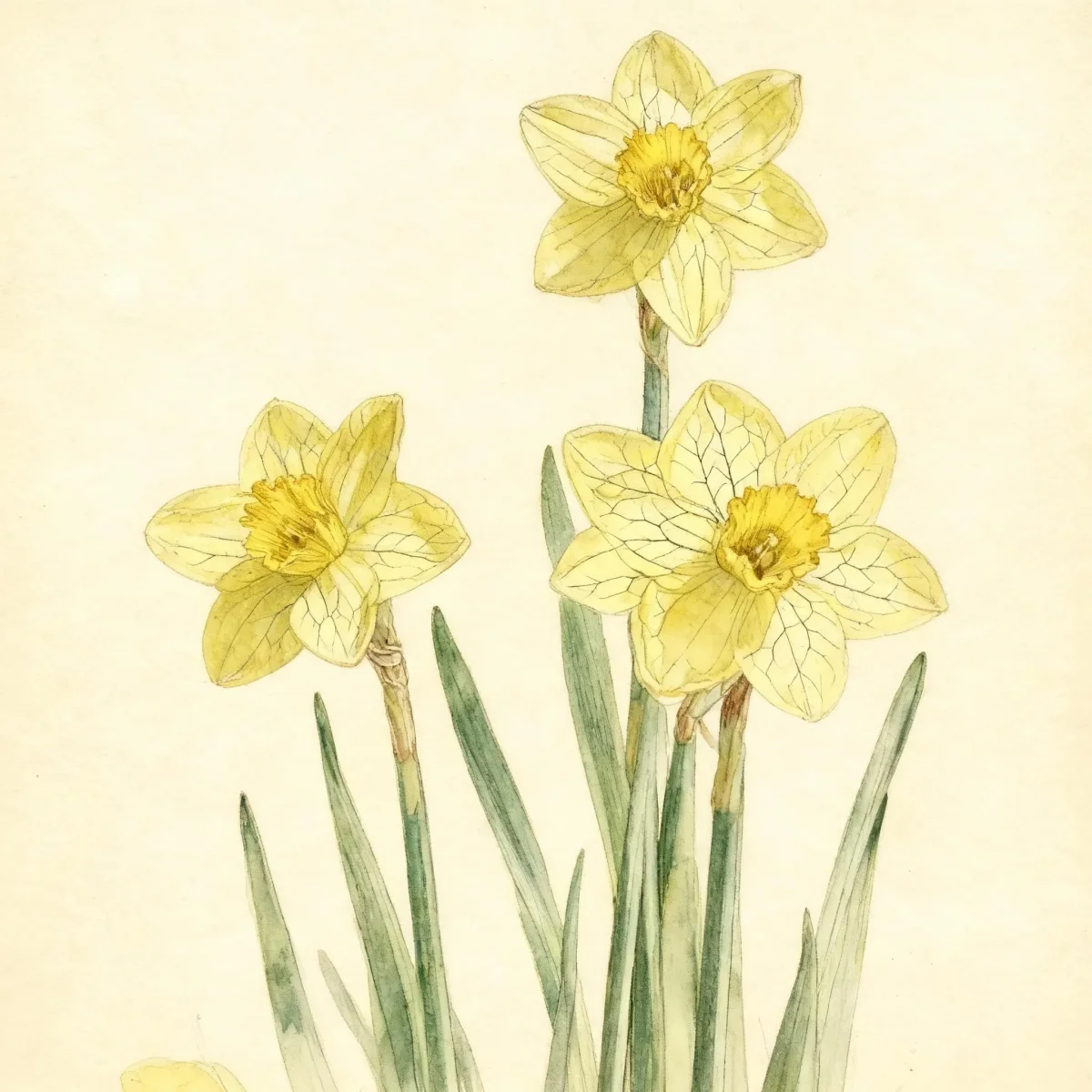
Complete Plant Information
Overview
Narcissus ‘Ceylon’ is a standout cultivar belonging to the popular Large-cupped daffodil division, celebrated for its vibrant spring display. This bulbous perennial offers rich color contrast with golden yellow petals framing a distinct, deep orange-red cup (corona). Its reliable performance and low maintenance requirements make it a staple for gardeners seeking dependable early-season cheer.
As a Division II daffodil, Narcissus ‘Ceylon’ features a cup that measures more than one-third but less than the full length of the surrounding perianth segments. Rising to about 1 to 1.5 feet tall, the blooms appear reliably from March through April, signaling the true arrival of spring in the garden. Once planted correctly, these bulbs require little attention, naturalizing beautifully over time.
This variety is highly valued not only for its visual appeal but also for its resilience; it often provides essential early nectar sources for pollinators. Furthermore, Narcissus ‘Ceylon’ is naturally distasteful to common garden pests like rabbits and deer, ensuring your spring show is rarely interrupted. Incorporating the Large-cupped daffodil into your landscape offers an easy path to reliable, vibrant floral rewards year after year.
Fast Facts
- Plant Family: Amaryllidaceae
- Plant Type: Bulb
- Hardiness Zones: USDA Zones 3-8
- Size at Maturity:
- Height: 1-1.5 ft
- Spread: 0.5-0.75 ft
- Bloom Time: March to April
- Bloom Description: Yellow petals with orange-red corona
- Sun Exposure: Full sun to part shade
- Water Needs: Medium
- Maintenance Level: Low
How to Grow
Planting Narcissus ‘Ceylon’ is best performed in early to mid-fall before the ground freezes solid. Select a site that receives full sun to part shade, ideally situated so that any backdrop shade is toward the rear, encouraging the flowers to face the sun. These Large-cupped daffodils thrive in average, medium moisture, well-drained soils, favoring organically rich loams where drainage is excellent, as wet winter roots lead to bulb rot.
Proper depth is crucial for bulb survival and strong performance. Plant each bulb two to three times as deep as the bulb is tall, ensuring at least 3 inches of soil covers the top, generally resulting in a 3 to 6-inch planting depth overall. Space the bulbs between 4 and 10 inches apart; while wider initial spacing may appear sparse, the clumps will fill in over subsequent years, reducing the need for division.
Maintain medium soil moisture throughout the active growing season, though the bulbs tolerate dry conditions once dormant. After the spring flowering concludes, allow the foliage to fully yellow before cutting it back; this process is vital for replenishing the energy reserves in the bulb for next year’s display. Remove the spent flower stems above the foliage if seed production is to be avoided.
Landscape Uses
Daffodils, including the striking Narcissus ‘Ceylon’, excel when planted in quantity rather than as isolated specimens. They are fantastic for establishing large sweeping drifts that mimic naturalized settings, perfect for woodland edges, large borders, or beneath established trees where they receive adequate spring light. Unlike tulips, these reliable bulbs continue to bloom profusely year after year without needing constant replanting.
Consider massing the Large-cupped daffodil in front of evergreen shrubs or along pathways where their early color provides a vital contrast against darker backdrops. They mix exceptionally well with other spring bloomers such as early flowering hyacinths or grape hyacinths (Muscari), providing layers of color as the season progresses. For a formal touch, plant large groups of Narcissus ‘Ceylon’ near the front edge of a mixed perennial border.
If you are aiming for a low-maintenance yard, allow these bulbs to naturalize; they perform best when left undisturbed for many seasons. When clumps eventually become overcrowded and bloom quality declines, divide them immediately after the foliage dies back in late spring or early summer.
Standout Features
Flower Qualities
- Showy
Noteworthy Characteristics
Narcissus is a genus of about 50 species of bulbous perennials from Europe and North Africa. They are a mainstay of the spring garden. Flowers generally feature a trumpet or cup (the corona) surrounded by six petals (perianth segments), in colors ranging from white to yellow to orange to pink to bicolors. ‘Ceylon’ is a large-cupped daffodil (Division II), featuring golden yellow petals and an orange-red cup, offering one flower per stem that blooms early to midseason.
Tolerances
- Rabbit
- Deer
- Drought
Potential Problems
Daffodils are renowned for being nearly pest-free and disease-free when grown in suitable conditions, largely avoiding major insect or fungal issues. Gardeners should focus primarily on ensuring excellent soil drainage to prevent bulb rot, which is the most common hazard for Narcissus ‘Ceylon’. Infrequent pests may include slugs, snails, or occasionally the narcissus bulb fly. Should viral issues like Narcissus yellow stripe virus appear, prompt removal of infected plants is necessary to prevent spread.
Frequently Asked Questions
What hardiness zones is Large-cupped daffodil suitable for?
The Large-cupped daffodil, including Narcissus ‘Ceylon’, is reliably hardy in USDA Zones 3 through 8.
How large does Narcissus ‘Ceylon’ grow?
This bulb typically reaches a mature height between 1 and 1.5 feet tall, with a spread of 0.5 to 0.75 feet.
When does Narcissus ‘Ceylon’ bloom?
Narcissus ‘Ceylon’ flowers appear between March and April, showcasing distinct yellow petals with an orange-red corona.
What sun exposure does Narcissus ‘Ceylon’ need?
This variety performs best when situated in areas receiving full sun to part shade.
Conclusion
Narcissus ‘Ceylon’ provides the gardener with a classic, low-maintenance burst of color early each spring, thanks to its magnificent golden and orange-red blooms. As a dependable Large-cupped daffodil, this variety naturalizes well and resists common pests. Before the fall planting window closes, ensure you have selected a well-drained location to allow this beautiful bulb to thrive for many seasons to come.
Companion Planting for Spring Displays
Since Narcissus ‘Ceylon’ blooms relatively early in the season (March to April), pairing it with later-blooming perennials and bulbs creates a sequential display of color. Consider planting forget-me-nots (Myosotis) adjacent to your daffodils; their fine blue texture contrasts beautifully with the bold structure of the Large-cupped daffodil. When the daffodil foliage begins to yellow, later-season perennials like Hostas or Peonies will emerge to cover the fading leaves, ensuring continuous garden interest.
For a cohesive cottage garden look, interplant your narcissus bulbs with late-blooming tulips or Alliums that emerge weeks after the daffodils fade, extending the bulb season well into late spring and early summer. Always ensure companion plantings do not compete heavily for moisture during the daffodil’s critical spring growth phase, particularly if your soil tends toward dryness.
Design Ideas for Mass Planting
Planting Narcissus ‘Ceylon’ in drifts creates the most dramatic impact, far surpassing the effect of solitary plantings. Aim to plant in groupings of at least six bulbs, though large groupings of twenty or more will offer a spectacular visual sweep. Place these bold yellow and orange accents near entryways or visible overlooks to maximize viewing pleasure during the early, often cool, spring days.
Consider using these bulbs to line the edge of a lawn area or woodland border. The low maintenance level and pest resistance make them ideal for areas where frequent human intervention is not possible. Massed Narcissus ‘Ceylon’ bulbs allow gardeners to establish self-sustaining color displays that require nothing more than good soil drainage and sunlight.