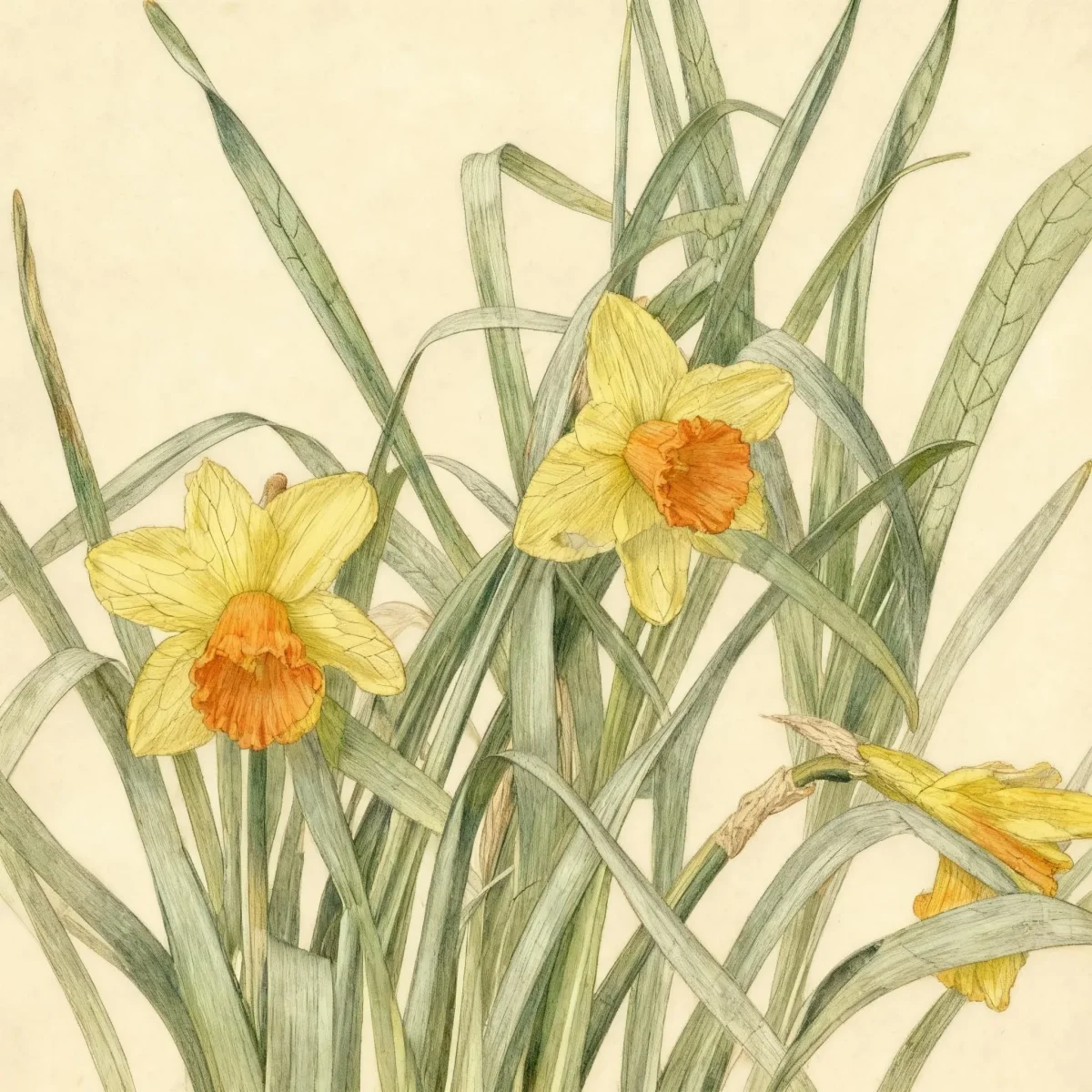
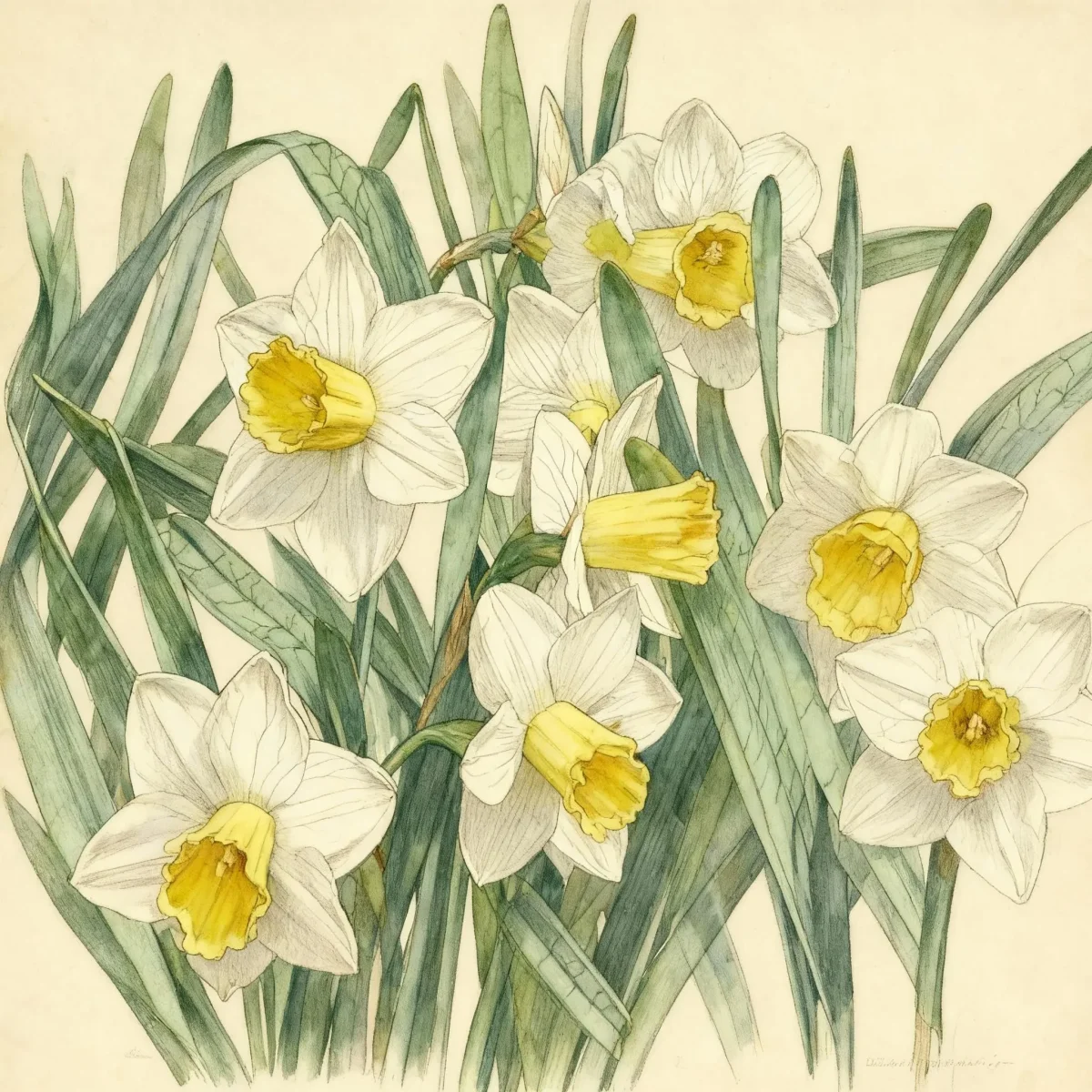
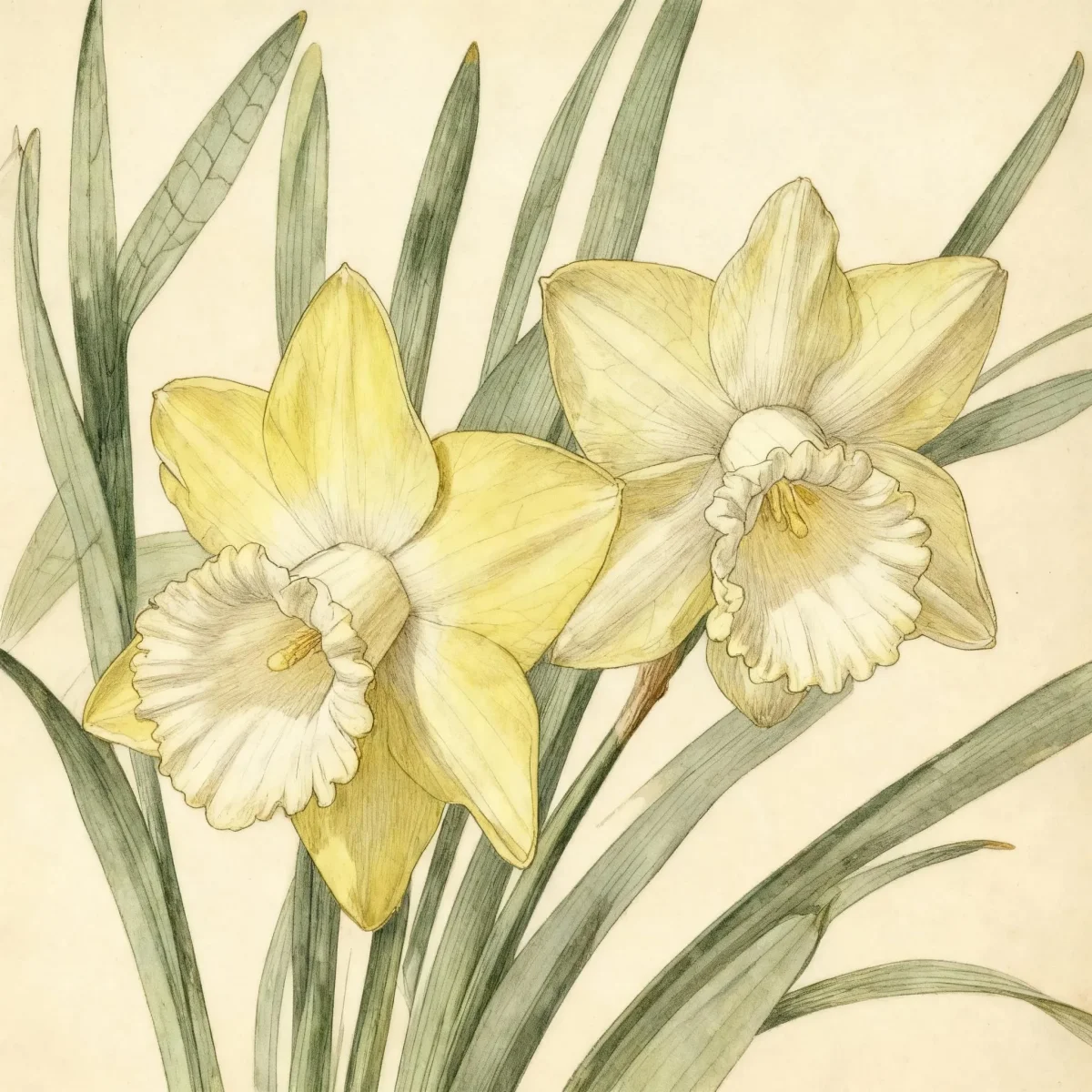
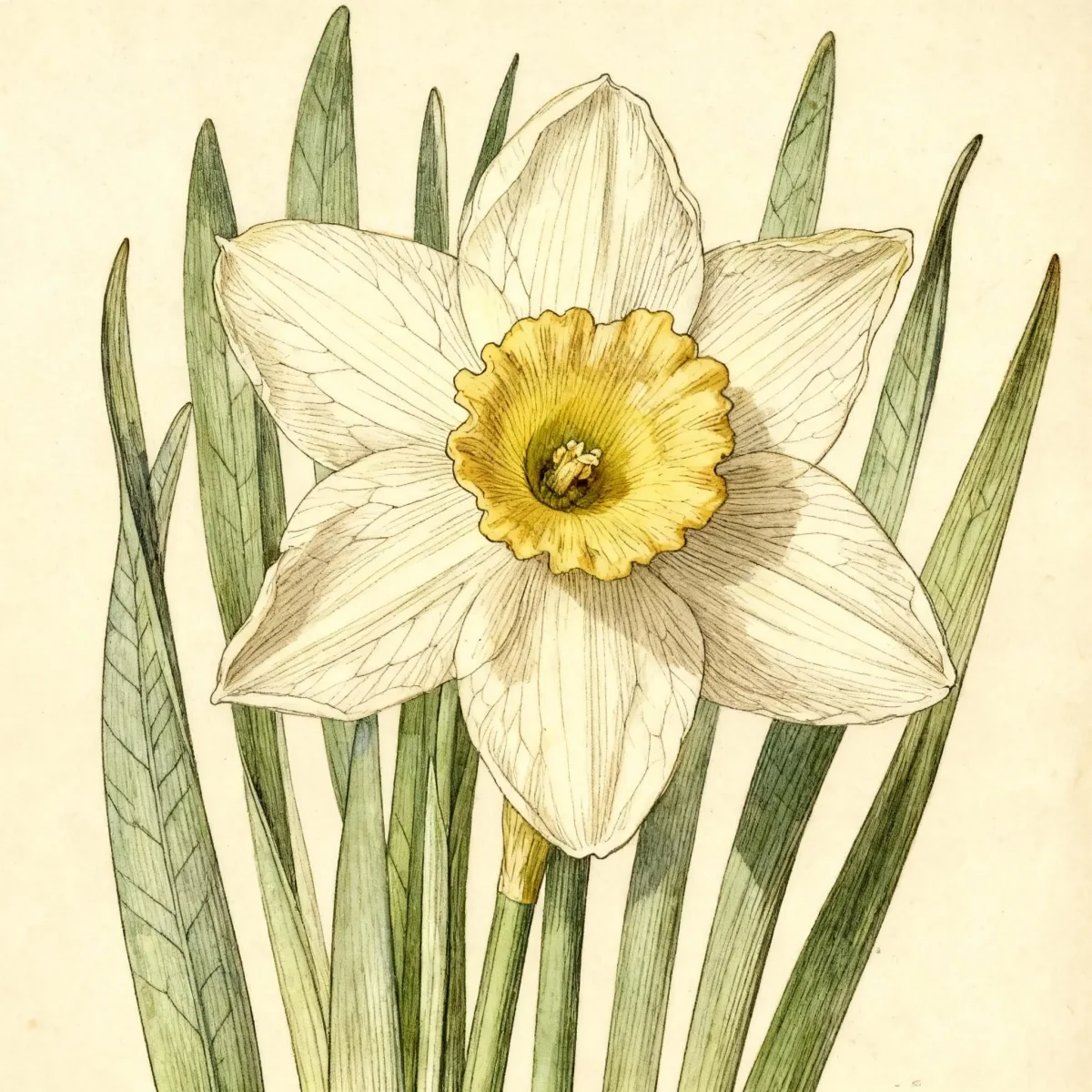
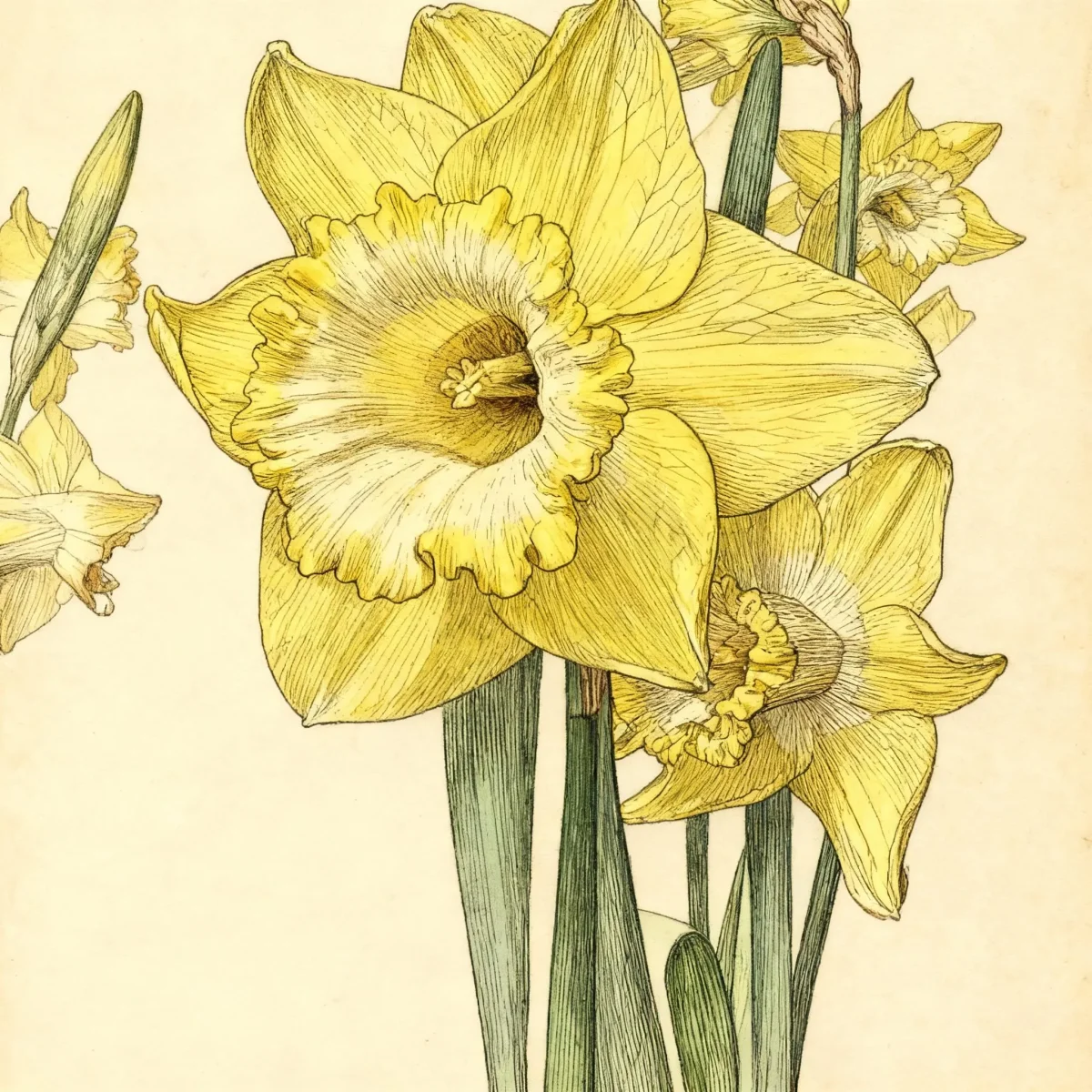
Trumpet daffodil (Narcissus 'Dutch Master')
Bright yellow Narcissus 'Dutch Master' trumpet daffodil blooms in spring. Low maintenance, deer resistant, and naturalizes readily.
Scroll down to discover growing tips, care requirements, companion plants, and more

Complete Plant Information
Overview
The Narcissus ‘Dutch Master’ is a celebrated classic in the spring garden, recognized globally as a premier Trumpet daffodil cultivar. This variety delivers a powerful visual punch with its uniform, brilliant yellow coloration and perfectly formed, long trumpets. Gardeners prize this variety for its reliable performance and ability to bring early season cheer after the long winter.
This bulbous perennial thrives across diverse climates when provided well-drained soil conditions. Its low maintenance profile means that once established, the magnificent blooms of Narcissus ‘Dutch Master’ will return year after year with very little intervention required from the gardener. It is an essential component for any reliable spring display.
Beyond their striking appearance, these flowers provide significant practical value by naturalizing beautifully in lawns or garden beds. They form reliable drifts, creating sweeping rivers of yellow early in the season. Furthermore, this particular Trumpet daffodil is generally avoided by common garden pests like rabbits and deer.
Fast Facts
- Plant Family: Amaryllidaceae
- Plant Type: Bulb
- Hardiness Zones: USDA Zones 3-7
- Size at Maturity:
- Height: 1.5-1.75 ft
- Spread: 1-1.75 ft
- Bloom Time: March to April
- Bloom Description: Yellow
- Sun Exposure: Full sun to part shade
- Water Needs: Medium
- Maintenance Level: Low
How to Grow
Planting Narcissus ‘Dutch Master’ bulbs should occur in the early to mid-fall season, allowing adequate time for root development before the ground freezes. They require average, medium moisture, well-drained soils, and perform best in organically rich loams. Ensure excellent drainage, as this is crucial to preventing bulb rot. Plant bulbs 2 to 3 times as deep as the bulb is tall; generally, this means placing them 3-6 inches deep and spacing them 4-8 inches apart.
Care during the active growth period requires keeping the soil uniformly moist. Once the bright yellow flowers of the Trumpet daffodil fade in mid-spring, resist the temptation to cut back the foliage immediately. The leaves must be allowed to yellow completely—a natural process that gathers energy for next year’s bloom. Only remove the spent flower stem tops if desired to prevent unwanted seed set.
These daffodils are excellent candidates for long-term garden presence, as they can be left undisturbed for many years. If you notice a decline in the quantity or quality of the Narcissus ‘Dutch Master’ flowers after several seasons, the clumps may be gently divided. This division process should take place immediately after the foliage has died back completely.
Landscape Uses
The robust nature and reliable return of the Trumpet daffodil make it ideal for mass plantings where you desire high impact. Narcissus ‘Dutch Master’ excels when allowed to naturalize, meaning they spread and multiply over time, reducing the need for annual replanting required by many other spring bulbs. Plant them in sweeping drifts rather than small, isolated pockets for the greatest visual effect.
They are versatile, fitting seamlessly into borders, wild gardens, and open woodland settings, positioning them wonderfully in front of shrubs or beneath deciduous trees where they receive ample spring sun. Because the flowers generally face the sun, site your plantings so that any overhead shade areas are located at the rear of the display. They mix well with other spring bloomers like early tulips or grape hyacinths, creating layered color interest.
Planting in quantity—aiming for at least six bulbs for a small grouping, or dozens for a sweeping drift—ensures a dense, impressive landscape feature as the Narcissus ‘Dutch Master’ bulbs mature together.
Flower Qualities
- Showy
Noteworthy Characteristics
Narcissus is a genus of about 50 species of bulbous perennials from Europe and North Africa, serving as a true mainstay of the spring garden. Flowers typically feature a central trumpet or cup (the corona) surrounded by six petals (perianth segments), with colors spanning white, yellow, orange, and pink variations. Cultivated varieties like ‘Dutch Master’ are categorized into 13 divisions; this specific cultivar is an early to mid-season flowering, Division 1 or long-cup trumpet daffodil, featuring 4.25” wide flowers with bright yellow perianth segments around an intense yellow, notched corona.
Tolerances
- Rabbit
- Deer
- Drought
Potential Problems
Daffodils, including the popular Narcissus ‘Dutch Master’, are famously low-maintenance and are noted for being nearly pest-free when planted in appropriate media. The primary cultural issue involves poor drainage, which can lead to bulb rot. While uncommon, gardeners should watch for infrequent pests such as slugs and snails, especially when new growth first emerges, and be aware of narcissus bulb fly or nematode issues.
If rot is suspected, immediate soil amendment to improve drainage is necessary. If leaf tissue shows yellow striping, this could indicate Narcissus yellow stripe virus, for which the best management practice is careful removal of infected plants to prevent spread. As a significant benefit, deer and rabbits generally avoid consuming this plant due to natural deterrents in the foliage and bulbs.
Frequently Asked Questions
What hardiness zones is Trumpet daffodil suitable for?
This variety is reliably hardy across USDA Zones 3 through 7.
How large does Trumpet daffodil grow?
Mature plants typically reach heights between 1.5 and 1.75 feet tall, with a comparable spread of 1 to 1.75 feet wide.
What sun exposure does Narcissus ‘Dutch Master’ need?
Narcissus ‘Dutch Master’ thrives best when positioned where it receives full sun or partial shade throughout the day.
When does Trumpet daffodil bloom?
This classic Trumpet daffodil blooms reliably during the early part of the spring season, generally from March into April, showcasing bright yellow flowers.
Conclusion
For foundational early spring color, few bulbs rival the consistent beauty and reliability of the Narcissus ‘Dutch Master’. Its bright yellow, classic Trumpet daffodil form is unmistakable, delivering low-maintenance splendor that naturalizes readily over time. Before summer ends, plan your purchase and ensure well-draining sites, then plant these robust bulbs this fall to guarantee a superb display next spring.
Companion Planting
Selecting excellent neighbors is key to maximizing the impact of your Trumpet daffodil display. Because the foliage of Narcissus ‘Dutch Master’ can look untidy as it yellows in late spring, companion plants that emerge later help mask this decline. Consider pairing them with mid-to-late season perennials like Siberian Iris or Peonies, whose lush summer foliage will cover the senescing daffodil leaves.
Hostas and Geraniums also make excellent groundcover companions beneath the bulbs. Their lower growth habit complements the upright structure of the daffodil stems during bloom time. Ensure these companions prefer the same sun exposure—full sun to part shade—to maintain a healthy, cohesive planting area for your Narcissus ‘Dutch Master’.
Propagation Tips
While Narcissus ‘Dutch Master’ will multiply on its own through natural division, gardeners can encourage faster clumping or increase stock by actively dividing mature groupings. The proper time for this work is crucial: wait until the foliage has completely died back and yellowed, usually in early summer. Dig up the entire clump carefully to avoid damaging the bulbs.
Gently separate the clustered bulbs, looking for any offsets that have formed larger than a marble. Larger bulbs are ready for immediate replanting at the correct depth for guaranteed flowering next year. Smaller bulb offsets can be planted slightly shallower or even in a separate nursery bed for a year or two to gain size before being incorporated into the main display.