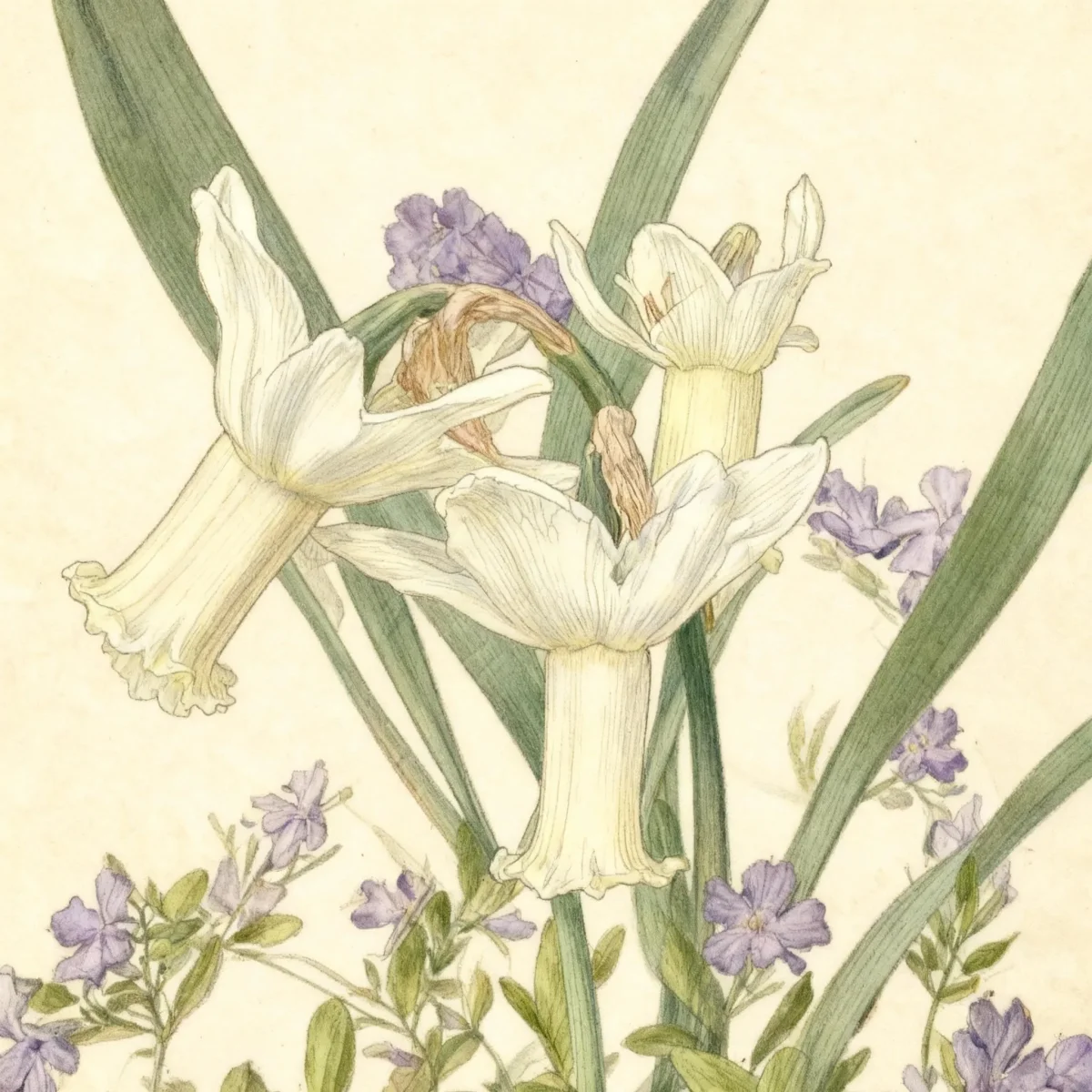
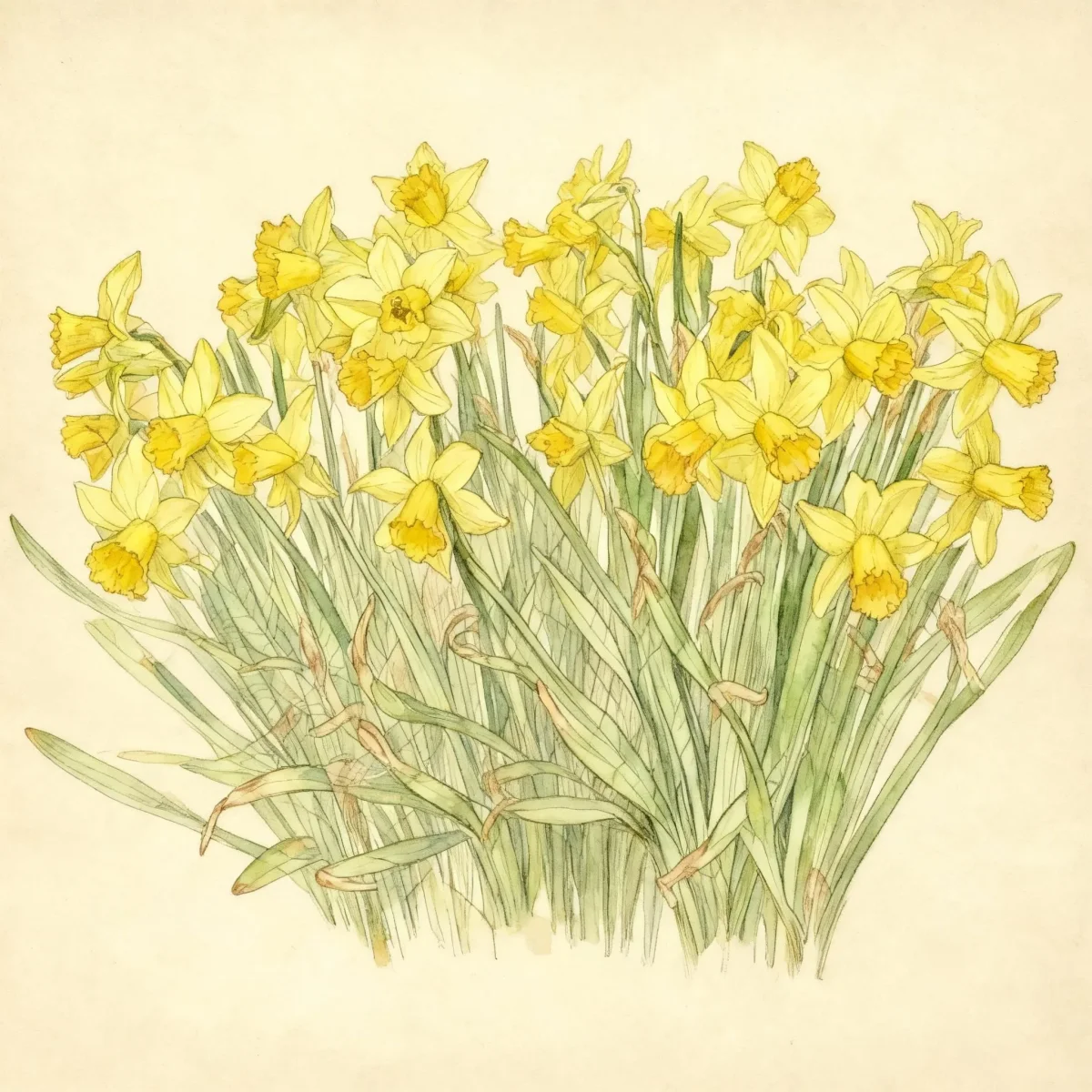
Cyclamineus daffodil (Narcissus 'February Gold')
Narcissus 'February Gold' provides bright yellow, early spring cheer. This low-maintenance Cyclamineus daffodil naturalizes well in Zones 4-8.
Scroll down to discover growing tips, care requirements, companion plants, and more
Complete Plant Information
Overview
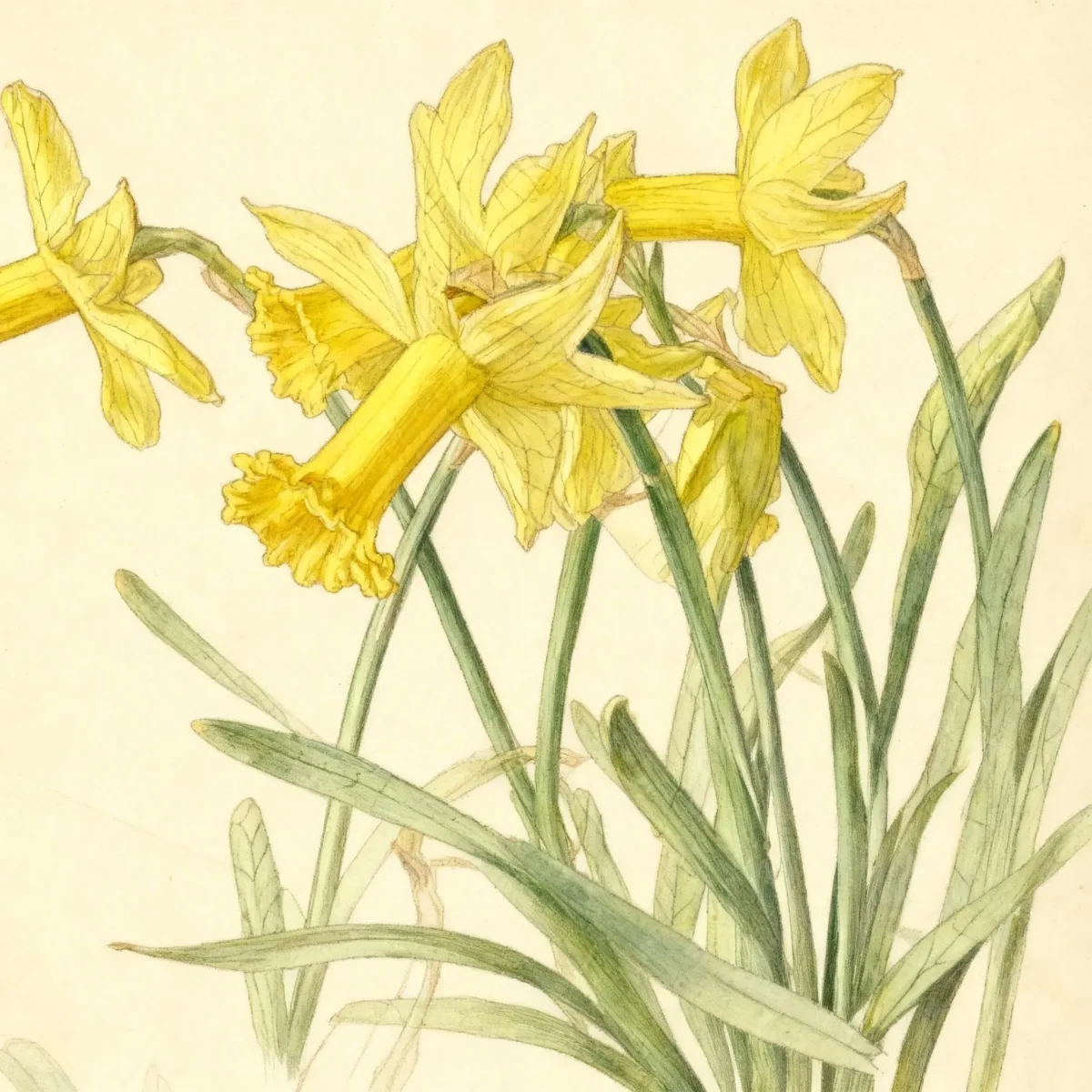
Narcissus ‘February Gold’ is a highly valued addition to the early spring landscape, celebrated for ushering in color when winter has barely retreated. As a classic Cyclamineus daffodil, it features an elegant, swept-back appearance with bright yellow trumpets that command attention. This reliable bulb is low-maintenance and naturalizes readily, meaning fewer divisions are needed over the years to maintain impressive drifts of color.
This variety excels in providing reliable, upfront color, often blooming between March and April, sometimes much earlier in warmer zones. The structure of the Cyclamineus daffodil sets it apart, offering a distinction from common trumpet types. Gardeners appreciate how easily Narcissus ‘February Gold’ integrates into beds, borders, and under deciduous trees, quickly establishing cheerful springtime displays.
The robust, pest-resistant nature of this daffodil, combined with its drought tolerance once established, makes Narcissus ‘February Gold’ an excellent choice for foundational plantings that demand little effort. Its aesthetic appeal and cultural toughness cement its spot as a perennial favorite in the spring garden design palette.
Fast Facts
- Plant Family: Amaryllidaceae
- Plant Type: Bulb
- Hardiness Zones: USDA Zones 4-8
- Size at Maturity:
- Height: 1-1.5 ft
- Spread: 0.75-1 ft
- Bloom Time: March to April
- Bloom Description: Yellow
- Sun Exposure: Full sun to part shade
- Water Needs: Medium
- Maintenance Level: Low
How to Grow
Planting Narcissus ‘February Gold’ bulbs should occur in the early to mid-fall season. Ensure the location provides full sun to partial shade, as the light conditions will influence where the flowers face. Good soil drainage is paramount to prevent bulb rot; organically rich loams with medium moisture are ideal. Plant bulbs two to three times as deep as the bulb height, ensuring at least 3 inches of soil covers the top. Spacing between bulbs should range from 4 to 10 inches apart, remembering that wider spacing fills in but looks sparser initially.
During the active growing season, keep the soil uniformly moist. However, once the bloom period is over and the foliage begins to yellow, the plant enters dormancy and can handle drier conditions. The post-bloom care is crucial for next year’s performance: remove spent flower stems to prevent seed formation, but under no circumstances cut back the foliage until it has completely yellowed naturally.
If you notice a decline in bloom quality or quantity, the clumps of Narcissus ‘February Gold’ may need dividing. Wait until just after the foliage dies back completely before digging and separating the bulbs. This perennial’s longevity means it can be left undisturbed for many years, providing consistent early spring presence.
Landscape Uses
Daffodils, including the early-blooming Cyclamineus daffodil like ‘February Gold’, are indispensable for creating layered spring interest. Unlike annual displays, these bulbs return reliably year after year, making them excellent for mass plantings where naturalizing is desired. Plant them in sweeping drifts rather than small isolated groupings for the greatest visual impact against emerging green foliage.
Consider planting Narcissus ‘February Gold’ in beds and borders where their early color contrasts beautifully with later-emerging perennials. They perform exceptionally well at the front of shrub borders or underneath deciduous trees, utilizing that early spring sunlight before the canopy fills in above. Because their flowers generally face toward the sun, position plantings so that any nearby shade areas are behind the bulbs.
These bulbs mix seamlessly with other spring bloomers, such as early tulips or grape hyacinths. Allowing Narcissus ‘February Gold’ to naturalize under lawns or in open woodland areas adds an element of surprise and effortless charm to the landscape design.
Standout Features
Flower Qualities
- Showy
Noteworthy Characteristics
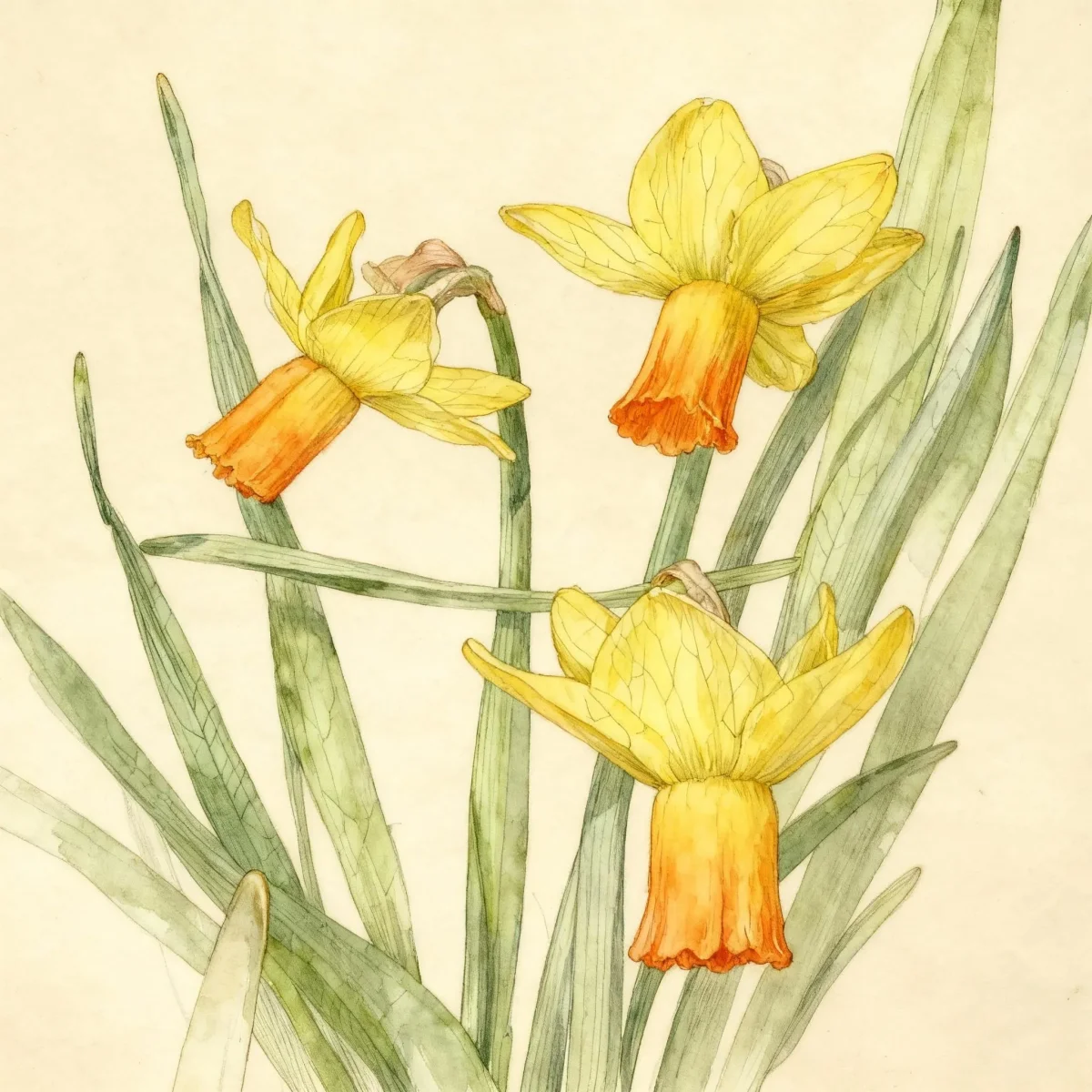
Narcissus is a genus of about 50 species of bulbous perennials from Europe and North Africa, serving as a mainstay of the spring garden. The genus features flowers, often with a prominent trumpet or cup (corona), in colors ranging from white to yellow to orange. ‘February Gold’ is specifically classified as a cyclamineus daffodil (Division VI), characterized by a long trumpet and petals that are extremely reflexed, resembling cyclamen segments. Each bright yellow flower on Narcissus ‘February Gold’ rises on stems up to 16 inches tall, providing one of the earliest pops of color in the season.
Tolerances
- Rabbit
- Deer
- Drought
Potential Problems
Daffodils are highly valued because they generally exhibit very few serious insect or disease issues, provided they are situated in well-drained soil. The primary cultural issue leading to failure is bulb rot, which occurs when the soil remains saturated or poorly drained during the dormant periods. While uncommon, gardeners should watch for narcissus bulb fly, slugs, or snails in humid conditions. An infrequent viral concern is Narcissus yellow stripe virus. Since deer and rabbits avoid consuming daffodils due to their toxicity, they offer excellent protection against browsing pests.
Frequently Asked Questions
What hardiness zones is Cyclamineus daffodil suitable for?
Narcissus ‘February Gold’ is suitable for planting in USDA Zones 4 through 8, providing excellent reliability across a wide range of climates.
How large does Narcissus ‘February Gold’ grow?
This variety typically reaches a height between 1 and 1.5 feet, with a spread ranging from 0.75 to 1 foot wide at maturity.
When does Cyclamineus daffodil bloom?
Narcissus ‘February Gold’ blooms early in the spring season, generally appearing from March through April, marked by its signature bright yellow coloration.
What sun exposure does Narcissus ‘February Gold’ need?
This cultivar performs best when given full sun to part shade conditions, ensuring the blooms face the available light throughout the day.
Conclusion
The enduring appeal of Narcissus ‘February Gold’ lies in its ability to deliver bright, unwavering yellow color very early in spring with minimal gardener input. This exceptional Cyclamineus daffodil naturalizes beautifully and resists common pests, securing its popularity. Before your first fall planting, confirm your USDA zone falls between 4 and 8 to ensure the long-term success of your Narcissus ‘February Gold’ display.
Companion Planting
When designing spring displays, selecting companions that share similar cultural needs enhances the overall aesthetic and maintenance routine. Since the foliage of Narcissus ‘February Gold’ must remain intact until it yellows, interplant with later emerging perennials that can gently grow up around and mask the daffodil leaves as they decline. Late-blooming groundcovers or hostas that emerge slowly make excellent companions that allow the bright yellow trumpets to shine unobstructed.
Consider pairing the early bloom time of this variety with other reliable early bulbs like Snowdrops (Galanthus) or Scilla for a succession of spring color. For borders, planting near spring-flowering bulbs that come slightly later, such as certain tulips or taller late-season daffodils, creates a longer visual sequence in the same area, utilizing the same well-drained soil requirements.
Design Ideas for Naturalizing
The best way to showcase the graceful structure of the Cyclamineus daffodil is to plant it in drifts, mimicking how these bulbs occur naturally in their native ranges. Avoid strict straight lines; instead, toss the bulbs randomly across the planting area and plant them where they fall, creating graceful, sweeping sweeps of yellow color. This approach works perfectly along the edges of lawns or naturalized areas near woodland borders.
For formal settings, massing Narcissus ‘February Gold’ bulbs densely in the foreground of a mixed border provides a high-impact visual statement that can be enjoyed from a distance. Because they are shorter, ensure they are positioned in front of any taller shrubs or perennials that bloom later in the season, such as lilacs or peonies, allowing their early flowers to claim their moment in the sun.