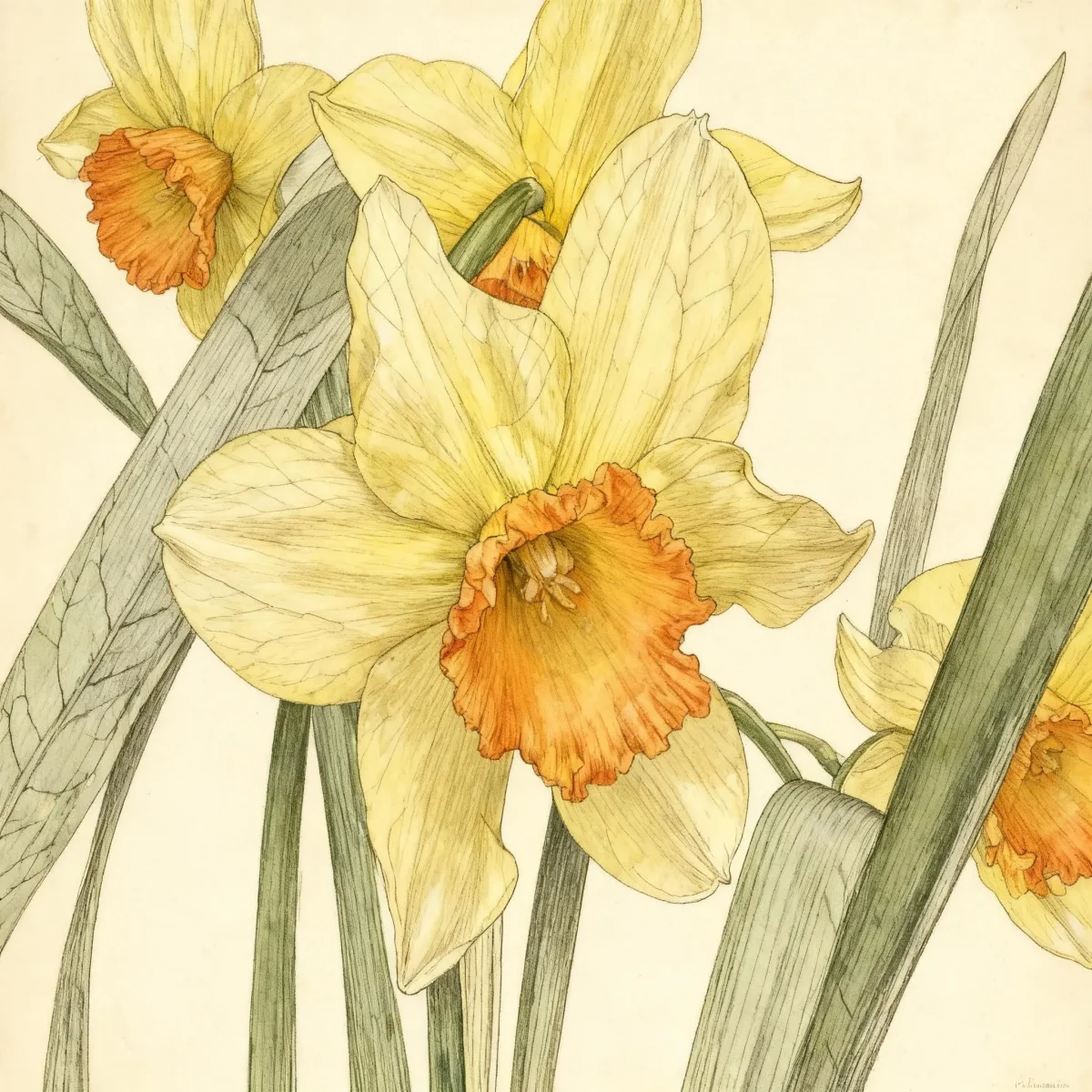
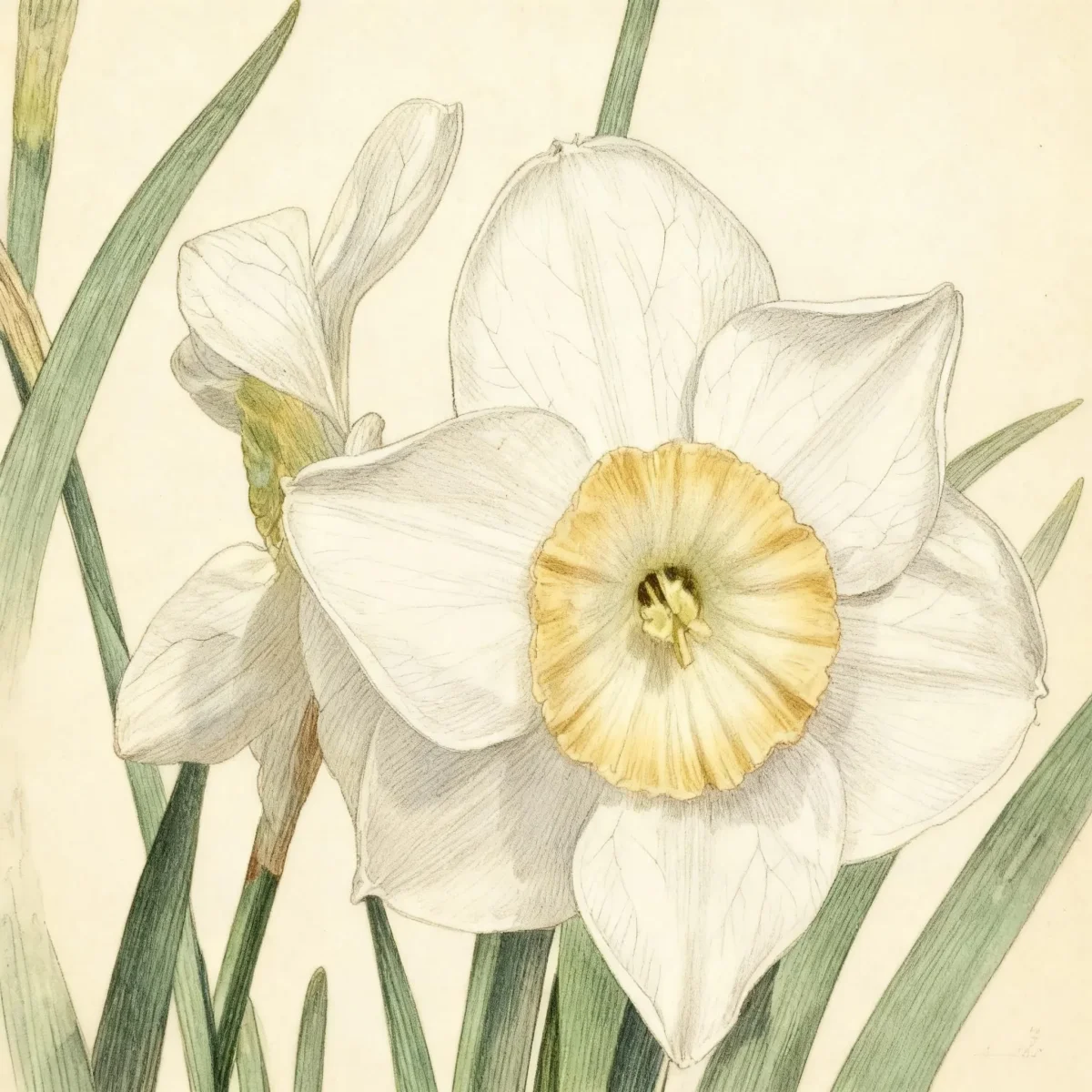
Large-cupped daffodil (Narcissus 'Fortissimo')
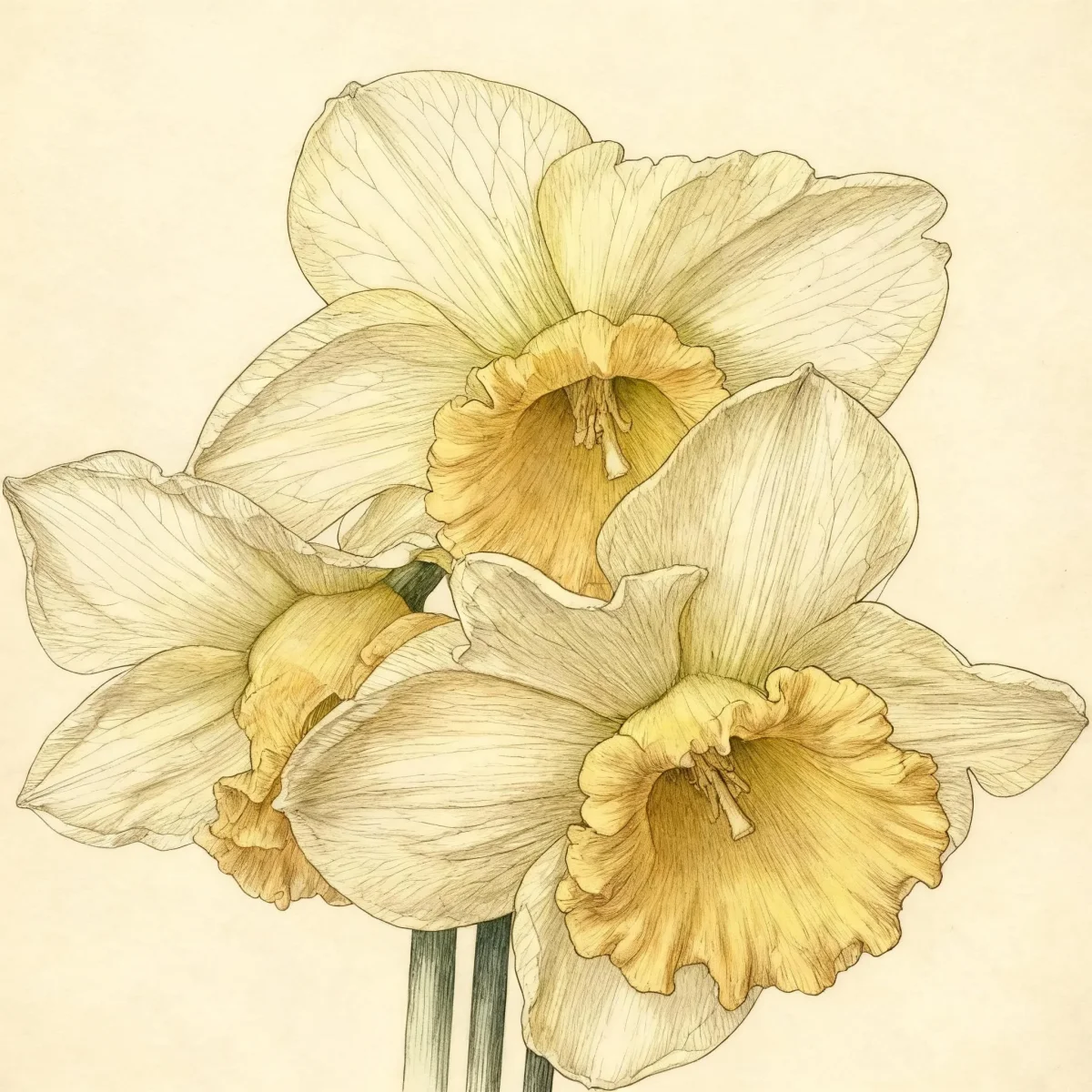
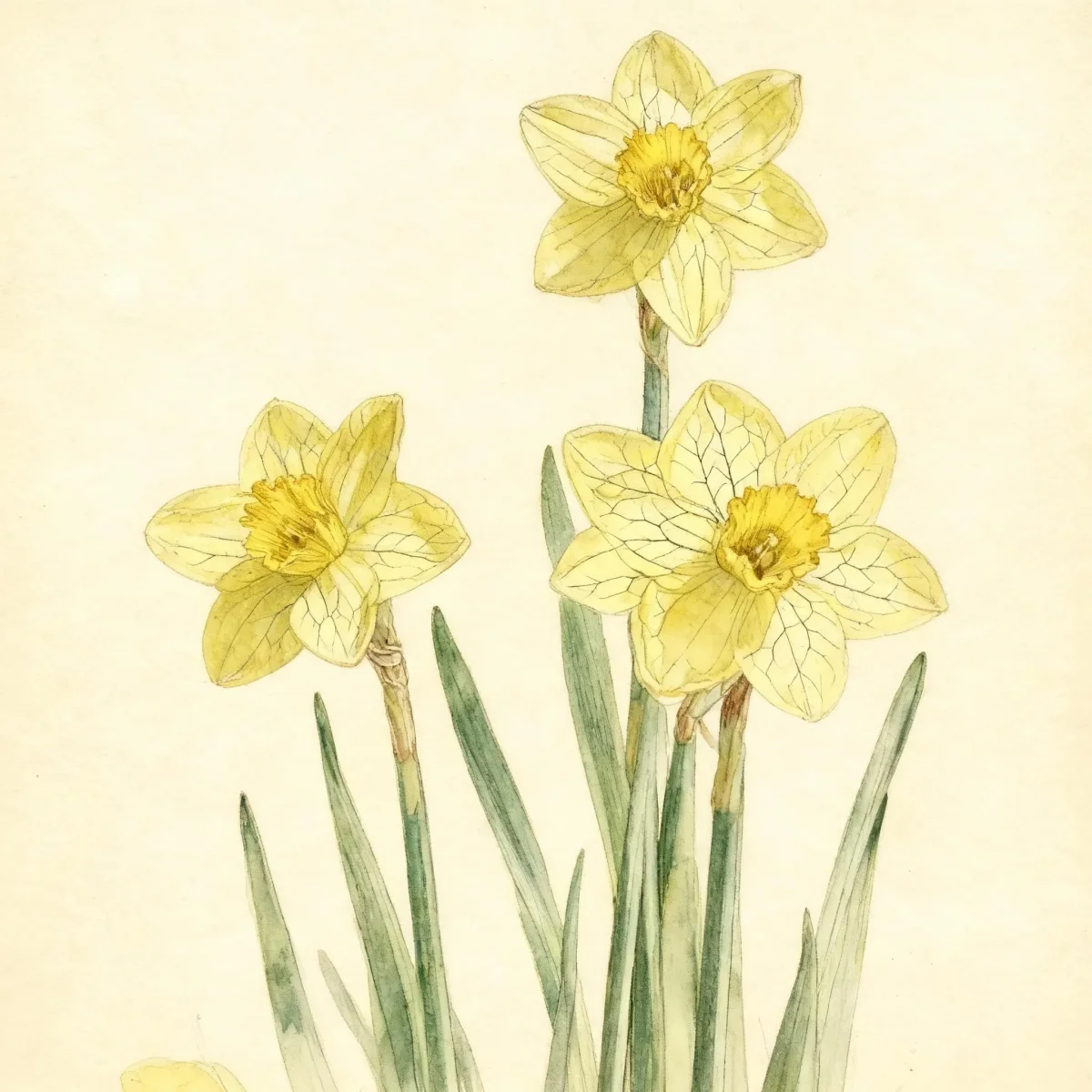
Narcissus 'Fortissimo' is a showy Large-cupped daffodil with yellow petals and an orange cup, perfect for US Zones 3-8.
Scroll down to discover growing tips, care requirements, companion plants, and more
Complete Plant Information
Overview
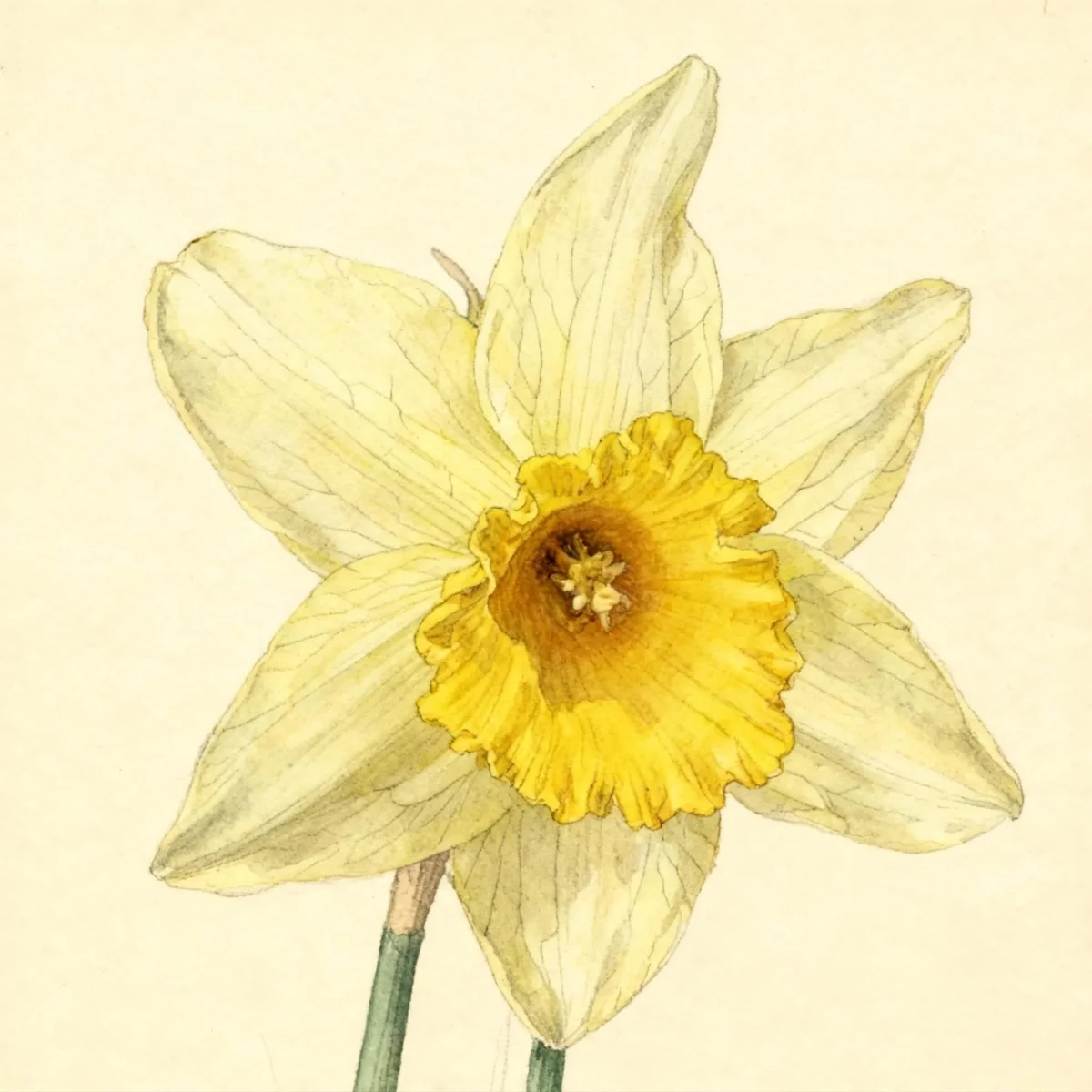
Narcissus ‘Fortissimo’ delivers a stunning burst of early to mid-spring color, making it a staple for reliable seasonal displays. This stunning Large-cupped daffodil is recognized for its vibrant presentation, featuring brilliant yellow petals contrasted by a rich orange corona. Belonging to the esteemed Narcissus genus, ‘Fortissimo’ offers exceptional garden impact and low maintenance once established.
As a classic bulb, Narcissus ‘Fortissimo’ thrives when planted in the fall, sending up vigorous, strap-like foliage early in the year. Gardeners prize this cultivar not only for its beauty but also for its resilience, as it naturally resists common pests. It embodies the spirit of the spring garden revival.
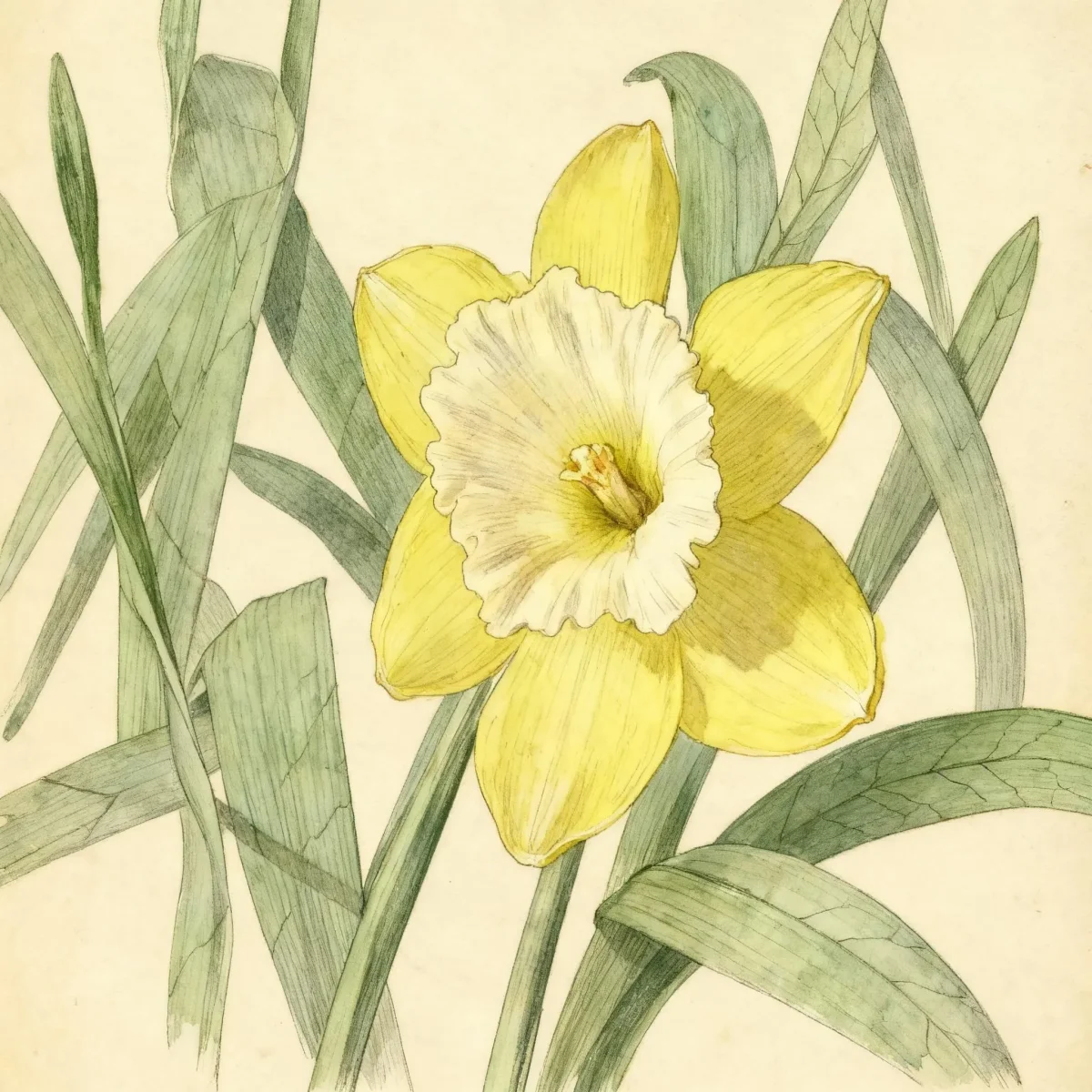
The physical structure defines this as a Large-cupped daffodil, meaning the cup (corona) is distinctively sized relative to the petals (perianth segments). Expect robust performance whether massed in drifts or used as a striking focal point in borders, ensuring a reliable, showy return year after year.
Fast Facts
- Plant Family: Amaryllidaceae
- Plant Type: Bulb
- Hardiness Zones: USDA Zones 3-8
- Size at Maturity:
- Height: 1.5-2 ft
- Spread: 0.5-0.75 ft
- Bloom Time: April
- Bloom Description: Yellow petals with orange corola
- Sun Exposure: Full sun to part shade
- Water Needs: Medium
- Maintenance Level: Low
How to Grow
Planting Narcissus ‘Fortissimo’ bulbs should occur in early to mid-fall, ahead of the first hard freeze. Select a location receiving full sun to light afternoon shade, ensuring the soil is well-drained, as good drainage is absolutely essential to prevent bulb rot. For best results, amend the soil with plenty of organic matter, aiming for an organically rich loam that is kept uniformly moist throughout the active growing season.
When planting, follow the depth rule: implant each bulb two to three times as deep as the bulb is tall, ensuring at least 3 inches of soil covers the top. Spacing between bulbs can range from 4 to 10 inches apart, depending on whether you desire an immediate fuller look or prefer allowing natural spread over time. Once established, drought is tolerated while the bulbs are dormant in summer.
Post-bloom care is crucial for next year’s display. After the beautiful yellow petals and orange corola fade, promptly remove the spent flower stem to prevent seed formation. However, resist cutting the foliage back until it naturally yellows, usually late spring or early summer. This allows the leaves to photosynthesize and recharge the bulb reserves for the following season.
These dependable bulbs can remain undisturbed for many years. If the quality or quantity of the Large-cupped daffodil flowers diminishes, divide the clumps shortly after the foliage dies back completely. Orient plantings so that any possible afternoon shade falls behind the blooms, as Narcissus ‘Fortissimo’ flowers naturally turn their faces toward the brightest available light source.
Landscape Uses
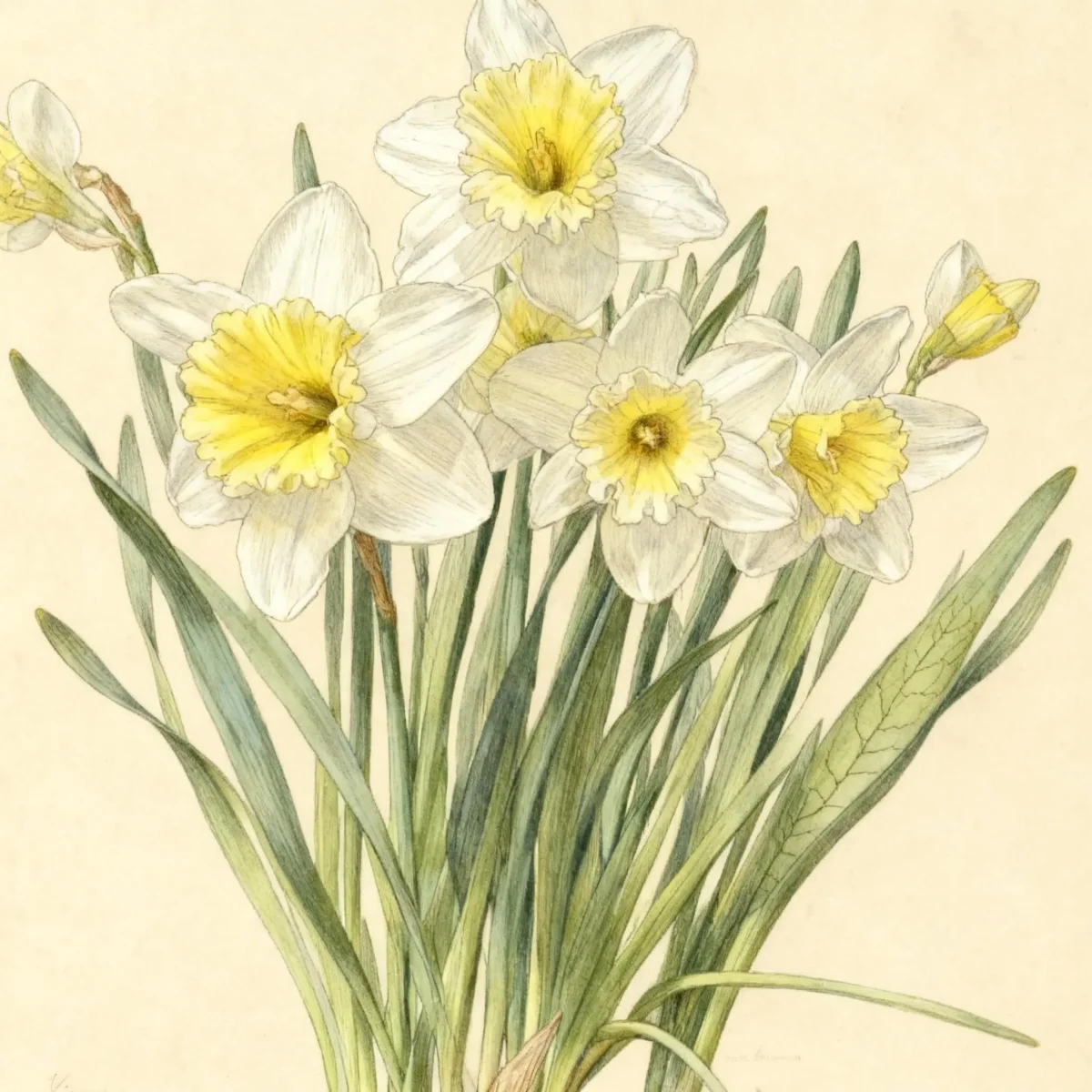
Daffodils like the spectacular Narcissus ‘Fortissimo’ are treasured because, unlike many spring bulbs, they reliably return and multiply annually. This trait makes them ideal for mass plantings in beds, along borders, or naturalizing in open woodland settings beneath deciduous trees. Planting in quantity—groups of six or more, or sweeping drifts—maximizes the visual impact of the strong yellow and orange combination.
Consider interplanting Narcissus ‘Fortissimo’ with later-blooming perennials or shrubs that will provide color and cover the declining daffodil foliage. They perform wonderfully at the base of shrubs or allowed to naturalize under the canopy of trees where they can capture the early spring sunlight. They mix exceptionally well with tulips, crocuses, and hyacinths for continuous spring interest.
For highly visible areas, plant the bulbs slightly more densely to achieve an immediate, full effect. Because this Large-cupped daffodil variety is pest-resistant to deer and rabbits, it can be safely placed near entryways or close to seating areas where its mid-season bloom is best appreciated.
Standout Features
Flower Qualities
- Showy
Noteworthy Characteristics
Narcissus is a genus of bulbous perennials famous as a mainstay of the spring garden. Cultivated varieties like this have been organized into 13 divisions based on bloom characteristics; ‘Fortissimo’ falls into Division II, the large-cupped daffodil category. Its distinguishing feature is its size, rising 18-20 inches tall, showcasing bright yellow perianth segments and a substantial orange cup. This exceptional spring performer is also noted as an excellent fresh cut flower option.
Tolerances
- Rabbit
- Deer
- Drought
Potential Problems
Daffodils, including the esteemed Narcissus ‘Fortissimo’, are generally robust and noted for being almost pest-free when planted in appropriate, well-drained soil. The primary threat comes from poor site selection. Bulb rot is a significant issue if the soil retains too much moisture; ensure soil drainage is excellent before planting.
Infrequently, pests like slugs and snails may bother young shoots, and issues such as the narcissus bulb fly or narcissus nematode can occur. Culturally, be wary of Narcissus yellow stripe virus, though it is rare. If you notice poor performance or declining bloom quantity over several years, it indicates that the planting may benefit from division rather than suggesting a persistent disease problem.
Frequently Asked Questions
What hardiness zones is Large-cupped daffodil suitable for?
Narcissus ‘Fortissimo’ is reliably hardy in USDA Zones 3 through 8.
How large does Narcissus ‘Fortissimo’ grow?
This variety typically reaches heights between 1.5 and 2 feet tall, with a spread of about 0.5 to 0.75 feet.
When does Large-cupped daffodil bloom?
The bloom time for Narcissus ‘Fortissimo’ is April, featuring characteristic yellow petals and an orange corola.
What sun exposure does Narcissus ‘Fortissimo’ need?
This Large-cupped daffodil performs best when situated in full sun to partial shade conditions.
Conclusion
Narcissus ‘Fortissimo’ is an indispensable performer, offering vibrant yellow and orange blooms with minimal seasonal effort. Its reliable return and pest tolerance cement its place as a superior Large-cupped daffodil choice for early spring landscapes. Check your local USDA hardiness zone and plan your purchase this fall to ensure spectacular color next April.
Companion Planting
When planning spring bulb displays, companion planting focuses on ensuring succession of bloom and masking foliage dieback. Plant Narcissus ‘Fortissimo’ alongside early blooming forget-me-nots (Myosotis spp.) which offer a soft blue carpet contrast to the bold yellow and orange. As the daffodil foliage begins to yellow, later-emerging plants such as Peonies or Siberian Iris will begin their growth, effectively concealing the fading leaves.
Because daffodils prefer not to be disturbed frequently, select permanent companions that thrive under similar conditions—full sun to part shade and medium moisture during spring growth. Avoid planting shallow-rooted annuals directly beside the bulbs, as the annuals might aggressively compete for necessary early nutrients needed by the Narcissus ‘Fortissimo’ for next year’s flowering cycle.
Seasonal Care Calendar
Spring care focuses predominantly on observation; admire the display of your Large-cupped daffodil, but avoid cutting the leaves until they yellow significantly. Mid-spring, after flowering, is the ideal time to remove spent flower heads to redirect energy back into the bulb. Summer care requires vigilance regarding drainage, ensuring the soil stays dry while the bulbs are dormant; this prevents rot in their resting phase.
Fall is the critical planting time for Narcissus ‘Fortissimo.’ Plant bulbs 6-8 weeks before the ground freezes solid, ensuring the proper depth and spacing mentioned above. Do not apply high-nitrogen fertilizers at the time of planting; instead, focus on incorporating well-rotted compost or bone meal to improve soil structure and support robust root development over winter.
Wildlife Benefits
While the primary draw of Narcissus ‘Fortissimo’ is aesthetic, its very structure contributes to early season wildlife support. Daffodils generally bloom before many other perennials, providing an accessible source of nectar and pollen for emerging bees and early-season pollinators when food sources are still scarce. Furthermore, successful bulb planting often means providing food reserves for beneficial soil organisms.
It is important to note its strong chemical defenses. The natural alkaloids present in all parts of the Narcissus genus, including the Large-cupped daffodil, render the plant toxic if ingested. This toxicity translates directly into a benefit for ground-feeding animals: rabbits, voles, and deer typically avoid eating the foliage or digging up the bulbs, leaving your display untouched.
Propagation Tips
The easiest way to propagate Narcissus ‘Fortissimo’ is naturally through offset bulb division. Since this variety is known to naturalize well over the years, this process is best done when the clump begins to overcrowd or bloom quality declines. Wait until late summer or early fall, immediately after the foliage has completely died back.
To divide, carefully lift the entire clump using a garden fork, working gently to avoid damaging the bulbs, which can be brittle. Separate the main bulb from the smaller offsets—these are new bulbs that have formed around the ‘mother’ bulb. Replant the offsets and the parent bulb immediately at the recommended depth and spacing for new plantings, ensuring undisturbed development for several years before they reach flowering maturity.