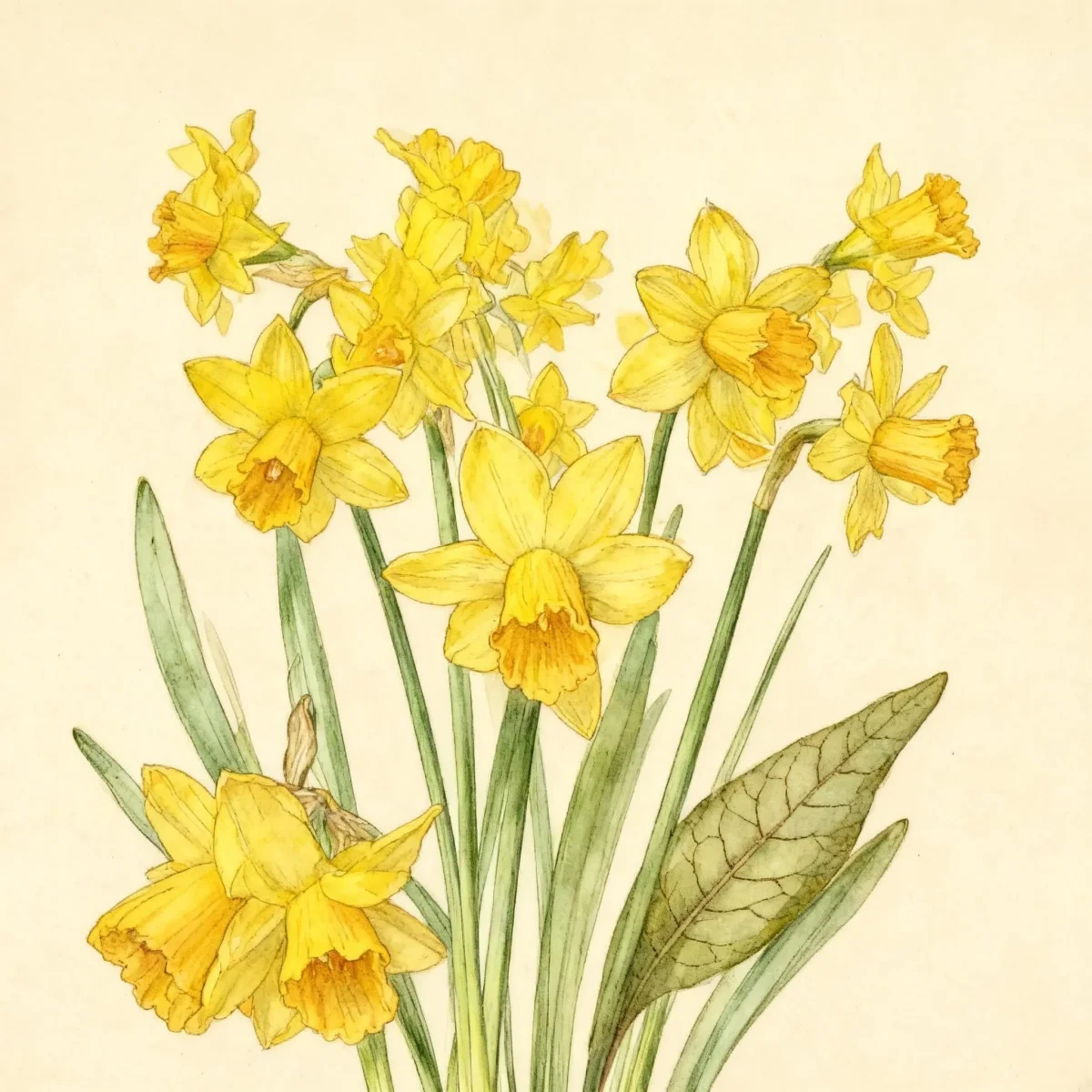
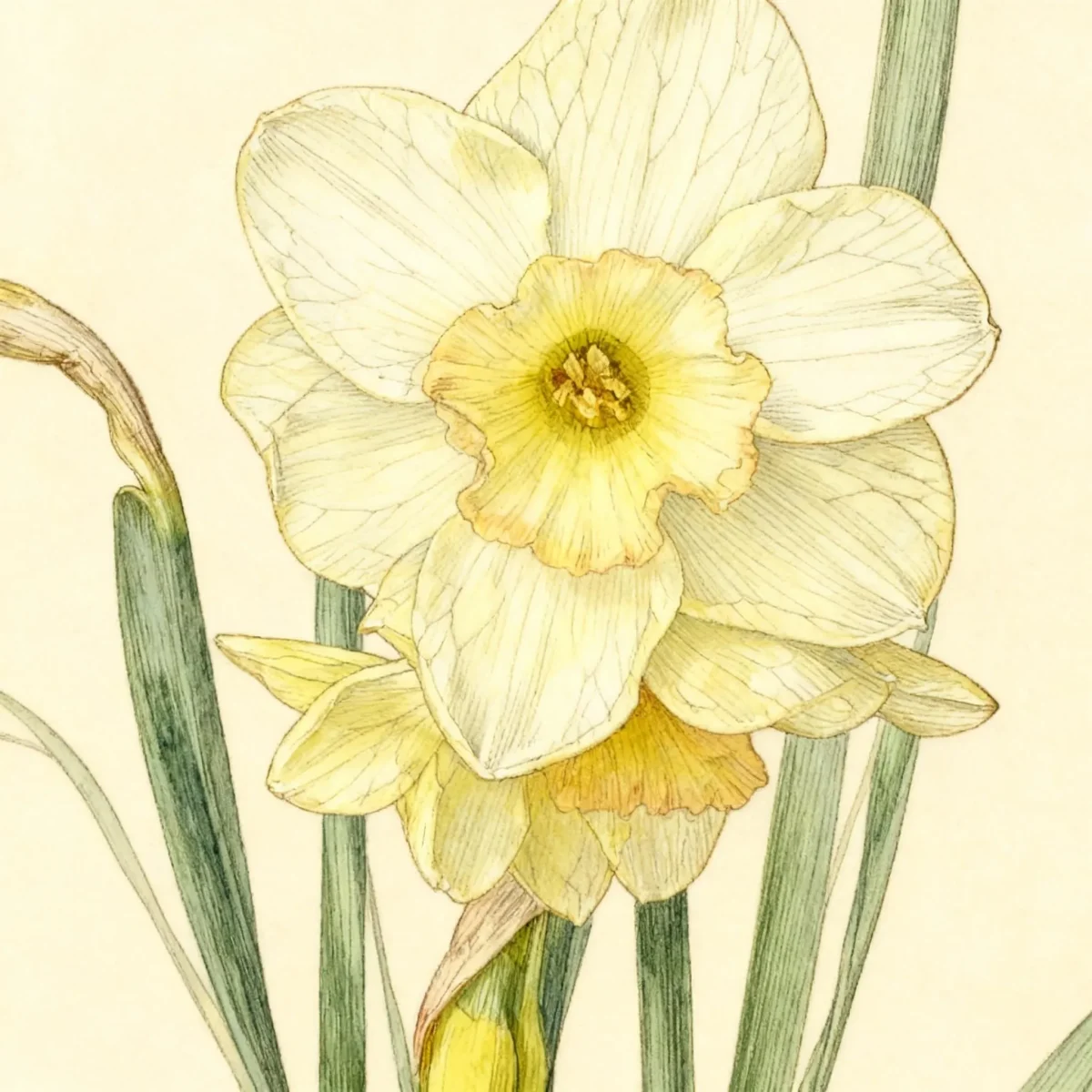
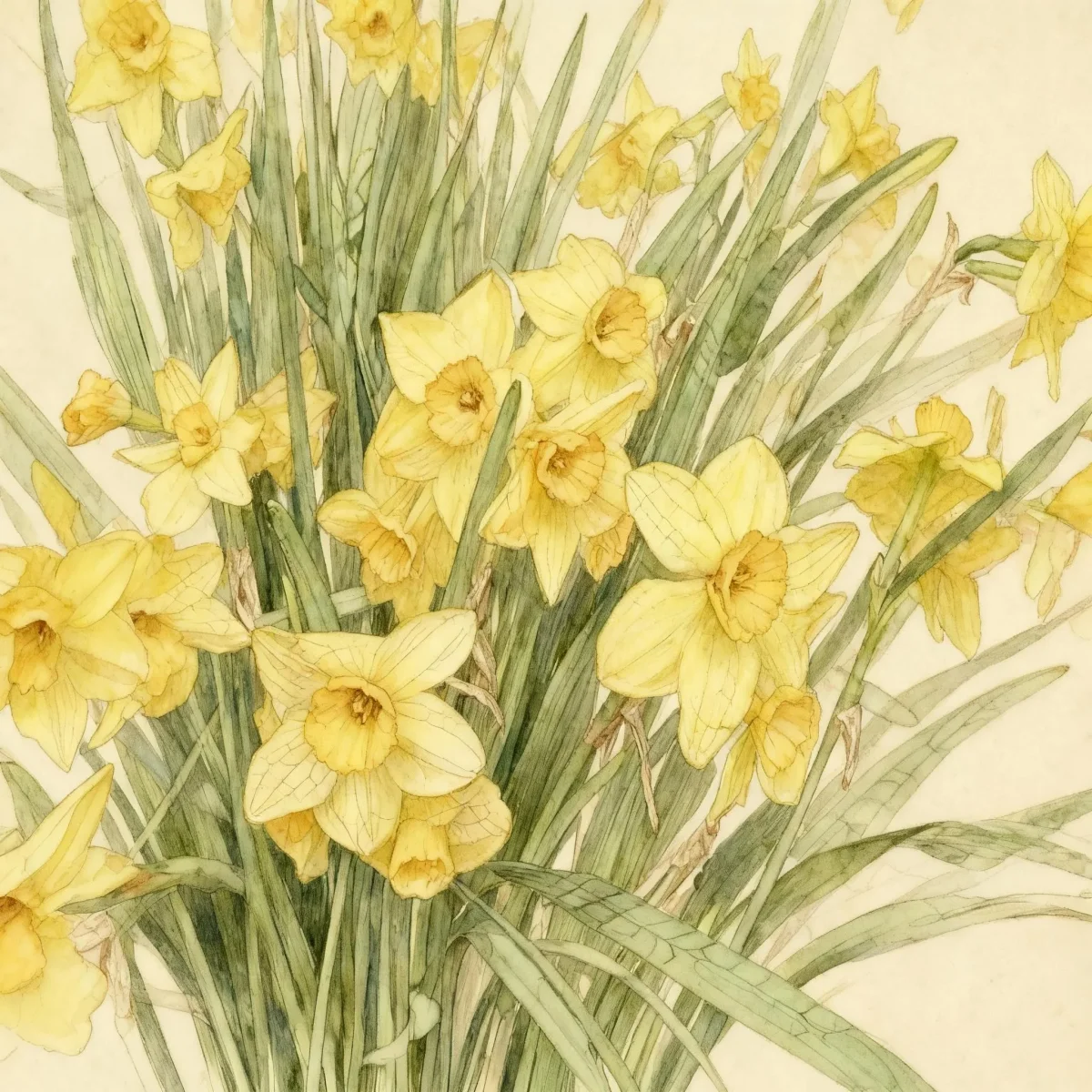
Miscellaneous daffodil (Narcissus 'Golden Quince')
Narcissus 'Golden Quince' is a low-maintenance, showy Miscellaneous daffodil blooming in April with yellow cups. Hardy in zones 3-8.
Scroll down to discover growing tips, care requirements, companion plants, and more
Complete Plant Information
Overview
Narcissus ‘Golden Quince’ offers reliable, cheerful color as an excellent addition to the spring garden. Classified as a miniature daffodil within the Miscellaneous daffodil category (Division XII), this cultivar stands out with its vibrant yellow coloration and distinct, darker yellow cup. Gardeners prize this bulb type for its low maintenance requirements and dependability year after year.
This perennial bulb thrives under general care, preferring well-drained soil and a spot receiving full sun to partial shade throughout the season. Its compact height makes Narcissus ‘Golden Quince’ ideal for formal plantings or naturalized drifts where its mid-season bloom offers crucial early color. These tough plants are seldom troubled by pests, further cementing their place as an essential spring staple.
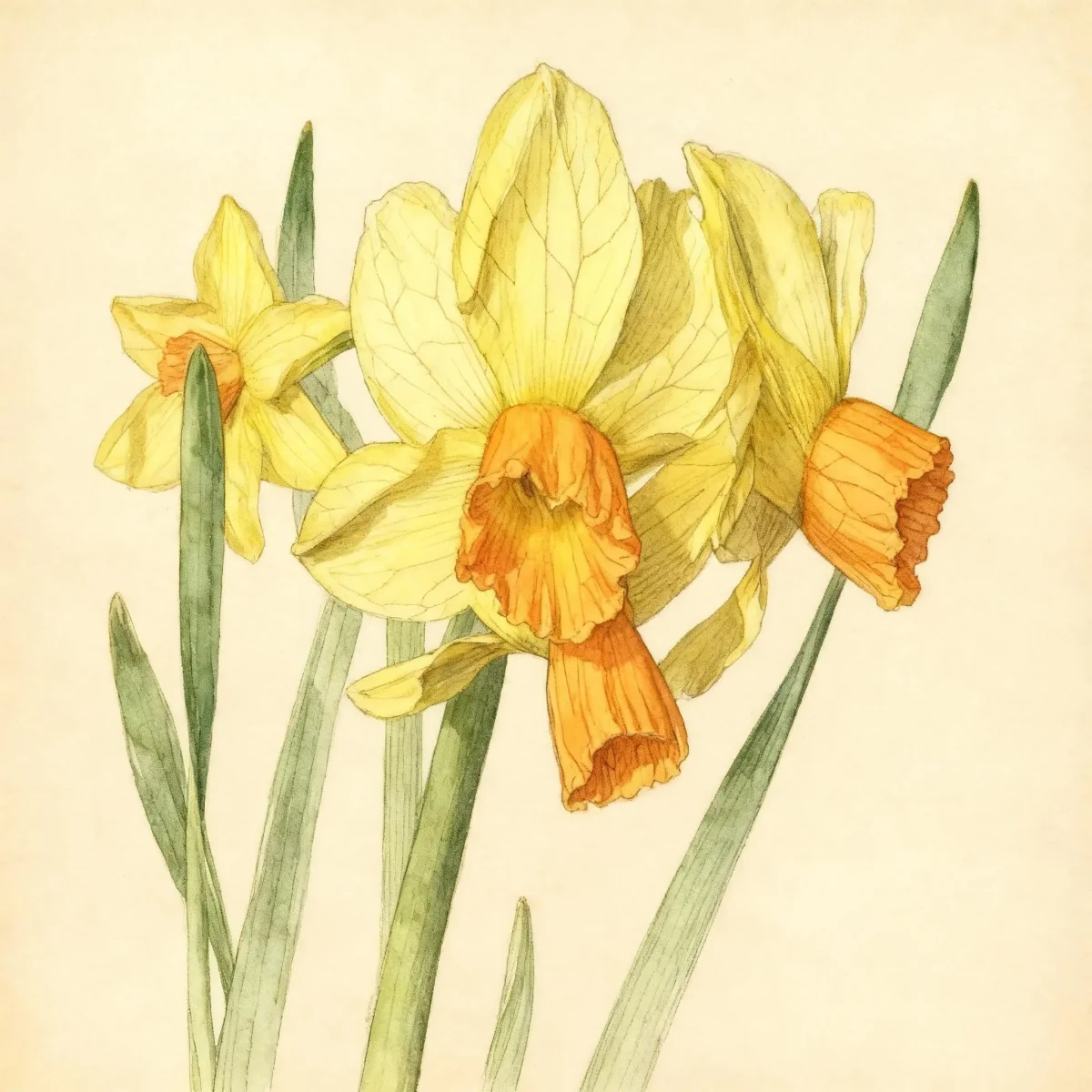
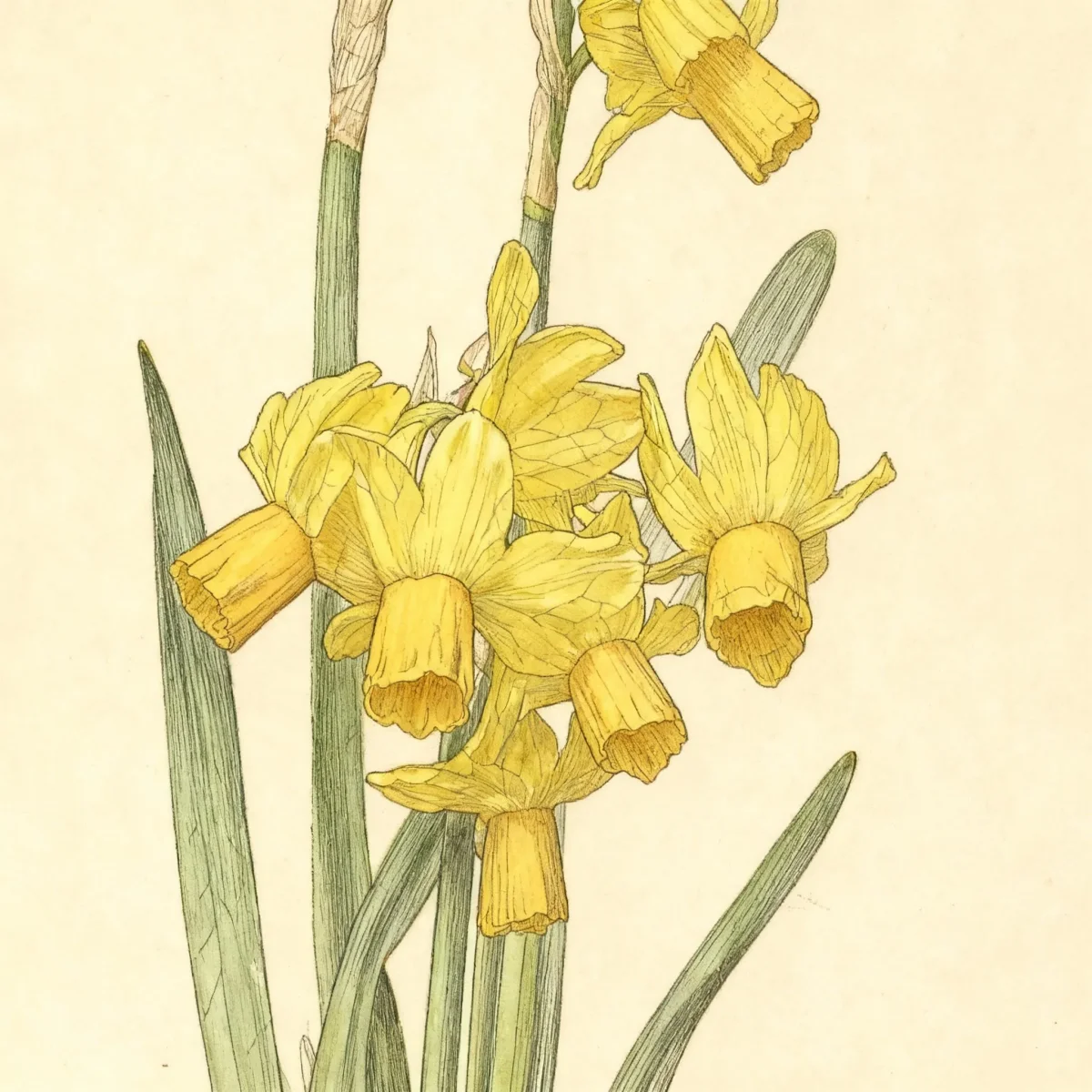
As a key representative of the daffodil genus, Narcissus ‘Golden Quince’ provides visual interest before many other perennials emerge. Its flower structure—reflexed yellow petals surrounding a cylindrical cup—is classic, making it easily integrated into mixed borders or woodland settings where bulbs are allowed to naturalize over time.
Fast Facts
- Plant Family: Amaryllidaceae
- Plant Type: Bulb
- Hardiness Zones: USDA Zones 3-8
- Size at Maturity:
- Height: 0.5-1 ft
- Spread: 0.5-0.75 ft
- Bloom Time: April
- Bloom Description: Yellow with darker yellow cup
- Sun Exposure: Full sun to part shade
- Water Needs: Medium
- Maintenance Level: Low
How to Grow
Planting Narcissus ‘Golden Quince’ should occur in early to mid-fall before the ground freezes. Prepare the area by ensuring the soil is average, medium moisture, and exceptionally well-drained; rich, organically amended loams are best. Plant bulbs deep enough so that there are 2 to 3 times the depth of the bulb in soil above the top of the bulb, typically aiming for 3-6 inches deep, spaced 4 to 8 inches apart.
Water consistently during the growing season to maintain medium moisture, though this Miscellaneous daffodil tolerates drought once it enters dormancy. Immediately after the blooms fade in spring, remove the spent flower stems to prevent seed formation, but crucially, leave all foliage intact. The leaves must be allowed to yellow completely before cutting them back, as this process feeds the underground bulb for next year’s display of Narcissus ‘Golden Quince’.
These bulbs require little long-term intervention; they establish well and can be left undisturbed for many seasons. If the clumps become overcrowded and bloom quality declines, divide them shortly after the foliage dies back naturally. Ensure plantings are positioned where flowers will generally face the sun, perhaps placing taller shrubs or shade areas behind the daffodils.
Landscape Uses
Daffodils, unlike tulips which often require yearly replacement, are superb naturalizers, making Narcissus ‘Golden Quince’ an invaluable component for perennializing spring displays. They work beautifully when planted in bold groups—aim for at least six bulbs—or large drifts to maximize early spring impact. Use them to line the front edge of shrub borders, where their ephemeral spring display contrasts nicely with emerging summer greenery.
Consider massing Narcissus ‘Golden Quince’ under deciduous trees; they bloom happily before the tree canopy fully develops its leaves, capturing maximum sunlight. They also integrate seamlessly with other spring-flowering bulbs like early grape hyacinths or crocus, creating layered waves of color. Because this is a smaller variety, it works perfectly in rock gardens or in the foreground of mixed perennial beds where larger narcissus might overshadow smaller companions.
For a striking effect, plant several groupings strategically so that their yellow blooms appear to flow through the landscape. Since they are low-maintenance, they serve well in naturalized areas or meadows, giving way gracefully to summer bloomers once the foliage has completely senesced.
Standout Features
Flower Qualities
- Showy
Noteworthy Characteristics
Narcissus is a genus of about 50 species of bulbous perennials from Europe and North Africa, serving as a true mainstay of the spring garden. Flowers generally feature a trumpet or cup (the corona) surrounded by six petals (perianth segments); the genus name honors the youth entranced by his own reflection. ‘Golden Quince’ is a miniature variety, rising only 5-6” tall, distinguished by reflexed yellow petals and a cylindrical, darker yellow cup, blooming reliably in mid-season April.
Tolerances
- Rabbit
- Deer
- Drought
Potential Problems
This Miscellaneous daffodil variety is noted for being almost pest-free when grown in suitable conditions. The primary risks involve cultural issues; bulb rot is a significant threat if the soil drainage is poor, emphasizing the need for well-drained culture. Infrequently, pests like slugs, snails, or the narcissus bulb fly may appear, and the Narcissus yellow stripe virus can occasionally manifest. Preventing bulb rot by ensuring sharp drainage is the best cultural defense against most issues affecting Narcissus ‘Golden Quince’.
Frequently Asked Questions
What hardiness zones is Miscellaneous daffodil suitable for?
Narcissus ‘Golden Quince’ is suitable for gardeners in USDA Zones 3 through 8.
How large does Narcissus ‘Golden Quince’ grow?
This miniature daffodil typically reaches a height between 0.5 and 1 foot, with a spread of 0.5 to 0.75 feet.
What sun exposure does Narcissus ‘Golden Quince’ need?
This plant performs best when situated where it receives full sun to part shade.
When does Miscellaneous daffodil bloom?
Narcissus ‘Golden Quince’ typically blooms in April, featuring flowers described as yellow with a darker yellow cup.
Conclusion
Narcissus ‘Golden Quince’ remains a highly valuable asset for early spring color, offering its showy, yellow blooms with very low maintenance and good pest resistance. Incorporating this easy-to-grow Miscellaneous daffodil ensures your garden has reliable cheer after the long winter thaw. Plan your fall planting schedule now to secure early season success with your Narcissus ‘Golden Quince’ bulbs next spring.
Companion Planting
When designing spring displays around Narcissus ‘Golden Quince’, select plants that thrive in similar conditions—full sun to part shade and excellent drainage. Consider pairing it with low-growing, early-blooming bulbs like Scilla (Siberian Squill) or Anemone blanda, as they share early blooming periods and cultural needs. For summer interest, plant late-blooming perennials such as Hostas or early-season Alliums behind the daffodils. The Hosta’s foliage will eventually obscure the yellowing daffodil leaves, keeping the border tidy as the Narcissus ‘Golden Quince’ finishes its cycle.
Wildlife Benefits
While daffodils are generally known for being deer and rabbit resistant, they are less critical for pollinator support than true nectar sources that bloom later. However, the early emergence of the flowers means they provide a very early food source for awakening bees. Because the foliage persists for several weeks after blooming, it offers critical ground cover while discouraging soil erosion in beds, long before summer annuals and perennials fully fill in the space.