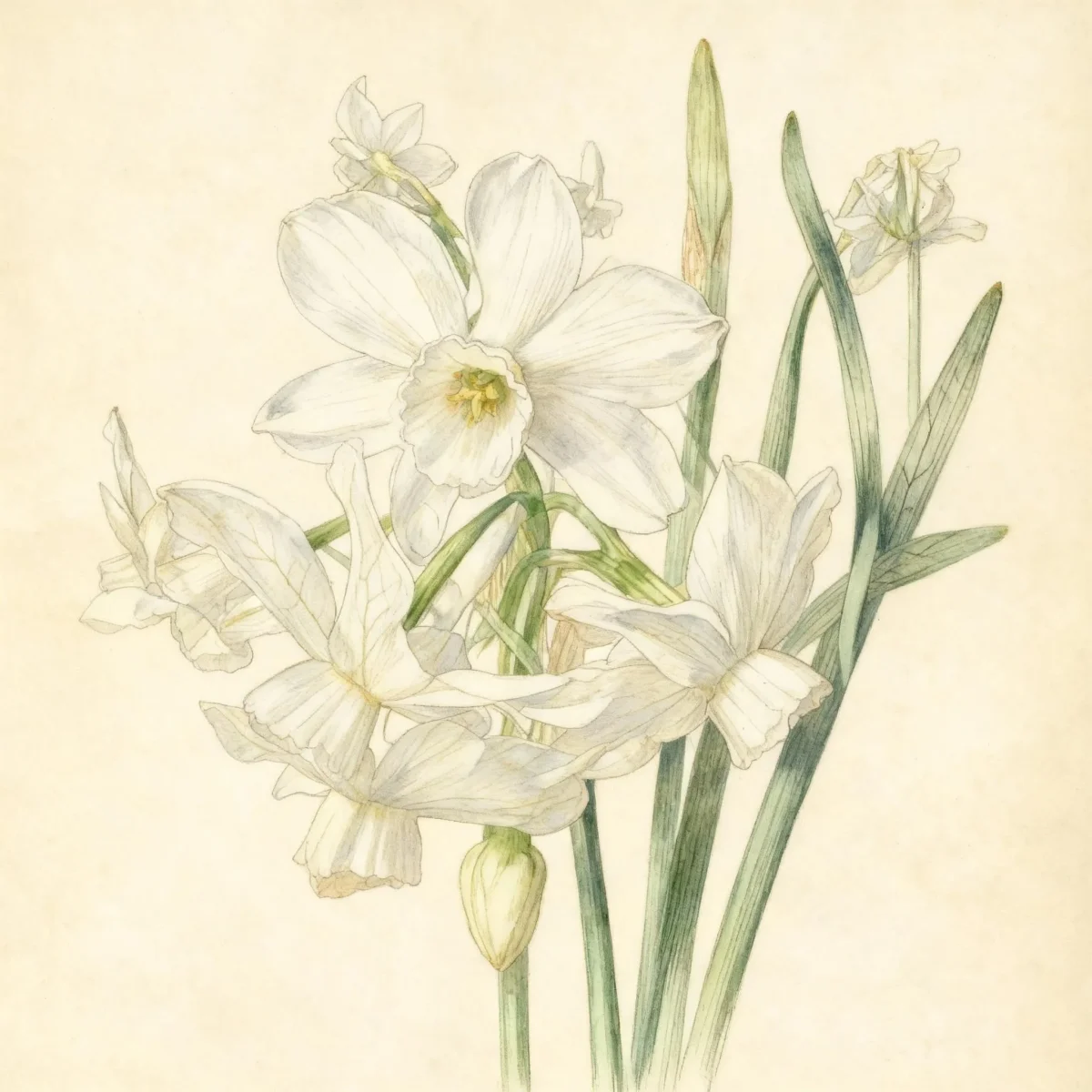
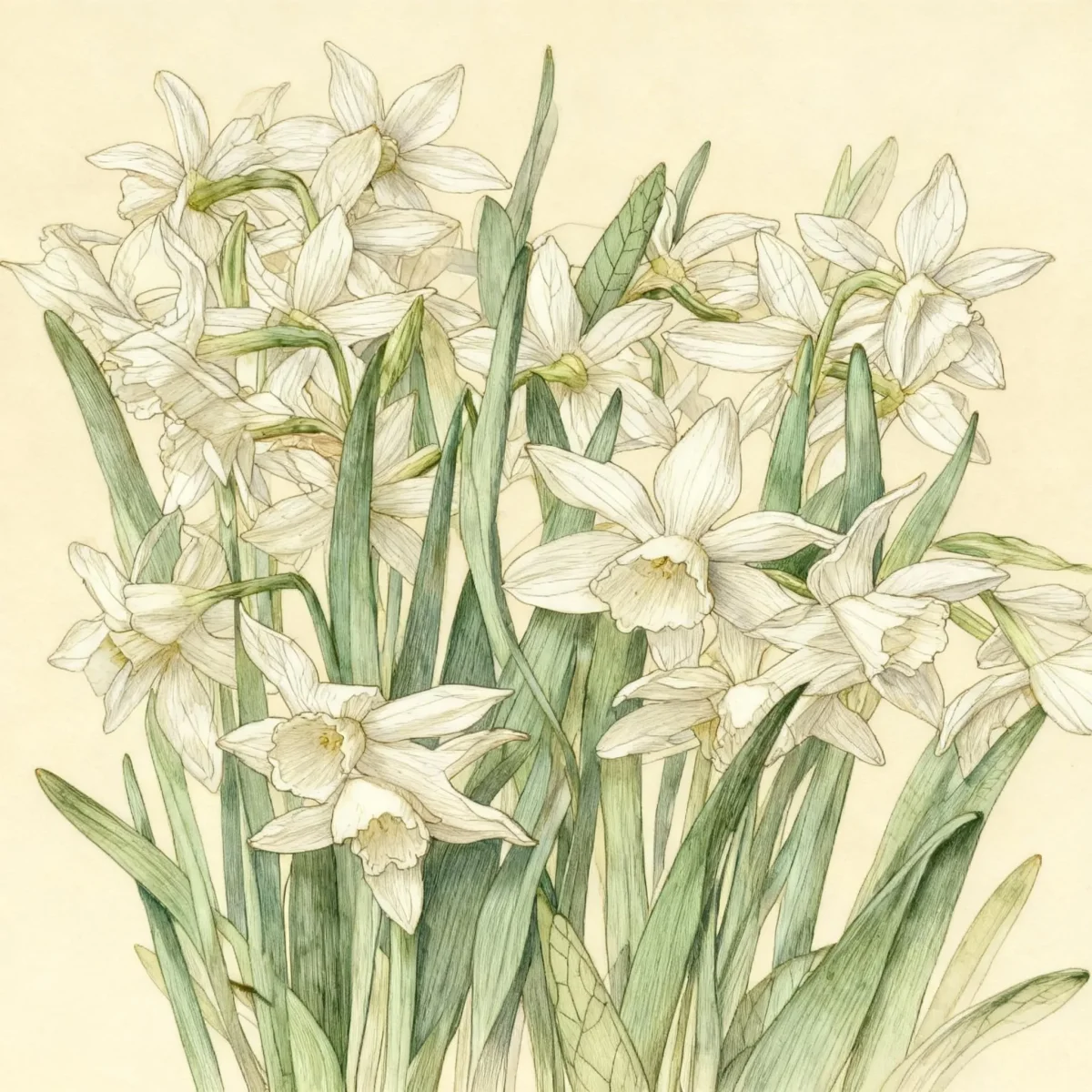
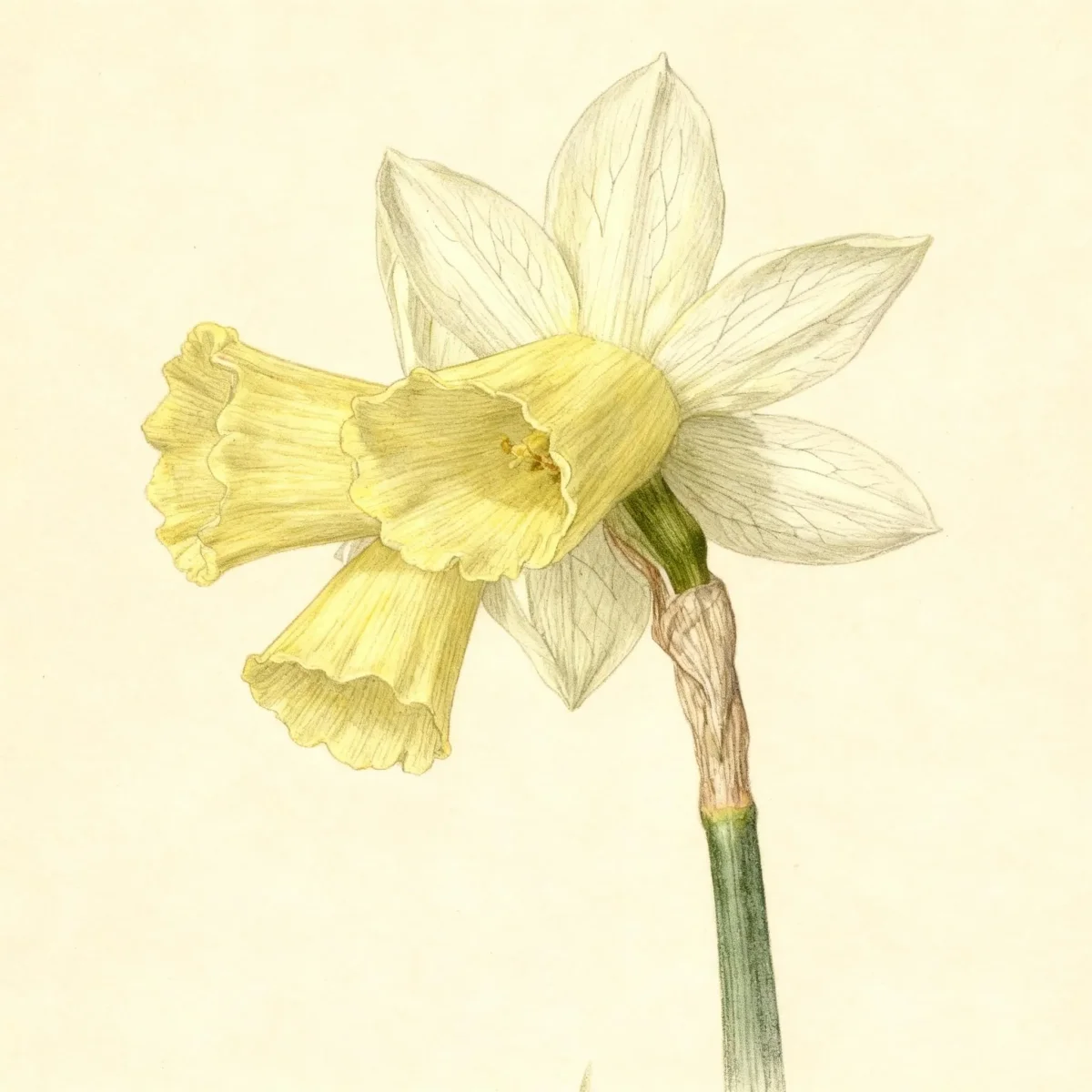
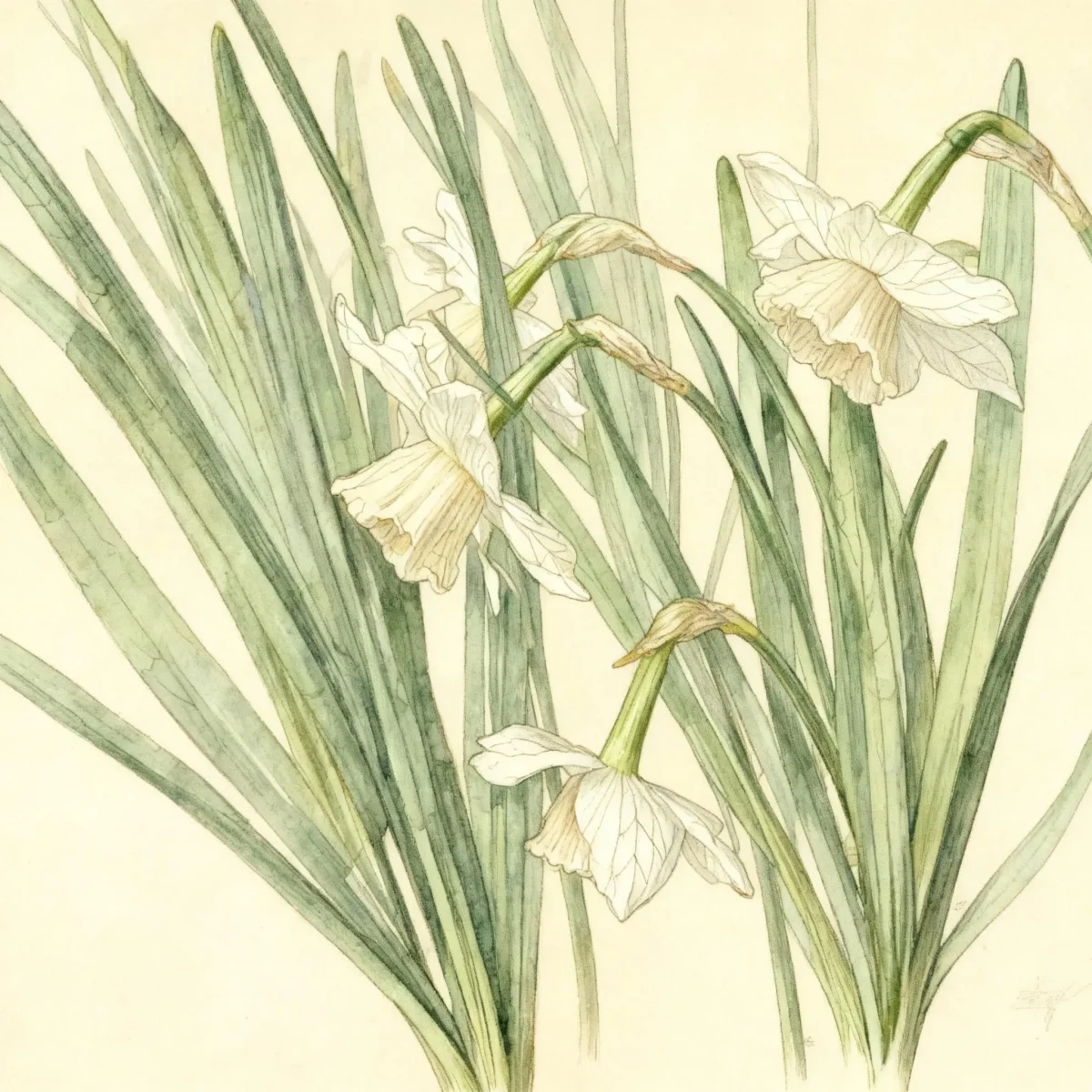
Triandrus daffodil (Narcissus 'Hawera')
Narcissus 'Hawera' is a charming Triandrus daffodil displaying pendant, lemon-yellow blooms. Low maintenance and deer resistant.
Scroll down to discover growing tips, care requirements, companion plants, and more
Complete Plant Information
Overview
Narcissus ‘Hawera’ brings delicate beauty to the late spring garden as a highly valued member of the Triandrus daffodil group. Its distinctive features include multiple pendant blooms per stem, creating ethereal clusters of lemon yellow flowers just as many earlier varieties fade. This cultivar is prized for its reliable perennial nature and ease of care, making it a staple for returning color year after year.
Originating as a New Zealand hybrid, Narcissus ‘Hawera’ thrives in average, well-drained soils, preferring locations that offer full sun or light afternoon shade. The foliage emerges early, demanding patience as you must allow it to fully yellow before cutting back, a crucial step for bulb health. Gardeners appreciate the low maintenance commitment of this daffodil, especially since it naturalizes well and resists common pests.
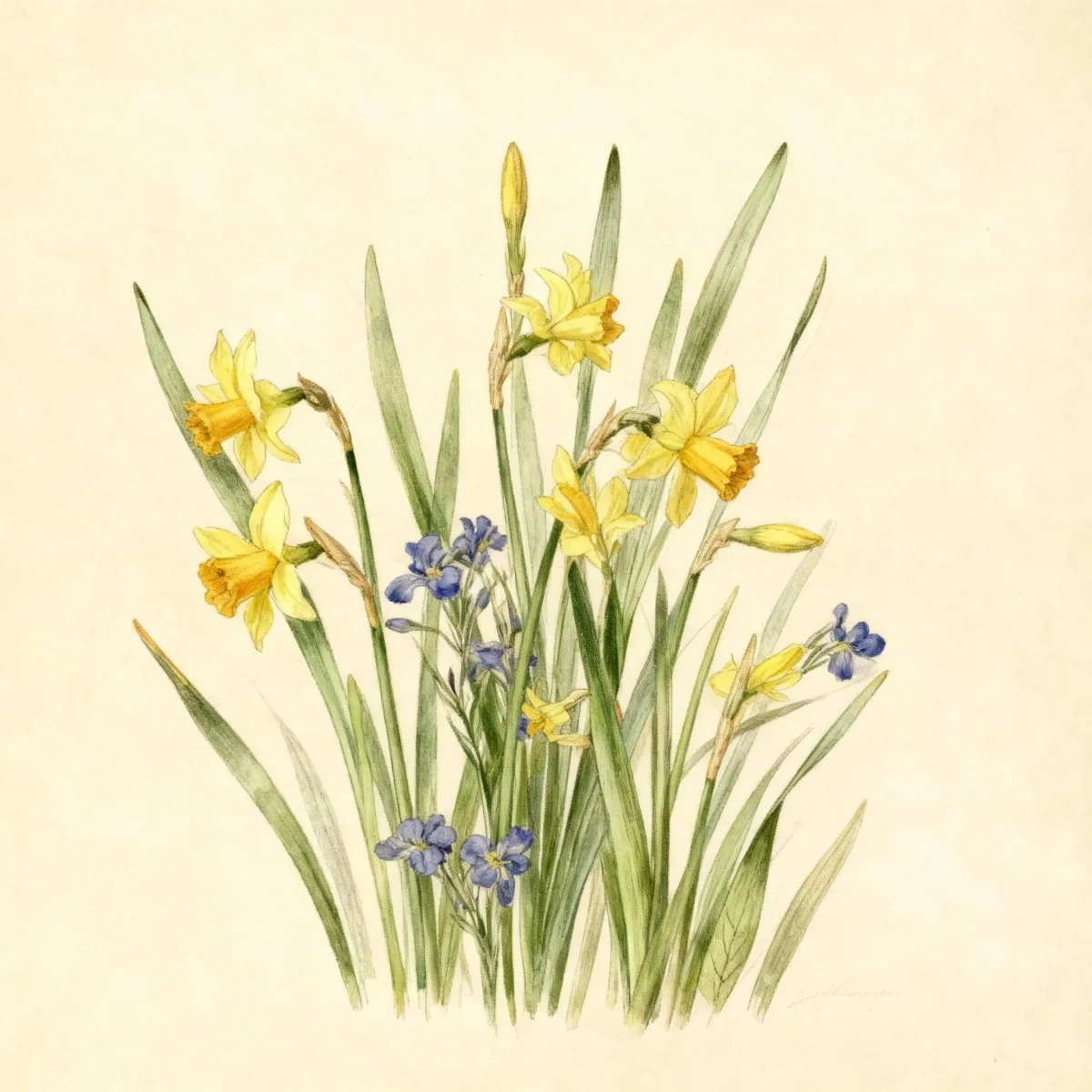
The soft, slightly swept-back petals and short cups of the ‘Hawera’ cultivar offer a subtly fragrant display. Planting these bulbs in drifts ensures that their medium height of 6 to 8 inches makes a significant visual impact in borders or woodland edges. Enjoy the resilience and charm of this Triandrus daffodil as it signals the transition from early to mid-spring.
Fast Facts
- Plant Family: Amaryllidaceae
- Plant Type: Bulb
- Hardiness Zones: USDA Zones 4-8
- Size at Maturity:
- Height: 0.5-0.75 ft
- Spread: 0.5-0.75 ft
- Bloom Time: April to May
- Bloom Description: Lemon yellow
- Sun Exposure: Full sun to part shade
- Water Needs: Medium
- Maintenance Level: Low
How to Grow
Planting Narcissus ‘Hawera’ bulbs should occur in early to mid-fall before the ground freezes. Ensure the location provides excellent drainage, as soggy conditions lead directly to bulb rot. Ideal soil is organically rich loam, kept uniformly moist during the active growing season. Plant bulbs 2 to 3 times as deep as the bulb is tall, generally resulting in depths between 3 to 6 inches, spaced 4 to 8 inches apart.
Ongoing care for this Triandrus daffodil is minimal. Water moderately during spring growth; once the foliage begins to yellow after blooming, cease supplemental watering as the bulbs enter summer dormancy and can tolerate drought. Avoid the temptation to trim the foliage prematurely; only remove it once it has fully yellowed, allowing the leaves to replenish the bulb reserves for next year’s blooms.
Deadhead spent flower stems by removing the top portion to prevent seed formation, which diverts energy from future flower production. Narcissus ‘Hawera’ bulbs multiply and can be left undisturbed for many years. If naturalized clumps appear sparse or bloom quality declines, divide them shortly after the foliage dies back in the summer. Positioning bulbs to face south ensures that the blooms open toward the sunlight.
Landscape Uses
Daffodils like Narcissus ‘Hawera’ are outstanding choices for creating structured yet naturalistic spring displays because they reliably return year after year. They look excellent when planted in large, sweeping drifts rather than isolated single specimens, which transforms beds and borders into vibrant sheets of color. Consider massing them under deciduous trees where they receive full sun before the canopy leafs out.
Because they naturalize easily, the Triandrus daffodil blends well into wilder garden settings, open woodland edges, or among groundcovers that emerge later in spring. They mix beautifully with other spring-flowering bulbs like species tulips or grape hyacinths, though ensure companion plants have similar sun and water needs for optimal performance of your Narcissus ‘Hawera’. Additionally, their manageable size makes them superb candidates for container gardening, providing early color on patios.
Standout Features
Flower Qualities
- Showy
- Fragrant
Noteworthy Characteristics
Narcissus is a genus of about 50 species of bulbous perennials from Europe and North Africa, forming the backbone of many spring gardens. ‘Hawera’ is specifically classified as a triandrus daffodil (Division V), characterized by having multiple flowers (usually 2-6) per stem, often with reflexed petals and short cups. This specific hybrid rises 6-8 inches tall, producing 3-5 pendant, lemon-yellow blooms per stem, offering a slightly swept-back appearance and mild fragrance late in the season.
Tolerances
- Rabbit
- Deer
- Drought
Potential Problems
Daffodils are generally robust, noted for being nearly pest-free when grown in appropriate conditions. The primary hazard for Narcissus ‘Hawera’ is bulb rot, which occurs exclusively in poorly-drained, heavy soils where water collects. Proper soil amendment with organic matter ensures sharp drainage, mitigating this risk entirely.
While slugs and snails can occasionally nibble emerging foliage, serious insect pests are rare, though narcissus bulb fly and narcissus nematode are possibilities. If you observe Yellow Stripe Virus, be prepared to remove affected plants, as this is an infrequent but contagious issue. Fortunately, the deer and rabbit pests that plague many spring bulbs thankfully tend to avoid this Triandrus daffodil.
Frequently Asked Questions
What hardiness zones is Triandrus daffodil suitable for?
Narcissus ‘Hawera’ is hardy and reliably perennial in USDA Zones 4 through 8.
How large does Narcissus ‘Hawera’ grow?
This variety typically reaches mature heights between 0.5 and 0.75 feet (6 to 9 inches), with a spread of 0.5 to 0.75 feet.
What sun exposure does Narcissus ‘Hawera’ need?
This daffodil performs best when sited in locations receiving full sun to part shade.
When does Triandrus daffodil bloom?
The fragrant, lemon-yellow flowers of Narcissus ‘Hawera’ usually appear in the late season, blooming from April to May.
Conclusion
Narcissus ‘Hawera’ offers gardeners a sophisticated, low-maintenance splash of color that reliably reappears each spring. Its clustered, pendant blooms classify it beautifully within the Triandrus daffodil division, providing subtle fragrance and excellent deer resistance. Confirm that your planting location offers the well-drained soil and full to partial sun it requires, and plant those bulbs this fall for spectacular results next spring.
Companion Planting
Selecting companions for Narcissus ‘Hawera’ should focus on plants that enjoy similar spring moisture levels and will effectively mask the fading daffodil foliage later in the season. Consider pairing them with early-blooming Siberian Iris or Alliums, whose later foliage emerges to cover the yellowing Narcissus leaves gracefully. Early-flowering groundcovers like creeping Phlox or Pulmonaria also provide a beautiful contrast to the upright stems of the Triandrus daffodil.
Design Ideas for Drifts
Planting Narcissus ‘Hawera’ in large, informal drifts mimics naturalized populations and maximizes visual impact. For a formal garden sweep, plant bulbs in groups of 25 or more, ensuring a spacing that allows the clumps to merge together after three to four years of naturalizing. Place taller, later-blooming companions immediately behind these drifts, allowing the lemon yellow cups of ‘Hawera’ to shine without being overshadowed during their prime bloom window in April and May.