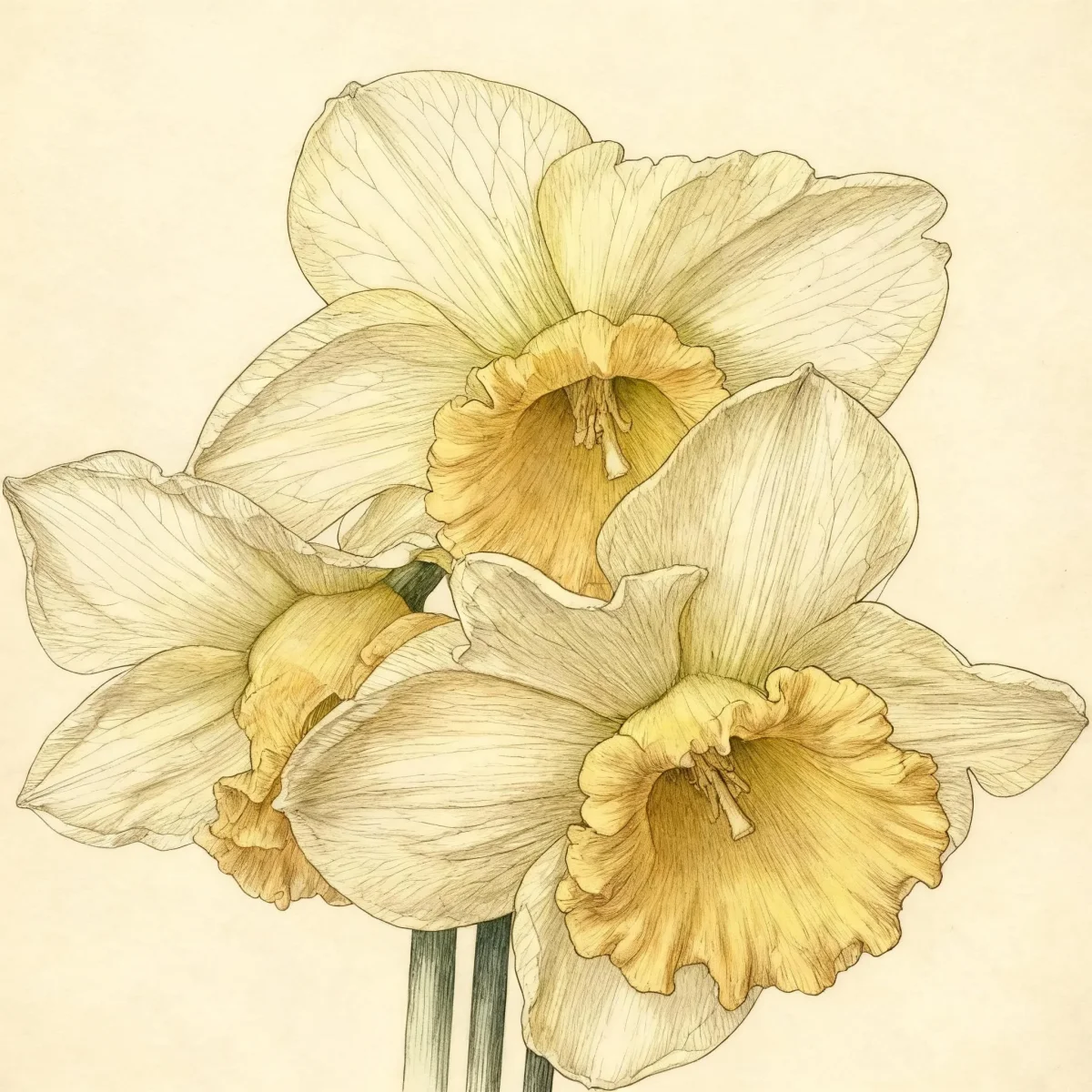
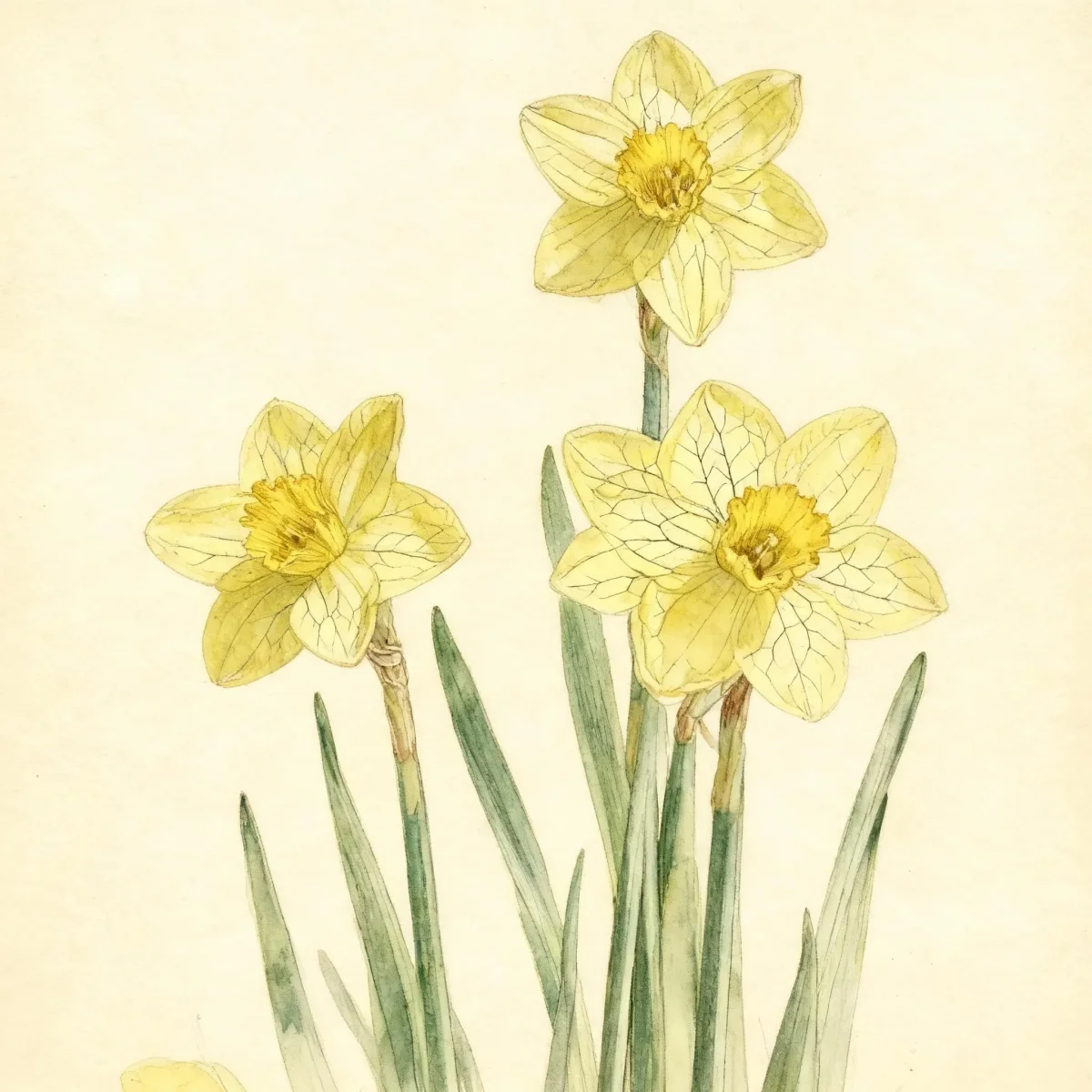
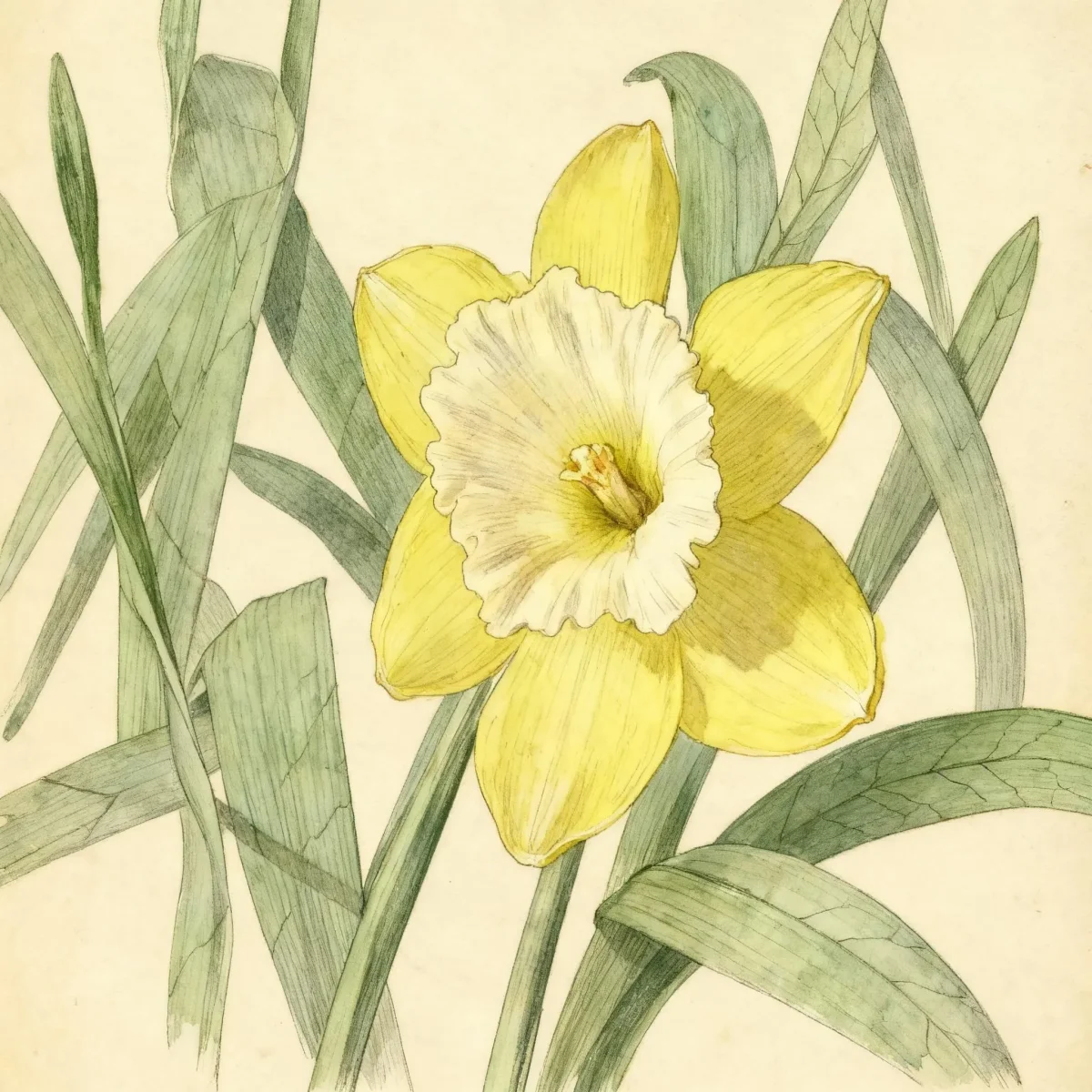
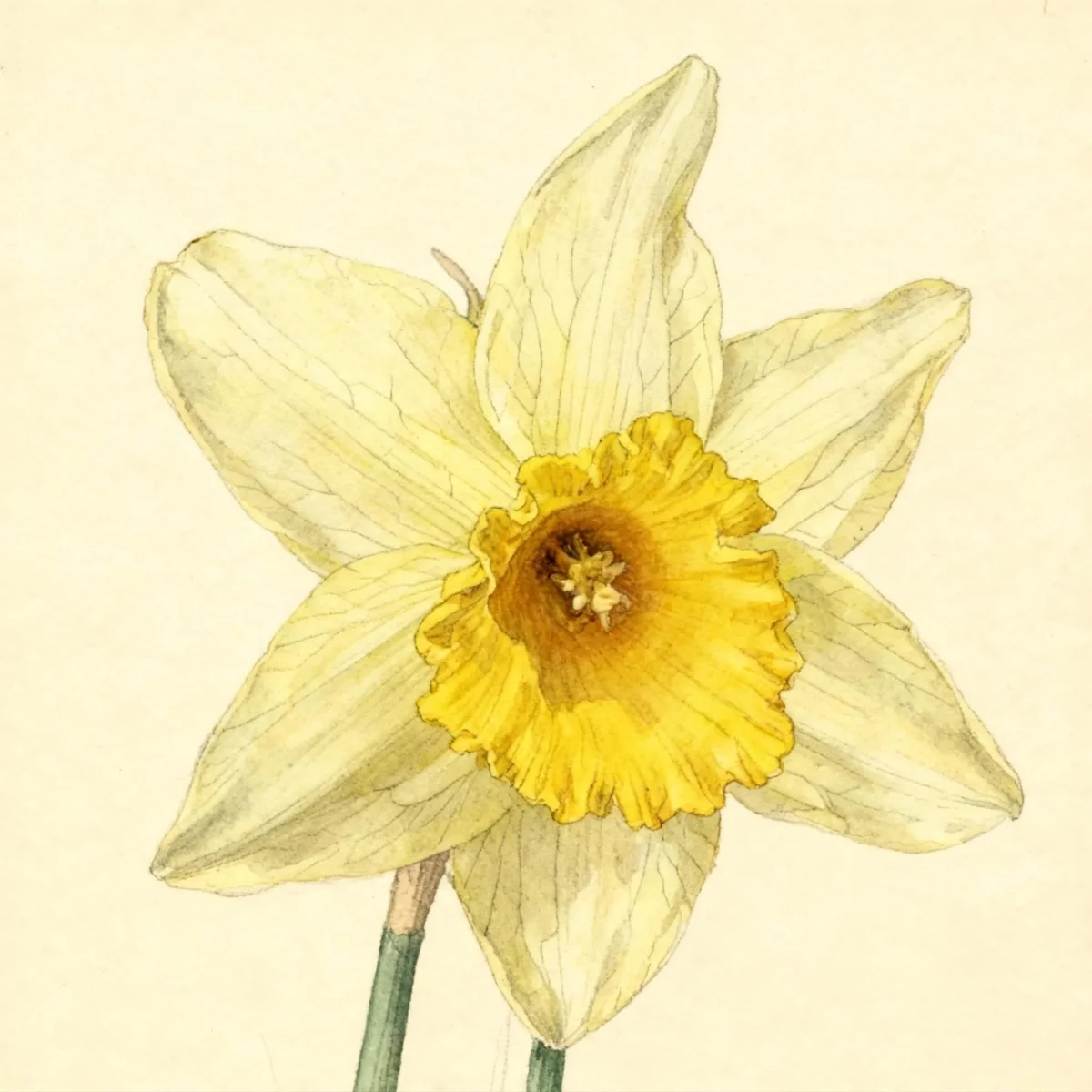
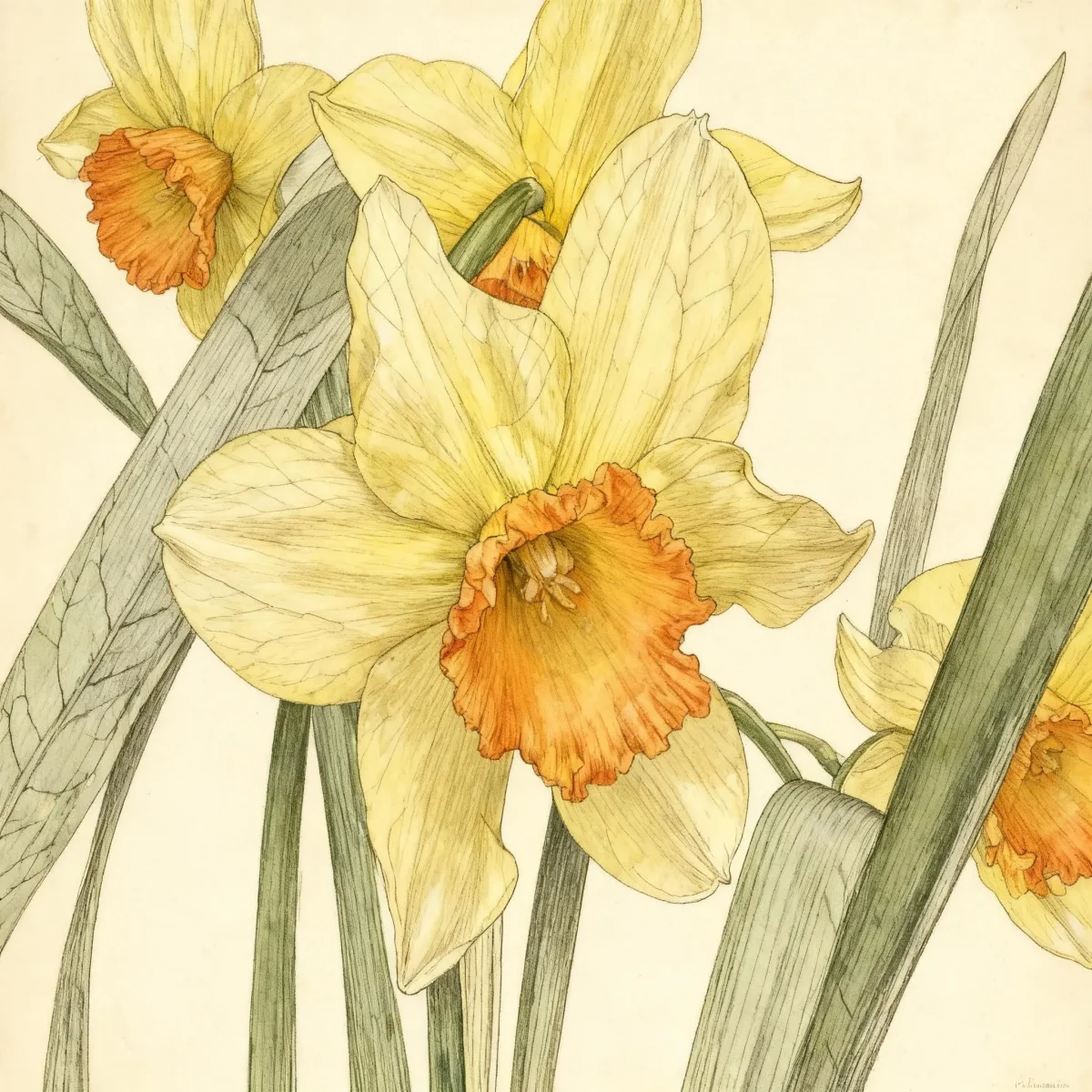
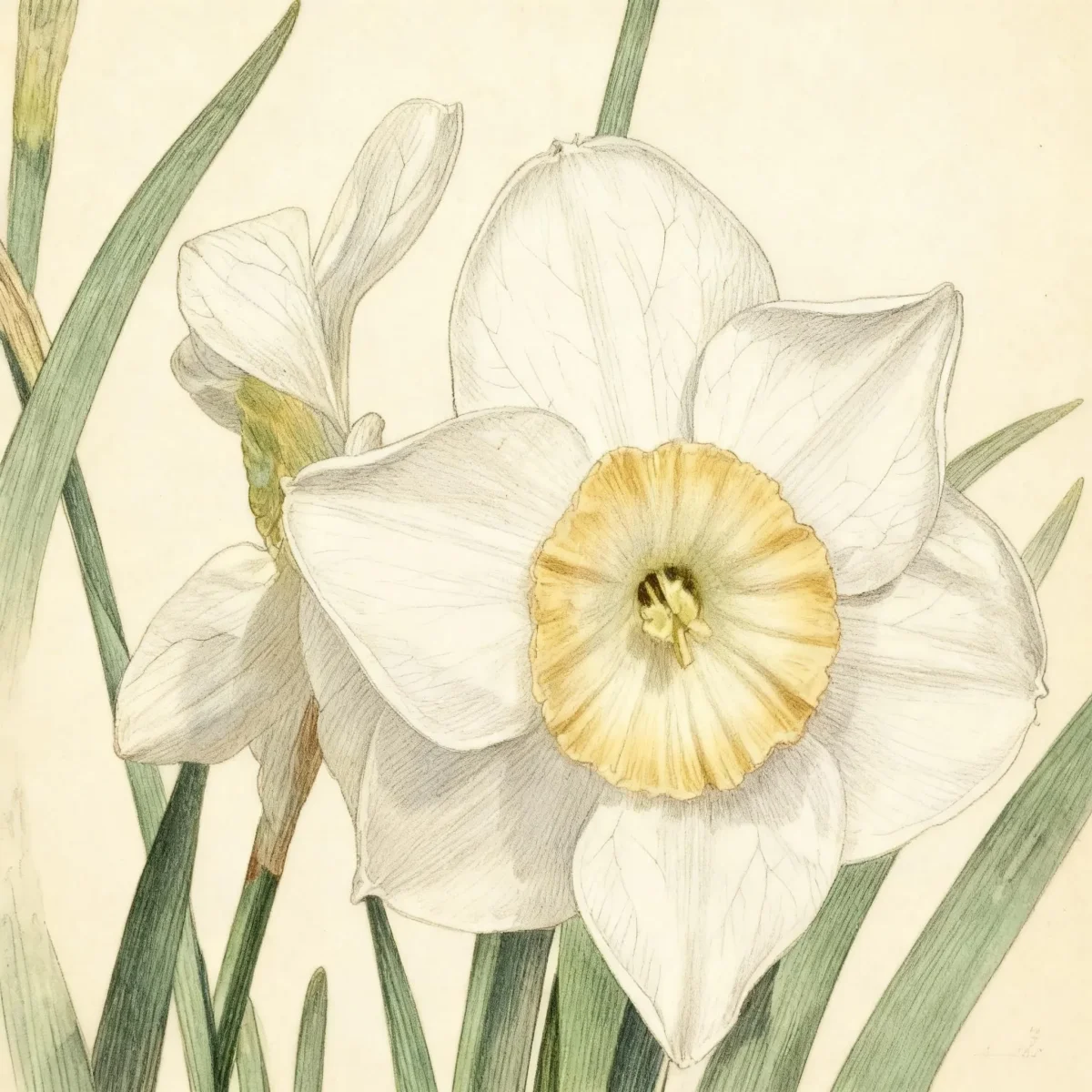
Large-cupped daffodil (Narcissus 'Ice Follies')
Narcissus 'Ice Follies' is a stunning Large-cupped daffodil, prized for its white petals and ruffled yellow cup. Low maintenance and deer resistant.
Scroll down to discover growing tips, care requirements, companion plants, and more
Complete Plant Information
Overview
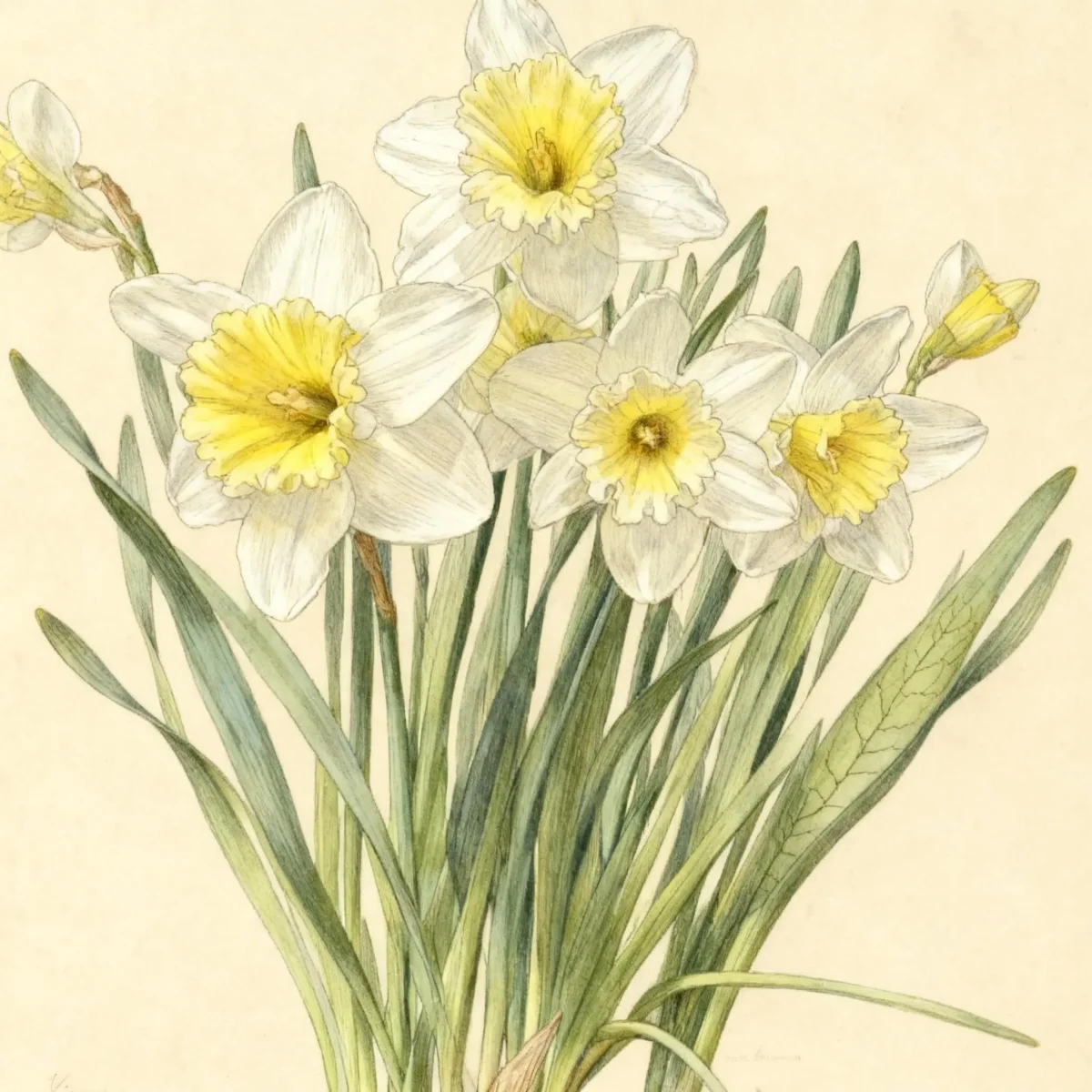
Narcissus ‘Ice Follies’ brings dependable elegance to the early spring garden. As a popular Large-cupped daffodil, it provides significantly sized blooms featuring clean white perianth segments contrasted by a refreshing, ruffled yellow cup that matures to creamy white. This cultivar stands out as a reliable perennial that thrives with minimal intervention once established.
As a classic spring-flowering bulb, Narcissus ‘Ice Follies’ signals the end of winter and offers fantastic return performance year after year. It is incredibly easy to incorporate into existing landscapes, preferring average, medium-moisture, well-drained soils. Its low maintenance level makes it an excellent choice for both novice and experienced gardeners seeking consistent seasonal color.
Beyond its striking good looks, this daffodil offers practical landscape benefits. It is often avoided by local wildlife and showcases excellent drought tolerance once dormant. Planting drifts of Narcissus ‘Ice Follies’ creates that sweeping tapestry effect that other spring bulbs often lack, ensuring your garden welcomes the new season vibrantly.
Fast Facts
- Plant Family: Amaryllidaceae
- Plant Type: Bulb
- Hardiness Zones: USDA Zones 3-8
- Size at Maturity:
- Height: 1-1.5 ft
- Spread: 0.5-0.75 ft
- Bloom Time: March to April
- Bloom Description: White petals with yellow corona
- Sun Exposure: Full sun to part shade
- Water Needs: Medium
- Maintenance Level: Low
How to Grow
Planting your Narcissus ‘Ice Follies’ bulbs is best executed in the early to mid-fall season, allowing sufficient time before the ground freezes for root development. These bulbs demand excellent drainage; soils should be organically rich loams with medium moisture retention during their active growing phase. General spacing involves placing bulbs 4 to 10 inches apart, depending on the size, and planting them deep—ideally 2 to 3 times the depth of the bulb itself, ensuring at least 3 inches of soil covers the top.
In terms of ongoing care, maintain uniform moisture while the foliage and flowers are actively growing in the spring. Once blooming concludes, resist the urge to tidy up immediately. The foliage must be allowed to yellow naturally, which replenishes the bulb’s energy stores for next year’s display. Only cut back the flower stem top after the bloom fades to prevent seed production.
These bulbs are known for being long-lived additions to the garden and need infrequent division. If the volume or quality of your Narcissus ‘Ice Follies’ display diminishes after several years, you can carefully divide the clumps immediately after the foliage has completely died back. When siting, remember that the flowers tend to face the sun, so position any overhead shade sources toward the rear of the planting site.
Landscape Uses
Daffodils, including the Large-cupped daffodil variety ‘Ice Follies’, truly excel when planted in quantity. They are far superior to tulips in their ability to return reliably year after year, making them perfect for naturalizing in lawns, open woodlands, or beneath taller deciduous shrubs where they receive sun before the canopy fills in. Planting in groups of six bulbs minimum creates the desired visual impact early in the season.
For structure, mass these bulbs toward the front of mixed perennial borders or as informal edging along pathways. They pair beautifully with other early bloomers like Scilla, Grape Hyacinths (Muscari), and early flowering tulips, creating layered spring color palettes. The crisp white and yellow of this specific cultivar provide a neutral yet bright anchor point.
Allowing Narcissus ‘Ice Follies’ to naturalize means they self-propagate, filling in gaps over time, which reduces the need for annual fall planting. This reliability ensures you have dependable structure and color right when the garden transition from winter slumber begins.
Standout Features
Flower Qualities
- Showy
Noteworthy Characteristics
Narcissus is a genus valued for its trumpet or cup-shaped flowers surrounded by six petals, appearing in early spring atop stiff stems. ‘Ice Follies’ is specifically classified as a large-cupped daffodil (Division II), characterized by a cup that is longer than one-third but shorter than the full length of the petals. This cultivar produces unusually large blooms, often reaching 4 inches across, featuring pristine white petals coupled with a distinctively ruffled, bright yellow corona that fades to creamy white as it ages.
Tolerances
- Rabbit
- Deer
- Drought
Potential Problems
Daffodils like Narcissus ‘Ice Follies’ are generally pest-free when soil and cultural requirements are met, making them a significant benefit for gardeners avoiding chemical reliance. The primary issue arises from poor soil drainage, which can lead directly to bulb rot. Always ensure your planting site allows water to move freely, especially since these bulbs prefer organically rich loams.
Infrequent pests that may occasionally appear include slugs, snails, narcissus bulb fly, or narcissus nematode. Monitoring new growth in the spring helps catch slug or snail activity early. For viral issues like Narcissus yellow stripe virus, afflicted plants should be removed promptly to prevent spread, although this is relatively uncommon.
Frequently Asked Questions
What hardiness zones is Narcissus ‘Ice Follies’ suitable for?
This Large-cupped daffodil thrives across a wide range, suitable for USDA Zones 3 through 8.
How large does Narcissus ‘Ice Follies’ grow?
Narcissus ‘Ice Follies’ typically reaches a height between 1 and 1.5 feet, with a spread of 0.5 to 0.75 feet at maturity.
What sun exposure does Large-cupped daffodil need?
For the best flowering performance, this daffodil requires full sun exposure, though it tolerates light to partial shade well.
When does Narcissus ‘Ice Follies’ bloom?
You can expect blooms from this reliable bulb between March and April, presenting beautiful white petals with a yellow corona.
Conclusion
The Narcissus ‘Ice Follies’ remains a cornerstone of early spring landscape design due to its dramatic, large white flowers and robust return performance. This dependable Large-cupped daffodil offers low maintenance and excellent resilience against common garden pests. Plan your fall planting schedule now to ensure these beautiful bulbs provide a vital splash of white and yellow color next March.
Companion Planting for Spring Display
Successful spring bulb displays often rely on layering plants with coordinated bloom times and similar soil needs. Narcissus ‘Ice Follies’ mixes exceptionally well with low-growing perennial groundcovers, such as creeping Phlox or hardy Geraniums, which can help obscure the daffodil foliage as it yellows in late spring. For height variation later in the season, plant early-blooming Siberian Iris or Allium varieties near your daffodils; these benefit from the same full sun and well-drained conditions that the Large-cupped daffodil requires.
Fall Planting Calendar Specifics
Since success with any bulb is determined by proper fall preparation, focus cultivation efforts in September and October. Ensure the soil is prepared deeply, aiming for that fluffy, well-drained loam ideal for preventing bulb rot. If your fall is particularly slow to cool down, delay planting slightly until temperatures drop, as excessive heat during the initial dormancy period can stress the freshly planted Narcissus ‘Ice Follies’ bulbs. Water moderately after planting, but cease supplemental watering once the first hard freeze solidifies the ground until spring revival.