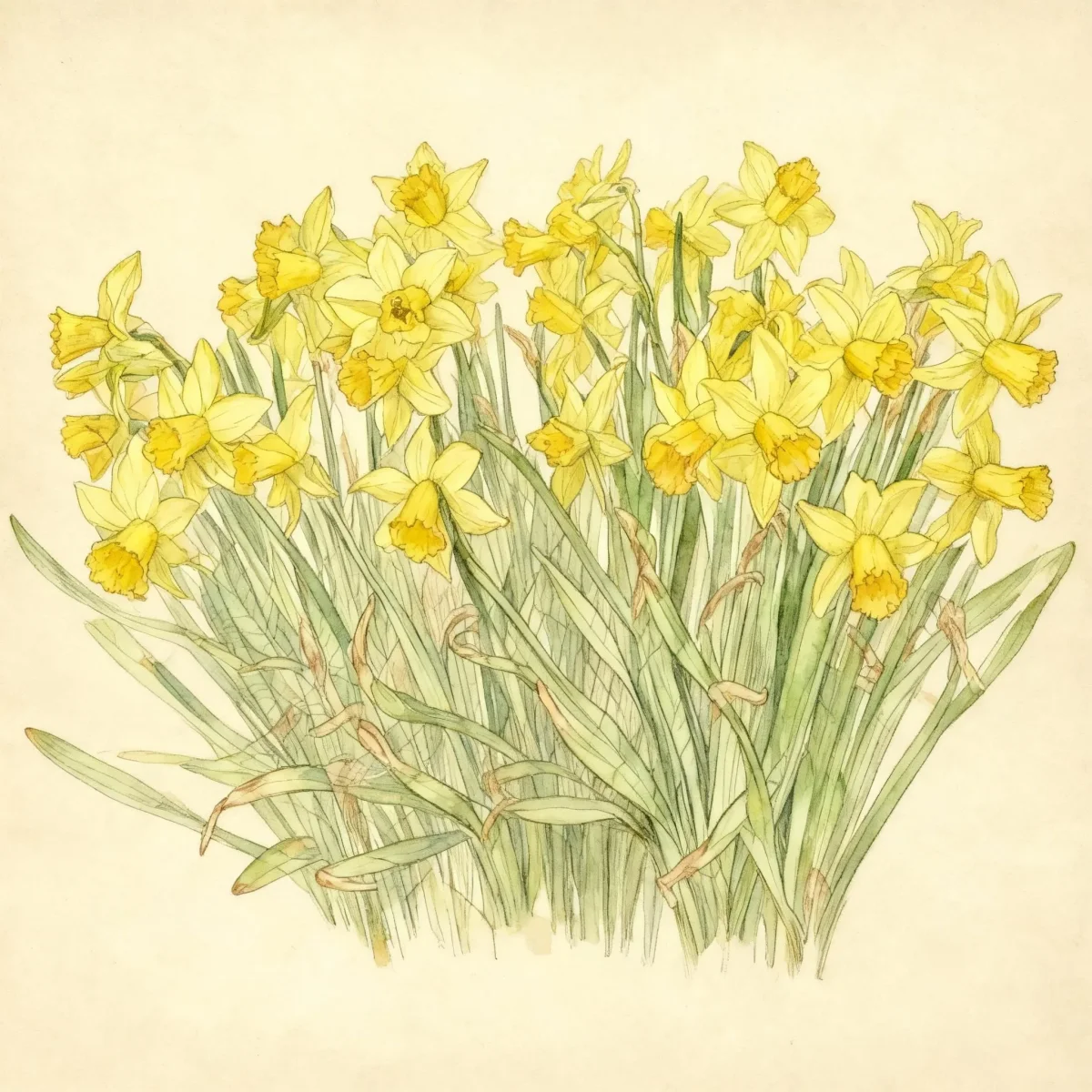
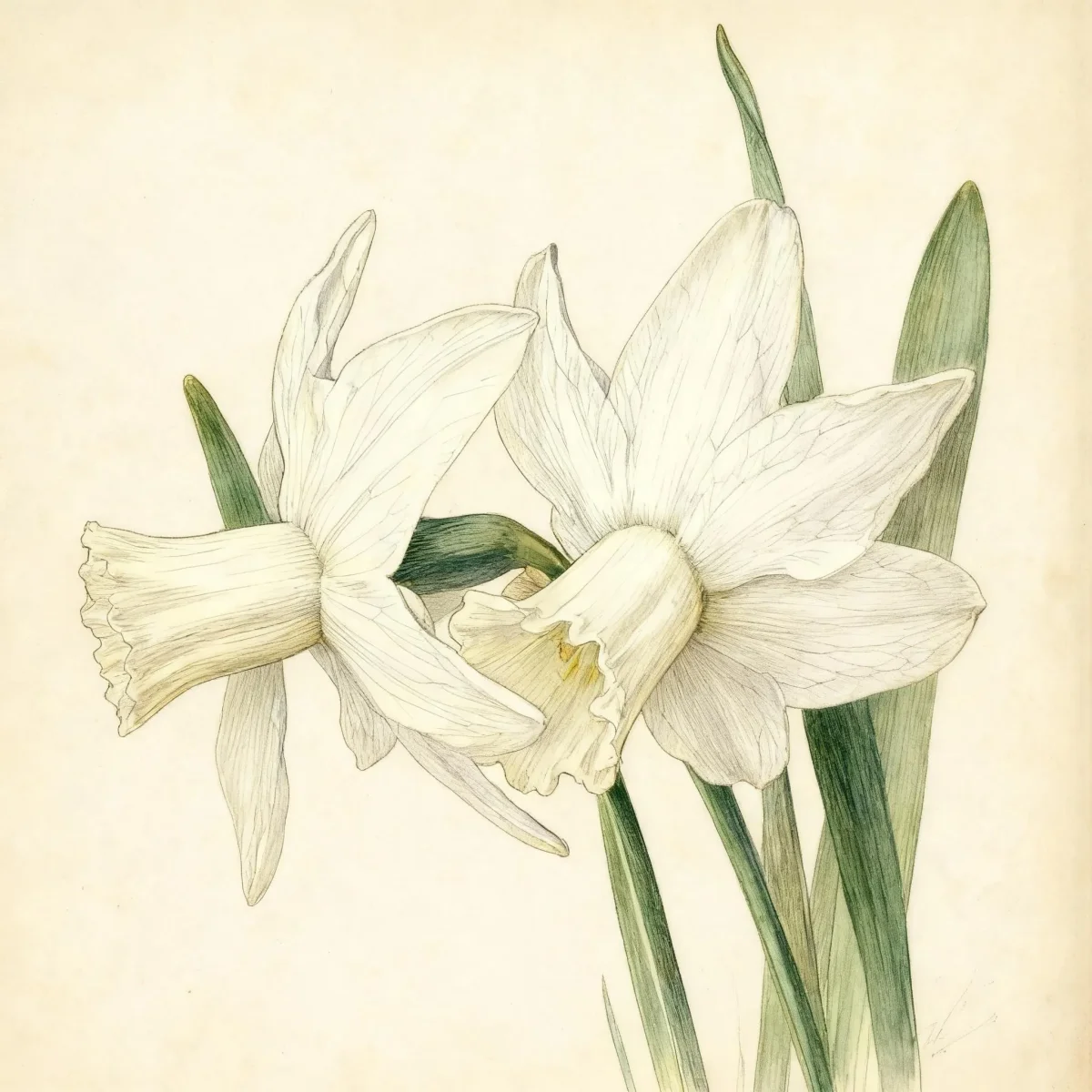
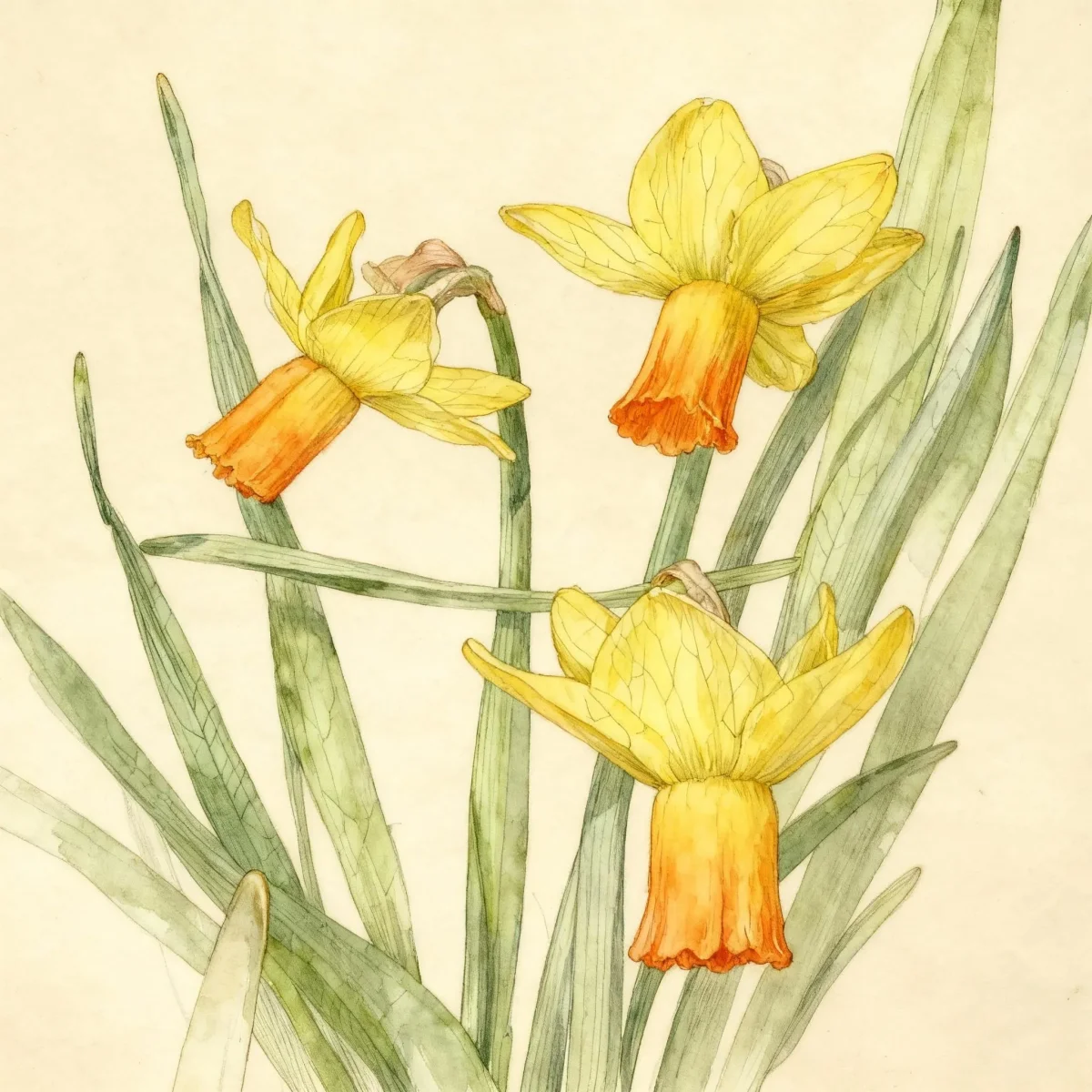
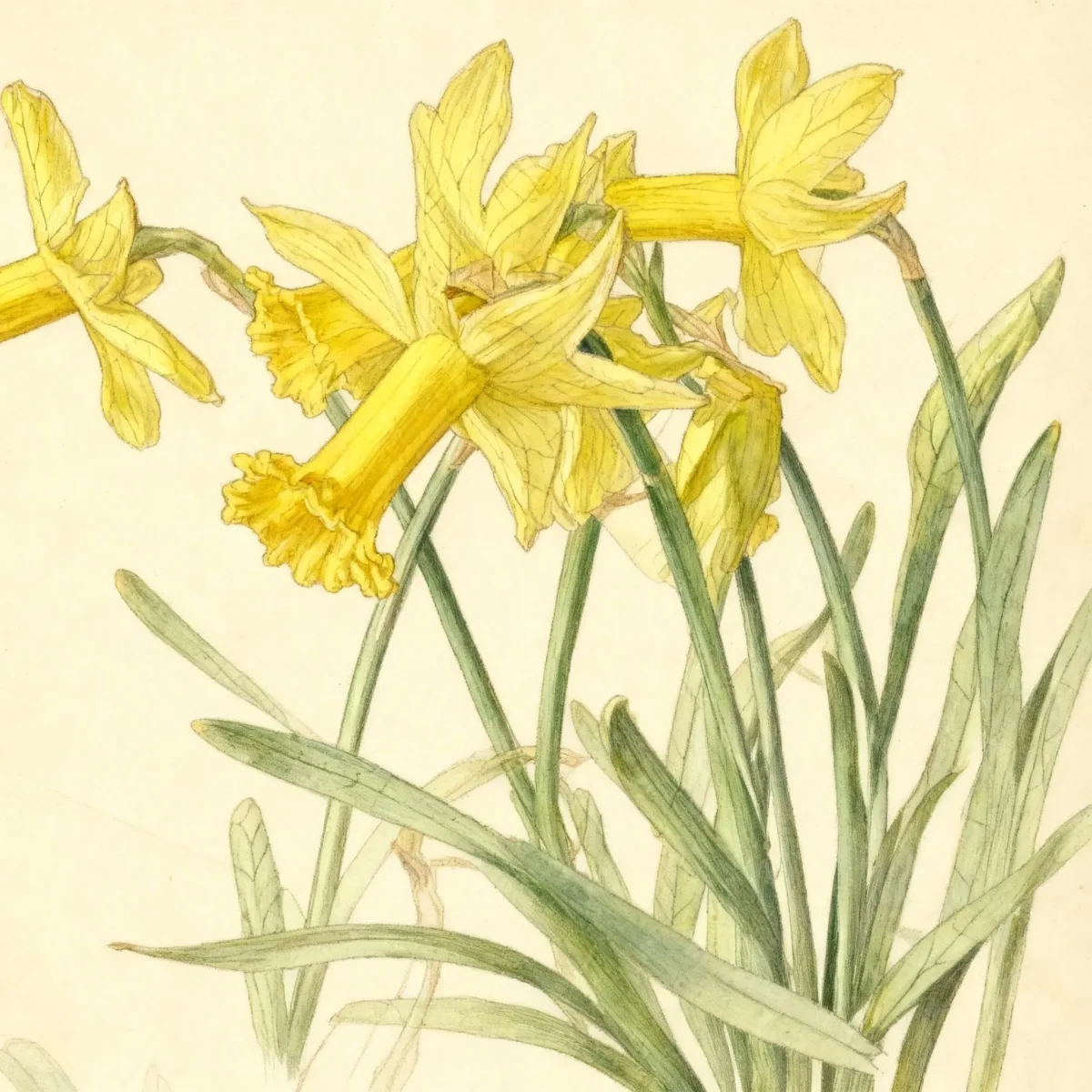
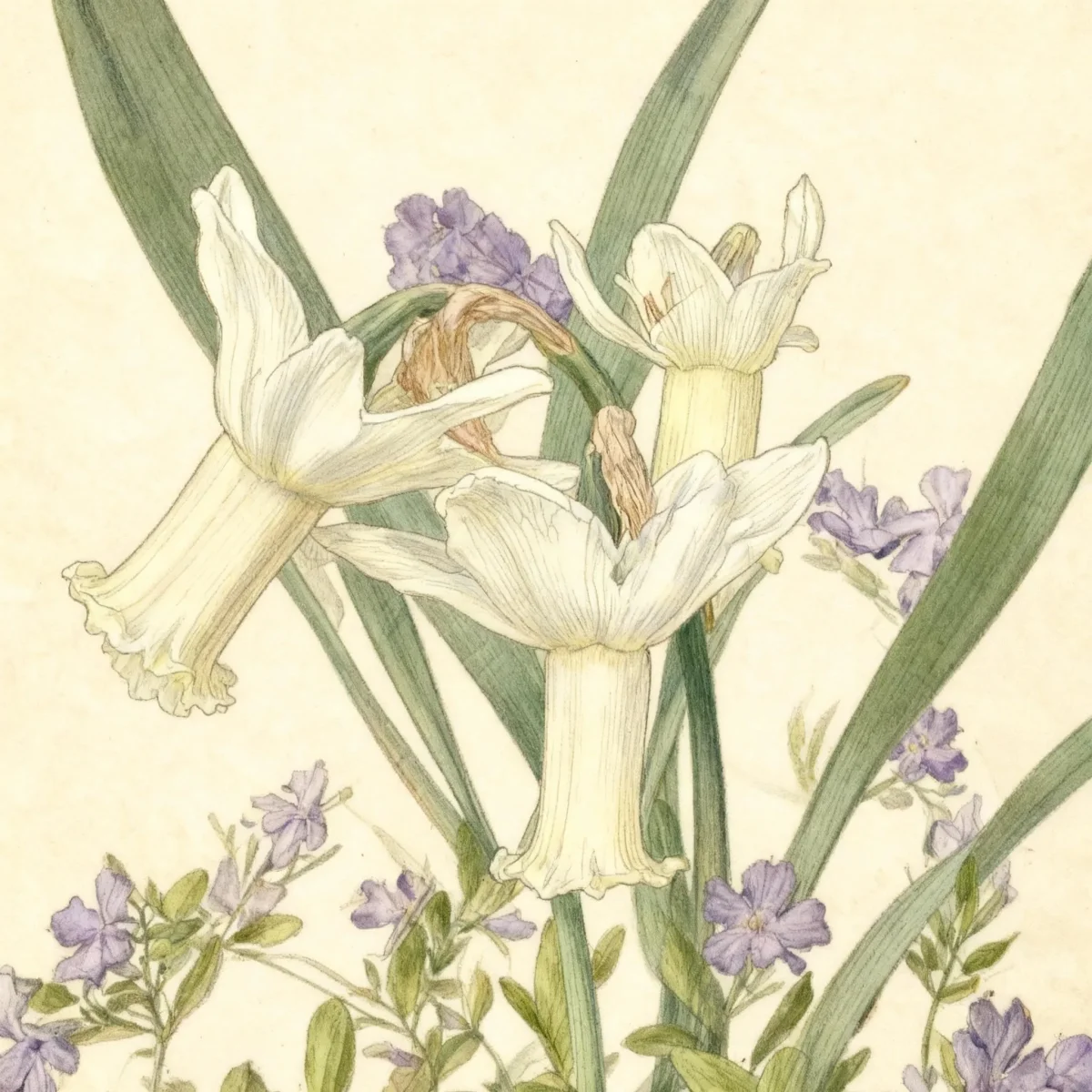
Cyclamineus daffodil (Narcissus 'Jack Snipe')
Narcissus 'Jack Snipe' is a low-maintenance Cyclamineus daffodil, blooming in April with white petals and a yellow trumpet in Zones 4-8.
Scroll down to discover growing tips, care requirements, companion plants, and more
Complete Plant Information
Overview
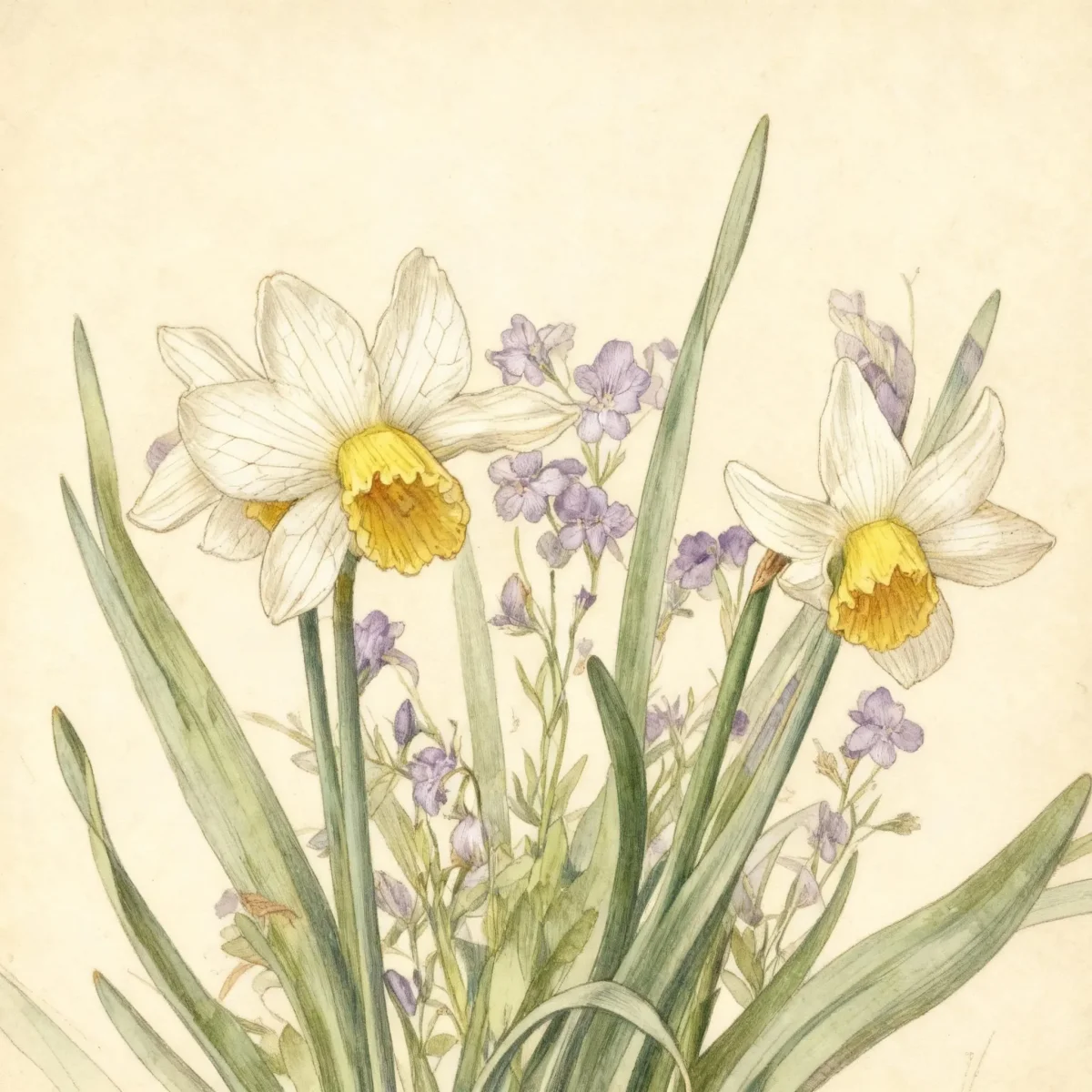
Narcissus ‘Jack Snipe’ is a cherished member of the spring garden, belonging to the Cyclamineus daffodil group. This variety is immediately recognized by its gracefully swept-back white petals that contrast beautifully with its bright, medium yellow trumpet. As a bulb, it offers exceptional longevity, returning reliably year after year with minimal intervention required from the gardener.
Growing to a modest height of under a foot, Narcissus ‘Jack Snipe’ performs best when planted generously in sweeping drifts rather than small isolated clumps. They thrive in spaces that receive full sun to light afternoon shade, making them versatile for borders or beneath deciduous trees. Their low maintenance profile and deer/rabbit resistance cement their status as a practical and captivating addition to any early spring landscape plan.
Fast Facts
- Plant Family: Amaryllidaceae
- Plant Type: Bulb
- Hardiness Zones: USDA Zones 4-8
- Size at Maturity:
- Height: 0.75-1 ft
- Spread: 0.5-0.75 ft
- Bloom Time: April
- Bloom Description: White with a yellow trumpet
- Sun Exposure: Full sun to part shade
- Water Needs: Medium
- Maintenance Level: Low
How to Grow
Planting Cyclamineus daffodil bulbs, including Narcissus ‘Jack Snipe’, should occur in early to mid-fall before the ground freezes significantly. Choose a location offering full sun to light shade, preferably where any taller shade trees will leaf out after the daffodil has bloomed. Good drainage is paramount; these bulbs prefer organically rich loams and suffer from bulb rot in saturated conditions. Plant bulbs 2 to 3 times as deep as the bulb is tall, ensuring at least 3 inches of soil covers the top, spacing them generally 4 to 8 inches apart.
Water needs are medium during the active growing season, aiming to keep the soil uniformly moist. Once the attractive flowers of Narcissus ‘Jack Snipe’ fade, resist the urge to cut back the foliage. This strap-like green material must remain intact until it yellows naturally, as it gathers energy for the next season’s display. Only remove the spent flower stems if desired.
Daffodils generally benefit from being left undisturbed for many years. If you notice a decline in bloom quality or quantity in established clumps of your Cyclamineus daffodil, division is necessary. Wait until just after the foliage has completely died back before carefully digging and separating the bulbs.
Landscape Uses
Daffodils, and specifically Narcissus ‘Jack Snipe’, are fundamentally naturalizing plants that deliver powerful early-season color. Unlike many annuals, these bulbs keep performing year after year, making them excellent long-term investments in the garden design. They look magnificent when massed in informal sweeps along the front edge of established shrub borders or planted beneath the canopy of woodland gardens or deciduous trees.
For a truly stunning effect, plant these bulbs densely in groups of at least six, allowing drifts to develop over time. They mix seamlessly with other spring-flowering bulbs like early tulips or grape hyacinths. Consider the bloom cycle; place them where the fading foliage of the daffodils will be hidden by later-emerging perennials, ensuring continuous visual appeal throughout the entire growing season.
Standout Features
Flower Qualities
- Showy
Noteworthy Characteristics
Narcissus is a genus of about 50 species of bulbous perennials from Europe and North Africa, forming a staple of the spring garden. Flowers generally feature a trumpet or cup (the corona) surrounded by six petals (perianth segments), appearing in colors from white to pink to orange. Narcissus ‘Jack Snipe’ is a cyclamineus daffodil (Division VI), characterized by a long trumpet and extremely reflexed petals that resemble cyclamen; this specific variety features reflexed white petals and a medium yellow trumpet, standing about 8-10 inches tall in April.
Tolerances
- Rabbit
- Deer
- Drought
Potential Problems
Daffodils are remarkably pest- and disease-resistant when cultural needs are met. The largest risk for Narcissus ‘Jack Snipe’ is bulb rot, which is directly caused by poor soil drainage—ensure your planting site drains well. Infrequent pests demanding attention might include slugs and snails, or occasionally the narcissus bulb fly or nematode. Management focuses on proper planting depth and soil aeration. Deer and rabbits actively avoid consuming the foliage of the Cyclamineus daffodil, offering reliable spring color where browsing pressure is high.
Frequently Asked Questions
What hardiness zones is Cyclamineus daffodil suitable for?
Narcissus ‘Jack Snipe’ is hardy across USDA Zones 4 through 8.
How large does Narcissus ‘Jack Snipe’ grow?
This variety typically reaches a height between 0.75 and 1 foot tall and spreads between 0.5 and 0.75 feet wide.
What sun exposure does Narcissus ‘Jack Snipe’ need?
It performs best in locations receiving full sun to part shade.
When does Narcissus ‘Jack Snipe’ bloom?
The expected bloom time is April, displaying flowers described as white with a yellow trumpet.
Conclusion
Narcissus ‘Jack Snipe’ provides dependable, easy-to-grow color that emerges early in the season. Its resistance to local critters and its graceful form as a Cyclamineus daffodil make it an essential choice for gardeners looking for high-impact, low-effort bulbs. Before winter, ensure you plant these bulbs at the correct depth in well-draining soil within your compatible hardiness zone to guarantee a spectacular spring arrival.
Companion Planting Strategies
Due to their early bloom time and preference for medium moisture when growing, daffodils pair excellently with plants that offer mid-to-late season structure. Blue-flowering Scilla or smaller species tulips planted alongside Narcissus ‘Jack Snipe’ will extend the bulb display. Once the daffodil foliage yellows, later-emerging perennials like Hostas or Siberian Iris can take over the space, hiding the dying leaves while benefiting from the relatively full sun available in early spring.
Seasonal Care Calendar
For successful, long-lasting performance from your Narcissus ‘Jack Snipe’, follow these simple seasonal cues. Spring is critical: allow the foliage to fully mature after flowering to replenish the bulb reserves—do not trim it early. In the summer, allow the bulbs to dry out; they tolerate drought once dormant, which is important in minimizing the risk of rot. As fall approaches, this is the ideal time to amend the soil with organic matter or divide overcrowded clumps needing rejuvenation before replanting.