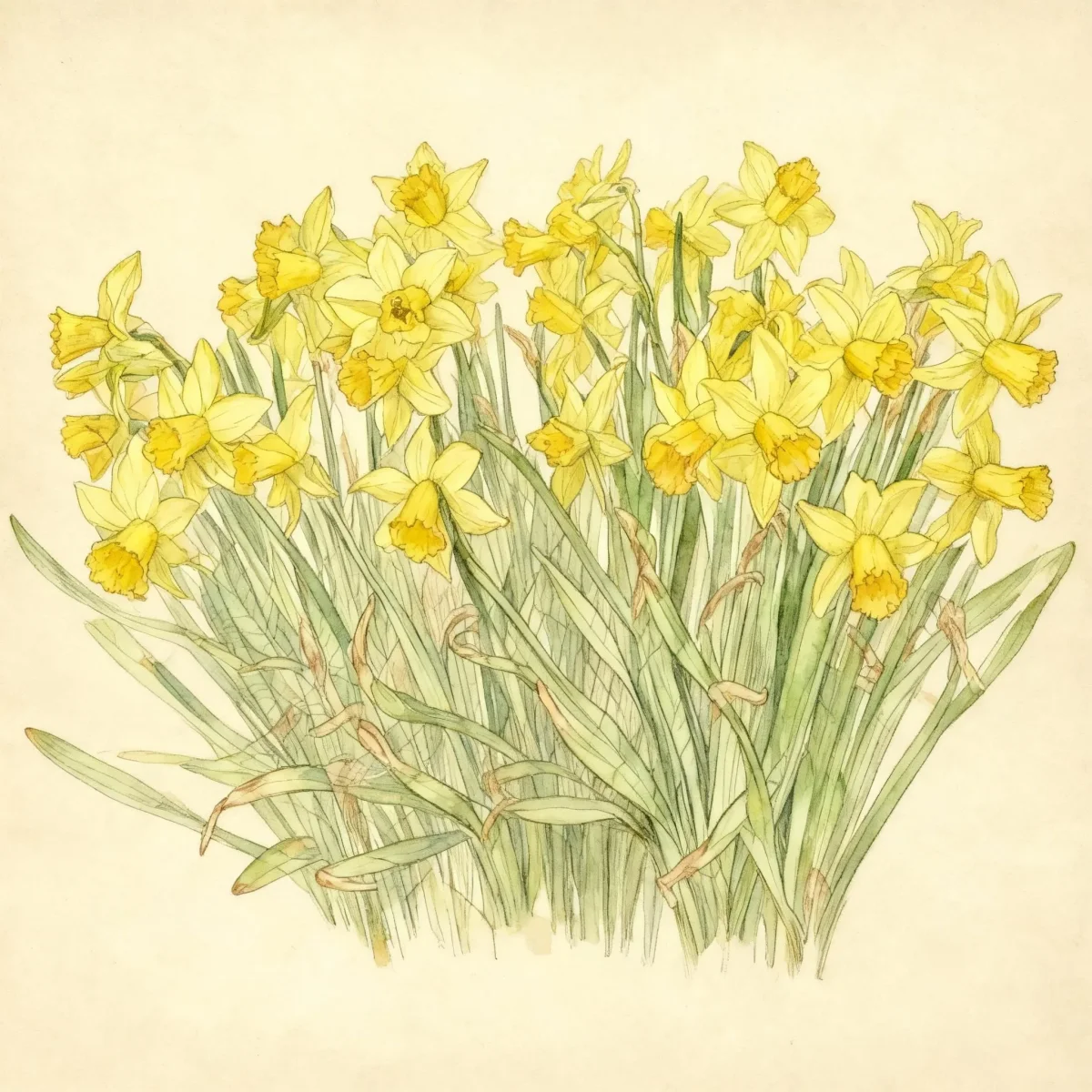
Cyclamineus daffodil (Narcissus 'Jetfire')
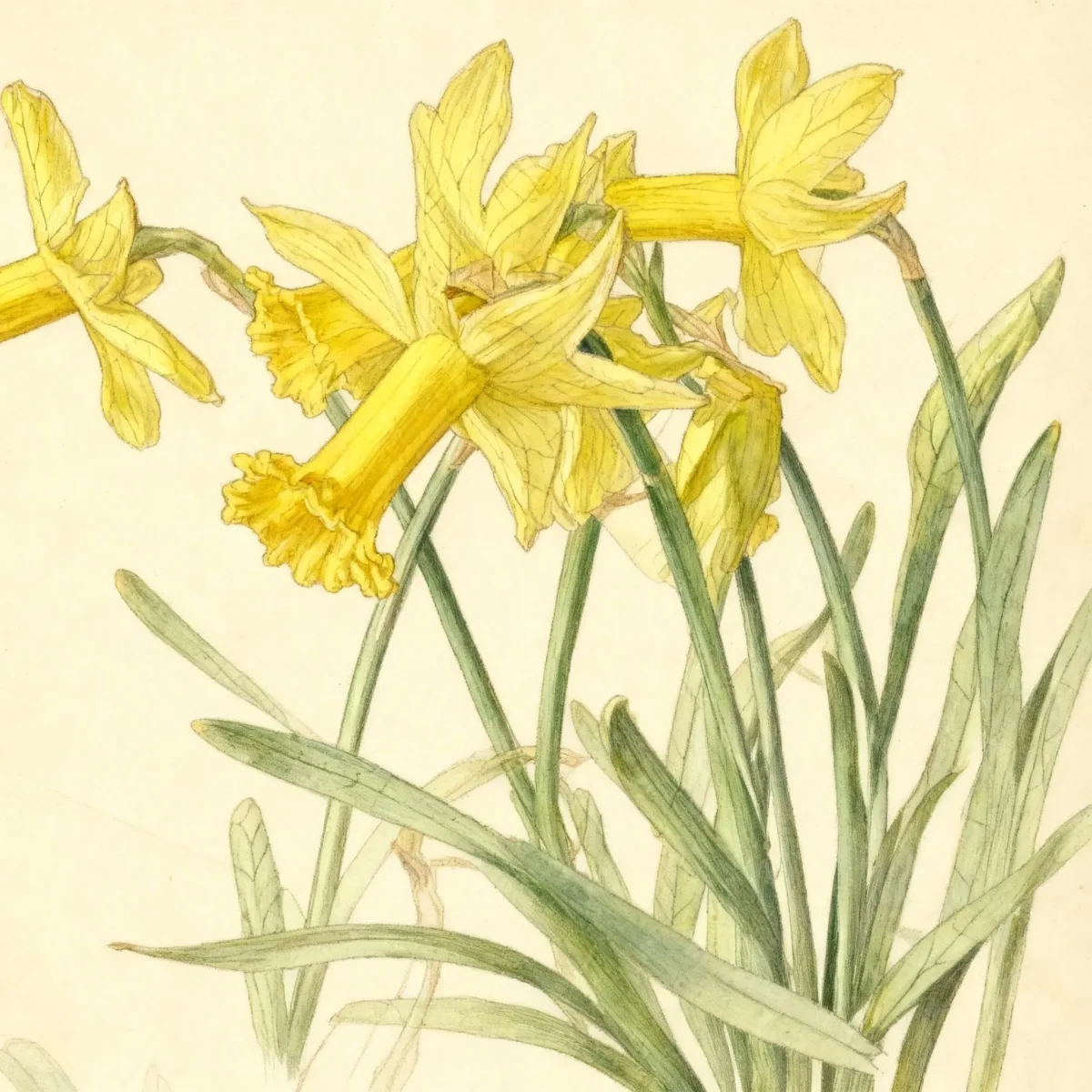
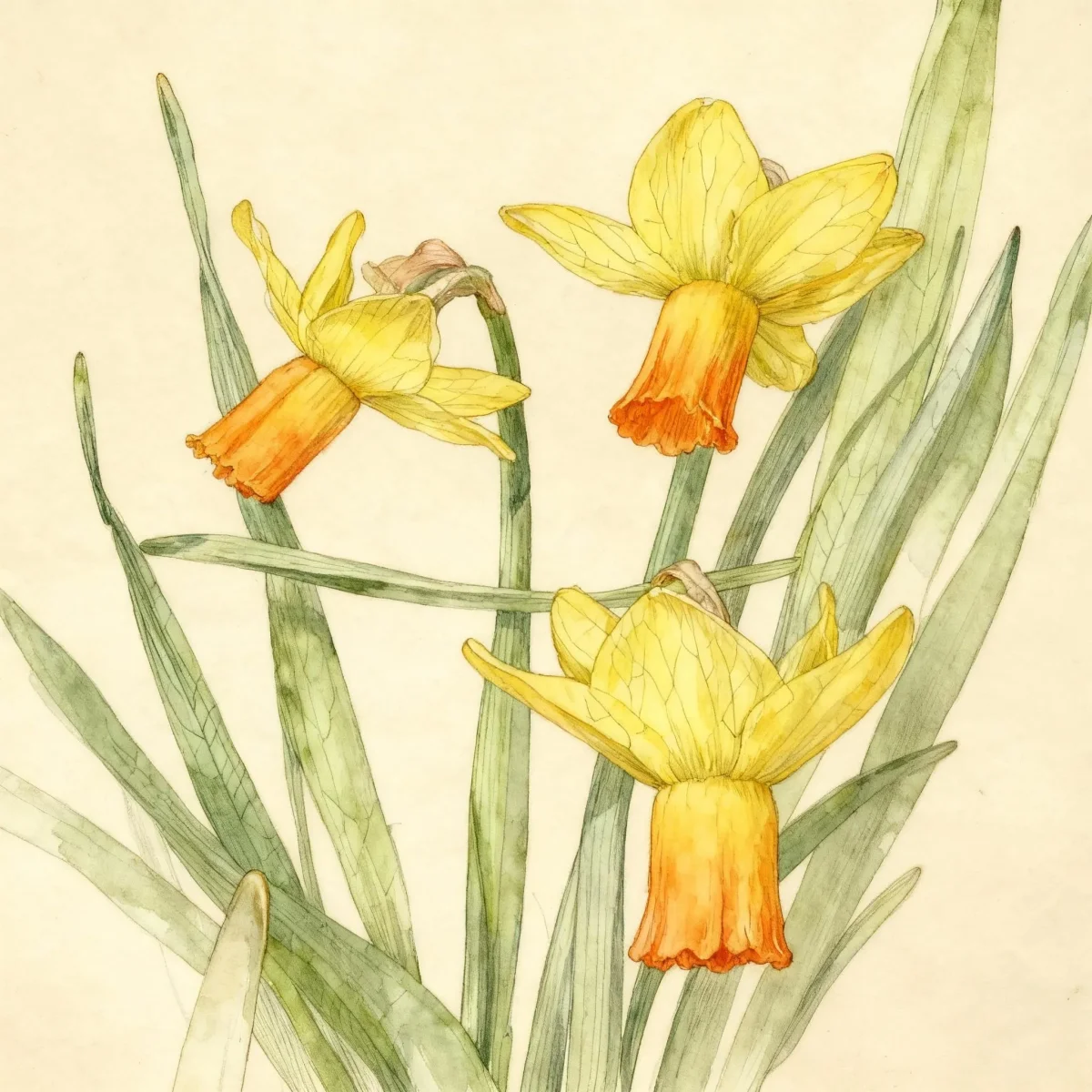
Narcissus 'Jetfire' brings early spring color with distinctive yellow petals and an orange-red trumpet. This Cyclamineus daffodil naturalizes beautifully.
Scroll down to discover growing tips, care requirements, companion plants, and more
Complete Plant Information
Overview
Narcissus ‘Jetfire’ is an exceptional choice for early spring displays, belonging to the popular group known as Cyclamineus daffodils. This variety is highly valued for its dramatic flower structure, featuring brilliant golden-yellow petals that strongly sweep backward around a vibrant orange-red trumpet. As a perennial bulb, the reliable return of Narcissus ‘Jetfire’ provides dependable, low-maintenance color year after year.
This particular hybrid, Narcissus ‘Jetfire’, typically emerges in April, bringing much-needed cheer after the late winter thaw. It thrives with minimal intervention, making it perfect for gardeners seeking high-impact perennialization without demanding intensive upkeep. The upright foliage supports the nodding, reflexed flowers beautifully.
Gardeners appreciate the Cyclamineus daffodil group for its resilience and ability to naturalize readily when sited correctly. Planting Narcissus ‘Jetfire’ in masses creates sweeping drifts of color, enhancing woodland edges or formal garden beds alike.
Fast Facts
- Plant Family: Amaryllidaceae
- Plant Type: Bulb
- Hardiness Zones: USDA Zones 4-8
- Size at Maturity:
- Height: 0.75-1 ft
- Spread: 0.5-0.75 ft
- Bloom Time: April
- Bloom Description: Yellow with orange-red trumpet
- Sun Exposure: Full sun to part shade
- Water Needs: Medium
- Maintenance Level: Low
How to Grow
Planting Narcissus ‘Jetfire’ bulbs should occur in the early to mid-fall season to allow for adequate root development before the ground freezes. These bulbs perform best in organically rich loams, requiring average moisture during the active growing season, though they tolerate drought once dormant. Good soil drainage is absolutely essential to prevent bulb rot, a primary risk for daffodils.
When planting, ensure each bulb is set 2 to 3 times as deep as the bulb size, resulting in about 3 inches of soil covering the top of the bulb for most varieties. Space Narcissus ‘Jetfire’ bulbs from 4 to 10 inches apart; wider spacing may look sparse initially but allows the clumps to mature and naturalize with less need for future division.
After the striking April blooms fade, handle the spent flowers carefully. You may remove the top portion of the flower stem to prevent seed formation, but under no circumstances should you cut back the foliage until it yellows naturally. This process allows the leaves to gather the necessary energy for next year’s display, ensuring the continued performance of your Cyclamineus daffodil.
Landscape Uses
Daffodils, including the charismatic Narcissus ‘Jetfire’, offer immense landscape value because they reliably return and multiply, unlike many annuals or short-lived perennials. They are ideally suited for mass plantings, recommended in groupings of at least six bulbs to create the most significant visual impact in beds and borders. They integrate seamlessly into wild gardens or open woodland areas under deciduous trees, where they receive sun before the canopy develops.
Consider planting Narcissus ‘Jetfire’ in the foreground of shrub borders, utilizing their early spring color to bridge the gap between woody plants and summer-blooming perennials. Because flowers often face the brightest light, place any potential shade sources behind the planting area to maximize visibility. These bulbs mix exceptionally well with other spring-flowering companions, such as early tulips or grape hyacinths.
Standout Features
Flower Qualities
- Showy
Noteworthy Characteristics
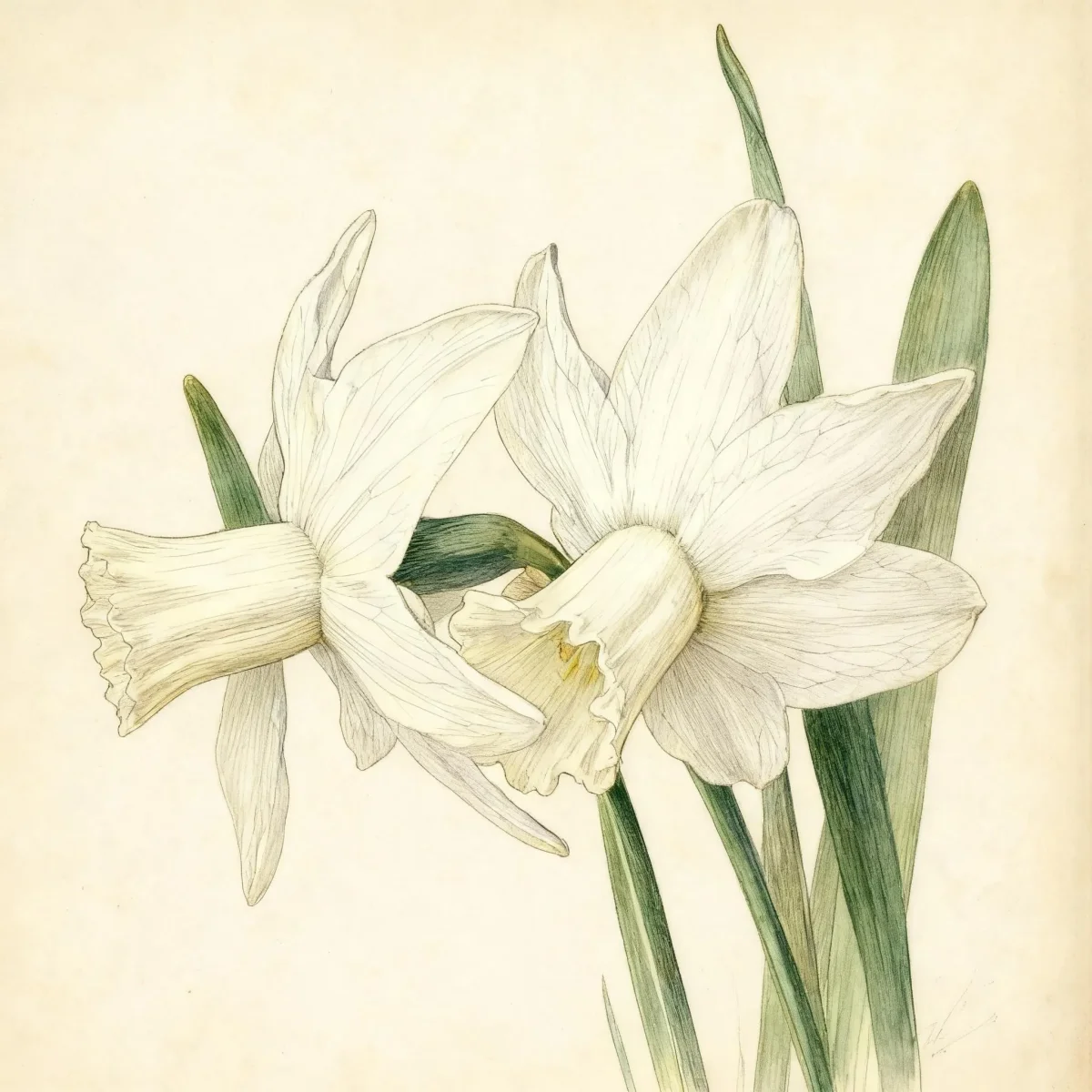
Narcissus is the genus name for daffodils, encompassing about 50 species known for their iconic spring blooms emerging from bulbous perennials. Flowers typically present a cup or corona surrounded by six perianth segments, displaying colors from white across the spectrum to pink and orange. Narcissus ‘Jetfire’ is officially classified as a cyclamineus daffodil (Division VI), characterized by its long trumpet and petals that are dramatically reflexed, mimicking the look of a cyclamen flower. This specific hybrid is a garden mainstay, rising 10-12 inches tall with golden petals and that signature orange-red trumpet in mid-season.
Tolerances
- Rabbit
- Deer
- Drought
Potential Problems
Daffodils, including the robust Narcissus ‘Jetfire’, are generally pest-free when grown in appropriate culture and well-drained soils. The primary threat to bulb health is bulb rot, which occurs exclusively in soggy, poorly draining conditions. Be vigilant about soil quality during planting to prevent this.
Infrequent issues might include slugs and snails nibbling tender new growth, or occasionally encountering pests like the narcissus bulb fly or nematode. If the quality of blooms diminishes significantly after several years, it usually signals that the bulb clumps have become overcrowded, necessitating division just after dieback. Deer and rabbits actively avoid eating this plant due to its natural toxicity.
Frequently Asked Questions
What hardiness zones is Cyclamineus daffodil suitable for?
Narcissus ‘Jetfire’ is reliably hardy in USDA Zones 4 through 8.
How large does Narcissus ‘Jetfire’ grow?
This variety typically reaches a height between 0.75 and 1 foot tall, with a spread of 0.5 to 0.75 feet as the clumps establish.
What sun exposure does Narcissus ‘Jetfire’ need?
For optimal performance and bloom production, plant Narcissus ‘Jetfire’ where it will receive full sun to part shade.
When does Cyclamineus daffodil bloom?
This beautiful Cyclamineus daffodil blooms in April, displaying its signature yellow petals and orange-red trumpet.
Conclusion
Narcissus ‘Jetfire’ provides an unbeatable combination of vibrant color, reliable perennial performance, and low maintenance, making it a cornerstone of the early spring garden. Enjoying the reflexed petals and strong colors of this unique Cyclamineus daffodil depends entirely on proper fall planting in well-drained sites. Check your USDA zone compatibility now and plan your fall planting schedule for brilliant results next April.
Design Ideas for Early Spring Impact
When incorporating Narcissus ‘Jetfire’ into your landscape design, consider utilizing its early bloom time strategically. Since it emerges before most perennials wake up, it excels as an anchor plant in transitional borders where eventual summer greenery will develop. Planting them near evergreen shrubs provides a dark backdrop that makes the yellow and orange hues truly pop. Massing these bulbs also helps disguise the fading foliage later in spring, as large drifts look less obvious than small, isolated clumps.
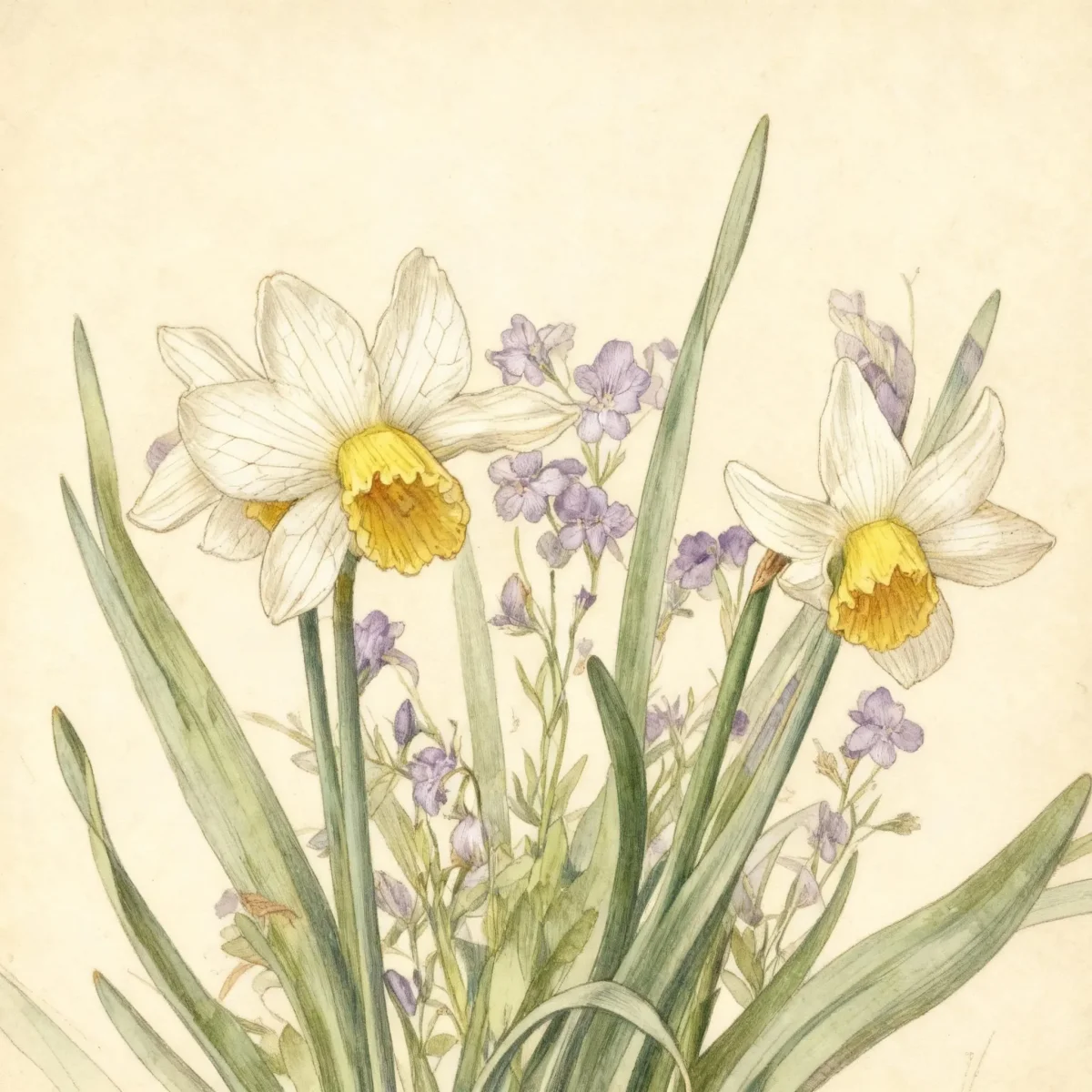
For a striking contemporary look, pair the golden tones of Narcissus ‘Jetfire’ with purples and blues from early-flowering companions. Consider planting alongside Muscari (grape hyacinth) or early varieties of Scilla (squill) for complementary color contrast. Since the foliage of the Cyclamineus daffodil dies back relatively quickly, interplanting with later-emerging perennials that thrive in partial shade, such as Hostas or Brunnera, ensures continuous visual interest throughout the season.
Companion Planting Considerations
Successful companion planting relies on matching soil and light needs, which Narcissus ‘Jetfire’ shares with many other spring bulbs. The key requirement for this daffodil is excellent drainage; avoid planting it in heavy clay areas that retain standing water over winter, as this invites rot. Because Narcissus ‘Jetfire’ dislikes being disturbed, choose companions whose needs align for the next several years—avoid fussy annuals that need constant digging near the bulb beds.
As foliage dieback occurs, the presence of established perennials becomes beneficial, helping to screen the yellowing daffodil leaves before they become unsightly. Low-spreading groundcovers that emerge slowly in mid-spring, such as Vinca minor or creeping Sedum, can eventually drape over the area, smoothing the transition as the Cyclamineus daffodil finishes its cycle. Ensure companions do not aggressively shade the area too early in the season, which could impede the spring flowering of the Narcissus ‘Jetfire’.