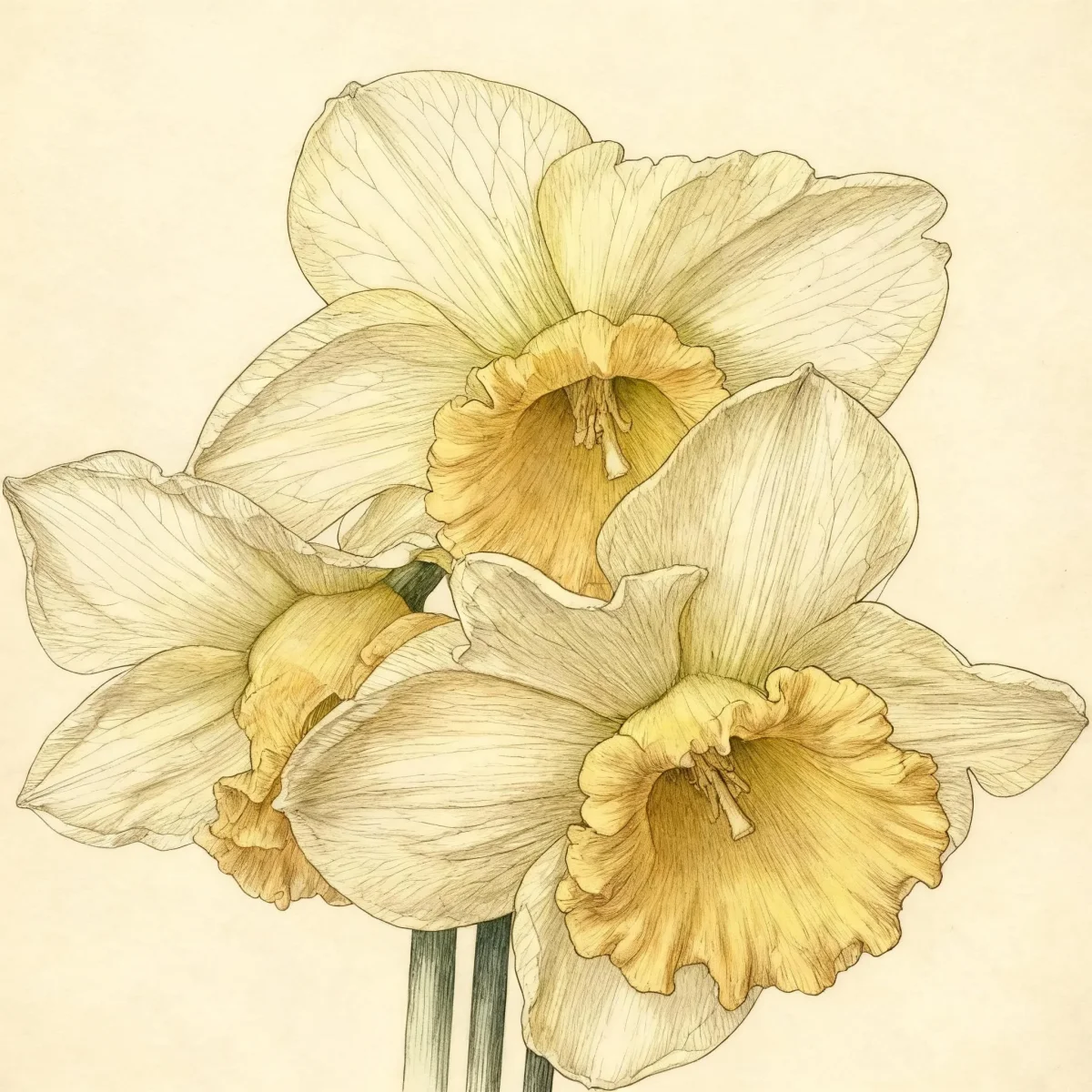
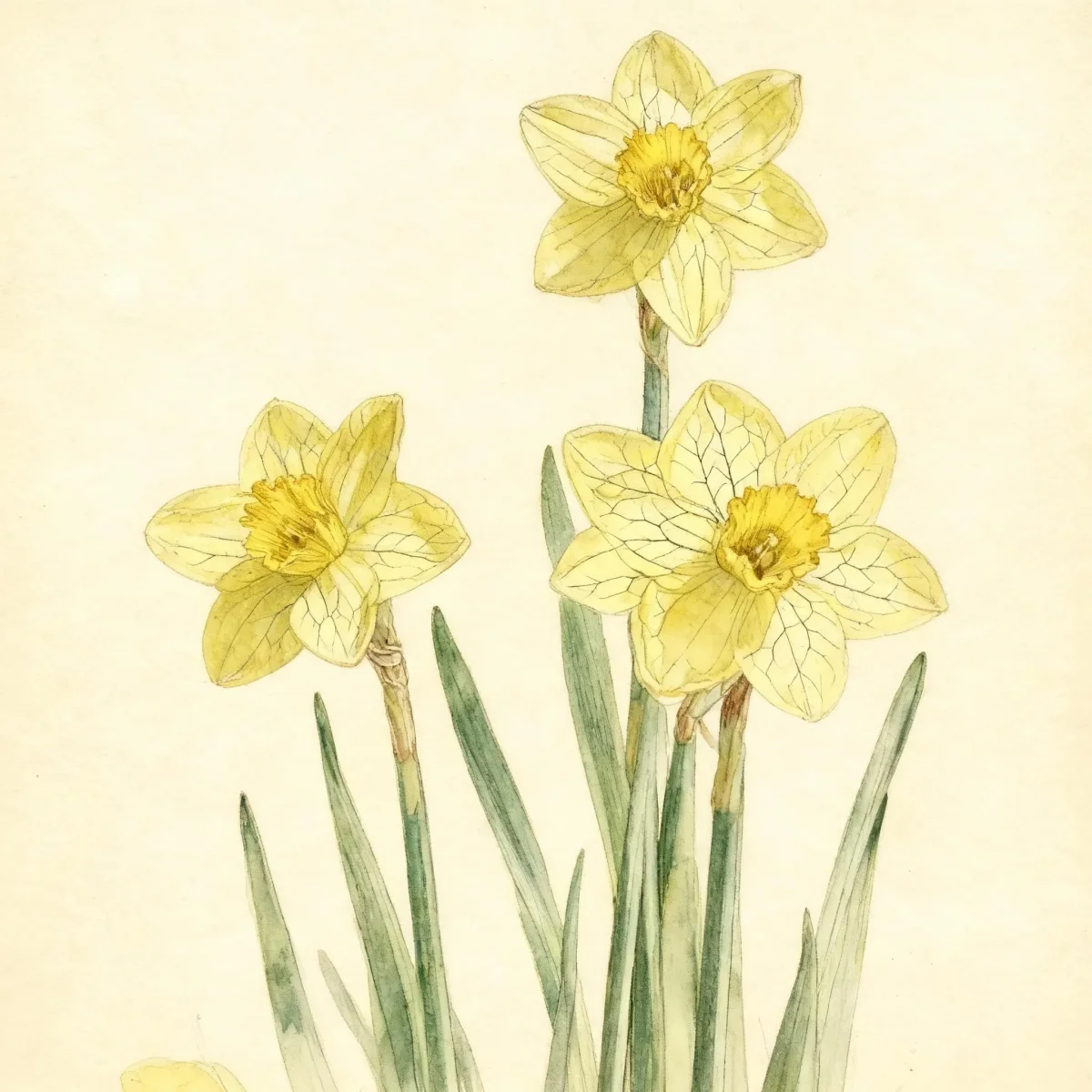
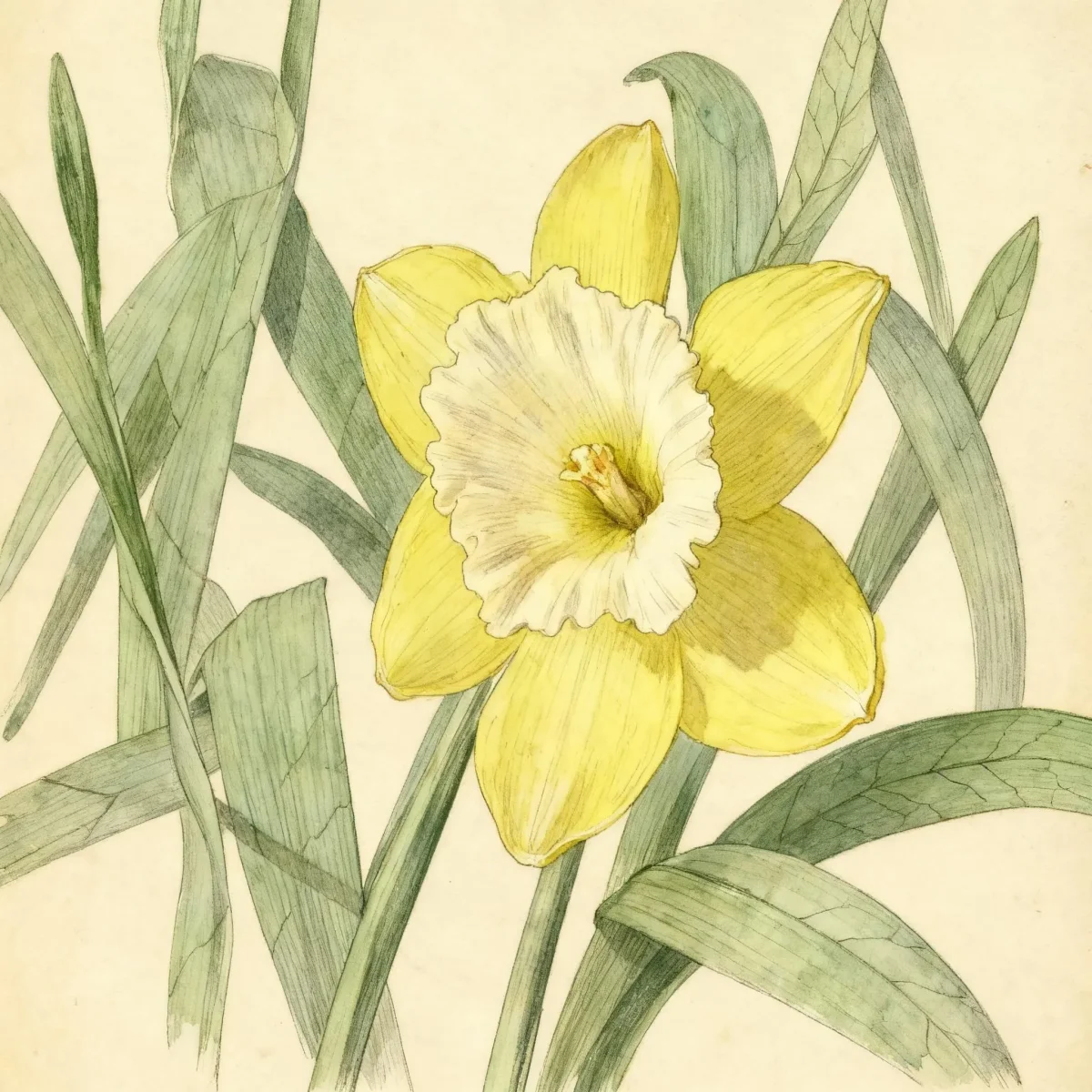
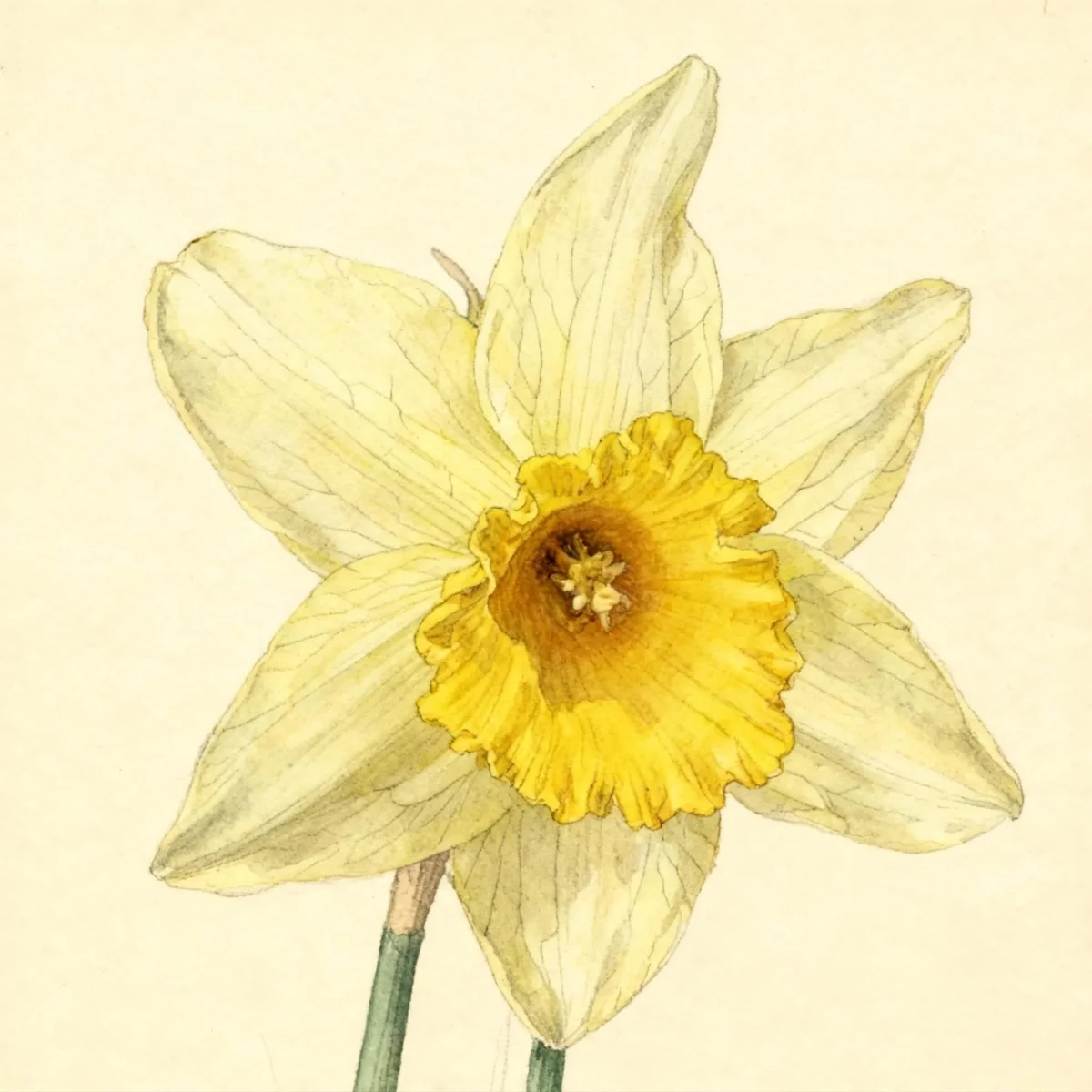
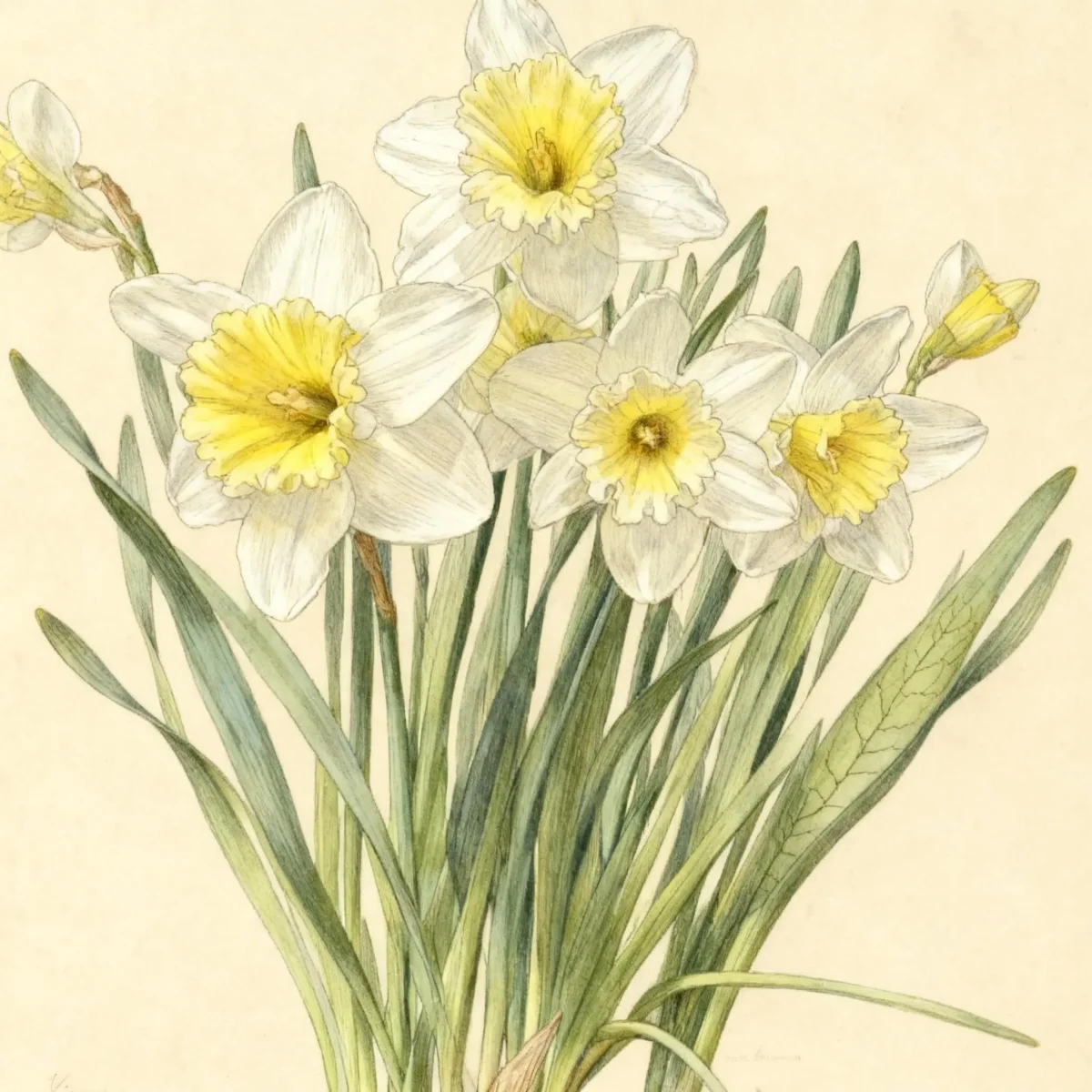
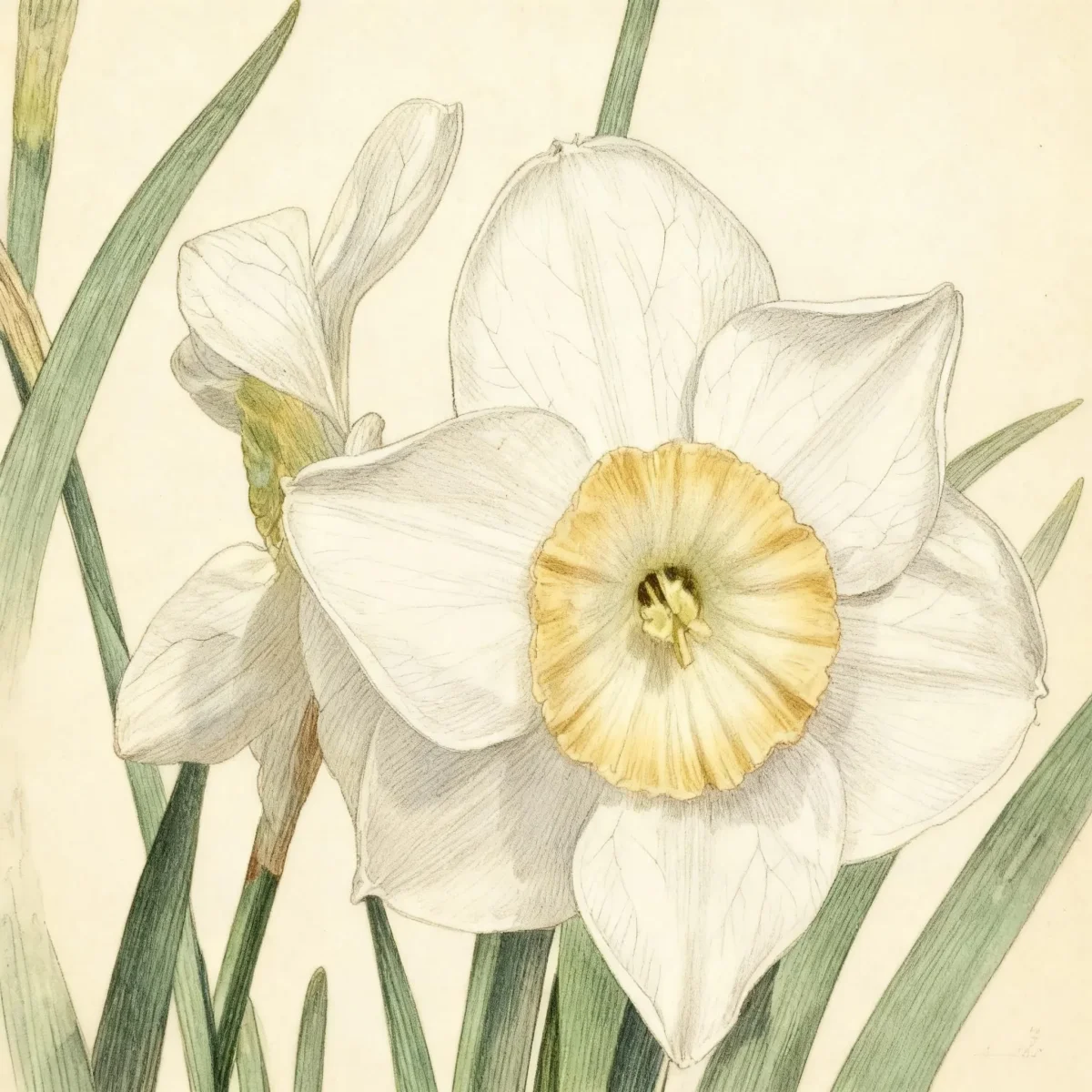
Large-cupped daffodil (Narcissus 'Juanita')
Narcissus 'Juanita' is a low-maintenance, large-cupped daffodil blooming showy yellow/orange in early spring.
Scroll down to discover growing tips, care requirements, companion plants, and more
Complete Plant Information
Overview
The Large-cupped daffodil, specifically the cultivar Narcissus ‘Juanita’, offers reliable, vibrant color signaling the true arrival of spring. This popular division features striking blooms usually holding a long cup relative to its petals, making Narcissus ‘Juanita’ a standout feature in early season displays. It is highly valued for its attractive appearance and exceptional resilience in the garden.
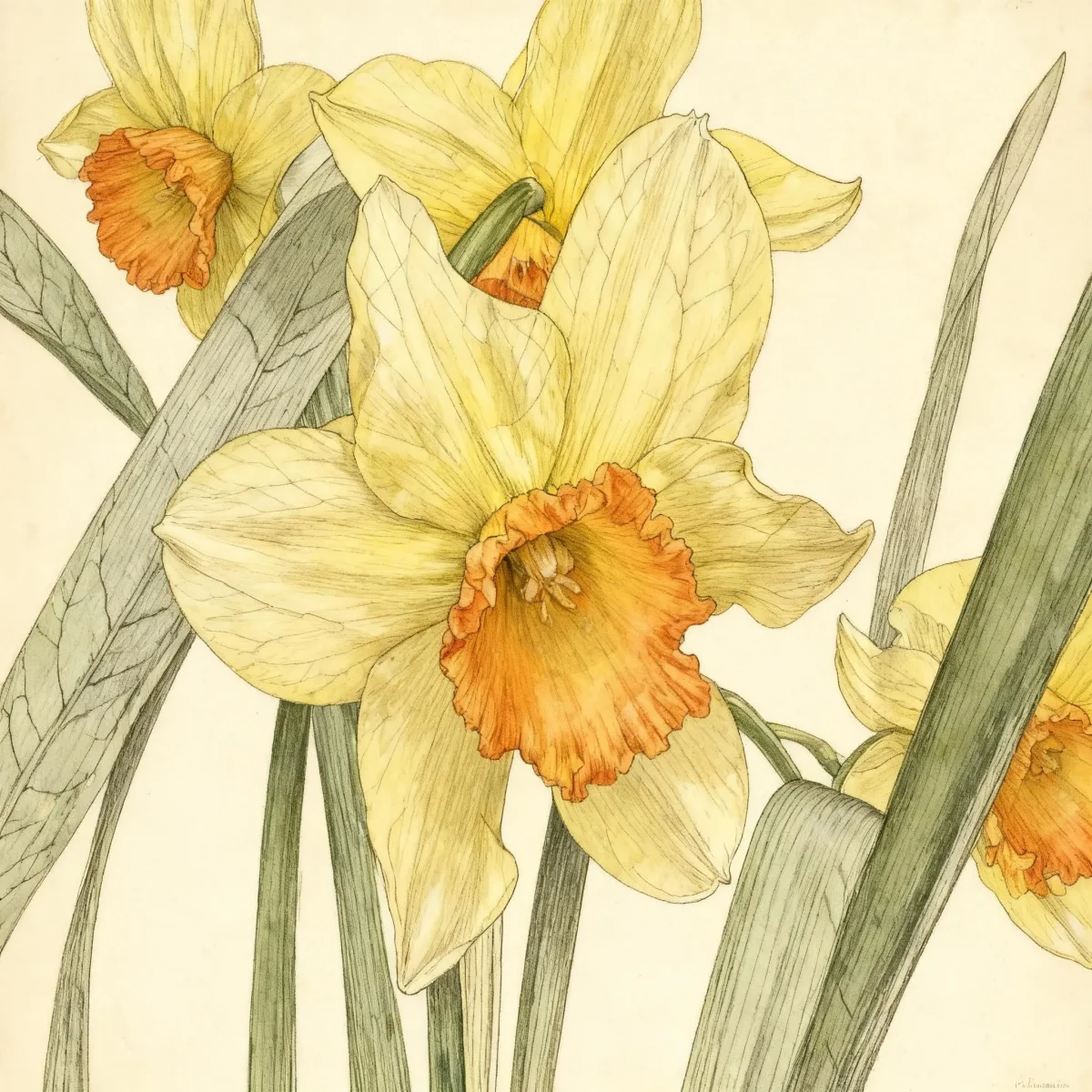
Narcissus ‘Juanita’ combines graceful stature with durable performance, making it an excellent choice for gardeners seeking low-effort spring impact. These bulbs naturalize well, meaning they multiply and return year after year without needing frequent disturbance or replanting. This cultivar provides a classic daffodil look, characterized by buttercup yellow petals and a contrasting orange cup.
As a classic spring staple, this Large-cupped daffodil thrives in average conditions, provided the soil drains well. Its low maintenance level and natural deer and rabbit resistance ensure that the beauty of Narcissus ‘Juanita’ can be enjoyed without constant protection or intense cultural input. Plant these bulbs in fall for an essential infusion of color during the late winter transition to spring.
Fast Facts
- Plant Family: Amaryllidaceae
- Plant Type: Bulb
- Hardiness Zones: USDA Zones 3-8
- Size at Maturity:
- Height: 1.5-2 ft
- Spread: 0.5-0.75 ft
- Bloom Time: March to April
- Bloom Description: Yellow petals and orange cup
- Sun Exposure: Full sun to part shade
- Water Needs: Medium
- Maintenance Level: Low
How to Grow
Planting Narcissus ‘Juanita’ bulbs should occur in early to mid fall before the ground freezes solid. Select a site that receives full sun to light afternoon shade, ensuring the bed offers organically rich loams and excellent drainage; soggy soils are the primary enemy of daffodil bulbs. For depth, plant each bulb two to three times as deep as the bulb itself, aiming for at least 3 inches of soil cover. Spacing generally ranges from 4 to 10 inches apart, depending on the bulb size.
These bulbs have medium water needs while actively growing in the spring. Keep the soil uniformly moist through the blooming period, although they tolerate drought once the foliage begins to yellow as they go dormant. Fertilizing is usually unnecessary if the soil is good. To manage appearance after flowering, remove the spent flower stem just below the bloom to stop seed production, but critically, allow all foliage to remain intact until it yellows naturally; cutting it early diminishes next year’s performance.
Narcissus ‘Juanita’ bulbs can be left in the ground undisturbed for many seasons. If the quantity or quality of blooms decreases over time, divide the clumps immediately after all foliage has completely died back. Since the flowers naturally lean toward the light source, position any surrounding shade to the rear of the planting for the best viewing angle.
Landscape Uses
Daffodils provide unmatched early-season structure, and unlike many spring bulbs, they reliably return year after year, making them phenomenal budget-friendly investments. Large-cupped daffodils like Narcissus ‘Juanita’ excel when planted in large, sweeping drifts rather than small, isolated groupings. Aim for groupings of at least six bulbs to create a meaningful impact as they begin to naturalize.
These bulbs are superb for defining edges, massing under deciduous trees where they receive full sun before leaf-out, or integrating into mixed perennial borders. They blend beautifully with other reliable spring bloomers such as tulips, grape hyacinths, and early irises. Because the foliage yellows after blooming, plan companion plants that emerge later in the season to aesthetically mask the dying daffodil leaves.
Consider using Narcissus ‘Juanita’ in informal settings like wild gardens or naturalized lawns where they can spread unimpeded. Their upright stems (reaching 1.5 to 2 feet high) offer vertical interest against lower groundcovers or the dark, contrasting backdrop of evergreen shrubs planted behind massed groupings.
Standout Features
Flower Qualities
- Showy
Noteworthy Characteristics
Narcissus is a genus of about 50 species of bulbous perennials from Europe and North Africa, representing a true mainstay of the spring garden. These flowers feature a cup or trumpet (the corona) surrounded by six petals, appearing in various colors across its 13 cultivated divisions. Narcissus ‘Juanita’ specifically falls into Division II as a large-cupped daffodil, standing about 18-20 inches tall, displaying beautiful buttercup yellow petals surrounding an orange cup rimmed with yellow. This variety produces one flower per stem and is excellent as a fresh cut flower.
Tolerances
- Rabbit
- Deer
- Drought
Potential Problems
Generally, daffodils are known for being almost entirely pest-free when cultured correctly in well-drained soil. The most significant issue arises from bulb rot, which actively occurs in poorly drained or overly heavy clay soils; ensure your planting site meets the crucial drainage requirements listed in the culture section. Infrequently, garden pests like slugs and snails might target young foliage, and monitoring for narcissus bulb fly or narcissus nematode is wise, though rare. If you notice viral issues like Narcissus yellow stripe virus, infected bulbs should be rogued immediately to prevent spread.
Frequently Asked Questions
What hardiness zones is Large-cupped daffodil suitable for?
Narcissus ‘Juanita’ is reliably hardy across USDA Zones 3 through 8.
How large does Large-cupped daffodil grow?
This Large-cupped daffodil typically reaches a mature height between 1.5 and 2 feet tall, with a spread of 0.5 to 0.75 feet.
When does Large-cupped daffodil bloom?
Narcissus ‘Juanita’ blooms reliably from March to April, showcasing its signature yellow petals and orange cup.
What sun exposure does Large-cupped daffodil need?
This bulb prefers full sun to part shade conditions for optimal flowering.
Conclusion
Planting Narcissus ‘Juanita’ is one of the simplest ways to guarantee spectacular, pest-resistant color early in the garden season. This robust Large-cupped daffodil offers exceptional value and beauty year after year with minimal intervention once established. Ensure you plant your bulbs in the fall in well-drained locations to enjoy the reliable performance of this classic spring favorite.
Companion Planting
When planning beds featuring Narcissus ‘Juanita’, select companions that offer textural contrast or emerge slightly later to cover the fading foliage. Grape hyacinths (Muscari) bloom concurrently and provide a wonderful color contrast underneath the taller yellow and orange blooms of the daffodil. Consider pairing them with later-blooming tulips or early emerging perennials like Siberian Iris (Iris sibirica) or Hostas, which will soon fill in the space vacated by the dying daffodil leaves, ensuring continuous landscape interest.
Design Ideas
For a formal, impactful look, plant Narcissus ‘Juanita’ along walkways or property edges in straight lines or formal drifts of at least a dozen bulbs. For a more naturalistic approach—often called a “naturalizing drift”—scatter bulbs by tossing them lightly onto the soil surface and planting them where they land, ensuring they have space (4-10 inches apart) to spread over time. Because the flowers lean toward the light, always place any structures or taller plantings that might create shade behind the bulbs to direct their faces toward the observer.