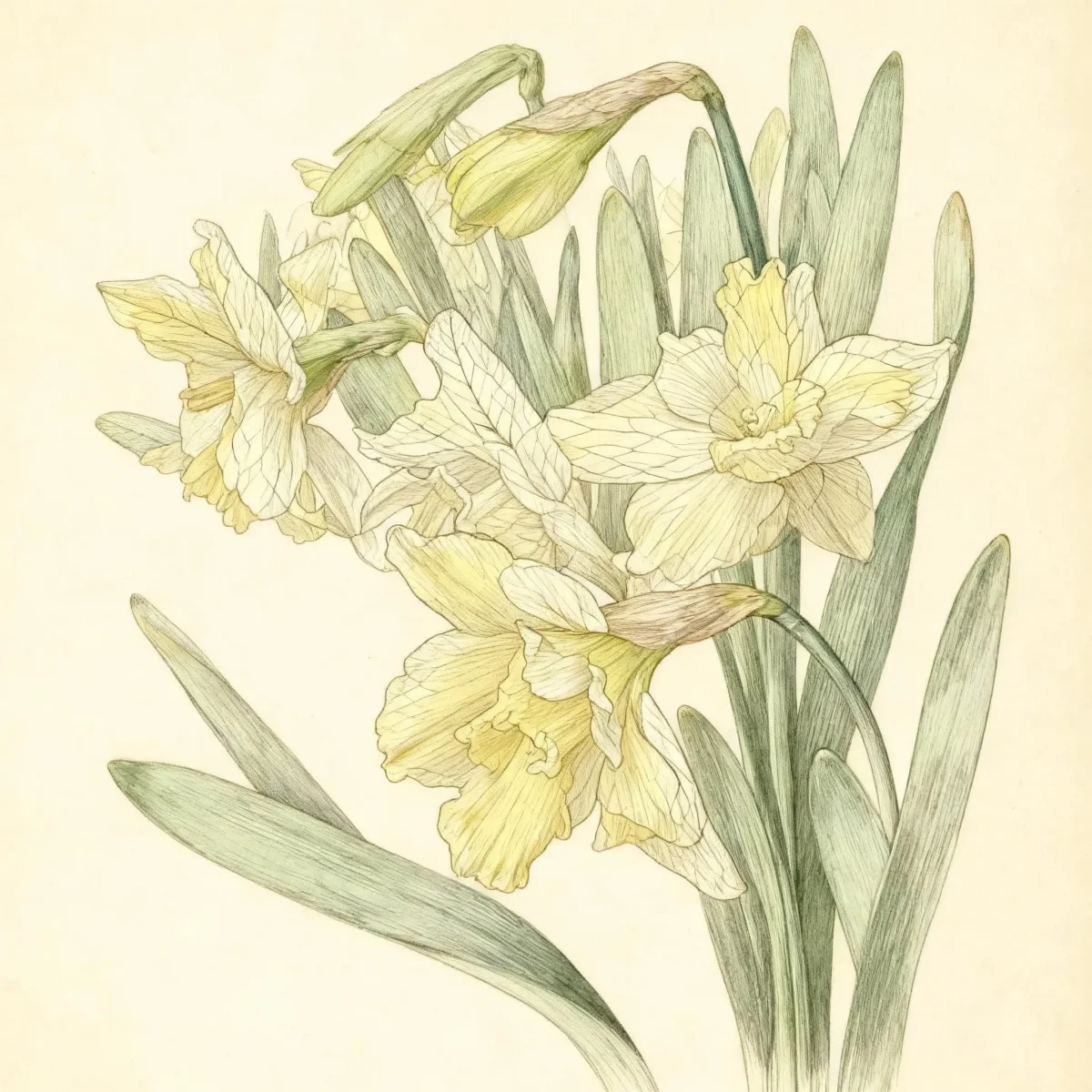
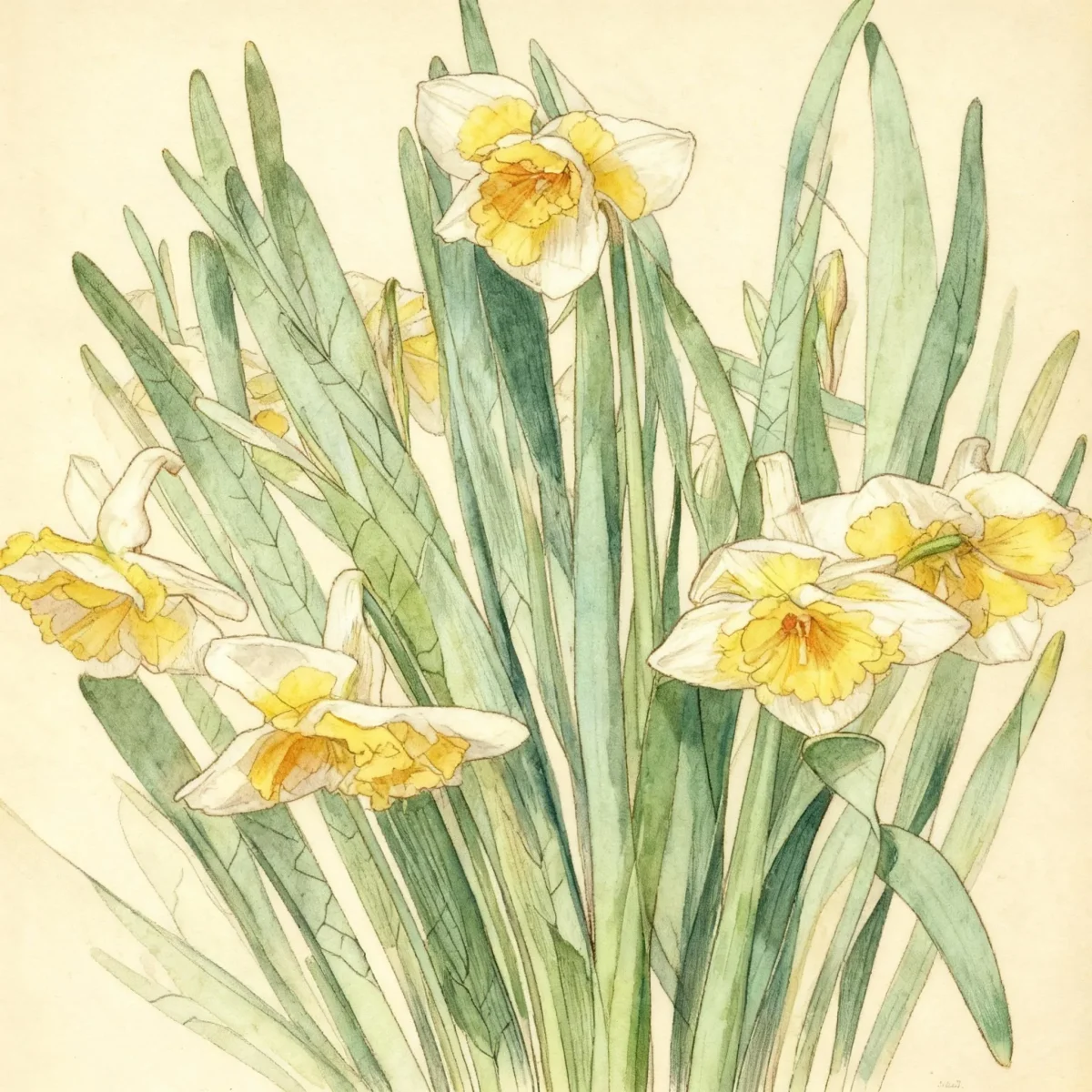
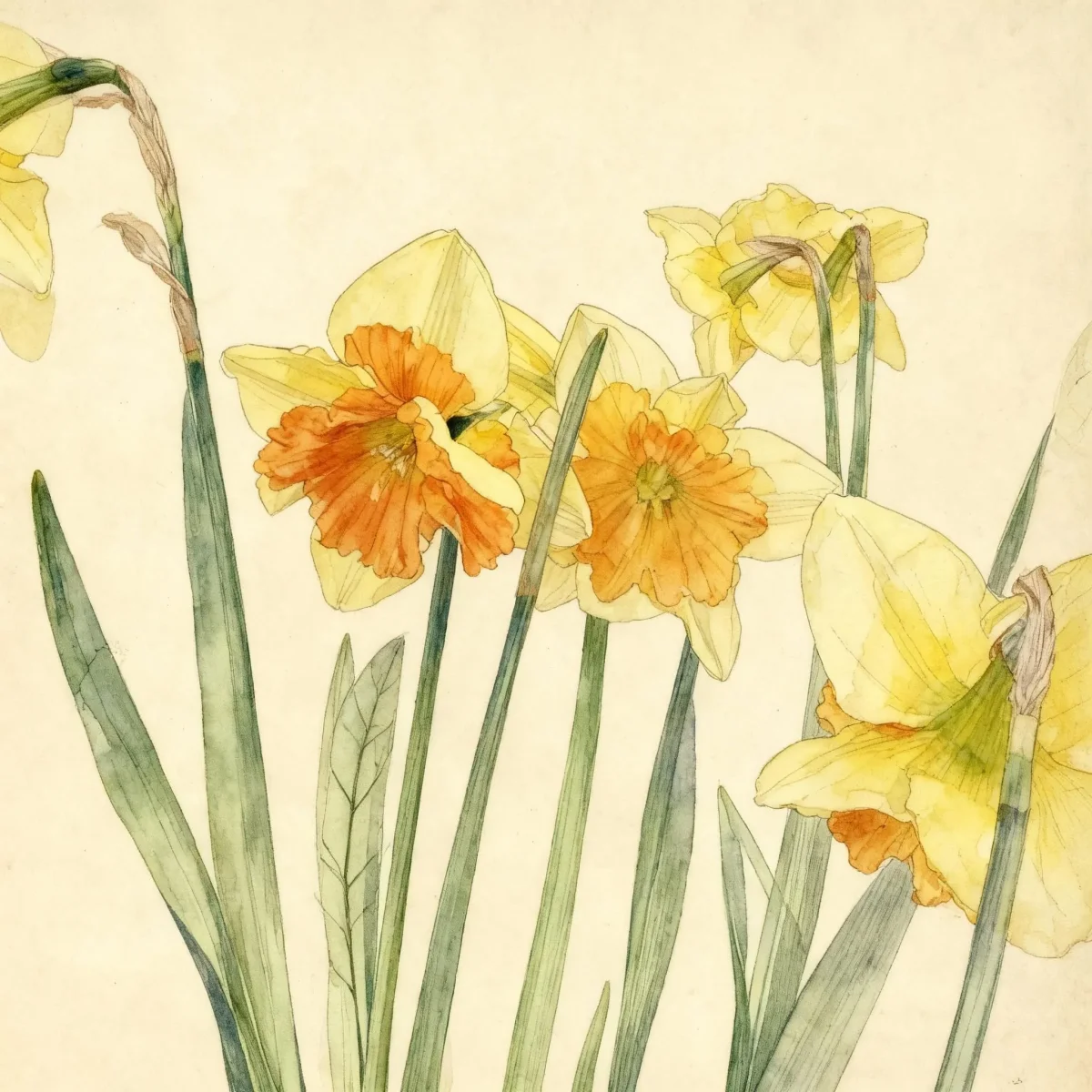
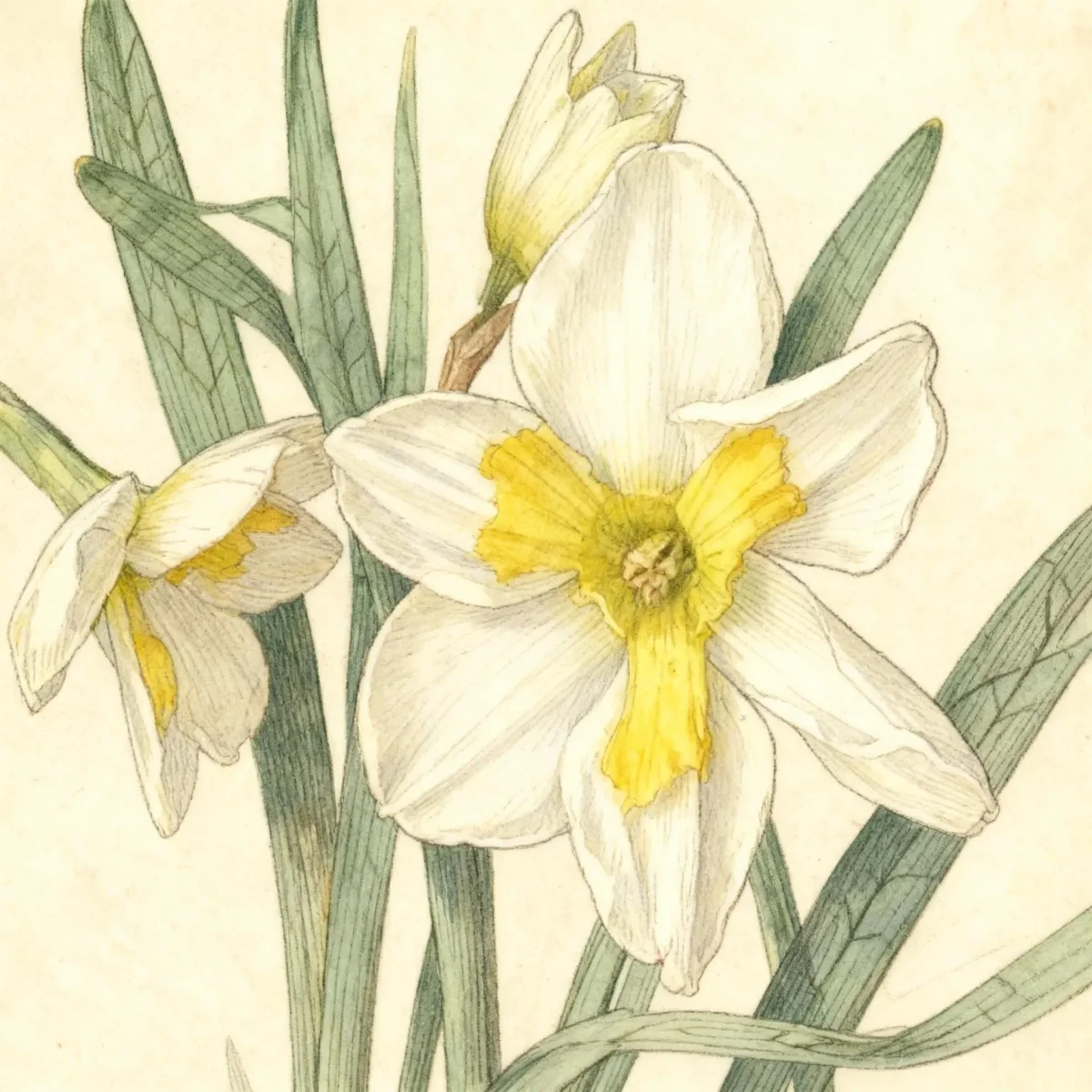
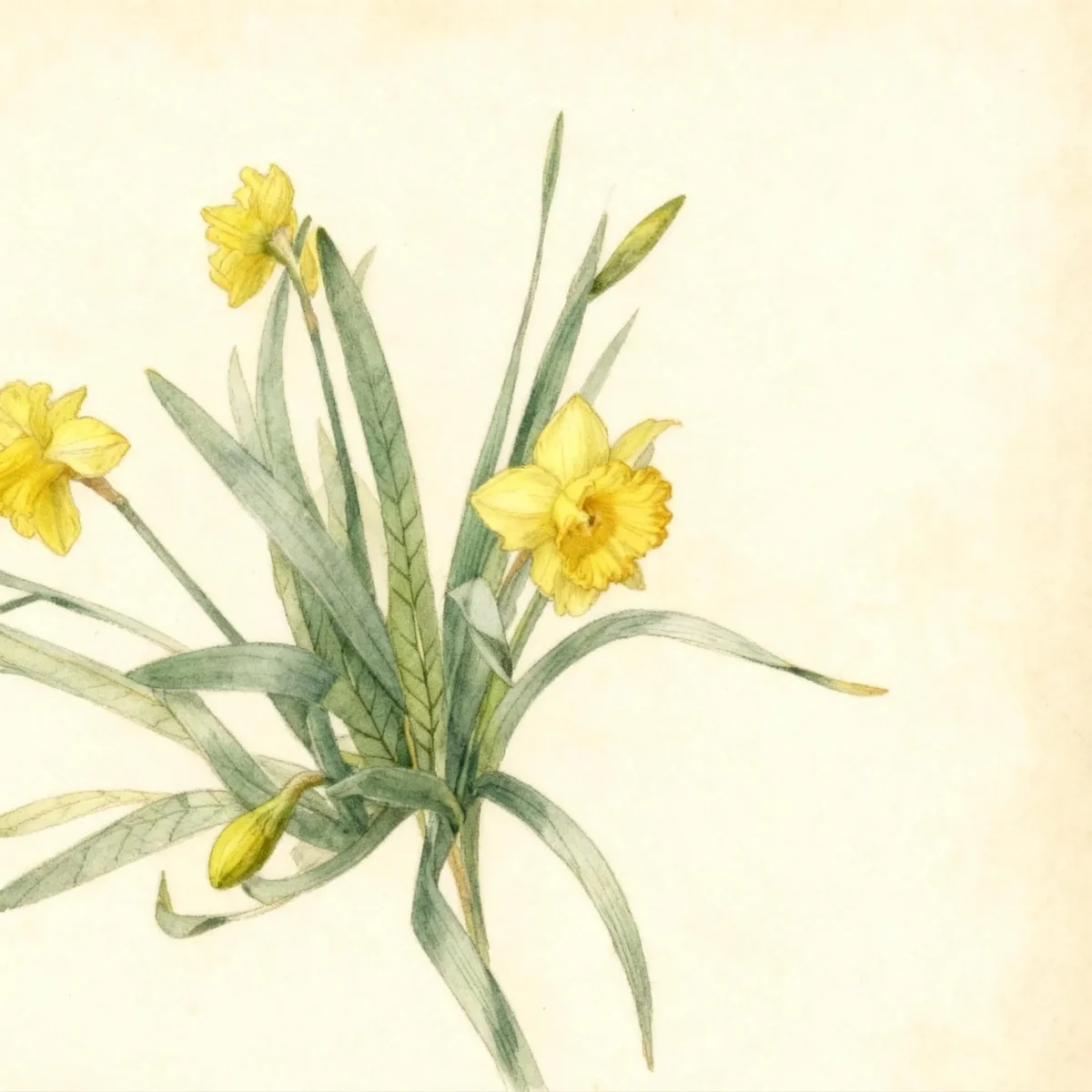
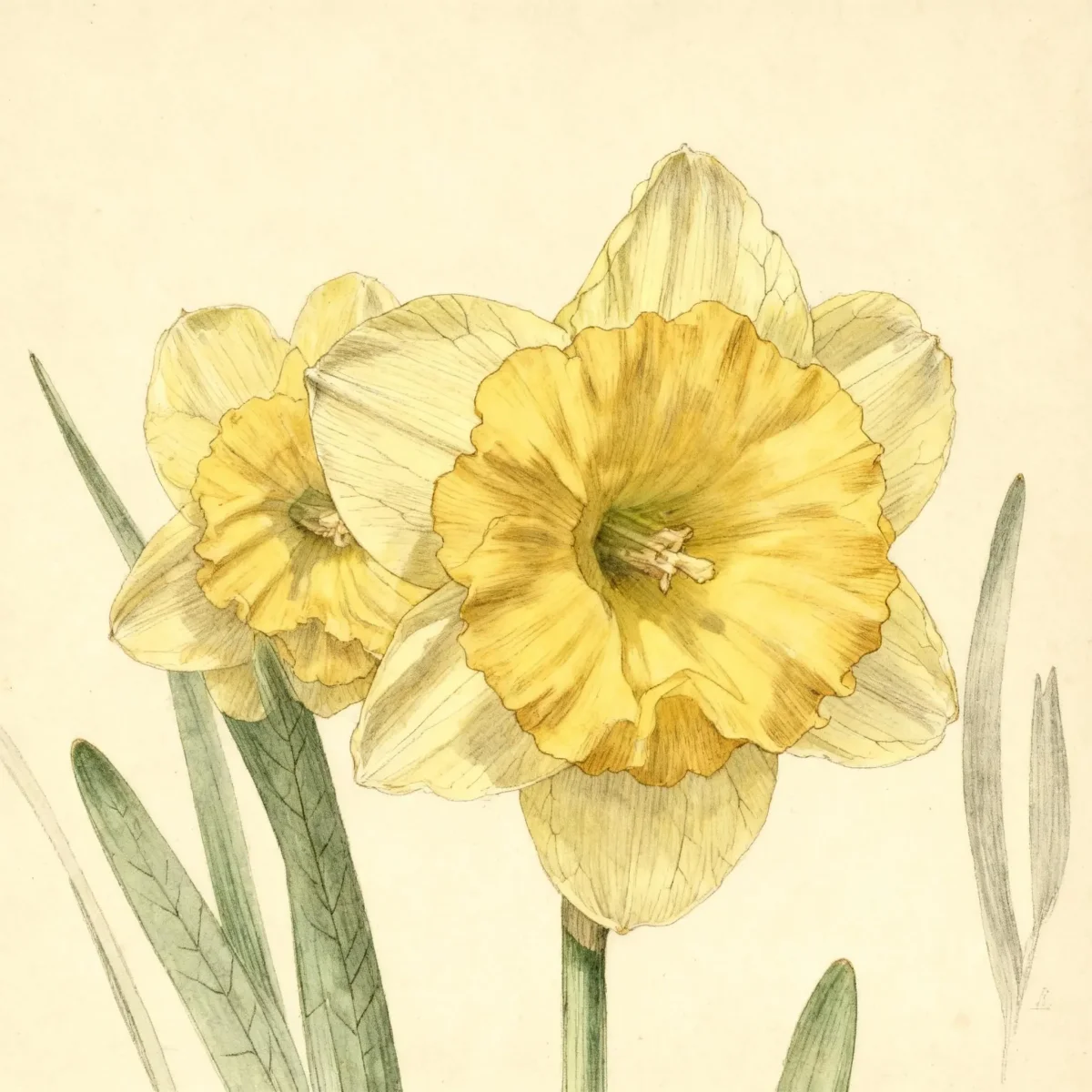
Split-corona daffodil (Narcissus 'Lemon Beauty')
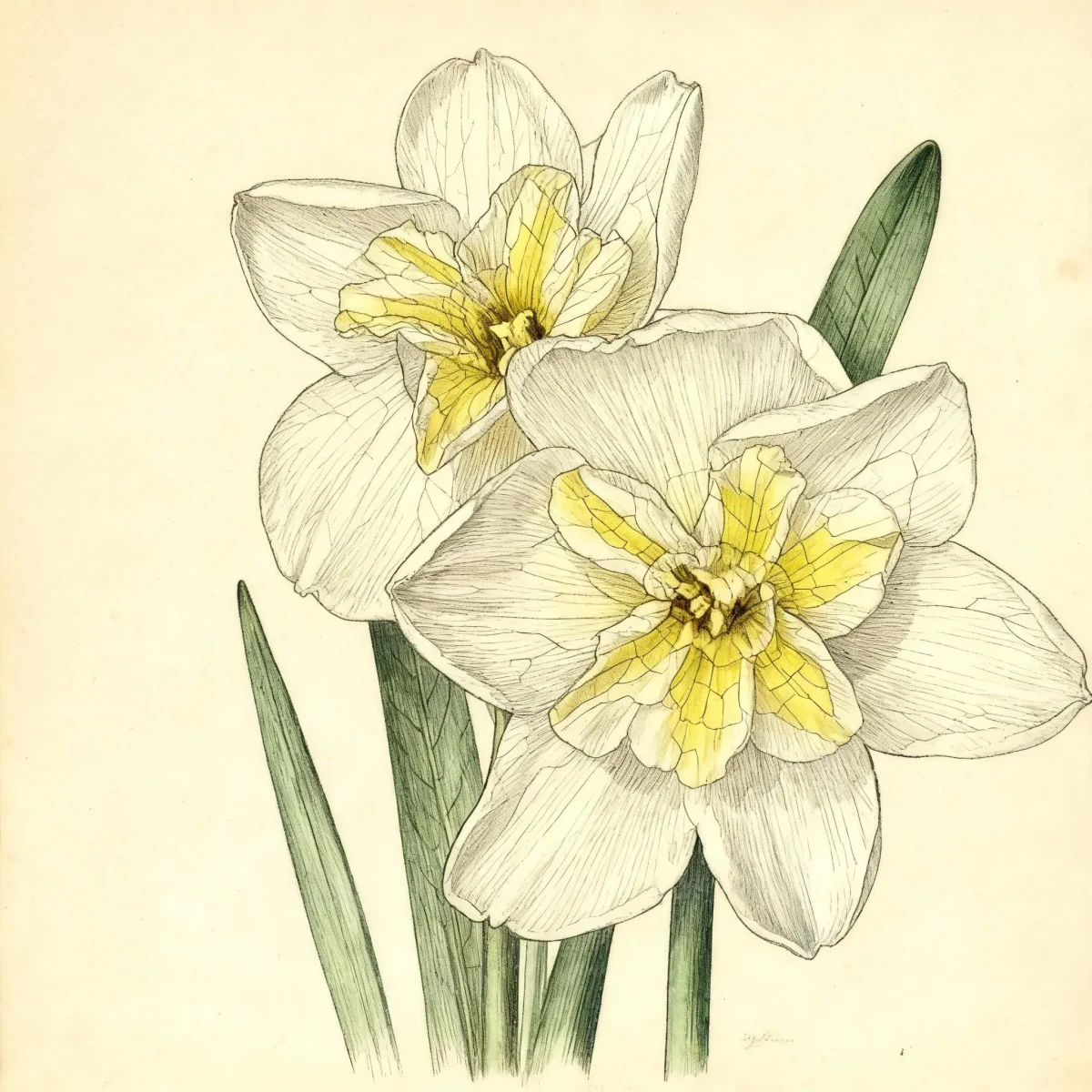
Narcissus 'Lemon Beauty' is a striking Split-corona daffodil, offering white petals offset by a sunny, split yellow cup. Low maintenance and deer resistant.
Scroll down to discover growing tips, care requirements, companion plants, and more
Complete Plant Information
Overview
Narcissus ‘Lemon Beauty’ brings mid-spring color with a uniquely modern twist, distinguishing itself from traditional trumpet varieties. This Split-corona daffodil belongs to Division XI, noted for its flattened, often ruffled cups, and this specific cultivar features pure white petals contrasting sharply with a brilliant, sunburst of lemon yellow emanating from the split corona. As a dependable bulb, it requires minimal effort once established, making it a favorite for returning color year after year in beds and borders across USDA Zones 4 through 8.
This cultivar offers significant aesthetic value by providing upward-facing blooms, often cited in garden guides for their striking appearance. The foliage provides neat, strap-shaped green clumps, and the overall impact of Narcissus ‘Lemon Beauty’ is one of clean, architectural spring beauty. Gardeners appreciate the low maintenance level and its reliable return, provided basic requirements for drainage are met.
It is essential to plant Narcissus ‘Lemon Beauty’ in the fall to ensure a glorious display in April. While highly valued for its bloom, remember that the foliage must be allowed to yellow naturally to replenish the energy stores within the bulb for future seasons. Successful cultivation of this Split-corona daffodil ensures a bright, welcoming display early in the gardening year.
Fast Facts
- Plant Family: Amaryllidaceae
- Plant Type: Bulb
- Hardiness Zones: USDA Zones 4-8
- Size at Maturity:
- Height: 1-1.5 ft
- Spread: 0.5-0.75 ft
- Bloom Time: April
- Bloom Description: White with yellow cup
- Sun Exposure: Full sun to part shade
- Water Needs: Medium
- Maintenance Level: Low
How to Grow
The best time to plant these bulbs is in early to mid-fall before the ground freezes, allowing the Narcissus ‘Lemon Beauty’ bulbs time to establish roots. They thrive in average, medium moisture soils, provided that excellent drainage is maintained; soggy conditions are fatal and lead to bulb rot. Aim for organically rich loams if possible, and site them where they receive full sun to light afternoon shade.
When planting, aim for a depth that is two to three times the height of the bulb, ensuring at least 3 inches of soil covers the top. Spacing can range from 4 to 10 inches apart. If you notice blooms declining after several years, it signals that division is necessary, which should be done immediately after the foliage dies back.
During the active growing season, keep the soil uniformly moist. Once the stunning flowers finish blooming in the spring, cut off the spent flower stem but strictly avoid cutting back the foliage until it naturally yellows significantly. This is crucial for stored energy replenishment. For best visual impact, plant bulbs where any rear shade areas will not obscure the sun-facing flowers.
Landscape Uses
Daffodils, including the Split-corona daffodil variety ‘Lemon Beauty,’ are stellar performers that redefine the spring landscape because they reliably return year after year without needing annual replanting, unlike many tulips. They are exceptionally well-suited for mass plantings, creating sweeping drifts that maximize their impact as they naturalize gracefully under trees or in open woodland settings. For structured gardens, use them liberally in borders where their mid-season bloom can bridge the gap between early crocus and later perennials.
When designing beds, Narcissus ‘Lemon Beauty’ mixes beautifully with other spring-flowering bulbs for extended color sequences, or plant them in front of evergreen shrubs that provide a dark green backdrop to their white and yellow structure. Because they are naturally resistant to deer and rabbits, they offer reliable spring interest where other bulbs might be nibbled away. Plant drifts of at least six bulbs for the most effective visual saturation.
Standout Features
Flower Qualities
- Showy
Noteworthy Characteristics
Narcissus is a genus of approximately 50 species of bulbous perennials originating from Europe and North Africa, serving as a cornerstone of the spring garden. Flowers typically feature a central cup or trumpet (corona) surrounded by six petals, presenting colors from white through yellow to pink. ‘Lemon Beauty’ is specifically classified as a split-corona daffodil (Division XI), sometimes called a butterfly narcissus, rising 15 to 17 inches tall with pure white petals and a distinctive, split cup displaying a saturated lemon yellow center.
Tolerances
- Rabbit
- Deer
- Drought
Potential Problems
Daffodils are highly favored because they rarely suffer from serious insect or disease issues when planted in suitable conditions. The primary cultural concern is bulb rot, which is almost always attributable to poorly-drained soils; ensure your planting site allows water to move away freely. Infrequent pests may include slugs and snails, which can be managed with appropriate barriers or baits early in the season. Keep an eye out for narcissus bulb fly or narcissus yellow stripe virus, though these are uncommon problems for well-cultivated Narcissus ‘Lemon Beauty’.
Frequently Asked Questions
What hardiness zones is Split-corona daffodil suitable for?
Narcissus ‘Lemon Beauty’ is best suited for gardeners planting within USDA Zones 4 through 8.
How large does Narcissus ‘Lemon Beauty’ grow?
This cultivar typically reaches a height between 1 and 1.5 feet tall, with a slender spread of 0.5 to 0.75 feet wide.
When does Split-corona daffodil bloom?
You can expect the white and yellow flowers of Narcissus ‘Lemon Beauty’ to appear in April, offering a lovely mid-season display.
What sun exposure does Narcissus ‘Lemon Beauty’ need?
This plant performs well in areas receiving full sun to light partial shade, though it is noted that flowers tend to face toward the brightest light source.
Conclusion
Narcissus ‘Lemon Beauty’ is an invaluable addition to any spring planting scheme, noted for its low maintenance needs and its highly architectural, bi-colored bloom presentation. By ensuring excellent soil drainage and allowing the foliage to mature naturally, you guarantee years of enjoyment from this wonderful Split-corona daffodil. Check your local hardiness zone compatibility now and plan to plant your bulbs in early autumn for a guaranteed splash of yellow and white next spring.
Companion Planting
When selecting neighbors for Narcissus ‘Lemon Beauty’, focus on plants that share similar sun and water needs while providing contrast in texture or bloom time. Plant them alongside early-blooming perennial groundcovers that will help shade the soil and keep the daffodil foliage visually appealing as it fades. Consider low-growing Phlox subulata or creeping thyme, which offer mats of color later in the season.
For taller vertical contrast, pair the 1.5-foot height of these daffodils with emerging summer flowers like Siberian Iris or early Alliums. Because daffodils are toxic to rodents, they can be strategically placed near more tempting bulbs, like tulips, acting as a natural repellent buffer. Ensure that whatever you plant nearby does not aggressively compete for moisture during the daffodil’s crucial spring growth phase.
Seasonal Care Calendar
Spring is the season for observation; monitor your Narcissus ‘Lemon Beauty’ as the blooms appear. After the flowers fade, resist the urge to tidy up immediately; the leaves require several weeks to fully yellow and recharge the bulb reserves for the next year. After the foliage fully yellows, it can be safely cut back. Summer is a dormant period; ensure the area is not overwatered, as drought is tolerated during this time.
Fall is the critical planting window for this bulb. If you are dividing established clumps, do so right after the foliage dies back, before planting the new divisions at the correct depth. Winter brings peace to the garden, but mulch can be beneficial in the coldest parts of Zones 4 and 5 to insulate the soil, though generally, mature daffodils require little winter protection if planted correctly.