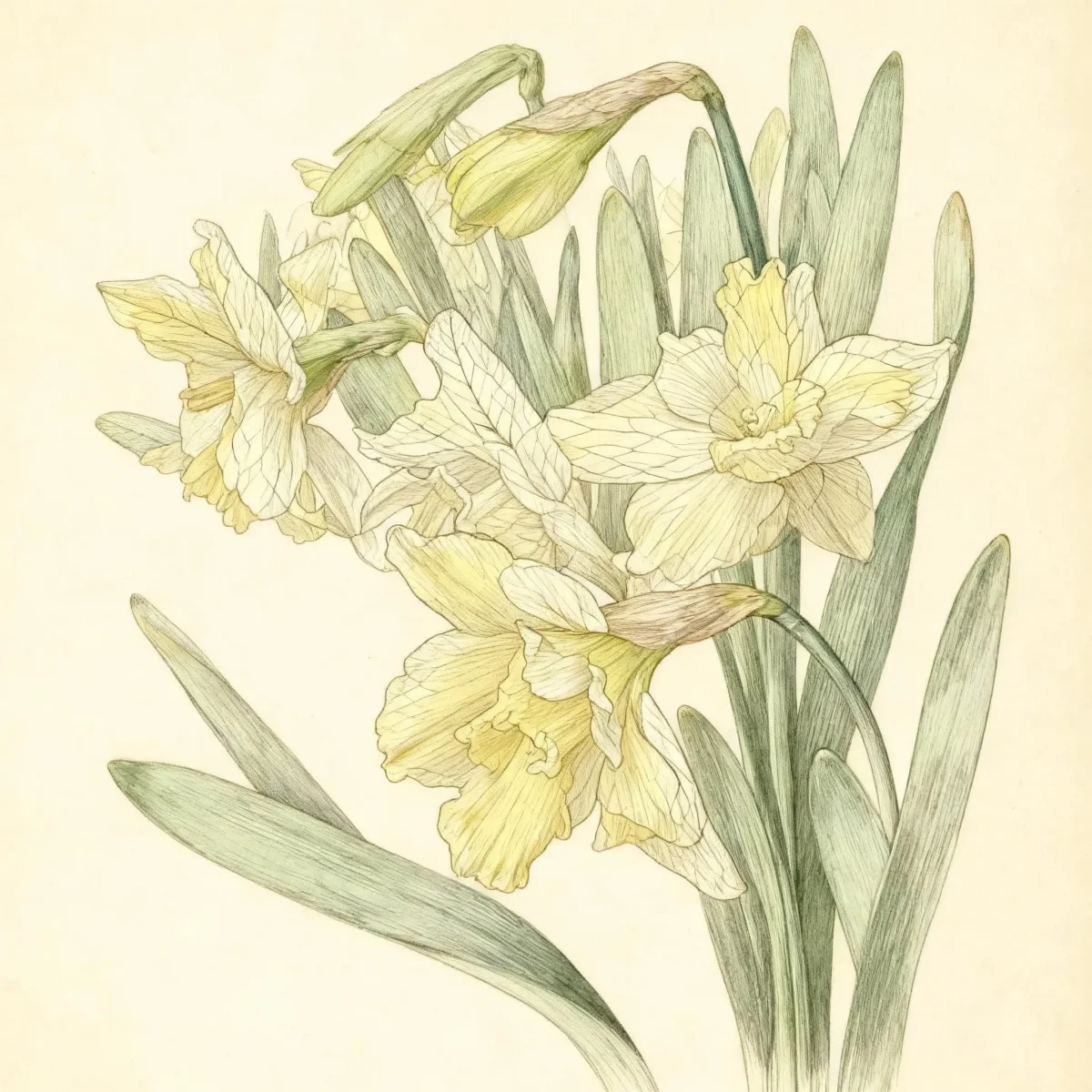
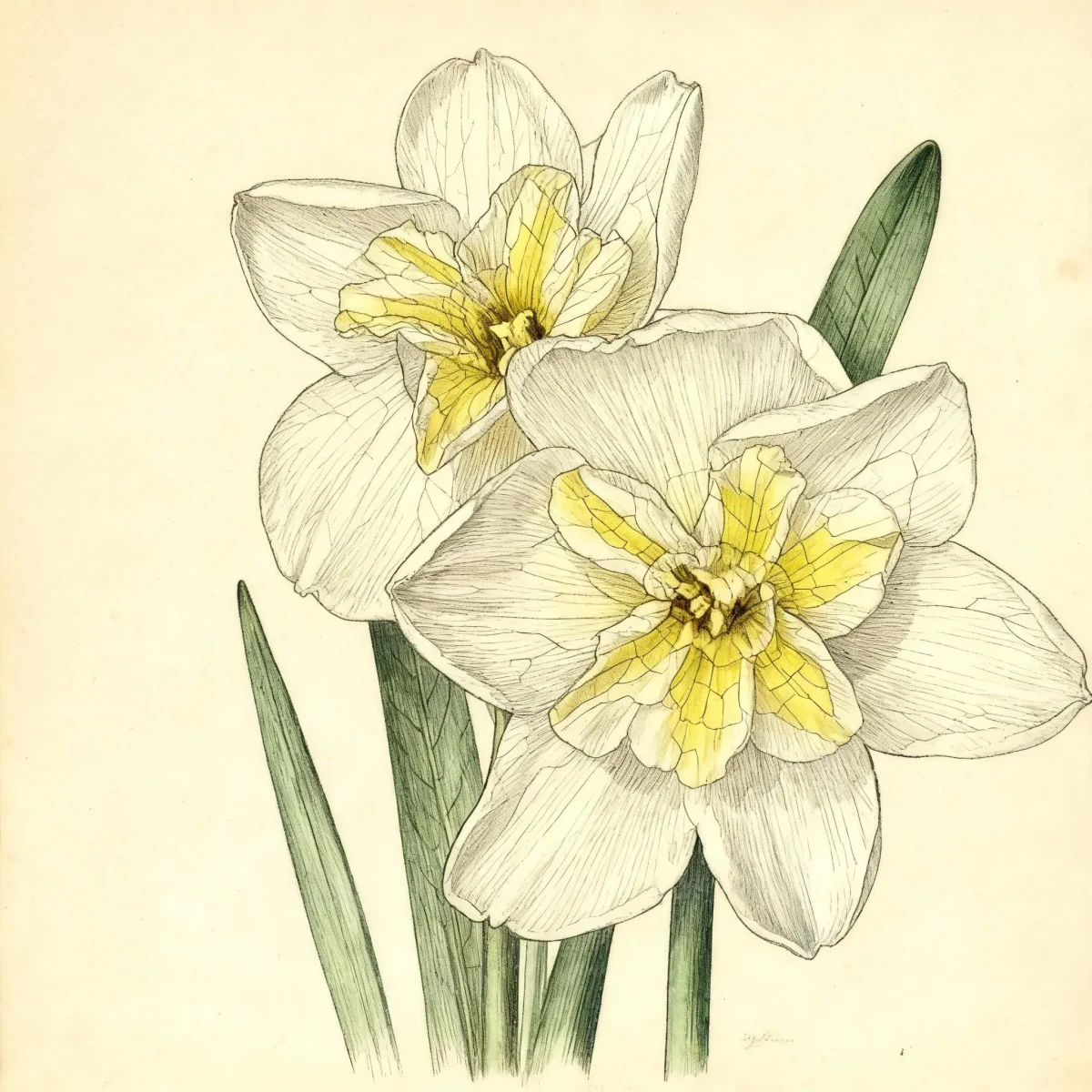
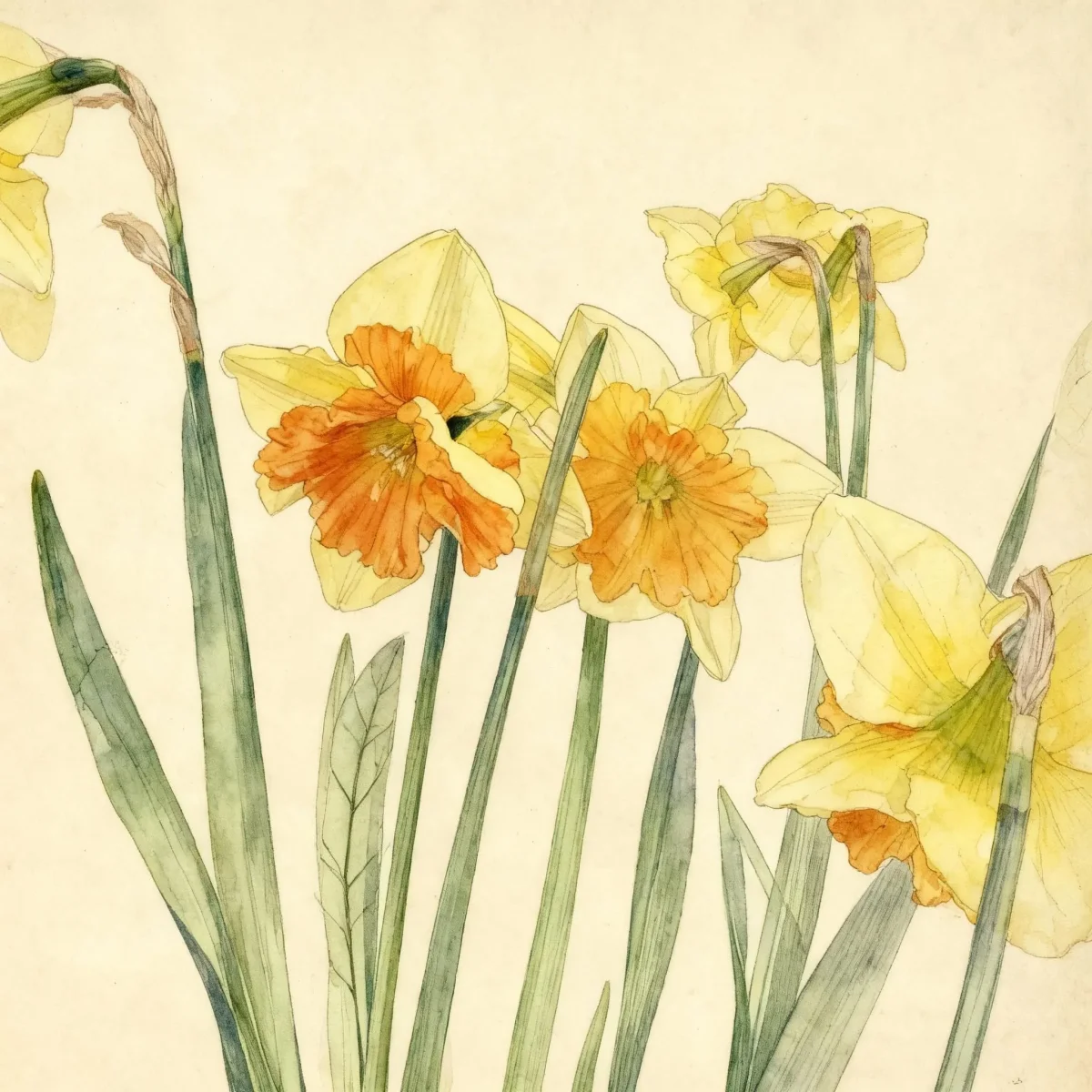
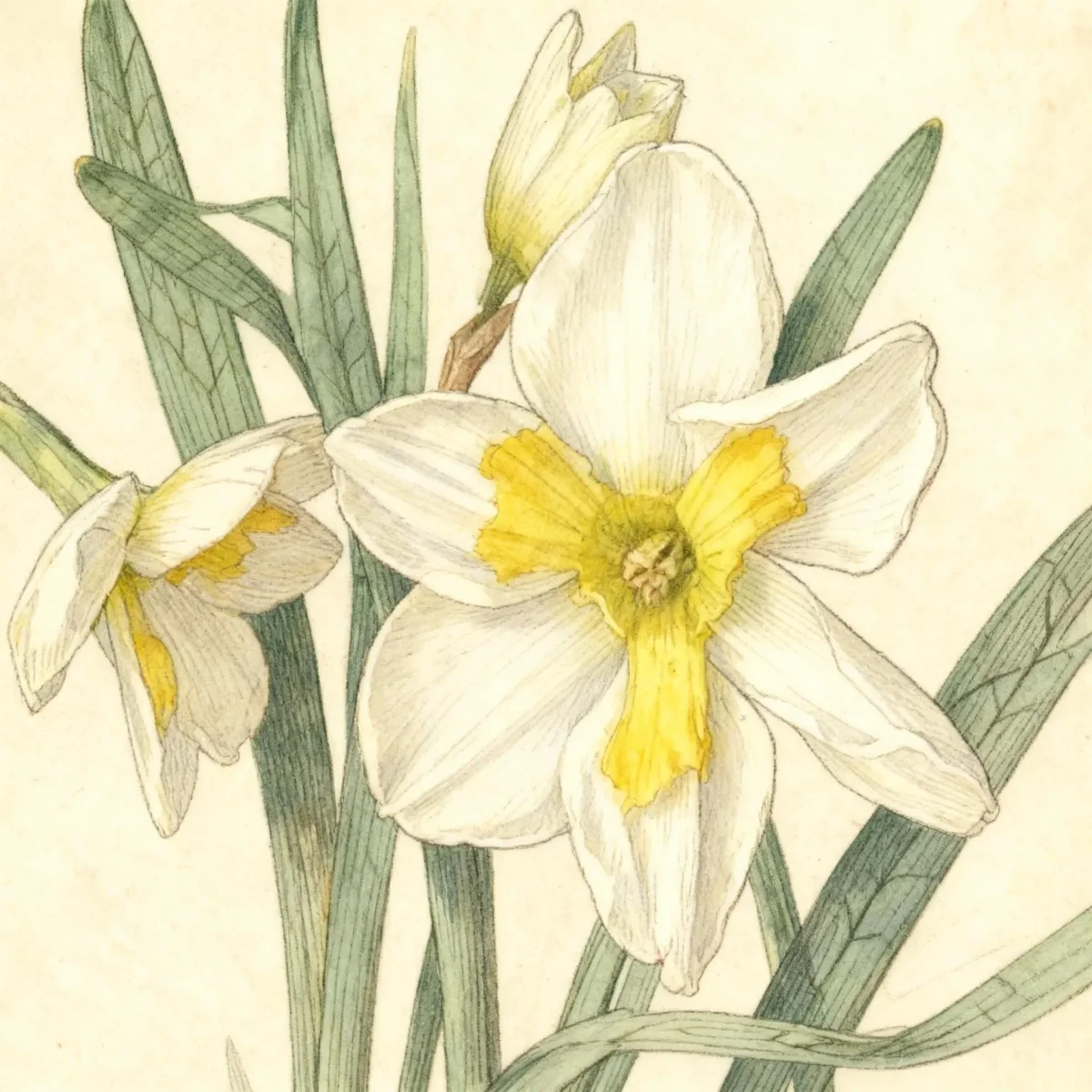
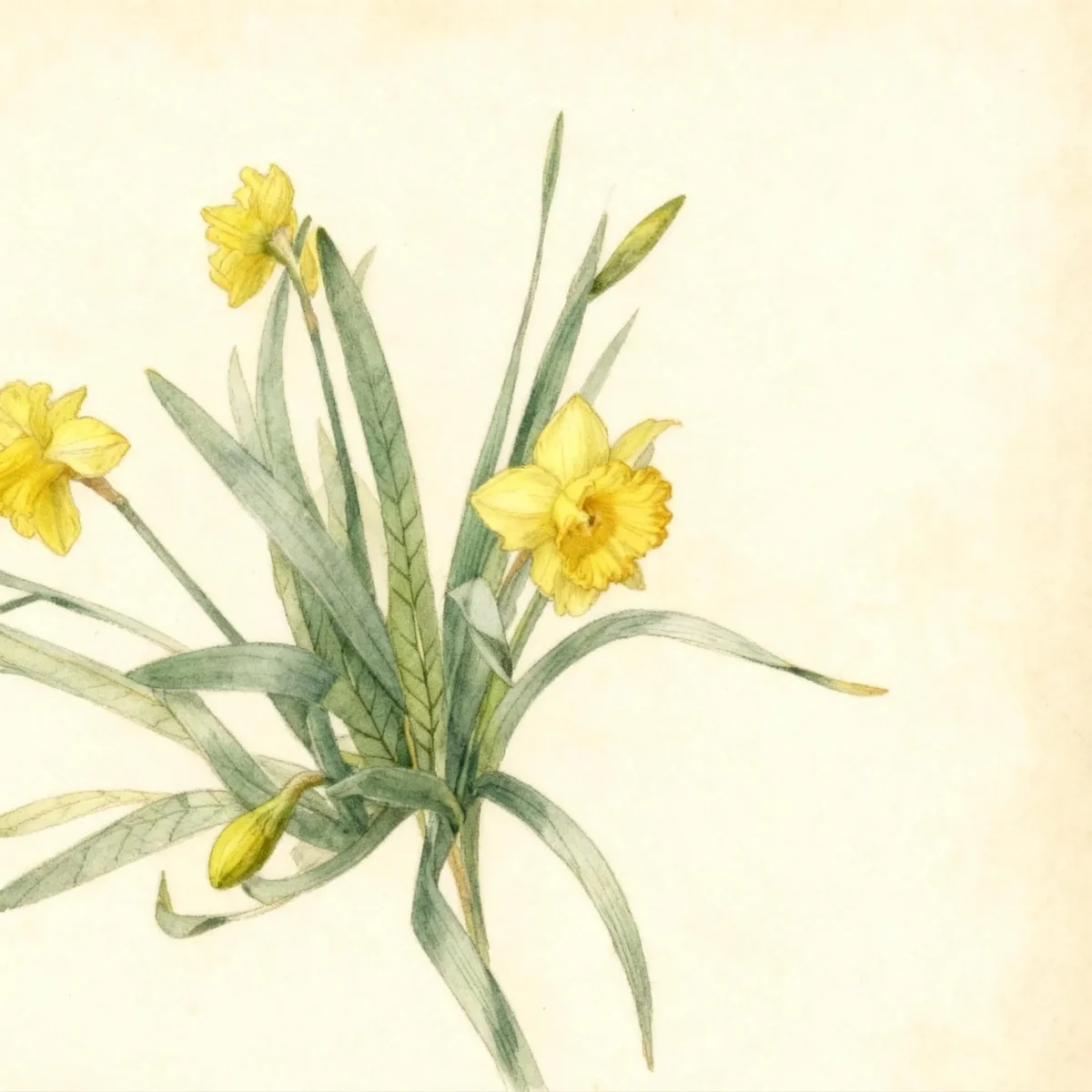
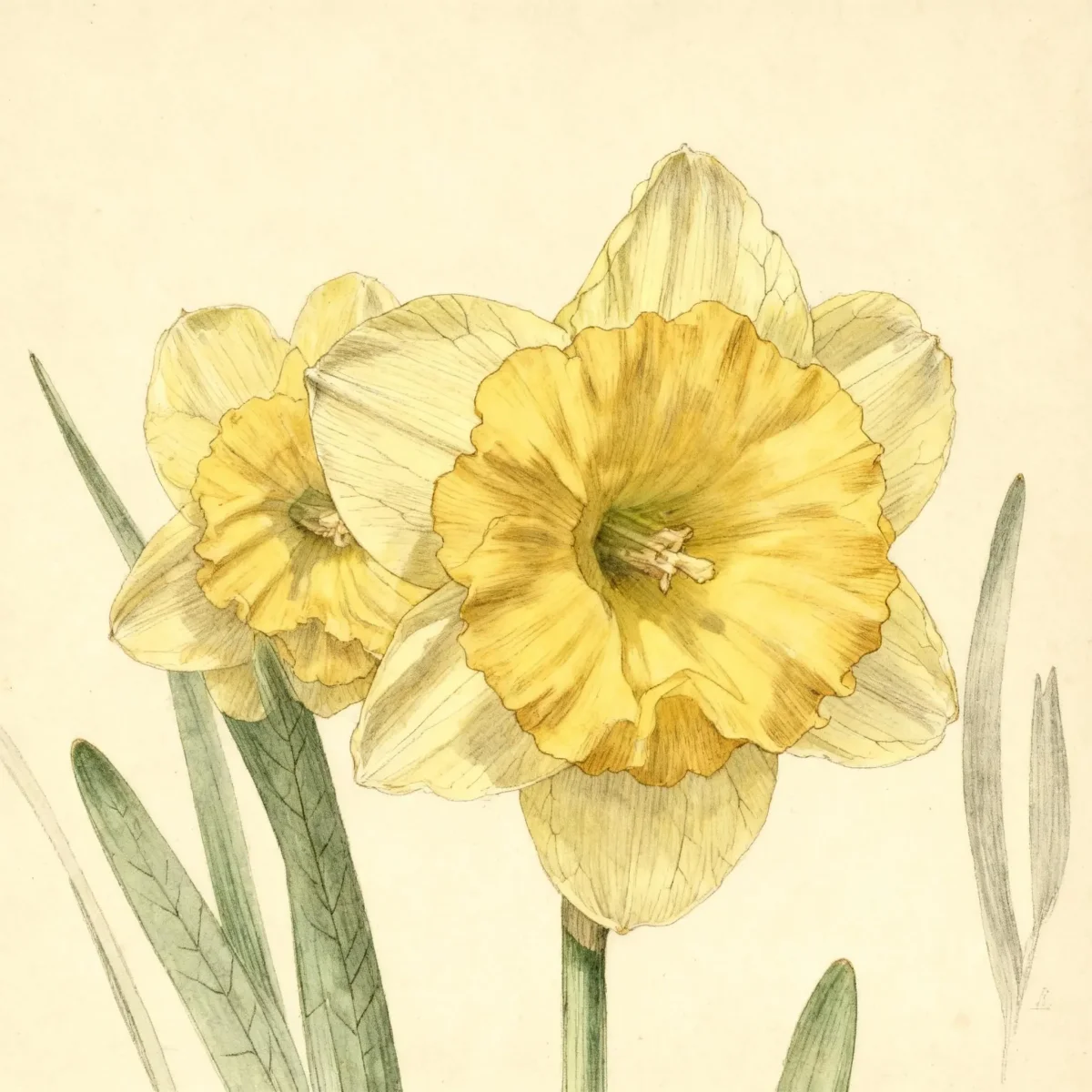
Split-corona daffodil (Narcissus 'Love Call')
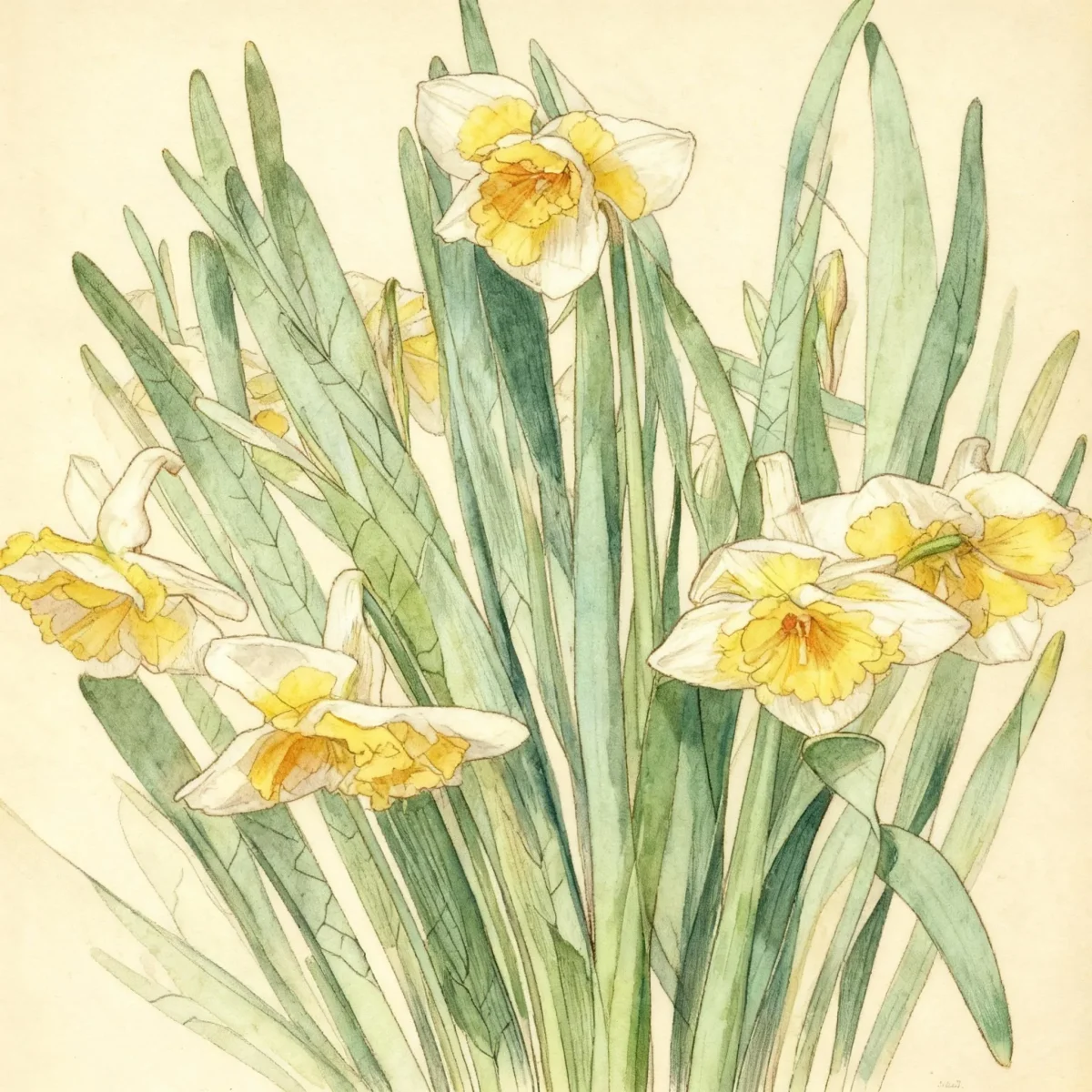
Narcissus 'Love Call' is a striking Split-corona daffodil, blooming in April with white petals and an orange, frilly corona.
Scroll down to discover growing tips, care requirements, companion plants, and more
Complete Plant Information
Overview
The Narcissus ‘Love Call’ is a highly desired cultivar celebrated for its unique bloom structure, falling into the Split-corona daffodil division. Its striking appearance features a creamy white perianth contrasting beautifully with a broad, frilly, orange, split corona, making it an excellent focal point in the spring garden. This Division XI daffodil is remarkably robust, thriving in USDA Zones 4 through 8 with low maintenance requirements.
As a classic bulb, Narcissus ‘Love Call’ provides cheerful color after the long winter dormancy. It emerges reliably, often blooming in mid to late April, adding depth and texture to early seasonal displays. Gardeners appreciate the longevity of true daffodils, as they naturalize easily and return year after year with minimal fuss.
For best results, plant Narcissus ‘Love Call’ bulbs where their upward-facing flowers can catch the full sun early in the season. Their deer and rabbit resistance, coupled with good drought tolerance once established, make them dependable performers across various landscape settings. Consider mass plantings to maximize the impact of this beautiful Split-corona daffodil.
Fast Facts
- Plant Family: Amaryllidaceae
- Plant Type: Bulb
- Hardiness Zones: USDA Zones 4-8
- Size at Maturity:
- Height: 1-1.5 ft
- Spread: 0.5-0.75 ft
- Bloom Time: April
- Bloom Description: White with an orange corona
- Sun Exposure: Full sun to part shade
- Water Needs: Medium
- Maintenance Level: Low
How to Grow
Planting Narcissus ‘Love Call’ bulbs should occur in the early to mid-fall before the ground freezes hard. Ensure the location offers well-drained, organically rich loam; excellent drainage is critical to prevent bulb rot, though the mature plant tolerates drought well while dormant. Plant each bulb 2 to 3 times as deep as the bulb is tall, aiming for a general depth of 3-6 inches below the soil surface, spaced 4 to 8 inches apart.
During the growing season, aim for medium moisture levels, keeping soils uniformly moist while the foliage and flowers are actively growing. Watering down is usually unnecessary once established, especially if sited where they receive adequate spring rain. After the glorious April blooms fade, resist the urge to cut back the foliage; allow it to naturally turn yellow, as this process recharges the bulb reserves for next year’s display of Narcissus ‘Love Call’.
To ensure the flowers face the sun, place any existing shade sources (like shrubs or trees) behind the planting area. Bulbs multiply readily and can be left undisturbed for years, though clumps should be divided if bloom quality noticeably declines. Division should take place immediately after the foliage dies back completely in late spring or early summer.
Landscape Uses
Daffodils, including the lovely Narcissus ‘Love Call’, are foundational elements for any spring garden design. Unlike many spring annuals, these bulbs naturalize beautifully, meaning they spread and increase their population over time, creating sweeping drifts of color year after year. Plant them in large groupings—at least six bulbs for even small areas—or mass them liberally under deciduous trees or in open woodland settings where they receive sun before the tree canopy leafs out.
These Split-corona daffodils work exceptionally well in traditional border fronts, providing excellent early-season structure before summer perennials take over. They pair wonderfully with other spring-flowering bulbs like early tulips or grape hyacinths. Because deer and rabbits typically avoid them due to the toxin within the bulb, you can rely on Narcissus ‘Love Call’ to remain untouched while your tulips are nibbled.
Consider using the height variance of the daffodil to your advantage; place shorter varieties in the very front edges of beds and allow the 1 to 1.5-foot stems of the Narcissus ‘Love Call’ to stand prominently. Their reliable performance and low maintenance level make them ideal for foundation plantings or naturalizing in lawns with minimal intervention.
Standout Features
Flower Qualities
- Showy
Noteworthy Characteristics
Narcissus is a genus of about 50 species of bulbous perennials from Europe and North Africa, serving as a mainstay of the spring garden. Flowers typically feature a trumpet or cup (the corona) surrounded by six petals in shades ranging from white through yellow and orange. ‘Love Call’ is specifically classified as a split-corona daffodil (Division XI); these varieties rise to about 16 inches tall and display an eye-catching look with a creamy white perianth and a broad, frilly, orange, split corona.
Tolerances
- Rabbit
- Deer
- Drought
Potential Problems
Daffodils, including the Split-corona daffodil Narcissus ‘Love Call’, boast remarkable pest and disease resistance when planted in the correct cultural conditions. The primary risk occurs in poorly-drained or waterlogged soils, which can lead to bulb rot. Although rare, watch out for infrequent pests such as narcissus bulb fly, slugs, and snails. If soil conditions remain excellent and drainage is prioritized, your bulbs should thrive nearly pest-free.
Frequently Asked Questions
What hardiness zones is Split-corona daffodil suitable for?
Narcissus ‘Love Call’ performs best in USDA Hardiness Zones 4 through 8.
How large does Narcissus ‘Love Call’ grow?
This variety typically reaches a height between 1 and 1.5 feet, with a spread of 0.5 to 0.75 feet at maturity.
What sun exposure does Narcissus ‘Love Call’ need?
This Split-corona daffodil thrives in locations receiving full sun to partial shade, though flowers tend to face towards the sun source.
When does Narcissus ‘Love Call’ bloom?
The typical bloom time for this daffodil is April, displaying distinctive flowers that are white with an orange corona.
Conclusion
The Narcissus ‘Love Call’ offers exceptional early-season impact with its unique, showy, split corona bloom structure. Its low maintenance needs and reliable return make it a sound investment for long-term garden planning. Before planting this durable Split-corona daffodil, ensure your site offers the required well-drained soil and check that your hardiness zone falls between 4 and 8 for guaranteed perennial success.
Companion Planting
When selecting partners for your Narcissus ‘Love Call’, aim for plants that share similar cultural needs regarding sun exposure and water requirements during the spring dormant period. Blue forget-me-nots (Myosotis) create a beautiful cool-toned carpet beneath the white and orange blooms of the daffodil. Since the foliage of the daffodil remains long after flowering, choose later-emerging perennials like Hostas or early Salvias to fill in the gaps as the daffodil leaves begin to yellow.
For contrast, consider pairing the upright structure of the Split-corona daffodil with low-growing spring ephemerals or spreading groundcovers. Muscari (Grape Hyacinth) offers a dense texture and blue color that complements the Narcissus ‘Love Call’ effectively. Remember that companion plants should not compete heavily for nutrients while the bulbs are actively collecting energy for the following year.
Design Ideas
The strong visual appeal of the highly contrasted bloom on Narcissus ‘Love Call’ makes it perfect for structured beds or formal borders where high impact is needed early in the season. Massing bulbs heavily creates a bolder, more naturalized look than planting them sparsely, ensuring that the 1.0 to 1.5-foot height commands attention. For a cottage garden feel, interplant these daffodils with early-blooming annuals that can be sown directly around the fading foliage.
For modern gardens, consider grouping drifts of Narcissus ‘Love Call’ against dark evergreen backdrops, such as yews or purple-leaved shrubs. This contrast will make the creamy white perianth and vibrant orange corona truly pop visually. Since these daffodils naturalize, allow them space to spread, creating sweeping rivers of spring color that transition seamlessly into summer plantings.