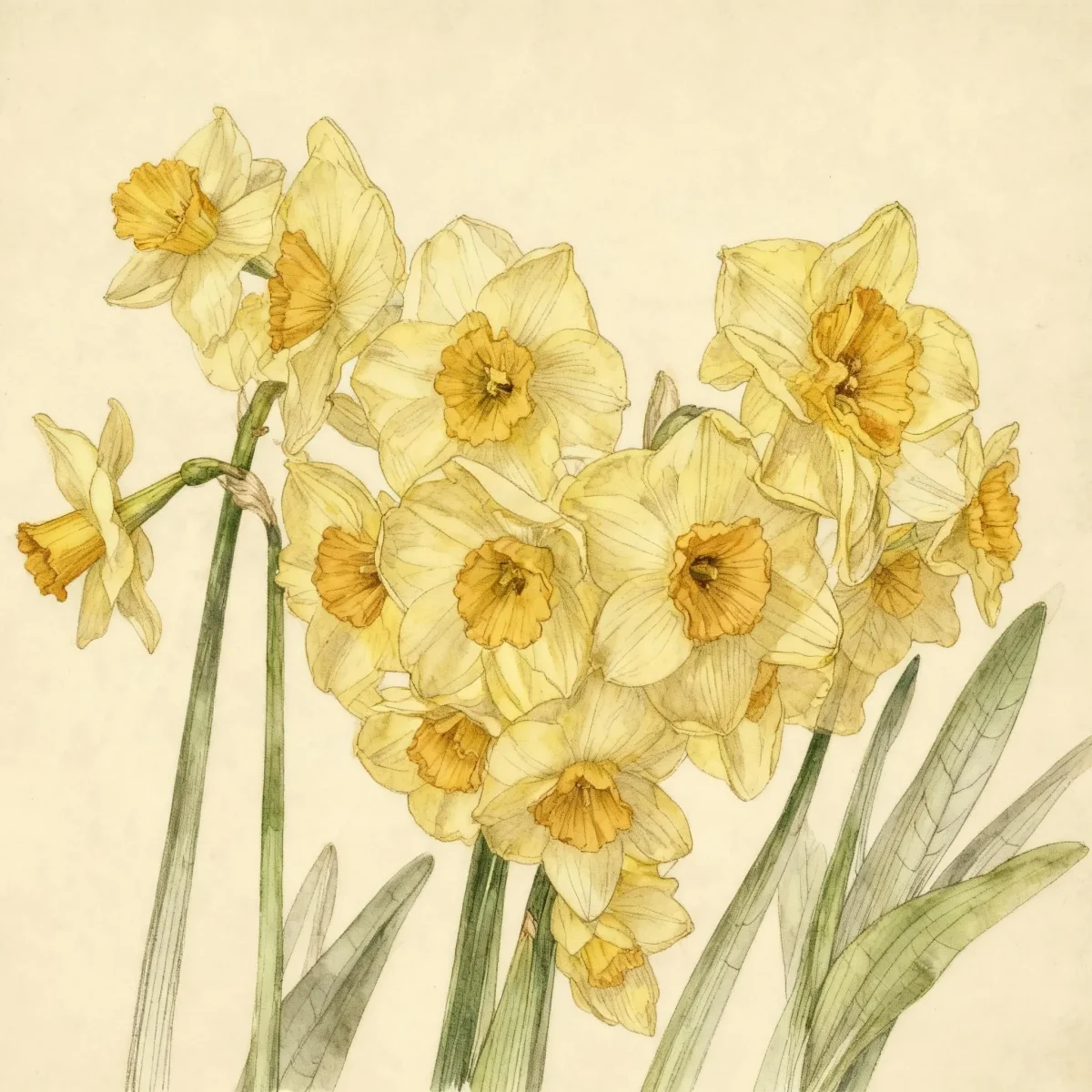
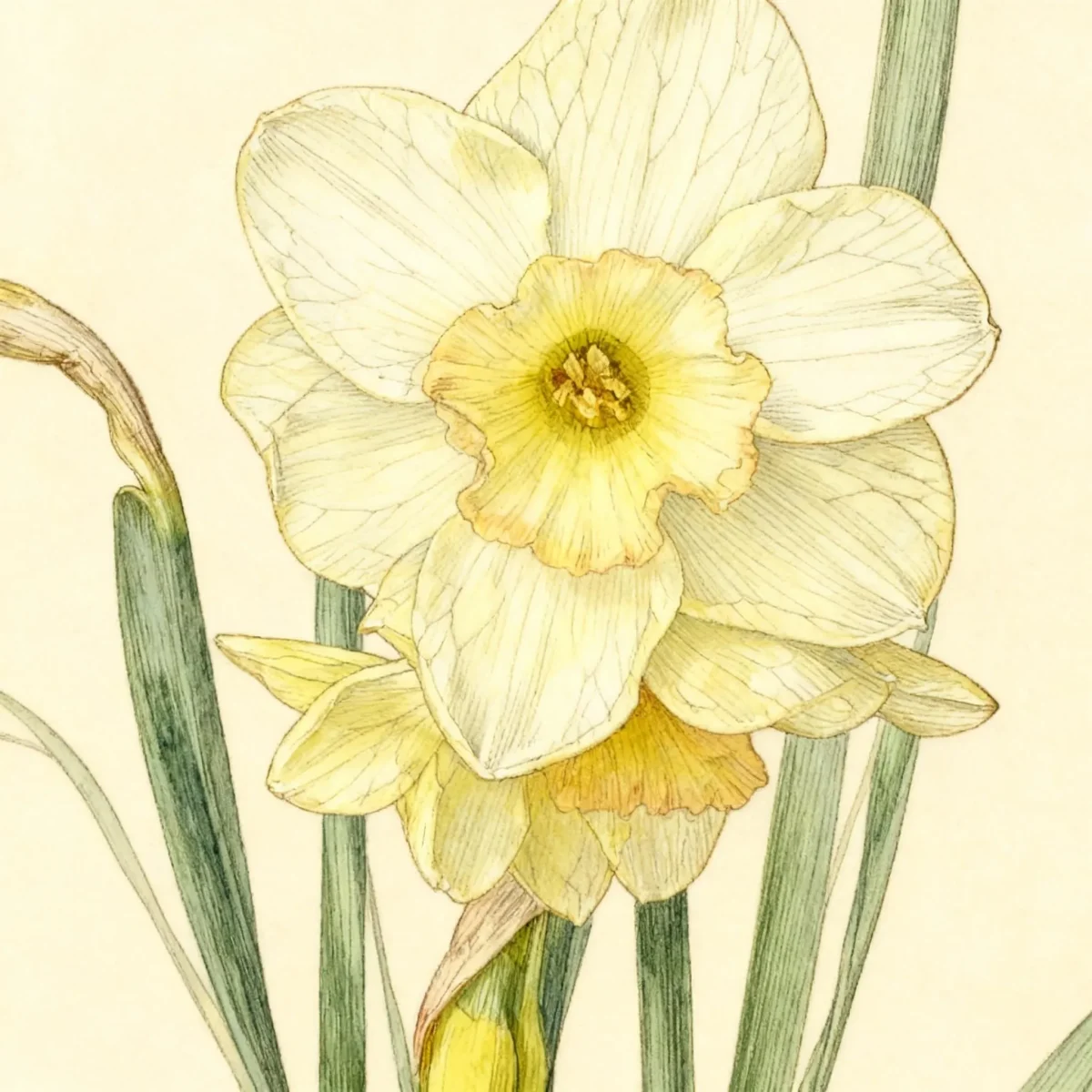
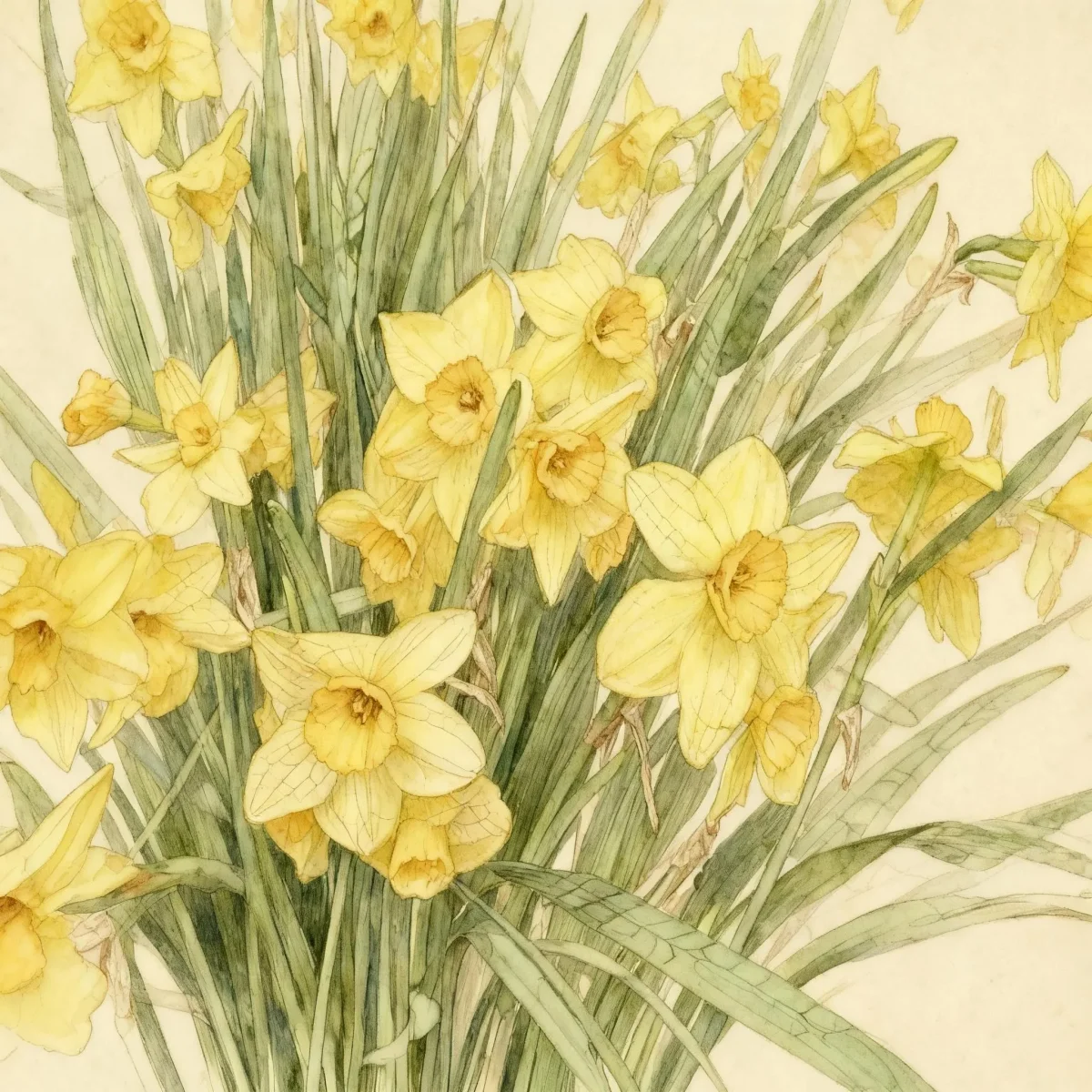
Tazetta daffodil (Narcissus 'Minnow')
Narcissus 'Minnow' is a miniature Tazetta daffodil offering 3-5 fragrant white/yellow blooms in April. Low maintenance and deer resistant.
Scroll down to discover growing tips, care requirements, companion plants, and more
Complete Plant Information
Overview
The Narcissus ‘Minnow’ is a highly valued miniature variety, belonging to the Tazetta daffodil group (Division VIII). Gardeners appreciate this cultivar for its compact stature and the delightful cluster of blooms it produces early in the spring season, typically in April. Rising only 6 to 8 inches tall, Narcissus ‘Minnow’ is perfect for filling smaller spaces while providing a burst of bright color.
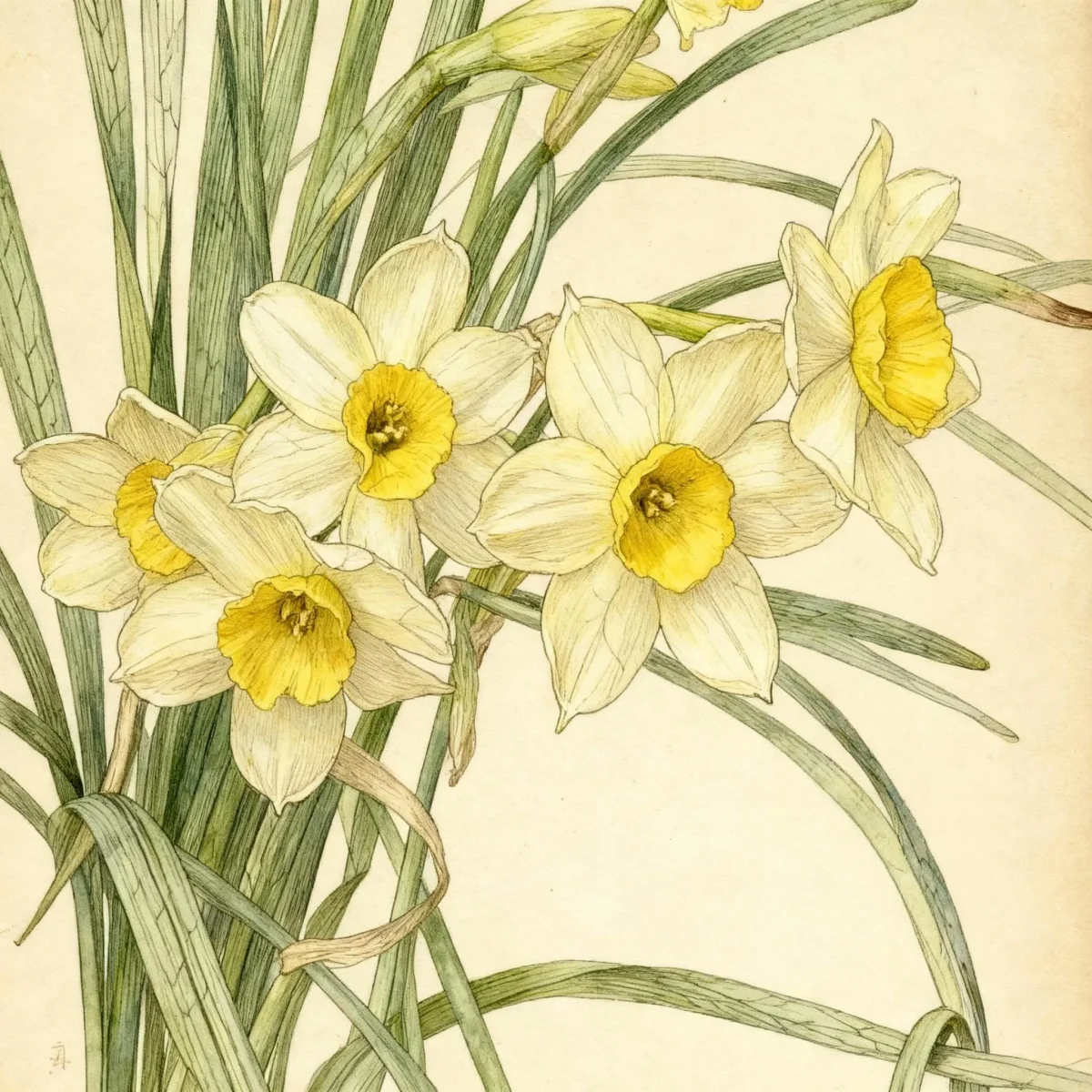
As a classic spring-blooming bulb, Narcissus ‘Minnow’ offers reliable performance with minimal fuss, requiring low maintenance once established. Its distinctive look features creamy white petals surrounding vibrant, buttercup-yellow cups, adding textural contrast to early spring displays. These bulbs multiply readily, ensuring an expanding, fragrant display year after year without frequent disturbance.
This Tazetta daffodil is exceptionally useful for edging pathways or naturalizing under deciduous trees where early spring light is crucial. The fragrant nature of its flowers makes it an excellent choice near entryways or seating areas where its soft perfume can be easily noticed. Enjoying poor soil conditions better than some relatives, this is a dependable performer for the sunny to partially shaded garden.
Fast Facts
- Plant Family: Amaryllidaceae
- Plant Type: Bulb
- Hardiness Zones: USDA Zones 5-9
- Size at Maturity:
- Height: 0.5-0.75 ft
- Spread: 0.25-0.5 ft
- Bloom Time: April
- Bloom Description: Creamy white petals with yellow cups
- Sun Exposure: Full sun to part shade
- Water Needs: Medium
- Maintenance Level: Low
How to Grow
Planting should occur in the early to mid-fall for best establishment. Select a location receiving full sun to light afternoon shade, ensuring the soil offers good drainage, which is vital to prevent bulb rot. Narcissus ‘Minnow’ thrives in organically rich loams, which should be kept uniformly moist throughout the active growing season.
When planting, set each bulb two to three times as deep as the bulb is tall, ensuring at least 3 inches of soil covers the top. Spacing can range between 4 and 10 inches apart depending on the desired maturity of the clump; wider spacing allows the bulbs more time before division is necessary. Fertilization is generally not required if the soil is rich.
After the blooms fade in spring, remove the spent flower stems, but strictly avoid cutting back the foliage until it naturally yellows. This yellowing process allows energy to be stored in the bulb for next year’s performance. If the clumps of Narcissus ‘Minnow’ become overcrowded after several years, divide them immediately after the foliage dies back.
Landscape Uses
Daffodils, including this Tazetta daffodil variety, excel at adding structure and early color when most other plants are dormant. Unlike many popular spring bloomers, Narcissus ‘Minnow’ keeps returning reliably year after year, making it an excellent choice for mixed beds or borders where long-term performance is desired. Mass plantings are especially effective, creating sweeping drifts rather than isolated specimens.
Because of their compact size, these miniatures are superb for the front edge of perennial borders, where they shine before taller perennials emerge. They also perform beautifully when naturalized underneath high-branched deciduous trees or mixed with other early spring bulbs like crocus or snowdrops. Furthermore, Narcissus ‘Minnow’ transitions well to containers and window boxes, providing portable spring cheer.
Standout Features
Flower Qualities
- Showy
- Fragrant
- Good Cut
Noteworthy Characteristics
Narcissus is a genus renowned for its early spring blooms, often featuring a central cup (corona) surrounded by six petals. Division VIII narcissus, which includes the Tazetta daffodil group, often produces multiple fragrant blooms per stem. This miniature daffodil, ‘Minnow’, is noted for multiplying rapidly and forming dense clumps over time, requiring little intervention once happy in its location.
Tolerances
- Rabbit
- Deer
- Drought
Potential Problems
Daffodils, in general, are remarkably pest-free when planted in appropriate conditions. The primary threat to Narcissus ‘Minnow’ is bulb rot, which occurs almost exclusively in poorly drained or waterlogged soils; ensuring excellent drainage during planting is the best defense. Infrequently, pests like slugs and snails may bother new foliage, and viruses like Narcissus yellow stripe can occasionally appear. Fortunately, deer and rabbits tend to avoid consuming these bulbs.
Frequently Asked Questions
What hardiness zones is Tazetta daffodil suitable for?
Narcissus ‘Minnow’ thrives across USDA Hardiness Zones 5 through 9.
How large does Tazetta daffodil grow?
This miniature daffodil reaches a height between 0.5 and 0.75 feet, with a spread of about 0.25 to 0.5 feet.
When does Tazetta daffodil bloom?
This variety blooms in April, featuring creamy white petals with bright yellow cups on each stem.
What sun exposure does Narcissus ‘Minnow’ need?
Narcissus ‘Minnow’ adapts well to situations ranging from full sun right through to partial shade conditions.
Conclusion
The Narcissus ‘Minnow’ stands out as a compact, reliable, and fragrant addition to the early spring garden, celebrated for its low maintenance and deer resistance. Ensuring you plant this Tazetta daffodil in well-draining soil during the fall will guarantee its successful return year after year. Check your local hardiness zone compatibility before adding these charming miniature bulbs to your landscape plans.
Companion Planting
For successful spring tapestry designs, companion planting with Narcissus ‘Minnow’ should focus on species that fill in the gaps as the daffodil foliage dies back. Low-growing perennials like creeping phlox or perennial candytuft (Iberis) share similar sun requirements and will begin their show just as the narcissus finishes, effectively masking the yellowing foliage. Planting them near later-blooming bulbs, such as Alliums, ensures sequential color interest throughout the spring season.
Seasonal Care Calendar
For the best results with your Tazetta daffodil bulbs, divide them only after the foliage has fully yellowed, typically late spring or early summer, if bloom density decreases. During peak bloom in April, resist the urge to fertilize, as this can encourage excessive leaf growth over flower production the following year. Throughout the summer and winter months, Narcissus ‘Minnow’ is very self-sufficient; monitor for excess moisture only during warm, wet periods while they are dormant.