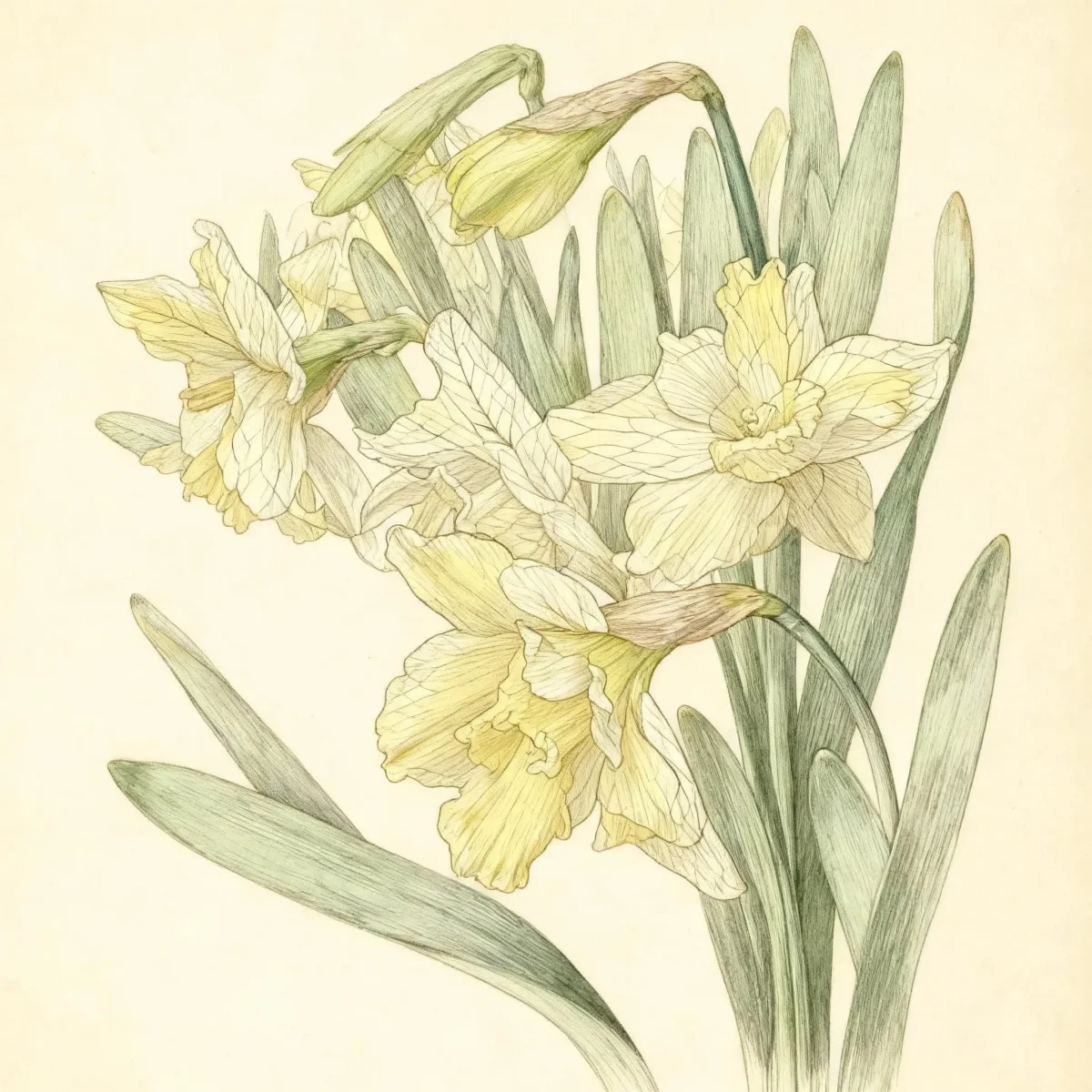
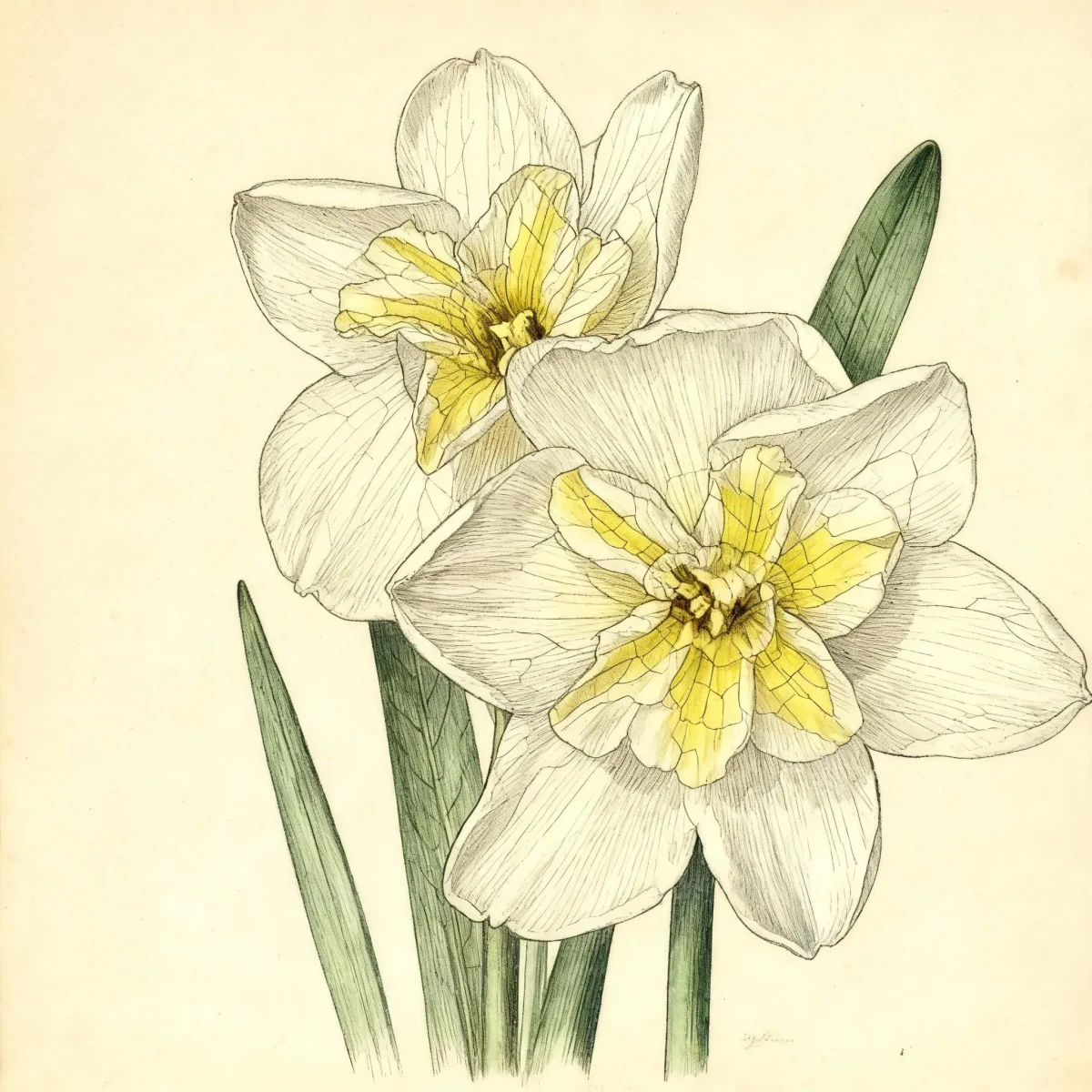
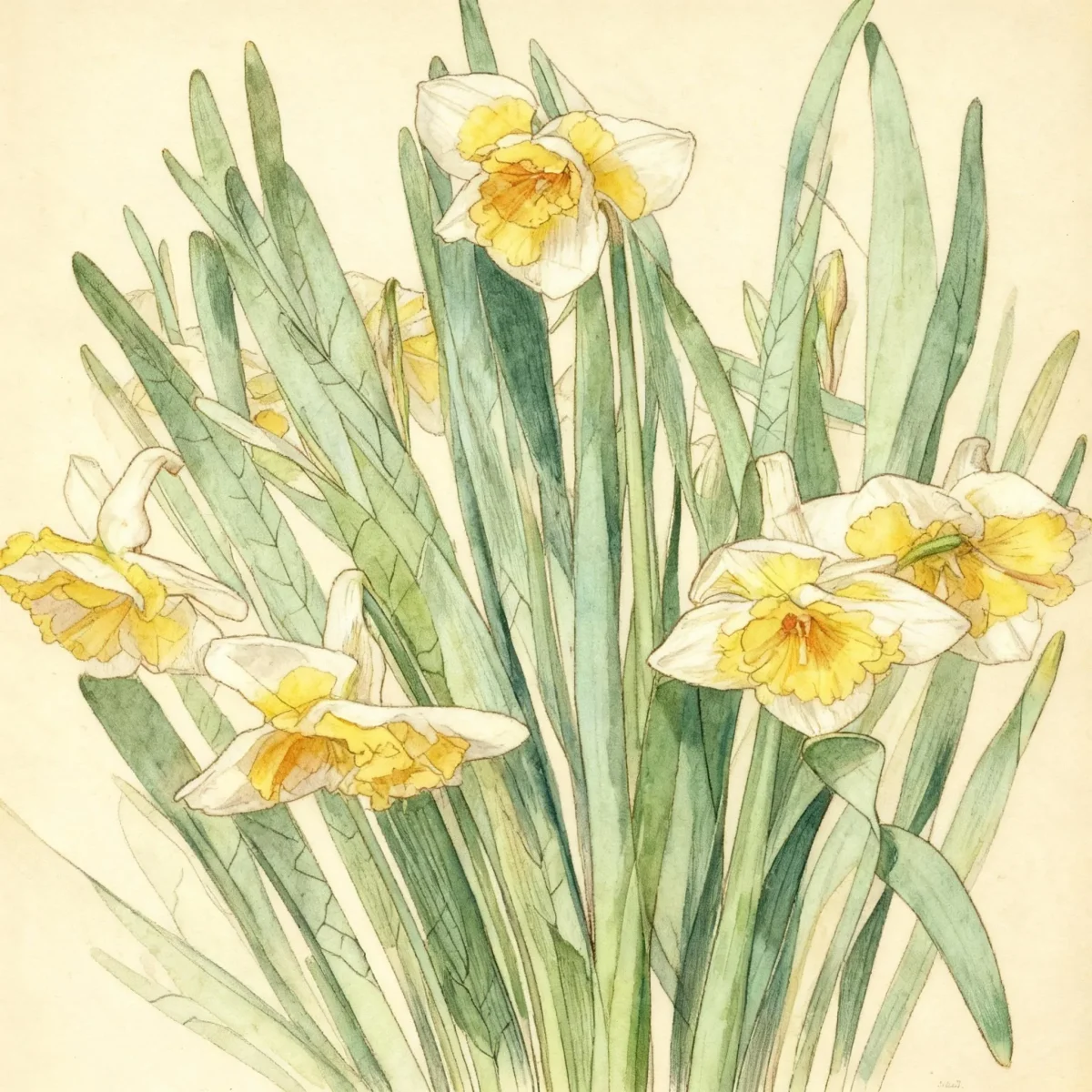
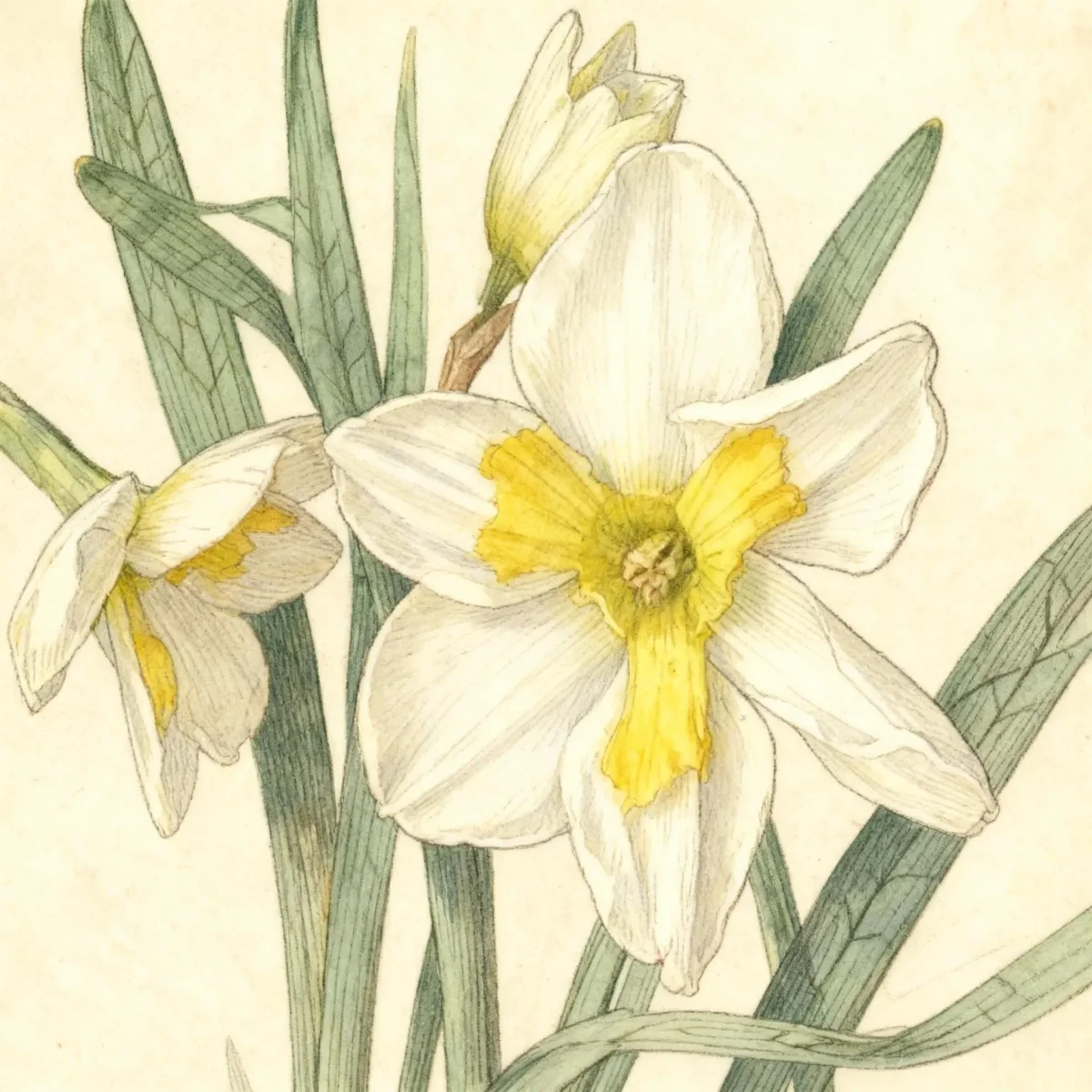
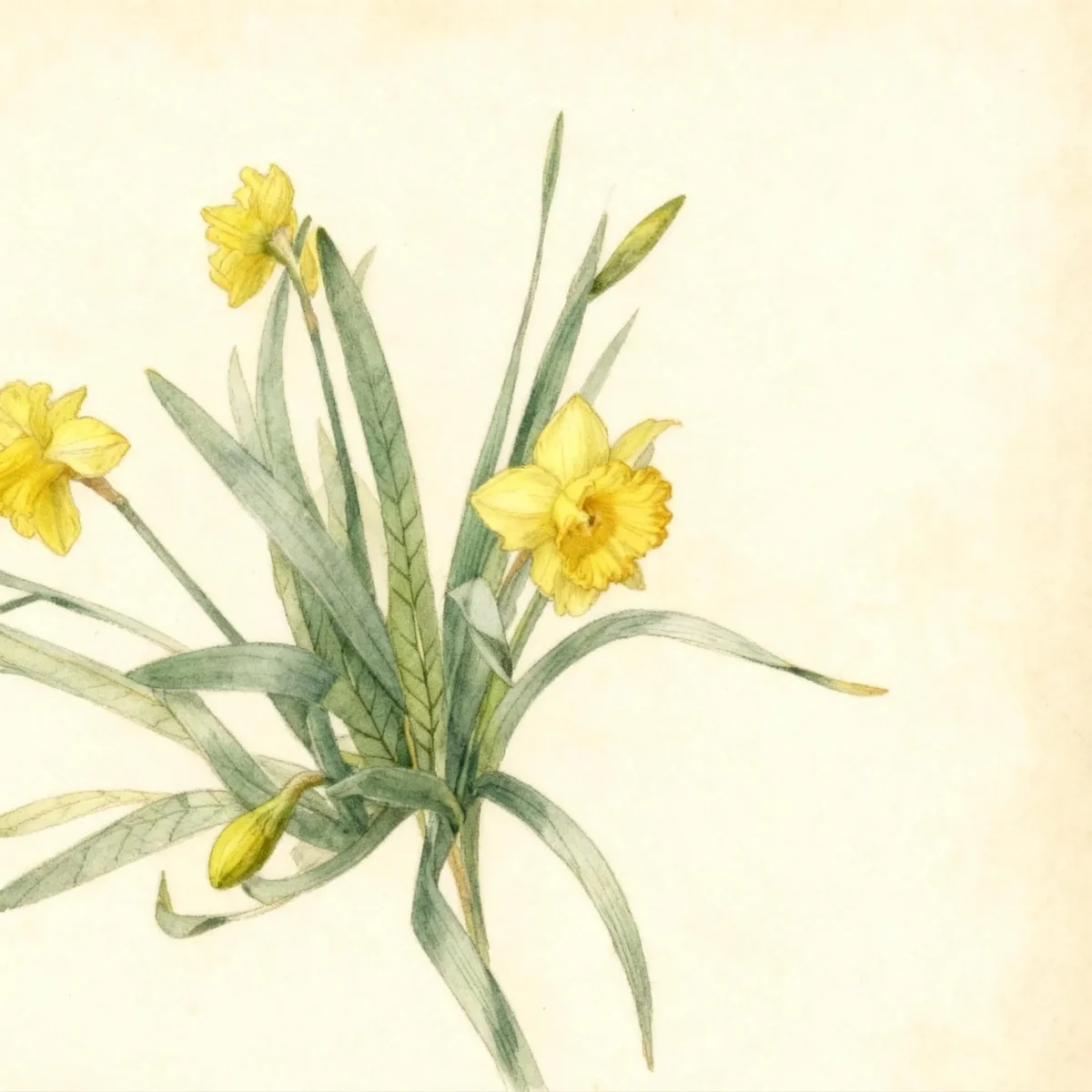
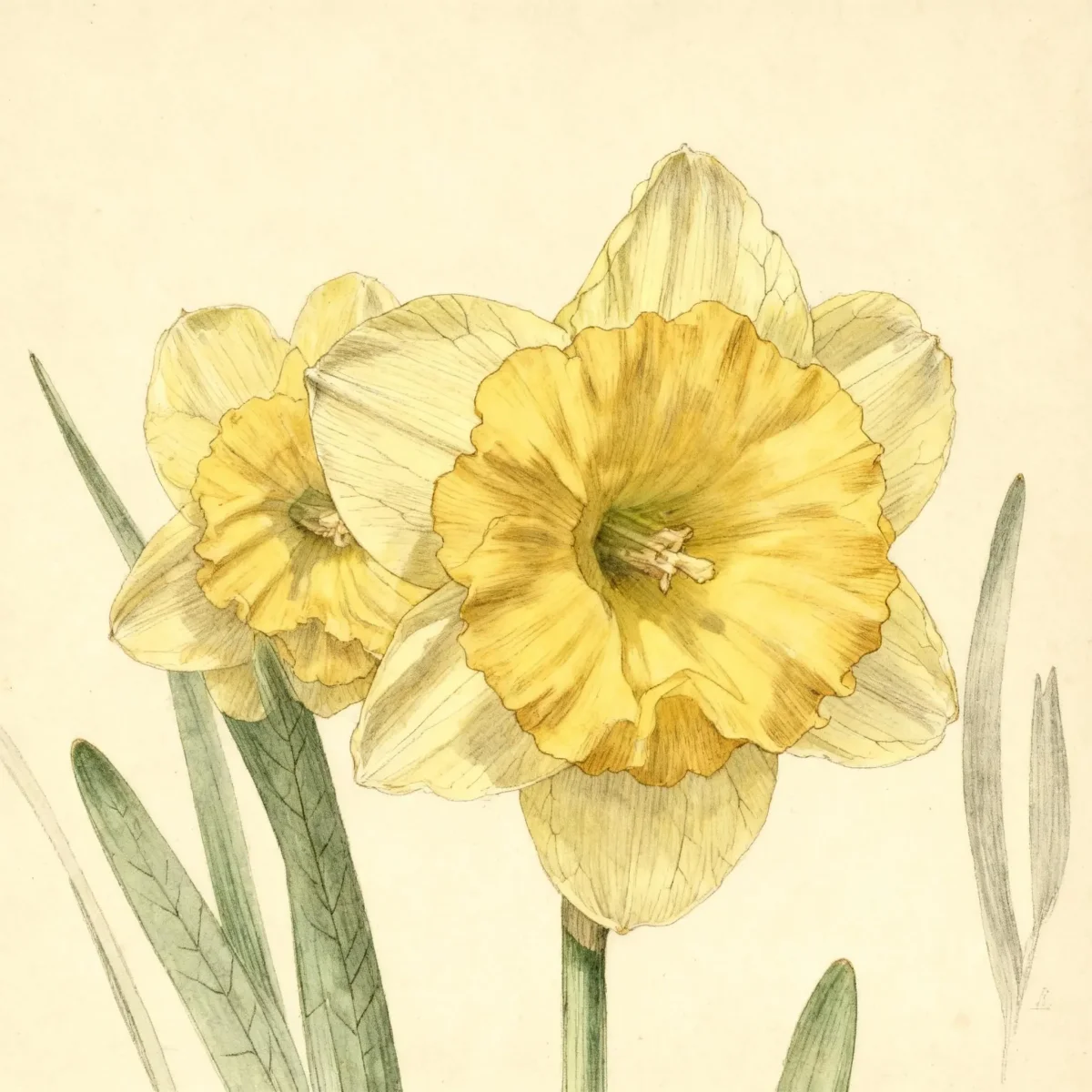
Split-corona daffodil (Narcissus 'Mondragon')
Narcissus 'Mondragon' is a showy, fragrant Split-corona daffodil offering yellow petals and an orange cup, perfect for Zone 3-8 gardens.
Scroll down to discover growing tips, care requirements, companion plants, and more
Complete Plant Information
Overview
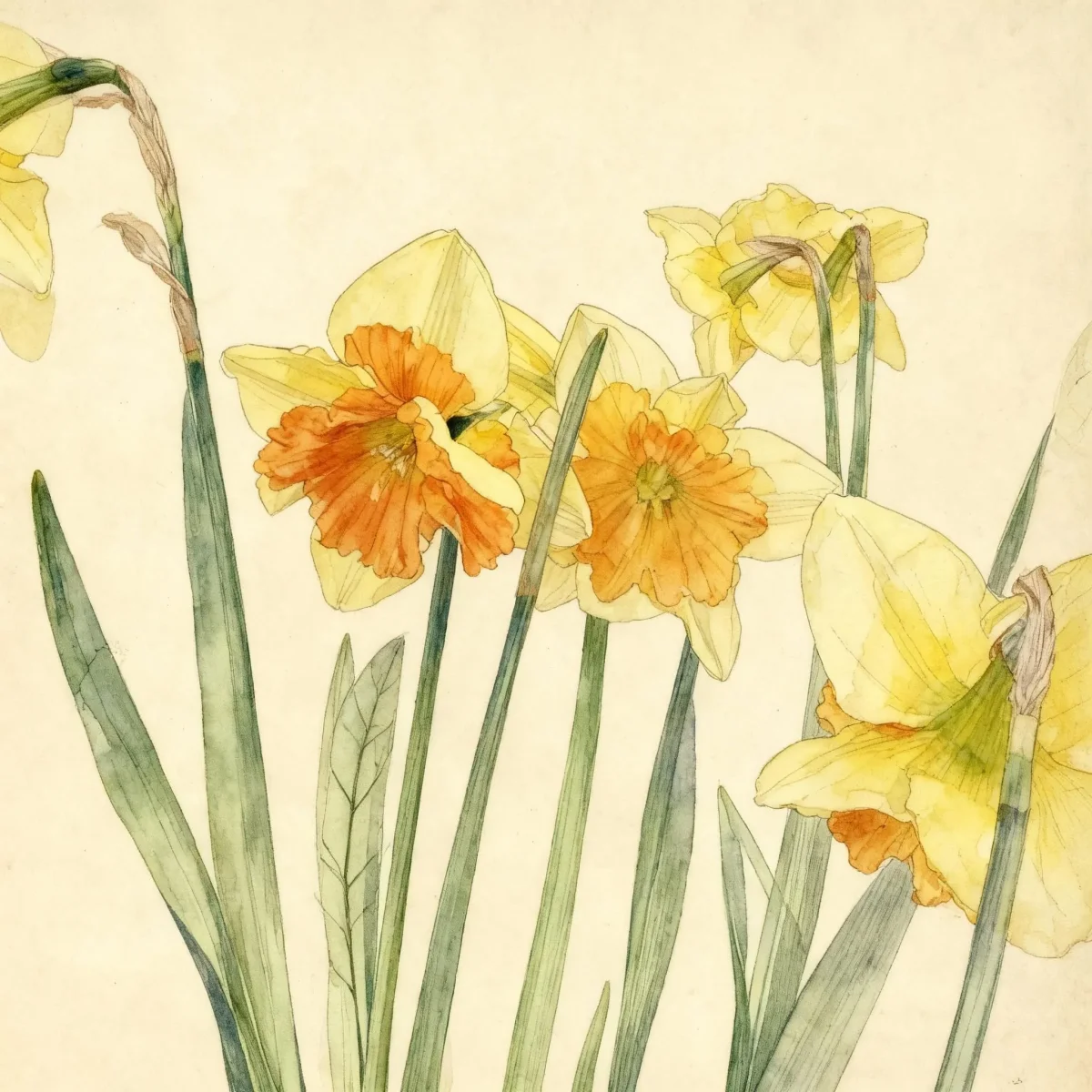
Narcissus ‘Mondragon’ introduces a highly distinctive silhouette to the early spring garden, belonging specifically to the group known as split-corona daffodils. This cultivar captivates with its unique flower structure: bright yellow perianth segments framing a ruffled, tangerine-orange collar-like cup. As a Division XI daffodil, the corona is split for more than half its length, making Narcissus ‘Mondragon’ a striking focal point.
These bulbs are relatively low maintenance once established, thriving in average conditions provided the soil drains exceptionally well. They return reliably year after year, offering dependable beauty during the transition from winter to spring. Gardeners value the Split-corona daffodil not only for its unusual form but also for its fragrance.
With heights reaching up to 1.5 feet, these reliable perennials are excellent for mass plantings or borders where their unique coloring can brighten up shady transitional spots. Enjoy the low upkeep and dependable return of this beautiful spring performer.
Fast Facts
- Plant Family: Amaryllidaceae
- Plant Type: Bulb
- Hardiness Zones: USDA Zones 3-8
- Size at Maturity:
- Height: 1-1.5 ft
- Spread: 0.5-0.75 ft
- Bloom Time: March to April
- Bloom Description: Yellow petals with orange corona
- Sun Exposure: Full sun to part shade
- Water Needs: Medium
- Maintenance Level: Low
How to Grow
Successful cultivation of the Split-corona daffodil begins with timing; plant bulbs in early to mid-fall before the ground freezes hard. Site selection requires full sun to partial shade, ensuring the location offers excellent drainage, as this is paramount to preventing bulb rot. Incorporate organic matter to enrich average soils, aiming for organically rich loams that remain uniformly moist during the active growing season.
When planting, general guidelines suggest burying bulbs 3–6 inches deep and spacing them 4–8 inches apart, though depth should always be 2 to 3 times the height of the bulb itself, resulting in about 3 inches of soil covering. For the best visual effect, plant in generous groupings rather than single specimens. Position plantings so that taller shrubs or shade areas are behind the daffodils, as the flowers naturally tend to face the brightest light source.
After the blooms fade in spring, resist the urge to cut back the foliage immediately; this leaf material must be left intact to photosynthesize energy back into the bulb for next year’s performance. Only remove the flower stem tops to prevent seed set. Once the foliage yellows naturally, it can be cut back. Clumps naturalize well but may require digging and division once flowering quality declines after several years.
Landscape Uses
Daffodils are foundational elements in the spring landscape, and the unique structure of Narcissus ‘Mondragon’ adds textural contrast to traditional trumpet varieties. They are most effective when planted in quantity, creating sweeping drifts that mimic naturalized colonies rather than stiff rows. Consider massing them in woodland edges, informal borders, or natural areas where their low maintenance requirements shine.
To maximize their impact, site these bulbs where they can be viewed up close in beds or along walkways. They mix beautifully with early-blooming perennials and other spring bulbs like tulips or hyacinths, offering a sequence of color. Since Narcissus ‘Mondragon’ has foliage that naturally yellows and dies back, companion planting with emerging summer perennials is crucial to mask the decline.
Allowing these daffodils to naturalize means they require very little ongoing care after establishment. This ease of naturalization makes them indispensable for low-effort designs, such as in wild gardens or on slopes where maintenance access is limited.
Standout Features
Flower Qualities
- Showy
- Fragrant
Noteworthy Characteristics
Cultivated daffodils are classified into 13 divisions based on their bloom characteristics, and ‘Mondragon’ falls into Division XI as a split-corona daffodil. This definition means the central cup (corona) is split for over half its length, creating a ruffled collar instead of a standard cup shape. The variety produces solitary flowers featuring bright yellow petals paired with a distinct ruffled tangerine-orange collar atop stems 14-16 inches tall, making Narcissus ‘Mondragon’ an excellent choice for fresh-cut arrangements.
Tolerances
- Rabbit
- Deer
- Drought
Potential Problems
Daffodils, including this Split-corona daffodil, are generally celebrated for being pest-free when grown in suitable conditions. The primary cultural issue arises from poor drainage, which can lead to bulb rot, especially where soils remain waterlogged. Infrequent pests such as slugs, snails, and narcissus bulb flies can occasionally cause damage, particularly to young bulbs or emerging shoots.
To manage potential problems, ensure the planting location offers sharp drainage, amending heavy clay soils as necessary before planting in the fall. If Narcissus yellow stripe virus appears, remove infected plants immediately to prevent spread, though this is noted as an infrequent issue. Generally, keeping the foliage intact until it naturally yellows helps maintain bulb vigor and resists most common disorders.
Frequently Asked Questions
What hardiness zones is Split-corona daffodil suitable for?
Narcissus ‘Mondragon’ is suitable for planting in USDA Hardiness Zones 3 through 8.
How large does Narcissus ‘Mondragon’ grow?
This variety typically reaches a height between 1 and 1.5 feet and spreads about 0.5 to 0.75 feet wide.
When does Split-corona daffodil bloom?
Narcissus ‘Mondragon’ blooms reliably from March to April, displaying its attractive yellow petals with an orange corona.
What sun exposure does Narcissus ‘Mondragon’ need?
This daffodil performs best when positioned in areas receiving full sun to part shade.
Conclusion
The Split-corona daffodil, particularly the striking Narcissus ‘Mondragon’, delivers unmatched visual interest early in the season with its bold yellow and orange coloration and unique flower architecture. Beloved for its low maintenance and reliable return, this bulb offers significant performance for minimal seasonal effort. Before winter sets in, ensure you check your USDA hardiness zone compatibility and prepare well-drained spots for planting your bulbs this fall.
Companion Planting for Daffodils
To ensure your spring displays look tidy all season, companion planting is essential. Since daffodil foliage yellows significantly after blooming, pair Narcissus ‘Mondragon’ with plants that emerge later in the spring or early summer. Hostas, Peonies, and low-growing Geraniums are excellent companions; their emerging leaves will gracefully hide the fading daffodil foliage as summer approaches.
Consider planting them alongside early-blooming perennial salvias or Siberian Iris. These companions require similar sun and water conditions throughout the season, simplifying overall garden management while providing continuous visual interest once the bulbs have finished their show.
Division and Rejuvenation of Narcissus
While the goal of planting Narcissus ‘Mondragon’ is often for naturalizing, eventually, crowded clumps may produce fewer or smaller flowers; this indicates they require division. Wait until the foliage has completely died back, usually in late summer or early fall, before lifting the bulbs. It is crucial to divide them only after the leaves have fully yellowed, ensuring the plant has stored adequate energy for survival.
Once the clump is dug, separate the bulbs gently. You should notice new offsets developing around the main bulb, which can be carefully separated; replant the larger bulbs immediately back into the garden at the recommended depth and spacing. This rejuvenation technique keeps your display of the Split-corona daffodil vigorous for decades to come.