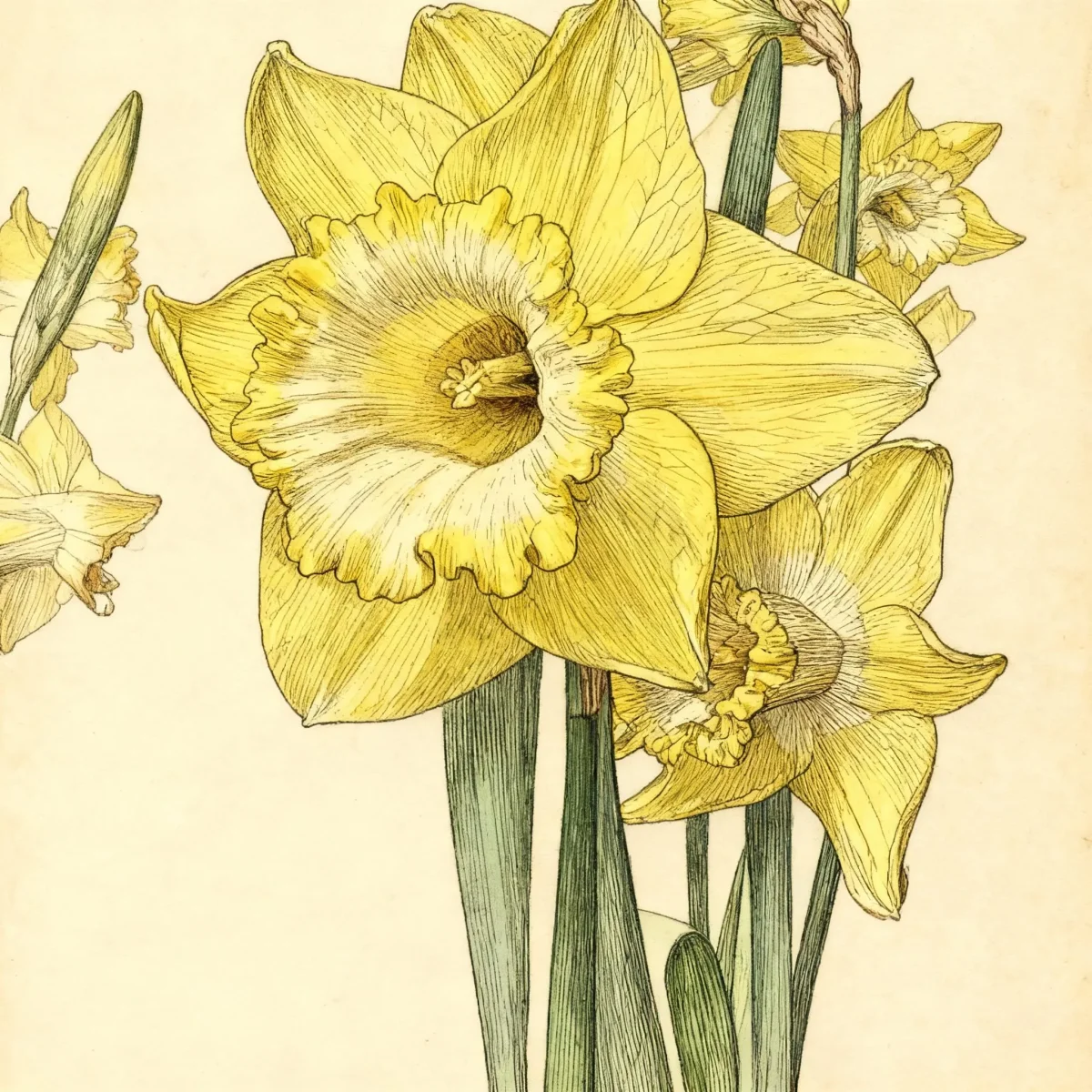
Trumpet daffodil (Narcissus 'Mount Hood')
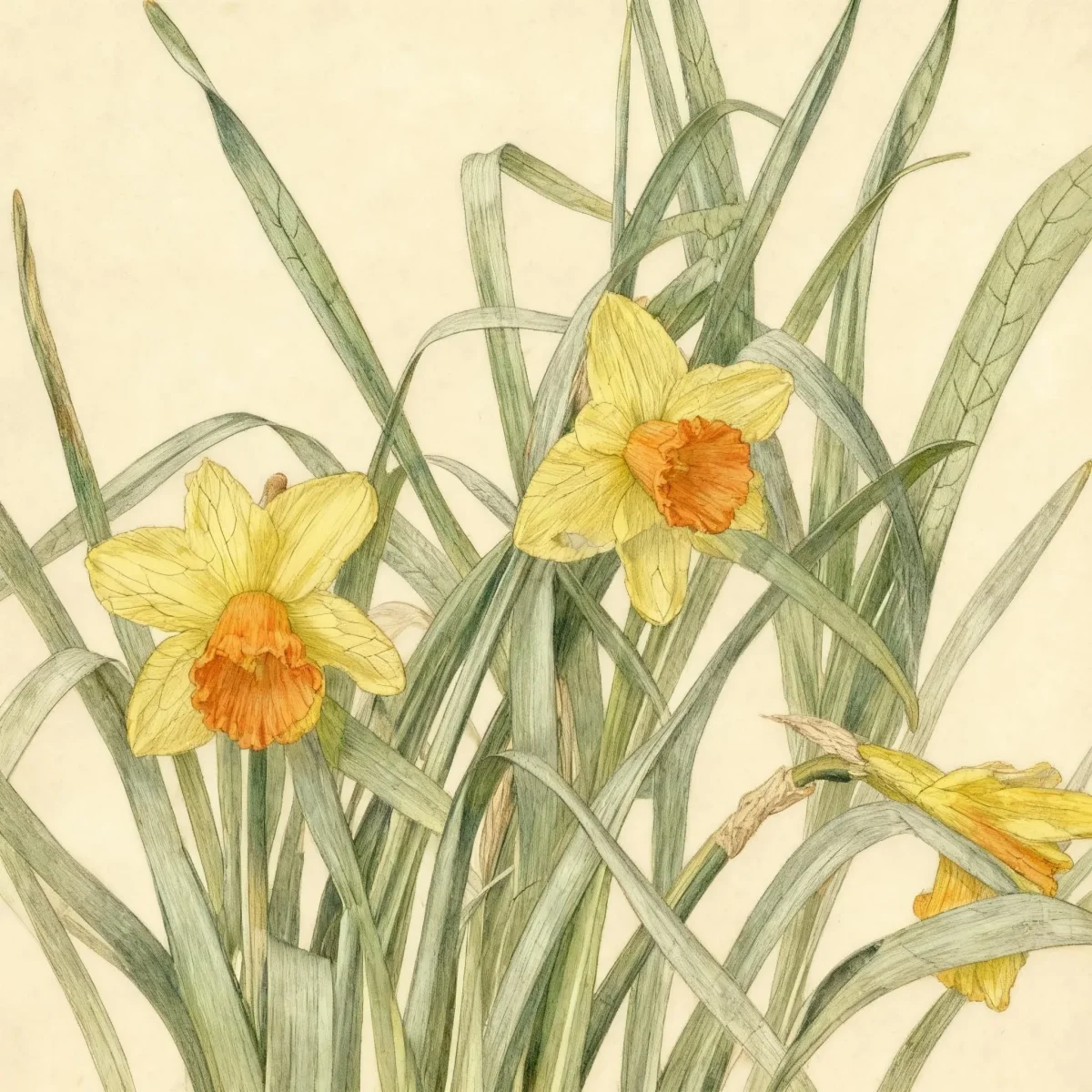
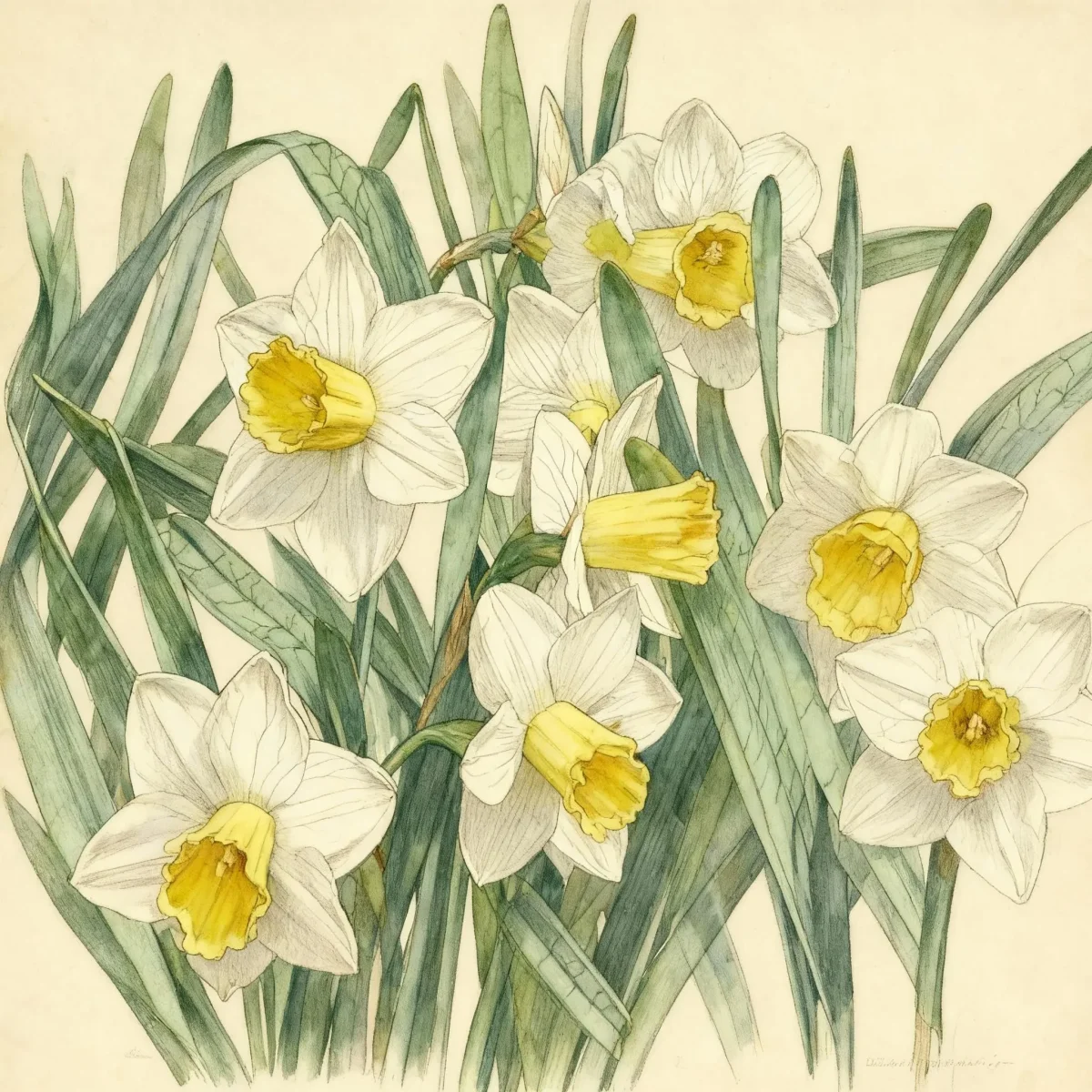
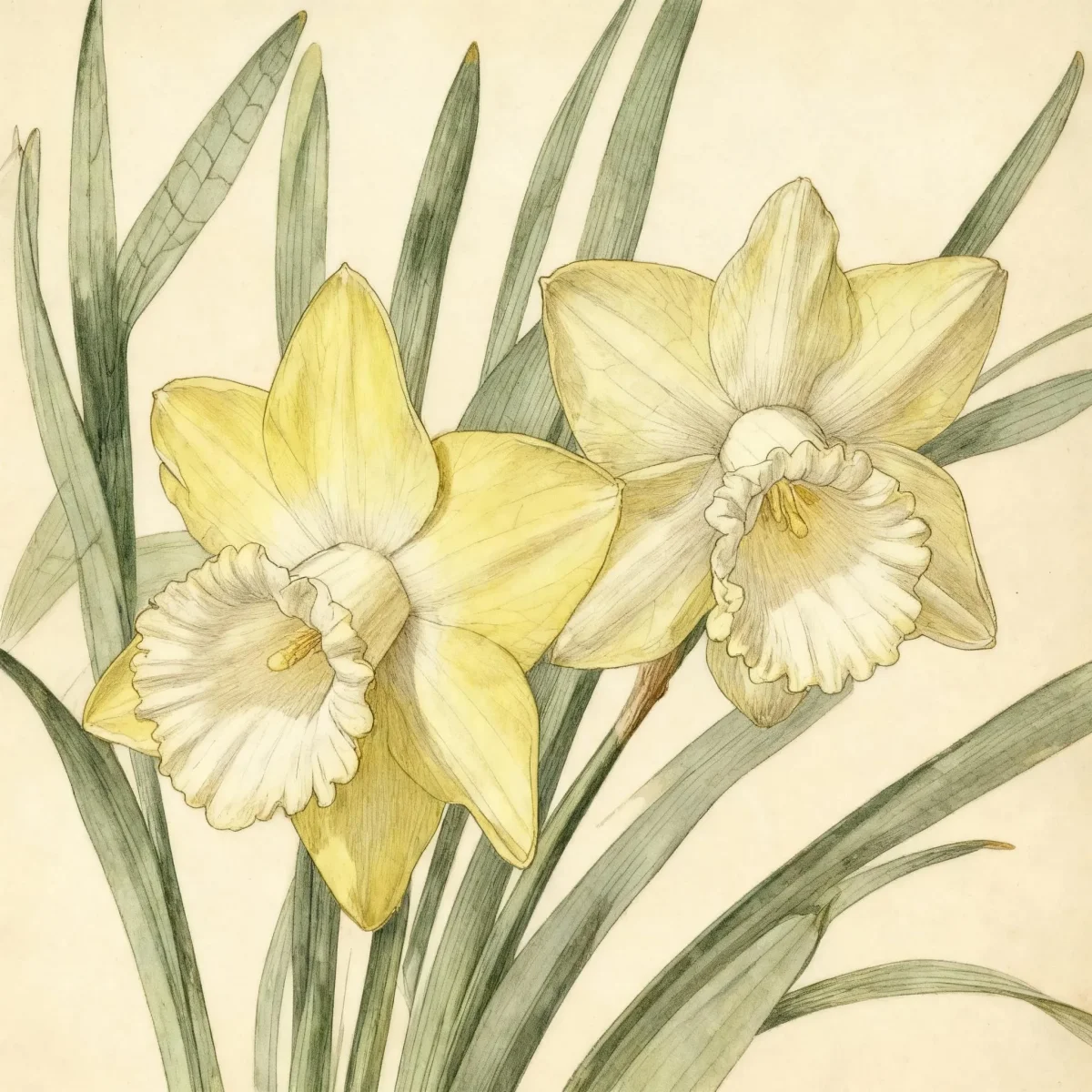
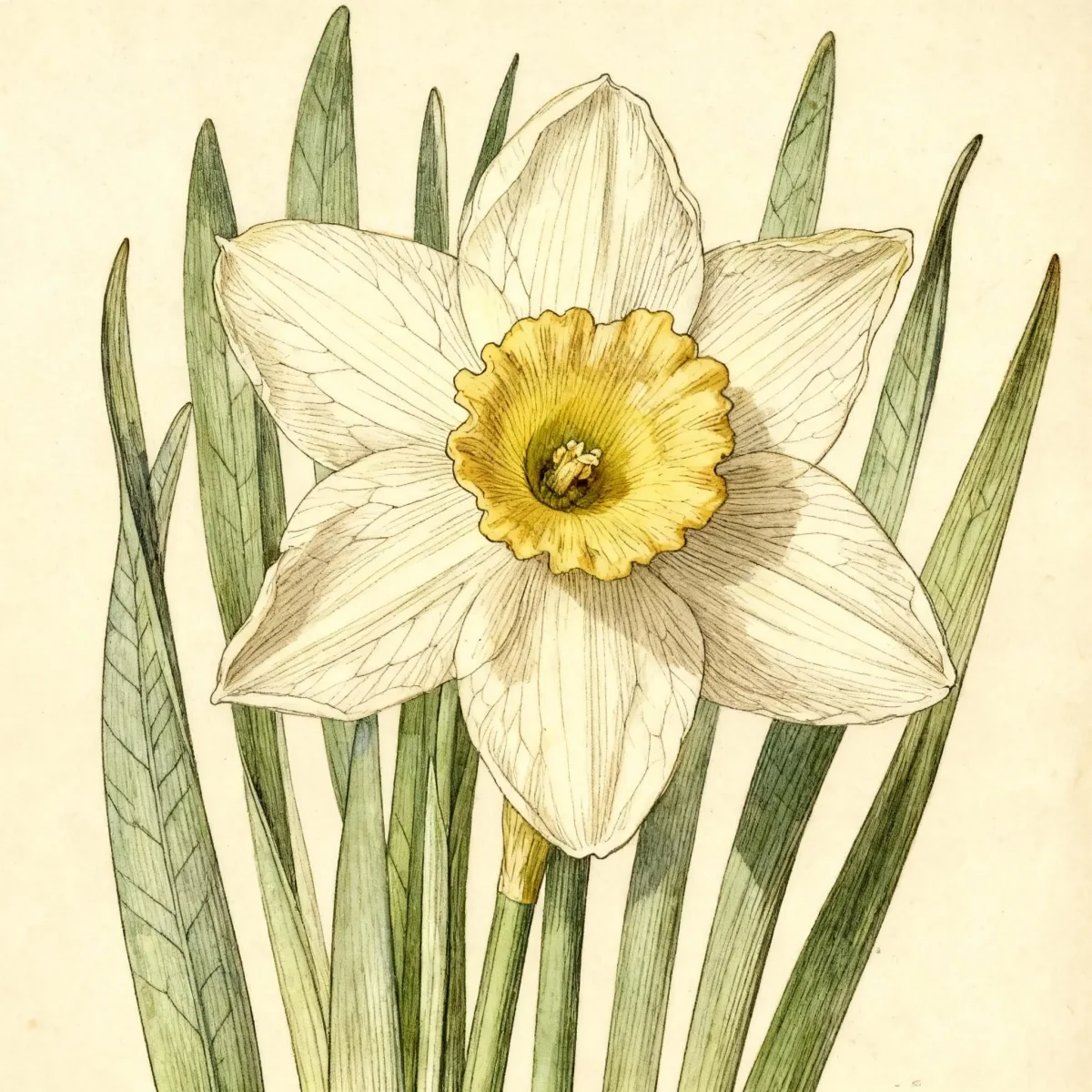
Narcissus 'Mount Hood' is a classic Trumpet daffodil known for its stunning ivory white flowers that herald early spring.
Scroll down to discover growing tips, care requirements, companion plants, and more

Complete Plant Information
Overview
Narcissus ‘Mount Hood’ stands out as an exceptional classic among spring-blooming bulbs. This specific variety is categorized as a Trumpet daffodil, meaning its central corona is as long as or longer than its surrounding perianth segments—a hallmark of this division. Gardeners prize this cultivar for its elegant, large blooms that emerge in mid-season, making it a spectacular herald of warmer weather.
As a dependable perennial bulb, the care required for Narcissus ‘Mount Hood’ is remarkably low once established. It thrives in average conditions, provided the soil offers excellent drainage, a critical factor for long-term success with daffodils. Expect this variety to put on a reliable show year after year without demanding constant attention.
The visual impact of a mass planting of the ivory-white flowers of the Trumpet daffodil cannot be overstated. Ideal for naturalizing, these bulbs create sweeping drifts of color that signal the true return of spring, offering structure and brightness to beds and borders before summer perennials awaken.
Fast Facts
- Plant Family: Amaryllidaceae
- Plant Type: Bulb
- Hardiness Zones: USDA Zones 3-8
- Size at Maturity:
- Height: 1-1.5 ft
- Spread: 0.5-0.75 ft
- Bloom Time: March to April
- Bloom Description: White
- Sun Exposure: Full sun to part shade
- Water Needs: Medium
- Maintenance Level: Low
How to Grow
The best time to plant Narcissus ‘Mount Hood’ bulbs is in the early to mid-fall season. Choose a location providing full sun to light part shade; remember that the flowers naturally face the sun, so position shade areas behind the planting for optimum display. Successful cultivation relies on organically rich loams with excellent drainage, as bulb rot is a risk in soggy soils.
Planting depth varies slightly by bulb size, but generally, position the bulb 2 to 3 times as deep as its height, ensuring at least 3 inches of soil covers the top. Space bulbs between 4 to 10 inches apart, accepting that initial plantings may look sparse but will fill in over subsequent years of naturalizing. Keep the soil uniformly moist during the active growing season.
Post-bloom care requires patience; allow the foliage of this Trumpet daffodil to yellow naturally before cutting it back, as this process feeds the bulb for next year’s display. You may deadhead spent flowers to prevent seed formation, but resist cutting the stems prematurely. Clumps of Narcissus ‘Mount Hood’ can be left undisturbed for many years, dividing only when bloom quantity and quality decline.
Landscape Uses
Daffodils, including the esteemed Narcissus ‘Mount Hood’, are foundational elements for any spring landscape design. Unlike many popular annuals, these bulbs reliably return, making them perfect for permanent plantings in borders, woodland edges, and beneath deciduous trees. They provide essential early-season structure just as the garden awakens.
Planting in quantities is key to achieving the graceful, sweeping drifts that daffodils are known for. Aim for groupings of at least six to achieve a naturalized effect quickly. They mix beautifully with other spring bloomers like early tulips, Muscari, and Grape Hyacinths, creating layered interest during the spring transition period.
Consider planting Narcissus ‘Mount Hood’ near walkways or seating areas where their mid-season ivory flowers can be easily appreciated up close. Their resilience also makes them excellent choices for naturalizing in wilder areas of the garden where low maintenance is prioritized.
Standout Features
Flower Qualities
- Showy
Noteworthy Characteristics
Narcissus is a genus that provides dependable color every spring, featuring flowers with a central cup or trumpet surrounded by six petals. The magnificent Narcissus ‘Mount Hood’ is classified as a trumpet daffodil, distinguished by a corona that equals or exceeds the length of the perianth segments. This cultivar typically displays ivory white petals and a matching ivory trumpet after emerging a creamy yellow, rising atop 16-20 inch stems.
Tolerances
- Rabbit
- Deer
- Drought
Potential Problems
Daffodils, in general, are praised for their minimal insect and disease issues when planted in suitable conditions. The primary concern for Narcissus ‘Mount Hood’ is bulb rot, which occurs when soils are poorly drained or stay waterlogged. Ensuring organically rich soil with adequate drainage addresses this issue proactively.
Infrequent pest concerns may include slugs and snails, especially when shoots are emerging, requiring standard protective measures. While deer and rabbits generally avoid this plant due to the presence of lycorine, monitoring young shoots is prudent until the foliage hardens off. Occasionally, issues like Narcissus yellow stripe virus can appear, but selection of high-quality stock minimizes this risk.
Frequently Asked Questions
What hardiness zones is Trumpet daffodil suitable for?
Narcissus ‘Mount Hood’ thrives across a wide range, suitable for USDA Hardiness Zones 3 through 8.
How large does Narcissus ‘Mount Hood’ grow?
This Trumpet daffodil typically achieves a height between 1 and 1.5 feet, with a spread ranging from 0.5 to 0.75 feet.
What sun exposure does Narcissus ‘Mount Hood’ need?
This variety prefers conditions ranging from full sun exposure to light, dappled part shade to perform best across its designated bloom time.
When does Narcissus ‘Mount Hood’ bloom?
This classic daffodil variety blooms reliably in the mid-spring, generally spanning from March to April, displaying its characteristic white flowers.
Conclusion
The Narcissus ‘Mount Hood’ offers unparalleled early-season elegance, solidifying its place as a mainstay in the spring garden. Its low maintenance needs, coupled with its pest resistance and reliable return as a vivid Trumpet daffodil, make it a must-plant for perennial landscapes. Before the first thaw, ensure your chosen site offers the excellent drainage required for this ivory white beauty, and look forward to its springtime display.
Companion Planting
Selecting appropriate neighbors helps maintain visual interest after the daffodil season concludes. Because Narcissus ‘Mount Hood’ foliage yellows and dies back in late spring, pairing them with early summer perennials that emerge later helps conceal the fading leaves. Consider planting shorter spring ephemerals like Scilla or Chionodoxa beneath them for an earlier color burst.
For a mid-to-late summer border, try pairing the planting location with Geraniums (‘Rozanne’ is excellent) or Nepeta, which emerge when the Daffodil foliage has disappeared. Their medium water needs align well with many common border perennials, though remember to avoid deep cultivation around the established bulbs.
Seasonal Care Calendar
Spring care for your Trumpet daffodil involves primarily appreciating the blooms and allowing the foliage to complete its cycle; avoid mowing or cutting stems until they have fully yellowed. Mid-summer is a time of dormancy for Narcissus ‘Mount Hood’; ensure the area is not over-watered if planting other drought-tolerant species nearby.
Fall preparation involves ensuring the planting site is clear of heavy leaf litter that could smother the bulbs over winter, though some light mulch is beneficial for insulation. If you choose to divide clumps of Narcissus ‘Mount Hood’ after they have naturalized for several years, fall is the ideal time to dig and replant the offsets immediately after the foliage dies back.