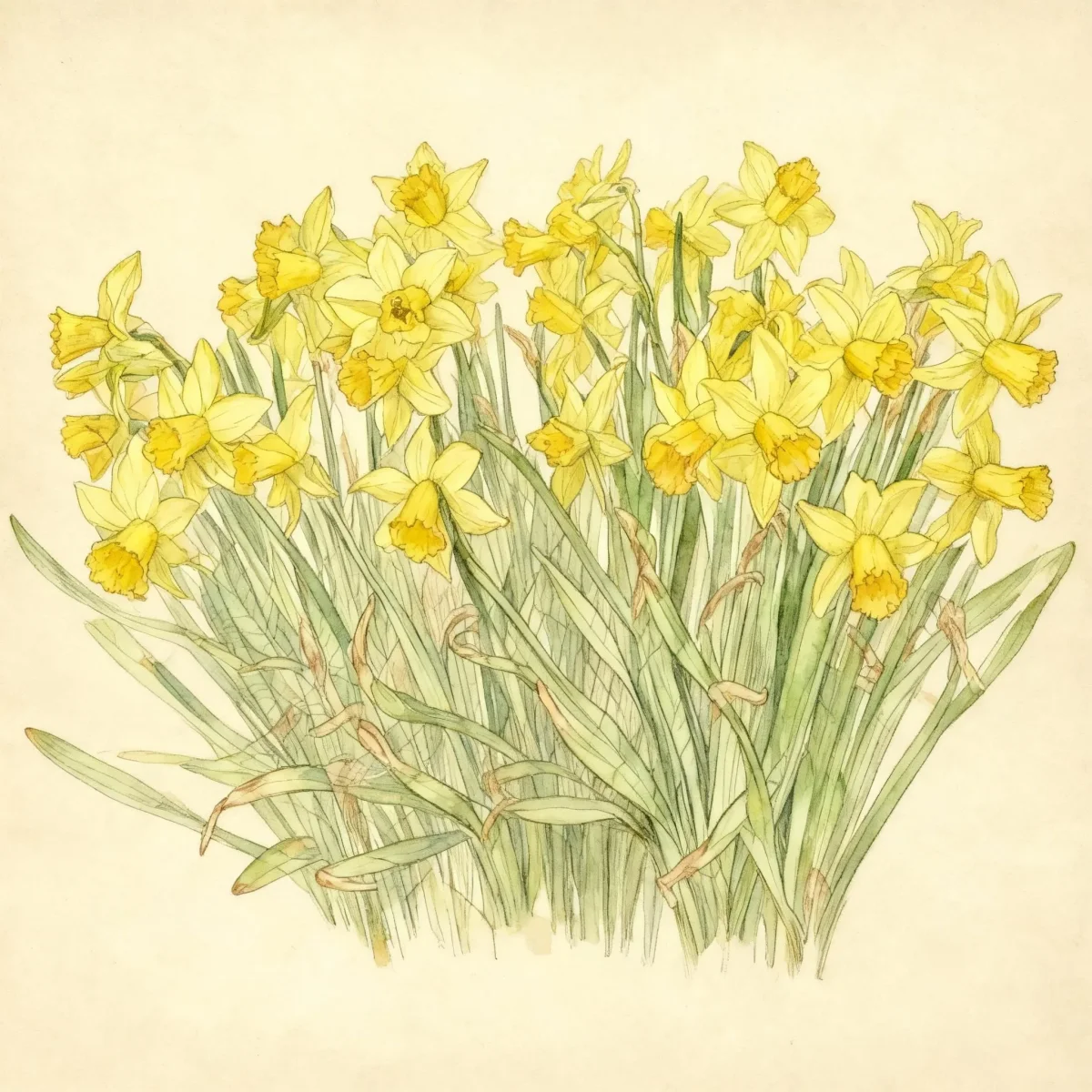
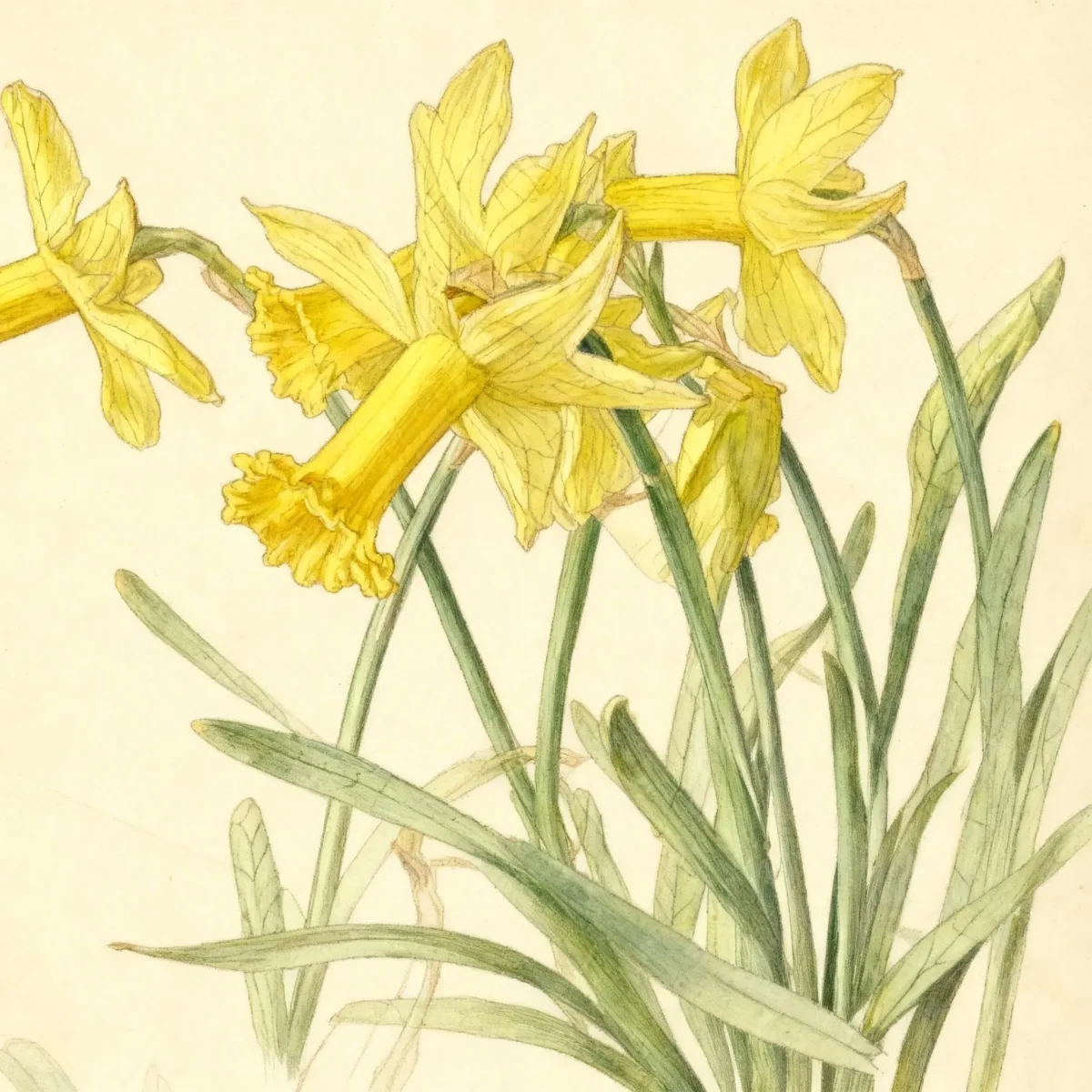
Cyclamineus daffodil (Narcissus 'Peeping Tom')
Narcissus 'Peeping Tom', a striking Cyclamineus daffodil, offers vibrant golden yellow blooms in early spring with low maintenance.
Scroll down to discover growing tips, care requirements, companion plants, and more
Complete Plant Information
Overview
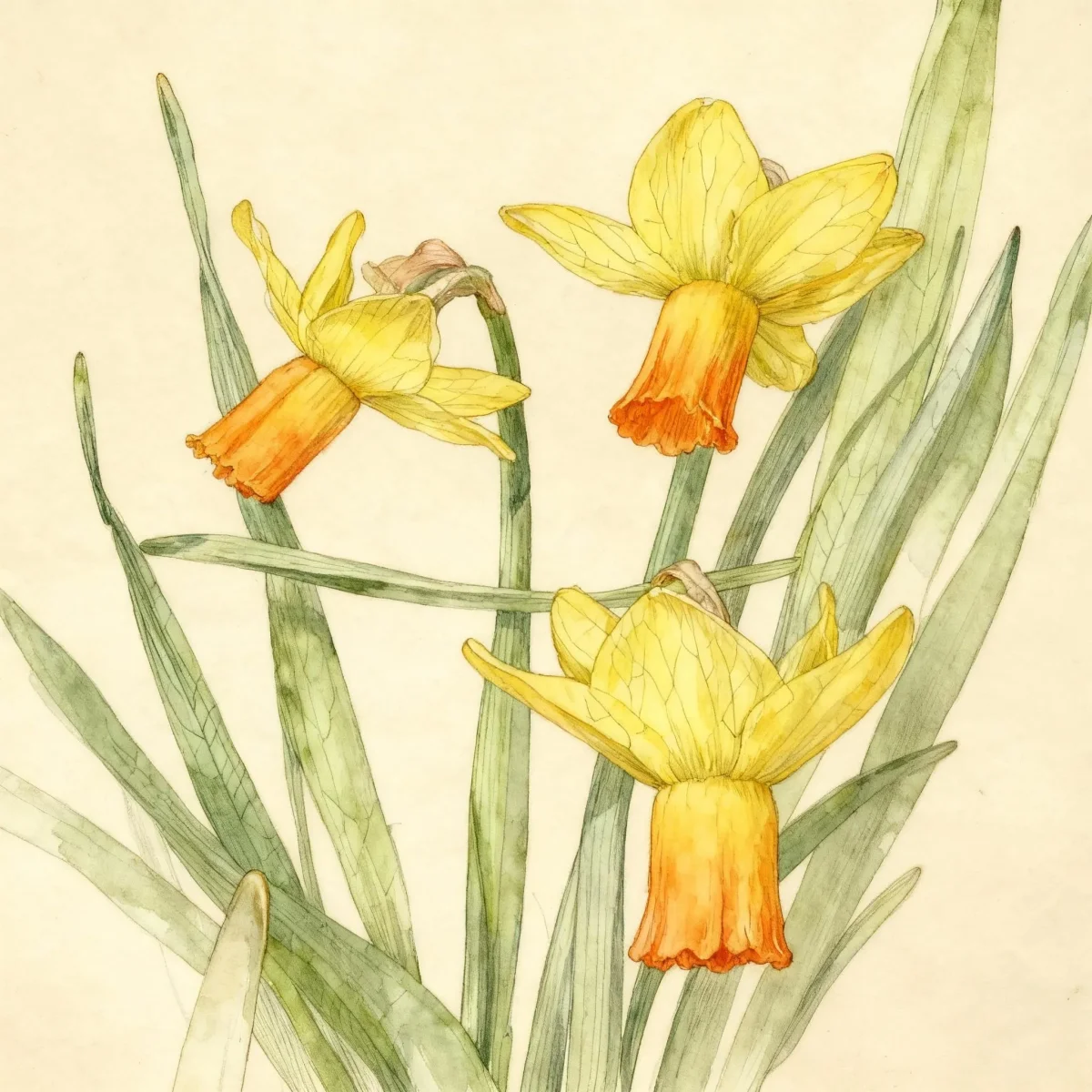
The Cyclamineus daffodil known as Narcissus ‘Peeping Tom’ is a treasured centerpiece for the early spring garden. This miniature daffodil cultivar stands out with its vivid golden yellow flowers, characterized by a long, narrow trumpet and strongly swept-back petals. As a Division VI cyclamineus narcissus, it is valued for its compact stature and reliable return year after year.
Gardeners appreciate Narcissus ‘Peeping Tom’ for its low maintenance demands once established, thriving in average soils with adequate drainage. It emerges early, providing essential color before many other perennials wake up. Its showy nature makes it perfect for creating bright focal points in beds or naturalized settings.
These bulbs are exceptionally hardy and multiply readily, allowing drifts of color to expand over time. Whether planted in formal arrangements or allowed to naturalize in semi-wild areas, Narcissus ‘Peeping Tom’ delivers reliable, cheerful, golden displays annually, rewarding the gardener with minimal effort.
Fast Facts
- Plant Family: Amaryllidaceae
- Plant Type: Bulb
- Hardiness Zones: USDA Zones 4-8
- Size at Maturity:
- Height: 0.5-1 ft
- Spread: 0.25-0.5 ft
- Bloom Time: March to April
- Bloom Description: Golden yellow
- Sun Exposure: Full sun to part shade
- Water Needs: Medium
- Maintenance Level: Low
How to Grow
Planting Narcissus ‘Peeping Tom’ should occur in early to mid-fall before the ground freezes hard. Ensure the planting location offers well-drained soil, preferably an organically rich loam, as this is critical for bulb health and preventing rot. Set the bulbs 2 to 3 times as deep as the bulb is tall, placing at least 3 inches of soil over the top. Spacing ranges from 4 to 10 inches apart, depending on the desired density; wider spacing will fill in eventually.
During the active growing season (early spring), maintain medium moisture levels, keeping the soil uniformly moist until the blooms fade. While it tolerates drought once dormant, consistent moisture aids bulb multiplication. Water needs are considered medium during growth but lessen significantly after flowering.
After the beautiful golden yellow flowers of the Cyclamineus daffodil fade, resist the urge to cut back the foliage immediately. Allow the leaves to fully yellow naturally (usually 6-8 weeks) so the plant can store energy for next year’s display. You may trim the stem just above the foliage once flowers fade to prevent unwanted seed formation. Bulbs can remain undisturbed for many years; only divide clumps if bloom quality declines, which should be done just after the foliage dies back.
Landscape Uses
Daffodils, unlike many annuals or tulips, offer dependable return performance, making Narcissus ‘Peeping Tom’ an excellent perennial anchor for spring plantings. They are best utilized in quantity rather than singles, aiming for groupings of at least six bulbs to maximize their visual impact. Use them effectively in mixed perennial beds or along borders where their early color can shine before later perennials leaf out.
The compact height of this miniature daffodil makes it ideal for front-of-border placement, ensuring they are visible without obscuring taller spring companions. They also blend seamlessly into open woodland settings or under deciduous trees where they receive light sun in early spring before the canopy closes. Since they naturalize well, allowing them to drift creates a more authentic sweeping appearance. They mix beautifully with other early bloomers like scilla or early tulips.
For optimal viewing, remember that Narcissus ‘Peeping Tom’ flowers tend to face the sun. Plan your viewing area so that any existing shade source falls behind the planting, directing the magnificent golden trumpets toward the observer.
Standout Features
Flower Qualities
- Showy
- Good Cut
Noteworthy Characteristics
Narcissus is a genus of about 50 species of bulbous perennials from Europe and North Africa, serving as a staple of the spring garden, typically featuring a corona surrounded by perianth segments in various bright colors. Narcissus ‘Peeping Tom’ is distinctively classified as a cyclamineus narcissus (Division VI), which contributes to its elegant form. This miniature daffodil provides a showy, golden yellow flower with an elongated trumpet and sharply reflexed petals, emerging early to mid-spring on stems reaching 8 to 12 inches high.
Tolerances
- Rabbit
- Deer
- Drought
Potential Problems
Generally, daffodils like Narcissus ‘Peeping Tom’ are known for being remarkably pest and disease-free when planted in suitable conditions. The most common cultural issue stems from poor soil drainage, which can lead to bulb rot. Always amend heavy clay soils to ensure water moves away from the bulbs quickly.
Infrequent insect challenges may include the narcissus bulb fly or narcissus nematode, though these are uncommon in standard garden settings. Slugs and snails can occasionally bother new shoots. If viral issues like Narcissus yellow stripe virus appear, removing the infected plant—bulb and all—is necessary to prevent spread. Deer and rabbits typically avoid eating this plant, which is a significant advantage in many landscapes.
Frequently Asked Questions
What hardiness zones is Cyclamineus daffodil suitable for?
Narcissus ‘Peeping Tom’ is hardy and reliably perennial in USDA Zones 4 through 8.
How large does Narcissus ‘Peeping Tom’ grow?
This miniature daffodil typically reaches a height between 0.5 and 1 foot tall with a spread of 0.25 to 0.5 feet.
When does Cyclamineus daffodil bloom?
You can expect the vibrant golden yellow flowers of Narcissus ‘Peeping Tom’ to appear relatively early in the season, generally from March to April.
What sun exposure does Narcissus ‘Peeping Tom’ need?
This variety performs best when positioned in areas receiving full sun to light part shade.
Conclusion
Narcissus ‘Peeping Tom’ supplies an invaluable dash of vibrant golden cheer at the tail end of winter, making it an essential component for any bright spring planting scheme. Its low maintenance and deer resistance add significant practical value to beds and borders. Ensure you situate your Cyclamineus daffodil bulbs in well-drained soil this coming fall for guaranteed spectacular returns.
Companion Planting
When planning settings for Narcissus ‘Peeping Tom’, select companions that emerge later or have similar light and water needs. Because this daffodil naturalizes and its foliage dies back early, excellent partners include plants that fill the space later in the season, such as Hostas, Coral Bells (Heuchera), or Geraniums, which enjoy the partial shade after the daffodil foliage yellows.
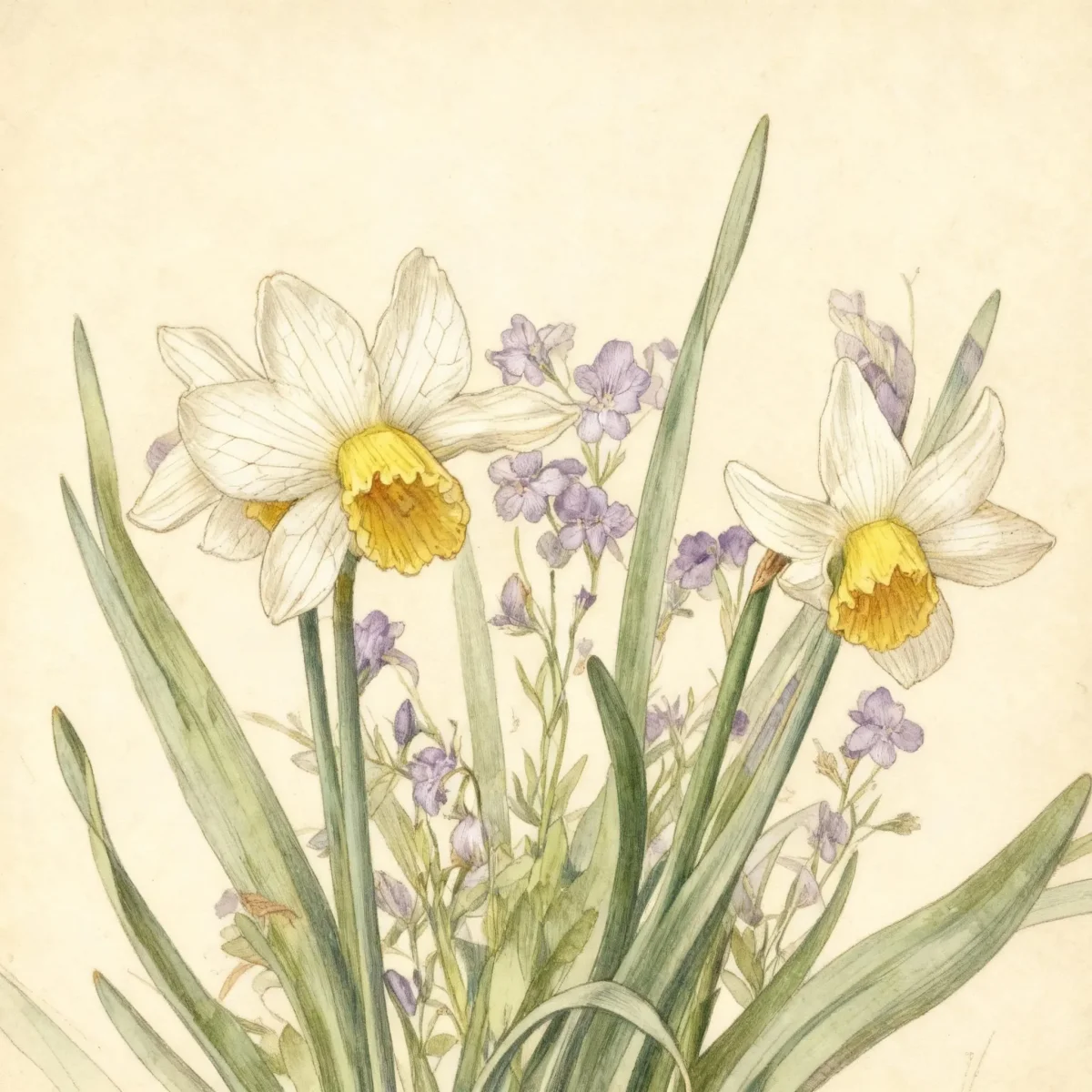
For intense early spring layering, pair it with other early spring color that can handle full sun initially. Grape Hyacinths (Muscari) or early blooming Scilla make excellent underplantings beneath the Cyclamineus daffodil, creating a dense carpet effect that completely hides the fading narcissus leaves. Choosing companions that enjoy the same well-drained but medium-moisture conditions found in rich loams will ensure success for the entire planting scheme.
Design Ideas: Massing and Drifts
The power of Narcissus ‘Peeping Tom’ is best realized when bulbs are massed rather than dotted individually. Think of naturalistic drifts that sweep through the garden space, mimicking how they might occur in a native woodland edge. Planting in groupings of 10-20 bulbs creates a far greater impact than several single plantings scattered throughout a border.
For a formal but colorful edge, plant Narcissus ‘Peeping Tom’ six inches apart along a walkway or the edge of a patio container. Their manageable size prevents them from overwhelming the hardscaping. Conversely, in a meadow or woodland garden, scatter bulbs more widely, allowing the natural spread and multiplication of the bulbs to create large, informal swathes of golden color over several seasons. Always aim to plant them where they will receive direct morning sun, ensuring the flowers face the primary viewing area.