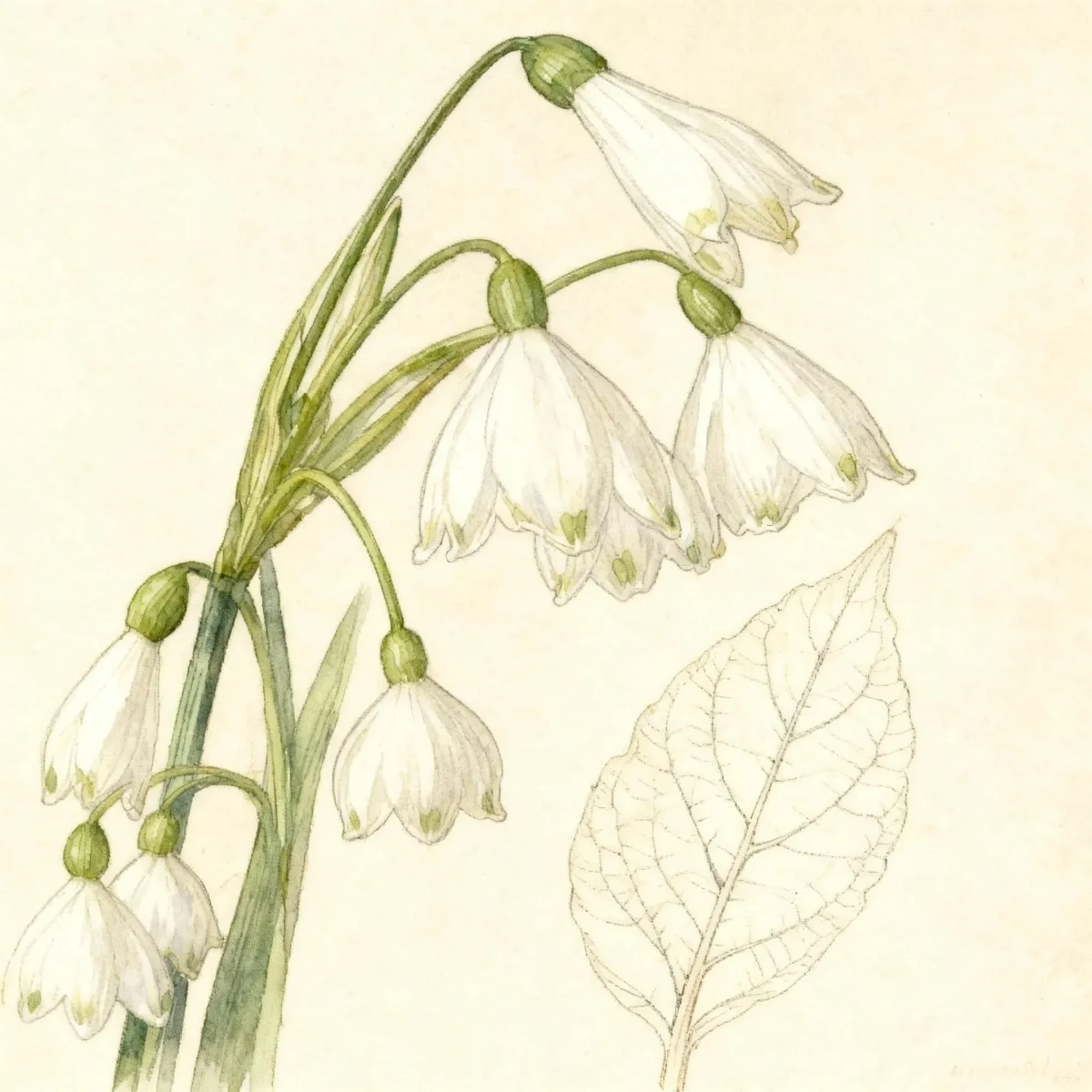
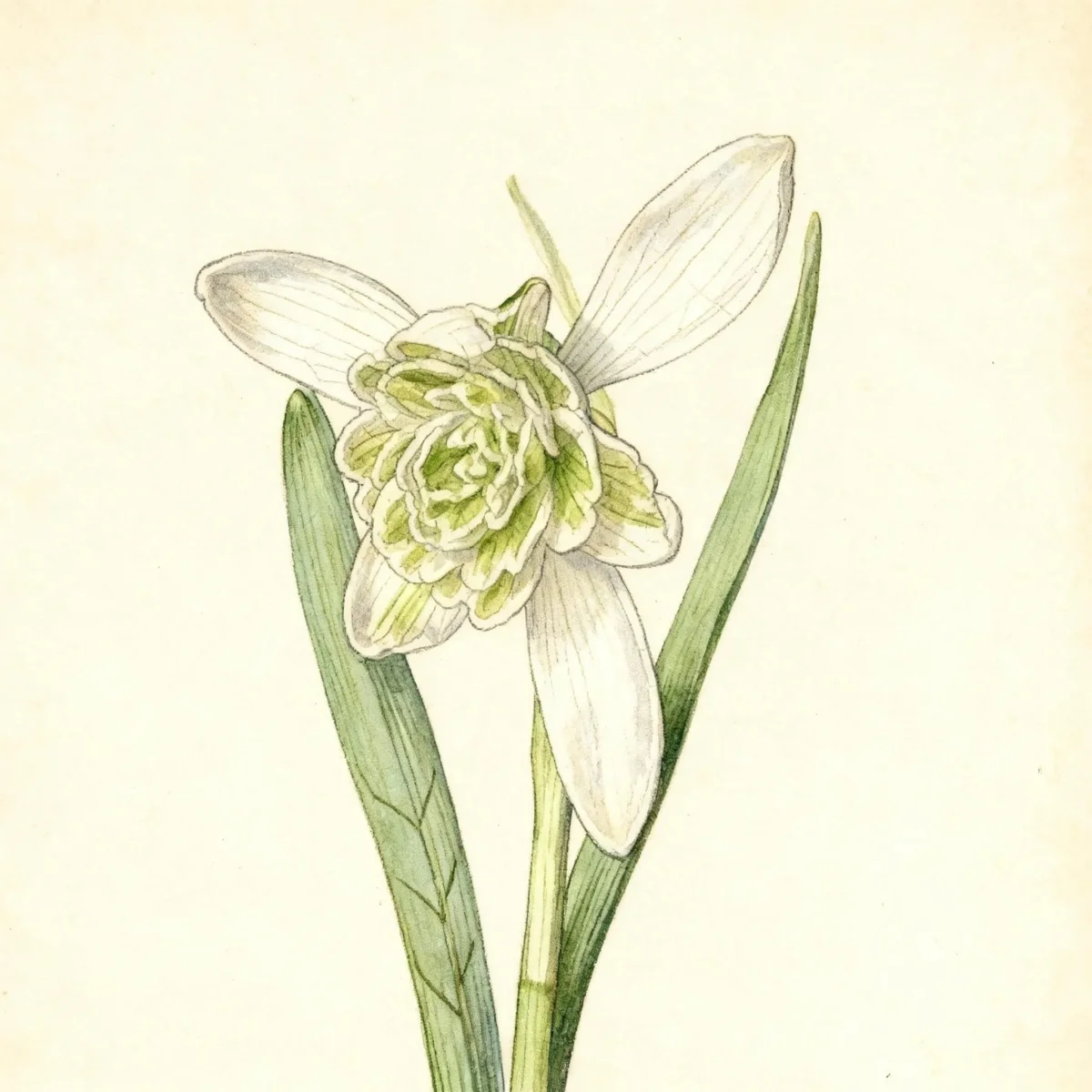
Triandrus daffodil (Narcissus 'Petrel')
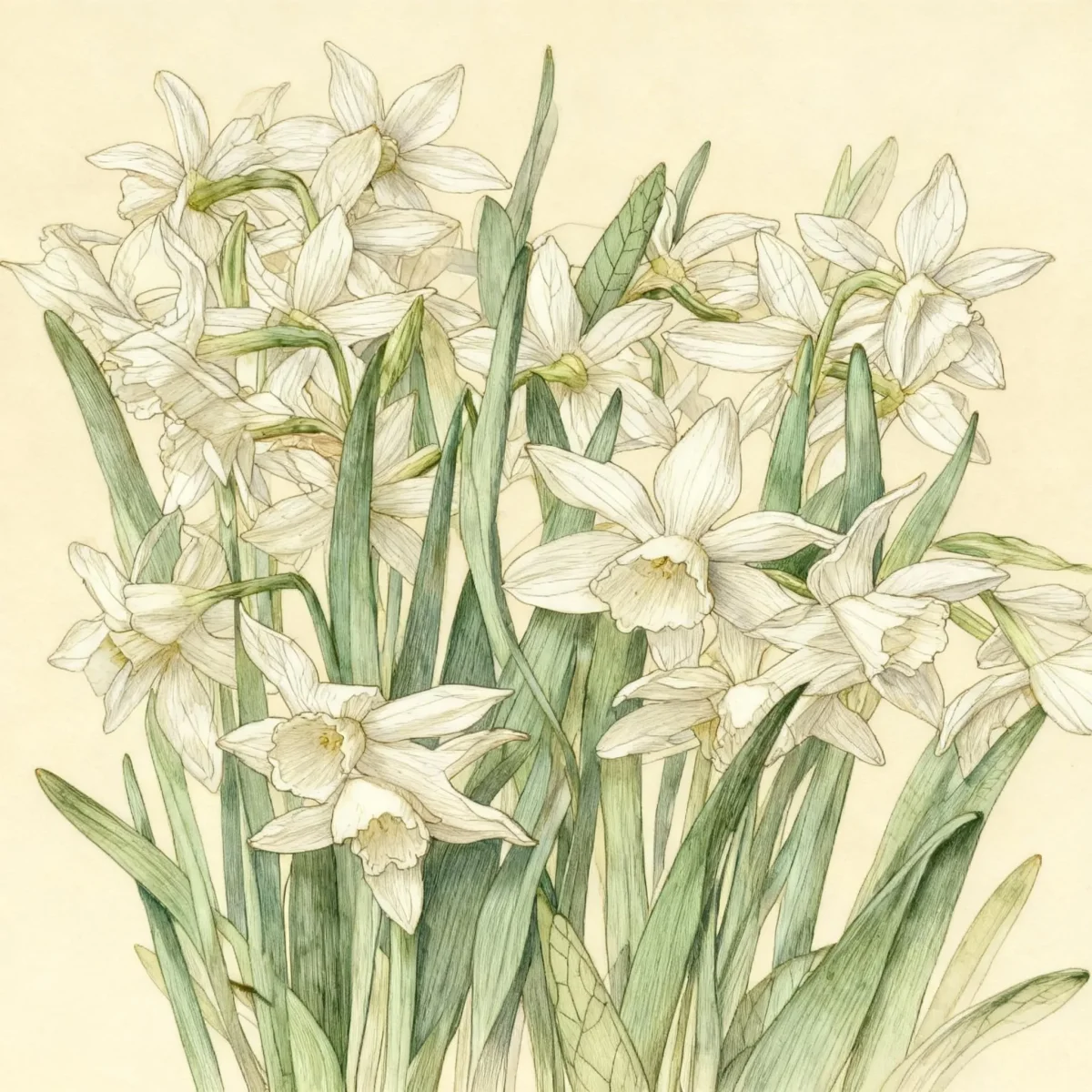
Narcissus 'Petrel' is a fragrant, pure white Triandrus daffodil perfect for late spring color in zones 4-8.
Scroll down to discover growing tips, care requirements, companion plants, and more
Complete Plant Information
Overview
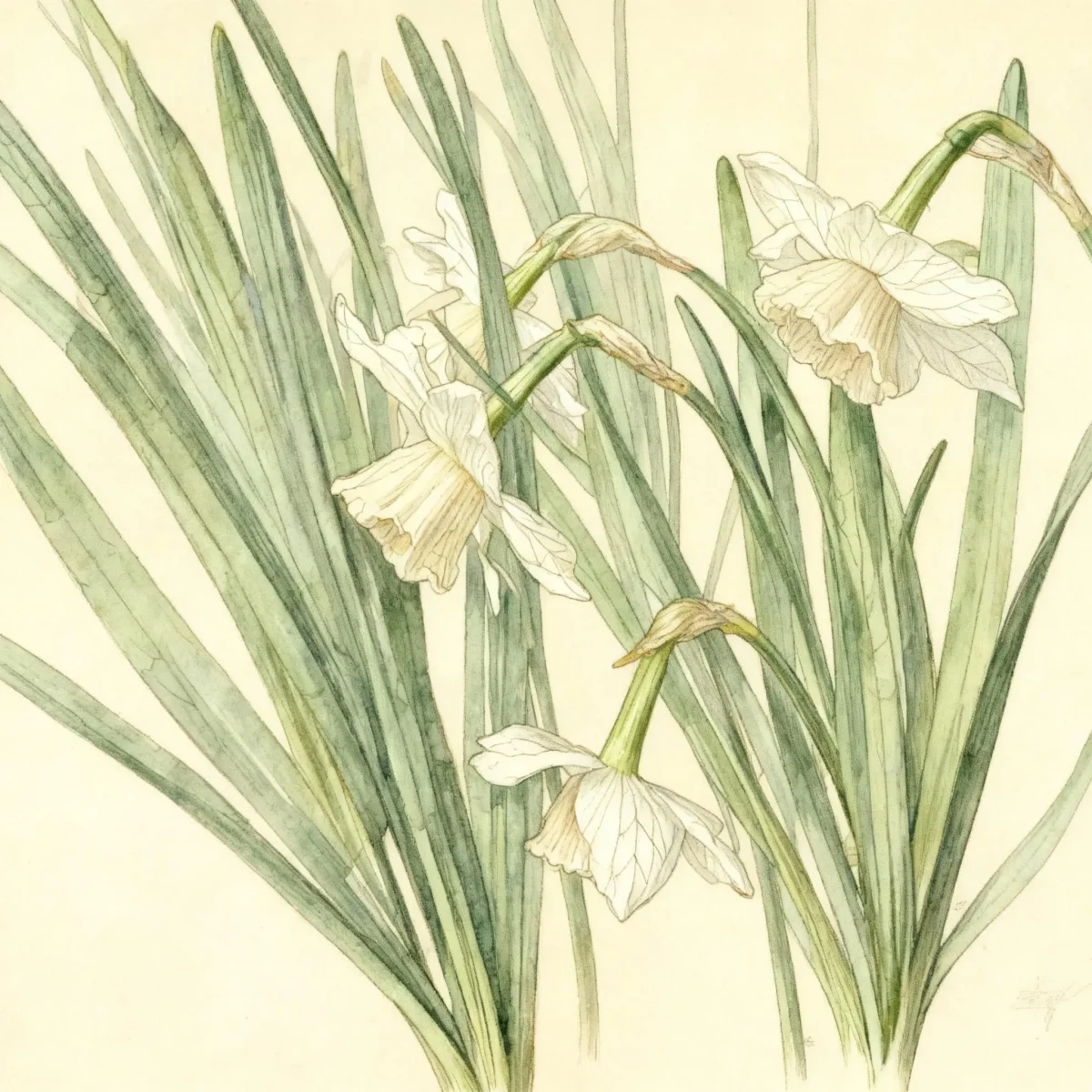
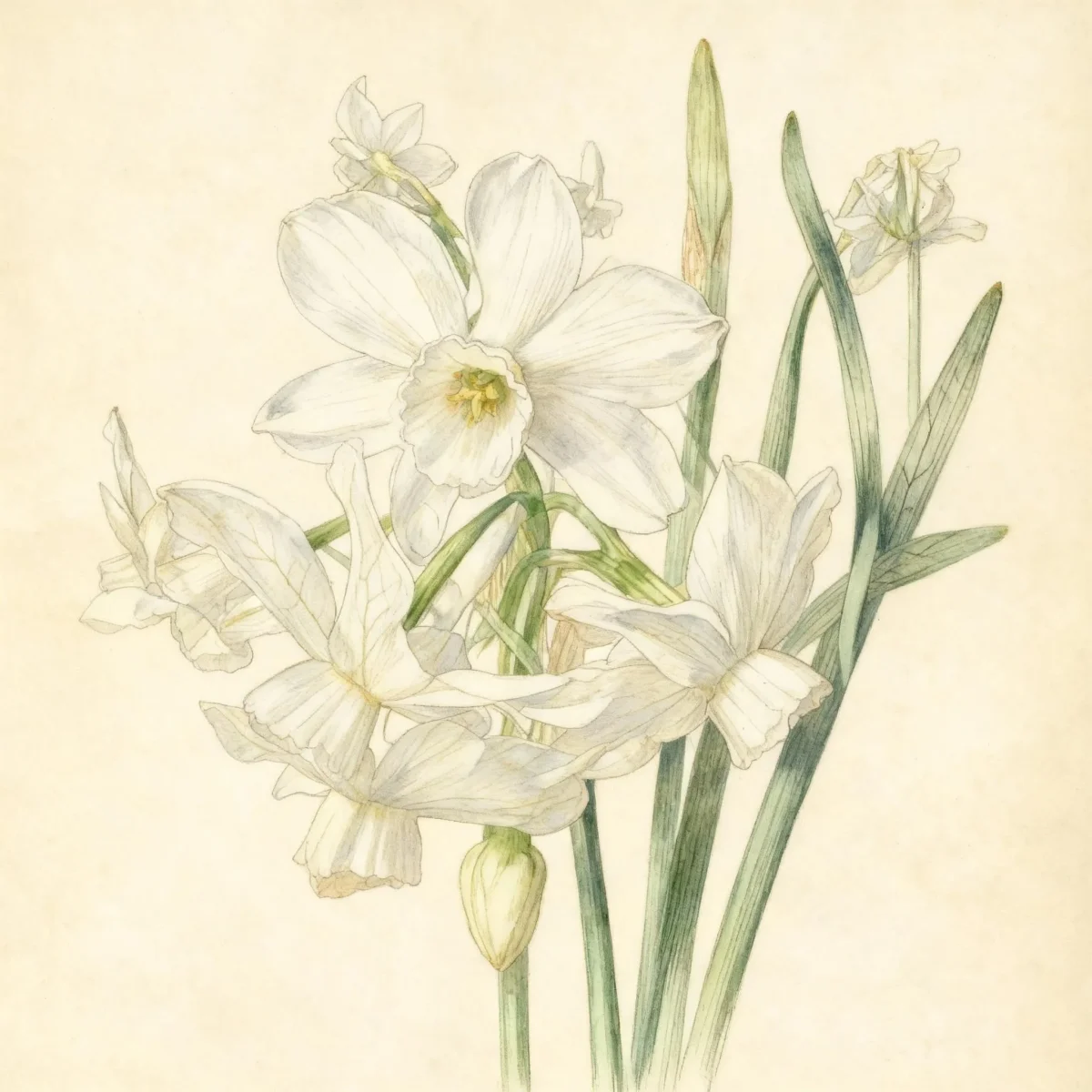
The Narcissus ‘Petrel’ is a division V Triandrus daffodil, prized for its delicate yet impactful spring display. This variety offers multiple, nodding, bell-like flowers per stem, setting it apart from the trumpet types. Gardeners value the Narcissus ‘Petrel’ for its reliability, ease of care, and the incredibly fragrant, pure white blooms that emerge reliably in mid- to late spring.
As an easy-to-grow bulb, ‘Petrel’ thrives in average soil conditions, provided there is excellent drainage. It fits beautifully into a variety of garden settings, contributing elegance and clean color before the summer heat sets in. These low-maintenance perennials multiply readily, naturalizing well to create sweeping drifts of color over time.
This fragrant Triandrus daffodil is generally vigorous and escapes common pest issues, making it a foundational element for any spring bulb display. Planting large groups ensures a significant visual impact as the small, pure white flowers unfold, offering a bright spot in the garden border or under deciduous trees.
Fast Facts
- Plant Family: Amaryllidaceae
- Plant Type: Bulb
- Hardiness Zones: USDA Zones 4-8
- Size at Maturity:
- Height: 0.5-1 ft
- Spread: 0.25-0.5 ft
- Bloom Time: April
- Bloom Description: White
- Sun Exposure: Full sun to part shade
- Water Needs: Medium
- Maintenance Level: Low
How to Grow
Plant bulbs for Narcissus ‘Petrel’ in early to mid-fall before the ground freezes hard. Choose a site that receives full sun to light afternoon shade; ensure the area receives organically rich loams if possible. Excellent soil drainage is non-negotiable, as immersion will lead to bulb rot, the primary issue for this species. Plant each bulb 2 to 3 times as deep as the bulb is tall, typically resulting in a 3-6 inch planting depth, spaced 4 to 8 inches apart.
Keep the soil uniformly moist throughout the spring growing season while the plant is actively green. Once flowering concludes, resist the urge to tidy up; keep the foliage intact until it yellows naturally, usually several weeks after blooming. This allows the leaves to recharge the bulb for next year’s performance. While they tolerate drought once dormant, consistent water is best during active growth.
Narcissus ‘Petrel’ benefits from being established in groups of at least six bulbs for the best effect, allowing them to naturalize without frequent disturbance. If blooms diminish after several years, divide the clumps shortly after the foliage dies back completely. Remember that the nodding flowers look best when planted where you can view the shade areas behind them, allowing the flowers to face the available light.
Landscape Uses
Daffodils, unlike many early spring bloomers, offer reliable perennial performance, thriving year after year when sited correctly. Narcissus ‘Petrel’ is perfectly suited for mass plantings in naturalistic settings, such as open woodlands or naturalized areas under deciduous trees where they receive spring sun before leaf-out. They truly shine when planted in sweeping drifts rather than isolated specimens.
For formal settings, these small Triandrus daffodils work wonderfully planted along the front edge of borders or nestled near shrubs, where their early white blooms provide contrast against darker evergreens. They mix exceptionally well with other spring-flowering bulbs like late tulips or scilla, creating layered interest. For a classic look, mass plant the Narcissus ‘Petrel’ in front of taller yellow or orange daffodils.
Because they are attractive to neither deer nor rabbit, you can rely on this bulb to provide consistent color without worry about browsing pests. Their relatively small stature also makes Narcissus ‘Petrel’ an excellent choice for containers, provided the drainage requirements are strictly met.
Standout Features
Flower Qualities
- Showy
- Fragrant
- Good Cut
Noteworthy Characteristics
Narcissus is a genus celebrated for dominating the early spring garden, and ‘Petrel’ is a stellar example from Division V, the Triandrus hybrids. This diminutive daffodil typically reaches 8 to 12 inches tall, producing 3 to 5 exceptionally fragrant, nodding flower heads admired for their pure white color. Narcissus ‘Petrel’ bulbs are simple to establish, multiply rapidly, and can be allowed to naturalize undisturbed for many seasons.
Tolerances
- Rabbit
- Deer
- Drought
Potential Problems
The good news for Narcissus ‘Petrel’ growers is that this plant has virtually no serious insect or disease issues when grown in appropriate conditions. The most common problem arises from poor drainage, which encourages bulb rot, making sharp soil conditions crucial for success. Occasionally, pests like slugs or snails may bother young foliage, and narcissus bulb fly can attack bulbs if left exposed. For management, ensure planting depth is correct and soil drains freely, minimizing environmental stress that invites pests or disease.
Frequently Asked Questions
What hardiness zones is Triandrus daffodil suitable for?
Narcissus ‘Petrel’ is hardy and reliably grows in USDA Zones 4 through 8.
How large does Narcissus ‘Petrel’ grow?
This variety generally reaches a mature height between 0.5 and 1 foot tall, with a spread of 0.25 to 0.5 feet.
When does Triandrus daffodil bloom?
The Narcissus ‘Petrel’ typically blooms in April, displaying noticeable white flowers.
What sun exposure does Narcissus ‘Petrel’ need?
This Triandrus daffodil performs best in locations receiving full sun, although it tolerates partial or part shade environments well.
Conclusion
The Narcissus ‘Petrel’ offers gardeners a low-maintenance, highly fragrant white flower that reliably returns year after year. Its characteristics, combined with its deer and rabbit resistance, make this Triandrus daffodil a cornerstone for early spring beds and naturalized areas. Plan your purchase soon and install your bulbs in early fall, ensuring well-draining soil to maximize the beauty of this classic narcissus.
Companion Planting
To complement the mid-to-late spring bloom window of Narcissus ‘Petrel’, consider pairing it with plants that emerge slightly earlier or later, ensuring continuous garden interest. Early bloomers like Crocus or Scilla provide good early color contrast near the base of the white flowers. For later interest, plant low-growing perennial groundcovers that enjoy similar sun exposure, such as creeping Phlox or certain varieties of Pulmonaria, which can help conceal the fading daffodil foliage.
Since Narcissus ‘Petrel’ requires medium moisture during growth but tolerates drought when dormant, select companions that are not overly thirsty in the summer, such as many ornamental grasses or hardy Sedums that establish later in the season. Avoid planting extremely thirsty annuals immediately next to the bulbs, as overwatering during dormancy can promote rot.
Seasonal Care Calendar
For successful, long-lived clumps of Narcissus ‘Petrel’, adhere to a simple yearly calendar. While fall is planting time, spring attention is crucial: water regularly when soils are dry during the actively growing phase in March and April. Immediately after bloom, deadhead the fading flower stalks to prevent seed production, but ensure all foliage is left completely intact until it yellows, which can take 6 to 8 weeks. In late summer, when the foliage has fully senesced, any garden debris around the base can be lightly cleared before leaf litter naturally settles for winter insulation.
As a low-maintenance bulb, specialized feeding is generally unnecessary if the soil was amended with organic matter during planting. If you notice significant decline in bloom quality after 5-7 years, plan to gently divide the clusters in late summer, right after the foliage has browned off, before digging new planting holes for autumn.