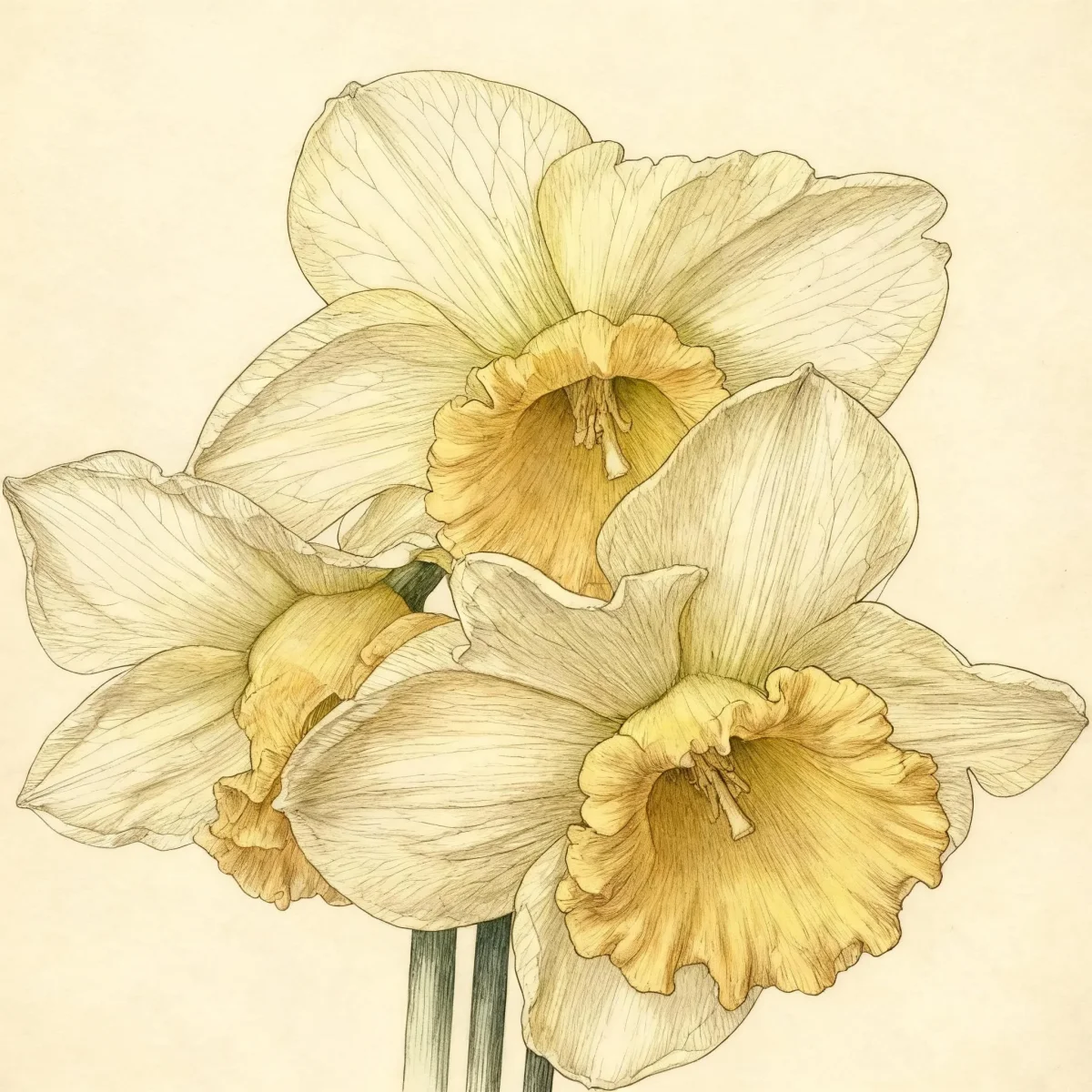
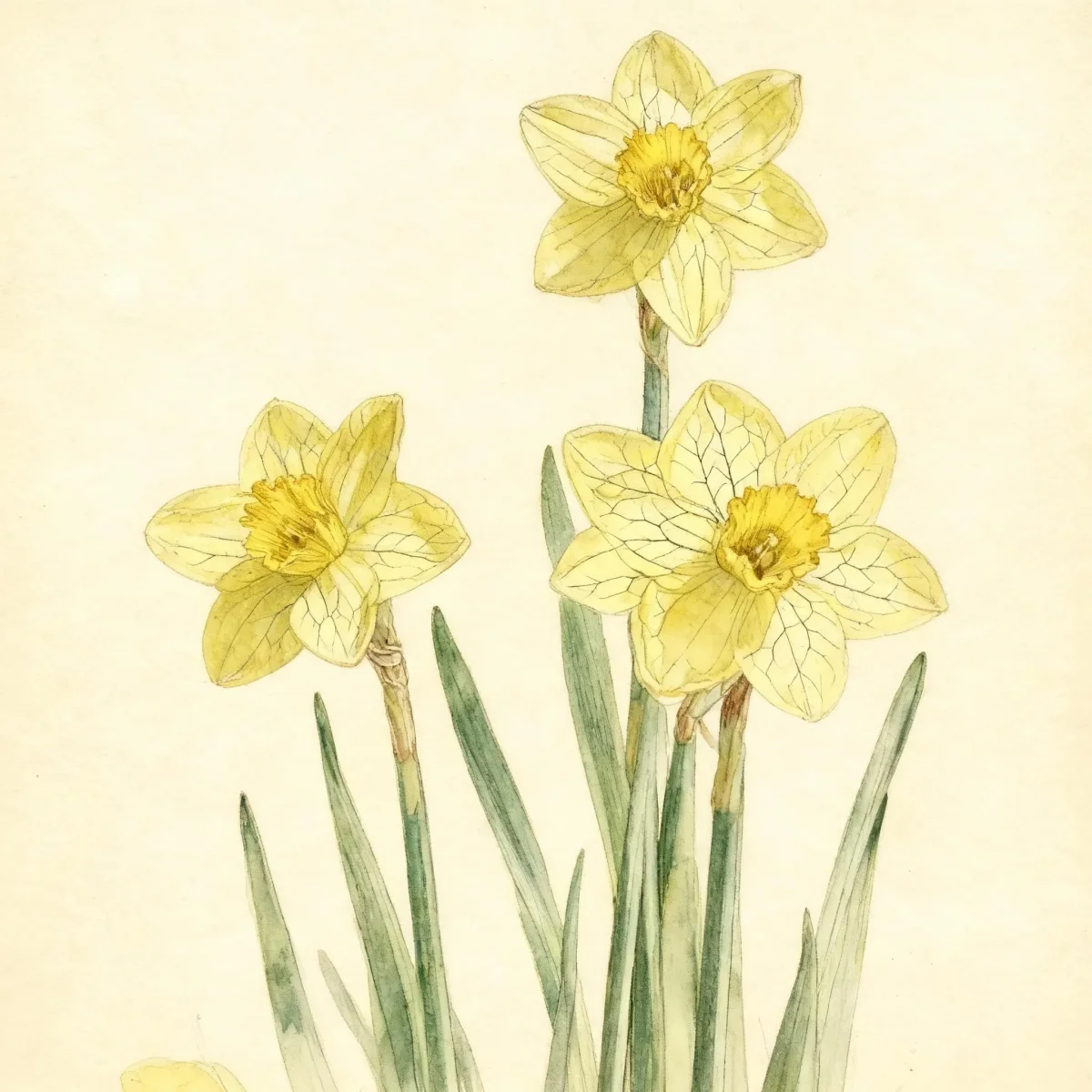
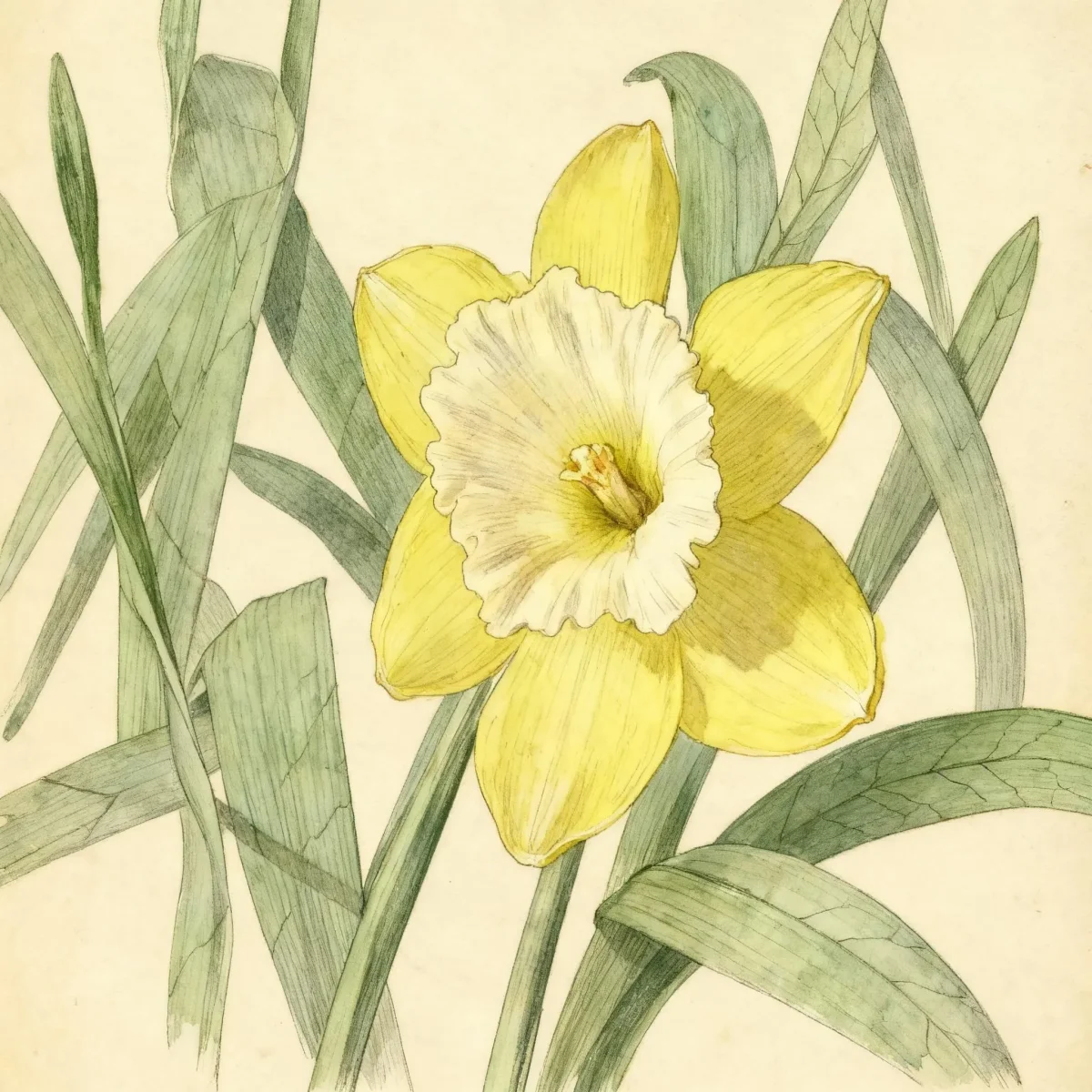
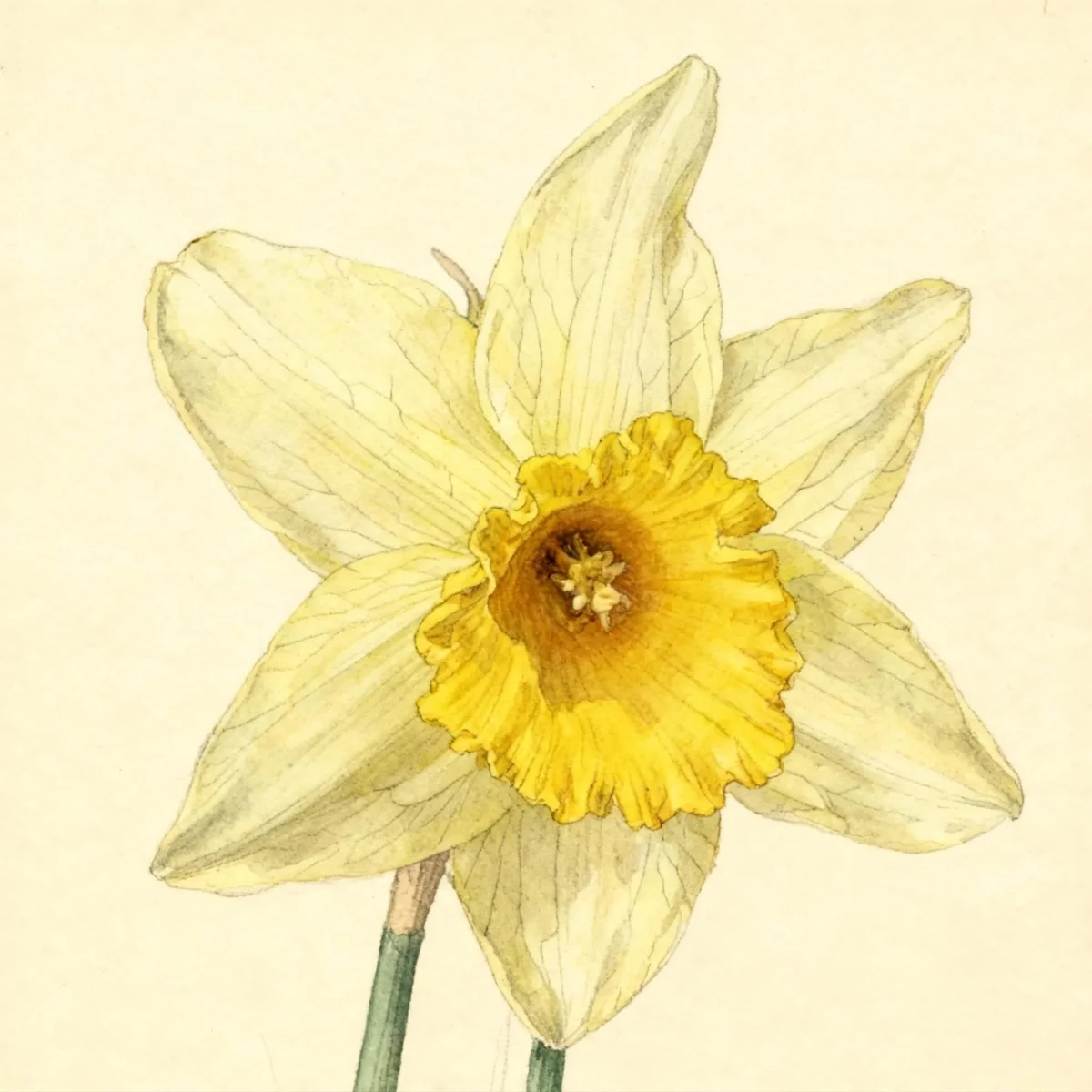
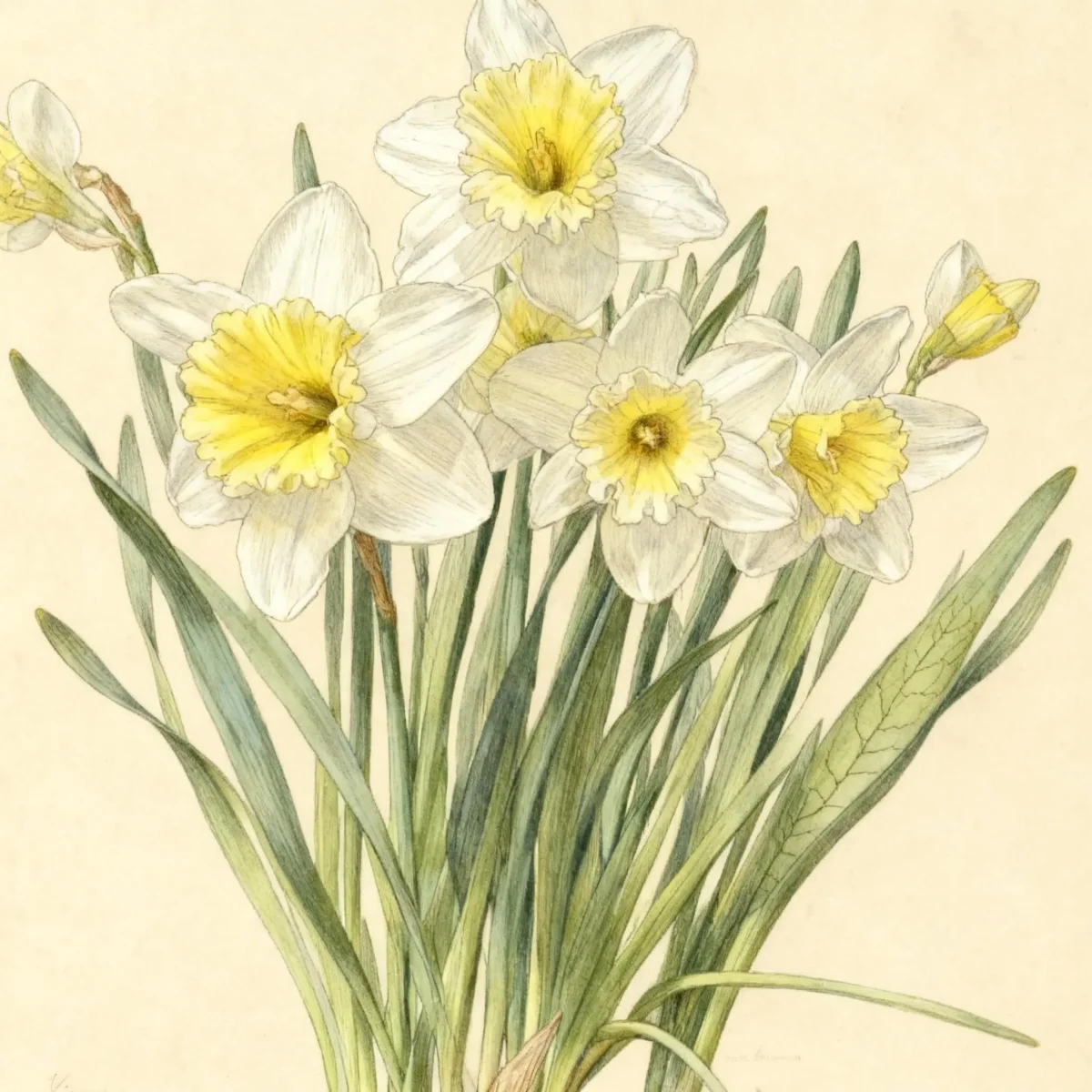
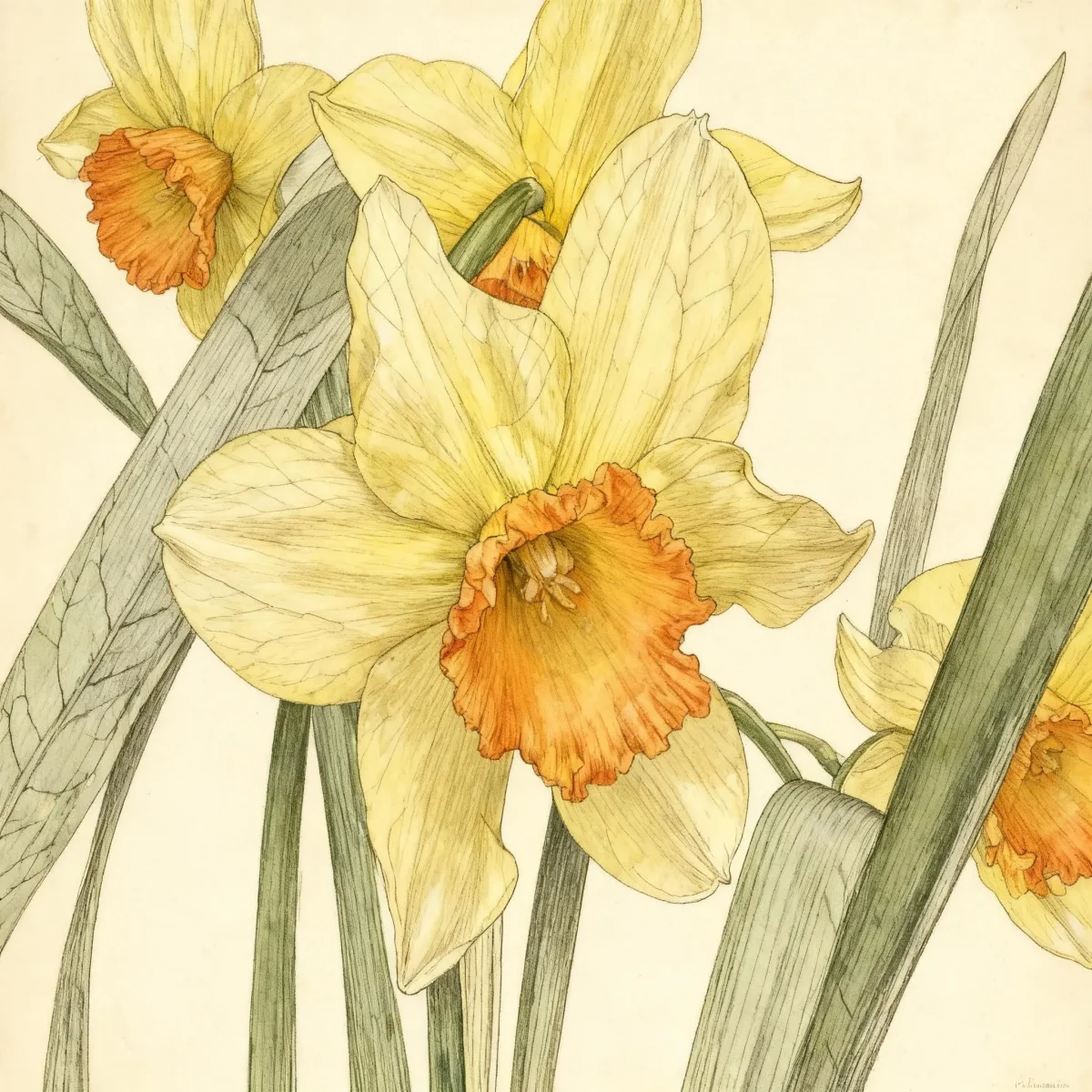
Large-cupped daffodil (Narcissus 'Professor Einstein')
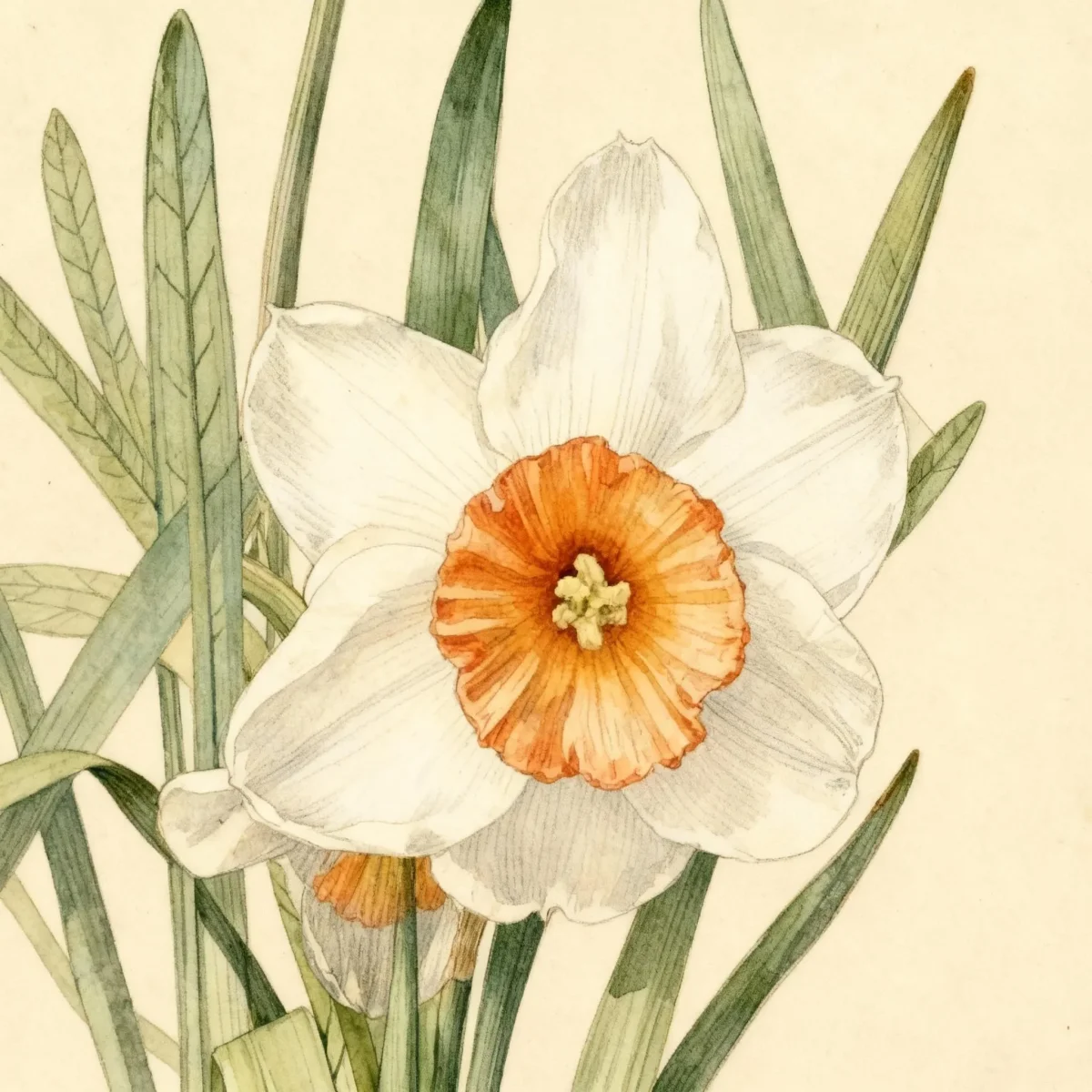
Narcissus 'Professor Einstein' is a striking Large-cupped daffodil known for white petals and a contrasting reddish-orange cup.
Scroll down to discover growing tips, care requirements, companion plants, and more
Complete Plant Information
Overview
The Narcissus ‘Professor Einstein’ is a highly valued addition to the spring garden, presenting a dramatic two-tone effect popular among bulb enthusiasts. As a member of the Large-cupped daffodil group (Division II), it features a corona that is significantly sized relative to its pure white perianth segments. This variety offers dependable, mid-season color, emerging reliably in April to brighten awakening landscapes.
This robust bulb thrives with minimal intervention, provided it receives adequate drainage which is crucial for long-term health. Gardeners appreciate the fragrant, showy blooms of Narcissus ‘Professor Einstein’ for their ability to create stunning mass plantings or singular focal points. These perennials are exceptionally long-lived, promising consistent performance year after year.
For gardeners seeking classic spring statements, the Large-cupped daffodil classification, exemplified by ‘Professor Einstein’, offers reliable stature and exceptional visual contrast. Ensure planting occurs in early to mid-fall to establish the root system before winter dormancy sets in.
Fast Facts
- Plant Family: Amaryllidaceae
- Plant Type: Bulb
- Hardiness Zones: USDA Zones 3-8
- Size at Maturity:
- Height: 1-1.5 ft
- Spread: 0.75-1 ft
- Bloom Time: April
- Bloom Description: White with reddish-orange cup
- Sun Exposure: Full sun to part shade
- Water Needs: Medium
- Maintenance Level: Low
How to Grow
Plant Narcissus ‘Professor Einstein’ bulbs in the early to mid-fall. Optimal establishment requires an average, well-drained soil; excellent drainage is non-negotiable to prevent bulb rot. These large-cupped daffodils prefer organically rich loams and should be positioned where they receive full sun or light afternoon shade. Planting depth is key: position each bulb 2 to 3 times as deep as the bulb is tall, ensuring at least 3 inches of soil cover. Space bulbs between 4 and 10 inches apart, depending on the desired initial density.
During the active growing season in spring, maintain medium moisture; soils should be kept uniformly moist. While dormant in summer, the plant is drought tolerant. Once flowers fade, resist the urge to cut back the foliage; removal of the stem top is fine to prevent seed setting, but the leaves must remain intact until they naturally yellow, as this process replenishes the bulb for next year’s display.
Narcissus ‘Professor Einstein’ bulbs benefit from being left undisturbed for many seasons. If flowering quantity noticeably decreases, perform division shortly after the foliage fully dies back. If you desire flowers to face the sun, orient the planting site so that any shade remains behind the drifting bulbs.
Landscape Uses
Daffodils like the Large-cupped daffodil classification provide perennial interest that tulips often lack, as they return reliably each spring. Narcissus ‘Professor Einstein’ is ideally suited for mass plantings—think sweeping drifts rather than small groupings—to maximize their springtime impact. They blend beautifully in traditional garden beds and borders, providing excellent foreground structure in front of larger shrubs or beneath deciduous trees where they receive sun before leaf-out.
Because these bulbs naturalize well, consider incorporating them into wilder garden areas or woodland settings where they can spread gently over time, creating increasingly natural-looking drifts. Their medium height (1 to 1.5 feet) makes them excellent companions for later-blooming perennials that emerge as the daffodil foliage yellows.
Mix quantity plantings of the bright white and reddish-orange Narcissus ‘Professor Einstein’ with other spring treasures such as grape hyacinths (Muscari) or early tulips for layered color effects. Planting in groups of at least six bulbs ensures sufficient visual mass when they first emerge.
Standout Features
Flower Qualities
- Showy
- Fragrant
Noteworthy Characteristics
Narcissus is a genus encompassing about 50 species of bulbous perennials originating from Europe and North Africa, serving as a fundamental component of the typical spring garden sequence. Flowers generally exhibit a classic structure featuring a central cup, or corona, surrounded by six uniform petals (perianth segments), displayed in shades ranging from white and yellow to pink and bicolors. ‘Professor Einstein’ is specifically classified as a large-cupped daffodil (Division II), meaning its cup measures more than one-third but less than the full length of its petals. This cultivar produces flowers with pristine white petals framing a vivid reddish-orange cup, arising on stems that reach 16 to 18 inches high during midseason bloom.
Tolerances
- Rabbit
- Deer
- Drought
Potential Problems
Daffodils offer impressive resistance to serious pests and diseases, remaining remarkably pest-free when planted in suitable, well-drained conditions. The primary cultural issue leading to bulb loss is bulb rot, which occurs in persistently soggy or poorly draining soils. Infrequent pest concerns include slugs and snails, especially against new foliage, and less commonly, the narcissus bulb fly or narcissus nematode. Vigilant monitoring and ensuring proper soil aeration will mitigate most risks.
For long-term success with your Narcissus ‘Professor Einstein’ planting, avoid overwatering during summer dormancy. If the appearance of the foliage suggests viral issues, like the infrequent Narcissus yellow stripe virus, remove the affected plant entirely to prevent potential spread. Deer and rabbits typically avoid grazing on daffodil foliage, offering reliable early spring color where other emerging shoots might disappear.
Frequently Asked Questions
What hardiness zones is Large-cupped daffodil suitable for?
The Narcissus ‘Professor Einstein’ performs reliably across USDA Hardiness Zones 3 through 8.
How large does Large-cupped daffodil grow?
This variety typically reaches a mature height between 1 and 1.5 feet tall, with a spread of 0.75 to 1 foot.
When does Large-cupped daffodil bloom?
Narcissus ‘Professor Einstein’ is a mid-season bloomer, typically flowering in April, producing beautiful white flowers with a showy, reddish-orange cup.
What sun exposure does Large-cupped daffodil need?
This plant establishes best in locations receiving full sun to partial shade conditions.
Conclusion
The Large-cupped daffodil, Narcissus ‘Professor Einstein’, provides essential structure and vibrant color reliably year after year, boasting showy, fragrant blooms that resist common garden pests. Its low maintenance requirements and long lifespan make it a staple for early spring displays. Plan your fall planting carefully, prioritizing excellent soil drainage to ensure this beautiful bulb thrives for seasons to come.
Companion Planting for Spring Displays
To enhance late-season visual interest after the Narcissus ‘Professor Einstein’ foliage begins to fade, consider pairing these bulbs with perennials that emerge later. Siberian Iris (Iris sibirica) or Peonies offer contrasting textures and bloom times, filling the space left by the dying daffodil leaves. Because daffodils are toxic, avoid planting them directly near edible or highly favored ornamental vegetables, though their strong scent often deters browsing pests from the general area.
Grouping bulbs with varying bloom times—early, mid, and late season—ensures continuous flowering. Pair the mid-season Narcissus ‘Professor Einstein’ (April bloom) with early bloomers like snowdrops or late bloomers like certain Alliums to extend the bulb season in your beds and borders.
Design Ideas for Mass Plantings
For the greatest impact, design your beds around large, sweeping drifts rather than regimented rows when placing Narcissus ‘Professor Einstein’. These daffodils look spectacular when naturalized under deciduous trees, providing a carpet of white and orange before the canopy fully leafs out. In formal border settings, mass them in repeating groupings along the front edge, keeping the spacing generous to promote long-term health and minimize the need for frequent division.
Consider utilizing the white and reddish-orange tones in color schemes that complement newly emerging green foliage. Planting them near deep blue or violet flowers, such as early forget-me-nots or low-growing grape hyacinths, makes the bright colors of the Large-cupped daffodil truly pop against the cool tones of early spring.