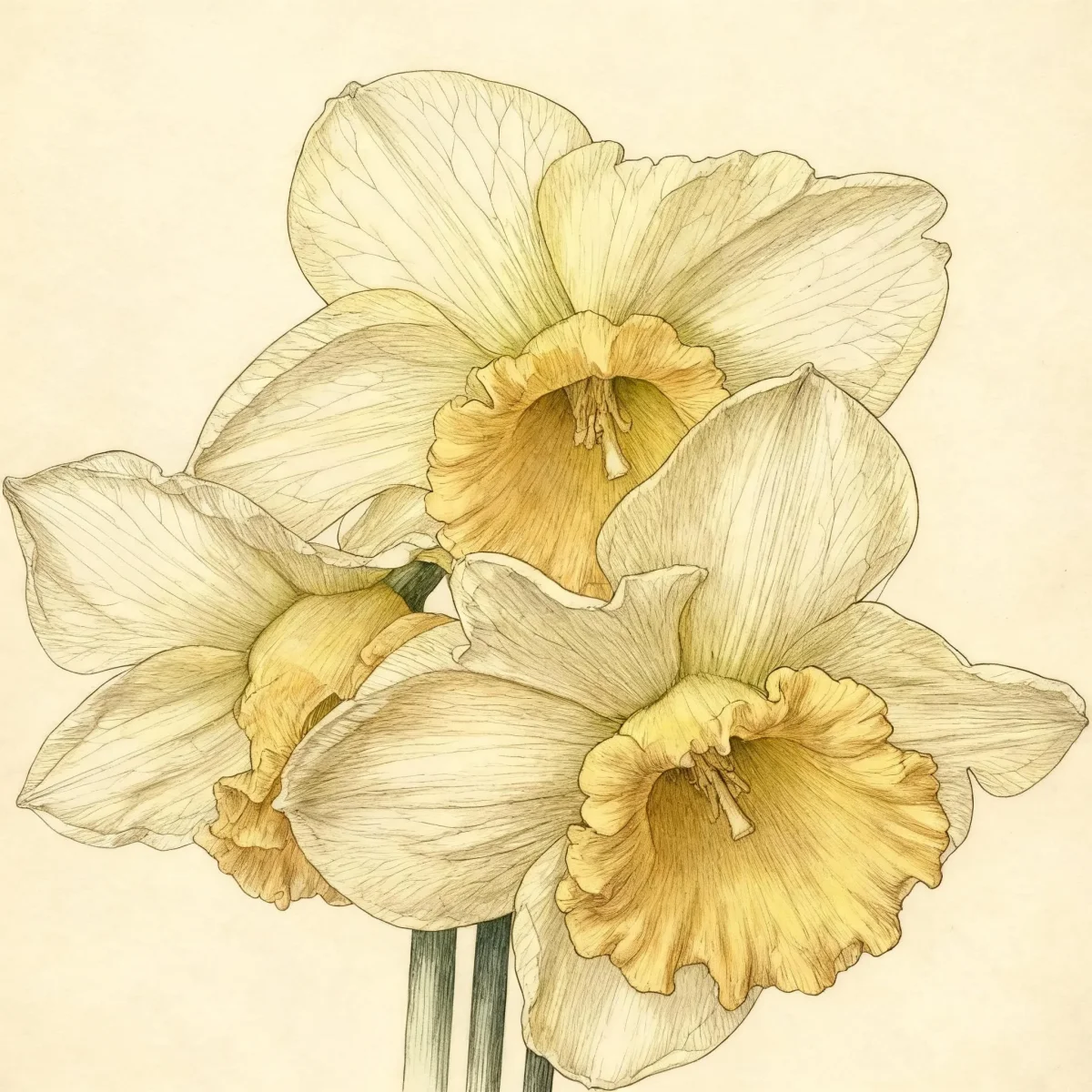
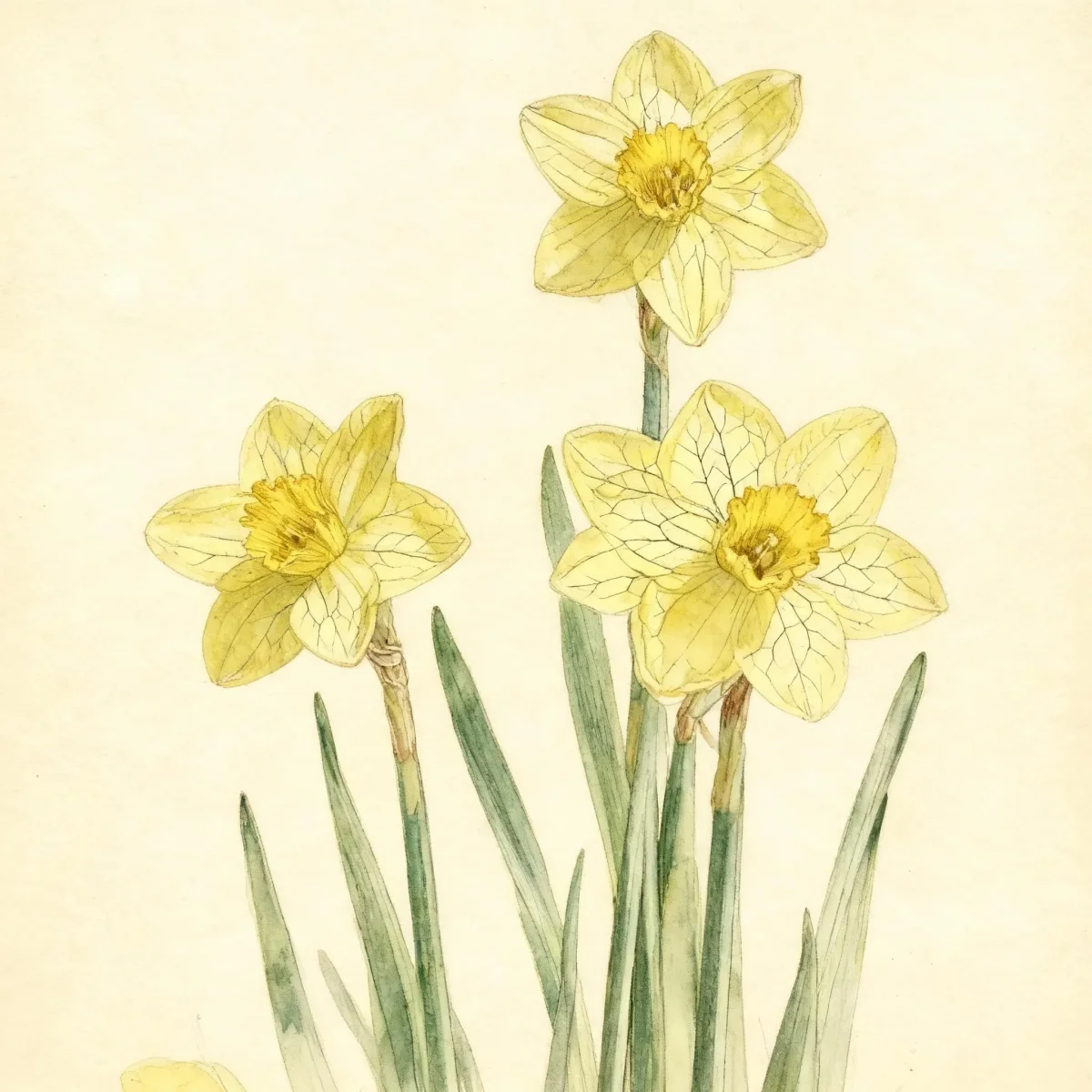
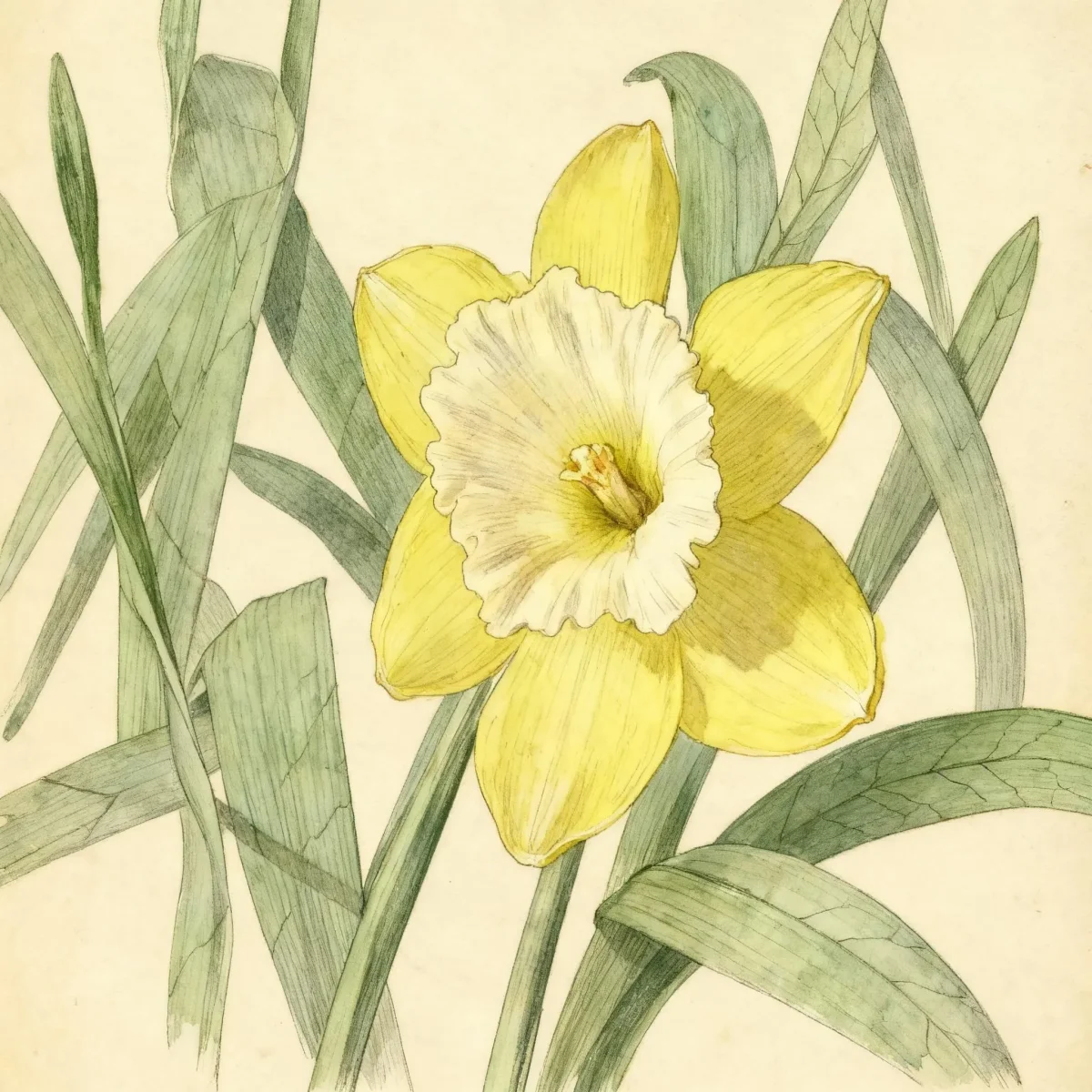
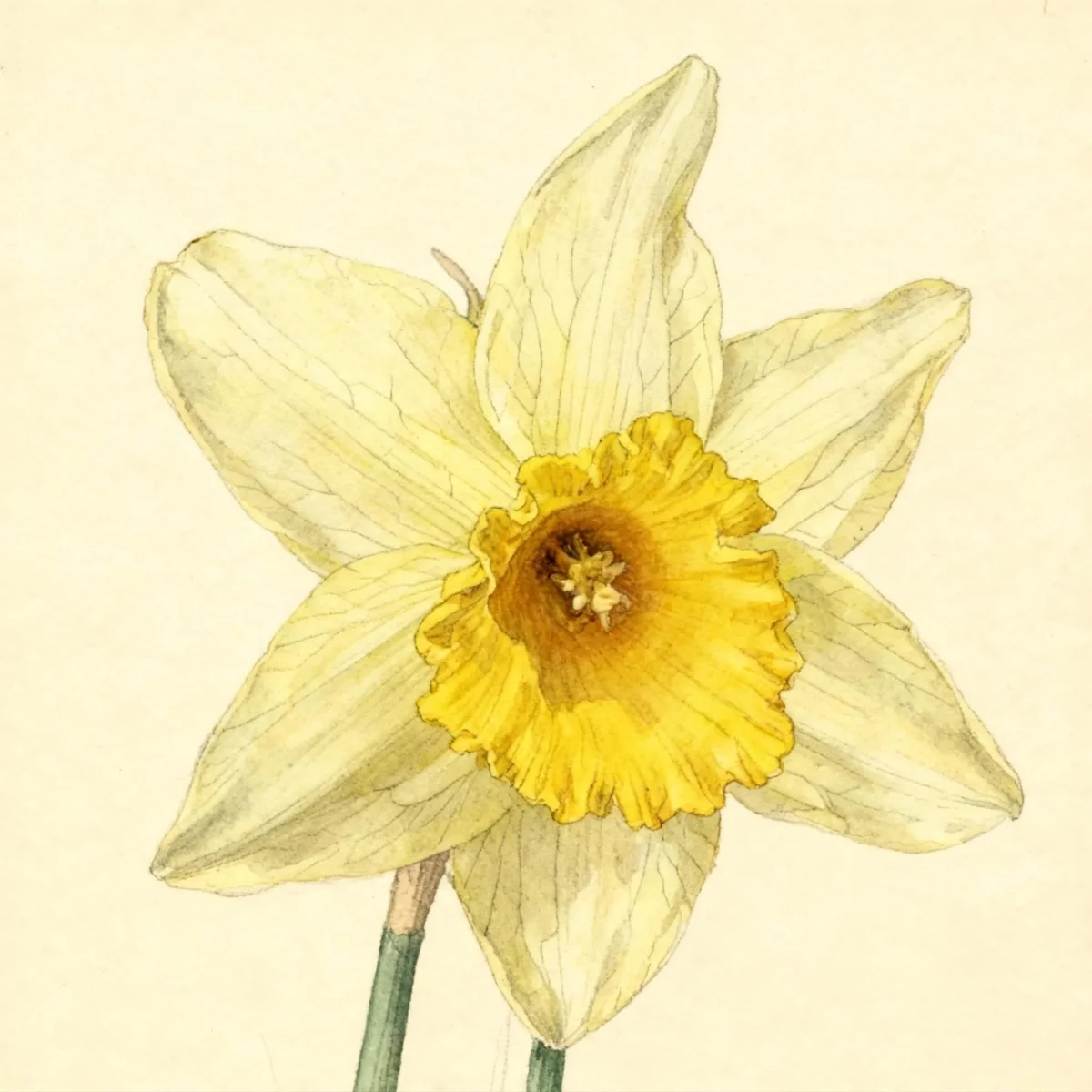
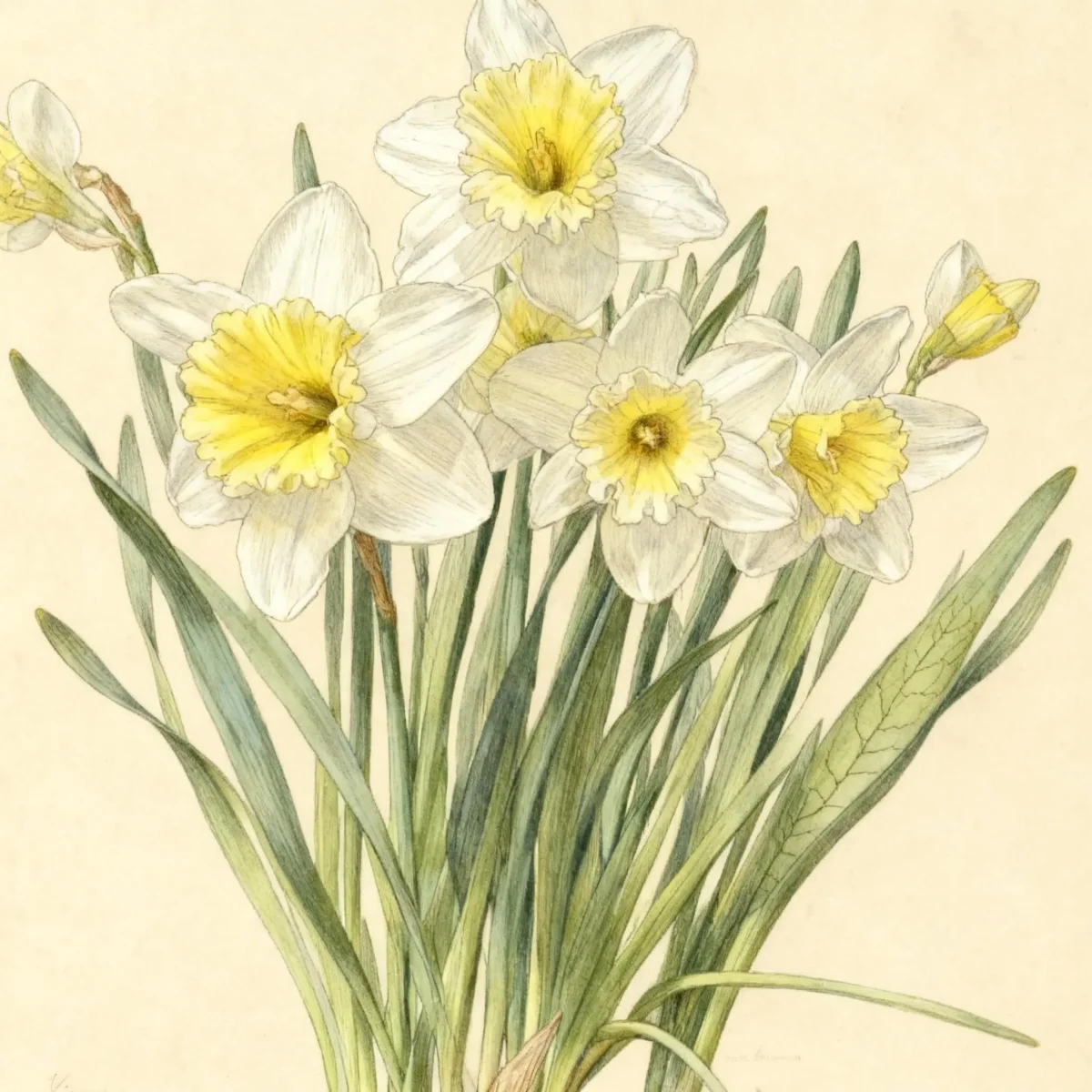
Large-cupped daffodil (Narcissus 'Sportsman')
Narcissus 'Sportsman' is a classic Large-cupped daffodil boasting vibrant yellow petals and deep orange-red cups, low maintenance, and deer resistance.
Scroll down to discover growing tips, care requirements, companion plants, and more
Complete Plant Information
Overview
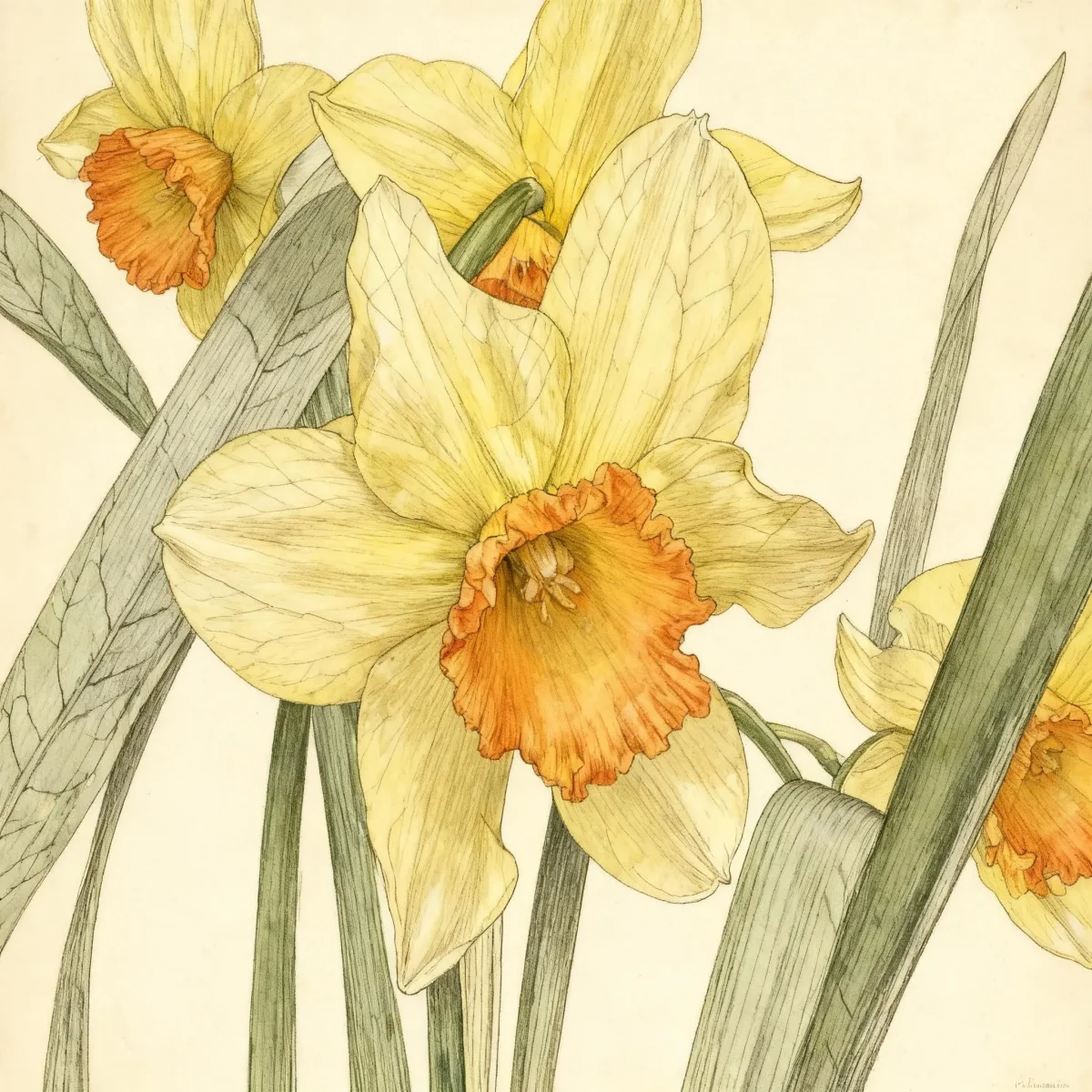
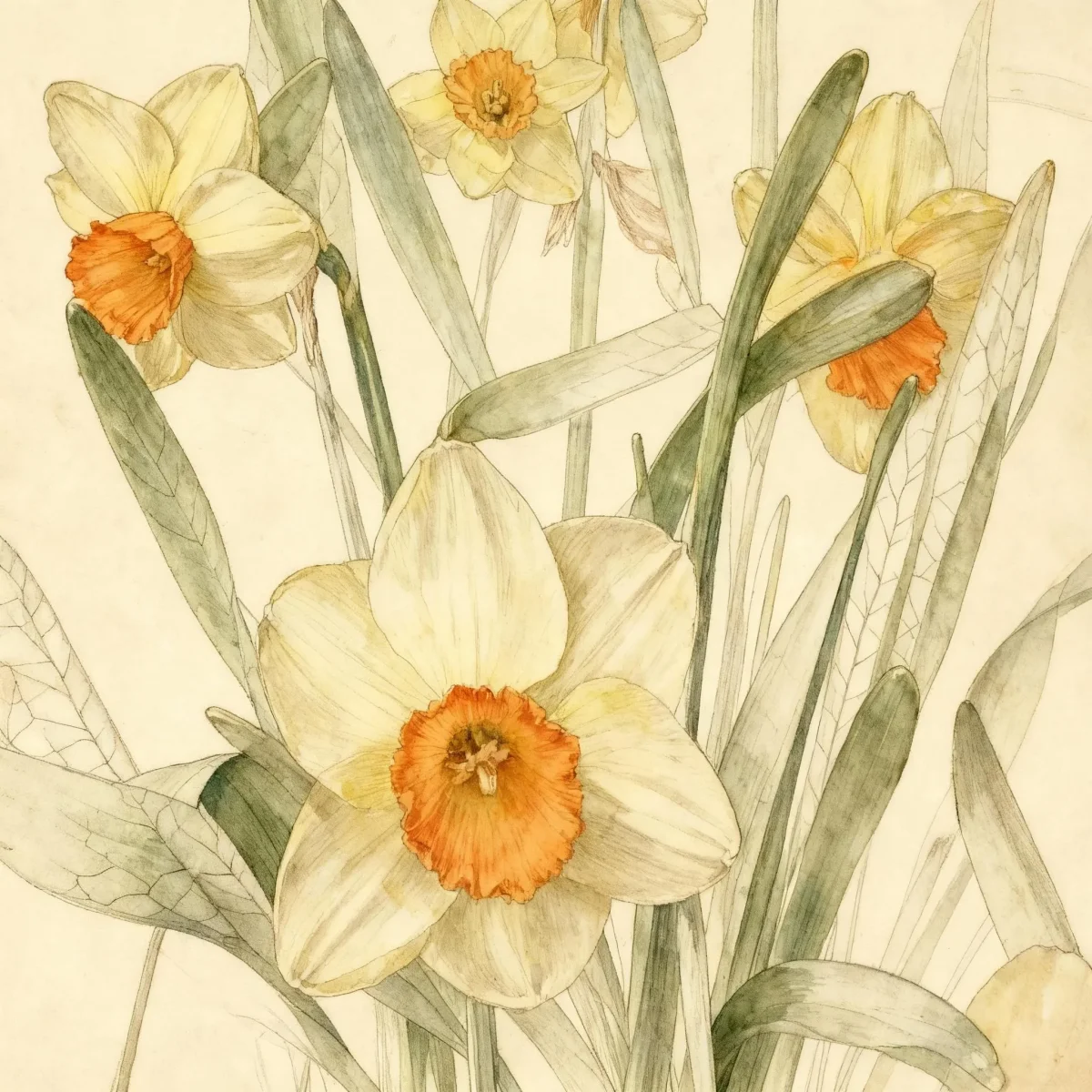
Narcissus ‘Sportsman’ is a spectacular selection within the Large-cupped daffodil category, prized for its striking two-tone coloration that brightens the mid-spring garden. This bulb produces individual stems topped with broad, golden-yellow petals contrasting dramatically with a deep orange-red trumpet, making it a true focal point in any early floral display. As a robust cultivar from Rathowen Daffodils (1979), Narcissus ‘Sportsman’ offers reliable performance and low maintenance requirements for gardeners.
This classic bulb thrives across a wide range of climates, tolerating USDA Zones 3 through 8 with ease. Expect heights between one and one-and-a-half feet, creating a neat, upright presence in beds and borders as the Large-cupped daffodil emerges well before summer greenery fully develops. Its aesthetic appeal is matched by its practical nature; it naturalizes well and is generally avoided by common garden pests like deer and rabbits.
Gardeners seeking reliable spring color should appreciate this Narcissus hybrid. It performs best when planted in the fall, allowing the bulb adequate time to establish its root system before pushing up foliage and eventually the iconic blooms of the Large-cupped daffodil. Its good drought tolerance once dormant adds to its appeal in areas experiencing dry early summers.
Fast Facts
- Plant Family: Amaryllidaceae
- Plant Type: Bulb
- Hardiness Zones: USDA Zones 3-8
- Size at Maturity:
- Height: 1-1.5 ft
- Spread: 0.5-1 ft
- Bloom Time: April
- Bloom Description: Yellow petals and orange-red trumpet
- Sun Exposure: Full sun to part shade
- Water Needs: Medium
- Maintenance Level: Low
How to Grow
Planting Narcissus ‘Sportsman’ bulbs should occur in early to mid-fall to ensure successful spring blooming. Select a location receiving full sun to light afternoon shade, preferably where any taller background plantings will not overshadow the flowers, as the blooms naturally face the sun. The soil must be well-drained; good drainage is essential for bulb health, as soggy conditions lead directly to bulb rot. Plant the bulbs deeply, generally 2 to 3 times the depth of the bulb itself, aiming for 3 to 6 inches of soil over the top, spaced widely between 4 and 10 inches apart.
Care throughout the active growing season requires medium moisture. Keep soils uniformly moist while the foliage is actively growing and flowering. Once the blooms fade in spring, resist the urge to cut the foliage immediately. Allow the leaves of your Large-cupped daffodil to yellow naturally; this process replenishes the energy stored in the bulb for next year’s display. Only trim the spent flower stems if necessary to prevent seed head development.
These bulbs are long-lived and generally do not require division for many years. If clump performance declines, divide them just after the foliage fully dies back. Because Narcissus ‘Sportsman’ is highly resistant to common pests, maintenance focuses primarily on cultural needs rather than pest control. Good soil preparation is the best management strategy for long-term success.
Landscape Uses
Daffodils, including the division II Large-cupped daffodil cultivars like ‘Sportsman’, are invaluable for establishing early structure in the perennial border. Unlike tulips which are often treated as annuals, Narcissus keep blooming reliably year after year once established, making them excellent candidates for naturalizing. Plant them in large drifts, starting with a minimum grouping of six bulbs, allowing them to spread into sweeping masses under deciduous trees or along woodland edges where summer shade protects the foliage as it fades.
Narcissus ‘Sportsman’ mixes beautifully with other early spring bloomers, creating layered color effects. Consider pairing them with early-blooming Scilla, grape hyacinths (Muscari), or creamy white tulips for complementary textures. Their bright spring presence also works perfectly when planted in front of later-blooming shrubs, or massed in large sweeping beds viewed near walkways or patios to maximize impact.
Standout Features
Flower Qualities
- Showy
Noteworthy Characteristics
Narcissus is a genus of about 50 species of bulbous perennials from Europe and North Africa. They are a mainstay of the spring garden. Flowers generally feature a trumpet or cup (the corona) surrounded by six petals (perianth segments). ‘Sportsman’ is classified as a large-cupped daffodil (Division II), defined by a cup length more than 1/3 but less than the length of the petals. Each flower features broad ovate, overlapping, golden yellow petals and a bowl-shaped, ribbed, deep orange-red cup.
Tolerances
- Rabbit
- Deer
- Drought
Potential Problems
Daffodils, including Narcissus ‘Sportsman’, are generally pest-free with proper culture, often being avoided by deer and rabbits. The primary concern is bulb rot, which stems from poor soil drainage; ensure your planting location has well-drained, organically rich loam. Infrequent pests like narcissus bulb fly, slugs, and snails can occasionally appear. Fungal issues, such as Narcissus yellow stripe virus, are infrequent but should be managed by rogueing out infected plants.
Frequently Asked Questions
What hardiness zones is Large-cupped daffodil suitable for?
Narcissus ‘Sportsman’ is suitable for USDA Zones 3 through 8.
How large does Narcissus ‘Sportsman’ grow?
This Large-cupped daffodil typically reaches a height between 1 and 1.5 feet tall, with a spread of 0.5 to 1 foot.
When does Narcissus ‘Sportsman’ bloom?
This variety blooms reliably in April, featuring its distinctive yellow petals and orange-red trumpet.
What sun exposure does Large-cupped daffodil need?
It performs best in conditions ranging from full sun to partial shade in the garden.
Conclusion
Narcissus ‘Sportsman’ remains a treasured staple for early spring color, providing magnificent yellow and orange-red blooms with minimal effort. This reliable Large-cupped daffodil naturalizes beautifully and offers excellent pest resistance, making it a low-risk, high-reward addition to the landscape. Ensure you plant your bulbs in well-draining soil during the fall months to guarantee a stunning display next April.
Companion Planting
Selecting appropriate neighbors enhances the visual appeal and seasonal interest once the Large-cupped daffodil foliage begins to decline. Plant Narcissus ‘Sportsman’ near perennials that emerge later, such as Siberian Iris or Peonies. These later bloomers will mask the yellowing daffodil foliage, providing necessary aesthetic cover as the bulbs go dormant. Early-season annuals like pansies or violas planted atop the daffodil bulbs add instant color while the bulbs are establishing roots.
Design Ideas for Drifts
Since Narcissus ‘Sportsman’ naturalizes well, use it to create sweeping, informal drifts rather than stiff, formal rows. Plant groups densely towards the front of shrub borders where their height (1 to 1.5 feet) complements taller woody plants. In woodland or naturalized settings, scatter the individual bulbs using a broad casting method to mimic a natural wildflower meadow effect, focusing on areas that receive sun in early spring but appreciate afternoon shade later in the season.