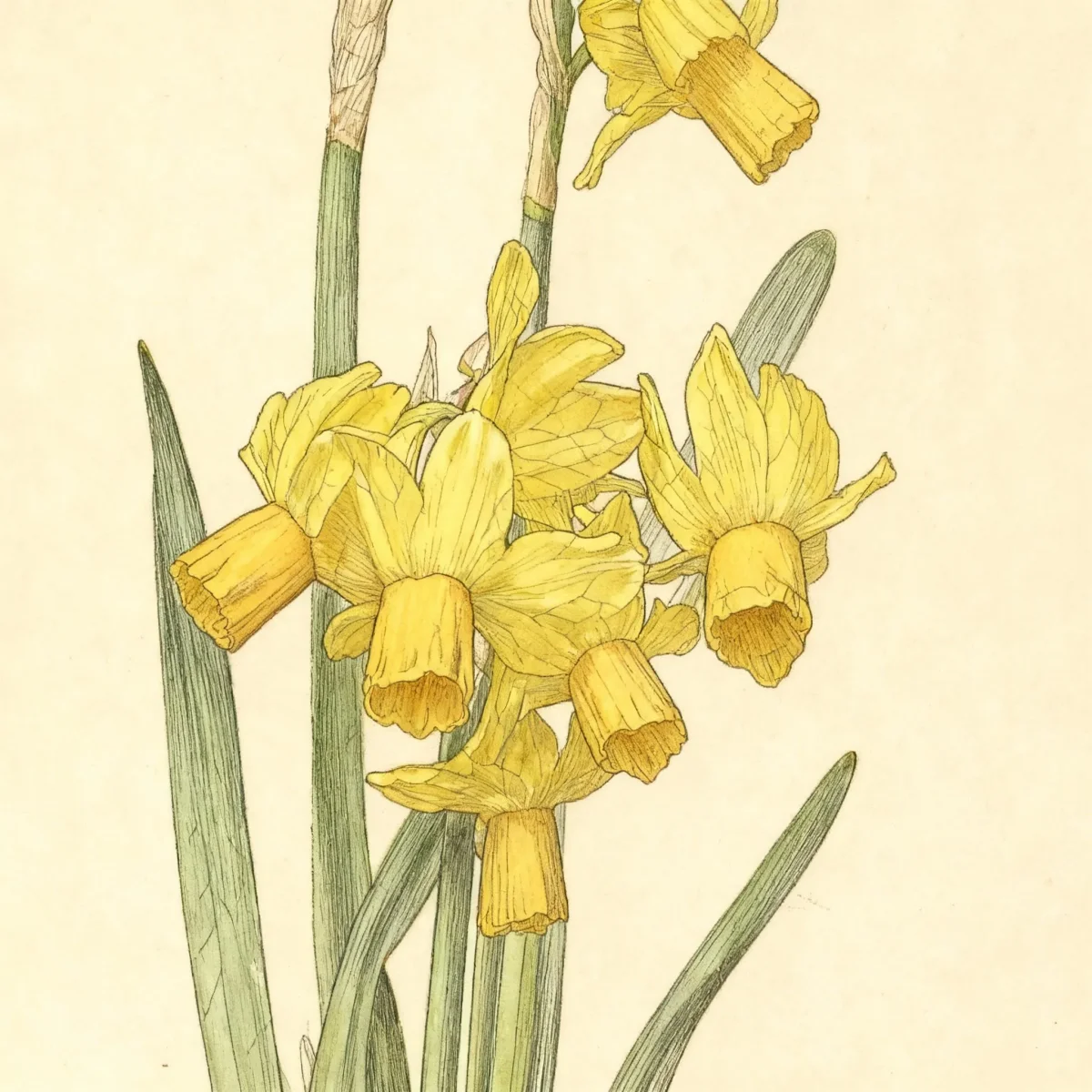
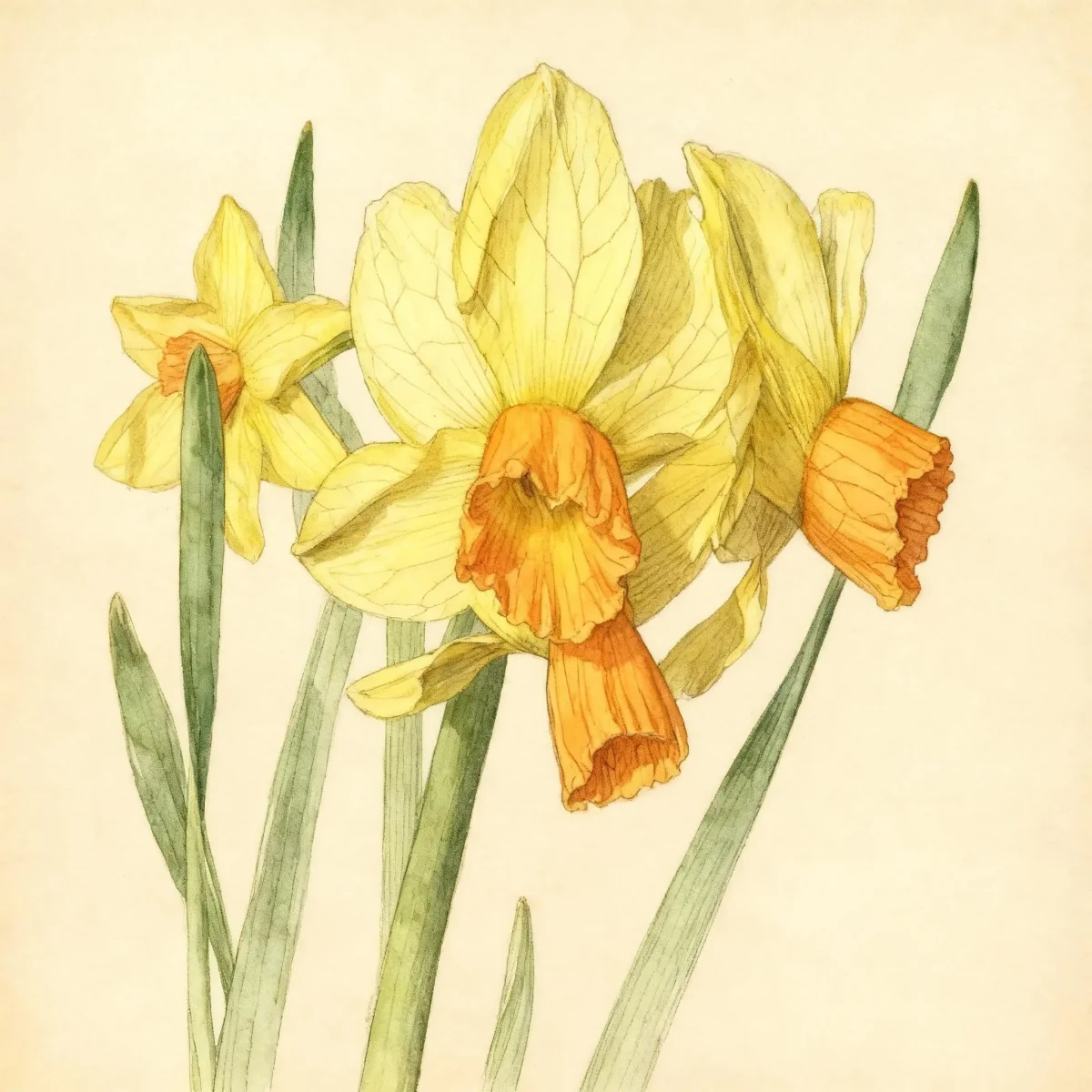
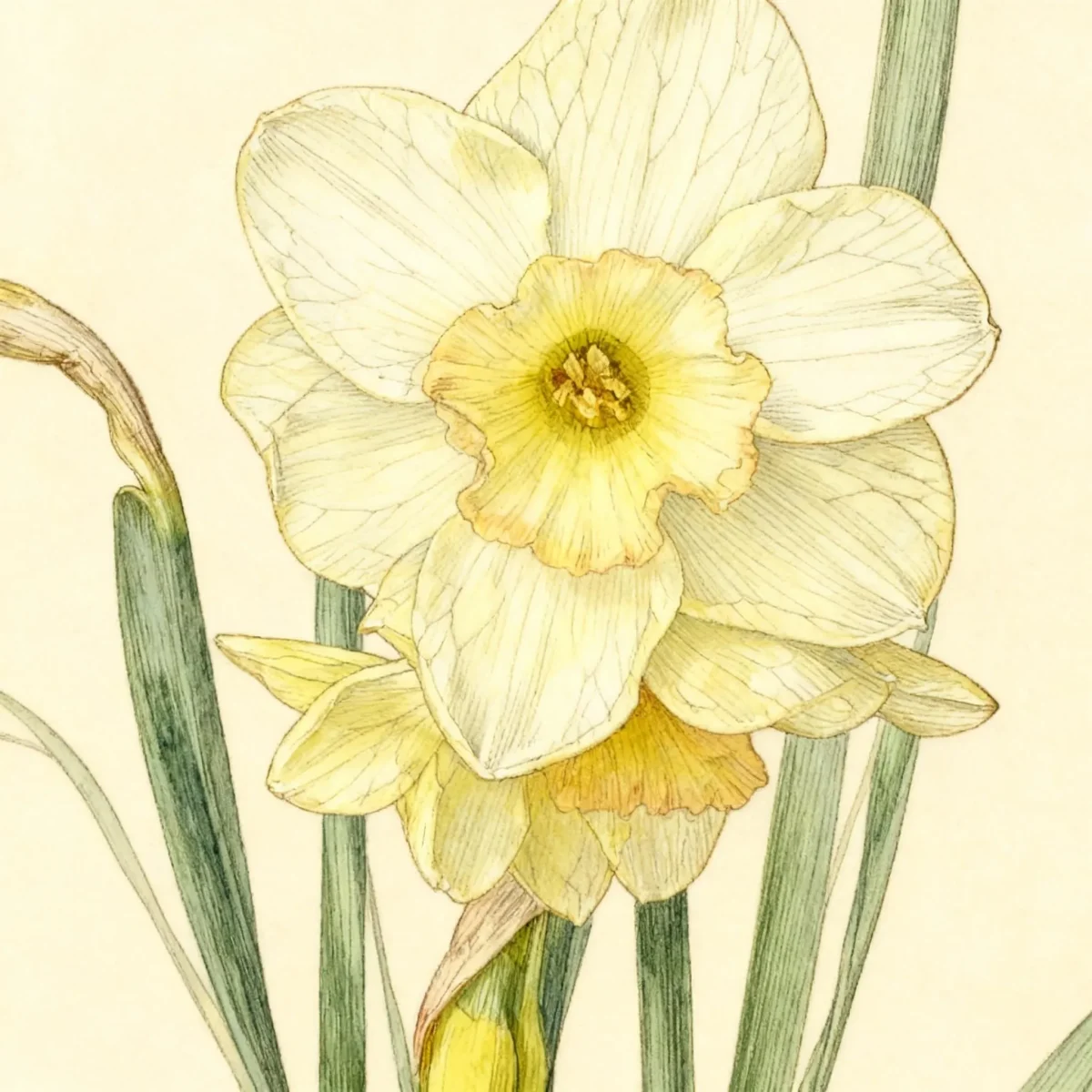
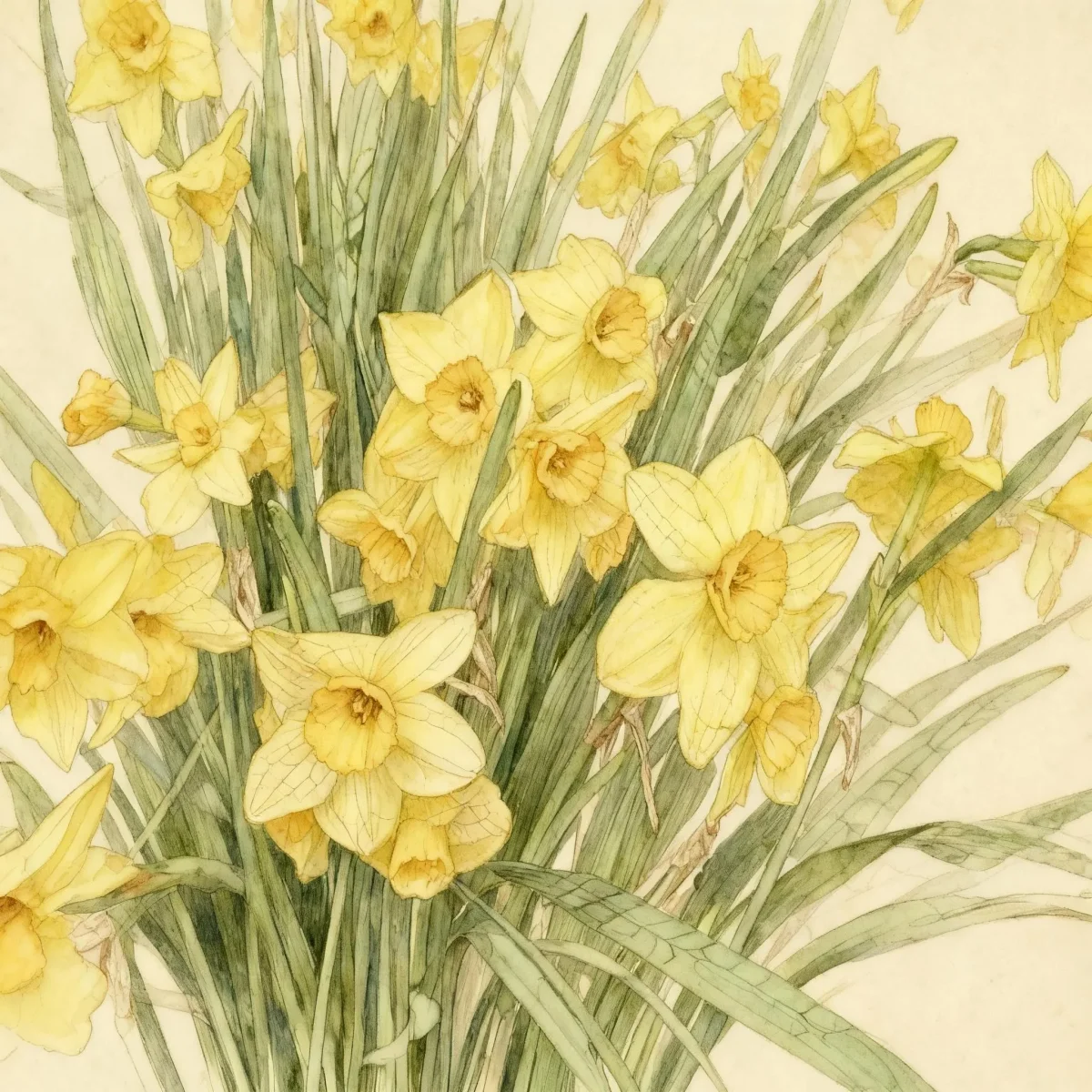
Miscellaneous daffodil (Narcissus 'Tete-a-Tete')
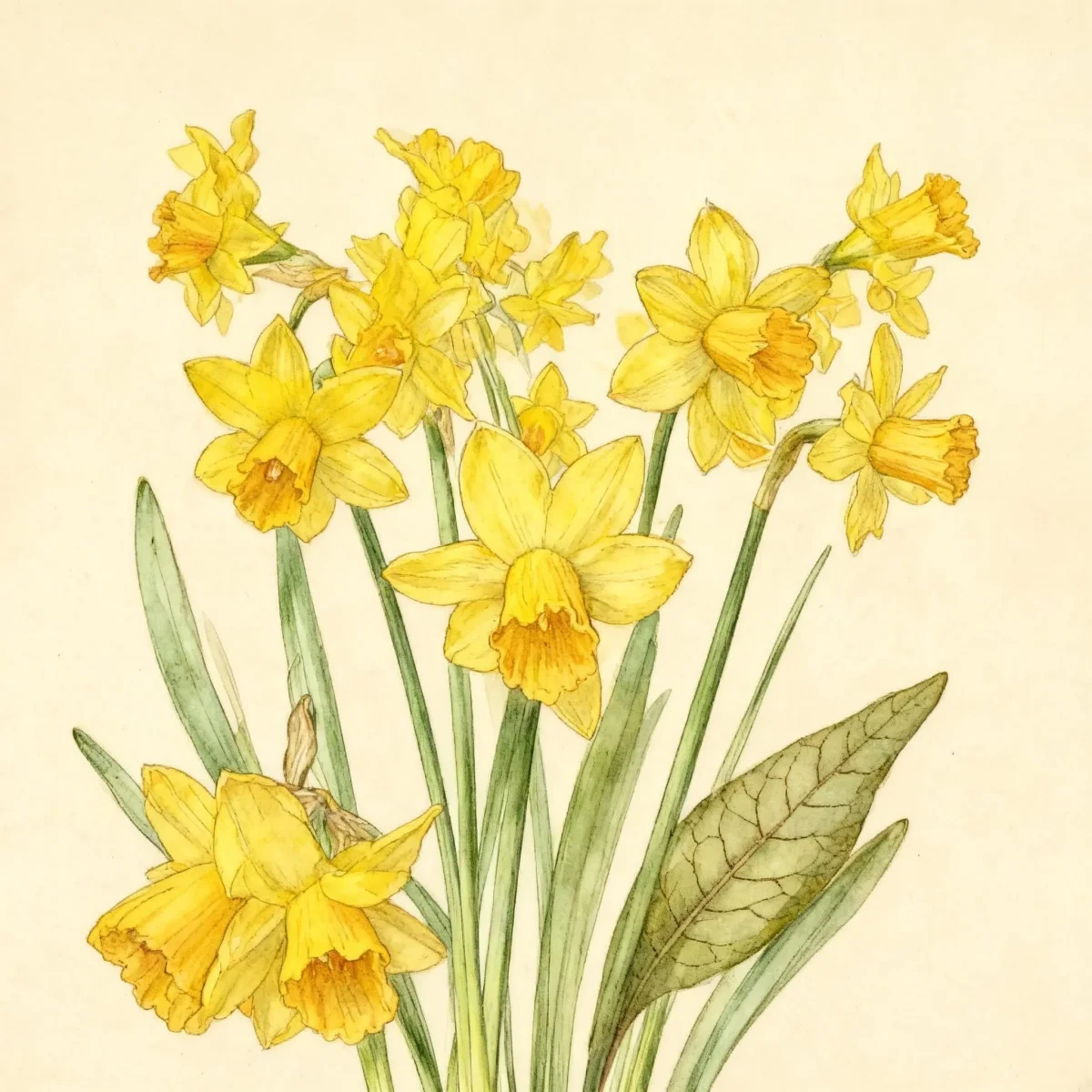
Narcissus 'Tete-a-Tete' is a low-maintenance, miniature daffodil blooming buttercup yellow in early April.
Scroll down to discover growing tips, care requirements, companion plants, and more
Complete Plant Information
Overview
Narcissus ‘Tete-a-Tete’ provides a vibrant splash of early spring color, making it a highly valued addition to any garden landscape. Classified as a miscellaneous daffodil, this miniature variety features classic trumpet shapes painted in rich, buttercup yellow. It is renowned for being easily grown, multiplying readily, and requiring very little intervention once established.
This bulbous perennial thrives reliably across USDA Zones 4 through 8, offering dependable performance in a compact size perfect for the foreground. Its ease of cultivation and low maintenance level appeal strongly to both novice and experienced gardeners seeking cheerful blooms without demanding constant care.
As a favorite early bloomer, Narcissus ‘Tete-a-Tete’ signals the end of winter, providing reliable color before many other perennials awaken. Its short stature makes it ideal for edging or naturalizing small areas where larger daffodils might look out of scale.
Fast Facts
- Plant Family: Amaryllidaceae
- Plant Type: Bulb
- Hardiness Zones: USDA Zones 4-8
- Size at Maturity:
- Height: 0.5-0.75 ft
- Spread: 0.25-0.5 ft
- Bloom Time: April
- Bloom Description: Buttercup yellow
- Sun Exposure: Full sun to part shade
- Water Needs: Medium
- Maintenance Level: Low
How to Grow
Planting Narcissus ‘Tete-a-Tete’ bulbs must occur in the early to mid-fall before the ground freezes. Select a location offering full sun or shifting into part shade; ensure the soil is well-drained, as poor drainage is the primary cause of bulb rot. Ideally, plant each bulb two to three times as deep as the bulb is tall, ensuring at least 3 inches of soil covers the top. Space the bulbs between 4 and 10 inches apart, giving them room to multiply over the years.
During the active growing season in spring, maintain medium soil moisture levels. While drought is tolerated once the foliage begins to yellow and the bulb enters dormancy, consistent moisture aids robust flowering. Fertilization is often unnecessary if the soil is organically rich.
After the buttercup yellow flowers fade in April, leave the foliage intact; do not cut it back until it naturally turns yellow. You may remove the spent flower stems to prevent seed production, which diverts energy from the bulb. Generally, these bulbs can be left undisturbed for many seasons, but if flowering diminishes, divide the clumps immediately after the foliage dies back.
Landscape Uses
The compact size of Narcissus ‘Tete-a-Tete’ grants it marvelous versatility in landscape design. It excels when massed for a striking early border effect directly against walkways or low retaining walls. Because the flowers naturally face the sun, position any partial shade areas—like beneath deciduous shrubs or trees—behind your plantings to maximize visual impact.
This miniature daffodil is highly recommended for intimate groupings in rock gardens where its small scale blends perfectly with stones and smaller alpine plants. It also performs beautifully when utilized in containers, window boxes, or for indoor forcing, bringing that iconic yellow bloom indoors early in the season. Consider blending Narcissus ‘Tete-a-Tete’ with early tulips or grape hyacinths for layered spring color.
Standout Features
Flower Qualities
- Showy
- Good Cut
Noteworthy Characteristics
Narcissus is a genus of about 50 species of bulbous perennials native to Europe and North Africa, serving as a primary component of the spring garden display. Flowers typically emerge on stems ranging from 6 to 30 inches tall, defined by a central cup (corona) surrounded by six petals. ‘Tete-a-Tete’ is specifically a miniature miscellaneous daffodil, rising only 6 to 8 inches high and bearing one to three highly visible, buttercup-yellow blooms per stem with slightly reflexed petals.
Tolerances
- Rabbit
- Deer
- Drought
Potential Problems
Daffodils, including Narcissus ‘Tete-a-Tete’, are generally robust and avoid serious insect or disease issues when planted in appropriate conditions. The most common potential issue is bulb rot, which occurs exclusively in poorly draining or overly wet soils; excellent soil drainage is critical for success. Infrequent pests might include slugs, snails, or the narcissus bulb fly. Both deer and rabbits fortunately tend to avoid consuming these bulbs due to natural toxins present in the tissue.
Frequently Asked Questions
What hardiness zones is Miscellaneous daffodil suitable for?
Narcissus ‘Tete-a-Tete’ is suitably hardy in USDA Zones 4 through 8.
When does Miscellaneous daffodil bloom?
This reliable bulb generally blooms in April, displaying distinctive buttercup yellow flowers.
How large does Narcissus ‘Tete-a-Tete’ grow?
This diminutive variety reaches a height between 0.5 to 0.75 feet and spreads narrowly, from 0.25 to 0.5 feet wide.
What sun exposure does Narcissus ‘Tete-a-Tete’ need?
It performs best when situated in full sun to an area receiving light part shade.
Conclusion
Narcissus ‘Tete-a-Tete’ offers unparalleled value as a low-maintenance, early-blooming perennial, providing dependable buttercup yellow flowers. Its miniature stature makes this miscellaneous daffodil suitable for nearly any location, from rock gardens to borders. Ensure you plant these hardy bulbs in well-drained soil this coming fall to guarantee a cheerful start to your spring garden display.
Companion Planting
Selecting the right companions enhances the visual appeal of Narcissus ‘Tete-a-Tete’ both during and after its bloom time. Since the foliage of daffodils yellows after flowering, pairing them with plants that emerge later provides necessary cover and masks senescence. Consider early-emerging perennials like Hostas or Brunnera, whose foliage will grow dense by summer. For color contrast, plant under-blooming spring bulbs like Muscari (grape hyacinth) or low-growing groundcovers that appreciate similar sun requirements.
Design Ideas for Mass Planting
Massing Narcissus ‘Tete-a-Tete’ bulbs creates a high-impact drift of color ideal for transitioning between formal beds and naturalized areas. For a meadow effect, scatter bulbs liberally across a lawn area; because they require little or no division, they can be left to naturalize freely. When planting along a border front, use the 4-inch spacing guideline to create a solid ribbon of yellow that guides the eye toward taller spring features, like flowering cherries or lilacs planted further back in the partial shade line.