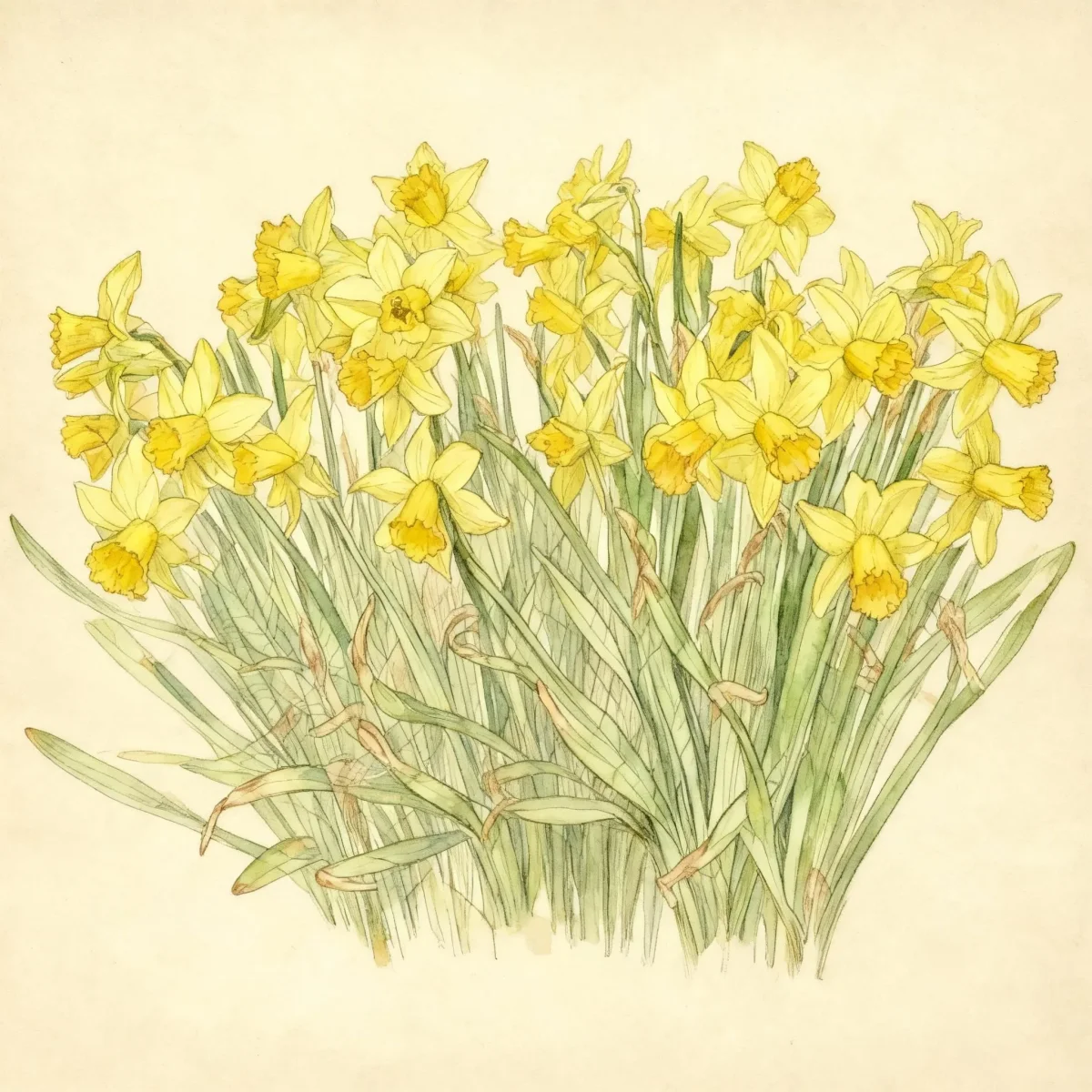
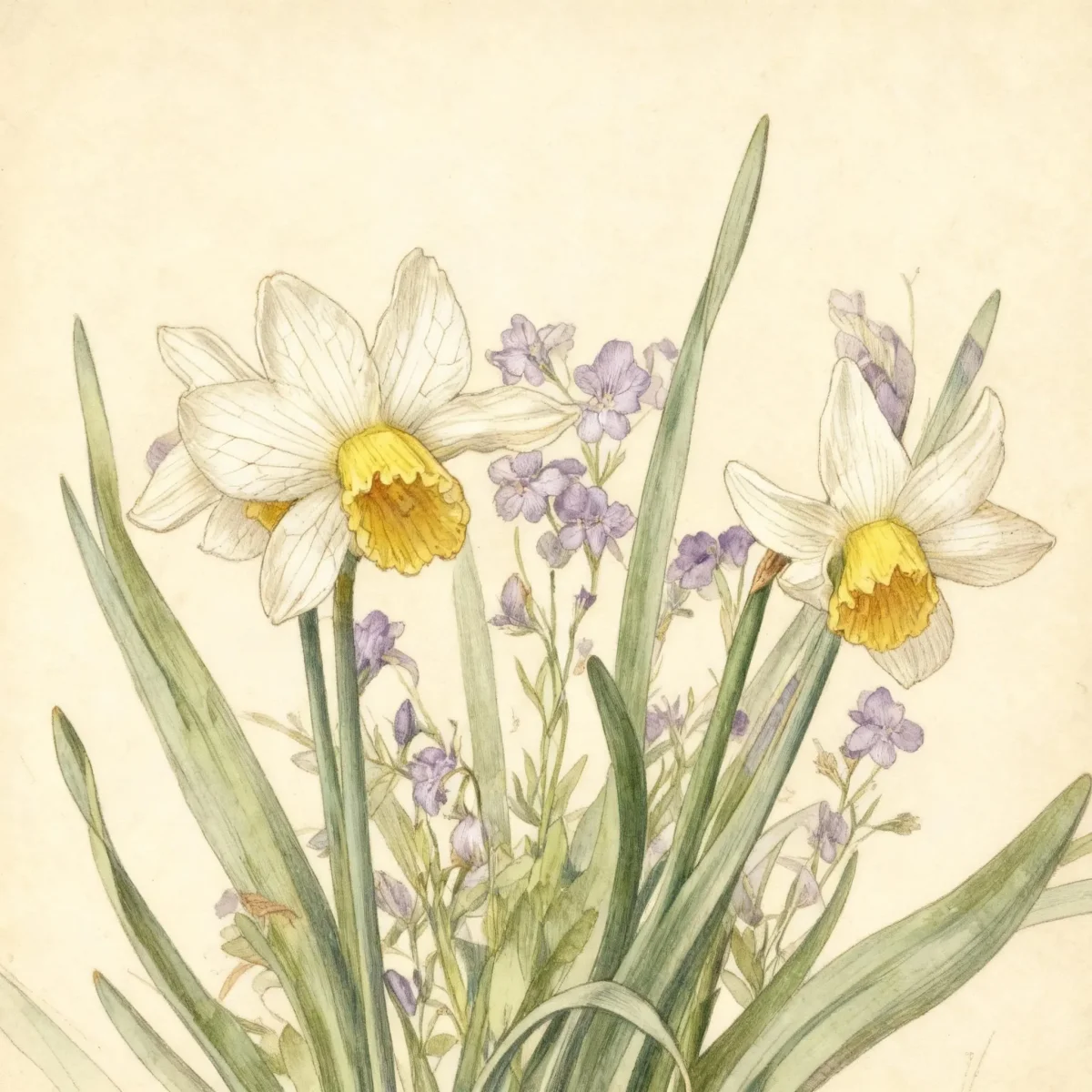
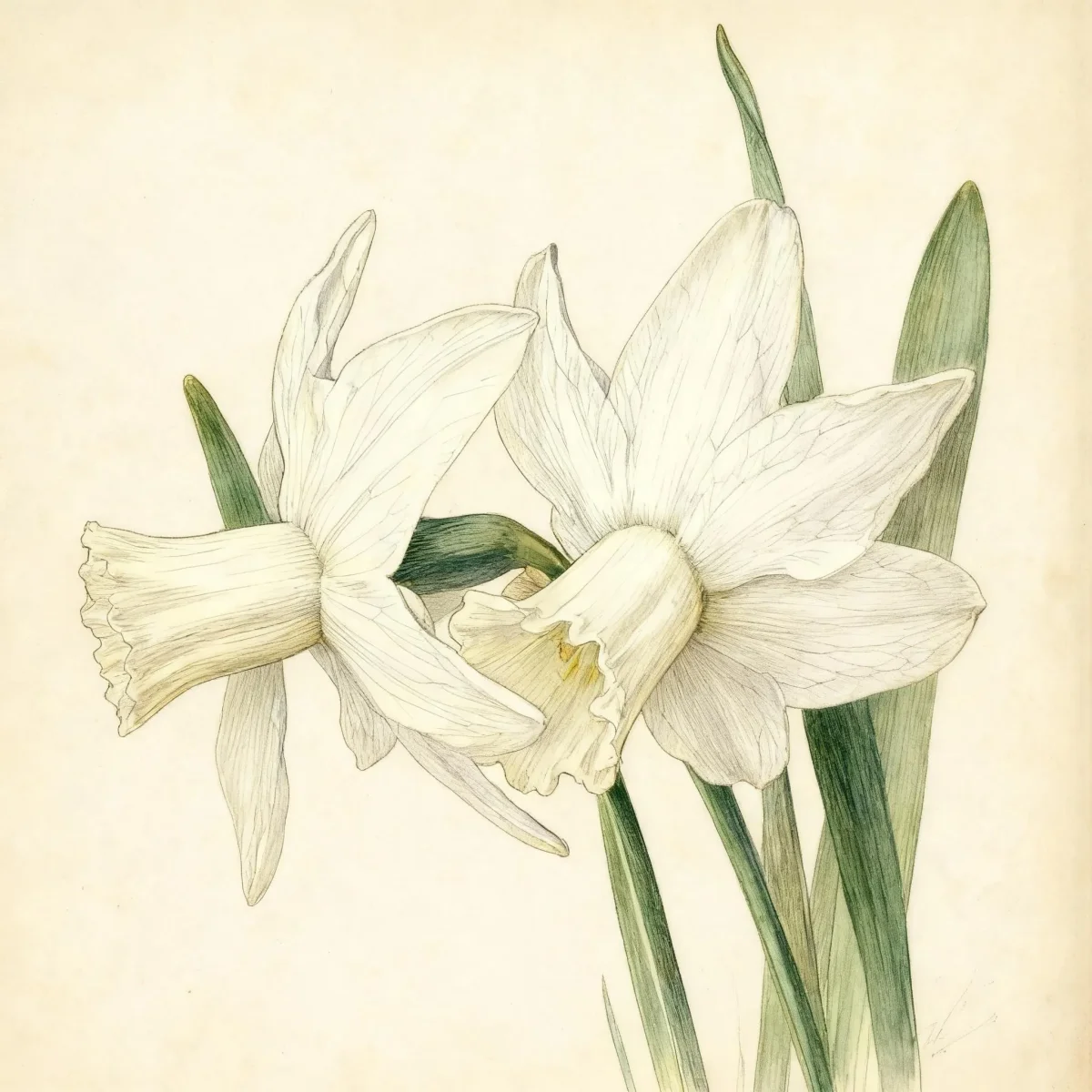
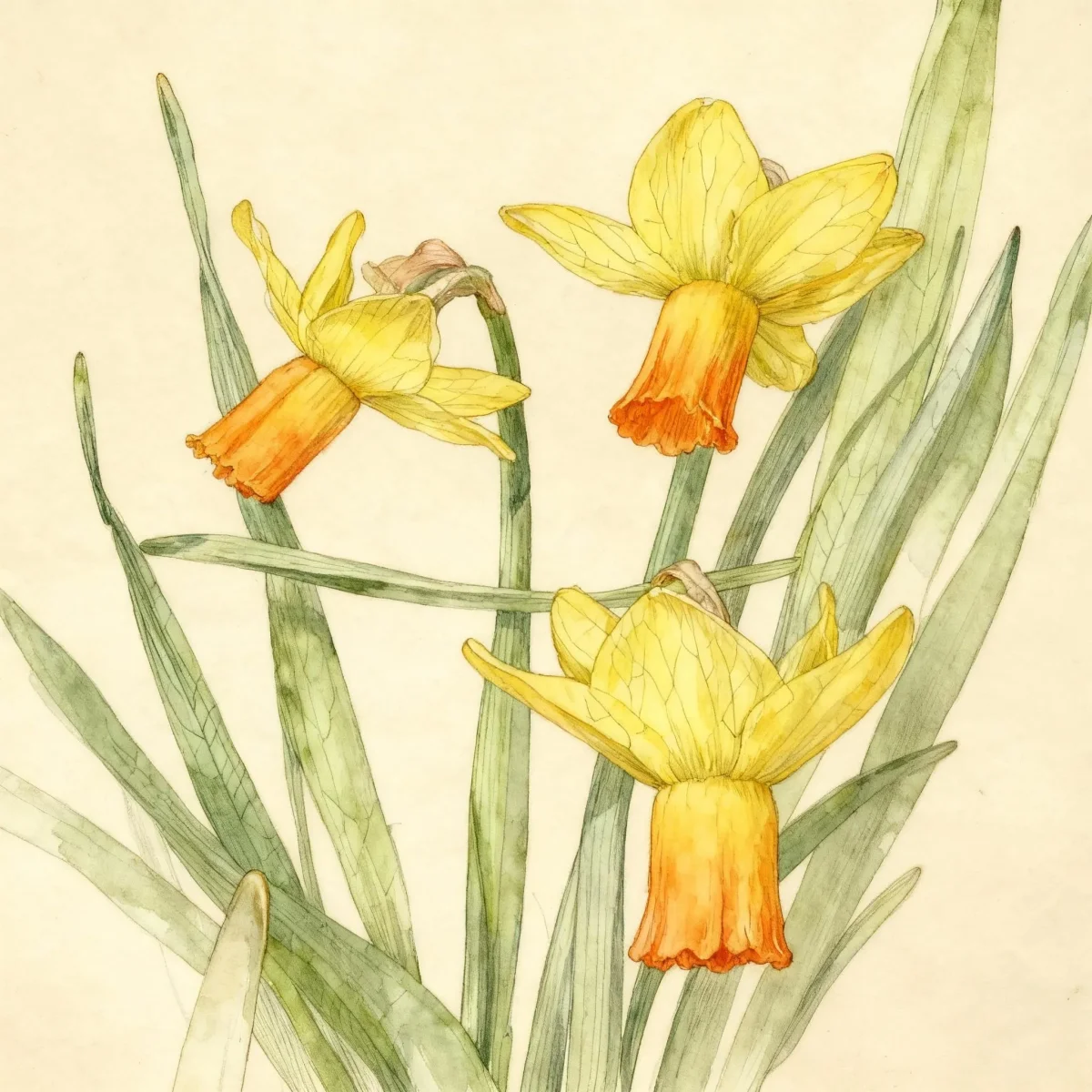
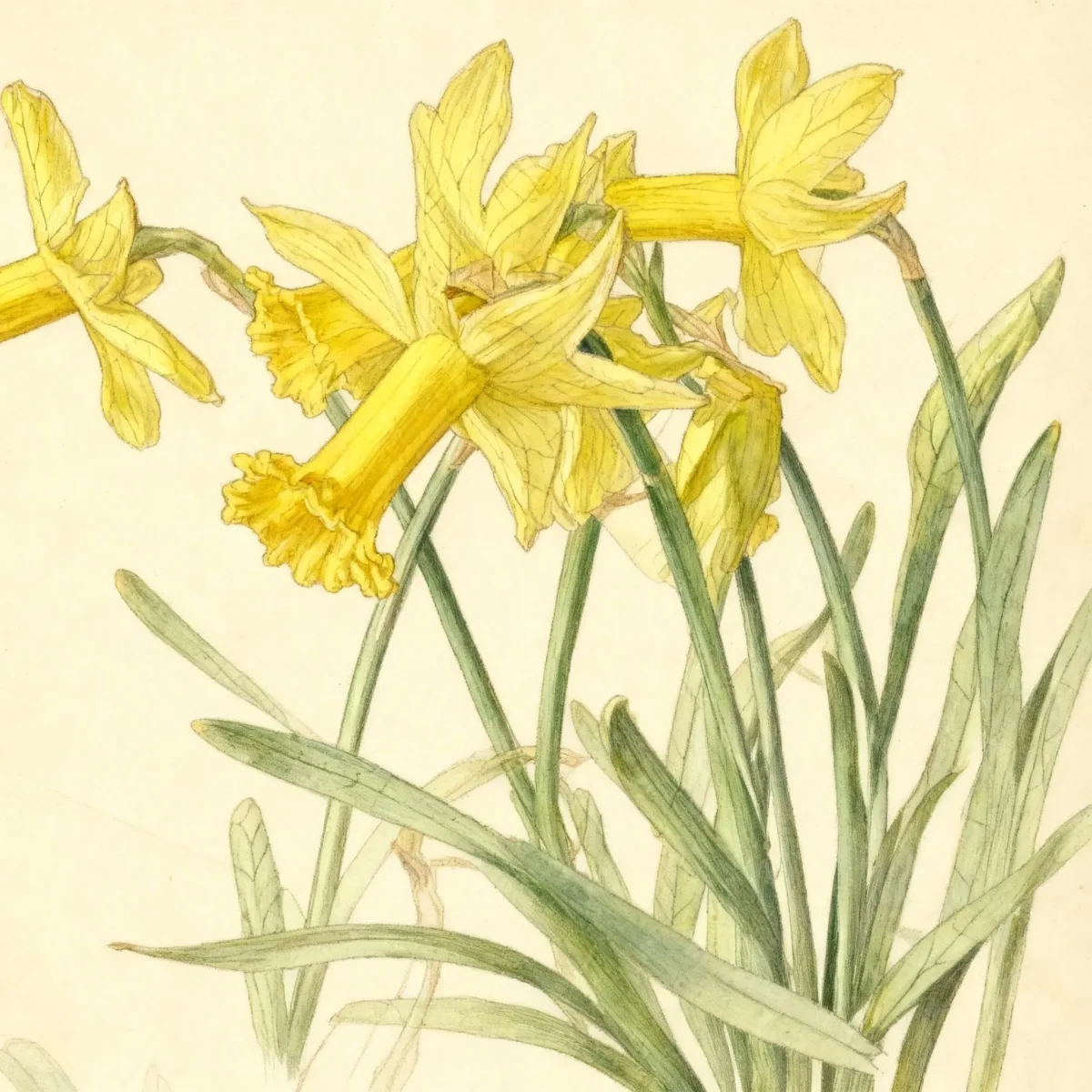
Cyclamineus daffodil (Narcissus 'Tracey')
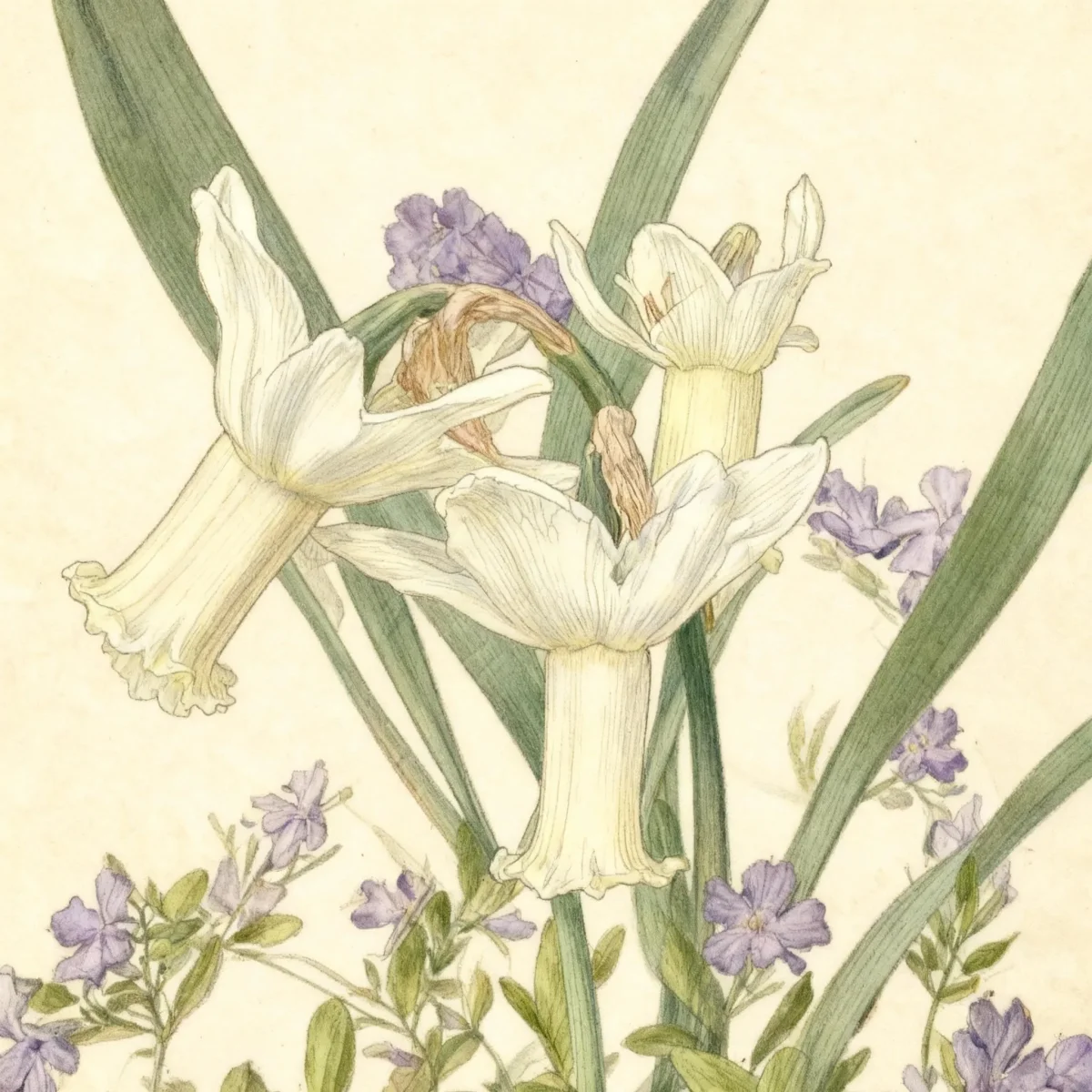
Narcissus 'Tracey' is a graceful Cyclamineus daffodil offering reflexed white petals and a pale yellow trumpet in April. A low-maintenance bulb for zones 3-8.
Scroll down to discover growing tips, care requirements, companion plants, and more
Complete Plant Information
Overview
The Cyclamineus daffodil, specifically the cultivar Narcissus ‘Tracey’, provides an elegant touch to the early spring garden. This variety is prized for its distinct, gracefully swept-back white petals (perianth segments) surrounding a prominently textured pale yellow trumpet. As a low-maintenance bulb, Narcissus ‘Tracey’ naturalizes beautifully, offering reliable seasonal color without demanding intensive care.
Part of Division VI, this miniature daffodil emerges as frost begins to recede, typically flowering in April. Its compact size makes the 0.75 to 1-foot stature perfect for smaller beds or grouping near walkways where its unique form can be appreciated up close. These bulbs establish well in average soils, provided drainage is excellent.
Gardeners value Narcissus ‘Tracey’ not only for its pest resistance but also for its ability to return year after year, enhancing the transition from winter dormancy to active spring growth. Pairing this early bloomer with later-flowering perennials ensures continuous color interest throughout the season.
Fast Facts
- Plant Family: Amaryllidaceae
- Plant Type: Bulb
- Hardiness Zones: USDA Zones 3-8
- Size at Maturity:
- Height: 0.75-1 ft
- Spread: 0.5-0.75 ft
- Bloom Time: April
- Bloom Description: White perianth and pale yellow trumpet
- Sun Exposure: Full sun to part shade
- Water Needs: Medium
- Maintenance Level: Low
How to Grow
Planting Narcissus ‘Tracey’ bulbs should occur in the early to mid-fall, allowing sufficient time for roots to establish before the ground freezes. Ensure a location receiving full sun to light part shade, as strong afternoon shade can diminish flower performance. The most critical cultural requirement is well-drained, organically rich soil; bulb rot is a major risk in heavy, soggy conditions. Plant each bulb two to three times as deep as its size, aiming for a general depth of 3 to 6 inches, spaced 4 to 8 inches apart.
During the active growing season, maintain medium moisture levels—keep the soil consistently moist but never waterlogged. While they tolerate drought once fully dormant, active foliage requires consistent water during spring growth. Minimal fertilization is usually necessary if the soil is rich. After flowering, resist the urge to tidy up immediately; allow the foliage of the Cyclamineus daffodil to ripen naturally, turning yellow before cutting it back. This process fuels the bulb for next year’s bloom.
Narcissus ‘Tracey’ bulbs can be left undisturbed for several years, making them excellent for naturalizing. If flower numbers diminish substantially, divide the clumps gently just after the foliage completely dies back in late spring/early summer. Always site plantings so that taller spring shrubs shade the rear, as the flowers naturally nod toward the sun.
Landscape Uses
Daffodils, including the striking Narcissus ‘Tracey’, are mainstays for creating layered spring interest in landscape design. Unlike annuals, these bulbs offer exceptional value because they persist and multiply over time. They perform best when planted in generous quantity—think drifts of six or more bulbs rather than single specimens—to create a truly impactful display of white and pale yellow color against emerging greenery.
Consider mass planting Narcissus ‘Tracey’ in borders where they can be easily viewed, or tuck them near the edges of woodland areas or beneath deciduous shrubs. Their early bloom time makes them superb companions for Tulips, Hyacinths, and other early spring ephemerals, providing sequential color as one group fades and another begins. Allowing them to naturalize under open woodland canopy is an ideal application for this drought-tolerant variety.
Because the foliage dies back relatively early compared to some perennials, strategic companion planting is key. Utilize emerging summer perennials or groundcovers that can fill the space left behind by the fading daffodil leaves, ensuring the display remains attractive throughout the entire season.
Standout Features
Flower Qualities
- Showy
Noteworthy Characteristics
Narcissus ‘Tracey’ belongs to the cyclamineus group, characterized by having one flower per stem, notably reflexed perianth segments, and a long, narrow corona. This specific cultivar is an early bloomer, producing flowers up to 3 inches across featuring those distinctive reflexed white petals opposed to the characteristic yellow trumpet. The bloom posture shifts as it matures, initially nodding downward before ascending toward the light, making Narcissus ‘Tracey’ a dynamic focal point in the mid-spring garden.
Tolerances
- Rabbit
- Deer
- Drought
Potential Problems
Daffodils, in general, are celebrated for being remarkably pest and disease-free, especially when cultural needs like excellent drainage are met. The primary concern for Narcissus ‘Tracey’ is bulb rot, which stems directly from overly wet or poorly draining soil conditions during non-growing seasons. Watch for slugs and snails, which may occasionally feast on tender new foliage early in the spring. Infrequently, issues like the Narcissus yellow stripe virus can appear.
To mitigate risks, always incorporate organic matter into heavy soils before planting to improve aeration and drainage. If pests like slugs are prevalent, employ standard organic controls immediately upon seeing emerging leaves. Because both deer and rabbits avoid the Cyclamineus daffodil, you gain a reliable spring display even in areas with active browsing wildlife.
Frequently Asked Questions
What hardiness zones is Cyclamineus daffodil suitable for?
Narcissus ‘Tracey’ performs reliably in USDA Hardiness Zones 3 through 8.
How large does Narcissus ‘Tracey’ grow?
This variety is a miniature daffodil, typically reaching a height between 0.75 and 1 foot tall, with a spread spanning 0.5 to 0.75 feet.
When does Narcissus ‘Tracey’ bloom?
This cultivar blooms in April, showcasing characteristic flowers with a white perianth and a pale yellow trumpet.
What sun exposure does the Cyclamineus daffodil need?
For best results, plant Narcissus ‘Tracey’ where it will receive full sun to light part shade.
Conclusion
The Cyclamineus daffodil ‘Tracey’ is an essential, low-effort choice for gardeners seeking elegant movement and reliable return performance in early spring. Its striking white and yellow coloration and pest resistance make it a valuable addition to any bulb collection. Before the weather cools, ensure you purchase high-quality bulbs and plant them at the correct depth in well-drained spots to guarantee spectacular blooms next April.
Companion Planting
One of the great benefits of planting Narcissus ‘Tracey’ is its ability to share space with perennials without competition once the bulbs have gone dormant. Since the foliage of this Cyclamineus daffodil yellows out relatively early, utilize summer bloomers that thrive in similar light conditions as companions. Consider pairing Narcissus ‘Tracey’ with early-blooming Siberian Iris (Iris sibirica) or Geraniums (Cranesbill); these plants fill in the gaps perfectly once the daffodil display concludes.
Another effective strategy is layering underneath deciduous shrubs like Lilacs or Dogwoods. The bulbs perform excellently while the shrubs are still bare, and the eventual light canopy provided by the maturing leaves mimics the plant’s natural preference for filtered afternoon shade during the later parts of its spring growth cycle.
Wildlife Benefits
While daffodils are generally avoided by browsing mammals like deer and rabbits due to mild toxicity, they do offer benefits to early-emerging pollinators. The bright, open structure of the flower on Narcissus ‘Tracey’ makes the nectar and pollen readily accessible to early-season bees and flies emerging from overwintering. Because this plant flowers before many other spring sources, it provides a vital early food base when hunger is highest.
To maximize pollinator attraction, plant the bulbs in large blocks rather than solitary specimens. A sweeping drift of white and yellow blooms catches the eye of foraging insects from a distance, signaling an easily accessible nectar source. The low maintenance requirements ensure that the habitat remains undisturbed throughout the growing season.