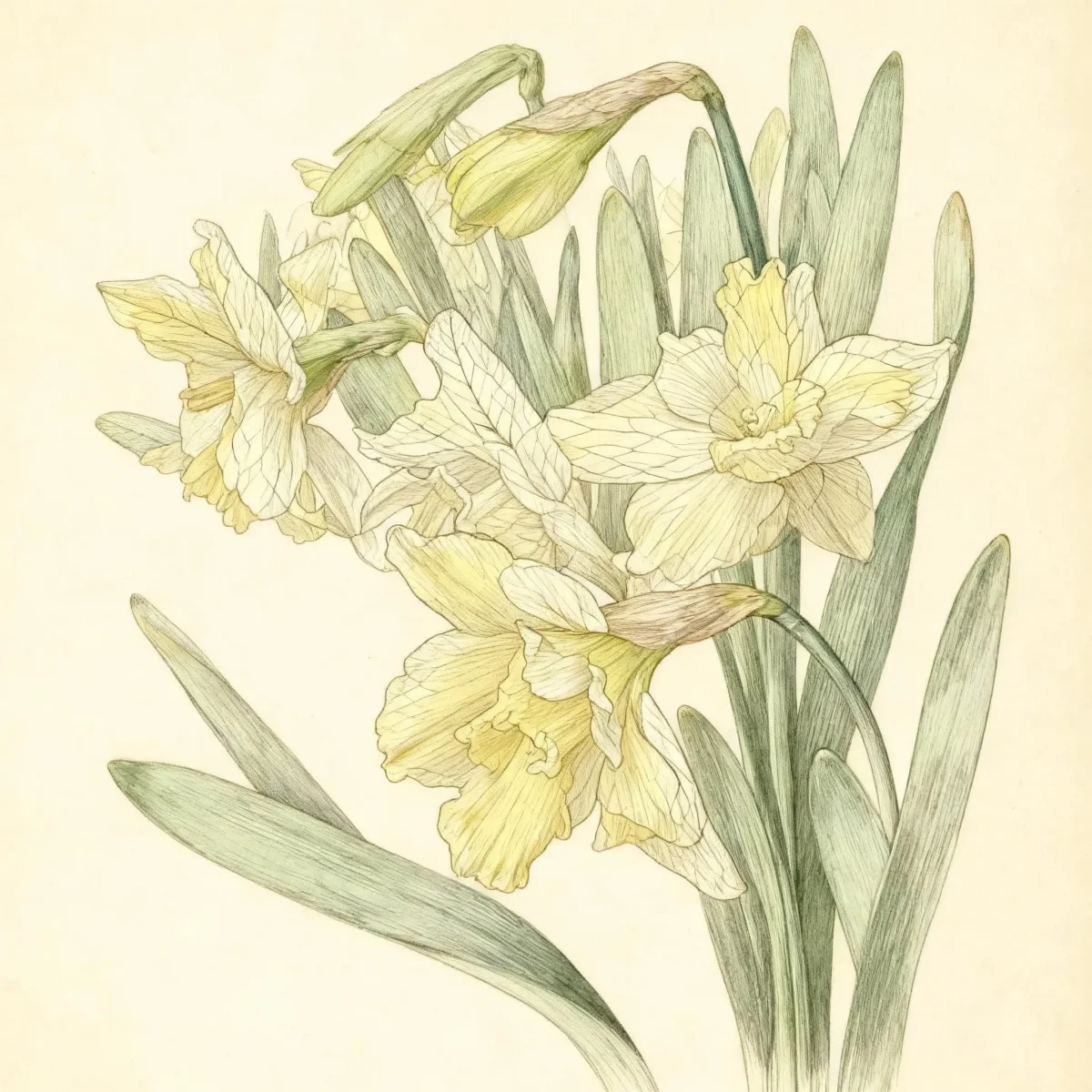
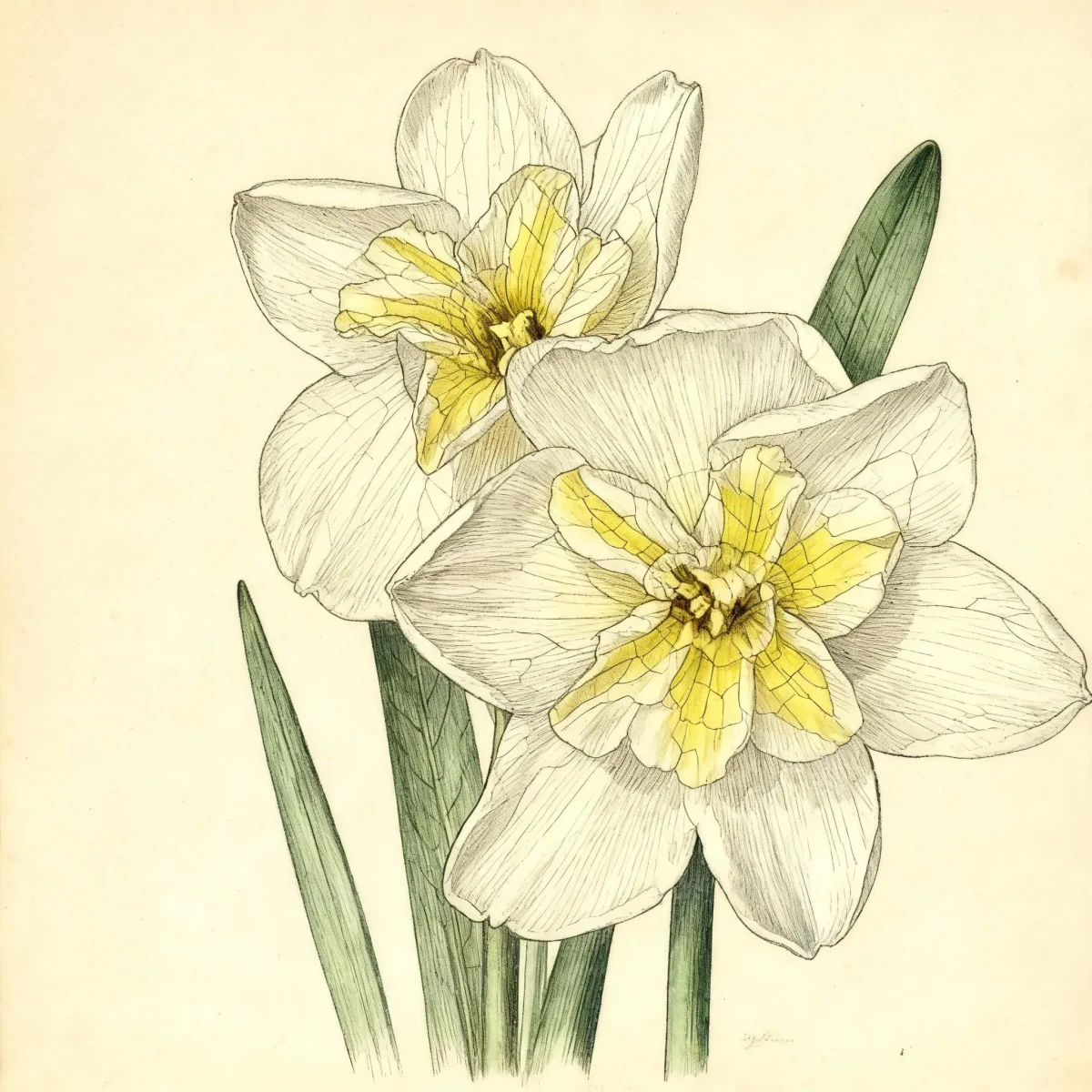
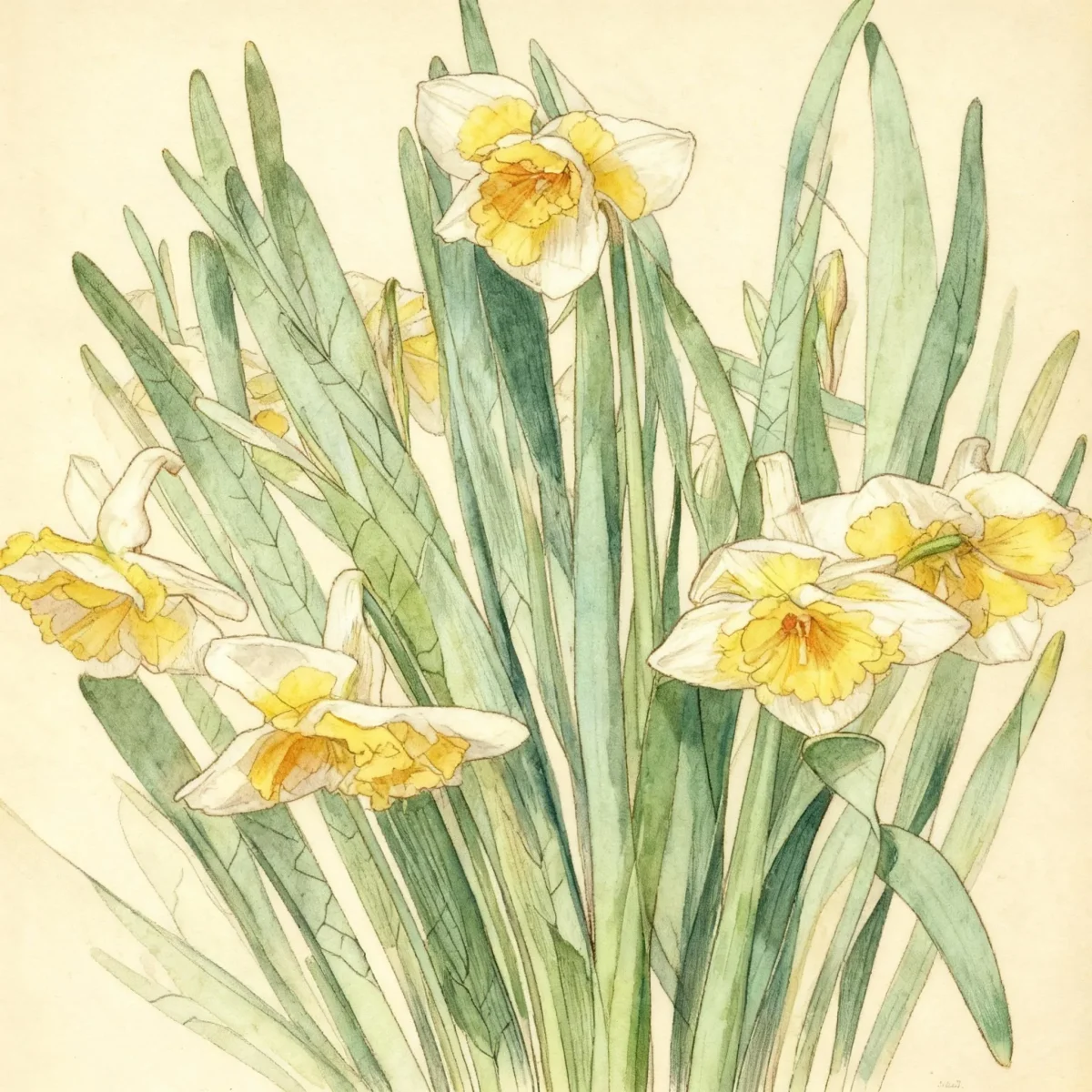
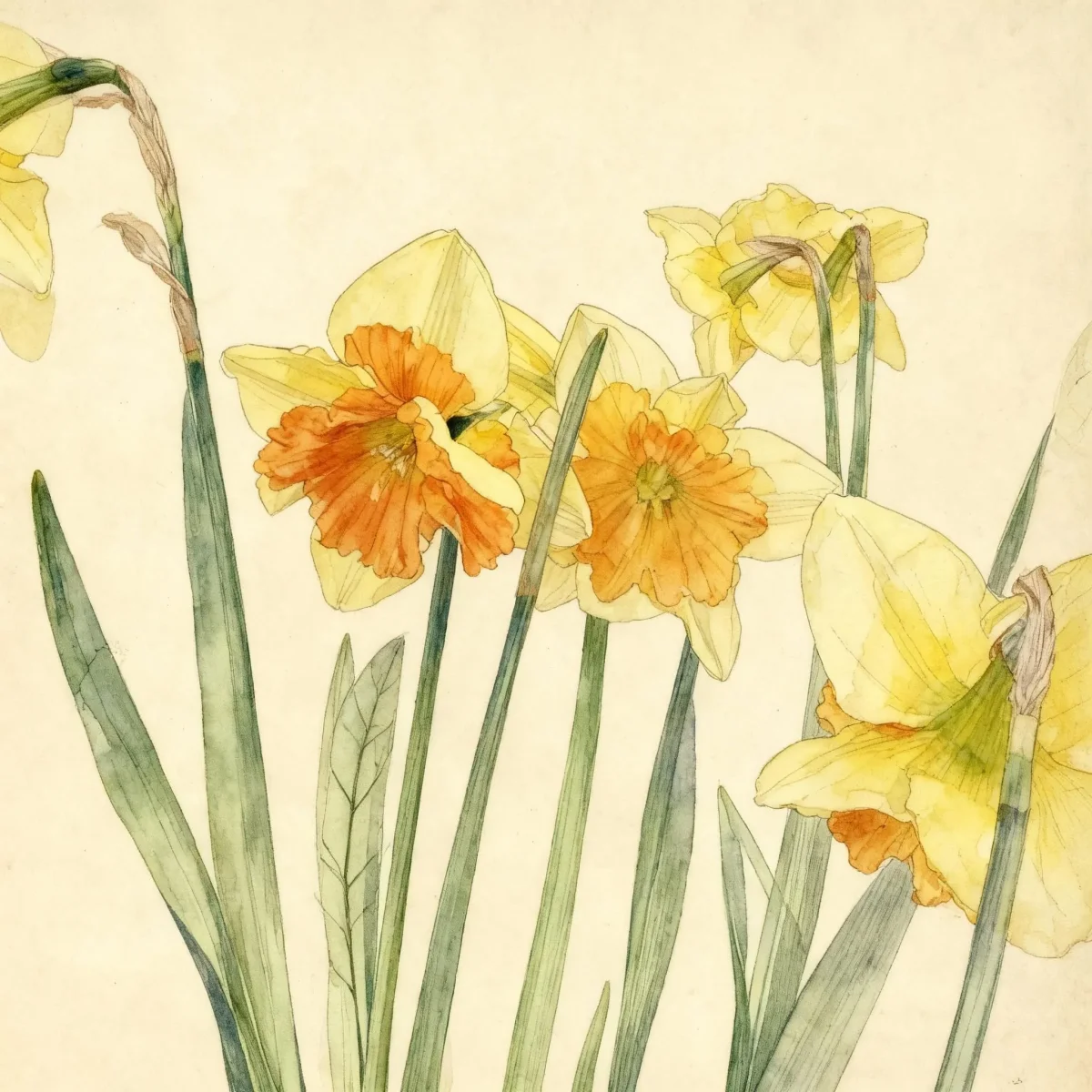
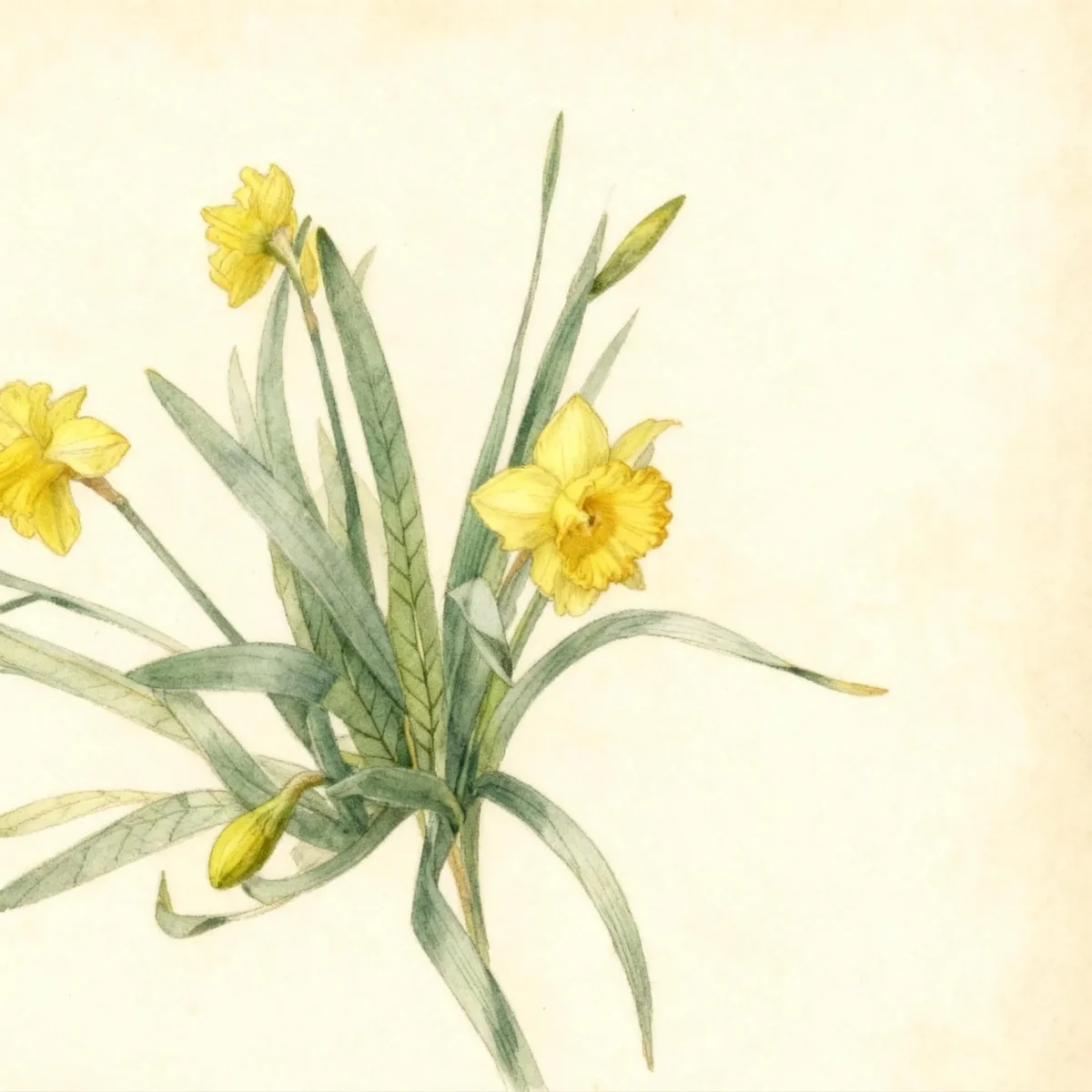
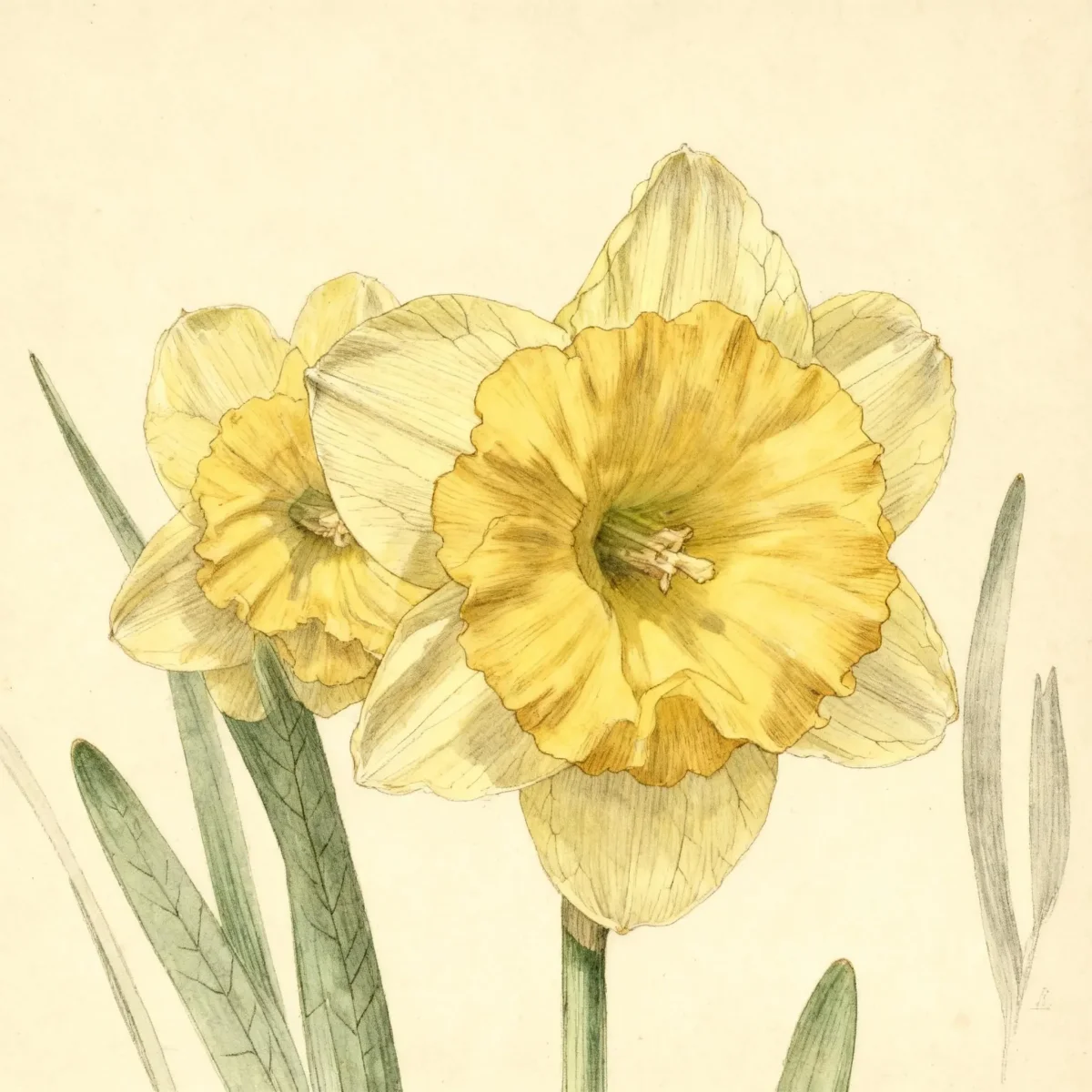
Split-corona daffodil (Narcissus 'Tricollet')
Narcissus 'Tricollet' is a striking Split-corona daffodil offering white petals and an orange split crown, thriving in zones 3-8.
Scroll down to discover growing tips, care requirements, companion plants, and more
Complete Plant Information
Overview
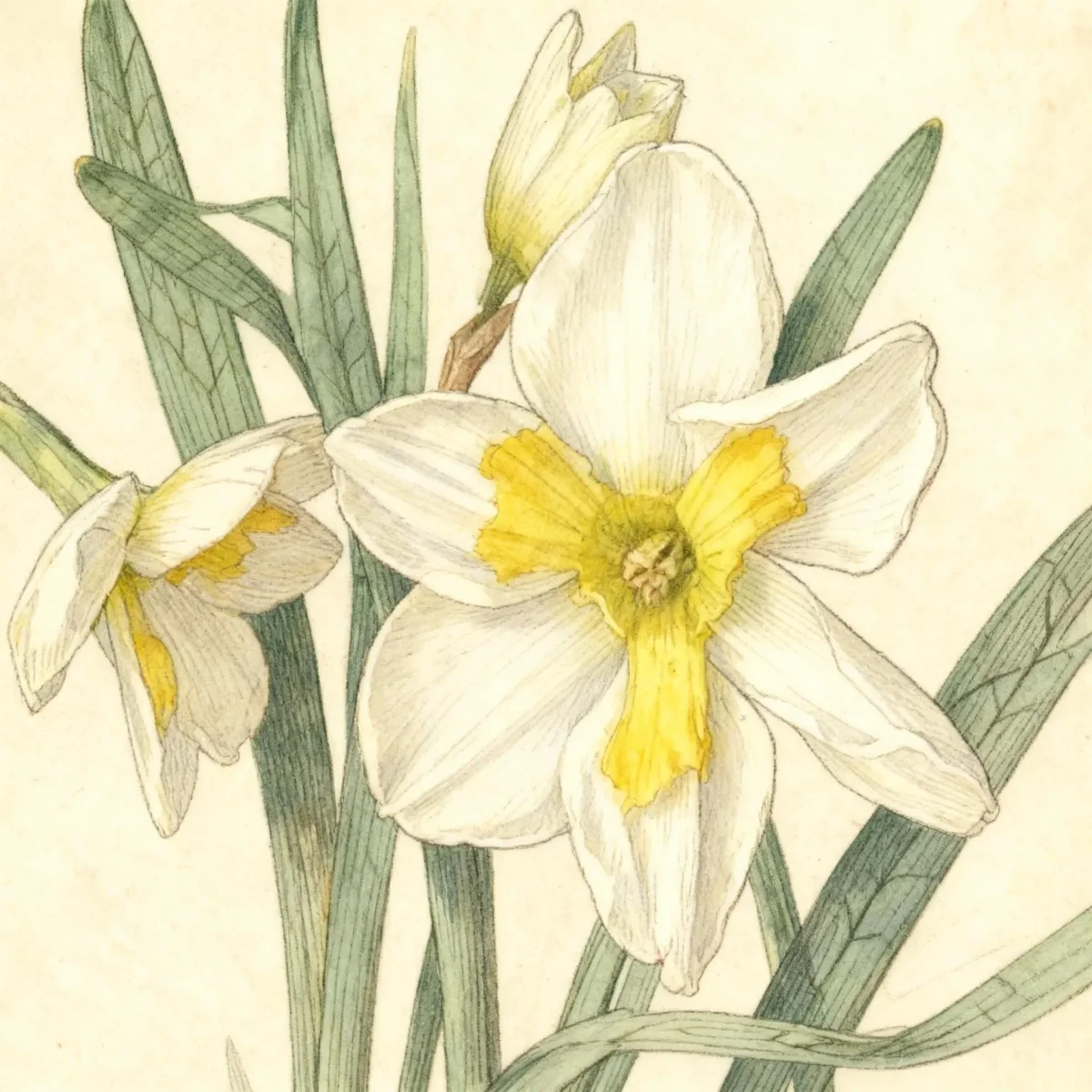
The Narcissus ‘Tricollet’ is a superb addition to the spring landscape, classified specifically as a Split-corona daffodil (Division XI). This cultivar brings unique visual interest to early-season displays with its distinctive flower structure where the central cup, or corona, is dramatically split, often appearing as collar-like segments. Gardeners value the standout combination of crisp white petals contrasting sharply with an intense orange corona on sturdy stems.
As a dependable bulb originating from the esteemed Narcissus genus, this variety is exceptionally low maintenance once established. It provides reliable perennial color, emerging reliably from USDA Zones 3 through 8. The distinctive form of the Split-corona daffodil makes Narcissus ‘Tricollet’ a focal point among other early spring bloomers.
These bulbs prefer well-drained, organically rich soils and tolerate average moisture levels, making their care straightforward. Their resilience against common pests like deer and rabbits, combined with drought tolerance during dormancy, ensures that your effort returns year after year with minimal intervention.
Fast Facts
- Plant Family: Amaryllidaceae
- Plant Type: Bulb
- Hardiness Zones: USDA Zones 3-8
- Size at Maturity:
- Height: 1-1.5 ft
- Spread: 0.5-0.75 ft
- Bloom Time: March to April
- Bloom Description: White petals with orange corona
- Sun Exposure: Full sun to part shade
- Water Needs: Medium
- Maintenance Level: Low
How to Grow
Planting Narcissus ‘Tricollet’ bulbs should occur in the early to mid-fall before the ground freezes hard. They thrive best in organically rich loams that offer medium moisture and excellent drainage; poor drainage is the primary threat to bulb health. Follow guidelines by planting each bulb 2 to 3 times as deep as its height, ensuring at least 3 inches of soil covers the top. Space larger bulbs 8-10 inches apart, settling smaller ones closer at 4-6 inches, though drifts will expand over time.
Care throughout the active growing season requires keeping the soil uniformly moist. While the foliage is active, ensure adequate water. However, once the foliage begins to yellow after blooming, drought tolerance kicks in and supplemental water is usually unnecessary. Avoid applying any fertilizer until after the bloom period is complete.
After the Split-corona daffodil flowers fade, remove the spent flower heads immediately to prevent seed production that saps energy from the bulb. Crucially, do not cut back the foliage until it has naturally turned yellow. This process allows the leaves to complete photosynthesis, storing the necessary energy for next year’s impressive display of Narcissus ‘Tricollet’.
Landscape Uses
Daffodils, including this beautiful Split-corona daffodil, are foundational plants for long-lasting spring landscapes, unlike many annuals or biennials. They perform best when planted in generous quantities—think drifts of 6 or more bulbs—rather than isolated specimens, creating sweeping waves of seasonal color. Narcissus ‘Tricollet’ looks fantastic positioned in beds, along borders, or naturalized under deciduous trees where the light is strong in early spring but dappled later in the season.
As bulbs, they mix seamlessly with other spring-flowering companions like grape hyacinths or early tulips, creating layered interest. Since the foliage yellows mid-spring, consider planting later-emerging perennials behind the daffodils to obscure the fading leaves and maintain garden structure throughout the summer months.
Because flowers tend to face the sun, strategically place these showy bulbs where the view is best captured—often with shadier areas situated behind the border planting. These bulbs can be left undisturbed for many years, requiring division only when blooming performance noticeably wanes.
Standout Features
Flower Qualities
- Showy
Noteworthy Characteristics
Narcissus ‘Tricollet’ is distinguished within Division XI as a split-corona daffodil, meaning its cup is split more than halfway along its length, often forming a collar shape. This specific cultivar produces solitary flowers in mid-spring, featuring pure white perianth segments that beautifully set off the unique orange corona, which is split into three visible sections. The genus name honors the myth of Narcissus, and these blooms are also recognized as excellent fresh cut flowers.
Tolerances
- Rabbit
- Deer
- Drought
Potential Problems
Narcissus do not typically attract serious insect or disease issues provided they are sited correctly in well-draining soil. The most common cultural problem is bulb rot, which occurs when bulbs sit in soggy, poorly drained earth over winter. Vigilance regarding drainage is the best preventative measure for your Narcissus ‘Tricollet’ planting.
Infrequent pests include slugs, snails, and the narcissus bulb fly, though damage is usually minor. Watch for signs of Narcissus yellow stripe virus, which manifests as yellow streaking on the leaves; unfortunately, there is no cure, and infected bulbs should be destroyed. Remember that deer and rabbits generally avoid daffodils due to their mildly toxic nature.
Frequently Asked Questions
What hardiness zones is Split-corona daffodil suitable for?
Narcissus ‘Tricollet’ is robust and suitable for USDA Hardiness Zones 3 through 8.
How large does Split-corona daffodil grow?
This variety reaches a modest height between 1 to 1.5 feet tall, with a similar spread of 0.5 to 0.75 feet.
When does Narcissus ‘Tricollet’ bloom?
It blooms reliably in mid-spring, typically from March to April, showcasing its signature white petals with an orange corona.
What sun exposure does Split-corona daffodil need?
For the best flower production, provide Narcissus ‘Tricollet’ with full sun to partial shade conditions.
Conclusion
Narcissus ‘Tricollet’ brings unparalleled structural elegance to the early spring garden, defined by its attractive split-corona, white, and orange blooms. As a low-maintenance, reliable perennial bulb that happily naturalizes, this Split-corona daffodil offers significant long-term value. Before the first frost, plan your planting locations carefully, focusing on excellent drainage to ensure many years of stunning performance.
Companion Planting
Companion planting near daffodils is essential for managing the transition from spring bloom to summer garden beds. Since Narcissus ‘Tricollet’ foliage must remain intact until it yellows, pairing them with later-emerging perennials helps camouflage the fading leaves. Consider planting summer-flowering perennials like Hostas or Peonies behind the bulbs; by the time the perennials fully leaf out, the daffodil foliage will have matured and disappeared naturally.
Another excellent companion strategy utilizes low-growing groundcovers. Plants such as creeping Phlox or hardy Geraniums can cover the soil surface immediately surrounding the base of the bulbs, enhancing the visual appeal while these companions are blooming concurrently or shortly thereafter.
Seasonal Care Calendar
The primary task for Narcissus care revolves around timing. In fall, plant the bulbs and then do nothing until early spring when shoots emerge. Once the white petals and orange corona appear in March or April, pinch off the spent flower heads promptly to direct energy back into the bulb.
Mid-to-late spring is the crucial period for patience; allow the green foliage to remain untouched until it turns completely yellow, which usually occurs 6 to 8 weeks post-bloom. Summer is a dormant period where the bulbs build reserves—this is when drought tolerance is beneficial, as they require no supplemental water unless you experience an extreme drought in your region.
Design Ideas for Split-Corona Daffodils
The unique structure of the Split-corona daffodil elevates it beyond standard trumpet varieties, making it an excellent textured element in mixed borders. Plant Narcissus ‘Tricollet’ near the front edge of drifts so their mid-height stature (1 to 1.5 feet) doesn’t obscure shorter spring bloomers, while still remaining visible against taller spring shrubs.
When mass planting, consider using cooler colors in the background, such as blues from Muscari or early Siberian Iris, to make the white and orange contrast of the Narcissus ‘Tricollet’ truly pop. Because they naturally naturalize, utilize them near pathways or lightly shaded woodland edges where clumps can look wild and informal over successive seasons.
Division and Rejuvenation
A major advantage of this low-maintenance bulb is its long lifespan when happy, often requiring no division for five to seven years. However, if the flower count or size of Narcissus ‘Tricollet’ noticeably decreases, it signals that the clump has become overcrowded. Division should occur immediately after the foliage has completely died back in early to mid-summer.
Carefully dig up the entire clump, taking care not to damage the dormant new bulbs. Gently separate the bulbs by hand; if necessary, use a dull spade to divide large clusters. Replant the separated bulbs individually or in smaller groupings according to the recommended planting depths and spacing guidelines immediately into the same area or a new location, ensuring they have time to re-establish roots before winter arrives.