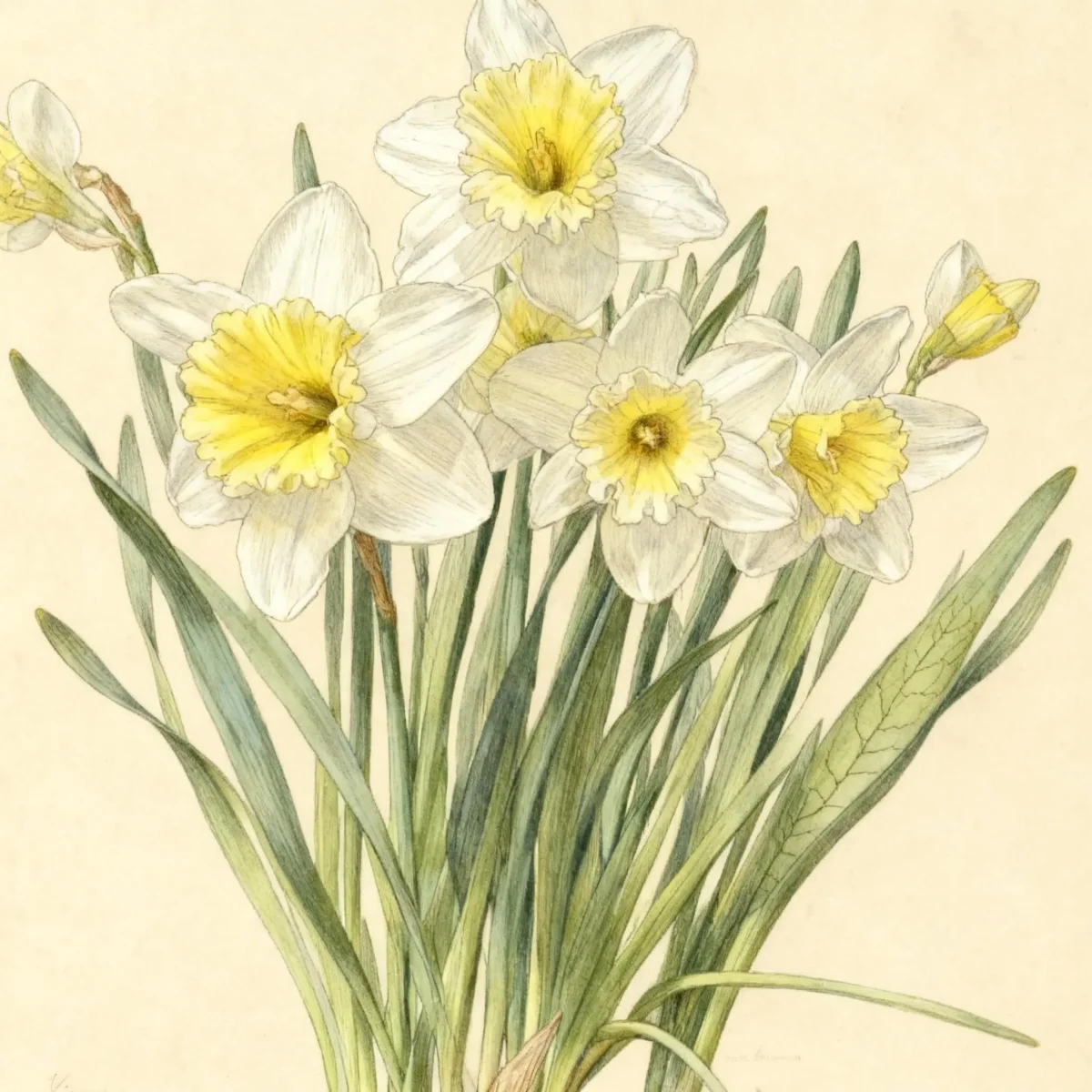
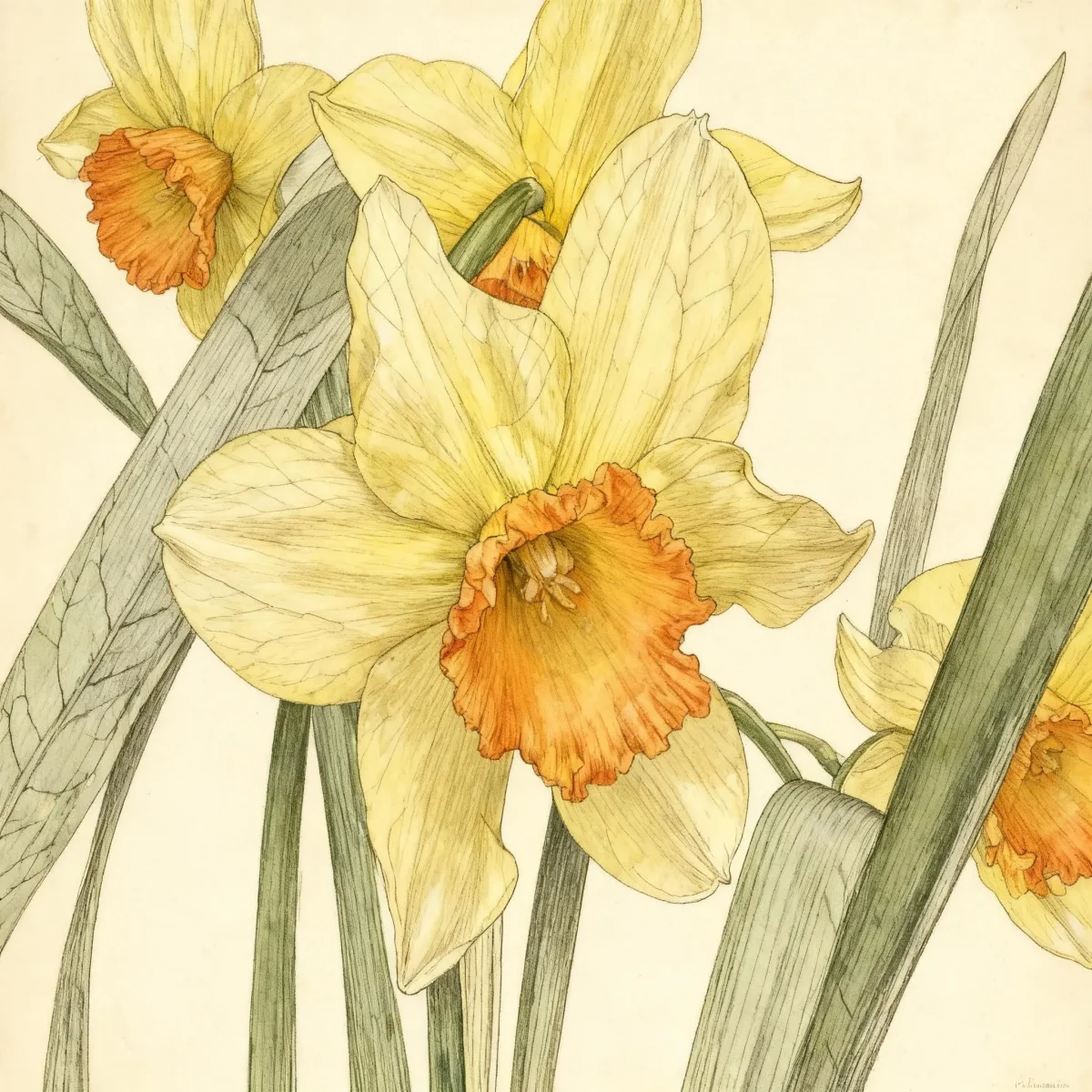
Large-cupped daffodil (Narcissus 'Vintage Rose')
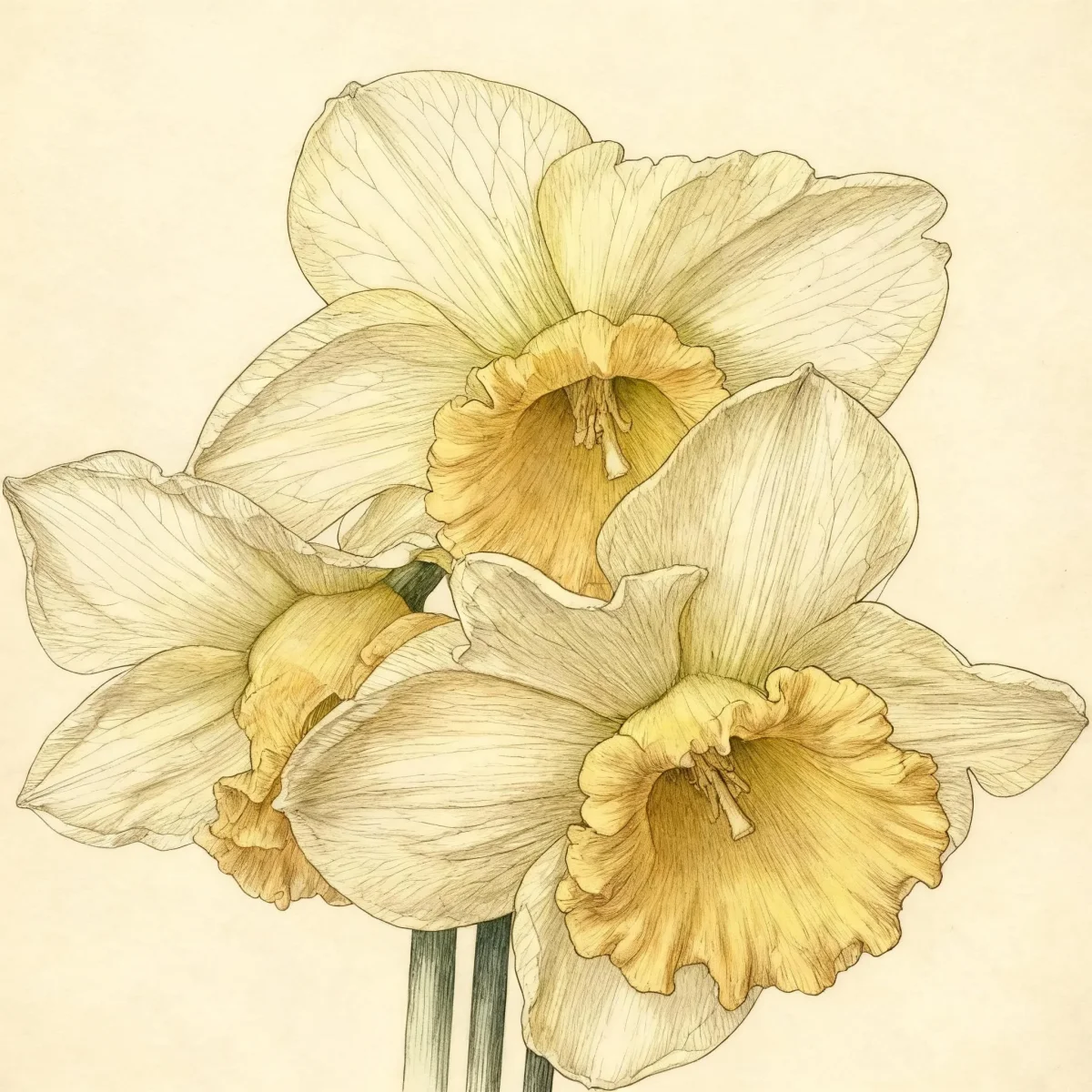
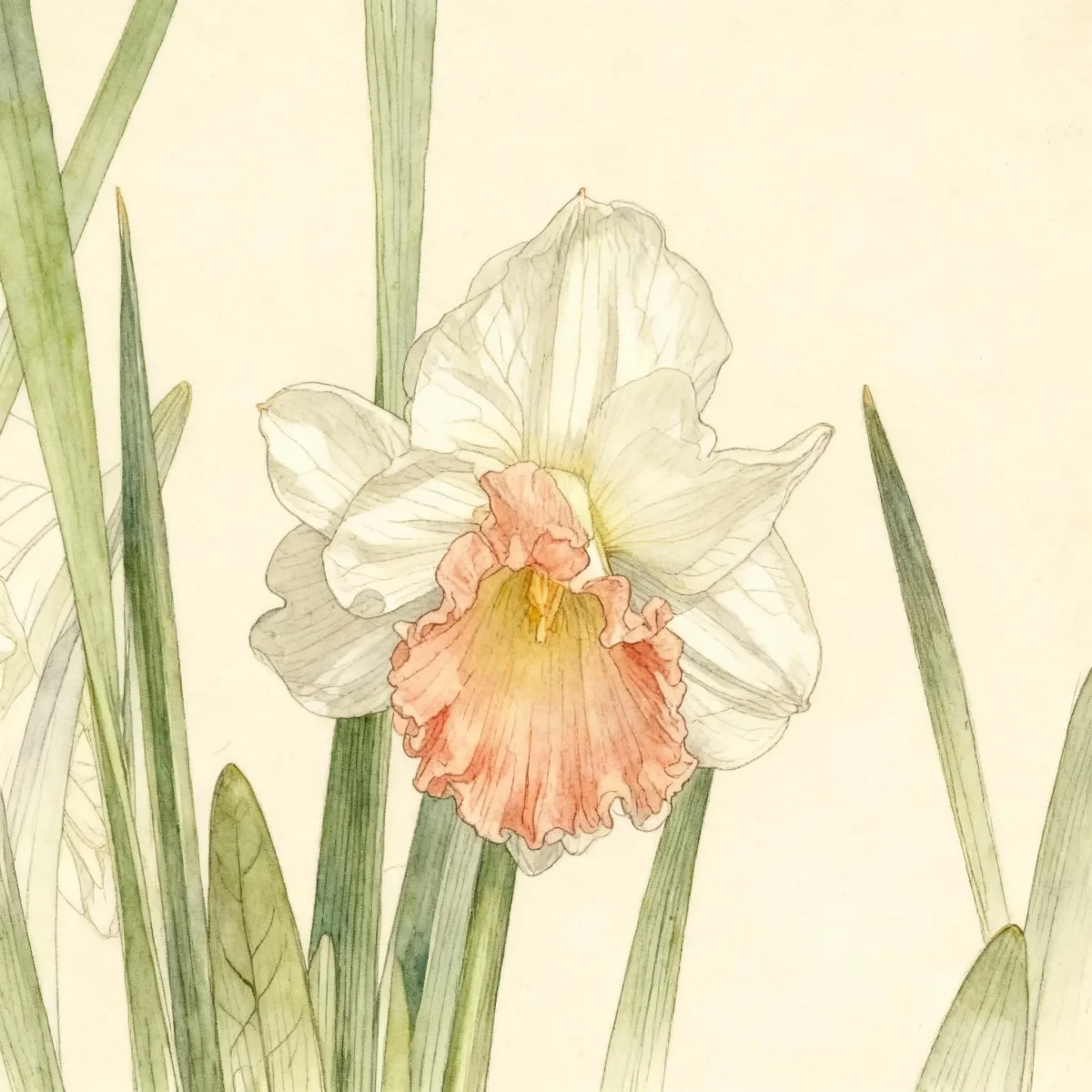
Narcissus 'Vintage Rose' is a beautiful Large-cupped daffodil featuring creamy white petals and a salmon pink cup in spring.
Scroll down to discover growing tips, care requirements, companion plants, and more
Complete Plant Information
Overview
The Large-cupped daffodil, specifically the cultivar Narcissus ‘Vintage Rose’, offers gardeners a stunning mid-season centerpiece for the spring landscape. This highly decorative hybrid is prized for its distinct bicolor presentation, contrasting creamy white perianth segments with a richly colored, salmon pink cup. As a dependable bulb, Narcissus ‘Vintage Rose’ establishes easily and returns reliably year after year, making it a low-maintenance investment.
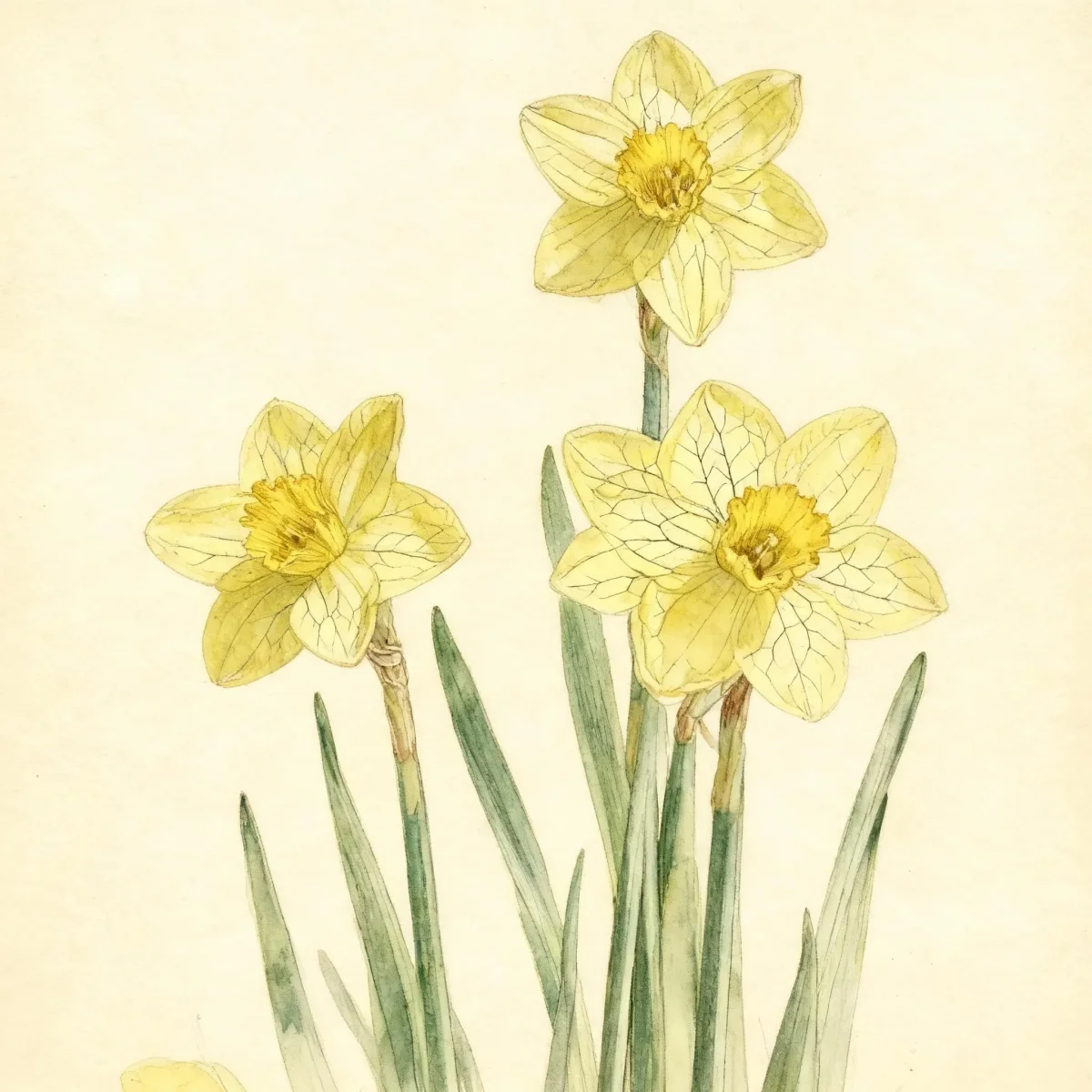
Belonging to Division II of the daffodil classifications, this variety typically reaches heights between 0.75 and 1.5 feet. Its structure—a single, one-flower-per-stem presentation—makes it excellent for formal displays or mixed borders where individual blooms need appreciation. Gardeners value the robust nature of this Large-cupped daffodil for naturalizing, allowing it to colonize and expand its presence over time.
With its excellent bloom quality and adaptability, Narcissus ‘Vintage Rose’ fills the essential role of early spring color. Plant these bulbs massed for the greatest visual impact, where their distinctive salmon-pink coloring can brighten landscapes hardening off after winter.
Fast Facts
- Plant Family: Amaryllidaceae
- Plant Type: Bulb
- Hardiness Zones: USDA Zones 3-8
- Size at Maturity:
- Height: 0.75-1.5 ft
- Spread: 0.5-0.75 ft
- Bloom Time: April
- Bloom Description: Creamy white petals and salmon pink cup
- Sun Exposure: Full sun to part shade
- Water Needs: Medium
- Maintenance Level: Low
How to Grow
Planting your Narcissus ‘Vintage Rose’ bulbs should occur in early to mid-fall before the ground freezes hard. These bulbs thrive in average, medium-moisture, well-drained soils, though organically rich loams are preferred for best long-term performance. Ensure excellent drainage, as bulb rot is a risk in soggy conditions. Plant each bulb two to three times as deep as the bulb is tall, ensuring at least three inches of soil covers the top. Spacing is flexible; planting 4 to 10 inches apart is ideal, with larger bulbs needing more room. Flowers of the Large-cupped daffodil generally face the sun, so position plantings strategically behind any shading elements.
During active growth in spring, soils should be kept uniformly moist. Once the magnificent blooms of Narcissus ‘Vintage Rose’ fade, refrain from cutting back the foliage; allow the leaves to yellow naturally, which enables the bulb to store the necessary energy for next year’s display. Deadhead faded flowers to prevent seed formation, which channels energy away from bulb multiplication.
Daffodils are famously low maintenance and can be left undisturbed for many years. If you notice a decline in the quantity or quality of your blooms after a time, you can divide the clumps subtly. This division process should happen immediately after the foliage completely dies back in late spring or early summer.
Landscape Uses
Narcissus ‘Vintage Rose’ excels when utilized in large groupings rather than small, isolated specimens. Planting in quantities of six bulbs or more, and placing them in sweeping drifts, maximizes the visual effect of this Large-cupped daffodil in the spring garden. They look spectacular planted at the edge of woodland areas or naturalized randomly throughout an open lawn area.
These bulbs mix beautifully with virtually any other spring-flowering species. Consider pairing them with early tulips, grape hyacinths (Muscari), or late-blooming narcissus varieties to extend the spring color show. Because they naturalize well, they are perfect for softening the edges of formal beds and borders or placing in front of foundation shrubs that will leaf out later in the season.
The slightly taller stems of the Large-cupped daffodil make them excellent candidates for mid-border placement, standing tall above low-growing spring ephemerals. Since the foliage dies back early, ensure you place plants behind them that will fill the gap as summer progresses.
Standout Features
Flower Qualities
- Showy
Noteworthy Characteristics
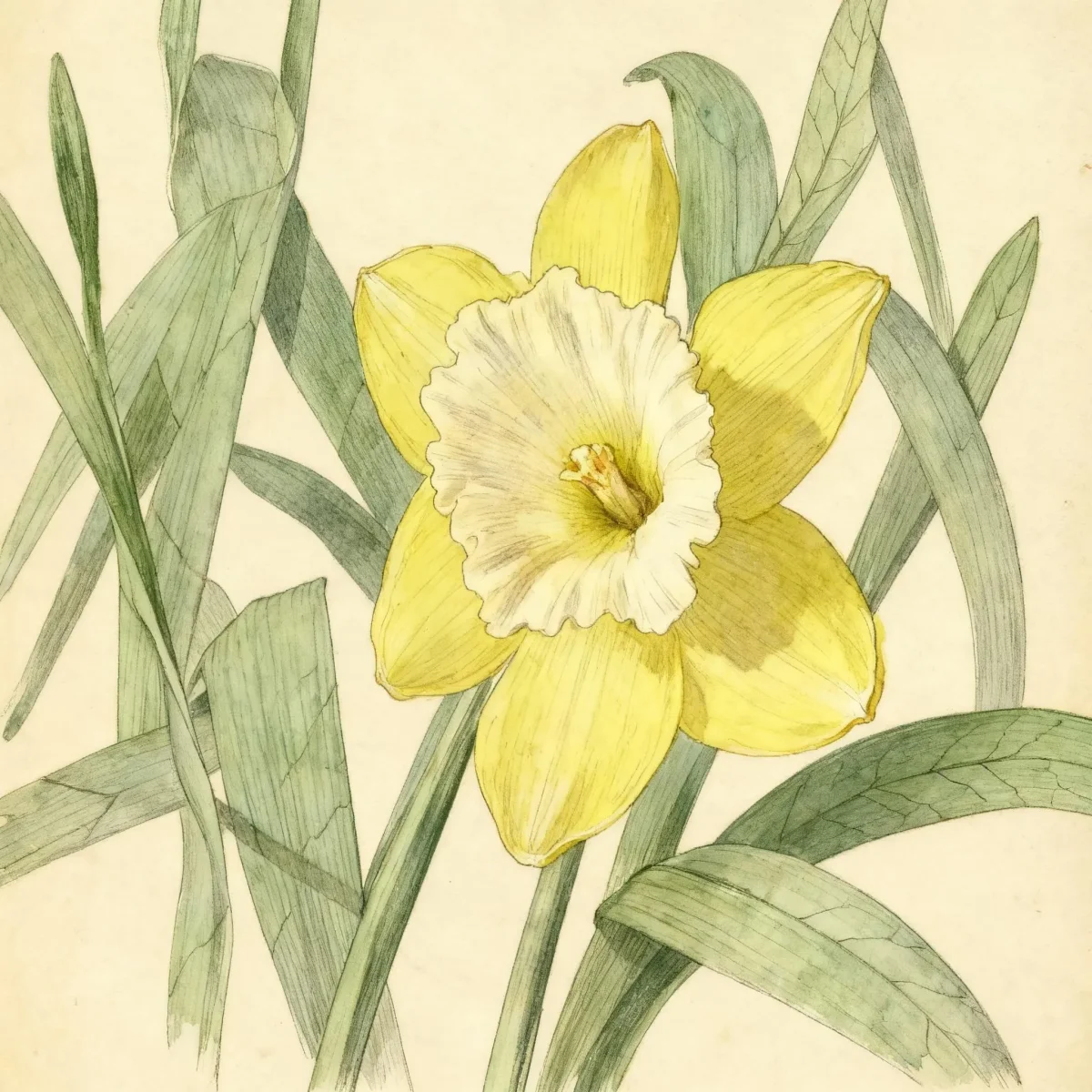
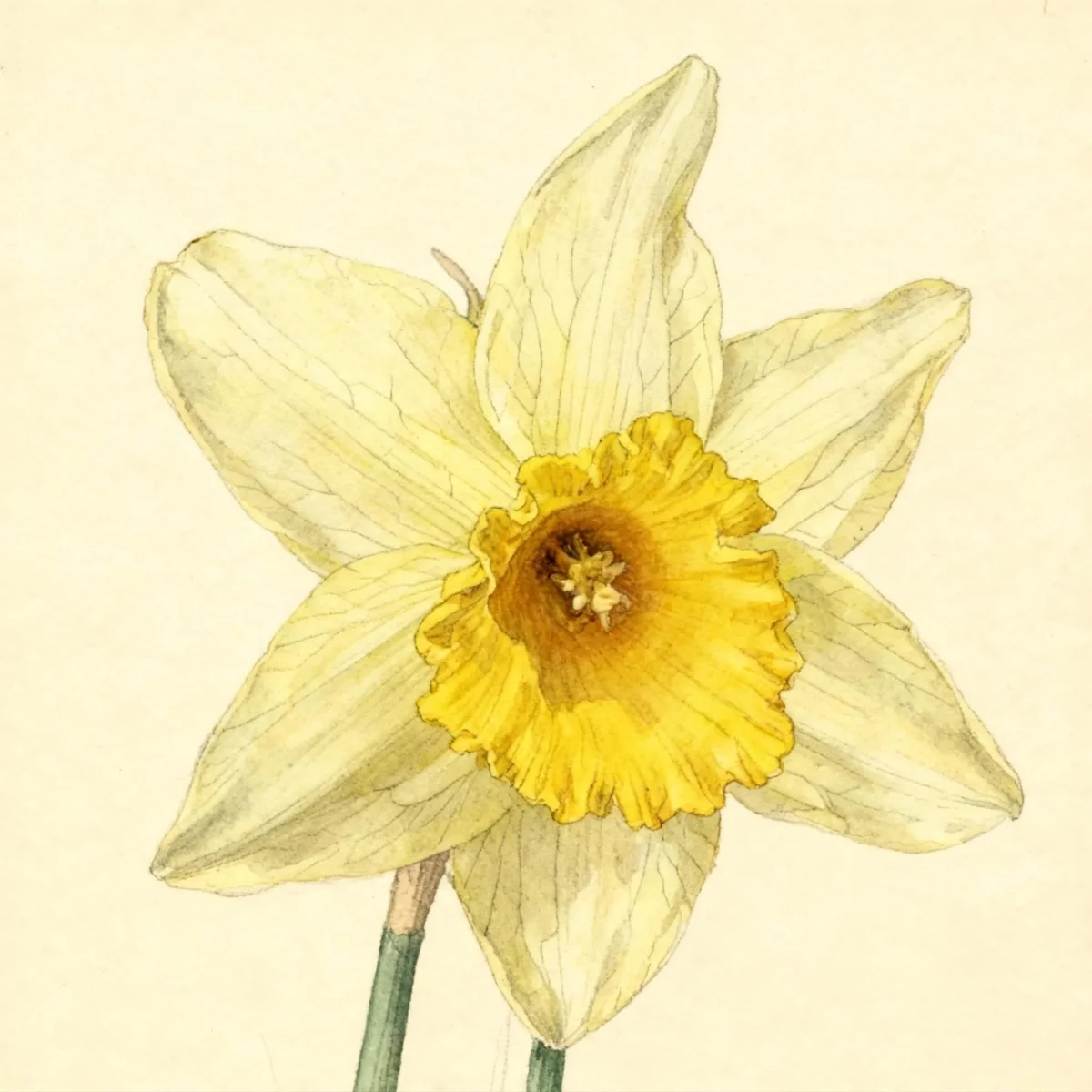
Narcissus is a genus of about 50 species of bulbous perennials from Europe and North Africa, forming a vital mainstay of the spring garden. Flowers typically feature a trumpet or cup (the corona) surrounded by six petals (perianth segments) in various colors. ‘Vintage Rose’ is specifically a large-cupped daffodil (Division II), rising 10-14” tall, exhibiting creamy white petals and a salmon-pink cup. This variety produces one flower per stem and is considered an excellent fresh cut flower option.
Tolerances
- Rabbit
- Deer
- Drought
Potential Problems
Daffodils, including Narcissus ‘Vintage Rose’, are generally robust and noted for being nearly pest-free with correct cultural practices. The primary threat comes from poor soil conditions; bulb rot frequently occurs if the soil is poorly drained or stays waterlogged during the growing season. Vigilance regarding drainage is key management strategy.
Infrequently, pests like slugs and snails may bother tender new growth. For insect issues, watch for narcissus bulb fly or narcissus nematode, though these are uncommon in established, healthy plantings. If purchasing new bulbs, inspect them carefully to avoid introducing Narcissus yellow stripe virus.
Frequently Asked Questions
What hardiness zones is Large-cupped daffodil suitable for?
Narcissus ‘Vintage Rose’ is hardy and reliable across USDA Zones 3 through 8, making it a versatile choice for many regions.
How large does Narcissus ‘Vintage Rose’ grow?
This Large-cupped daffodil typically matures to a height between 0.75 and 1.5 feet, with a spread reaching 0.5 to 0.75 feet wide.
When does Large-cupped daffodil bloom?
The bloom time for Narcissus ‘Vintage Rose’ is generally in April, showcasing its beautiful creamy white petals and salmon pink cup.
What sun exposure does Narcissus ‘Vintage Rose’ need?
This cultivar performs best when sited in locations receiving full sun to part shade, allowing the blooms to develop strong color facing toward the light.
Conclusion
Narcissus ‘Vintage Rose’ remains a garden essential, providing reliable structure and unforgettable color as one of the most popular Large-cupped daffodils available. Its distinctive salmon-pink cup offers unique warmth to early spring displays. Before planting, confirm that your garden falls within USDA Zones 3-8 compatibility and ensure excellent soil drainage for long-term success with this low-maintenance bulb.
Companion Planting
Daffodils integrate seamlessly into nearly any spring garden design due to their early bloom time and the foliage senescence process. Plant them near later-emerging perennials like Hostas; by the time the Hosta leaves fully unfurl, the daffodil foliage will be yellowing and ready to be removed, hiding the fading leaves effectively. Consider pairing Narcissus ‘Vintage Rose’ with shorter, early bloomers like Scilla or Chionodoxa for a layered color effect near borders.
Propagation Tips
The primary method for propagating this Large-cupped daffodil is natural division, as they are not typically grown from seed in home gardens. Daffodils generally multiply on their own when left undisturbed in favorable conditions. When clumps become overcrowded, usually indicated by smaller flowers after several years, divide them. Wait until the foliage has fully yellowed after blooming, then carefully dig up the entire clump. Gently pull the bulbs apart by hand, ensuring each new division has a firm basal plate intact, and immediately replant them at the correct depth in early fall.