Oregano (Origanum 'Kent Beauty')
Origanum 'Kent Beauty' Oregano offers unique pink, hop-like flowers. Low maintenance, drought-tolerant perennial for sunny borders and containers.
Scroll down to discover growing tips, care requirements, companion plants, and more
Complete Plant Information
Overview
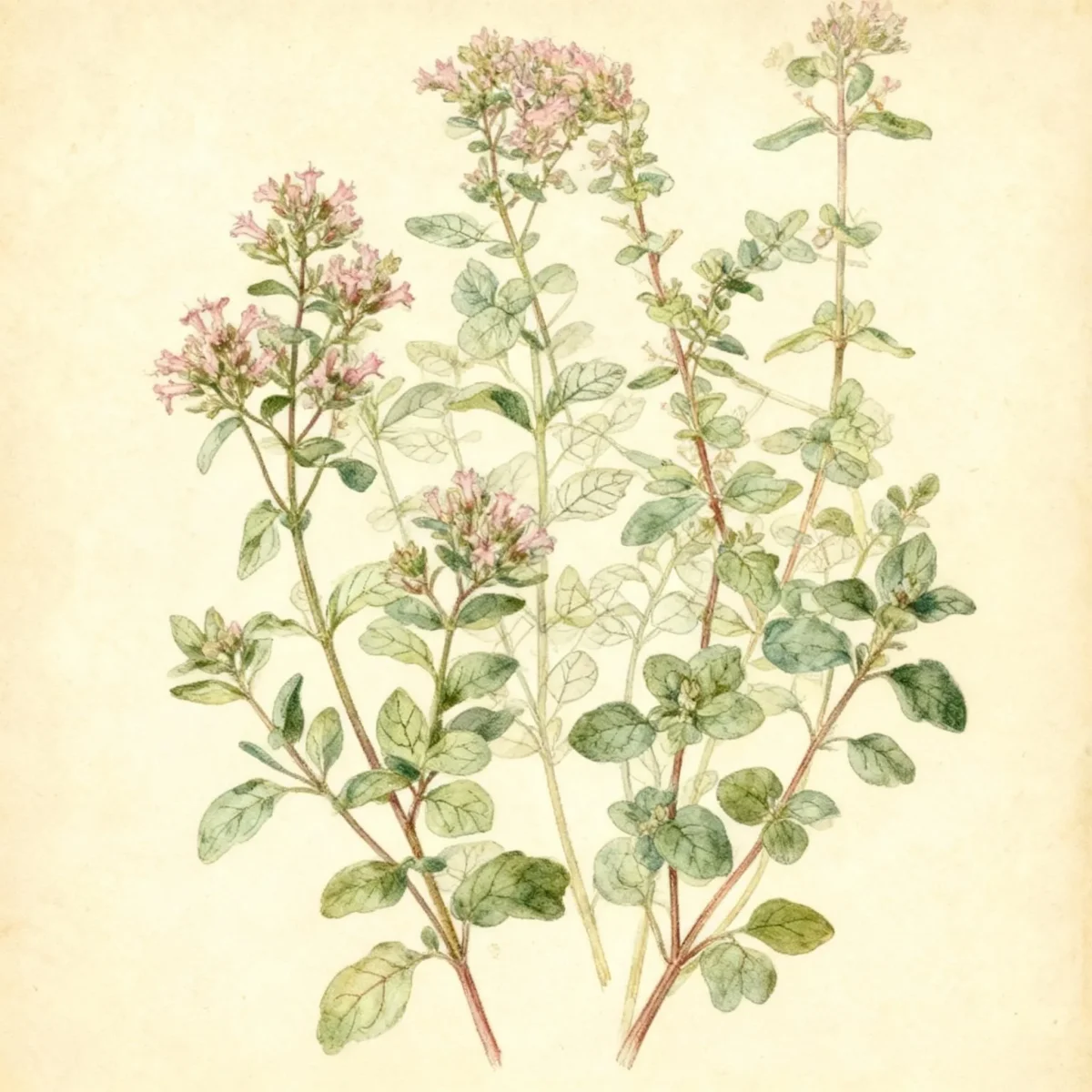
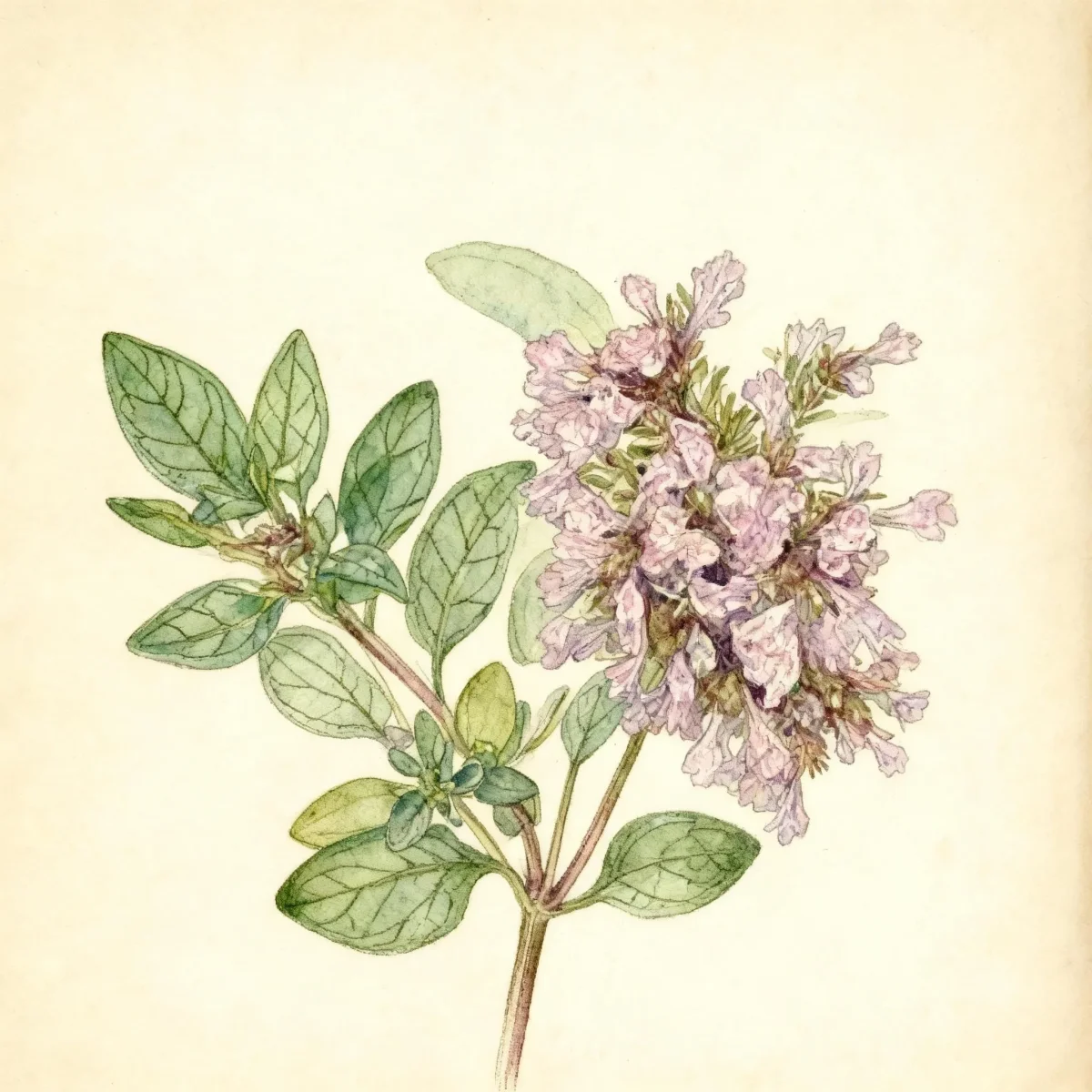
Origanum ‘Kent Beauty’ is a standout ornamental Oregano valued far more for its unique aesthetics than its ephemeral culinary qualities. This cultivar, a hybrid, provides a charming, trailing habit perfect for softening edges or spilling from containers, making it a favorite among landscape designers looking for textured foliage and unusual blooms. Its primary appeal lies in the unique, drooping, pink-bracted, hop-like flowers that appear profusely from summer into autumn.
As an herbaceous perennial, Origanum ‘Kent Beauty’ thrives in conditions mirroring its Mediterranean origins. It requires minimal fuss, appreciating full sun and well-drained soils, including gritty or sandy loams where many other plants struggle. This resilience makes the selection of Origanum ‘Kent Beauty’ a practical choice for creating long-lasting color with low ongoing commitment.
While retaining the aromatic lineage of the Oregano genus, the foliage of ‘Kent Beauty’ is generally not potent enough for cooking. Instead, gardeners enjoy its silvery-veined leaves and the lasting beauty of its bracted flowers, which are excellent for both fresh cutting and drying applications.
Fast Facts
- Plant Family: Lamiaceae
- Plant Type: Herbaceous perennial
- Hardiness Zones: USDA Zones 6-9
- Size at Maturity:
- Height: 0.5-0.75 ft
- Spread: 0.7-1 ft
- Bloom Time: June to September
- Bloom Description: Pink
- Sun Exposure: Full sun
- Water Needs: Dry to medium
- Maintenance Level: Low
How to Grow
Plant Origanum ‘Kent Beauty’ during the spring after the danger of frost has passed, ensuring it receives consistent full sun exposure throughout the day for the best flowering performance. Success hinges on excellent drainage; if your soil retains too much moisture, amend it heavily with grit or sand, as wet, poorly drained conditions are the primary threat to this plant’s survival. It adapts well to average garden soils, provided they are not waterlogged.
Watering needs for this ornamental oregano are minimal once established, thriving in dry to medium moisture conditions. Good inherent drought tolerance means frequent irrigation is usually unnecessary, aligning perfectly with water-wise garden designs. Fertilizing is rarely required; over-fertilizing can lead to excessive leafy growth at the expense of the unique flowers.
To maintain the compact and tidy appearance of your Origanum ‘Kent Beauty’, regular shearing is highly recommended. Cut the plants back moderately just before the main bloom period begins; this encourages fresh basal growth and keeps the trailing mounds neat throughout the growing season. In colder regions (lower Zone 6), protect the crown with a light mulch as winter approaches.
Landscape Uses
The compact size and desirable trailing habit make Origanum ‘Kent Beauty’ exceptionally versatile in the landscape. It excels when nestled near the front of a border edge or incorporated into rock gardens where sharp drainage is naturally provided. Furthermore, its cascading nature is perfectly showcased in containers, window boxes, or hanging baskets, where the pink bracts can drape elegantly over the rim.
Consider using this aromatic perennial alongside other sun-loving, drought-tolerant herbs or Mediterranean plants. It pairs beautifully with lavender, creeping thyme, or upright gray-leaved artemisias, creating textures that contrast nicely with the silver-veined leaves of the Oregano. Its continuous bloom also makes it an excellent filler in mixed seasonal plantings designated as “Annual” use, extending visual interest until frost.
For those seeking materials for lasting home décor, the unique flower heads of Origanum ‘Kent Beauty’ are an excellent source for dried arrangements. Harvesting stems just as the bracts reach peak color will ensure the best results when air-drying them for seasonal displays.
Standout Features
Flower Qualities
- Showy
- Good Dried
Noteworthy Characteristics
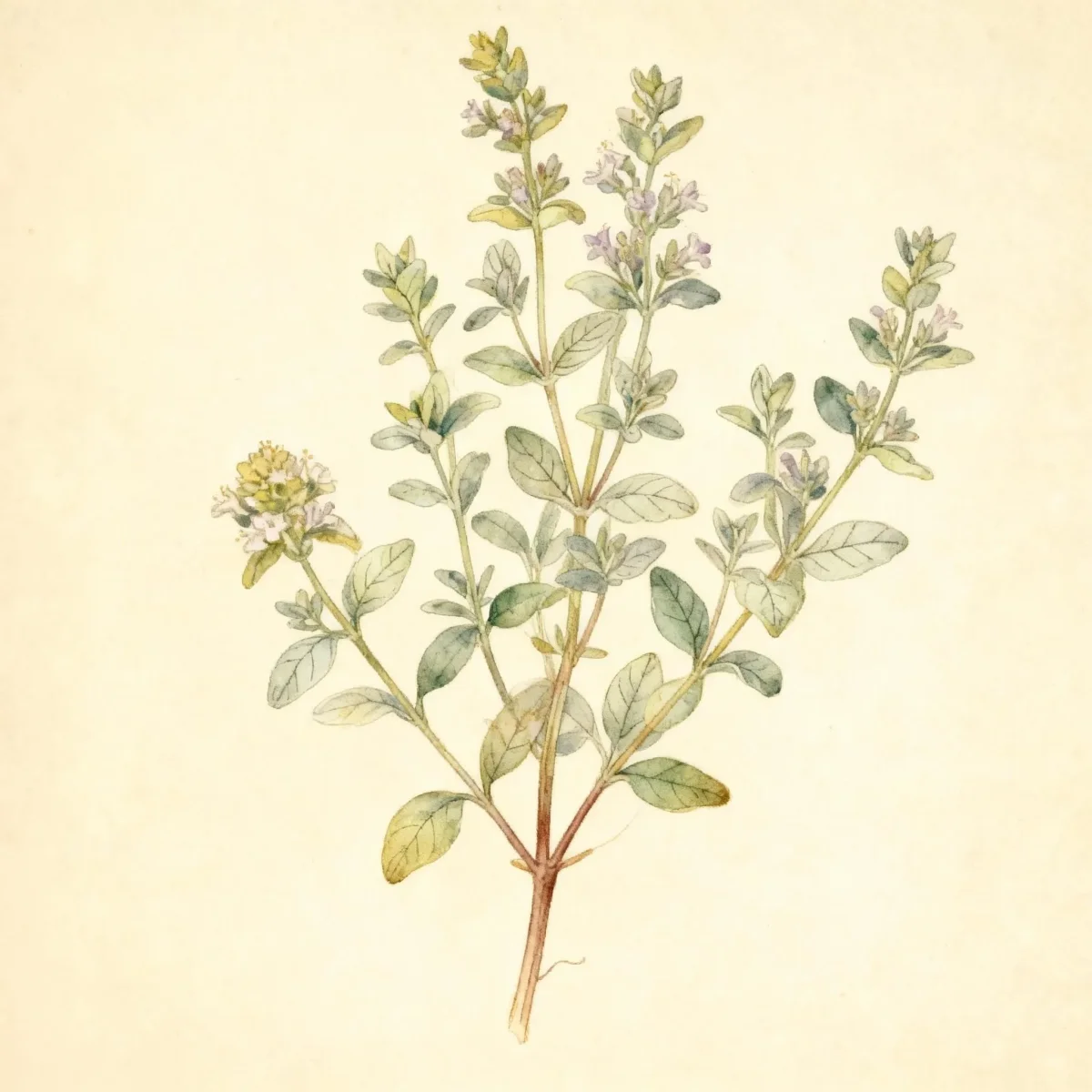
Origanum is a genus of about 20 species of herbaceous perennials and deciduous and evergreen sub-shrubs native to the Mediterranean and southwestern Asia, though ‘Kent Beauty’ is specifically a hybrid ornamental oregano (O. Rotundifolium x O. Scabrum). This bushy, trailing plant features densely packed, small, oval, silver-veined, glaucous leaves on wiry stems, creating textural interest even when not in bloom. The highly unique, drooping, pink, hop-like flowers bloom reliably from summer through fall, providing long-lasting ornamental appeal.
Tolerances
- Rabbit
- Deer
- Drought
Potential Problems
Origanum ‘Kent Beauty’ is generally considered robust, facing few serious issues with pests or diseases when grown correctly. The most significant cultural problem arises from improper watering; root rot is a distinct possibility if the plant is situated in heavy, poorly drained soil, especially during wet periods.
Occasionally, gardeners might spot fungal diseases, aphids, or spider mites, particularly if air circulation is poor or the plant is stressed by insufficient sunlight. Maintaining the recommended low water needs and promoting good airflow around the stems will significantly mitigate these occasional pest and disease pressures. Deer and rabbits typically ignore this aromatic plant.
Frequently Asked Questions
What hardiness zones is Oregano (Origanum ‘Kent Beauty’) suitable for?
This plant is generally suitable for USDA Hardiness Zones 6 through 9, offering reliable perennial performance across these ranges.
How large does Origanum ‘Kent Beauty’ grow?
Mature plants typically reach a compact height between 0.5 and 0.75 feet, with a spread ranging from 0.7 to 1 foot wide.
What sun exposure does Origanum ‘Kent Beauty’ need?
To achieve the best floral display and maintain plant health, Origanum ‘Kent Beauty’ requires full sun exposure daily.
When does Oregano (Origanum ‘Kent Beauty’) bloom?
This ornamental variety flowers over a long season, typically blooming from June all the way through September, presenting beautiful pink bracts.
Conclusion
The ornamental appeal of Origanum ‘Kent Beauty’ lies in its textured, silver-veined foliage and its masses of unique, drooping pink flowers, making it a worthwhile addition despite its limited culinary use. This low-maintenance superstar excels in dry, sunny spots where its drought tolerance shines. Before planting, ensure your soil offers excellent drainage and check that you are within USDA Zones 6 to 9 to maximize the perennial success of your Oregano.
Companion Planting
When selecting partners for Origanum ‘Kent Beauty’, prioritize plants that share its cultural needs: full sun and excellent drainage. Succulents and Mediterranean herbs make ideal companions, as they tolerate the dry conditions this oregano prefers. Consider pairing it with low-growing Sedums, Sempervivums, or creeping Thyme varieties to create a tapestry of contrasting textures in a rock garden setting.
Plants requiring consistent moisture, like hostas or traditional bedding annuals, should be avoided, as the differing water needs will stress one or both species. By grouping this Oregano with other low-profile, sun-loving perennials, you simplify the care regimen across the entire planting bed.
Container Growing
The growth habit of Origanum ‘Kent Beauty’ makes it perfectly suited for container gardening, where its trailing stems can cascade attractively over the pot’s edge. Use a container mix amended with extra perlite or grit to guarantee the vital drainage this plant demands—never use standard heavy garden soil in pots.
In hanging baskets, plant it near the rim and combine it with upright, contrasting colors like upright purple fountain grass or compact red geraniums to create a balanced, multi-textured display that benefits from the Oregano’s silvery tones. Remember that containers dry out faster than the ground, so while this plant likes dry soil, monitor it closely during the hottest part of summer.