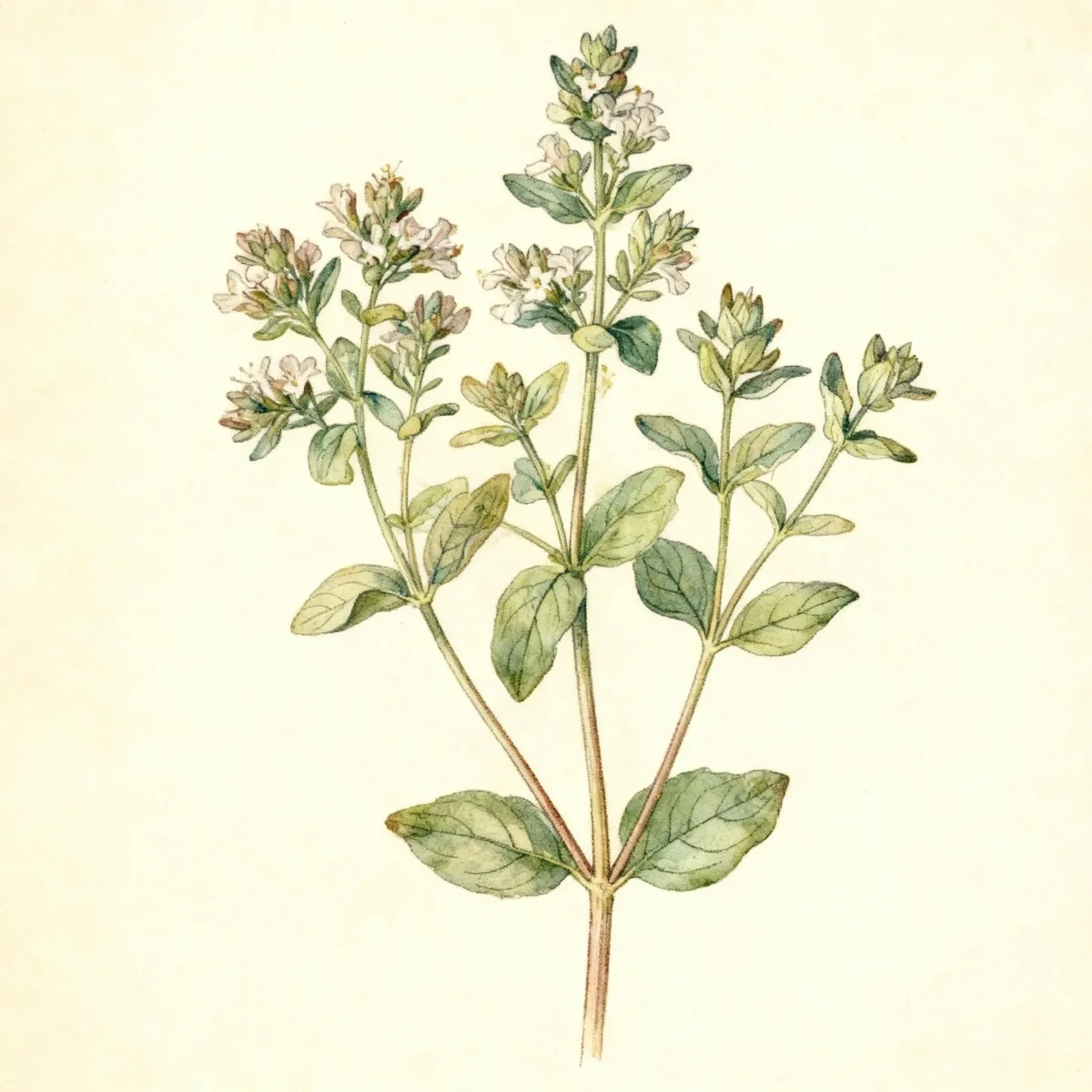
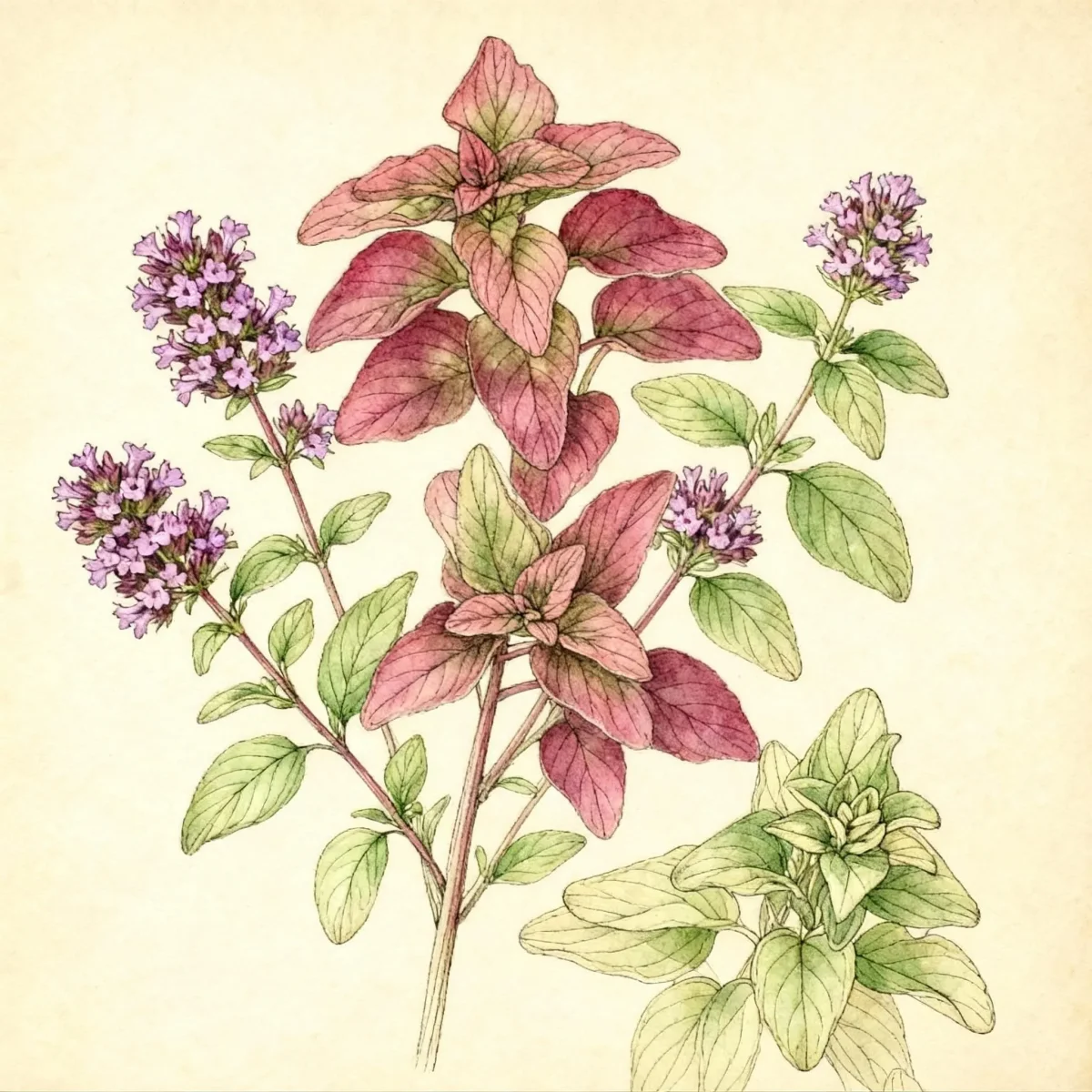
Oregano (Origanum vulgare 'Aureum')
Origanum vulgare 'Aureum' is a sun-loving herbaceous perennial Oregano prized for its bright golden foliage in borders and rock gardens.
Scroll down to discover growing tips, care requirements, companion plants, and more
Complete Plant Information
Overview
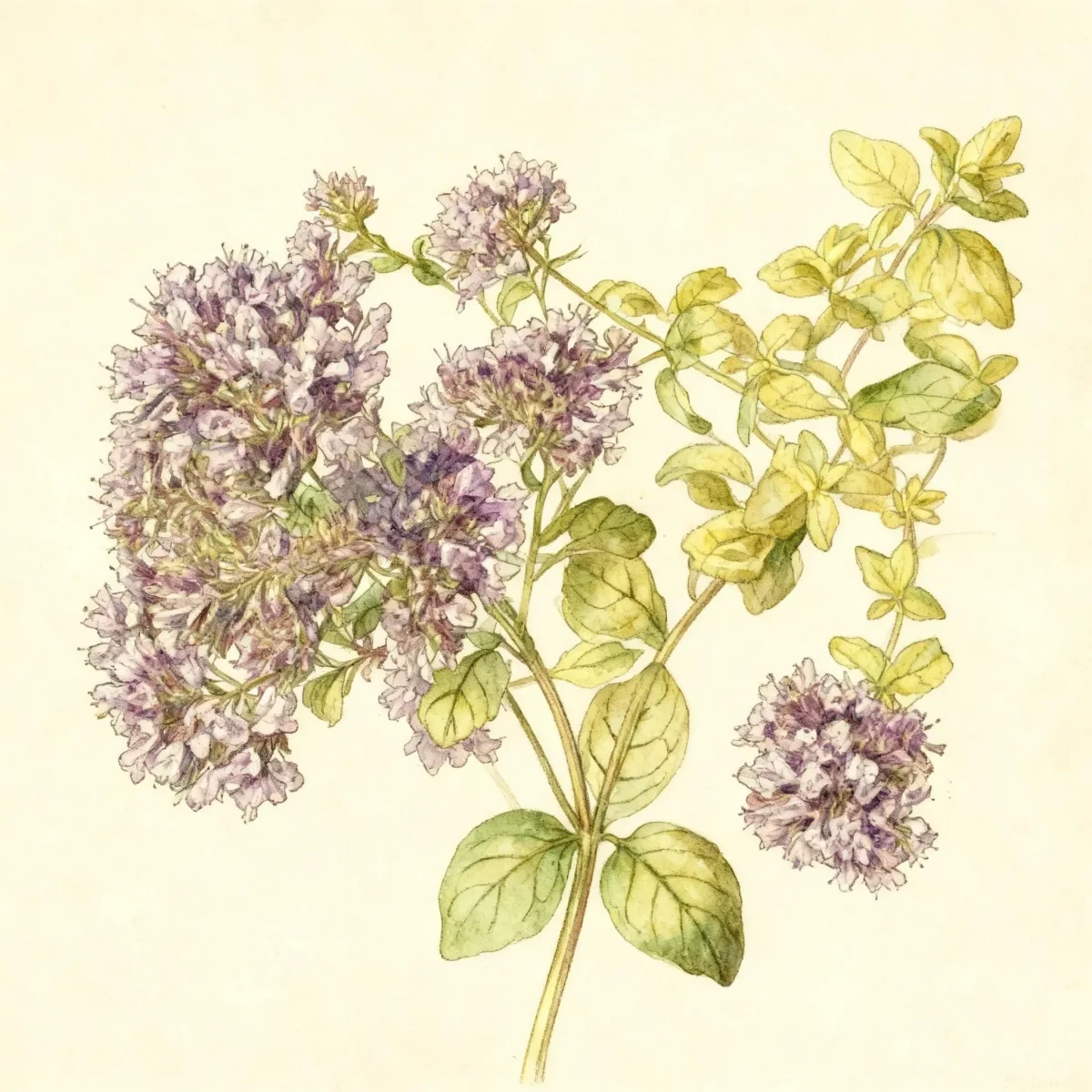
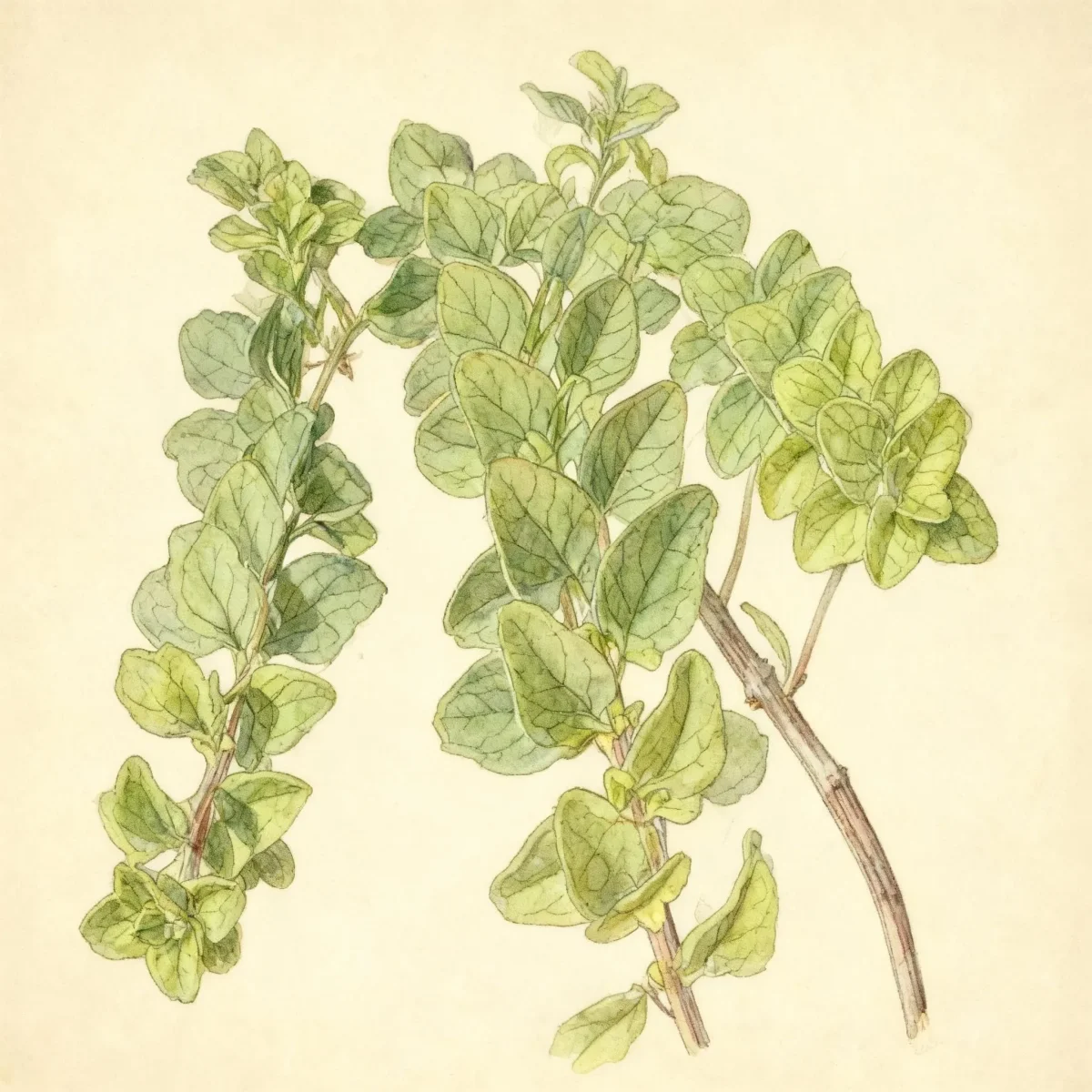
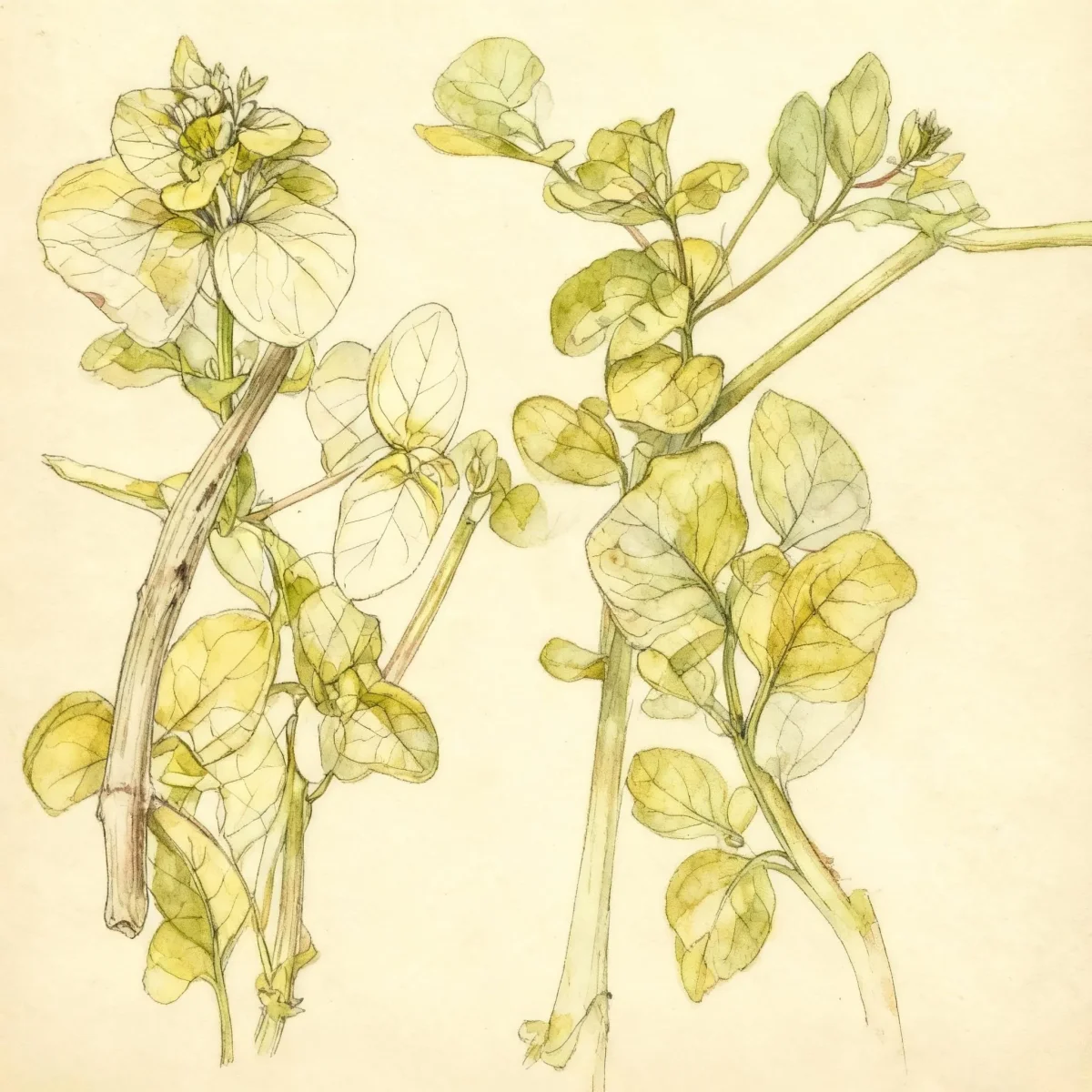
Origanum vulgare ‘Aureum’, commonly known as Golden Oregano, provides exceptional ornamental value through its brilliantly colored golden-yellow foliage. While related to the culinary standard, this cultivar is primarily grown for its aesthetic impact, brightening up landscape edges and rock gardens with its consistent, warm hue. It features the low-growing, spreading habit typical of many Oregano varieties, making it an excellent choice for groundcover or border fronts.
This hardy, herbaceous perennial thrives in full sun but benefits significantly from light afternoon shade in the hottest climates to prevent its delicate golden leaves from scorching. It is defined by its drought tolerance and preference for lean, well-drained soils, embodying a low-maintenance profile suitable for sunny, drier spots in the garden where many herbs struggle.
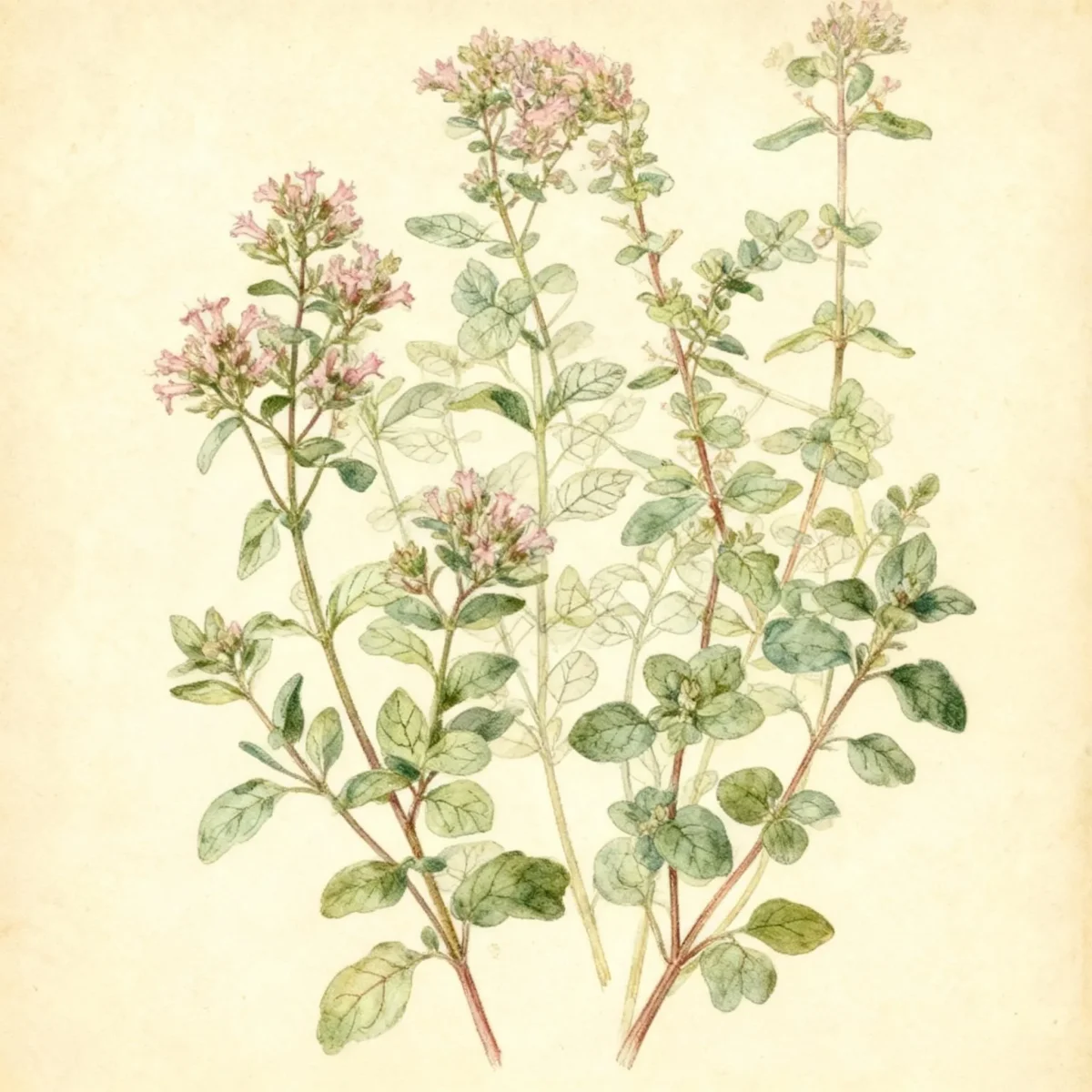
The plant generally matures relatively low to the ground, spreading moderately, often requiring minimal attention once established. Although it produces small pinkish-purple flowers in mid to late summer, many gardeners shear these off to maximize the visual appeal of the golden foliage, ensuring Origanum vulgare ‘Aureum’ remains a vibrant textural element throughout the season.
Fast Facts
- Plant Family: Lamiaceae
- Plant Type: Herbaceous perennial
- Hardiness Zones: USDA Zones 4-8
- Size at Maturity:
- Height: 0.5-1 ft
- Spread: 1-1.5 ft
- Bloom Time: July to September
- Bloom Description: Pinkish-purple
- Sun Exposure: Full sun
- Water Needs: Dry to medium
- Maintenance Level: Low
How to Grow
Establish Origanum vulgare ‘Aureum’ in average, well-drained soil. While it prefers full sun, gardeners in intense summer locations should plan for some afternoon protection; providing light shade prevents the celebrated golden leaves from burning during the heat of the day. Good drainage is paramount, as this Oregano variety handles gritty, sandy loams exceptionally well and suffers root rot in overly wet conditions.
Watering requirements are minimal once established, aligning with its good heat and drought tolerance. Allow the soil to dry to a medium level between waterings. Fertilization is generally unnecessary, as rich soil can encourage leggy growth, reducing the compact appearance valued in this cultivar.
To maintain a tidy habit and encourage fresh foliage growth, shear the plants back regularly, ideally before the light pinkish-purple flowers fully develop. If culinary interest is secondary (as ‘Aureum’ has mild aroma), trimming helps control spread and maximizes the ornamental effect. Propagation is best achieved via cuttings, ensuring you replicate the desired golden foliage characteristics, as seed-grown plants are inconsistent.
Landscape Uses
Origanum vulgare ‘Aureum’ serves beautifully as an informal edger or groundcover, defining pathways or softening the edges of hardscaping in herb or cottage gardens. Its bright golden color makes it an excellent filler among structural plants or as a way to brighten low-light areas when paired with afternoon shade arrangements.
Consider mass planting this Oregano for a striking visual sweep of color combined with texture. Due to its relatively contained size (up to 1.5 ft spread), it performs equally well in containers, window boxes, or rock gardens where drainage is naturally excellent. Use it as a cheerful contrast plant against deep green or blue-leafed companions in border fronts.
Standout Features
Flower Qualities
- Showy
Noteworthy Characteristics
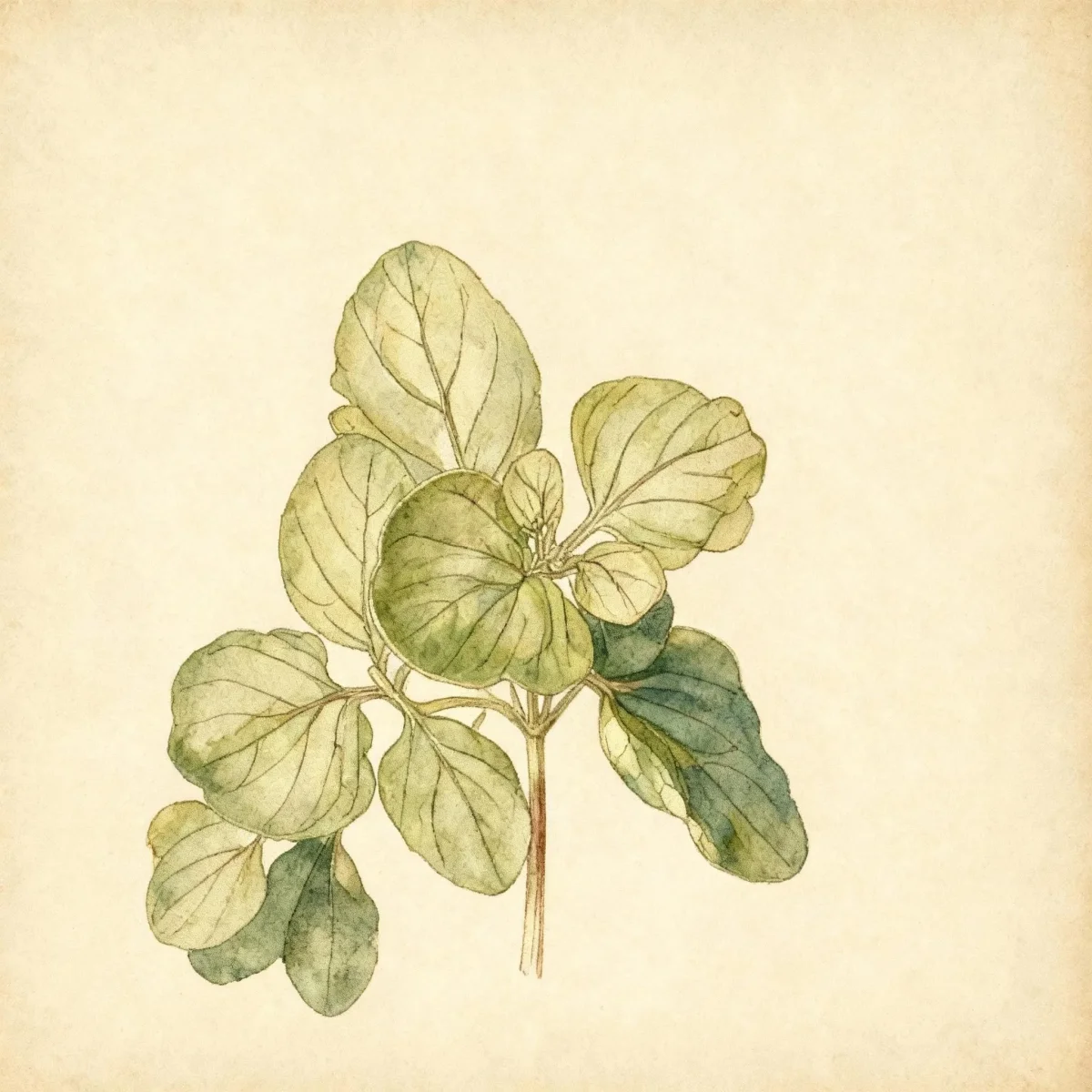
Origanum vulgare, commonly known as oregano, is a bushy, rhizomatous, woody-branched perennial which typically grows to 1-3’ tall and to 2’ wide on square stems clad with aromatic, glandular-spotted, rounded to ovate leaves (to 1 1/2” long) which are usually entire but sometimes have slightly toothed margins. Tiny, two-lipped, pinkish-purple or white flowers (typical mint family), each with 4 protruding stamens and leafy purple-toned bracts, bloom in axillary or terminal corymb-like spikelets which rise above the foliage in summer. Other plants have great ornamental value in regard to having golden, variegated or curly leaves (e.g., O. Vulgare ‘Aureum’ features golden yellow foliage) but little or no culinary value. ‘Aureum’ is a golden-leaved cultivar which typically grows to 6-12” tall and spreads to 18” wide and is commonly grown as an ornamental with its tiny pinkish-purple flowers often removed as soon as they appear so that the golden foliage can be fully appreciated without interference.
Tolerances
- Deer
- Drought
- Erosion
- Dry Soil
- Shallow-Rocky Soil
Potential Problems
This Oregano generally presents few serious insect or disease issues when sited correctly. The primary cultural consideration involves preventing root rot, which occurs if the plant sits in wet or poorly drained soil, underlining the need for sharp drainage. Fungal diseases can become a concern in humid, stagnant conditions, so ensure good air circulation around the plants. Occasionally, aphids, leaf miners, or spider mites may appear, usually manageable with horticultural soap. Be aware that the vibrant golden foliage of Origanum vulgare ‘Aureum’ may occasionally revert partially or fully back to the plain green coloration of the straight species, especially if grown in deep shade or if not regularly pruned.
Frequently Asked Questions
What hardiness zones is Oregano (Origanum vulgare ‘Aureum’) suitable for?
Origanum vulgare ‘Aureum’ is reliably hardy in USDA Zones 4 through 8.
How large does Oregano grow?
This herbaceous perennial typically reaches a height between 0.5 and 1 foot tall and spreads outward between 1 and 1.5 feet wide.
What sun exposure does Oregano need?
It thrives best exposed to full sun, though providing some afternoon shade is highly recommended in the hottest climates to protect the golden foliage.
When does Oregano bloom?
Bloom time for this specific Oregano occurs from July through September, producing small flowers described as pinkish-purple.
Conclusion
Origanum vulgare ‘Aureum’ is an essential low-maintenance addition for gardeners seeking year-round golden color at the border edge or in rockeries. Its superior drought tolerance makes it a reliable choice for tough, sunny spots. Before planting, confirm your location falls within USDA Zones 4-8 and ensure your soil drains exceptionally well to best suit this attractive Golden Oregano.
Propagation Tips
Propagation of Origanum vulgare ‘Aureum’ is most successfully accomplished by taking cuttings from established plants during the growing season. Selecting cuttings from plants that exhibit the best golden color ensures fidelity to the desired ornamental trait. This method bypasses the variability linked to seed germination, where resulting plants might lack the desirable golden foliage or strong aroma found in the parent stock.
Cuttings should be taken from semi-hardwood tips, usually about 3-4 inches long, and stripped of lower leaves. Dip the base in rooting hormone before placing them in a moist, sterile propagation mix, such as a 50/50 blend of perlite and peat. Keeping the cuttings in a humid, bright environment speeds up root development.
Once roots have formed, typically within a few weeks, the new plants can be hardened off and transplanted into their permanent locations. This technique is crucial for maintaining the visual impact of the ‘Aureum’ cultivar throughout your garden spaces.
Companion Planting
The excellent drainage requirements and love of full sun shared by Origanum vulgare ‘Aureum’ make it a natural fit alongside other Mediterranean herbs or sun-loving perennials. Plant this golden Oregano next to plants that appreciate dry conditions, such as Lavender (Lavandula), Thyme (Thymus species), or Sedum groundcovers.
Avoid placing it near moisture-loving plants, as this increases the risk of fungal issues for the Oregano. In cottage garden settings, its bright leaves provide a beautiful, low-growing contrast against the upright spikes of plants like Russian Sage (Perovskia atriplicifolia) or taller ornamental grasses.
The low, spreading nature of this variety ensures it does not obscure shorter companion plants, making it ideal for the front of a border where its color can be fully appreciated without competition.