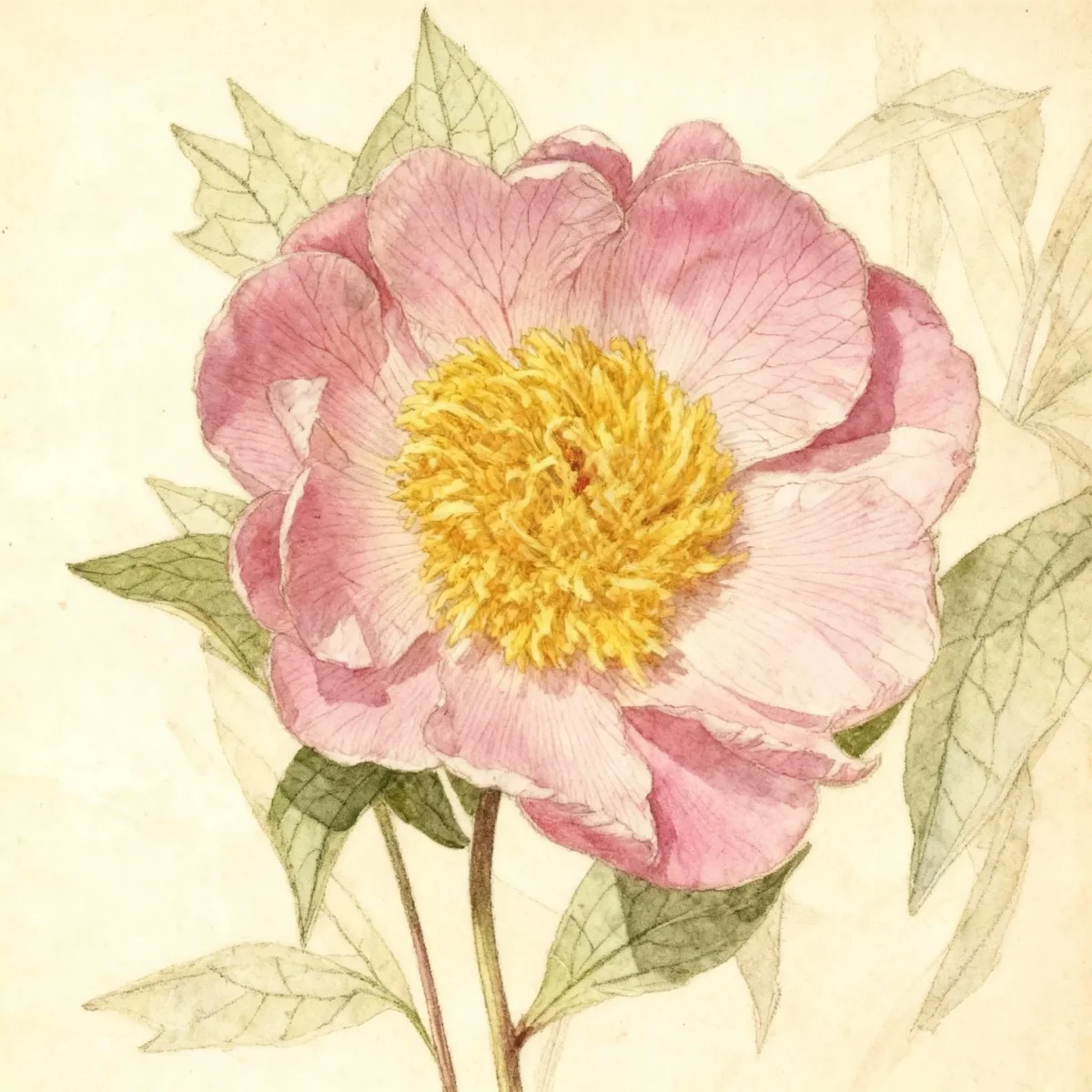
Peony (Paeonia lactiflora 'Buttercup')
Paeonia lactiflora 'Buttercup' is a showy, fragrant Herbaceous perennial Peony offering white Japanese-form blooms in late spring. Ideal for Zones 3-8.
Scroll down to discover growing tips, care requirements, companion plants, and more
Complete Plant Information
Overview
Paeonia lactiflora ‘Buttercup’ is a cherished herbaceous perennial, commonly known as the common garden Peony or Chinese peony, prized for its structure and late-spring floral display. This cultivar features attractive, shrub-like growth, offering not just spectacular blooms but also persistent, glossy foliage throughout the summer and into the fall. As a centerpiece of the perennial garden, this Peony naturally introduces elegant, long-lived beauty, often forgiving of neglect once established.
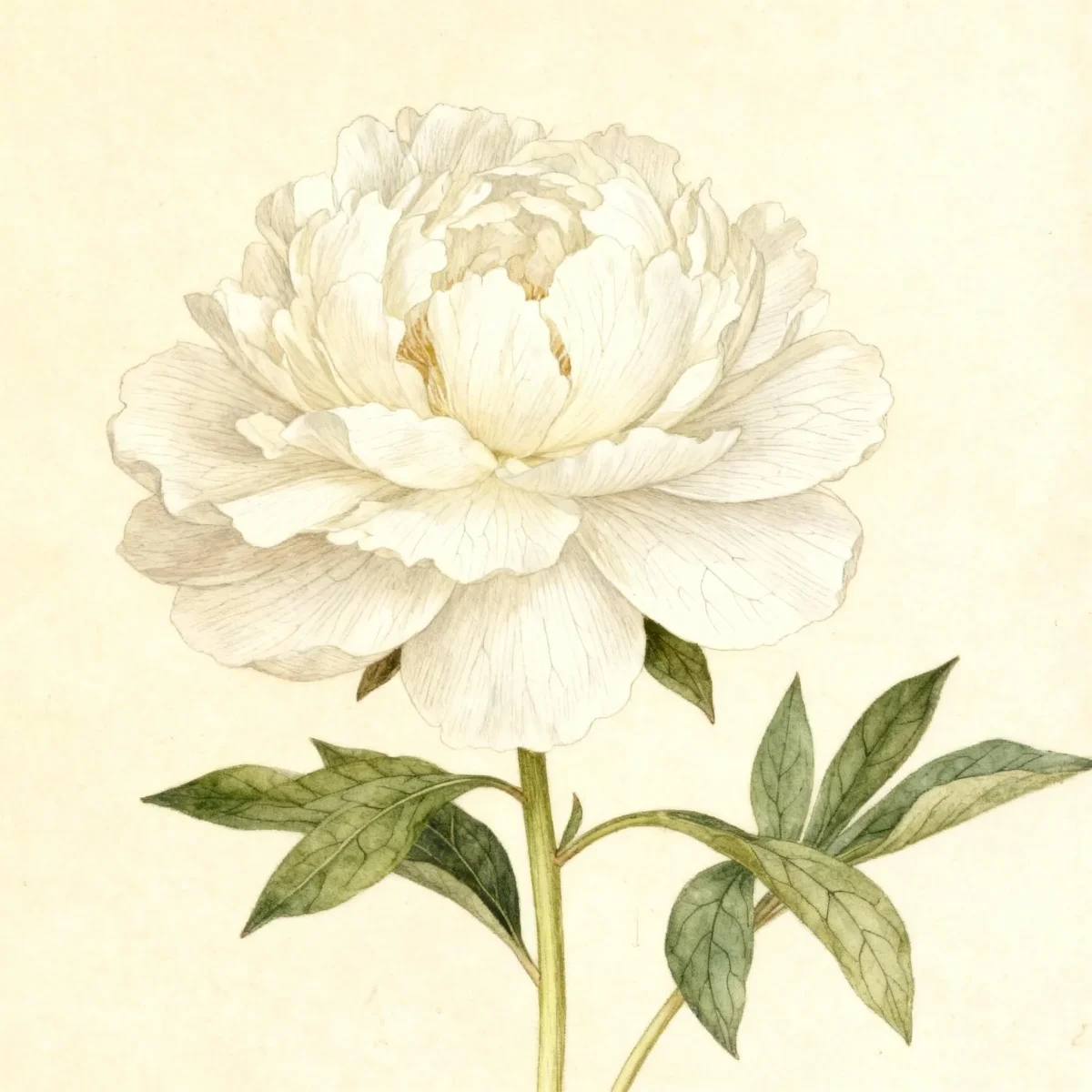
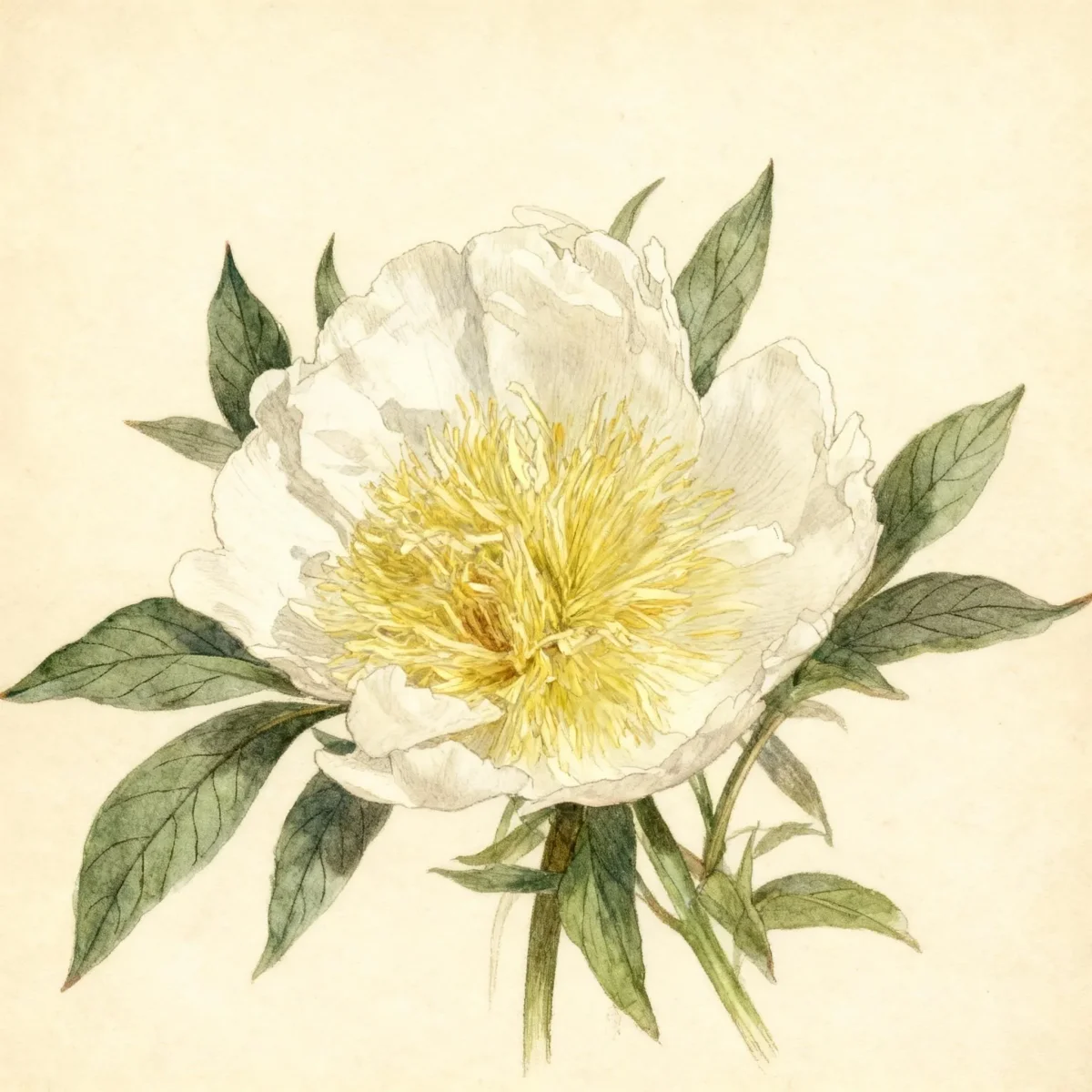
The ‘Buttercup’ cultivar displays Japanese-type flowers, characterized by white guard petals surrounding a conspicuous center boss of yellow petaloids, offering mild fragrance when in bloom, typically late mid-season. Belonging to the Paeoniaceae family, the Paeonia lactiflora ‘Buttercup’ forms robust, thickened tuberous roots and requires a necessary cold winter dormant season to thrive.
Gardening success with this Peony involves providing optimal soil and sun conditions during its main growth phase. While they are relatively low-maintenance once situated, proper initial planting depth is crucial for ensuring reliable flowering year after year. Expect rich visual rewards from this long-lived plant in USDA Zones 3 through 8.
Fast Facts
- Plant Family: Paeoniaceae
- Plant Type: Herbaceous perennial
- Hardiness Zones: USDA Zones 3-8
- Size at Maturity:
- Height: 2.5-3 ft
- Spread: 2.5-3 ft
- Bloom Time: April to May
- Bloom Description: White (Japanese form)
- Sun Exposure: Full sun to part shade
- Water Needs: Medium
- Maintenance Level: Medium
How to Grow
Plant Paeonia lactiflora ‘Buttercup’ in rich, fertile, well-drained soil. These plants require medium moisture, particularly needing abundant water during the early part of the growing season. For best results, incorporate compost into the soil prior to planting. Crucially, ensure the rootstock buds, or “eyes,” are planted about 2 inches below the soil surface; planting too deep or too shallow is a common reason for poor flowering.
While full sun encourages the best bloom performance, plants appreciate some protection from the harshest afternoon heat, making part shade acceptable, especially in hotter summer climates. Maintenance is generally medium. Spent flowers should be removed after their 7-10 day bloom period concludes.
As temperatures drop, cut the foliage of your Peony to the ground after the first hard frost and remove the debris from the garden area. These plants are exceptionally long-lived and should not generally be divided or moved, provided they are happy in their location, often thriving undisturbed for decades. In areas with minimal snow cover, adding mulch over the root areas during winter dormancy helps insulate the roots against hard freezes.
Landscape Uses
Peonies serve as a perennial border standard, providing excellent structure as specimens or planted in groups. Paeonia lactiflora ‘Buttercup’ is particularly effective used as an accent plant, standing tall near sidewalks, driveways, or along walls where their structure can be appreciated. Their flowers are extremely showy, drawing immediate attention when they burst open in late spring.
The foliage remains attractive throughout the summer and into early fall, long after the bloom has faded. This makes the Peony an excellent framing element or a reliable backdrop for shorter, mid-summer flowering perennials that utilize the space vacated by spring bulbs. Their mature size allows them to function almost as low, herbaceous hedges along perennial masses.
Standout Features
Flower Qualities
- Showy
- Fragrant
Noteworthy Characteristics
Paeonia lactiflora, commonly known as common garden peony, is an erect, shrub-like, herbaceous perennial that dies back to the ground after frost. The ‘Buttercup’ cultivar features Japanese-type blooms with white guard petals and yellow center petaloids, appearing in late mid-season, usually May. This species has historical significance, having been cultivated in China since the 7th century for its ornamental flowers.
Tolerances
- Rabbit
- Deer
Potential Problems
Peonies are generally pest-free, but cultural issues or specific diseases can occasionally appear. Watch out for Botrytis blight and Phytopthora blight, which thrive in overly wet conditions. Ants on the buds are common during development but are harmless and should be left alone.
If your Paeonia lactiflora ‘Buttercup’ fails to flower, first check the planting depth—eyes should not be more than two inches down. Shade interference, recent transplantation, or a late frost killing the developing buds are other major culprits. Larger blooms may require staking, as heavy rain can cause heavy stems to arch toward the ground.
Powdery mildew is a common, non-lethal fungus appearing on leaves in the fall; if unsightly, the foliage can be trimmed back after frost. Fortunately, deer and rabbits tend to avoid grazing on this resilient plant.
Frequently Asked Questions
What hardiness zones is Peony suitable for?
Paeonia lactiflora ‘Buttercup’ is reliably hardy in USDA Zones 3 through 8, making it a versatile choice for many temperate gardens.
How large does Peony grow?
This herbaceous perennial typically achieves a height between 2.5 to 3 feet, with a similar spread of 2.5 to 3 feet at maturity.
When does Peony bloom?
The bloom time for this cultivar is generally April to May, featuring its distinctive white (Japanese form) flowers.
What sun exposure does Paeonia lactiflora ‘Buttercup’ need?
It performs best with full sun but can tolerate part shade, especially in climates experiencing intense summer heat.
Conclusion
The Paeonia lactiflora ‘Buttercup’ offers reliable structure, beauty, and history to the landscape, cementing its status as a classic garden staple. With its showy, lightly fragrant blooms and durable foliage, this Peony proves its worth across multiple seasons. Before planting, double-check your local hardiness zone compatibility and ensure you set the eyes correctly during the fall or early spring planting window.
Companion Planting
Choosing appropriate companions is key to maximizing the visual appeal of your Peony bed, especially since the bloom time is relatively short. Plant lower-growing perennials around the base of the Paeonia lactiflora ‘Buttercup’ that will bloom later in the season, effectively filling the gap once the Peony finishes its display. Excellent companions include Hostas, which thrive in similar light conditions (especially part shade), and late-season bloomers like ornamental grasses or hardy Geraniums. Avoid planting aggressive groundcovers too close, as they can compete heavily for the water and nutrients the established Peony needs early in the spring.
Seasonal Care Calendar
Spring prep for the Peony involves gently removing the old cut-back foliage left from the previous fall after the threat of hard frost has passed. Focus on providing consistent moisture as new shoots emerge and buds begin to form; adequate water during this period is critical for stem strength and bloom quality. Mid-summer requires minimal attention; do not cut the foliage back prematurely, as the leaves are busy storing energy in the tuberous roots for next year’s performance. Fall cleanup is essential: wait until frost kills the stem tissue, then cut the stems down to the ground to minimize overwintering disease spores.