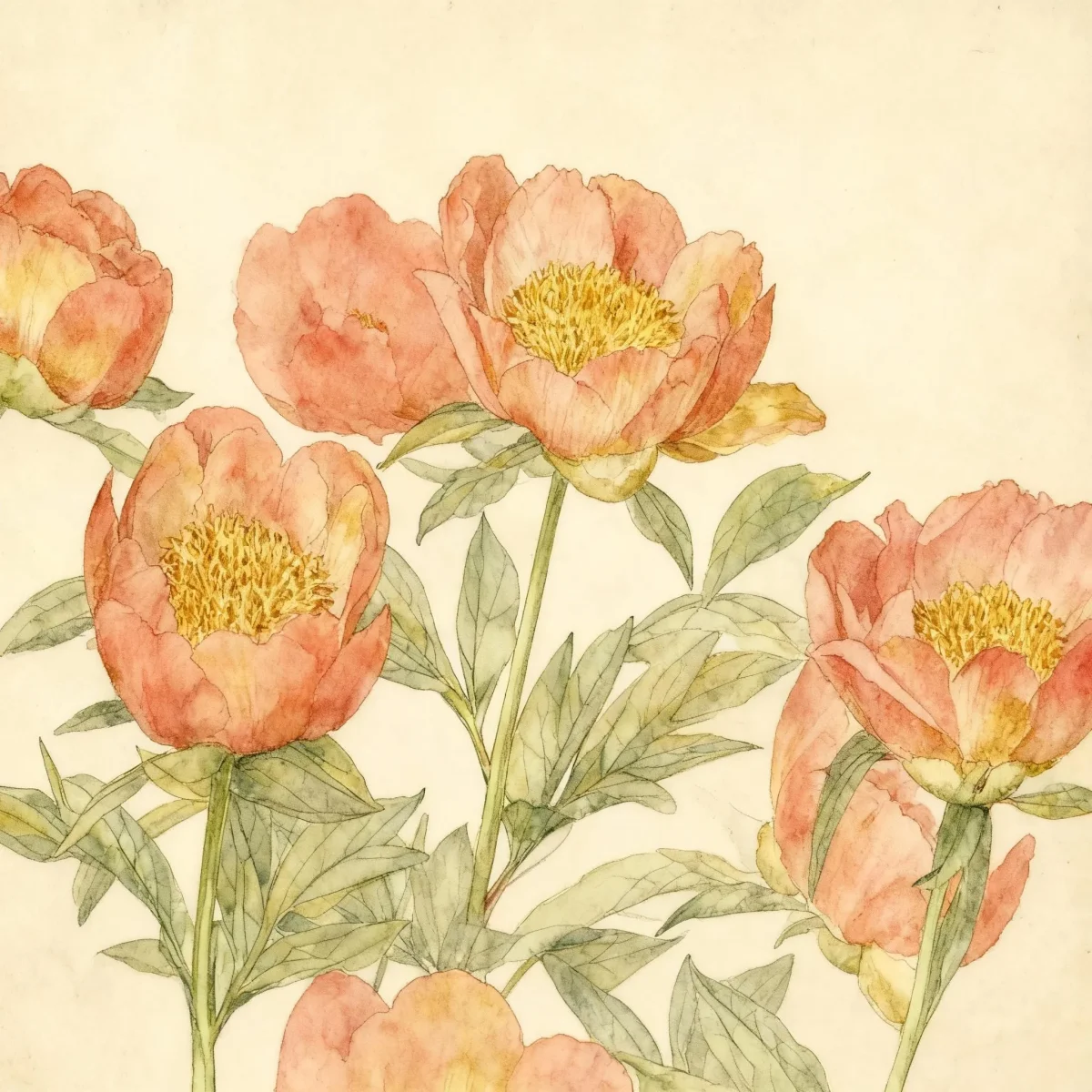
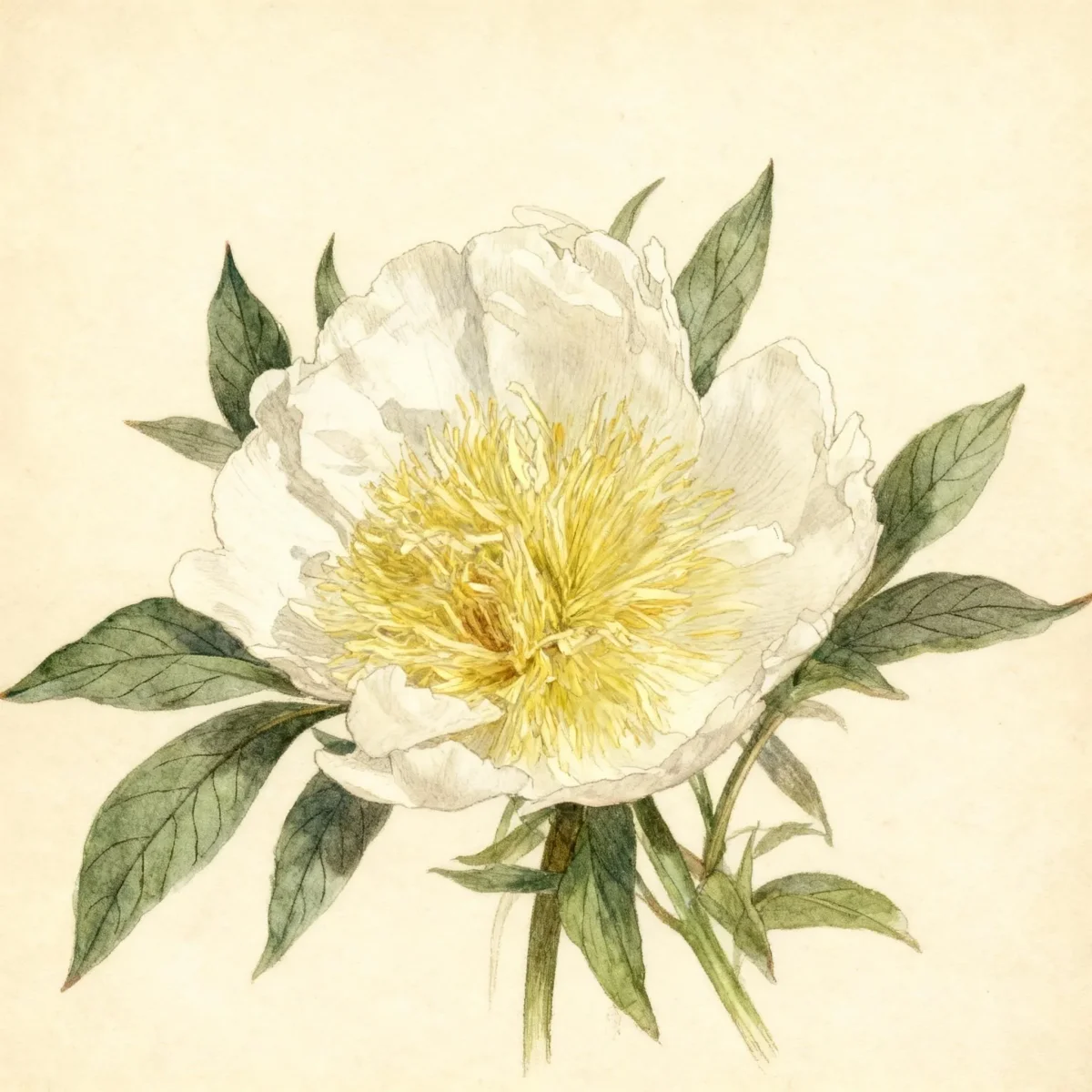
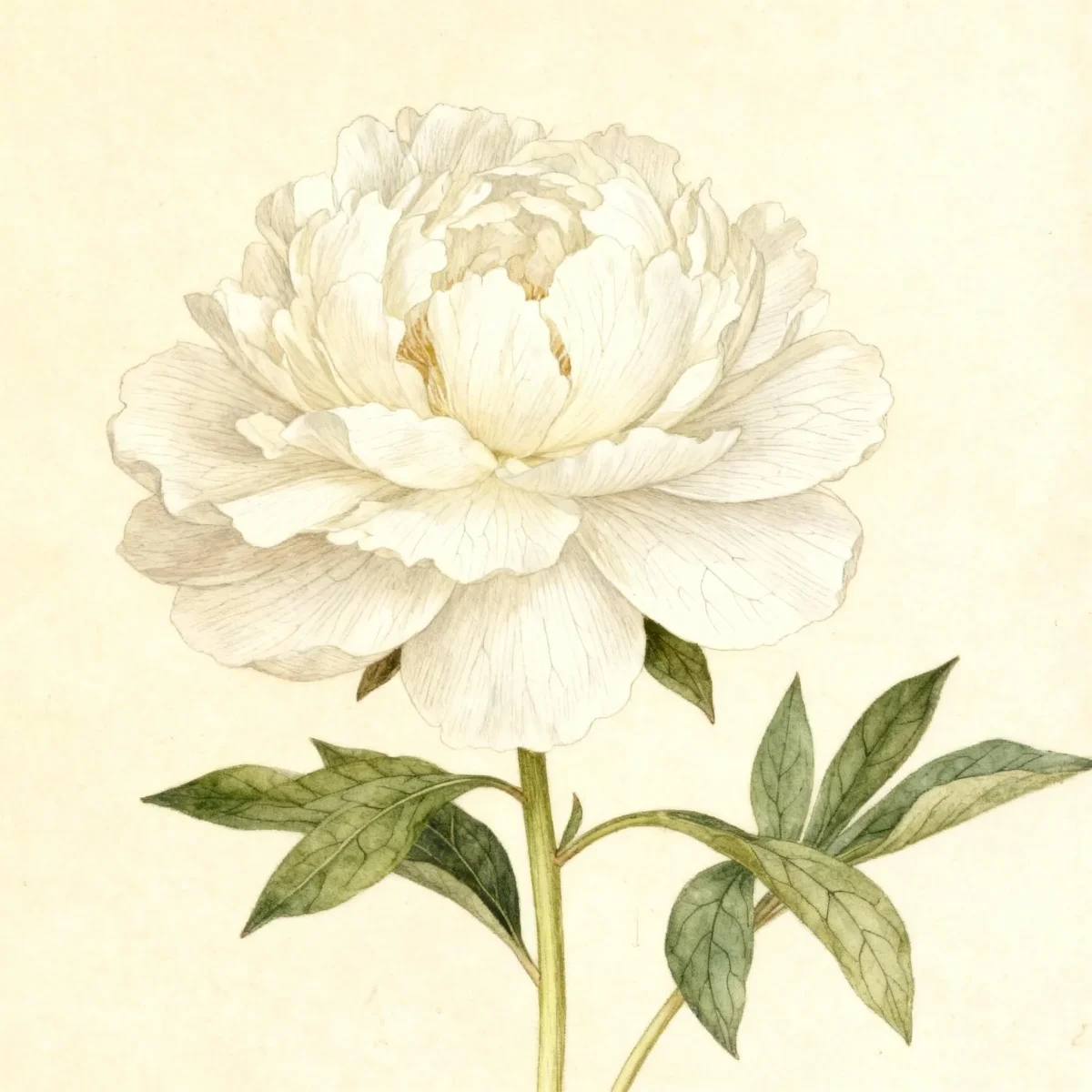
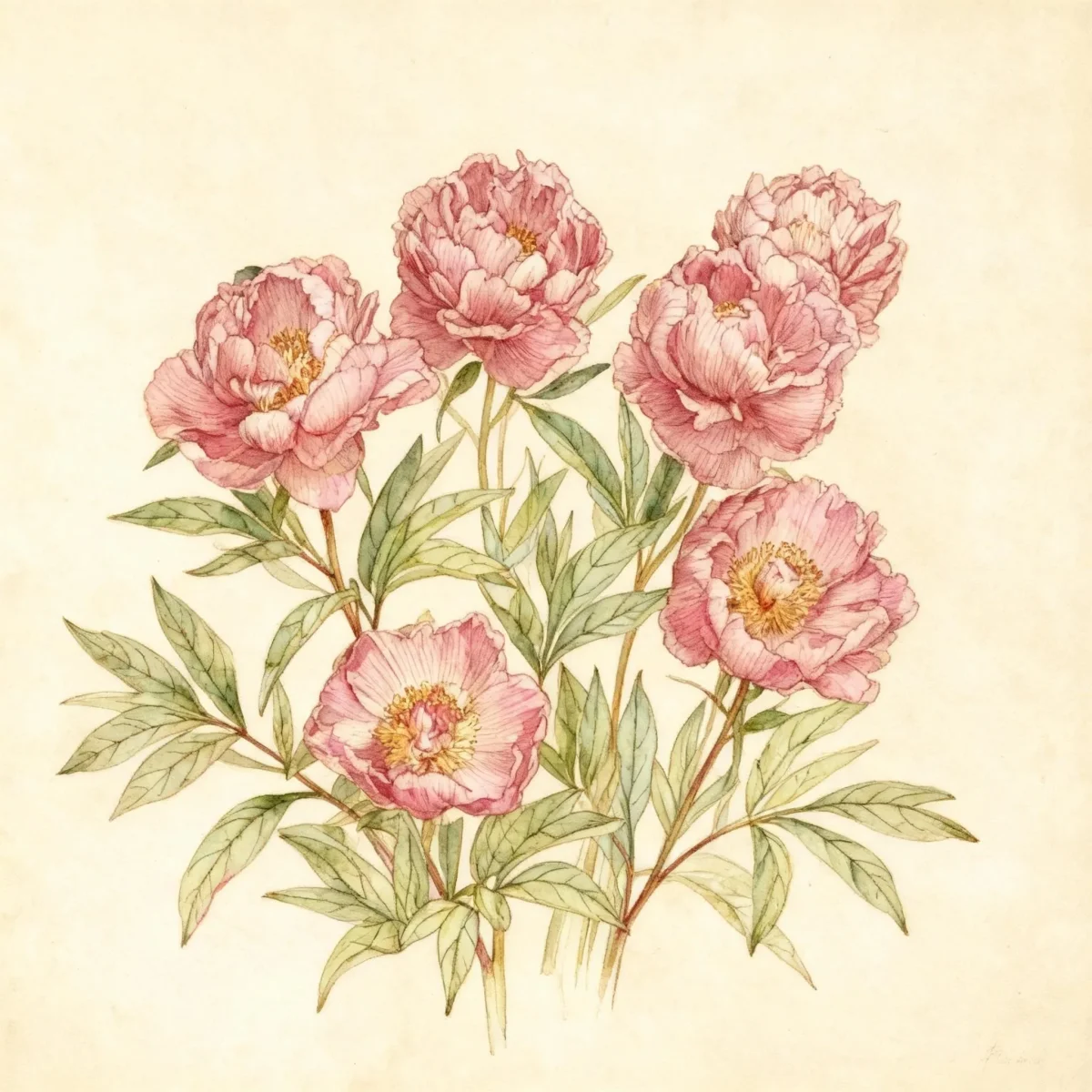
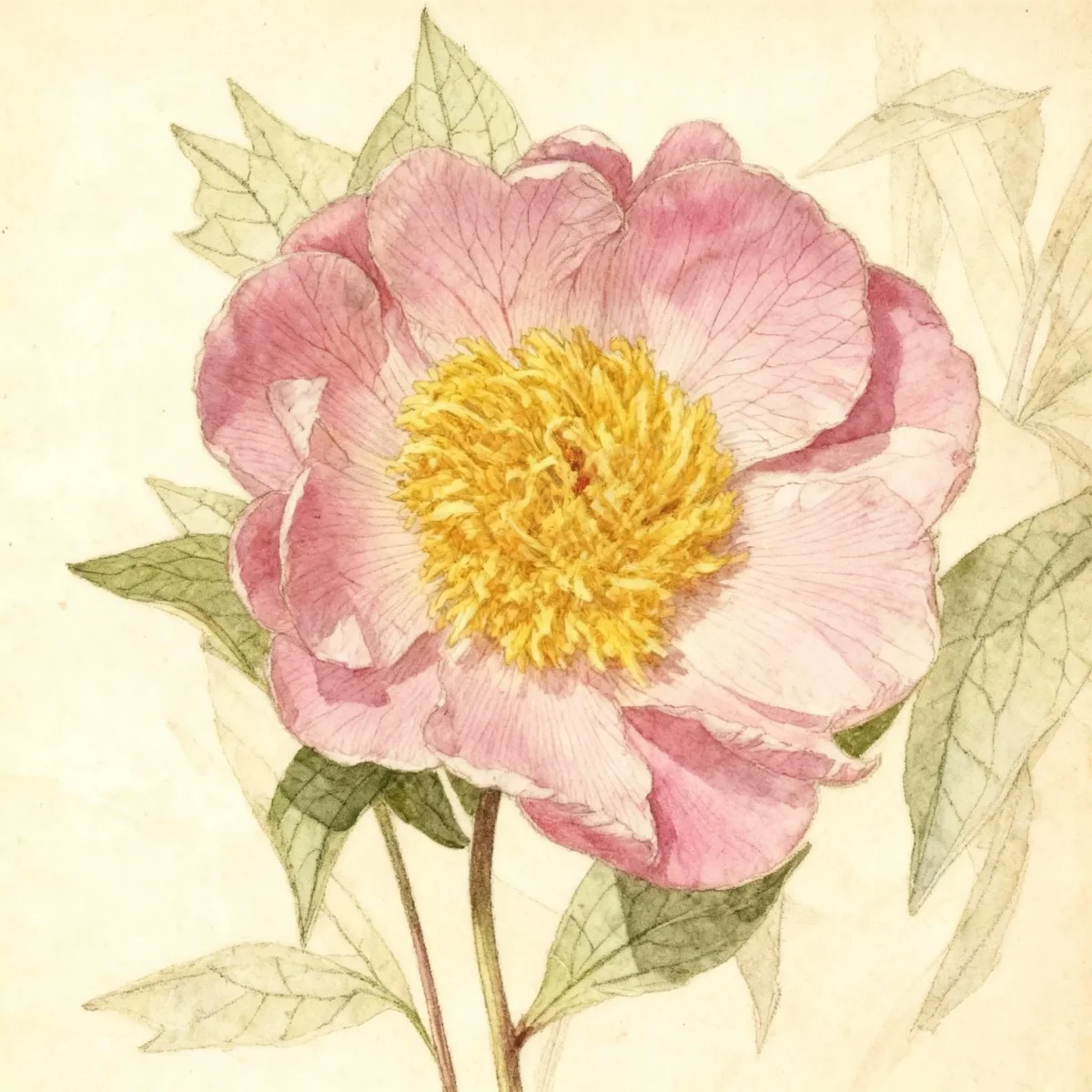
Peony (Paeonia lactiflora 'Charles Burgess')
Paeonia lactiflora 'Charles Burgess' is a stunning Japanese-form Peony, prized for its crimson/burgundy blooms in mid-spring. Hardy in Zones 3-8.
Scroll down to discover growing tips, care requirements, companion plants, and more
Complete Plant Information
Overview
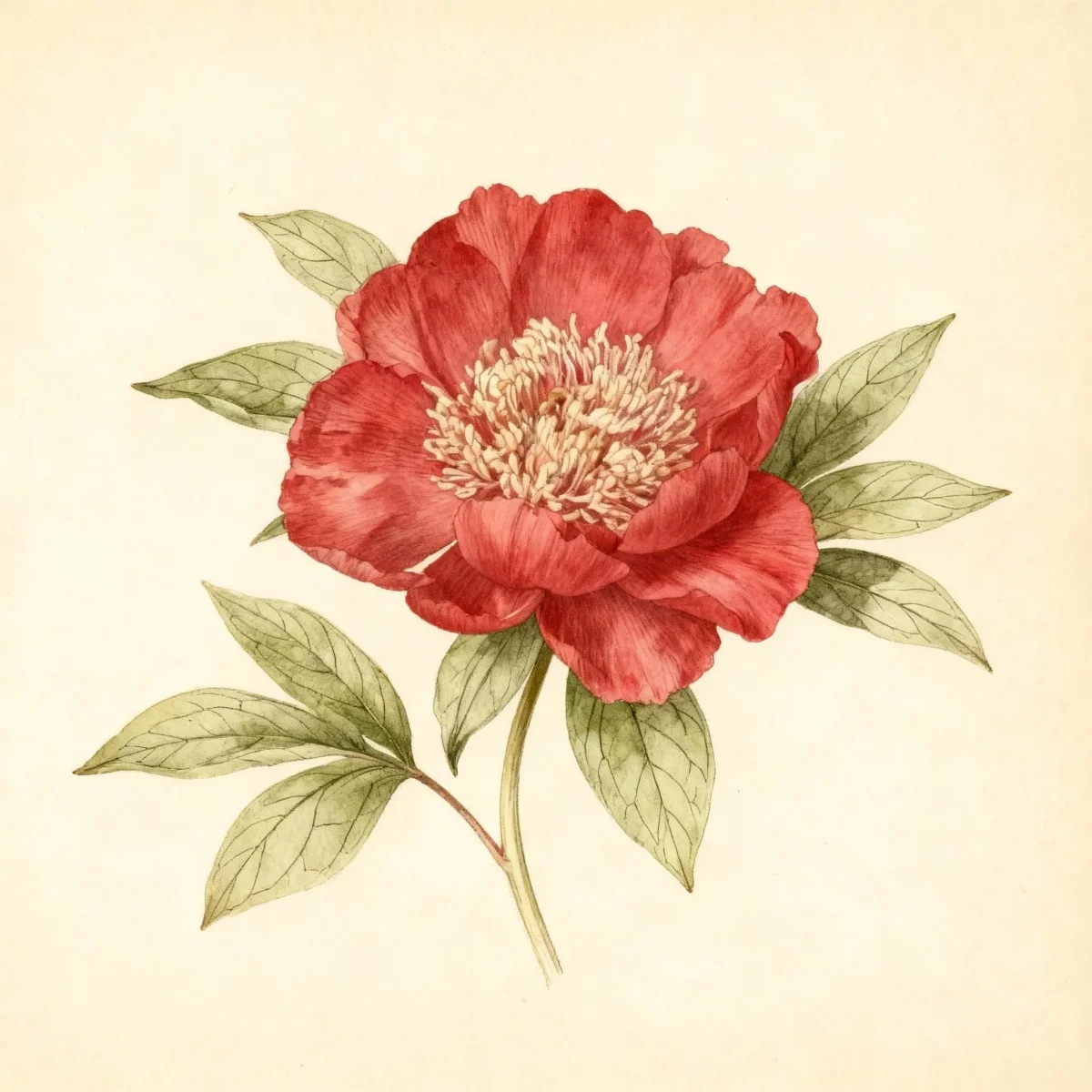
The Paeonia lactiflora ‘Charles Burgess’ offers gardeners a reliable burst of late-spring color, characterized by its distinctive Japanese-form flowers. This variety of Peony is highly valued for its deep crimson to burgundy blooms, providing excellent contrast in established perennial borders. As a long-lived, shrub-like herbaceous perennial, it establishes deep root systems that reward patient gardeners with increasing floral displays year after year.
Paeonia lactiflora ‘Charles Burgess’ thrives when situated in well-drained, fertile soil, happily accepting full sun or a touch of afternoon shade, especially in hotter climates. Once established, this Peony requires medium moisture, particularly early in the growing season, and offers attractive, glossy green foliage that remains appealing through summer and early fall before the stems die back after the first hard frost.
This classic garden staple is essential for creating lasting structure and seasonal focal points. Gardeners appreciate the low long-term maintenance of the Peony once placement is correct, as Paeonia lactiflora ‘Charles Burgess’ dislikes being disturbed or divided. Ensure you site this beauty where its mature presence will not be overshadowed by faster-growing neighbors.
Fast Facts
- Plant Family: Paeoniaceae
- Plant Type: Herbaceous perennial
- Hardiness Zones: USDA Zones 3-8
- Size at Maturity:
- Height: 2.5-3 ft
- Spread: 2.5-3 ft
- Bloom Time: May
- Bloom Description: Crimson/burgundy (Japanese form)
- Sun Exposure: Full sun to part shade
- Water Needs: Medium
- Maintenance Level: Medium
How to Grow
Planting time for Paeonia lactiflora ‘Charles Burgess’ is critical for future success; plant in the fall whenever possible. Select a location offering rich, fertile, well-drained soil. Ensure the rootstock buds, known as “eyes,” are buried approximately 2 inches below the soil surface, as planting too deeply is a common reason this Peony fails to bloom. Incorporate compost prior to planting to bolster soil fertility.
Maintain medium moisture levels throughout the early growing season when the plant is actively putting out growth and preparing buds. While the plants tolerate full sun, those situated in hot summer climates benefit greatly from some afternoon shade to prevent scorching. Watering should be consistent but avoid soggy conditions, which the Paeonia dislikes.
Maintenance is generally low once established. Remove spent flowers after bloom completion to maintain neatness, but do not prune the foliage until after the first fall frost kills the stems back. Since these plants are exceptionally long-lived and dislike division, avoid disturbing the root crown for many years. In northern regions, applying mulch around the root area in winter, particularly where snow cover is unreliable, helps protect against freeze-thaw cycles.
Landscape Uses
Herbaceous Peonies like Paeonia lactiflora ‘Charles Burgess’ are foundational elements in traditional perennial borders. Their upright, shrub-like habit makes them effective as structural specimens or planted in groupings to create visual weight along pathways, driveways, or bordering fences. They function perfectly as screens or accents due to their substantial summer foliage that lasts long after the May bloom period concludes.
Because the magnificent crimson blooms of the ‘Charles Burgess’ Peony are so showy, plan companions that offer textural contrast or bloom sequentially. Consider pairing them with shorter, early-blooming spring bulbs that finish before the Peony reaches its peak, or use mid-summer blooming perennials with different foliage textures as a backdrop when the Peony foliage begins its transition in the fall.
These long-lived perennials serve as excellent anchors in mixed perennial beds, providing reliable vertical structure that frames other, ephemeral plantings. As they remain undisturbed for decades, ensure that their location accommodates their mature spread and height.
Standout Features
Flower Qualities
- Showy
Noteworthy Characteristics
The species, Paeonia lactiflora, is an erect, clump-forming herbaceous perennial native to central Asia, historically cultivated in China since the 7th century. The ‘Charles Burgess’ cultivar exhibits Japanese-type blooms, which are a deep crimson with contrasting burgundy centers, typically appearing mid-season in May. Its glossy, dark green compound leaves provide attractive texture from spring emergence until they die back following the fall frosts.
Tolerances
- Rabbit
- Deer
Potential Problems
Peonies are generally robust plants, though they can occasionally suffer from fungal issues such as Botrytis blight or Phytophthora blight, particularly in overly damp conditions. Ants frequently visit the sticky buds; rest assured, they are harmless and should be left alone as they may aid in flower development. The most common cultural failure is non-blooming, usually caused by planting the root eyes too deep or too shallow, or planting too recently.
For structural support, large semi-double blooms can sometimes benefit from staking, as heavy rain may cause the stems to arch towards the ground. While certain pests like thrips or scale can appear, diligent seasonal cleanup helps reduce pest pressure. Powdery mildew is common on the foliage late in the season but rarely harms the overall health of the Paeonia lactiflora ‘Charles Burgess’.
Ensure proper planting depth and adequate sunlight from the start to avoid issues. If you notice mildew in the fall, cutting the foliage back after frost is an acceptable management practice, removing the infected material from the garden.
Frequently Asked Questions
What hardiness zones is Peony suitable for?
This Peony variety, Paeonia lactiflora ‘Charles Burgess’, is suited for USDA Hardiness Zones 3 through 8.
How large does Peony grow?
At maturity, this herbaceous perennial typically reaches a height between 2.5 to 3 feet and spreads 2.5 to 3 feet wide.
When does Peony bloom?
The bloom time for Paeonia lactiflora ‘Charles Burgess’ is generally in May, producing attractive crimson/burgundy Japanese-form flowers.
What sun exposure does Peony need?
This Peony requires full sun to part shade conditions for optimal growth and flowering.
Conclusion
Paeonia lactiflora ‘Charles Burgess’ remains a centerpiece plant, offering reliable structure and deeply saturated, mid-season color that defines the late spring garden. This long-lived Peony provides excellent aesthetic value with minimal ongoing effort once its crucial planting requirements are met. Before planting, confirm your garden site aligns with USDA Zones 3-8 and provides the necessary sun exposure for a magnificent display next May.
Companion Planting
Selecting suitable companions for Paeonia lactiflora ‘Charles Burgess’ revolves around balancing their cultural needs—rich soil, medium water, and full sun/part shade exposure. Since Peonies bloom early to mid-season, underplanting with low-growing, spreading perennials can conceal the base of the plant as it emerges and provide visual interest after the Peony foliage dies back. Good partners include Lamb’s Ears (Stachys byzantina) for soft texture or creeping Thyme, which handles drying out slightly better than the Peony once its active watering window closes.
Avoid planting shallow-rooted annuals right at the base, as they can compete aggressively for the consistent moisture and nutrients the Peony requires during its vigorous early growth phase. Focus instead on medium-height perennials like Salvia or Iris that share similar medium maintenance needs and bloom later, extending the border’s interest well into summer.
Seasonal Care Calendar
Spring preparation for your Paeonia lactiflora ‘Charles Burgess’ involves removing any winter mulch just as new growth appears, ensuring that tender shoots are protected from unexpected late frosts, which can kill developing flower buds. Focus on consistent watering throughout May and June, the critical moisture period for this species.
Mid-summer care is largely observational; check for potential pest signs or support any emerging heavy blooms to prevent breakage, though often the Japanese form is sturdier than fully double types. In autumn, after the first hard frost has caused the above-ground foliage to die back, cut the stems cleanly to within a few inches of the ground. This practice prevents the spread of potential fall foliar diseases like mildew.