Peony (Paeonia lactiflora 'Duchesse de Nemours')
Paeonia lactiflora 'Duchesse de Nemours' is a showy, fragrant herbaceous perennial Peony, known for large white bomb flowers and medium maintenance needs in zones 3-8.
Scroll down to discover growing tips, care requirements, companion plants, and more
Complete Plant Information
Overview
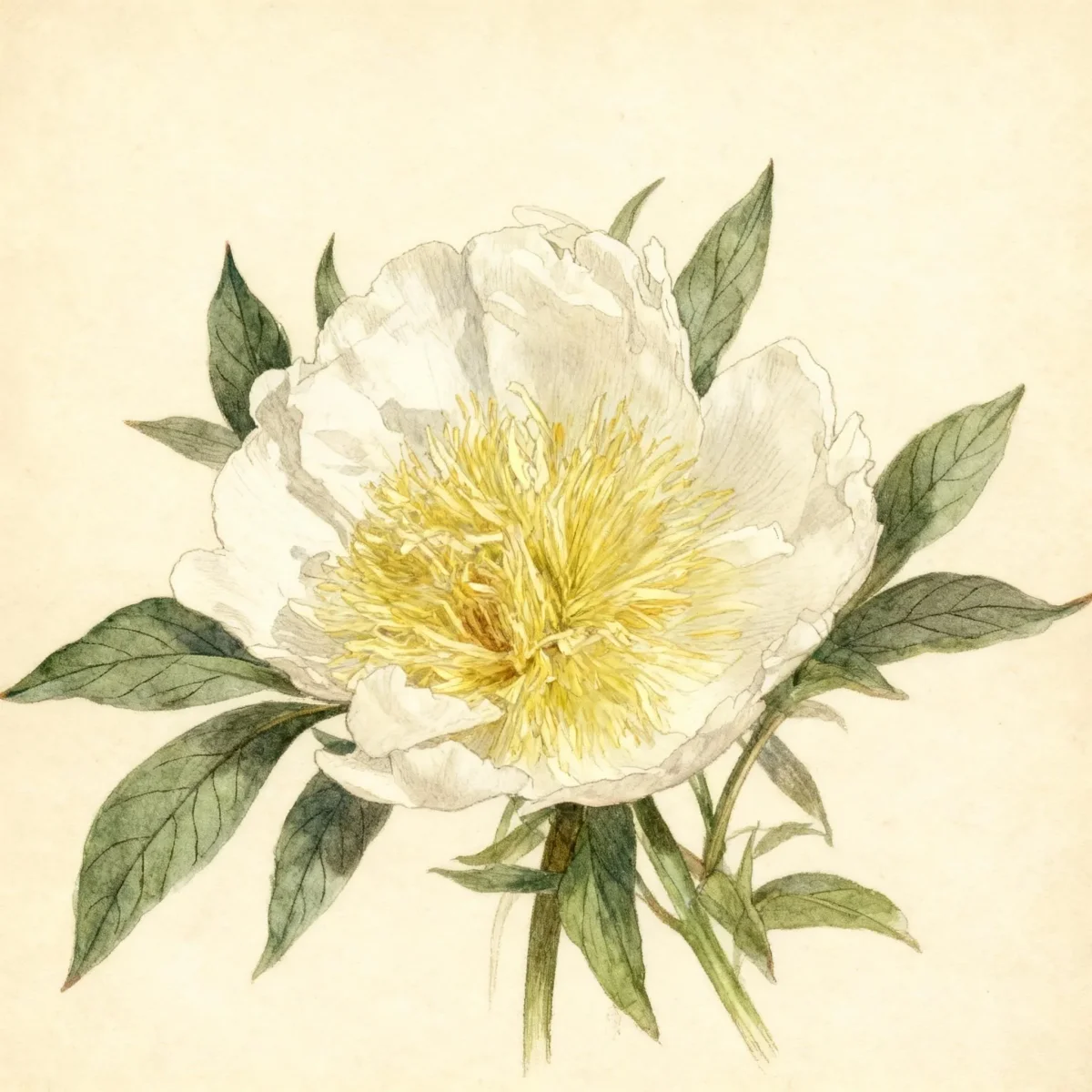
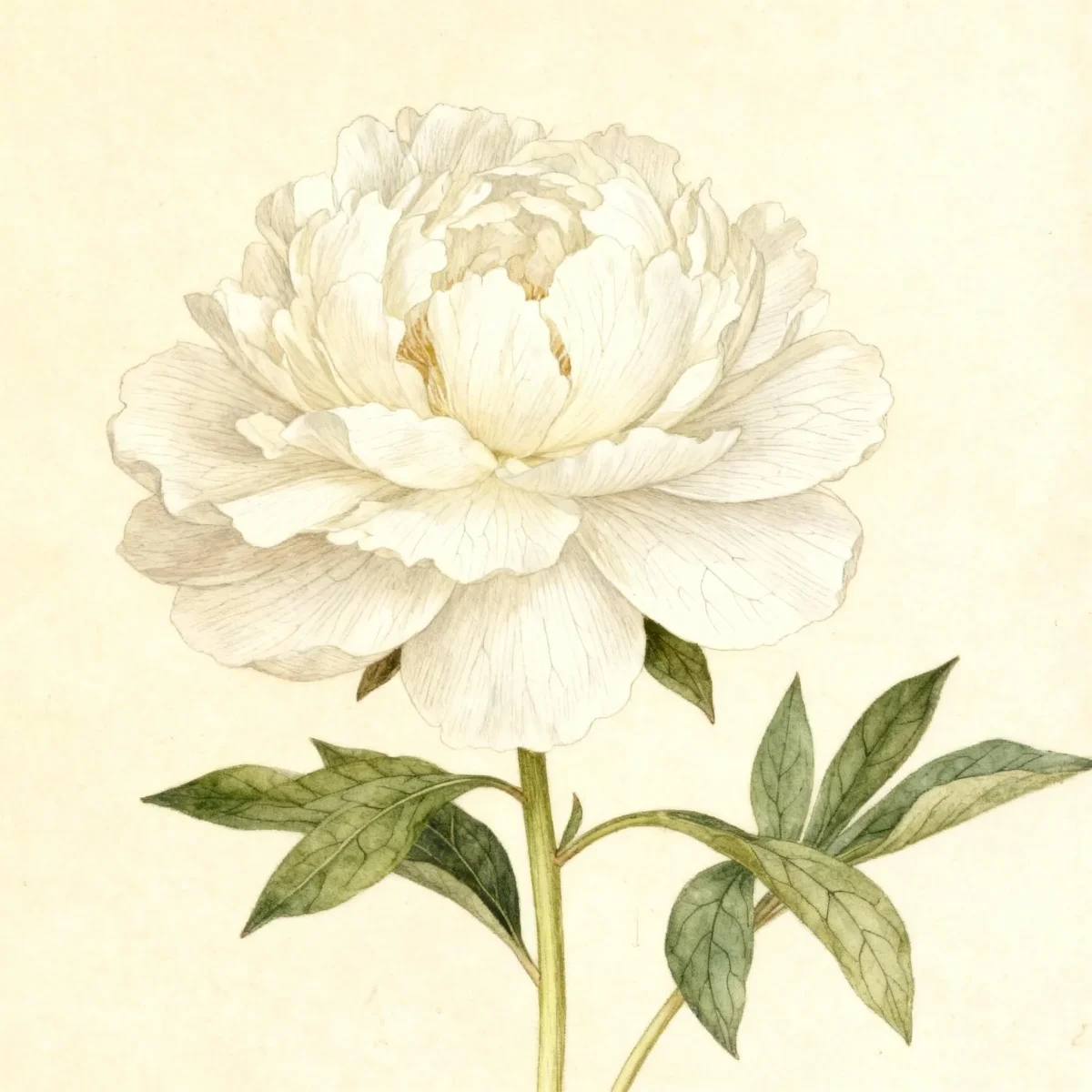
Paeonia lactiflora ‘Duchesse de Nemours’ is a highly valued herbaceous perennial, celebrated as a classic garden Peony. This cultivar produces large, very fragrant, double white flowers often described as ‘white bombs,’ making it a standout addition to any spring garden display. It forms an erect, shrub-like clump that offers attractive, glossy green foliage long after the blooms have faded.
Growing to about three feet tall and wide, this Peony thrives in full sun or accepting partial afternoon shade, especially in hotter climates. It is a reliable, long-lived plant, requiring only medium maintenance once established. Gardeners select Paeonia lactiflora ‘Duchesse de Nemours’ for its spectacular mid-season bloom and its excellent performance as a cut flower specimen.
The presence of this Peony in the border provides superb structure throughout the growing season, dying back to the ground after the first hard frost. Its long lifespan means it rewards patient gardeners who establish it correctly in well-drained soil, appreciating consistent medium moisture during the active growing period.
Fast Facts
- Plant Family: Paeoniaceae
- Plant Type: Herbaceous perennial
- Hardiness Zones: USDA Zones 3-8
- Size at Maturity:
- Height: 2.5-3 ft
- Spread: 2.5-3 ft
- Bloom Time: May
- Bloom Description: White (double)
- Sun Exposure: Full sun to part shade
- Water Needs: Medium
- Maintenance Level: Medium
How to Grow
Planting new Paeonia lactiflora ‘Duchesse de Nemours’ should occur in the fall whenever possible, allowing the roots to settle before the next growing season. Select a location offering full sun or light afternoon shade, ensuring the soil is rich, fertile, and exceptionally well-drained. Crucially, the rootstock buds, known as eyes, must be positioned only about two inches below the soil line; planting too deep is a common reason for this Peony cultivar failing to flower.
Once established, this medium-water-need plant requires consistent moisture, particularly in the spring just as growth begins. While peonies are heavy feeders, incorporating compost before planting usually suffices for years. Avoid excessive fertilization, as this can encourage foliage growth at the expense of flower production.
Seasonal maintenance for this classic Peony involves deadheading spent flowers promptly after the 7-10 day bloom period ends. In late fall, after the first frost has killed the stems, cut all foliage down to the ground and remove it to prevent disease overwintering. In colder climates or where snow cover is insufficient, apply mulch over the root area for winter protection.
Remember that species like Paeonia lactiflora ‘Duchesse de Nemours’ require a cold winter dormancy period to set buds properly. If you wish to extend the overall Peony bloom season in your garden, combine this mid-season star with early and late-blooming varieties.
Landscape Uses
Peonies are foundational elements in traditional perennial borders, serving effectively as robust specimens or planted in thoughtful groupings. Paeonia lactiflora ‘Duchesse de Nemours’ offers significant visual impact when placed near walkways or driveways where its showy white blooms can be easily admired without being overwhelmed by adjacent taller plants.
Due to their shrub-like structure, these long-lived perennials create excellent, informal hedges alongside fences or walls, providing year-round visual interest through their foliage even when not blooming. Use their dense habit as a strong frame or backdrop for shorter, later-season perennials that emerge after the Peony has completed its mid-spring show.
For a heritage garden look, mass planting this fragrant Peony cultivar creates drifts of white that beautifully contrast with deep green evergreens or the soft textures of ornamental grasses planted nearby. Their substantial stems require support if they receive heavy rain, so consider incorporating stakes or peony rings early in the season.
Standout Features
Flower Qualities
- Showy
- Fragrant
- Good Cut
Noteworthy Characteristics
Paeonia lactiflora, known widely as the common garden Peony, is valued for its erect, clump-forming habit and longevity. The cultivar ‘Duchesse de Nemours’ is particularly noted for its large, double flowers featuring cupped white guard petals surrounding dense, light yellow centers, often blooming in May. Its glossy, deep green foliage remains attractive throughout the summer before senescing after the season’s first frost.
Tolerances
- Rabbit
- Deer
Potential Problems
Peonies are generally robust, though they can occasionally face fungal issues like Botrytis blight or Phytophthora blight, particularly in overly wet conditions. Ants are frequently observed crawling on the developing buds; these are harmless and should be left alone as they do not damage the plant. Failure to bloom is often attributed to planting the eyes too deep or too shallow, insufficient sun exposure, or the plant being recently disturbed or too young.
Large, semi-double blooms on Paeonia lactiflora ‘Duchesse de Nemours’ can become top-heavy, especially after rain, necessitating staking or support to prevent stems from arching onto the ground. To manage aesthetic issues, especially powdery mildew which commonly coats leaves late in the season, the foliage can be trimmed back to the ground after the first hard frost. Deer and rabbits typically avoid chewing on this exceptionally sturdy perennial.
Frequently Asked Questions
What hardiness zones is Peony suitable for?
Paeonia lactiflora ‘Duchesse de Nemours’ performs best in USDA Zones 3 through 8, although optimal performance is often observed in the central zones of 5 to 7.
How large does Peony grow?
This herbaceous perennial Peony generally reaches a mature height between 2.5 and 3 feet tall, with a comparable spread of 2.5 to 3 feet wide, forming a substantial clump.
When does Peony bloom?
This cultivar typically flowers in mid-season, usually during the month of May, producing glorious white double blooms.
What sun exposure does Paeonia lactiflora ‘Duchesse de Nemours’ need?
This Peony thrives in full sun but can tolerate part shade. Providing some afternoon shade is beneficial in extremely hot summer climates to prolong bloom quality.
Conclusion
Paeonia lactiflora ‘Duchesse de Nemours’ remains a standard for gardeners seeking exceptional value, combining large, deeply fragrant white flowers with reliable, long-lived performance. This classic Peony offers structural beauty and spectacular spring color in return for medium yearly attention. Before planting, confirm your location falls within USDA Zones 3-8 and ensure the planting depth is precisely correct to guarantee years of glorious blooms.
Companion Planting
When planning the spring garden around your Paeonia lactiflora ‘Duchesse de Nemours’, consider companions that thrive in similar sun requirements and benefit from the Peony’s height. Hostas, with their varying foliage textures and shades of green and blue, make excellent textural contrasts beneath the Peony’s high canopy. Look for low-growing border plants like creeping Phlox or hardy Geraniums that bloom slightly later, providing ground cover to mask the bare soil as the Peony foliage matures.
Since peonies need good air circulation to prevent mildew, avoid planting dense, moisture-loving perennials too closely around the base of the clump. Plants that share similar soil tolerance—rich, well-drained, and medium moisture—will ensure all components of the border thrive together, creating a cohesive mid-spring display. Silver-leaved artemisias can often provide a lovely visual foil for the bright white flowers.
Seasonal Care Calendar
Early Spring (As growth emerges): Immediately ensure root eyes are not covered by excessive mulch or soil accumulation—remove debris covering the soil surface near the crown. If staking is necessary, install supports now before stems become too tall.
Late Spring (Bloom Time): Water deeply during dry spells, especially leading up to and during the bloom in May. Cut blooms immediately after flowering ceases to tidy the plant and redirect energy back to the tubers.
Fall (After Frost): Wait until the foliage has been killed by frost, then cut the stems completely down to the ground. Cover the undisturbed root area with a light layer of mulch, particularly if you are near the edge of its hardiness range.